
James T. Patterson
Author of Grand Expectations: The United States, 1945-1974
About the Author
James T. Patterson is an American historian, and Ford Foundation Professor of History emeritus at Brown University. He wrote "Grand Expectations: the United States, 1945-1974," which received the 1997 Bancroft Prize in American history. (The Bancroft prize is one of the most prestigious honors a show more book of history can received and was established at Columbia University in 1948. It's considered to be on par with the Pulitzer Prize because an anonymous jury of peers judges it.) "Grand Expectations" is an interpretation of the explosive growth, high expectations and unusual optimism that Americans experienced after World War II that went into the 1960's. It follows the social, economic and cultural trends, and foreign policy issues, which became less optimistic after the assassinations, the Vietnam War and Watergate. (Bowker Author Biography) show less
Works by James T. Patterson
Brown v. Board of Education: A Civil Rights Milestone and Its Troubled Legacy (2001) 180 copies, 5 reviews
Freedom Is Not Enough: The Moynihan Report and America's Struggle over Black Family Life from LBJ to Obama (2010) 58 copies, 2 reviews
Congressional Conservatism and the New Deal: The Growth of the Conservative Coalition in Congress, 1933-1939 (1967) 20 copies
Tagged
Common Knowledge
- Birthdate
- 1935-01-01
- Gender
- male
- Nationality
- USA
- Birthplace
- Old Lyme, Connecticut, USA
- Associated Place (for map)
- Connecticut, USA
Members
Reviews
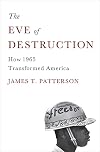
Normally I'm rather skeptical of books claiming that some year or other was the pivotal moment in history, but Patterson makes a fairly good case for 1965 as the starting point for that period which has come down to us as "The Sixties", with its war protests and racial discord, conservative resurgence after the 1964 drubbing, &c. A nicely-written and well-argued book, filled with interesting details. Particularly for those of us who weren't around to experience the era, putting different show more major political/military/economic events into the context of the cultural and sociological goings-on (television shows, songs, movies, technological developments) works well, and when all that happened during the year (and even just during a completely insane three-week period during the summer) is laid out so coherently, it certainly does lend credence to the idea that the year was a key turning point in a number of areas. show less

The 1940s was a low decade for the Republican Party in America. Still recovering from the damage inflicted on their image by the Great Depression, they struggled to win at the national level. Shut out from the presidency by Franklin Roosevelt and Harry Truman’s victorious campaigns, they succeeded in controlling Congress for just a two-year period immediately after World War II. Such a dismal performance prompted much soul-searching among many of the party faithful about the path back to show more the national political dominance they had enjoyed just a few years before.
During these years, such figures as Thomas Dewey, Wendell Willkie, Arthur Vandenberg, and Herbert Hoover played prominent roles in leading the GOP. Yet only one of them was known by his contemporaries as “Mr. Republican”. That man was Robert Alphonso Taft. During his decade and a half in the United States Senate, Taft established himself as an unrelenting critic of Democratic policies and a staunch advocate for conservative values. Yet one of the great strengths of James Patterson’s biography of the man is his ability to go beyond the assumptions that came with his role during this period to analyze Taft’s ideas with nuance and insight, demonstrating in the process that his subject was a far more complex figure than his critics at the time gave him credit for being.
In many ways politics was in Taft’s blood. As a member of the Taft family, he grew up in a family that had distinguished themselves in public service. Not only did his father, William Howard Taft, enjoy a long public career that included stints as president and as the chief justice of the United States, but his grandfather Alfonso Taft, served as Secretary of War and Attorney General during the Grant administration. Young Robert was the beneficiary of his family privilege, enrolling at the prestigious Taft School before attending Yale and Harvard Law. At each institution he excelled academically, eschewing the social scene in favor of long hours engaged in solitary study. This reflected his serious, no-nonsense personality, which as Patterson demonstrates often hindered his political career yet helped him win much admiration for his dedication and sincerity.
After law school Taft followed his father’s advice and joined a law firm in Cincinnati, where he spent the next several years as an underpaid associate. When the United States entered World War I Taft moved to Washington, where he worked as an assistant counsel for the U.S. Food Administration. There he caught the attention of its director, Herbert Hoover, who brought Taft with him to Europe after the war to deal with food relief. With his principled, data-driven approach to solving problems, Hoover became a model for the budding public servant. Taft also shared Hoover’s disgust with the postwar settlement negotiations in Paris, which confirmed his conviction that the United States was better off avoiding involvement in European politics. This attitude would shape his response to global events throughout the rest of his career.
Soon after returning to Cincinnati in 1919 Taft plunged himself into politics. Winning a seat in the Ohio state legislature in 1920, he remained active in state politics throughout the decade while building a lucrative law practice. While his success as a legislator and his famous name ensured speculation that he would run for a statewide office, Taft declined to do so until 1938, when he challenged the incumbent Democrat, Robert Bulkley, for one of Ohio’s seats in the United States Senate. Taft’s victory that year was more a consequence of his hard work and the Republican electoral wave rather than any innate skills as a campaigner, as his cold manner and statistics-laden speeches won him respect rather than affection.
Once in the Senate, Taft quickly established himself as a staunch opponent of Franklin Roosevelt’s New Deal programs. This along with his famous name and the dearth of viable challengers quickly made him a leading candidate for the 1940 Republican presidential nomination. Taft’s ambitions to run for his father’s old job were soon undermined by the war in Europe, however, which made Taft’s isolationist advocacy too much of a liability as a nominee. Here Patterson identifies the recurring irony that would plague Taft’s presidential hopes. Though interested primarily in domestic issues, all three of Taft’s attempts to become president would be frustrated by foreign policy. Here he found himself out-of-step not only with the course of events, but with significant elements of his own party, who worried that Taft’s views made him unelectable nationally. So it proved in 1940, when Wendell Willkie succeeded in winning the nomination instead of Taft.
Deprived of the chance to run against Roosevelt, Taft settled into the role of his foremost opponent in the Senate. Here he proved to be an effective adversary, as he established alliances with conservative southern Democrats to dismantle many of the New Deal agencies. Yet Patterson demonstrates that Taft was far from a reflexive critic of federal involvement in public policy, as he was a consistent advocate of both federally-supported housing and federal aid for education. While such positions often alienated Taft from more hidebound members of his caucus, he was widely respected as one of the Senate’s most effective legislators, which he demonstrated most memorably with the passage of the Taft-Hartley labor laws in 1948.
Nevertheless, the greatest prize continued to elude Taft. His ambitions for the Republican presidential nomination in 1948 were thwarted by Dewey, whose campaign outmaneuvered Taft’s forces at the convention. Truman’s unexpected victory that year provided Taft with one final opportunity for the White House, only for his hostility to America’s postwar military commitments in Europe to prompt Dwight Eisenhower to run the presidency as a Republican in 1952. Defeated for a final time, Taft nonetheless supported Eisenhower out of loyalty to the party, and had established a surprisingly effective relationship with him as president before Taft fell victim to cancer, dying just six months after his inauguration as president in 1953.
To recount the story of Taft’s life, Patterson draws upon the full range of Taft’s papers, as well as numerous other manuscript collections and dozens of interviews with his contemporaries. These he uses to provide an extraordinarily well-rounded portrait of his subject, one that balances effectively the personal and political aspects of his life. While his portrayal of Taft is a sympathetic one, Patterson doesn’t shirk from offering critical assessments of his subject’s personality and his thinking about public policy as a way of understanding the limits of his achievements. It’s this combination of diligent research and perceptive judgment that makes Patterson’s book one of the best biographies of an American politician that has ever been written, and one unlikely ever to be surpassed as an account of his career. show less
During these years, such figures as Thomas Dewey, Wendell Willkie, Arthur Vandenberg, and Herbert Hoover played prominent roles in leading the GOP. Yet only one of them was known by his contemporaries as “Mr. Republican”. That man was Robert Alphonso Taft. During his decade and a half in the United States Senate, Taft established himself as an unrelenting critic of Democratic policies and a staunch advocate for conservative values. Yet one of the great strengths of James Patterson’s biography of the man is his ability to go beyond the assumptions that came with his role during this period to analyze Taft’s ideas with nuance and insight, demonstrating in the process that his subject was a far more complex figure than his critics at the time gave him credit for being.
In many ways politics was in Taft’s blood. As a member of the Taft family, he grew up in a family that had distinguished themselves in public service. Not only did his father, William Howard Taft, enjoy a long public career that included stints as president and as the chief justice of the United States, but his grandfather Alfonso Taft, served as Secretary of War and Attorney General during the Grant administration. Young Robert was the beneficiary of his family privilege, enrolling at the prestigious Taft School before attending Yale and Harvard Law. At each institution he excelled academically, eschewing the social scene in favor of long hours engaged in solitary study. This reflected his serious, no-nonsense personality, which as Patterson demonstrates often hindered his political career yet helped him win much admiration for his dedication and sincerity.
After law school Taft followed his father’s advice and joined a law firm in Cincinnati, where he spent the next several years as an underpaid associate. When the United States entered World War I Taft moved to Washington, where he worked as an assistant counsel for the U.S. Food Administration. There he caught the attention of its director, Herbert Hoover, who brought Taft with him to Europe after the war to deal with food relief. With his principled, data-driven approach to solving problems, Hoover became a model for the budding public servant. Taft also shared Hoover’s disgust with the postwar settlement negotiations in Paris, which confirmed his conviction that the United States was better off avoiding involvement in European politics. This attitude would shape his response to global events throughout the rest of his career.
Soon after returning to Cincinnati in 1919 Taft plunged himself into politics. Winning a seat in the Ohio state legislature in 1920, he remained active in state politics throughout the decade while building a lucrative law practice. While his success as a legislator and his famous name ensured speculation that he would run for a statewide office, Taft declined to do so until 1938, when he challenged the incumbent Democrat, Robert Bulkley, for one of Ohio’s seats in the United States Senate. Taft’s victory that year was more a consequence of his hard work and the Republican electoral wave rather than any innate skills as a campaigner, as his cold manner and statistics-laden speeches won him respect rather than affection.
Once in the Senate, Taft quickly established himself as a staunch opponent of Franklin Roosevelt’s New Deal programs. This along with his famous name and the dearth of viable challengers quickly made him a leading candidate for the 1940 Republican presidential nomination. Taft’s ambitions to run for his father’s old job were soon undermined by the war in Europe, however, which made Taft’s isolationist advocacy too much of a liability as a nominee. Here Patterson identifies the recurring irony that would plague Taft’s presidential hopes. Though interested primarily in domestic issues, all three of Taft’s attempts to become president would be frustrated by foreign policy. Here he found himself out-of-step not only with the course of events, but with significant elements of his own party, who worried that Taft’s views made him unelectable nationally. So it proved in 1940, when Wendell Willkie succeeded in winning the nomination instead of Taft.
Deprived of the chance to run against Roosevelt, Taft settled into the role of his foremost opponent in the Senate. Here he proved to be an effective adversary, as he established alliances with conservative southern Democrats to dismantle many of the New Deal agencies. Yet Patterson demonstrates that Taft was far from a reflexive critic of federal involvement in public policy, as he was a consistent advocate of both federally-supported housing and federal aid for education. While such positions often alienated Taft from more hidebound members of his caucus, he was widely respected as one of the Senate’s most effective legislators, which he demonstrated most memorably with the passage of the Taft-Hartley labor laws in 1948.
Nevertheless, the greatest prize continued to elude Taft. His ambitions for the Republican presidential nomination in 1948 were thwarted by Dewey, whose campaign outmaneuvered Taft’s forces at the convention. Truman’s unexpected victory that year provided Taft with one final opportunity for the White House, only for his hostility to America’s postwar military commitments in Europe to prompt Dwight Eisenhower to run the presidency as a Republican in 1952. Defeated for a final time, Taft nonetheless supported Eisenhower out of loyalty to the party, and had established a surprisingly effective relationship with him as president before Taft fell victim to cancer, dying just six months after his inauguration as president in 1953.
To recount the story of Taft’s life, Patterson draws upon the full range of Taft’s papers, as well as numerous other manuscript collections and dozens of interviews with his contemporaries. These he uses to provide an extraordinarily well-rounded portrait of his subject, one that balances effectively the personal and political aspects of his life. While his portrayal of Taft is a sympathetic one, Patterson doesn’t shirk from offering critical assessments of his subject’s personality and his thinking about public policy as a way of understanding the limits of his achievements. It’s this combination of diligent research and perceptive judgment that makes Patterson’s book one of the best biographies of an American politician that has ever been written, and one unlikely ever to be surpassed as an account of his career. show less
Freedom is not enough : the Moynihan report and America's struggle over black family life : from LBJ to Obama by James T. Patterson
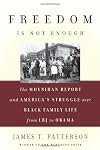
Freedom, now as well as in the past, is not enough to secure equality and justice. When dealing with a nation with racism so embedded in the history and psyches of the people, giving the oppressed freedom, whether de facto or de jure, does not guarantee that they will actually be treated non-discriminately. It takes a generation or two to really pull people out of their mindsets of prejudice, not to mention the generation or two it takes for the despondent to gain some considerable social show more and political traction.
This is what Moynihan was pointing out in his report (in reality a leaked memo meant for government officials), actually titled The Negro Family: The Case for National Action. Substantial government support was needed, according to Moynihan, to stem the dysfunction within black communities, dysfunction caused by racist and economic pressures that drove crime, unemployment, and family splintering. For as meaningful and pressing his position, it was equally misunderstood and admonished.
Almost immediately after the memo was leaked, the backlash against Moynihan and his positions started. Here was a white man discussing black culture and family structure, stating how the current state of the Negro family was dysfunctional and needed to be changed, and that it was so off that the government needed to intervene did not sit well with many black leaders and civil rights activists. Sadly, the overriding sentiment of the report and the possible policy contributions that could be gleaned was lost in a wave of resentment and distrust.
That is not to say that the report did not have an effect on policy reform, however the reform did not pan out the way Moynihan had hoped or intended. When the report was written, women with children were able to procure monetary support from the government but not if they were married. This did nothing to remedy or alleviate the family situation or provide a system in which black men were able to secure employment. In many ways, the welfare system created that which it sought to destroy – broken homes and families dependent on government subsidies. As the years rolled on, subsequent presidential administrations did little to improve the situation.
Patterson’s analysis of the report’s impact on social science was the most striking. The report had the effect of closing off dialogue rather than opening it up. Based on the initial reactions to the report, many sociologists avoided the issue of black family structure because of the controversy it incites. Beginning in the 1980s things began to improve on this front with outspoken people like Ken Auletta, Benjamin Hooks, and Glenn Loury. Nevertheless, even to this day, regardless of the speaker’s race, discussion of black family dysfunction remains controversial and often verboten to discuss in a meaningful manner. Until we are able to discuss these issues openly and honestly, effective public policies will remain elusive. show less
This is what Moynihan was pointing out in his report (in reality a leaked memo meant for government officials), actually titled The Negro Family: The Case for National Action. Substantial government support was needed, according to Moynihan, to stem the dysfunction within black communities, dysfunction caused by racist and economic pressures that drove crime, unemployment, and family splintering. For as meaningful and pressing his position, it was equally misunderstood and admonished.
Almost immediately after the memo was leaked, the backlash against Moynihan and his positions started. Here was a white man discussing black culture and family structure, stating how the current state of the Negro family was dysfunctional and needed to be changed, and that it was so off that the government needed to intervene did not sit well with many black leaders and civil rights activists. Sadly, the overriding sentiment of the report and the possible policy contributions that could be gleaned was lost in a wave of resentment and distrust.
That is not to say that the report did not have an effect on policy reform, however the reform did not pan out the way Moynihan had hoped or intended. When the report was written, women with children were able to procure monetary support from the government but not if they were married. This did nothing to remedy or alleviate the family situation or provide a system in which black men were able to secure employment. In many ways, the welfare system created that which it sought to destroy – broken homes and families dependent on government subsidies. As the years rolled on, subsequent presidential administrations did little to improve the situation.
Patterson’s analysis of the report’s impact on social science was the most striking. The report had the effect of closing off dialogue rather than opening it up. Based on the initial reactions to the report, many sociologists avoided the issue of black family structure because of the controversy it incites. Beginning in the 1980s things began to improve on this front with outspoken people like Ken Auletta, Benjamin Hooks, and Glenn Loury. Nevertheless, even to this day, regardless of the speaker’s race, discussion of black family dysfunction remains controversial and often verboten to discuss in a meaningful manner. Until we are able to discuss these issues openly and honestly, effective public policies will remain elusive. show less
Grand Expectations: The United States, 1945-1974 (Oxford History of the United States) by James T. Patterson
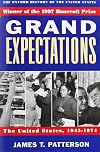
James Patterson's history of the U.S. in the post war era is an excellent omnibus overview of the period, covering a wide range of trends and themes, and bringing personalities vividly to life. Despite its considerable length, it is eminently readable, with an extensive index and a helpful bibliographic essay at the end. All this makes it a worthy entry in the magisterial Oxford history of the U.S., if perhaps bit less gripping than a few other entries in the series -- McPherson's "Battle show more Cry of Freedom", and Kennedy's "Freedom from Fear". Two possible explanations for this may be worth noting. First, in a narrative sense, the period itself did not have a single focus like the Civil War or the Depression, but rather a multiplicity of themes. Patterson's trope of "grand expectations" is a good marker for American attitudes at mid-century, but there were as he demonstrates several sets of grand expectations at work. Secondly, this is recent history -- within the memory of many readers (including this one), and lacking perhaps the advantages of distance.
"Grand Expectations" explores events from 1945 -- when the U.S. was unquestionably 'top country' -- to Watergate, when the country seemed to many to be coming undone. Patterson examines the period from several perspectives. Certainly, he explores domestic and international political patterns, but also goes into cultural and economic trends. This makes it a richer and more nuanced work than many standard histories, which are too often political narratives of who did what to whom. Not that Patternson is short on who and whom. His political portraits are vivid and often show how leaders' personalities interacted with events to produce specific outcomes. Patterson's discussion of Lyndon Johnson's policies brings out what some might consider the tragedy of Ol' Lyndon,, while his discussion of the Nixon/Eisenhower relationship almost made me sympathize with Tricky Dick. He gives the struggle for civil rights its rightful place, putting it at the center of the changes that overtook America in the 1960's, as the key instance of the "rights revolution" that affected so many areas of American life.
In a work with so wide a scope, some readers may well feel that some themes, or events, or personalities have been short-changed. And in a work which clearly strives for balance. some may feel that the approach on certain still-contentious issues is too tepid. Overall, however, this book provides a compelling narrative of a critical period. And those of us who lived through the period may find it particularly interesting. Several times in reading this book, I had "ah-ha!" moments -- so that's what was really going on. show less
"Grand Expectations" explores events from 1945 -- when the U.S. was unquestionably 'top country' -- to Watergate, when the country seemed to many to be coming undone. Patterson examines the period from several perspectives. Certainly, he explores domestic and international political patterns, but also goes into cultural and economic trends. This makes it a richer and more nuanced work than many standard histories, which are too often political narratives of who did what to whom. Not that Patternson is short on who and whom. His political portraits are vivid and often show how leaders' personalities interacted with events to produce specific outcomes. Patterson's discussion of Lyndon Johnson's policies brings out what some might consider the tragedy of Ol' Lyndon,, while his discussion of the Nixon/Eisenhower relationship almost made me sympathize with Tricky Dick. He gives the struggle for civil rights its rightful place, putting it at the center of the changes that overtook America in the 1960's, as the key instance of the "rights revolution" that affected so many areas of American life.
In a work with so wide a scope, some readers may well feel that some themes, or events, or personalities have been short-changed. And in a work which clearly strives for balance. some may feel that the approach on certain still-contentious issues is too tepid. Overall, however, this book provides a compelling narrative of a critical period. And those of us who lived through the period may find it particularly interesting. Several times in reading this book, I had "ah-ha!" moments -- so that's what was really going on. show less
Lists
Awards


You May Also Like


Associated Authors
Statistics
- Works
- 23
- Members
- 1,925
- Popularity
- #13,370
- Rating
- 3.8
- Reviews
- 21
- ISBNs
- 65
- Languages
- 1
- Favorited
- 2