

Marc Eliot
Author of Cary Grant: A Biography
About the Author
Marc Eliot is a New York Times bestselling author and American biographer. He has written over a dozen books on the media and popular culture including the biographies of Cary Grant, Jimmy Stewart, Walt Disney and Bruce Springsteen, and Clint Eastwood. His writing has also appeared in several show more publications including L.A. Weekly and California Magazine. Eliot lives in New York and Los Angeles. (Bowker Author Biography) show less
Image credit: courtesy of Marc Eliot
Works by Marc Eliot
Kato Kaelin: The Whole Truth (The Real Story of O.J., Nicole, and Kato from the Actual Tapes) (1995) 56 copies, 2 reviews
Tagged
Common Knowledge
- Birthdate
- 1946-04-18
- Gender
- male
- Nationality
- USA
- Associated Place (for map)
- USA
Members
Reviews
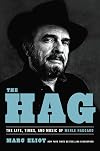
The Hag: The Life, Times and Music of Merle Haggard by Marc Elliot is a 2022 Hachette publication.
Marc Elliot did a fabulous job with this biography. Merle Haggard is legendary, one of the most influential artists in country music. Over the years, though, even Merle tended to embellish or downplay events, had memory lapses, or selective memory about times, places, people etc.
Elliot sticks to the facts, keeps his nose out of the area of opinion, and presents the story of Merle Haggard as it show more was, warts and all. A biographer’s job isn’t to praise or criticize and Elliot pulls that off with aplomb by writing a very detailed, profile of Merle Haggard. I am very impressed with the presentation, the approach, and the obvious research Elliot put into this book and the respect he had for his subject.
When I came across this book, I paused, not because I was a huge fan, but because seeing Merle’s picture on the cover brought back some nostalgic childhood memories of my parents who were fans of country music. I thought about what songs of his I might remember and was surprised by how much I could recall. I also stopped to consider what I knew about Merle Haggard, from a personal standpoint, which, other than his infamous prison stint, wasn’t much. Out of curiosity I added it to my list and got a lot more than I had bargained for.
For a good while there I’d made up my mind that I didn’t really like Merle Haggard. He did some awful things, and I’m not talking about his teenage crime sprees. As I continued to read, I was trying to formulate in my mind how to write a review for an incredibly well-written bio of a person I now thought of as a right bastard.
By the end of the book, though, as the author got to the latter stages of Haggard’s life, the awards and honors bestowed on him, I had to agree that yes, he had come from nothing, had been shaken by a prison stint, and music gave him a chance to make something of his life. He had gone on to perform for presidents, and even be honored by them, and will go down in history as one of the most influential country music artists in history. In short, a legend.
Hag did live a hard life, his relationships were never pretty, and he had a penchant for self-sabotage. He didn’t treat his wives well, wasn’t a great parent, had issues with substances, finances, and ups and downs in his career. But his later years, he seemed to have redeemed himself and was more popular than ever when his health begin to fail him.
Overall, this is a fascinating read. The author did a very impressive job with the book and though, Haggard’s personal life was tumultuous, and his career took many turns, there is no denying his songwriting ability, and his musical talent, or the impact he had on many artists.
He was one of the main contributors to the Bakersville sound and deserved all the accolades for his many achievements. At the end of the day, I must admit, somewhat grudgingly, that before I turned that last page, I had come to admire ‘The Hag’, at least from a professional standpoint. He certainly led a full, colorful life and this author certainly did him justice.
5 stars show less
Marc Elliot did a fabulous job with this biography. Merle Haggard is legendary, one of the most influential artists in country music. Over the years, though, even Merle tended to embellish or downplay events, had memory lapses, or selective memory about times, places, people etc.
Elliot sticks to the facts, keeps his nose out of the area of opinion, and presents the story of Merle Haggard as it show more was, warts and all. A biographer’s job isn’t to praise or criticize and Elliot pulls that off with aplomb by writing a very detailed, profile of Merle Haggard. I am very impressed with the presentation, the approach, and the obvious research Elliot put into this book and the respect he had for his subject.
When I came across this book, I paused, not because I was a huge fan, but because seeing Merle’s picture on the cover brought back some nostalgic childhood memories of my parents who were fans of country music. I thought about what songs of his I might remember and was surprised by how much I could recall. I also stopped to consider what I knew about Merle Haggard, from a personal standpoint, which, other than his infamous prison stint, wasn’t much. Out of curiosity I added it to my list and got a lot more than I had bargained for.
For a good while there I’d made up my mind that I didn’t really like Merle Haggard. He did some awful things, and I’m not talking about his teenage crime sprees. As I continued to read, I was trying to formulate in my mind how to write a review for an incredibly well-written bio of a person I now thought of as a right bastard.
By the end of the book, though, as the author got to the latter stages of Haggard’s life, the awards and honors bestowed on him, I had to agree that yes, he had come from nothing, had been shaken by a prison stint, and music gave him a chance to make something of his life. He had gone on to perform for presidents, and even be honored by them, and will go down in history as one of the most influential country music artists in history. In short, a legend.
Hag did live a hard life, his relationships were never pretty, and he had a penchant for self-sabotage. He didn’t treat his wives well, wasn’t a great parent, had issues with substances, finances, and ups and downs in his career. But his later years, he seemed to have redeemed himself and was more popular than ever when his health begin to fail him.
Overall, this is a fascinating read. The author did a very impressive job with the book and though, Haggard’s personal life was tumultuous, and his career took many turns, there is no denying his songwriting ability, and his musical talent, or the impact he had on many artists.
He was one of the main contributors to the Bakersville sound and deserved all the accolades for his many achievements. At the end of the day, I must admit, somewhat grudgingly, that before I turned that last page, I had come to admire ‘The Hag’, at least from a professional standpoint. He certainly led a full, colorful life and this author certainly did him justice.
5 stars show less

Isn't a biography supposed to explain something?
Oh, this biography gives the basic facts of the life of Phil Ochs with, as best I can tell, reasonable accuracy and objectivity, not covering up how totally he went bad. Born 1940. Was very strange in school. His parents -- one of whom had bipolar disorder -- mostly let him do whatever he wanted, including paying for a nose job in high school and sending him to a military school. Became a moderately successful topical songwriter in the early show more 1960s. Was friends with Dylan. Decided he wanted to emulate Dylan in leaving his roots behind. Decided he was better than Dylan. Went broke; went crazy; lost his voice; lost his creativity; blew off multiple wives and girlfriends and spent a lot of time with prostitutes. Turned alcoholic and a valium addict. Went broke. Decided he was not Phil Ochs, he was John Train. Then he was... pretty much nothing. Committed suicide in 1976.
But there are a number of unanswered questions. He hung around with "folk" musicians, and was classified with "folk" musicians, but was there any real relationship other than his native left wing politics? A personal connection rather than a cultural, one might say -- these people were his friends and fellow travelers, but he had no part in the tradition. Was this why it was so easy for him to turn from writing topical material to being a navel-gazer?
And what was it that actually happened to him, that caused him to go from being a protest voice to someone who wanted to be a top-tier pop performer (something he really didn't have the talent to do -- he wasn't a good musician, and while he was clever, he certainly wasn't extraordinarily so). And then to go from there to someone who was crazy, deluded, hostile, drunk, broke, and unable to care for himself, until finally he put himself out of his own misery?
There is absolutely no explanation here for what went wrong with Ochs. The explanation that I've heard is that he suffered from manic-depressive (now bipolar) disorder. I am unable to say -- I never knew the man, and besides, he died before bipolar disorder had fixed diagnostic criteria. But bipolar doesn't seem a great fit for someone who went from unusual to flat-out deluded, but (at least as described in this book) showed few signs of depression until the very end. He had all mania, no depression.
One of Ochs's most biting songs was the titular "A Small Circle of Friends," inspired by the Kitty Genovese murder:
Look outside the window, there's a woman being grabbed,
They've dragged her to the bushes, and now she's being stabbed.
Maybe we should call the cops and try to stop the pain
But Monopoly is so much fun, I'd hate to spoil the game
And I'm sure it wouldn't interest... anybody...
Outside of a small circle of friends.
Who were Ochs's friends? I'm not sure I know.
Maybe we can't answer these questions. After all, Ochs is dead -- and, given the way the last years of his life went, I think that may be a mercy for him. But if we are to learn from a biography, we need to understand the subject of the biography. And I never felt myself understanding Ochs. Or, indeed, understanding anyone in the story -- why did they put up with so much for so long, and why didn't they give him any help? And what message would Ochs leave us if he could? show less
Oh, this biography gives the basic facts of the life of Phil Ochs with, as best I can tell, reasonable accuracy and objectivity, not covering up how totally he went bad. Born 1940. Was very strange in school. His parents -- one of whom had bipolar disorder -- mostly let him do whatever he wanted, including paying for a nose job in high school and sending him to a military school. Became a moderately successful topical songwriter in the early show more 1960s. Was friends with Dylan. Decided he wanted to emulate Dylan in leaving his roots behind. Decided he was better than Dylan. Went broke; went crazy; lost his voice; lost his creativity; blew off multiple wives and girlfriends and spent a lot of time with prostitutes. Turned alcoholic and a valium addict. Went broke. Decided he was not Phil Ochs, he was John Train. Then he was... pretty much nothing. Committed suicide in 1976.
But there are a number of unanswered questions. He hung around with "folk" musicians, and was classified with "folk" musicians, but was there any real relationship other than his native left wing politics? A personal connection rather than a cultural, one might say -- these people were his friends and fellow travelers, but he had no part in the tradition. Was this why it was so easy for him to turn from writing topical material to being a navel-gazer?
And what was it that actually happened to him, that caused him to go from being a protest voice to someone who wanted to be a top-tier pop performer (something he really didn't have the talent to do -- he wasn't a good musician, and while he was clever, he certainly wasn't extraordinarily so). And then to go from there to someone who was crazy, deluded, hostile, drunk, broke, and unable to care for himself, until finally he put himself out of his own misery?
There is absolutely no explanation here for what went wrong with Ochs. The explanation that I've heard is that he suffered from manic-depressive (now bipolar) disorder. I am unable to say -- I never knew the man, and besides, he died before bipolar disorder had fixed diagnostic criteria. But bipolar doesn't seem a great fit for someone who went from unusual to flat-out deluded, but (at least as described in this book) showed few signs of depression until the very end. He had all mania, no depression.
One of Ochs's most biting songs was the titular "A Small Circle of Friends," inspired by the Kitty Genovese murder:
Look outside the window, there's a woman being grabbed,
They've dragged her to the bushes, and now she's being stabbed.
Maybe we should call the cops and try to stop the pain
But Monopoly is so much fun, I'd hate to spoil the game
And I'm sure it wouldn't interest... anybody...
Outside of a small circle of friends.
Who were Ochs's friends? I'm not sure I know.
Maybe we can't answer these questions. After all, Ochs is dead -- and, given the way the last years of his life went, I think that may be a mercy for him. But if we are to learn from a biography, we need to understand the subject of the biography. And I never felt myself understanding Ochs. Or, indeed, understanding anyone in the story -- why did they put up with so much for so long, and why didn't they give him any help? And what message would Ochs leave us if he could? show less
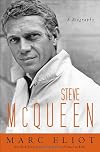
Steve McQueen was Hollywood’s “King of Cool.” With his starring roles in such classic films as The Great Escape, The Thomas Crown Affair, and Bullitt, he created the persona of a laconic tough guy with a taste for fast cars and beautiful women. Women wanted him and men wanted to be him.
If you want to know more about him than that, I suggest you look somewhere other than Marc Eliot’s Steve McQueen: A Biography.
In this self-proclaimed “revisionist” biography, Eliot spent little show more time relating his subject’s biographical details; in fact, the Wikipedia entry on McQueen is more informative about his life than this biography. Eliot devoted fewer than 50 pages to the first 28 years of McQueen’s life and spent very little time exploring any of his personal relationships, preferring instead to focus on the grosses for his movies.
Steve McQueen could have succeeded as a critical study of McQueen’s films if Eliot had bothered to apply any criticism to his discussion of them. He related the cast, the budget, and the grosses for all of McQueen’s films, but Eliot’s discussion of each film’s merit is directly related to its box office performance: if it did well, he praises it and if it did poorly, he dismisses it.
In the Author’s Notes of Steve McQueen: A Biography, Marc Eliot wrote that he had not found a definitive biography of McQueen. Sadly, he also failed to write one.
Received via NetGalley.
I originally wrote this for The Chant Online. It is reprinted with permission. show less
If you want to know more about him than that, I suggest you look somewhere other than Marc Eliot’s Steve McQueen: A Biography.
In this self-proclaimed “revisionist” biography, Eliot spent little show more time relating his subject’s biographical details; in fact, the Wikipedia entry on McQueen is more informative about his life than this biography. Eliot devoted fewer than 50 pages to the first 28 years of McQueen’s life and spent very little time exploring any of his personal relationships, preferring instead to focus on the grosses for his movies.
Steve McQueen could have succeeded as a critical study of McQueen’s films if Eliot had bothered to apply any criticism to his discussion of them. He related the cast, the budget, and the grosses for all of McQueen’s films, but Eliot’s discussion of each film’s merit is directly related to its box office performance: if it did well, he praises it and if it did poorly, he dismisses it.
In the Author’s Notes of Steve McQueen: A Biography, Marc Eliot wrote that he had not found a definitive biography of McQueen. Sadly, he also failed to write one.
Received via NetGalley.
I originally wrote this for The Chant Online. It is reprinted with permission. show less

After reading the sanitized biographies of Disney, I knew this one would have all the speculative dirt the others omitted. Granted, we all have dirt in our lives, just how much of it is true is as good a guess as anyone reading any of the celebrity gossip magazines. The research was good and the observations candid without always being conclusive. It leaves you knowing less than the whole, but no one can no anyone wholly, can they?
Lists
Awards


You May Also Like


Associated Authors
Statistics
- Works
- 31
- Members
- 2,003
- Popularity
- #12,854
- Rating
- 3.5
- Reviews
- 51
- ISBNs
- 148
- Languages
- 12
- Favorited
- 1
