
Harry Crews (1935–2012)
Author of A Feast of Snakes
About the Author
Harry Crews was born in Alma, Georgia on June 7, 1935. He served three years in the Marines then entered the University of Florida on the G.I. Bill. He received a bachelor's degree in literature in 1960, followed by a master's in education. He taught at Broward Community College and wrote copy for show more Nelson Boswell's radio show Challenge the Response. His first novel, The Gospel Singer, was published in 1968. His other works include Karate Is a Thing of the Spirit, Car, The Hawk Is Dying, The Gypsy's Curse, A Feast of Snakes, The Knockout Artist, Scar Lover, and Celebration. He also wrote a memoir entitled A Childhood: The Biography of a Place. He died from complications of neuropathy on March 28, 2012 at the age of 76. (Bowker Author Biography) show less
Works by Harry Crews
Associated Works
Growing Up in the South: An Anthology of Modern Southern Literature (1991) — Contributor — 165 copies, 1 review
Georgia Stories: Major Georgia Short Fiction of the Nineteenth and Twentieth Centuries (1992) — Contributor — 12 copies, 1 review
Tagged
Common Knowledge
- Birthdate
- 1935-06-07
- Date of death
- 2012-03-28
- Gender
- male
- Nationality
- USA
- Birthplace
- Alma, Georgia, USA
- Place of death
- Gainsville, Florida
- Associated Place (for map)
- USA
Members
Reviews
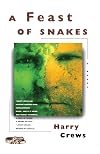
Mystic, Georgia is home to the annual Rattlesnake Roundup. The local sheriff is a one-legged, hard drinking, ex-local football star who locks up any woman he fancies until they “put out.” Joe Lon, another character was a former football star resentful of his girlfriend Berenice, former Miss Mystic Rattle beauty champ, who had the temerity to go off to college where she became enamored of a "debate player" leaving Joe stuck with his wife Elfie, whose body has gone to hell after two show more children, messed up her teeth and can't keep the kids quiet. Elfie’s sister, Beeder, meanwhile is descending into her own private hell, lying in bed doing nothing but watching “the TeeVee” at loud volume and smearing feces in her hair after seeing her mother commit suicide rather than stay with her abusive father.
Lottie Mae, a young black girl, helps out Joe's sister sometimes by cooking for them. She likes watching the TeeVee with Beeder, especially during the NBC Nightly News that was so much better than detective stories and soap operas where you had to "put up with a lot of talking and fooling around before you got to the good parts." The news "went right to the robbing and killing, the crying and the blood, burning buildings and mashed cars. Them NBC Nightly News sumbitches was mean. Soon kill you as look at you. Killed somebody every night. Sometimes drowned whole towns in the ocean. Or made babies grow together at the shoulder." Followed by a Ford commercial, "The closer you look, the better we look!"
Joe was beloved by the whole town and his exceptional quietness off the field "everybody chose to call courtesy. He had the name of being the most courteous boy in all of Lebeau County, although it was commonly known that he had done several pretty bad things, one of which was taking a traveling salesman out to July Creek and drowning him while nearly the entire first string watched from high up on the bank where they were sipping beer."
Joe's only future seems to be selling illegal liquor. Everything is closing in on him as he begins to feel like in a barrel of snakes, "a writhing of the darkness, an incessant boiling of something thick and slow-moving." Joe's father is an intensely cruel and savage man who runs his pit bulls to exhaustion to prepare them for the dog fights the night of the snake hunt. Joe knows that things have become a little crazy, as more and more people crowd into the campgrounds, overflowing the portapotties, and an undercurrent of violence begins to pervade the area. "Just a bunch of crazy people cranking up to git crazier," he says. "But that's all right. Feel on the edge of doing something outstanding myself." He does indeed go over the edge, and the sheriff gets his comeuppance in a spectacularly appropriate manner by Lottie Mae, one of the sheriff's victims who faces her fear of his snake in her own way.
Crews portrays a dark side of the South, filled with grotesque characters and bizarre places, incest, adultery, and murder. One wonders how people could descend to such depths. Personally, I think it's the influence of country western music. show less
Lottie Mae, a young black girl, helps out Joe's sister sometimes by cooking for them. She likes watching the TeeVee with Beeder, especially during the NBC Nightly News that was so much better than detective stories and soap operas where you had to "put up with a lot of talking and fooling around before you got to the good parts." The news "went right to the robbing and killing, the crying and the blood, burning buildings and mashed cars. Them NBC Nightly News sumbitches was mean. Soon kill you as look at you. Killed somebody every night. Sometimes drowned whole towns in the ocean. Or made babies grow together at the shoulder." Followed by a Ford commercial, "The closer you look, the better we look!"
Joe was beloved by the whole town and his exceptional quietness off the field "everybody chose to call courtesy. He had the name of being the most courteous boy in all of Lebeau County, although it was commonly known that he had done several pretty bad things, one of which was taking a traveling salesman out to July Creek and drowning him while nearly the entire first string watched from high up on the bank where they were sipping beer."
Joe's only future seems to be selling illegal liquor. Everything is closing in on him as he begins to feel like in a barrel of snakes, "a writhing of the darkness, an incessant boiling of something thick and slow-moving." Joe's father is an intensely cruel and savage man who runs his pit bulls to exhaustion to prepare them for the dog fights the night of the snake hunt. Joe knows that things have become a little crazy, as more and more people crowd into the campgrounds, overflowing the portapotties, and an undercurrent of violence begins to pervade the area. "Just a bunch of crazy people cranking up to git crazier," he says. "But that's all right. Feel on the edge of doing something outstanding myself." He does indeed go over the edge, and the sheriff gets his comeuppance in a spectacularly appropriate manner by Lottie Mae, one of the sheriff's victims who faces her fear of his snake in her own way.
Crews portrays a dark side of the South, filled with grotesque characters and bizarre places, incest, adultery, and murder. One wonders how people could descend to such depths. Personally, I think it's the influence of country western music. show less
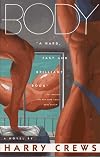
This book is just plain weird, but I liked it a lot. With its Southern grotesque tragicomic style, it's a bit reminiscent of Erskine Caldwell's Tobacco Road. Ultimately, Body is very moving, but it's hard to imagine coming away with that feeling when you're in the midst of it and either laughing your ass off or shaking your head at the sheer outrageousness of it. The main character, a female body builder named Sherel DuPont, is simply unforgettable. I couldn't get her wild ride or the lesson show more she teaches out of my head for days. show less
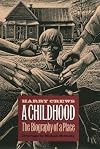
Harry Crews always does a number on me, and especially so with this autobiographical account of his childhood. I grew up in the South when it still resembled the South of Crews' time. The folks and places he describes with his unique, vivid style are my people and my home. Somehow Southerners seem to love harder and deeper, and Crews captures this so well in this book, it often made me read sections over again, moving me to tears, sometimes from happiness, sometimes from pain. This is a show more magnificent piece of art. show less
“White people were dangerous and snakes were dangerous and now the two were working together, each doing what the other told it to. “
“I don’t like snakes,” she said.
“You’re in a hell of a place if you don’t like snakes.”
“He did not know what love was. And he did not know what good it was. But he knew he carried with him, a scabrous spot of rot, of contagion, for which there was no cure. Rage would not cure it. Indulgence made it worse, flamed it, made it grow like cancer. show more “
Welcome to Mystic Georgia, circa 1970. Now, turn back and run like hell. This is a mean, gritty tale, bordering on the grotesque and certainly not for the faint of heart. It takes place around an annual Rattlesnake Round up, populated with mostly unlikable characters. It ain't pretty. It also includes a horrific dog-fight, so be forewarned. This was my introduction to Crews. I like dark, literary explorations and this delivered it, in spades. I found much of it fascinating. I am not sure, I will run out right away and find more of his work but I am glad I finally read it. McCullers may have set the "hillbilly noir" table but Crews has sure found a comfortable spot, at the head of it. show less
“I don’t like snakes,” she said.
“You’re in a hell of a place if you don’t like snakes.”
“He did not know what love was. And he did not know what good it was. But he knew he carried with him, a scabrous spot of rot, of contagion, for which there was no cure. Rage would not cure it. Indulgence made it worse, flamed it, made it grow like cancer. show more “
Welcome to Mystic Georgia, circa 1970. Now, turn back and run like hell. This is a mean, gritty tale, bordering on the grotesque and certainly not for the faint of heart. It takes place around an annual Rattlesnake Round up, populated with mostly unlikable characters. It ain't pretty. It also includes a horrific dog-fight, so be forewarned. This was my introduction to Crews. I like dark, literary explorations and this delivered it, in spades. I found much of it fascinating. I am not sure, I will run out right away and find more of his work but I am glad I finally read it. McCullers may have set the "hillbilly noir" table but Crews has sure found a comfortable spot, at the head of it. show less
Lists
Awards


You May Also Like


Associated Authors
Statistics
- Works
- 29
- Also by
- 9
- Members
- 3,630
- Popularity
- #6,972
- Rating
- 3.9
- Reviews
- 89
- ISBNs
- 118
- Languages
- 6
- Favorited
- 19
