
Nell Dunn
Author of Up the Junction
About the Author
Works by Nell Dunn
Up the Junction/Poor Cow 1 copy
Associated Works
Tagged
Common Knowledge
- Birthdate
- 1936
- Gender
- female
- Education
- convent school
- Occupations
- screenwriter
playwright
novelist - Agent
- Alan Brodie Representation Ltd - Literary Agents
- Relationships
- Sandford, Jeremy (ex-husband)
- Nationality
- UK
- Birthplace
- London, England, UK
- Places of residence
- London, England, UK
Battersea, London, England, UK - Associated Place (for map)
- London, England, UK
Members
Reviews

Although superbly written, this story is not dressed up, it's a stark look at life for a young woman of the 1960s in the East End of London. Under-educated, no prospects, a new-born baby, and a serious shortage of money, Joy maintains a positive, bright outlook. In spite of the heartbreaking deal life has given her, Joy is a delight. Many of the moments she shares with her little son, Jonny, are so soft and loving compared with the harsh realities of her life.
Dunn's exceptional writing goes show more from first person to third person, often using phrases of local dialect, with some letters in the vernacular from Joy to her boyfriend in prison. Put together, they create the picture that is essentially Joy: frivolous, loving, childlike, unwittingly vulgar, unfailingly cheerful. It's not everyone's taste, but I loved this book, loved Joy.
"To think when I was a kid I planned to conquer the world and if anyone saw me now they'd say, 'She's had a rough night, poor cow.'"
This Virago Modern Classics edition includes "Preface by the author: Memories of Battersea" in which she describes her own experience of the 1960s, which was lived in a poor neighbourhood similar to Joy's. It also has an excellent introduction by friend of the author, Margaret Drabble. show less
Dunn's exceptional writing goes show more from first person to third person, often using phrases of local dialect, with some letters in the vernacular from Joy to her boyfriend in prison. Put together, they create the picture that is essentially Joy: frivolous, loving, childlike, unwittingly vulgar, unfailingly cheerful. It's not everyone's taste, but I loved this book, loved Joy.
"To think when I was a kid I planned to conquer the world and if anyone saw me now they'd say, 'She's had a rough night, poor cow.'"
This Virago Modern Classics edition includes "Preface by the author: Memories of Battersea" in which she describes her own experience of the 1960s, which was lived in a poor neighbourhood similar to Joy's. It also has an excellent introduction by friend of the author, Margaret Drabble. show less
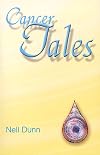
I worried picking this up that it might be a bit maudlin, with all sorts of uplifting, heartwarming messages from cancer survivors for other cancer victims or their families. This was not the case. The stories of five women dealing with cancer in their own way are angry, painful, and brutally honest. The families aren't always brought closer together by cancer; in fact, some of them begin to fray from the strain. None of them end on the note of being glad to have cancer, because it brought show more them something important. These are people who are honest - they didn't want to get cancer, they didn't want their lives turned upside down, they didn't want to die. I worried that the lack of punctuation might make it difficult to read, but the story flows in a way that is linear enough and lucid enough that simply having an extra space instead of a period didn't distract as much from the reading as it might. show less
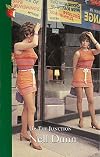
A collection of gritty but vibrant tales of a group of young women in 1960s London. The Second World War still looms in the background, with bomb sites abounding, and the Cold War is in evidence with frequent mentions of the H-bomb, but the stories are all down to earth glimpses of normal life. It's very much of the 60s, but as much as stayed the same as has changed; the stories are filled with pop music, boys, immigration, the influence of American culture, etc.
Painfully bleak at times but show more overall enjoyable, readable and heartfelt. show less
Painfully bleak at times but show more overall enjoyable, readable and heartfelt. show less
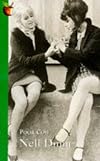
Joy is a young mum, getting by in 1960s London and Poor Cow is a slice of her life told in 134 pages. Her husband gets himself sent to prison, and Joy falls in love with Dave, one of his crime friends. He eventually gets sent to prison too, and Joy works as a barmaid, does some modelling, loves her son, and has lots of sex, sometimes for money. Although her life is at times pretty rough, Joy is endlessly optimistic. As she says, all she really wants is to be happy and contented. She is a show more complex character that doesn't fit into any stereotype slots.
The narration of this short novel is unusual. It slips between third and first person, and sometimes semi-literate letters written to Dave. Dunn uses a lot of 1960s British slang, and sometimes writes in sentence fragments. Because of this, and also because some readers will find Joy too unsavory, Poor Cow isn't for everyone.
Margaret Drabble wrote the introduction to this Virago Modern Classics edition.
Recommended for: readers who like unique characters and are interested in the 1960s London setting. show less
The narration of this short novel is unusual. It slips between third and first person, and sometimes semi-literate letters written to Dave. Dunn uses a lot of 1960s British slang, and sometimes writes in sentence fragments. Because of this, and also because some readers will find Joy too unsavory, Poor Cow isn't for everyone.
Margaret Drabble wrote the introduction to this Virago Modern Classics edition.
Recommended for: readers who like unique characters and are interested in the 1960s London setting. show less
Lists
Awards


You May Also Like


Associated Authors
Statistics
- Works
- 22
- Also by
- 3
- Members
- 584
- Popularity
- #42,937
- Rating
- 3.5
- Reviews
- 11
- ISBNs
- 45
- Languages
- 1
- Favorited
- 2