
Olivia Manning (1908–1980)
Author of The Balkan Trilogy
About the Author
Series
Works by Olivia Manning
The Remarkable Expedition: The Story of Stanley's Rescue of Emin Pasha from Equatorial Africa (1985) 26 copies, 1 review
The Crimson Dawn 1 copy
Olivia Manning 1 copy
Associated Works
Sylvia Plath's Tomato Soup Cake: A Compendium of Classic Authors' Favourite Recipes (2024) — Contributor — 6 copies
The London Magazine : April 1963, New series Volume 3, No. 1 — Contributor — 1 copy
Tagged
Common Knowledge
- Legal name
- Smith, Olivia Mary Manning (married name)
- Other names
- Manning, Olivia Mary (birth)
Morrow, Jacob (pseudonym) - Birthdate
- 1908-03-02
- Date of death
- 1980-07-23
- Gender
- female
- Education
- Portsmouth Grammar School
Portsmouth Municipal School of Art
Bangor Presbyterian School
Lyndon House School, Portsmouth - Occupations
- novelist
journalist
poet
screenwriter - Awards and honors
- Order of the British Empire (Commander, 1976)
- Nationality
- England
UK - Birthplace
- North End, Portsmouth, Hampshire, England, UK
- Places of residence
- Bangor, County Down, Northern Ireland
London, England, UK
Bucharest, Romania
Jerusalem, Palestine
Greece - Place of death
- Ryde, Isle of Wight, England, UK
- Burial location
- Cremated, ashes buried in Billingham Manor (Isle of Wight)
- Map Location
- England, UK
Members
Discussions
Virago Monthly Reads: October 2018: Olivia Manning in Virago Modern Classics (February 2019)
Reviews
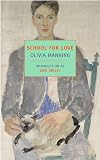
Despite the fact that a not inaccurate summary of this book would be “Various people move in and out of a boarding house run by a hypocritical, tightfisted old woman and come into conflict”, I found it to be a gripping read and finished it in less than a day. Felix Latimer is a sheltered teenager whose mother has recently died. He moves into the house of a semi-relative, Miss Bohun, who runs her establishment with an iron fist but thinks she is a selfless and charitable person. There are show more initial conflicts with a poor lodger, Mr. Jewel, and the former renters of the house, the Leznos, who have been exiled by Miss Bohun. A new lodger, Mrs. Ellis, moves in and Felix develops a crush on her. The setting is Jerusalem in 1945, near the end of the war, but the political situation is really just a backdrop to the conflicts between the residents of the house.
The book is also a coming-of-age narrative. Felix starts out as a naïve, trusting young man who badly misses his mother. Over the course of the novel, he comes under the influence of both Miss Bohun and Mrs. Ellis. He discovers the good and bad in both of them and reassesses the influence of his mother. Even his relationship with the cat Faro, probably the most productive, is not an entirely loving one. Early on the reader realizes Miss Bohun is a horrible, controlling hypocrite but Felix initially believes everything she says (she is always the one who is giving in any relationship) and provides her with support. He clearly wants a loving figure to replace his mother, but even he soon learns that Miss Bohun is an unpleasant person who cheats everyone but always talks about how good she is. Still, he can’t quite leave her house and swings back and forth over the question of whether she is well-meaning or truly wicked. Mrs. Ellis is the only lodger who effectively opposes Miss Bohun and Felix believes he’s in love with her, though it is just a teenage crush and admiration. Her cynicism and clear-eyed assessment of Miss Bohun attracts him and he eagerly comes under her influence. However, she’s pretty casual about taking him up and dropping him and her faults become apparent.
Miss Bohun is a character of almost Dickensian horribleness but she was fascinating at the same time. Part of the reason I read the book so quickly was that I wanted to know what else she would get up to. She does some pretty low things – stealing milk from a pregnant woman and using Faro to get to Felix – but the author never lets her become completely unsympathetic. In her dealings with the lodgers, she always ends up hated, but even though her own versions are clearly whitewashed for her benefit, the others are portrayed as quarrelsome also. Mr. Jewel refuses to leave even though it’s cruel for her to eject him. The Lesznos are very rude in general although one easily imagines the story from their side. Mrs. Ellis also lets lose some cruel insults. While Miss Bohun never seems to care for Felix in the way he would have liked, she was initially very welcoming and cheerful towards Mrs. Ellis and more than once said she hoped they would be friends and like a family. It’s obviously an act put on but one wonders how sincere she is. Is she just acting kind to get Mrs. Ellis to become dependent on her then turn on her as was possible with Mr. Jewel and the Lesznos? Or does she genuinely want a friend? The usual psychological explanation given for her cruelty is that she was an unwanted adopted child then never married, so it’s possible she really wanted to become close to Mrs. Ellis. Several people besides Felix (his judgments are not reliable) comment that she was probably good deep down, though they have a hard time seeing it. Her comments about her poverty usually seem exaggerated but the fear that she’ll be left all alone with no one to help her is accurate – she drives people away. The end suggests she’ll land on her feet as she always does. show less
The book is also a coming-of-age narrative. Felix starts out as a naïve, trusting young man who badly misses his mother. Over the course of the novel, he comes under the influence of both Miss Bohun and Mrs. Ellis. He discovers the good and bad in both of them and reassesses the influence of his mother. Even his relationship with the cat Faro, probably the most productive, is not an entirely loving one. Early on the reader realizes Miss Bohun is a horrible, controlling hypocrite but Felix initially believes everything she says (she is always the one who is giving in any relationship) and provides her with support. He clearly wants a loving figure to replace his mother, but even he soon learns that Miss Bohun is an unpleasant person who cheats everyone but always talks about how good she is. Still, he can’t quite leave her house and swings back and forth over the question of whether she is well-meaning or truly wicked. Mrs. Ellis is the only lodger who effectively opposes Miss Bohun and Felix believes he’s in love with her, though it is just a teenage crush and admiration. Her cynicism and clear-eyed assessment of Miss Bohun attracts him and he eagerly comes under her influence. However, she’s pretty casual about taking him up and dropping him and her faults become apparent.
Miss Bohun is a character of almost Dickensian horribleness but she was fascinating at the same time. Part of the reason I read the book so quickly was that I wanted to know what else she would get up to. She does some pretty low things – stealing milk from a pregnant woman and using Faro to get to Felix – but the author never lets her become completely unsympathetic. In her dealings with the lodgers, she always ends up hated, but even though her own versions are clearly whitewashed for her benefit, the others are portrayed as quarrelsome also. Mr. Jewel refuses to leave even though it’s cruel for her to eject him. The Lesznos are very rude in general although one easily imagines the story from their side. Mrs. Ellis also lets lose some cruel insults. While Miss Bohun never seems to care for Felix in the way he would have liked, she was initially very welcoming and cheerful towards Mrs. Ellis and more than once said she hoped they would be friends and like a family. It’s obviously an act put on but one wonders how sincere she is. Is she just acting kind to get Mrs. Ellis to become dependent on her then turn on her as was possible with Mr. Jewel and the Lesznos? Or does she genuinely want a friend? The usual psychological explanation given for her cruelty is that she was an unwanted adopted child then never married, so it’s possible she really wanted to become close to Mrs. Ellis. Several people besides Felix (his judgments are not reliable) comment that she was probably good deep down, though they have a hard time seeing it. Her comments about her poverty usually seem exaggerated but the fear that she’ll be left all alone with no one to help her is accurate – she drives people away. The end suggests she’ll land on her feet as she always does. show less
It's 1939 and newly-married Guy and Harriet Pringle are travelling across a war torn Europe to Bucharest, where Guy is returning to his teaching job at the University. Arriving penniless on the same train is Prince Yakimov, carrying the sable-lined great coat that the Tsar had given his father, ever optimistic that his luck might improve and someone would lend him some money.
As the months pass Harriet begins to realise that Guy is perhaps not the man she had hoped for when she married, and the news of the war continues to worsen. Will Romania be able to hold out as a neutral country as its politicians insist? And will it be safe for the Pringles to remain?
I should say that I pretty much didn't like anyone in this book. I certainly couldn't imagine living with Guy for more than 24 hours without throwing things at his head. In my opinion Yakimov (or poor Yaki as he likes to refer to himself) should stop sponging off everyone in sight and get a proper job. (Faced with aristocrats like Yaki I'm surprised that the Russians lasted as long as they did before having a revolution). Even Harriet, probably the most likeable character, can be incredibly callous at times. All the characters bring out a puritanical streak in me and I can’t help feeling that they all should stop wining and dining and putting on plays in Bucharest and go back home and do something useful for the war effort!
I should also say that the fact that the book elicits such a strong reaction from me is because it is very well written and the characters come across as completely real people. So despite being incredibly annoyed with the lot of them, I will continue onto the next book in the series. show less
'Immediately outside the window there was a platform lit by three weak, yellow bulbs strung on a wire. Beneath theshow more
furthest of these was a group of people – a tall man, unusually thin, with a long coat trailing from one shoulder as from a door-knob, surrounded by five small men in uniform. They were persuading him along. He seemed, in their midst, bewildered like some long, timid animal harried by terriers. Every few yards he paused to remonstrate with them and they, circling about him and gesticulating, edged him on until he reached the carriage from which Harriet was watching. He was carrying in one hand a crocodile dressing-case, in the other a British passport. One of the five men was a porter who carried two large suitcases.
“Yakimov,” the tall man kept repeating, “Prince Yakimov. Gospodin,” he suddenly wailed, “gospodin.”
As the months pass Harriet begins to realise that Guy is perhaps not the man she had hoped for when she married, and the news of the war continues to worsen. Will Romania be able to hold out as a neutral country as its politicians insist? And will it be safe for the Pringles to remain?
I should say that I pretty much didn't like anyone in this book. I certainly couldn't imagine living with Guy for more than 24 hours without throwing things at his head. In my opinion Yakimov (or poor Yaki as he likes to refer to himself) should stop sponging off everyone in sight and get a proper job. (Faced with aristocrats like Yaki I'm surprised that the Russians lasted as long as they did before having a revolution). Even Harriet, probably the most likeable character, can be incredibly callous at times. All the characters bring out a puritanical streak in me and I can’t help feeling that they all should stop wining and dining and putting on plays in Bucharest and go back home and do something useful for the war effort!
I should also say that the fact that the book elicits such a strong reaction from me is because it is very well written and the characters come across as completely real people. So despite being incredibly annoyed with the lot of them, I will continue onto the next book in the series. show less
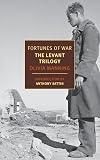
I read the final three installments in Olivia Manning's six book series as one book, [The Levant Trilogy]. The series begins with [The Balkan Trilogy] - read that first! - but do read these! I ended up absolutely loving them.
In The Levant Trilogy, Guy and Harriet Pringle are now in Egypt. There are some new characters, including Simon Boulderstone, a very young officer trying to navigate both becoming an adult and becoming part of a world war. I loved the addition of his story and thought show more it really rounded out the book. Guy and Harriet continue to have marital problems, with Guy going about his life without really including Harriet. He seems to assume she will always just be there waiting for him. At one point in, I think, the last volume of the six, he references being 25, and I thought - Oh! they are so young!! I think I had pictured them in their 30s for some reason, probably because the situations they are in are so adult and difficult.
During most of this trilogy, Harriet is ill with a stomach issue. She meets many new people in Egypt and makes some real friends, unlike in the Balkan trilogy. These people are developed in a much more satisfactory way and really add to the quality of the writing. In fact, I found from the first pages that The Levant Trilogy is a huge step up in the writing quality over The Balkan Trilogy. Manning had definitely become a more confident and skilled writer over the time of writing these six books. I highly enjoyed these and I'm so grateful to LT for bringing them to my attention! show less
In The Levant Trilogy, Guy and Harriet Pringle are now in Egypt. There are some new characters, including Simon Boulderstone, a very young officer trying to navigate both becoming an adult and becoming part of a world war. I loved the addition of his story and thought show more it really rounded out the book. Guy and Harriet continue to have marital problems, with Guy going about his life without really including Harriet. He seems to assume she will always just be there waiting for him. At one point in, I think, the last volume of the six, he references being 25, and I thought - Oh! they are so young!! I think I had pictured them in their 30s for some reason, probably because the situations they are in are so adult and difficult.
During most of this trilogy, Harriet is ill with a stomach issue. She meets many new people in Egypt and makes some real friends, unlike in the Balkan trilogy. These people are developed in a much more satisfactory way and really add to the quality of the writing. In fact, I found from the first pages that The Levant Trilogy is a huge step up in the writing quality over The Balkan Trilogy. Manning had definitely become a more confident and skilled writer over the time of writing these six books. I highly enjoyed these and I'm so grateful to LT for bringing them to my attention! show less

I’ve really come to love Olivia Manning’s writing, and so I was delighted when I received The Doves of Venus as part of the Librarything Virago secret Santa parcel exchange. This accompanied me on the journey home from Devon almost two weeks ago now and proved to be one of the highlights of last month. Sometimes it is hard to write about a book I loved as much as I did this one, as I can’t really be objective. So, I should probably keep this simple.
Actually, the plot is very simple, show more but Olivia Manning brings so much to the story, her exploration of the characters is absolutely spot on. As always, her characters step fully formed from the page, they have a past and a future – and speak with the voices of people Olivia Manning herself must have known.
Eighteen-year old Ellie leaves her home in the provincial seaside town of Eastsea in search of independence. In Eastsea, Ellie’s mother runs a restaurant, and favours Ellie’s sister – who is about to get married. Ellie’s help is wanted – and everyone in the town seems to think it entirely appropriate that Ellie should stay and help her mother – and completely scandalous that she has gone off to London instead. Ellie is suffocated by the atmosphere of home; the small-town mind is not hers – she seems to be able to do nothing right anyway – and is always getting on the wrong side of her mother. Having done a night school art class at the technical college Ellie has her sights set on the art world.
In London, Ellie takes a small bedsit in Chelsea and manages to get a job at a furniture studio – initially in packing – but soon she is moved to the ‘antiquing’ room where she paints bits of furniture. She also acquires a middle-aged lover Quintin Bellot – who has a much more laid-back attitude to their affair than Ellie – who has fallen head over heels. The affair is destined to be a short one, with Ellie learning quickly, the complexities of a married lover.
“During her weeks with Quintin she had lived, it seemed like the ‘Snow Queen’ girl, in a garden where it was always summer. Now she was shut out from the summer garden of love.
‘My fault’ she said
All female gossip, all advice given in women’s magazines, made it clear that a woman thrown over had only herself to blame.”
Quintin is harried continually by his estranged wife – Petta; a familiar figure around the pubs on the Kings Road with her circle of assorted bohemians. When Petta leaves her most recent lover, she lands back at Quintin’s flat – much to his irritation – charming his housekeeper Mrs Trimmer and setting up home in his dressing room. Petta is manipulative and slightly hysterical, bitterly resentful toward all of Quintin’s ‘little girls’ – shrugging off her own indiscretions, a previous marriage and an abandoned daughter. She yearns sadly for a time that is long gone, a world she understood, the world as it had been when she was young.
“‘Why is it all so dismal now? What happened to life? What’s missing from it? It used to be such fun. It’s true, conditions were different. Money bought things then. Everyone had country cottages: they picked them up for a few pounds. Other people did the work for us – but it wasn’t all that that made life fun…’”
When Quintin tells Ellie, he won’t be able to see her anymore, she is devastated – but is determined to believe he will come back to her in time. In the meantime, Ellie concentrates hard on impressing with her work at the studio – and ignoring her mother’s attempts to get her to go home. Ellie is at the bottom of the rung at the studio – her tasks quite menial – she attempts to win the friendship of colleagues Denis and Bertie and when a new girl Nancy starts the two become firm friends.
Although she doesn’t see Quintin again for months – Ellie unknowingly spends time in a world not so far from Quintin. Nancy introduces Ellie to her uncle. Tom Claypole an old roué – who is also related to Quintin. Tom loves to surround himself with young girls, the doves of the title (nothing inappropriate occurs, Tom’s a gentleman). Ellie and Nancy spend several delightful weekends at Clopals – Tom’s country home. Nancy wants to put Tom’s mistress Maxine’s nose out of joint – and the two enjoy dancing attendance on the old man – who is a generous host. There is a wonderful exchange between Nancy and Tom about equal pay for men and women – an argument that rumbles on still.
“Recently she had spoken to Daze, the chief of staff, and had been told that there was one wage scale for men and another for women.
Tom nodded his approval: ‘Men need more money.’
‘They don’t need more’ said Nancy crossly, ‘they just get more, that’s all. Prices aren’t reduced for me because I’m a woman. You bet they’re not.’
‘Surely my dear girl, you’ve discovered by now that you’re living in a man’s world. You must try to gain things by your charms. We men are delighted to reward you, but we won’t disarm ourselves in your favour, Why should we? Eh?”
As the months pass, Quintin is never too far from Ellie’s thoughts – though the image of him fades a little – and she stops seeing him everywhere she goes. When they do meet again, he is no longer quite the romantic figure he was. Ellie has had to learn how to live in London on little money – and with few friends – she loses her job and is terrified to be in debt to her landlady. Ellie’s determination to remain independent sees her through – and by the time the novel ends she is a stronger, wiser young woman – who has found a new happiness for herself.
The Doves of Venus is a brilliant novel – which has reminded me I should get back to the Pringles and read The Levant Trilogy – having finished my re-read of The Balkan trilogy some months ago. show less
Actually, the plot is very simple, show more but Olivia Manning brings so much to the story, her exploration of the characters is absolutely spot on. As always, her characters step fully formed from the page, they have a past and a future – and speak with the voices of people Olivia Manning herself must have known.
Eighteen-year old Ellie leaves her home in the provincial seaside town of Eastsea in search of independence. In Eastsea, Ellie’s mother runs a restaurant, and favours Ellie’s sister – who is about to get married. Ellie’s help is wanted – and everyone in the town seems to think it entirely appropriate that Ellie should stay and help her mother – and completely scandalous that she has gone off to London instead. Ellie is suffocated by the atmosphere of home; the small-town mind is not hers – she seems to be able to do nothing right anyway – and is always getting on the wrong side of her mother. Having done a night school art class at the technical college Ellie has her sights set on the art world.
In London, Ellie takes a small bedsit in Chelsea and manages to get a job at a furniture studio – initially in packing – but soon she is moved to the ‘antiquing’ room where she paints bits of furniture. She also acquires a middle-aged lover Quintin Bellot – who has a much more laid-back attitude to their affair than Ellie – who has fallen head over heels. The affair is destined to be a short one, with Ellie learning quickly, the complexities of a married lover.
“During her weeks with Quintin she had lived, it seemed like the ‘Snow Queen’ girl, in a garden where it was always summer. Now she was shut out from the summer garden of love.
‘My fault’ she said
All female gossip, all advice given in women’s magazines, made it clear that a woman thrown over had only herself to blame.”
Quintin is harried continually by his estranged wife – Petta; a familiar figure around the pubs on the Kings Road with her circle of assorted bohemians. When Petta leaves her most recent lover, she lands back at Quintin’s flat – much to his irritation – charming his housekeeper Mrs Trimmer and setting up home in his dressing room. Petta is manipulative and slightly hysterical, bitterly resentful toward all of Quintin’s ‘little girls’ – shrugging off her own indiscretions, a previous marriage and an abandoned daughter. She yearns sadly for a time that is long gone, a world she understood, the world as it had been when she was young.
“‘Why is it all so dismal now? What happened to life? What’s missing from it? It used to be such fun. It’s true, conditions were different. Money bought things then. Everyone had country cottages: they picked them up for a few pounds. Other people did the work for us – but it wasn’t all that that made life fun…’”
When Quintin tells Ellie, he won’t be able to see her anymore, she is devastated – but is determined to believe he will come back to her in time. In the meantime, Ellie concentrates hard on impressing with her work at the studio – and ignoring her mother’s attempts to get her to go home. Ellie is at the bottom of the rung at the studio – her tasks quite menial – she attempts to win the friendship of colleagues Denis and Bertie and when a new girl Nancy starts the two become firm friends.
Although she doesn’t see Quintin again for months – Ellie unknowingly spends time in a world not so far from Quintin. Nancy introduces Ellie to her uncle. Tom Claypole an old roué – who is also related to Quintin. Tom loves to surround himself with young girls, the doves of the title (nothing inappropriate occurs, Tom’s a gentleman). Ellie and Nancy spend several delightful weekends at Clopals – Tom’s country home. Nancy wants to put Tom’s mistress Maxine’s nose out of joint – and the two enjoy dancing attendance on the old man – who is a generous host. There is a wonderful exchange between Nancy and Tom about equal pay for men and women – an argument that rumbles on still.
“Recently she had spoken to Daze, the chief of staff, and had been told that there was one wage scale for men and another for women.
Tom nodded his approval: ‘Men need more money.’
‘They don’t need more’ said Nancy crossly, ‘they just get more, that’s all. Prices aren’t reduced for me because I’m a woman. You bet they’re not.’
‘Surely my dear girl, you’ve discovered by now that you’re living in a man’s world. You must try to gain things by your charms. We men are delighted to reward you, but we won’t disarm ourselves in your favour, Why should we? Eh?”
As the months pass, Quintin is never too far from Ellie’s thoughts – though the image of him fades a little – and she stops seeing him everywhere she goes. When they do meet again, he is no longer quite the romantic figure he was. Ellie has had to learn how to live in London on little money – and with few friends – she loses her job and is terrified to be in debt to her landlady. Ellie’s determination to remain independent sees her through – and by the time the novel ends she is a stronger, wiser young woman – who has found a new happiness for herself.
The Doves of Venus is a brilliant novel – which has reminded me I should get back to the Pringles and read The Levant Trilogy – having finished my re-read of The Balkan trilogy some months ago. show less
Lists
Awards


You May Also Like


Associated Authors
Statistics
- Works
- 27
- Also by
- 6
- Members
- 3,697
- Popularity
- #6,853
- Rating
- 3.8
- Reviews
- 131
- ISBNs
- 136
- Languages
- 7
- Favorited
- 19