
Gert Ledig (1921–1999)
Author of The Stalin Front: A Novel of World War II
About the Author
Image credit: The young Gert Ledig By Rosenschnatz - Own work, CC BY-SA 4.0, https://commons.wikimedia.org/w/index.php?curid=48272907
Works by Gert Ledig
Tagged
Common Knowledge
- Canonical name
- Ledig, Gert
- Legal name
- Ledig, Robert Gerhard
- Birthdate
- 1921-11-04
- Date of death
- 1999-06-01
- Gender
- male
- Occupations
- writer
- Organizations
- German Army (WWII)
- Nationality
- Germany
- Birthplace
- Leipzig, Germany
- Places of residence
- Leipzig, Germany
Utting, Germany
Vienna, Austria - Place of death
- Landsberg am Lech, Germany
- Associated Place (for map)
- Germany
Members
Reviews
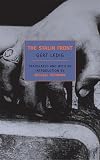
This is a brilliant book about the absolute futility and insanity of war. There is no order, no reason, no ardent patriotic ideals or just causes; there is just the most primal animal instinct to survive. It is a tribute to Gert Ledig that the anarchy of war isn't reflected in his writing, which is a tightly woven account of chaos that sweeps the reader into a space where nothing else exists.
Somewhere south of Leningrad, on Germany's 1942 Eastern Front, a German unit is trapped, surrounded show more by a Russian unit, parts of which are also trapped. On a hill above the battle, a German corporal and two privates are dug into the space under a concrete pylon.
And there they stayed, biding their time till their company down in the trenches was finally wiped out. Then, they had to rush out with their explosive charges to meet the approaching steel monsters, and with their bodies already shot to pieces, hang the magnetic charges on the tanks as they ground past. That was the moment they were waiting for, hour by hour, day after day. Always in the hope that it might never come. The lump of concrete over their heads creaked and quaked. Sand dribbled down the sides of their dugout. If the tanks didn't come, the alternative was the moment that the concrete mass settled on top of them. The percussive force of the shells made the dugout ever larger. With every day, it became more apparent: the concrete pediment that supported the weight of the pylon would one day squash the little air pocket beneath it. And in spite of that, they couldn't leave. What, to go and hide in a shell hole and die within the hour?
The Corporal and his men were living as in a prison.
A Runner is routinely sent to them from what passes as a command centre; each time crossing a desolate no man's land, tempting fate every moment and hating the Sergeant who sent him so that he would look as if he was actually doing something.
The story of the Germans is balanced by that of the Russians. Very few characters have names; they are designated by their rank. This adds to the sense of chaos, as the German Captain's actions and those of his Russian counterpart can easily blend together in this formless battle.
There is a sense of the absurd too. An error had been made by the insane Major, who wanted his Sergeant shot for desertion. No one would carry out the execution, for no judgement had been formally reached during his bizarre trial. The Major railed
Somewhere south of Leningrad, on Germany's 1942 Eastern Front, a German unit is trapped, surrounded show more by a Russian unit, parts of which are also trapped. On a hill above the battle, a German corporal and two privates are dug into the space under a concrete pylon.
And there they stayed, biding their time till their company down in the trenches was finally wiped out. Then, they had to rush out with their explosive charges to meet the approaching steel monsters, and with their bodies already shot to pieces, hang the magnetic charges on the tanks as they ground past. That was the moment they were waiting for, hour by hour, day after day. Always in the hope that it might never come. The lump of concrete over their heads creaked and quaked. Sand dribbled down the sides of their dugout. If the tanks didn't come, the alternative was the moment that the concrete mass settled on top of them. The percussive force of the shells made the dugout ever larger. With every day, it became more apparent: the concrete pediment that supported the weight of the pylon would one day squash the little air pocket beneath it. And in spite of that, they couldn't leave. What, to go and hide in a shell hole and die within the hour?
The Corporal and his men were living as in a prison.
A Runner is routinely sent to them from what passes as a command centre; each time crossing a desolate no man's land, tempting fate every moment and hating the Sergeant who sent him so that he would look as if he was actually doing something.
The story of the Germans is balanced by that of the Russians. Very few characters have names; they are designated by their rank. This adds to the sense of chaos, as the German Captain's actions and those of his Russian counterpart can easily blend together in this formless battle.
There is a sense of the absurd too. An error had been made by the insane Major, who wanted his Sergeant shot for desertion. No one would carry out the execution, for no judgement had been formally reached during his bizarre trial. The Major railed
What do you want? The man is dead, theoretically. His next of kin have been informed. His name has been taken off the list of those entitled to rations. His number has been cancelled. Besides, every company commander will already have read out the order relating to his execution.show less
The Major's sole concern, as stated by him was "One day there'll be an inquest, and I'll have to come up with the body. As proof, so to speak. Then what do I do?
However, the men know those who die here will leave no bodies, there will be no graves, there may not even be a record of their names.
Ledig himself was at the Battle of Leningrad. He was wounded and sent home, escaping almost certain death. This novel was sent to scores of publishers before being accepted for publication. It was an initial success, but then vanished, not to be republished until 2000. As [[W G Sebald]] is quoted as saying of Ledig's writing, "His novels... were excluded from cultural memory because they threatened to break through the cordon sanitaire cast around the death zones.". Germany thought it had moved on.
However, as Michael Hofmann says in his introduction, "... these things happened, are presently happening, and presumably will continue to happen; there is no point in pretending otherwise, and neither honour or security in putting them beyond the reach of literature", calling this form of writing "a bleak and daunting specialism."
This book's action set on the Russian front during World War II is almost all battle action. Despite saying that numerous passages are of such a mordant, macabre black humor while at the same time propelled along by Ledig's intense pared down prose that it's a wonder to me that not all that many readers seem to have heard of him. Ledig seems at times to take an almost perverse joy in describing horrific events in an almost laconic or understated way. For instance the opening paragraphs:
'The show more Lance-Corporal couldn't turn in his grave, because he didn't have one. Some three versts form Podrova, forty versts south of Leningrad, he had been caught in a salvo of rockets, been thrown up in the air, and with severed hands and head dangling, been impaled on the skeletal branches of what once had been a tree.
The NCO, who was writhing on the ground with a piece of shrapnel in his belly, had no idea what was keeping his machinge gunner. It didn't occur to him to look up. He had his hands full with himself.
The two remaining members of the unit ran off, without bothering about their NCO. If someone had later told them they should have made an effort to fetch the Lance-Corporal down from his tree, they would quite rightly have said he had a screw loose. The Lance-Corporal was already dead, thank God. Half an hour later, when the crippled tree trunk was taken off an inch or two above the ground by a burst of machine-gun fire, his wrecked body came down anyway. In the intervening time, he had also lost a foot. The frayed sleeves of his tunic were oily with blood. By the time he hit the ground, he was just half a man.
With the machine gun out of action, the log-road lay open before Lieutenant Vyacheslav Dotoyev's shock troops. He motioned to the rumbling tank in front of what was left of his little bunch of art students from the Stalin Academy. The chains rattled. Another minute, and what was left of the Lance-Corporal was rolled flat. The budding artists didn't even get a chance to go through his pockets.
Once the tanks had rolled out the Lance-Corporal, a fighter plane loosed off its explosive cannonfire into the mass of shredded uniform, flesh and blood.
After that, the Lance-Corporal was left in peace.
Ledig himself a participant in the Russian campaign--he was a German--takes both sides of the conflict as they struggle over a trench line and the hill that overlooks the surrounding area. Ledig is careful not to take sides--more or less both the Russian and German soldiers are by turns exasperated, confused, vengeful and scared out of their wits. They've been watching each other being blown to bits in their hundreds--corpses and body parts are lying all over the place along with all kinds of mechanized war equipment. Ledig uses blown up Russian tanks and a downed Stuka divebomber almost as exclamation points to show the absurdity and total chaos of his battlefield. Everything gets thrown into the mix. Desertions, suicides, murdering or beating the hell out of prisoners. For all that though one can hardly help laughing at times as when a Russian lieutenant meditates on a captured German captain:
'Another one of those animals, thought the Lieutenant. Here in his cage he behaves like a human being, but put a rifle in his hands and he'll start shooting corpes. What's he doing here? The wolf with his sheep's face. Aren't there enough hills in his own country? I've even seen them myself, green trees, streams, trim villages. No rubbish or muck on their roads. Ears of corns stand upright in the fields like soldiers. But they want to take our marshy forests off us, our dried-out steppes, a few wooden huts...the Lieutenant became incoherent with rage, adrift on a flood of misunderstandings. He would shoot this German.'
In any case this is very violent bloody stuff that looks squarely in the face of people's humanity and their fears. I'm not doubting the authenticity of the experience he puts down either. Ledig as I said above is very 'equal opportunity'. That this book is hilarious at the same time as describing literally a bloodbath makes it something really unique in war fiction. show less
'The show more Lance-Corporal couldn't turn in his grave, because he didn't have one. Some three versts form Podrova, forty versts south of Leningrad, he had been caught in a salvo of rockets, been thrown up in the air, and with severed hands and head dangling, been impaled on the skeletal branches of what once had been a tree.
The NCO, who was writhing on the ground with a piece of shrapnel in his belly, had no idea what was keeping his machinge gunner. It didn't occur to him to look up. He had his hands full with himself.
The two remaining members of the unit ran off, without bothering about their NCO. If someone had later told them they should have made an effort to fetch the Lance-Corporal down from his tree, they would quite rightly have said he had a screw loose. The Lance-Corporal was already dead, thank God. Half an hour later, when the crippled tree trunk was taken off an inch or two above the ground by a burst of machine-gun fire, his wrecked body came down anyway. In the intervening time, he had also lost a foot. The frayed sleeves of his tunic were oily with blood. By the time he hit the ground, he was just half a man.
With the machine gun out of action, the log-road lay open before Lieutenant Vyacheslav Dotoyev's shock troops. He motioned to the rumbling tank in front of what was left of his little bunch of art students from the Stalin Academy. The chains rattled. Another minute, and what was left of the Lance-Corporal was rolled flat. The budding artists didn't even get a chance to go through his pockets.
Once the tanks had rolled out the Lance-Corporal, a fighter plane loosed off its explosive cannonfire into the mass of shredded uniform, flesh and blood.
After that, the Lance-Corporal was left in peace.
Ledig himself a participant in the Russian campaign--he was a German--takes both sides of the conflict as they struggle over a trench line and the hill that overlooks the surrounding area. Ledig is careful not to take sides--more or less both the Russian and German soldiers are by turns exasperated, confused, vengeful and scared out of their wits. They've been watching each other being blown to bits in their hundreds--corpses and body parts are lying all over the place along with all kinds of mechanized war equipment. Ledig uses blown up Russian tanks and a downed Stuka divebomber almost as exclamation points to show the absurdity and total chaos of his battlefield. Everything gets thrown into the mix. Desertions, suicides, murdering or beating the hell out of prisoners. For all that though one can hardly help laughing at times as when a Russian lieutenant meditates on a captured German captain:
'Another one of those animals, thought the Lieutenant. Here in his cage he behaves like a human being, but put a rifle in his hands and he'll start shooting corpes. What's he doing here? The wolf with his sheep's face. Aren't there enough hills in his own country? I've even seen them myself, green trees, streams, trim villages. No rubbish or muck on their roads. Ears of corns stand upright in the fields like soldiers. But they want to take our marshy forests off us, our dried-out steppes, a few wooden huts...the Lieutenant became incoherent with rage, adrift on a flood of misunderstandings. He would shoot this German.'
In any case this is very violent bloody stuff that looks squarely in the face of people's humanity and their fears. I'm not doubting the authenticity of the experience he puts down either. Ledig as I said above is very 'equal opportunity'. That this book is hilarious at the same time as describing literally a bloodbath makes it something really unique in war fiction. show less
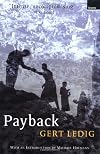
To be honest I liked Ledig's other novel the 'Stalin front' a little bit better. In this one he details an allied bombing raids from a shifting number of perspectives ranging from an actual American bombing crew itself to the civilian and military human beings of the unnamed German city being bombed. At the lowest levels chaos abounds. Ledig's descriptions of the dead and dying--people being buried alive, incinerated, literally boiled alive by liquid macadam are very graphic. His is almost a show more morbid fascination that can come across as a kind of blackish humor with the variety of awful and horrific ways that a human being can be dismembered or meet his end. Ledig himself witnessed in person the kind of bombing raid described. A Russian front survivor he lost a couple fingers and part of his jaw in the war. This violence to his own person no doubt informs his work. What it tells maybe not so much an historical event as details the destruction of anonymous people in a more and more forgotten time. The Germans of course had brought this upon themselves--and Ledig does not shirk that thought himself. I liked it but some may find the descriptions to violent and obscene to handle. show less
This was one of the most harrowing books on war I've ever read. It's a nightmare from first page to last. I read it on Kindle but was so disturbed that I ordered a paperback copy so I can reread it again in the future.
Lists
Awards


You May Also Like


Associated Authors
Statistics
- Works
- 7
- Members
- 474
- Popularity
- #52,000
- Rating
- 3.7
- Reviews
- 9
- ISBNs
- 25
- Languages
- 5
