
Väinö Linna (1920–1992)
Author of The Unknown Soldier
About the Author
Image credit: Väinö Linna, 1976
Series
Works by Väinö Linna
Oheisia : esseitä ja puheenvuoroja 3 copies
Associated Works
Tagged
Common Knowledge
- Canonical name
- Linna, Väinö
- Legal name
- Linna, Väinö Valtteri
- Birthdate
- 1920-12-20
- Date of death
- 1992-04-21
- Gender
- male
- Awards and honors
- Suomen Kirjailijaliiton tunnustuspalkinto (1952)
Aleksis Kiven palkinto (1960)
Suomen Kirjailijaliiton tunnustuspalkinto (1972) - Nationality
- Finland
- Birthplace
- Urjala, Finland
- Places of residence
- Urjala, Finland (birthplace)
Tampere, Finland - Place of death
- Kangasala, Finland
- Burial location
- Kalevankankaan hautausmaa, Tampere
- Associated Place (for map)
- Finland
Members
Discussions
Group Read, November 2020: The Unknown Soldier in 1001 Books to read before you die (November 2020)
Reviews

Considered a classic of Finnish literature, The Unknown Soldier tells the story of Finnish Soldiers fighting in the Continuation War (as it's known in Finland) between Finland and Russia from 1941 through 1944. The novel presents a gritty depiction of the experiences of soldiers of one Finnish company.
Linna creates a memorable group of soldiers and follows them from the initial invasion and success, to the stalemate that develops at the point of the invasion's furthest advance, and then show more through the interminable retreat. Death stalks the company throughout, of course. Men die throughout the narrative in ways foolish, cowardly and brave, in attempts to accomplish specific objectives or randomly. But also, these men are portrayed as individuals, with a wide spectrum of personalities, bravery or cowardice, with a wide range of ideas about the war and what they're doing there, and a very specific attitude about the advantages or (mostly) disadvantages of the officers above them, whose success as leaders is generally tied to their willingness to forego the trappings of their rank and insistence on military discipline.
The novel, published 10 years after the war's end, became an instant success in Finland and propelled Linna to literary hero status within the country. It was, according to what I've been able to read, the first novel in Finland that portrayed the war and its soldiers in anything close to realistic, rather than idealized, fashion, and veterans of the war were evidently vocal in their praise. The novel is harrowing, to be sure, full of bitterness and, especially at the end, despair, but also full of life and humor, frailty and honor. What are human beings willing to do, and how do we stand up, principles intact (or not) in the face of deprivation and almost certain death? Linna doesn't really ask these questions, but he does provide his own answer to them.
The narrative remains quite focused on the "here and now." Linna dispels almost entirely with digressions about the backgrounds of individual soldiers. We don't travel back to childhoods or to marriages and children or businesses left behind. We are, almost wholly, with these men in this place with shells falling all around. Also, Linna, who himself fought in this war, provides gripping, horrific and seemingly very realistic combat scenes.
There is certainly, from our contemporary view, a limited world view among these soldiers. Their perspective is almost entirely bordered by the quarrels between Russia and Finland, and Germany's early successes and eventual defeats are seen only through their filters of what it all means for Finland and for their own situation.
The most consistent hero of The Unknown Soldier is Vilho Koskela, the calm, veteran lieutenant, survivor of the Winter War, caring and inspirational leader of his men. In fact, after the success of The Unknown Soldier, Linna went back and wrote his Under the North Star trilogy which begins with Koskela's grandfather breaking ground on a wilderness farm and takes the family up through Vilho's service and beyond. While on vacation in Finland with my wife several years back, I was told in a Helsinki bookstore that I should read this trilogy if I wanted to understand Finnish history and the character of the Finnish people. That trilogy provided me one of the most memorable reading experiences I've ever had. It's been a couple of years since I finished Under the North Star. I've been saving this book, but finally decided it was time to read it. When Koskela makes his appearance on page 4, I actually said to myself, "Ah, there he is!"
By the end, more than one of the characters is of course asking, as the reader will, "What was the point of all that horror?" Linna mostly leaves those questions to history, and to the reader the task of understanding the ultimately tragedy and futility of the endeavor. show less
Linna creates a memorable group of soldiers and follows them from the initial invasion and success, to the stalemate that develops at the point of the invasion's furthest advance, and then show more through the interminable retreat. Death stalks the company throughout, of course. Men die throughout the narrative in ways foolish, cowardly and brave, in attempts to accomplish specific objectives or randomly. But also, these men are portrayed as individuals, with a wide spectrum of personalities, bravery or cowardice, with a wide range of ideas about the war and what they're doing there, and a very specific attitude about the advantages or (mostly) disadvantages of the officers above them, whose success as leaders is generally tied to their willingness to forego the trappings of their rank and insistence on military discipline.
The novel, published 10 years after the war's end, became an instant success in Finland and propelled Linna to literary hero status within the country. It was, according to what I've been able to read, the first novel in Finland that portrayed the war and its soldiers in anything close to realistic, rather than idealized, fashion, and veterans of the war were evidently vocal in their praise. The novel is harrowing, to be sure, full of bitterness and, especially at the end, despair, but also full of life and humor, frailty and honor. What are human beings willing to do, and how do we stand up, principles intact (or not) in the face of deprivation and almost certain death? Linna doesn't really ask these questions, but he does provide his own answer to them.
The narrative remains quite focused on the "here and now." Linna dispels almost entirely with digressions about the backgrounds of individual soldiers. We don't travel back to childhoods or to marriages and children or businesses left behind. We are, almost wholly, with these men in this place with shells falling all around. Also, Linna, who himself fought in this war, provides gripping, horrific and seemingly very realistic combat scenes.
There is certainly, from our contemporary view, a limited world view among these soldiers. Their perspective is almost entirely bordered by the quarrels between Russia and Finland, and Germany's early successes and eventual defeats are seen only through their filters of what it all means for Finland and for their own situation.
The most consistent hero of The Unknown Soldier is Vilho Koskela, the calm, veteran lieutenant, survivor of the Winter War, caring and inspirational leader of his men. In fact, after the success of The Unknown Soldier, Linna went back and wrote his Under the North Star trilogy which begins with Koskela's grandfather breaking ground on a wilderness farm and takes the family up through Vilho's service and beyond. While on vacation in Finland with my wife several years back, I was told in a Helsinki bookstore that I should read this trilogy if I wanted to understand Finnish history and the character of the Finnish people. That trilogy provided me one of the most memorable reading experiences I've ever had. It's been a couple of years since I finished Under the North Star. I've been saving this book, but finally decided it was time to read it. When Koskela makes his appearance on page 4, I actually said to myself, "Ah, there he is!"
By the end, more than one of the characters is of course asking, as the reader will, "What was the point of all that horror?" Linna mostly leaves those questions to history, and to the reader the task of understanding the ultimately tragedy and futility of the endeavor. show less
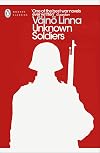
Where to start? How about with a simple I LOVED THIS BOOK! Beause I did. I'm always looking for good war lit, and Vaino Linna's UNKNOWN SOLDIERS is better that good. It is classic. Looking it up, I find that it is still one of Finland's most popular books, and it's been in print there since 1954. My copy is a Penguin Modern Classics edition, English translation (2015) by Liesl Yamaguchi, who did a bang-up job of presenting Linna's story in an accessible, eminently readable style, certainly show more not an easy task, with all of its slang and various Finnish dialects.
The story covers three years in a Finnish Army machine gun company, from its haphazard training cycle, following the three-month "Winter War," through its long slog in a full-fledged war with Russia, on the eastern front in the early years of WWII. (Yes, the Finns were on the side of Germany, something I re-learned several years ago when I read Henrik Tikkanen's memoir, A WINTER'S DAY.) There are more than a dozen well-defined central character's in Linna's story. If there is a 'hero,' it would probably be Lt Koskela, a pragmatic platoon leader of few words who leads by example, and earns the respect of his men. ("But above all, the men felt he was one of their own because he was just like any one of them.") And there is Rokka, an older (30), clownish private who has no patience for officers, military regs or discipline, but is an efficient and cool-headed killer in combat. Rokka reminded me somewhat of CATCH-22's Yossarian. Indeed there are numerous points of comparison between the two books. Linna's martinet-like Lt Lammio, for example, comes off almost as ridiculous as Heller's Lt Sheiskopf. And yes, there is plenty of military-style humor here, although as the war drags on and the Finns, starving and ill-equipped, are finally forced into full-scale retreat mode, the story gets darker and darker and descends into horror-filled, hellish scenes. Linna himself, I discovered, was profoundly moved by Remarque's ALL QUIET ON THE WESTERN FRONT, and that influence too is obvious here, although UNKNOWN SOLDIERS is, nevertheless, an animal all its own.
The names here, with so many major characters, are sometimes a problem - Koskela, Rokka, Heitanen, Rahikeinen, Kariluoto, Karjula, Maata, Honkajoki and more, most of them with mysterious diacritical marks. It was difficult keeping them all straight, but then Finns might have problems with American names too.
Once again, I did love reading this book, was completely caught up in the lives of these men. I understand perfectly why UNKNOWN SOLDIERS is still, more that sixty years later, one of Finland's most read, and most popular, books. This is war literature at its finest. My very highest recommendation.
- Tim Bazzett, author of the Cold War memoir, SOLDIER BOY: AT PLAY IN THE ASA show less
The story covers three years in a Finnish Army machine gun company, from its haphazard training cycle, following the three-month "Winter War," through its long slog in a full-fledged war with Russia, on the eastern front in the early years of WWII. (Yes, the Finns were on the side of Germany, something I re-learned several years ago when I read Henrik Tikkanen's memoir, A WINTER'S DAY.) There are more than a dozen well-defined central character's in Linna's story. If there is a 'hero,' it would probably be Lt Koskela, a pragmatic platoon leader of few words who leads by example, and earns the respect of his men. ("But above all, the men felt he was one of their own because he was just like any one of them.") And there is Rokka, an older (30), clownish private who has no patience for officers, military regs or discipline, but is an efficient and cool-headed killer in combat. Rokka reminded me somewhat of CATCH-22's Yossarian. Indeed there are numerous points of comparison between the two books. Linna's martinet-like Lt Lammio, for example, comes off almost as ridiculous as Heller's Lt Sheiskopf. And yes, there is plenty of military-style humor here, although as the war drags on and the Finns, starving and ill-equipped, are finally forced into full-scale retreat mode, the story gets darker and darker and descends into horror-filled, hellish scenes. Linna himself, I discovered, was profoundly moved by Remarque's ALL QUIET ON THE WESTERN FRONT, and that influence too is obvious here, although UNKNOWN SOLDIERS is, nevertheless, an animal all its own.
The names here, with so many major characters, are sometimes a problem - Koskela, Rokka, Heitanen, Rahikeinen, Kariluoto, Karjula, Maata, Honkajoki and more, most of them with mysterious diacritical marks. It was difficult keeping them all straight, but then Finns might have problems with American names too.
Once again, I did love reading this book, was completely caught up in the lives of these men. I understand perfectly why UNKNOWN SOLDIERS is still, more that sixty years later, one of Finland's most read, and most popular, books. This is war literature at its finest. My very highest recommendation.
- Tim Bazzett, author of the Cold War memoir, SOLDIER BOY: AT PLAY IN THE ASA show less

Nehezen állt össze nekem ez a könyv, de aztán beindult, és hurcolt magával a grabancomnál fogva. A kezdeti problémát alighanem az okozta, hogy Linna nem fecsérel időt szereplői bemutatására, és egyáltalán: semmiféle leírásra. Egész egyszerűen csak dobálja ránk ezeket a finn neveket*, hogy ki mit csinál, mit mond, hová megy, nem csoda, ha az ember az első ötven oldalon csak úgy csendben akklimatizálódik. Ahogy azonban helyükre rázódnak a dolgok, kiderülnek a show more technika vitathatatlan előnyei: a hihetetlen sodrás, a hiperrealista eseményábrázolás, no és ez a szinte intim közelség, mintha csak kézikamerás felvételt látnánk valami bevállalós operatőrtől, aki ott caplat a közlegények nyomában. Ez a módszer ismerős lehet azoknak, akik sok második világháborús könyvet olvastak a század harmadik harmadából, azoknak meg pláne, akik a háborús filmek rajongói, hiszen manapság már szinte minden rendező a csatajelenetekben ezt a szuperközeli, zaklatott, piszkosságot sugárzó megközelítést preferálja. Azonban amikor Linna színre lépett az ’50-es években, ez a látásmód még úttörőnek számított.
Másrészt Az ismeretlen katona azért is egyedülálló a maga műfajában, mert szimplán: finn. Ami nem pusztán azt jelenti, hogy olvasás közben kiélvezhetjük a karéliai táj nyújtotta örömöket** (amúgy azt is), hanem megismerkedhetünk a második világháború egy kevésbé ismert hadszínterével is, mégpedig értő tolmácsolásban: Linna ugyanis maga is szolgált frontkatonaként. Ehhez még hozzájön az a sajátosság, hogy a finnek sokáig fura szelektív amnéziában szenvedtek e történelmi eseménnyel kapcsolatban: volt ugye a hősies „téli háború”, amit az agresszor szovjetek ellen vívtak a hazájuk védelmében, és aminek emlékét szeretettel ápolták, és volt ’41-től a visszavágó, amikor a Wermacht-tal együttműködve betörtek Oroszországba, ezt viszont ’45 után érthetően nem nagyon emlegették. Nos, Linna pont ez utóbbi eseményt választja ki vizsgálódása tárgyául. Ráadásul a finnek szemében a hadsereg és Mannerheim marsall („A” Marsall, de akkora „A”-val, hogy a csúcsa sebesre karcolja a felhők pocakját) a becsület és szentség szinonímájaként funkcionáltak, Linna azonban nem habozott nekimenni a mítosznak. És ami a legkülönösebb: ez a múltat felhánytorgató, fájdalmas igazságokat felszínre hozó regény nem elsüllyedt csendesen a finn könyvpiacon, hanem minden idők egyik legnagyobb skandináv sikere lett. Fura egy ország az, én mondom.
*Apropó: csak én gondolom úgy, hogy nyelvrokonság ide vagy oda, egy európai nép személynevei nem annyira idegenek a magyar fülnek, mint a finneké? Amivel nem a török rokonság mellett kívánok kampányolni – ami azt illeti, egy Demet Altinyeleklioglu semmivel sem vonzó opció, mint egy Väinö Linna.
** Amely örömök egyébként nyilván csak a díványon heverve gyönyörködtetnek. A főszereplők nyilván elküldenének engem a felmenőimbe, ha ezekre a szépségekre felhívnám a figyelmüket. show less
Másrészt Az ismeretlen katona azért is egyedülálló a maga műfajában, mert szimplán: finn. Ami nem pusztán azt jelenti, hogy olvasás közben kiélvezhetjük a karéliai táj nyújtotta örömöket** (amúgy azt is), hanem megismerkedhetünk a második világháború egy kevésbé ismert hadszínterével is, mégpedig értő tolmácsolásban: Linna ugyanis maga is szolgált frontkatonaként. Ehhez még hozzájön az a sajátosság, hogy a finnek sokáig fura szelektív amnéziában szenvedtek e történelmi eseménnyel kapcsolatban: volt ugye a hősies „téli háború”, amit az agresszor szovjetek ellen vívtak a hazájuk védelmében, és aminek emlékét szeretettel ápolták, és volt ’41-től a visszavágó, amikor a Wermacht-tal együttműködve betörtek Oroszországba, ezt viszont ’45 után érthetően nem nagyon emlegették. Nos, Linna pont ez utóbbi eseményt választja ki vizsgálódása tárgyául. Ráadásul a finnek szemében a hadsereg és Mannerheim marsall („A” Marsall, de akkora „A”-val, hogy a csúcsa sebesre karcolja a felhők pocakját) a becsület és szentség szinonímájaként funkcionáltak, Linna azonban nem habozott nekimenni a mítosznak. És ami a legkülönösebb: ez a múltat felhánytorgató, fájdalmas igazságokat felszínre hozó regény nem elsüllyedt csendesen a finn könyvpiacon, hanem minden idők egyik legnagyobb skandináv sikere lett. Fura egy ország az, én mondom.
*Apropó: csak én gondolom úgy, hogy nyelvrokonság ide vagy oda, egy európai nép személynevei nem annyira idegenek a magyar fülnek, mint a finneké? Amivel nem a török rokonság mellett kívánok kampányolni – ami azt illeti, egy Demet Altinyeleklioglu semmivel sem vonzó opció, mint egy Väinö Linna.
** Amely örömök egyébként nyilván csak a díványon heverve gyönyörködtetnek. A főszereplők nyilván elküldenének engem a felmenőimbe, ha ezekre a szépségekre felhívnám a figyelmüket. show less
Originally published in 1954, The Unknown Soldier is a dark and gritty story set in 1941 about a Finnish machine-gun company fighting along the border of their country trying to push the Russians back and regain land that was taken a year or so ago during the Winter War. The viewpoint of the book is that of the Finnish soldiers, an assorted group of young men, who are exposed to warfare for the first time in all it’s messy, bloody, horrifying pointlessness.
The secret to reading a book with show more an ensemble cast is for each character to have a clear identity and have names that are easily remembered. Unfortunately, I struggled with the Finnish names of the characters and it took me a long time to be able to immediately identify which character was which. Of course, with a book that features soldiers during war, characters often finally became recognizable to me only to have them immediately killed off.
As the story goes on, we learn more about these soldiers and their lives. Their bonds to each other grow and other than some of the officers who are more concerned with medals and careers than the lives of their men, they learn to watch out for each other and help each other during times of difficulty.
Translator Liesl Yamaguchi does an excellent job with the story and, in particular, the dialogue, helping the reader to know each character by their individual tone.
Unknown Soldiers is a war story that showcases the horror, chaos and futility of war. I was fascinated by the history as I knew next to nothing about Finland during World War II. At first, Russia had an alliance with Germany, allowing them to attack Finland. Then the Germans attacked Russia, and Finland entered into a non-aggression pact with Germany. Unfortunately, at the end of World War II, even though Russia had been the first to attack, and Finland only tried to gain back what they had lost, Finland was considered part of the Axis and had to pay reparations to Russia. show less
The secret to reading a book with show more an ensemble cast is for each character to have a clear identity and have names that are easily remembered. Unfortunately, I struggled with the Finnish names of the characters and it took me a long time to be able to immediately identify which character was which. Of course, with a book that features soldiers during war, characters often finally became recognizable to me only to have them immediately killed off.
As the story goes on, we learn more about these soldiers and their lives. Their bonds to each other grow and other than some of the officers who are more concerned with medals and careers than the lives of their men, they learn to watch out for each other and help each other during times of difficulty.
Translator Liesl Yamaguchi does an excellent job with the story and, in particular, the dialogue, helping the reader to know each character by their individual tone.
Unknown Soldiers is a war story that showcases the horror, chaos and futility of war. I was fascinated by the history as I knew next to nothing about Finland during World War II. At first, Russia had an alliance with Germany, allowing them to attack Finland. Then the Germans attacked Russia, and Finland entered into a non-aggression pact with Germany. Unfortunately, at the end of World War II, even though Russia had been the first to attack, and Finland only tried to gain back what they had lost, Finland was considered part of the Axis and had to pay reparations to Russia. show less
Lists
Awards


You May Also Like


Associated Authors
Statistics
- Works
- 12
- Also by
- 3
- Members
- 1,957
- Popularity
- #13,135
- Rating
- 4.2
- Reviews
- 32
- ISBNs
- 139
- Languages
- 12
- Favorited
- 17
