
Seth Stephens-Davidowitz
Author of Everybody Lies: Big Data, New Data, and What the Internet Can Tell Us About Who We Really Are
About the Author
Seth Stephens-Davidowitz is a contributing op-ed writer for the New York Times, a lecturer at The Wharton School, and a former Google data scientist. He received a BA from Stanford and a PhD from Harvard. His research has appeared in the Journal of Public Economics and other prestigious show more publications. He lives in New York City. show less
Works by Seth Stephens-Davidowitz
Everybody Lies: Big Data, New Data, and What the Internet Can Tell Us About Who We Really Are (2017) 1,361 copies, 47 reviews
Don't Trust Your Gut: Using Data Instead of Instinct to Make Better Choices (2022) 10 copies, 1 review
Wszyscy klamia. Big data, nowe dane i wszystko, co Internet moze nam powiedziec o tym, kim naprawde jestesmy (2019) 3 copies
Toda a Gente Mente 2 copies
Toda a Gente Mente - eBook 1 copy
Mọi người đều nói dối 1 copy
Tagged
Common Knowledge
- Birthdate
- 1982-09-15
- Gender
- male
- Nationality
- USA
- Birthplace
- Englewood, New Jersey, USA
- Associated Place (for map)
- New Jersey, USA
Members
Reviews
Everybody Lies: Big Data, New Data, and What the Internet Can Tell Us About Who We Really Are by Seth Stephens-Davidowitz

In Everybody Lies, Seth Stephens-Davidowitz explores the idea behind social desirability bias and how internet searches are helping Big Data paint a clearer picture about society. In short:
Many people under-report embarrassing behaviors and thoughts on surveys. They want to look good, even though most surveys are anonymous.
Stephens-Davidowitz posits that while people may lie to anonymous surveys they tend to type their true feelings and intentions into Google searches. It is this vast sum of show more new data that will allow researchers to make better predictions and offers brand new tools to allow insight all aspects of human behavior that direct questioning never could. It's a fascinating idea and the book provides plenty of food for thought.
The new age of Big Data is starting to show how wrong many of our assumptions about society are. How Google searches predicted Donald Trump's victory to common body anxieties to why people root for specific sports teams to the value of attending an elite high school to zooming in on health data and how it could change the way we receive care. It's eerie and a bit creepy when you stop and think about what people type into an internet search box, how much of that data is being captured and just what that data is starting to say about society. On the flip side, the author notes that Big Data has many pitfalls and it's a fairly new science that is still in its infancy. show less
Many people under-report embarrassing behaviors and thoughts on surveys. They want to look good, even though most surveys are anonymous.
Stephens-Davidowitz posits that while people may lie to anonymous surveys they tend to type their true feelings and intentions into Google searches. It is this vast sum of show more new data that will allow researchers to make better predictions and offers brand new tools to allow insight all aspects of human behavior that direct questioning never could. It's a fascinating idea and the book provides plenty of food for thought.
The new age of Big Data is starting to show how wrong many of our assumptions about society are. How Google searches predicted Donald Trump's victory to common body anxieties to why people root for specific sports teams to the value of attending an elite high school to zooming in on health data and how it could change the way we receive care. It's eerie and a bit creepy when you stop and think about what people type into an internet search box, how much of that data is being captured and just what that data is starting to say about society. On the flip side, the author notes that Big Data has many pitfalls and it's a fairly new science that is still in its infancy. show less
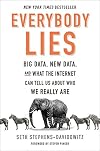
Qué libro tan fantástico. Es un Freakonomics pero con estudios de Big Data. El autor se hace mil preguntas y las responde usando big data, principalmente mediante el análisis detallado de las búsquedas que la gente hace en Google (y en otros sitios, como PornHub).
El origen del libro es fantástico:
Lo cual le lleva al autor a hacer una declaración de intenciones:
El autor nos lleva de viaje por un montón de temas interesantes. Uno de los que más me ha gustado es la vieja, viejísima regunta: ¿Qué porcentaje de la población es gay? Un viejo estudio de los años 60-70 decía que una de cada 10 personas es gay. Pero el autor lo reduce a 1 de cada 20 y explica tan bien como ha llegado a esa conclusión que me ha convencido del todo, es una cifra que parecía imposible de saber con precisión y el tío va y lo hace.
Hay muchos datos, como nuestros likes y preferencias en Facebook, que también sirven para cosas, pero no para todo. NUestras búsquedas en Google son siempre sinceras. Nuestros likes de Facebook no. De dos revistas con la misma tirada, una de cotilleos y otra de literatura, en FB la de literatura tenía más del doble de likes que la de cotilleos. Lo mismo pasa con las encuestas:
Más datos interesantes:
El autor usa el big data para la autoayuda, al hablar de que no debenmos fiarnos de todo lo que la gente pone en Instagram:
También suelta perlas de humor:
Y muestra signos de profundidad filosófica:
Hay muchas muchas cosas más. ¿Qué diferencias en la vida podemos esperar entre el último admitido y el primer no admitido a una escuela de prestigio? ¿Qué palabras en una petición de un crédito son claro indicador de que la persona es menos proclive a devolverlo? ¿Es lícito usar este conocimiento para denegar créditos?
El libro sigue y sigue. Tiene un montón de notas al pie, puestas todas al final (casi un tercio del libro [!!]) y acaba con un alegato a favor del big data:
Interesantísimo. Divertido. Instructivo. Fantástico. Imprescindible. show less
El origen del libro es fantástico:
[Nathan] Silver found that the single factor that best correlated with Donald Trump’s support in the Republican primaries was that measure I had discovered four years earlier. Areas thatshow more
supported Trump in the largest numbers were those that made the most Google searches for “nigger.”
Lo cual le lleva al autor a hacer una declaración de intenciones:
I am now convinced that Google searches are the most important dataset ever collected on the human psyche. [...] In fact, at the risk of sounding grandiose, I have come to believe that the new data increasingly available in our digital age will radically expand our understanding of humankind.
El autor nos lleva de viaje por un montón de temas interesantes. Uno de los que más me ha gustado es la vieja, viejísima regunta: ¿Qué porcentaje de la población es gay? Un viejo estudio de los años 60-70 decía que una de cada 10 personas es gay. Pero el autor lo reduce a 1 de cada 20 y explica tan bien como ha llegado a esa conclusión que me ha convencido del todo, es una cifra que parecía imposible de saber con precisión y el tío va y lo hace.
Hay muchos datos, como nuestros likes y preferencias en Facebook, que también sirven para cosas, pero no para todo. NUestras búsquedas en Google son siempre sinceras. Nuestros likes de Facebook no. De dos revistas con la misma tirada, una de cotilleos y otra de literatura, en FB la de literatura tenía más del doble de likes que la de cotilleos. Lo mismo pasa con las encuestas:
Many people underreport embarrassing behaviors and thoughts on surveys. They want to look good, even though most surveys are anonymous. This is called social desirability bias.
Más datos interesantes:
After making their decision—either to reproduce (or adopt) or not—people sometimes confess to Google that they rue their choice. This may come as something of a shock but post-decision, the numbers are reversed. Adults with children are 3.6 times more likely to tell Google they regret their decision than are adults without children.
About 28 percent of girls are overweight, while 35 percent of boys are. Even though scales measure more overweight boys than girls, parents see—or worry about—overweight girls much more frequently than overweight boys.
On weekends with a popular violent movie, the economists found, crime dropped.
Students who were taught fractions via a game tested worse than those who learned fractions in a more standard way.
El autor usa el big data para la autoayuda, al hablar de que no debenmos fiarnos de todo lo que la gente pone en Instagram:
In fact, I think Big Data can give a twenty-first-century update to a famous self-help quote: “Never compare your insides to everyone else’s outsides.” A Big Data update may be: “Never compare your Google searches to everyone else’s social media posts.”
También suelta perlas de humor:
February 27, 2000, started as an ordinary day on Google’s Mountain View campus. The sun was shining, the bikers were pedaling, the masseuses were massaging, the employees were hydrating with cucumber water.
Y muestra signos de profundidad filosófica:
Milan Kundera, the Czech-born writer, has a pithy quote about this in his novel The Unbearable Lightness of Being: “Human life occurs only once, and the reason we cannot determine which of our decisions are good and which bad is that in a given situation we can make only one decision; we are not granted a second, third or fourth life in which to compare various decisions.”
Hay muchas muchas cosas más. ¿Qué diferencias en la vida podemos esperar entre el último admitido y el primer no admitido a una escuela de prestigio? ¿Qué palabras en una petición de un crédito son claro indicador de que la persona es menos proclive a devolverlo? ¿Es lícito usar este conocimiento para denegar créditos?
El libro sigue y sigue. Tiene un montón de notas al pie, puestas todas al final (casi un tercio del libro [!!]) y acaba con un alegato a favor del big data:
The days of academics devoting months to recruiting a small number of undergrads to perform a single test will come to an end. Instead, academics will utilize digital data to test a few hundred or a few thousand ideas in just a few seconds. We’ll be able to learn a lot more in a lot less time. [...] How do ideas spread? How do new words form? How do words disappear? How do jokes form?
Interesantísimo. Divertido. Instructivo. Fantástico. Imprescindible. show less

„A krétai Epimenidész a következő halhatatlan kijelentést tette: Minden krétai hazudik.”
Erre az amerikai Seth Stephens-Davidowitz a következő halhatatlan kijelentést tette: Mindenki hazudik. Na, Epimenidész, most mit lépsz?
Különben meg tényleg. Hazudunk arról, mennyit szeretkezünk, mit gondolunk a gyerekeinkről, mennyire vagyunk toleránsak a kisebbségekkel. Hazudunk a facebookon, a szociológiai kutatásokban, az állásinterjún. Hazudunk másnak, hazudunk magunknak. show more És hogy kerek legyen: hazudunk a könyvcímekben is. Jó, legyek megengedő: csak sumákolunk, hogy jobb eladási mutatókat tudjunk elérni.
Mert ez a könyv igazából nem arról szól, hogy mindenki hazudik, bármit állítson is a címe*. Persze arról is, hisz egyik következtetése, hogy a Google-keresések során olyan dolgokat is megvallunk, amiket különben sehol máshol. De ez önmagában még egy elég puha hipotézis, hisz ki tudja, a sok hülyeség, amit a gugliba begépelünk, komolyan vehető-e. Oké, elfogadom, a banki hitelfelvételnél hajlamosak vagyunk jóval stabilabbnak lefesteni az élethelyzetünket, mint amilyen valójában, és ritkán tesszük ki nyíltan a közösségi oldalakra, hogy a PornHub-ról szoktunk esti mesét választani magunknak. (Én persze nem. De TI igen. Höh.) Ugyanakkor ha egy férfi a Google-ban rákeres, hogyan tudná önmagát, khm, a szájával, khm, nem is folytatom, az nem feltétlenül azt jelenti, hogy komolyan foglalkoztatja a kivitelezés – lehet, csak olvasta Stephen-Davidowitznál, hogy sokan ilyesmi iránt érdeklődnek, és egyszerűen megöli a kíváncsiság, ezt mégis ki képes véghez vinni. Szóval az, hogy ki hazudik és ki mond igazat, bonyolult kérdés, legalábbis óvatosan kell tehát kezelnünk a szerző azon állítását, hogy az ő módszere egyfajta „igazságszérum”**.
Valójában ez a könyv himnusz a Big Data adatkutatóihoz. Seth Stephens-Davidowitz igazi központi állítása (szerintem és hála Istennek) nem a hazugságokkal kapcsolatos, hanem azzal, hogy a Big Data olyan eszköz, ami a puszta méretével teljesen átalakítja a tudományos kutatást. Hiszen eddig az volt, hogy a társadalomtudósoknak elképesztően bonyolult és költséges volt kísérletezniük – a kérdőíves rendszerek, a csoportokat és kontrollcsoportokat felhasználó kutatások egyaránt hosszadalmas előkészületeket igényeltek, ráadásul az eredmények gyakran ugyanúgy kétségbevonhatóak voltak, vagy nem érték meg a befektetett tőkét. Ezzel szemben ma egy techcég naponta akár több ezer ún „A/B tesztet***” is lefuttathat kvázi automatikusan, minden probléma nélkül, és hála az internet elterjedésének, a kutatók a Google több milliárdos adatbázisából tudnak dolgozni, olyan információkat hívva le a rendszerből pár billentyű leütésével (és némi kreativitással), amiről pár évtizede még álmodozni se mertek. Van egy hipotézisünk, miszerint Trump választói rasszistábbak, mint a többiek? Nézzük meg, a Google-ben hol írták be a „nigger viccek” kifejezést a keresőablakba, és az így kapott térképet vessük össze a választási térképekkel. Voilá. És hogy ezt meg tudjuk tenni, az forradalmasítja a társadalomtudományt, ami eddig puha volt, ám most - azzal, hogy ilyen szimplán tudunk hipotéziseket ellenőrizni - lényegesen egzaktabbá válik****. Persze – ezt a szerző nem tagadja – ez semmiképpen sem jelenti azt, hogy a megszokott kiscsoportos kísérleteket és felméréseket el lehet felejteni, pusztán azt, hogy a kettő együtt használva elképesztően erős következtetéseket fog eredményezni. És ebben tökéletesen egyetértek vele.
Összességében ez a könyv baromi informatív és hatásos, ha azokat a passzusokat nézzük, amikor a titkolt, explicit előítéletességről beszél, amelyek még mindig hemzsegnek a nyugati civilizáció álcahálója alatt. Már pusztán ezért is érdemes elolvasni. Másfelől viszont olyannyira központba helyezi a szexualitás témakörét, hogy azt már nehéz másnak értelmezni, mint vevőcsalogatásnak. Jó, hát bevallom, ezek a részek engem is szórakoztattak, de azért közben többször elméláztam azon, mennyire relevánsak az efféle információk. Ha Seth Stephens-Davidowitz azt akarta bizonyítani velük, hogy tényleg, de tényleg mindenki hazudik, akkor jelentem, ez már durván 15-20 oldal után sikerült neki, a többi csak a tejszínhab a gesztenyepürén. Különben meg finom a tejszínhab is. Úgyhogy nem panaszkodom.
* Mondjuk ahhoz képest, hogy a szerző eredetileg a „Mekkora a péniszem?” címmel akarta piacra dobni ezt a terméket, a „Mindenki hazudik” állítás kifejezetten visszafogottnak tűnik. Ugyanakkor önmagában jelzi, hogy Stephens-Davidowitz nem retten vissza egy kis marketingdinamit-használattól.
** Jellemző a módszer korlátait illetően a példa, amit a zárszóban előcitál. Itt a szerző hivatkozik egy matematikusra, aki abból kiindulva, hogy a könyvek első feléből többet idéznek, mint a könyvek második feléből, azt a következtetést vonta le, hogy az emberek kevesebb könyvet olvasnak végig, mint ahogy azt állítják. Csinált ilyen kis csecse statisztikát is a Big Data felhasználásával, amiben kiszámolta, hogy az idézetek oldalszámozásából ítélve hány százalék fejezte be végül az adott műveket. (Piketty Tőkéjét például 3%.) No most én szintén gyakrabban idézek a könyvek első feléből, mint a végéből, mégpedig azért, mert hajlamos vagyok az első száz oldalról mindent kiírni, ami megtetszik, utána viszont ellustulok, és jobban megszűröm, mit érdemes, mit nem. Lehet, a hipotézis inkább kiötlője saját olvasási szokásairól árulkodik, mint az enyémről.
*** Olyan tesztek ezek, amelyeket mondjuk a Google, az Amazon vagy a Facebook már évek óta tömegével futtat. Például több ezer random kiválasztott felhasználónak a kék egy bizonyos árnyalatában jön föl az oldal, más felhasználóknak meg egy másik árnyalattal. Amelyikre több kattintást generál, az lesz az optimális szín.
**** Érdekes, hogy mindeközben a természettudományok mintha veszítenének egzaktságukból. Legalábbis a kvantumfizika vagy a húrelmélet kezd annyira elméleti lenni, ami kísérleti úton már nem is igazolható. show less
Erre az amerikai Seth Stephens-Davidowitz a következő halhatatlan kijelentést tette: Mindenki hazudik. Na, Epimenidész, most mit lépsz?
Különben meg tényleg. Hazudunk arról, mennyit szeretkezünk, mit gondolunk a gyerekeinkről, mennyire vagyunk toleránsak a kisebbségekkel. Hazudunk a facebookon, a szociológiai kutatásokban, az állásinterjún. Hazudunk másnak, hazudunk magunknak. show more És hogy kerek legyen: hazudunk a könyvcímekben is. Jó, legyek megengedő: csak sumákolunk, hogy jobb eladási mutatókat tudjunk elérni.
Mert ez a könyv igazából nem arról szól, hogy mindenki hazudik, bármit állítson is a címe*. Persze arról is, hisz egyik következtetése, hogy a Google-keresések során olyan dolgokat is megvallunk, amiket különben sehol máshol. De ez önmagában még egy elég puha hipotézis, hisz ki tudja, a sok hülyeség, amit a gugliba begépelünk, komolyan vehető-e. Oké, elfogadom, a banki hitelfelvételnél hajlamosak vagyunk jóval stabilabbnak lefesteni az élethelyzetünket, mint amilyen valójában, és ritkán tesszük ki nyíltan a közösségi oldalakra, hogy a PornHub-ról szoktunk esti mesét választani magunknak. (Én persze nem. De TI igen. Höh.) Ugyanakkor ha egy férfi a Google-ban rákeres, hogyan tudná önmagát, khm, a szájával, khm, nem is folytatom, az nem feltétlenül azt jelenti, hogy komolyan foglalkoztatja a kivitelezés – lehet, csak olvasta Stephen-Davidowitznál, hogy sokan ilyesmi iránt érdeklődnek, és egyszerűen megöli a kíváncsiság, ezt mégis ki képes véghez vinni. Szóval az, hogy ki hazudik és ki mond igazat, bonyolult kérdés, legalábbis óvatosan kell tehát kezelnünk a szerző azon állítását, hogy az ő módszere egyfajta „igazságszérum”**.
Valójában ez a könyv himnusz a Big Data adatkutatóihoz. Seth Stephens-Davidowitz igazi központi állítása (szerintem és hála Istennek) nem a hazugságokkal kapcsolatos, hanem azzal, hogy a Big Data olyan eszköz, ami a puszta méretével teljesen átalakítja a tudományos kutatást. Hiszen eddig az volt, hogy a társadalomtudósoknak elképesztően bonyolult és költséges volt kísérletezniük – a kérdőíves rendszerek, a csoportokat és kontrollcsoportokat felhasználó kutatások egyaránt hosszadalmas előkészületeket igényeltek, ráadásul az eredmények gyakran ugyanúgy kétségbevonhatóak voltak, vagy nem érték meg a befektetett tőkét. Ezzel szemben ma egy techcég naponta akár több ezer ún „A/B tesztet***” is lefuttathat kvázi automatikusan, minden probléma nélkül, és hála az internet elterjedésének, a kutatók a Google több milliárdos adatbázisából tudnak dolgozni, olyan információkat hívva le a rendszerből pár billentyű leütésével (és némi kreativitással), amiről pár évtizede még álmodozni se mertek. Van egy hipotézisünk, miszerint Trump választói rasszistábbak, mint a többiek? Nézzük meg, a Google-ben hol írták be a „nigger viccek” kifejezést a keresőablakba, és az így kapott térképet vessük össze a választási térképekkel. Voilá. És hogy ezt meg tudjuk tenni, az forradalmasítja a társadalomtudományt, ami eddig puha volt, ám most - azzal, hogy ilyen szimplán tudunk hipotéziseket ellenőrizni - lényegesen egzaktabbá válik****. Persze – ezt a szerző nem tagadja – ez semmiképpen sem jelenti azt, hogy a megszokott kiscsoportos kísérleteket és felméréseket el lehet felejteni, pusztán azt, hogy a kettő együtt használva elképesztően erős következtetéseket fog eredményezni. És ebben tökéletesen egyetértek vele.
Összességében ez a könyv baromi informatív és hatásos, ha azokat a passzusokat nézzük, amikor a titkolt, explicit előítéletességről beszél, amelyek még mindig hemzsegnek a nyugati civilizáció álcahálója alatt. Már pusztán ezért is érdemes elolvasni. Másfelől viszont olyannyira központba helyezi a szexualitás témakörét, hogy azt már nehéz másnak értelmezni, mint vevőcsalogatásnak. Jó, hát bevallom, ezek a részek engem is szórakoztattak, de azért közben többször elméláztam azon, mennyire relevánsak az efféle információk. Ha Seth Stephens-Davidowitz azt akarta bizonyítani velük, hogy tényleg, de tényleg mindenki hazudik, akkor jelentem, ez már durván 15-20 oldal után sikerült neki, a többi csak a tejszínhab a gesztenyepürén. Különben meg finom a tejszínhab is. Úgyhogy nem panaszkodom.
* Mondjuk ahhoz képest, hogy a szerző eredetileg a „Mekkora a péniszem?” címmel akarta piacra dobni ezt a terméket, a „Mindenki hazudik” állítás kifejezetten visszafogottnak tűnik. Ugyanakkor önmagában jelzi, hogy Stephens-Davidowitz nem retten vissza egy kis marketingdinamit-használattól.
** Jellemző a módszer korlátait illetően a példa, amit a zárszóban előcitál. Itt a szerző hivatkozik egy matematikusra, aki abból kiindulva, hogy a könyvek első feléből többet idéznek, mint a könyvek második feléből, azt a következtetést vonta le, hogy az emberek kevesebb könyvet olvasnak végig, mint ahogy azt állítják. Csinált ilyen kis csecse statisztikát is a Big Data felhasználásával, amiben kiszámolta, hogy az idézetek oldalszámozásából ítélve hány százalék fejezte be végül az adott műveket. (Piketty Tőkéjét például 3%.) No most én szintén gyakrabban idézek a könyvek első feléből, mint a végéből, mégpedig azért, mert hajlamos vagyok az első száz oldalról mindent kiírni, ami megtetszik, utána viszont ellustulok, és jobban megszűröm, mit érdemes, mit nem. Lehet, a hipotézis inkább kiötlője saját olvasási szokásairól árulkodik, mint az enyémről.
*** Olyan tesztek ezek, amelyeket mondjuk a Google, az Amazon vagy a Facebook már évek óta tömegével futtat. Például több ezer random kiválasztott felhasználónak a kék egy bizonyos árnyalatában jön föl az oldal, más felhasználóknak meg egy másik árnyalattal. Amelyikre több kattintást generál, az lesz az optimális szín.
**** Érdekes, hogy mindeközben a természettudományok mintha veszítenének egzaktságukból. Legalábbis a kvantumfizika vagy a húrelmélet kezd annyira elméleti lenni, ami kísérleti úton már nem is igazolható. show less
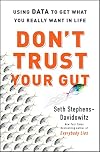
Cute on the surface, but in some ways a very depressing book. The schtick is that he wrote this book because the data showed that the most highlighted parts of his previous book were self-help advice bits. Some dating advice: while conventionally attractive people do best on the apps, runners-up have extreme looks: “blue hair, body art, wild glasses, or shaved heads.” They’re only attractive to a subset of people, but those people really find them attractive. Sexy occupations are often show more sexier to het women than higher salaries: A man in the hospitality industry who earns $200K is as attractive to het women as a male firefighter who earns $60K (male lawyers, police officers, firefighters, soldiers and doctors do best, if you’re interested), though there’s depressing sexism in the differences: a woman’s occupation doesn’t matter once you take her attractiveness into account (though we know from elsewhere that attractiveness influences occupational success).
At the same time, your satisfaction with a partner can be predicted more by your overall life satisfaction, depression status, and affect than by any characteristics you share or don’t share with the partner. Shared demographic characteristics and the conventional attractiveness of one’s partner don’t seem helpful at all in predicting relationship success. So, a good rational actor would seek out “massively undervalued groups in the dating market”: short men, extremely tall women, Asian men, African-American women, men in less desirable fields for men (education, hospitality, science, construction or transportation), and conventionally less attractive men and women. Your best bet for happiness is looking for a person who is satisfied with life, attaches securely, is conscientious, and has a growth mindset.
Likewise, “parents” in the abstract don’t have much effect on life expectancy, overall health, education, religiosity, and adult income (that is, compared to the other things like overall circumstances that surround kids, including wealth). They can modestly affect religious affiliation, drug/alcohol use and sexual behavior—especially of teens—and how kids feel about their parents. But some neighborhoods are really good neighborhoods to raise kids and you should move there. This was the most frustrating/shocking part of the book, where he wrote about neighborhood choice as if it were a … choice for a lot of people.
The same problem emerged in the chapter about how to become a successful artist. The core thesis is one I wholeheartedly believe: The harder you work, the luckier you get. Artists who show at many venues or travel for many gigs in different places are likelier—not likely, but likelier--to hit it big, and they are likelier to be able to sustain themselves as an artist. But not once did he discuss the ways in which “work hard/produce lots of work” is itself something to which not everyone has access. I think he’d say that he’s giving self-help advice, not policy advice; it is the job of policy to change things until “the harder you work, the luckier you get” is equally available to anyone, but it comes off as “if you weren’t able to work hard and make lots of instances of art, you don’t deserve to succeed at art.” Or maybe the similarly depressing, “if you aren’t able to make lots of art, maybe become an accountant.” Instead, he directs us not to “whine” that our art is better than insiders’, because “most of the people inside the club started their lives outside the club. They had to do something to become a vouched-for artist whose career was on cruise control.” Although it was hilarious to read about Bob Dylan forgetting that he’d written a song that he heard sung by Joan Baez.
Further, because “I’m not writing a legal treatise; I am writing a self-help book,” he argues that—whether you want to succeed as a creative or in other businesses—you should look for “local monopolies,” because “having legal protection against competiton is a huge assistance.” This is why car dealerships make so many millionaires—state laws make it hard to open a new dealership. On the flip side, it’s pointless to open a business that competes with an existing monopolist.
In related news, based on happiness studies, it’s helpful to work satisfaction to work with your friends, to work from home, and to work listening to music. But being a fan of a particular sports team tends to make you less happy, because even if your team is a winning one, the joys of winning get familiar while the sting of individual losses never does. “Being a passionate fan of four sports teams … is roughly the equivalent for one’s mood of being sick in bed an extra 2.2 days every year.” Alcohol doesn’t much improve the experience of going to a show, having sex, hanging out with friends, watching TV, or reading—the underlying activities do most of the mood elevation work—but it does improve the experience of traveling/commuting, waiting in line, resting/relaxing (which doesn’t on its own make us as happy as we think it will), smoking, and washing/dressing/grooming. show less
At the same time, your satisfaction with a partner can be predicted more by your overall life satisfaction, depression status, and affect than by any characteristics you share or don’t share with the partner. Shared demographic characteristics and the conventional attractiveness of one’s partner don’t seem helpful at all in predicting relationship success. So, a good rational actor would seek out “massively undervalued groups in the dating market”: short men, extremely tall women, Asian men, African-American women, men in less desirable fields for men (education, hospitality, science, construction or transportation), and conventionally less attractive men and women. Your best bet for happiness is looking for a person who is satisfied with life, attaches securely, is conscientious, and has a growth mindset.
Likewise, “parents” in the abstract don’t have much effect on life expectancy, overall health, education, religiosity, and adult income (that is, compared to the other things like overall circumstances that surround kids, including wealth). They can modestly affect religious affiliation, drug/alcohol use and sexual behavior—especially of teens—and how kids feel about their parents. But some neighborhoods are really good neighborhoods to raise kids and you should move there. This was the most frustrating/shocking part of the book, where he wrote about neighborhood choice as if it were a … choice for a lot of people.
The same problem emerged in the chapter about how to become a successful artist. The core thesis is one I wholeheartedly believe: The harder you work, the luckier you get. Artists who show at many venues or travel for many gigs in different places are likelier—not likely, but likelier--to hit it big, and they are likelier to be able to sustain themselves as an artist. But not once did he discuss the ways in which “work hard/produce lots of work” is itself something to which not everyone has access. I think he’d say that he’s giving self-help advice, not policy advice; it is the job of policy to change things until “the harder you work, the luckier you get” is equally available to anyone, but it comes off as “if you weren’t able to work hard and make lots of instances of art, you don’t deserve to succeed at art.” Or maybe the similarly depressing, “if you aren’t able to make lots of art, maybe become an accountant.” Instead, he directs us not to “whine” that our art is better than insiders’, because “most of the people inside the club started their lives outside the club. They had to do something to become a vouched-for artist whose career was on cruise control.” Although it was hilarious to read about Bob Dylan forgetting that he’d written a song that he heard sung by Joan Baez.
Further, because “I’m not writing a legal treatise; I am writing a self-help book,” he argues that—whether you want to succeed as a creative or in other businesses—you should look for “local monopolies,” because “having legal protection against competiton is a huge assistance.” This is why car dealerships make so many millionaires—state laws make it hard to open a new dealership. On the flip side, it’s pointless to open a business that competes with an existing monopolist.
In related news, based on happiness studies, it’s helpful to work satisfaction to work with your friends, to work from home, and to work listening to music. But being a fan of a particular sports team tends to make you less happy, because even if your team is a winning one, the joys of winning get familiar while the sting of individual losses never does. “Being a passionate fan of four sports teams … is roughly the equivalent for one’s mood of being sick in bed an extra 2.2 days every year.” Alcohol doesn’t much improve the experience of going to a show, having sex, hanging out with friends, watching TV, or reading—the underlying activities do most of the mood elevation work—but it does improve the experience of traveling/commuting, waiting in line, resting/relaxing (which doesn’t on its own make us as happy as we think it will), smoking, and washing/dressing/grooming. show less
Lists
Awards


You May Also Like


Statistics
- Works
- 14
- Members
- 1,520
- Popularity
- #16,915
- Rating
- 3.7
- Reviews
- 52
- ISBNs
- 42
- Languages
- 8