On This Page
Description
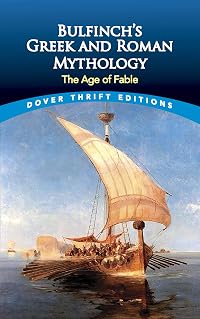
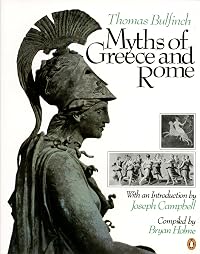
Long regarded as one of the most significant collectors and interpreters of folklore and mythology, Thomas Bulfinch was an esteemed but not affluent scholar from Massachusetts who set about making the world's folk tales accessible to the lay reader. In this, Bulfinch's first published work, he explores ancient Greek and Roman folk tales and their interpretation by various authors over the course of thousands of years..
Tags
Recommendations
























Member Reviews
No matter what other versions of the Greek myths you've read, there's a certain quaint charm to Bullfinch's take on the stories. Written in the 1850s, the book opens with a forward in which Bullfinch attempts to argue the value of mythology. He notes that without some background in mythology, the allusions of the famous poets will simply whizz over a reader's head, and also adds that despite its pagan beginnings, mythology contains pure and valuable moral lessons. He then proceeds to retell some of the most famous Greek stories, noting and laboriously explaining various later poetical allusions to each tale from writers such as Milton, Keats, Shakespeare, and more.
There's something rather precious about the Victorian writer's obvious show more discomfort with certain aspects of the myths. For one thing, Bullfinch has to work quite hard to extract his moral lessons; no matter how much you bowdlerize them, the major aesop of most Greek myths is, let's be honest, that you'd better "put out" whenever requested or someone is going to turn you into a tree. I also rather admire the complex feats of literary doublespeak that Bullfinch employs when handling the stories involving same-sex love; he does his best to either portray such relationships as (very) close "friendships" or simply obfuscates the pronouns. I had to laugh at his version of Sappho, as he tells the entire story without once revealing the gender of her lover.
I also found his emphasis rather interesting. The book is supposed to be a collection of myths and fables from around the world, yet almost the book focuses on Greek mythology (or, I suppose, Roman myths, as Bullfinch uses all the Roman names. Personally, I found that rather irritating as I had to keep translating them in my head.) After 35 chapters of Greek mythology, Bullfinch decides on a brief world tour--one chapter on Egyptian mythology, one chapter on "Eastern" mythology, three chapters on Norse mythology, and one chapter for the Celts. This actually can be seen as emblematic of the era; during Bullfinch's time, the Romans were venerated as having created a Utopian society that was lost to the dark ages, and--at least, according to the British--regained by Victoria's imperialistic regime. The fascination with Romans is then something of a self-congratulatory belief that the Victorian world recreated the splendour of the ancients.
Overall, Bullfinch's book exemplifies the Victorian attempt to both venerate and sterilize ancient folklore. Although perhaps not precisely true to their originals, I think Bullfinch's stories have a charm all their own. show less
There's something rather precious about the Victorian writer's obvious show more discomfort with certain aspects of the myths. For one thing, Bullfinch has to work quite hard to extract his moral lessons; no matter how much you bowdlerize them, the major aesop of most Greek myths is, let's be honest, that you'd better "put out" whenever requested or someone is going to turn you into a tree. I also rather admire the complex feats of literary doublespeak that Bullfinch employs when handling the stories involving same-sex love; he does his best to either portray such relationships as (very) close "friendships" or simply obfuscates the pronouns. I had to laugh at his version of Sappho, as he tells the entire story without once revealing the gender of her lover.
I also found his emphasis rather interesting. The book is supposed to be a collection of myths and fables from around the world, yet almost the book focuses on Greek mythology (or, I suppose, Roman myths, as Bullfinch uses all the Roman names. Personally, I found that rather irritating as I had to keep translating them in my head.) After 35 chapters of Greek mythology, Bullfinch decides on a brief world tour--one chapter on Egyptian mythology, one chapter on "Eastern" mythology, three chapters on Norse mythology, and one chapter for the Celts. This actually can be seen as emblematic of the era; during Bullfinch's time, the Romans were venerated as having created a Utopian society that was lost to the dark ages, and--at least, according to the British--regained by Victoria's imperialistic regime. The fascination with Romans is then something of a self-congratulatory belief that the Victorian world recreated the splendour of the ancients.
Overall, Bullfinch's book exemplifies the Victorian attempt to both venerate and sterilize ancient folklore. Although perhaps not precisely true to their originals, I think Bullfinch's stories have a charm all their own. show less
Reading Thomas Bulfinch's 'The Age of Fable' is about as much fun as trying to read an encyclopedia, by shoving pages up your bottom, whilst eating a bowl of sprouts. You know that this summary of mythology is meant to be good for you, much like sprouts and encyclopedias, but there has to be a better way. It covers mostly Greek and Roman myths, with a little Norse mythology thrown in for good measure, and would make a reasonable reference for Classics students. Just don't attempt to digest the whole thing in one sitting.
Bullfinch has written a sort of crib notes for The Iliad, The Odyssey, The Aeneid, The Upanishads, The Vedas, plus information about myths without primary books, like the Druids. The information is fascinating, and the amount of work put into the project is overwhelming. Gods and goddesses throughout the ages are shown to be just and unjust, proud, vain, supportive, vengeful, faithful and arbitrary. It's a little amusing to see him use Christianity as the basis of truth while he refers to all the other religions as superstitions, but what a wealth of information never the less. He gives both the stories of gods and heroes and how they have been referred to in literature, up to that time. Now when I hear of someone's reading Stones For show more Ibarra, I know who Ibarra was.
I recommend this book to anyone interested in classics, literature, religion or geography. show less
I recommend this book to anyone interested in classics, literature, religion or geography. show less
I’ve always loved mythology and can’t believe I didn’t read this one earlier. This is a great starter book for someone just curious about myths. I enjoyed returning to all the old favorites from Greek and Norse mythology & while also hearing some from other cultures that were new to me. I liked how he mentions specific poems and other famous pieces that use mythology as a reference point. I don’t think I’ll ever tire of reading about Greek mythology.
More modern treatments of mythology might correct historical errors or fill in gaps in the stories, but this was a very interesting view of the early scholarly work in the field. Troy had not even been discovered by Schliemann when Bulfinch compiled this work. Slavery still existed in the United States. Yet the descriptions are sufficient for the overview that was intended. Bulfinch relates each chapter to their references in literature with verses from T. K. Harvey, Moore, Keats, Byron, and Shakespeare. Many of those references are to poets whose popularity has long since disappeared, but the contrast of that to the longevity of the mythology is worth some thought. In the 1942 edition that I read, the illustrations by Stanley William show more Hayter were a bonus. If you find this edition in a used book store somewhere, buy it. show less
Bulfinch's Age of Fable is a classic reference work that lives up to its reputation. The book is packed with anecdotes of deities, monsters, and heroes, some of whom I had never heard of before. Thanks to the "Index of Names", it will be my first reference when I come across an unfamiliar character (okay, my second after Wikipedia).
The book attempted to do two things: acquaint the reader with the legends, and show how they are alluded to in poetry. While the legends were terse and informative, I found the poetry references tedious and arbitrary.
I was also confused by the scope of the book. The contents are overwhelmingly stacked toward Greek and Roman mythology, but there's also chapters on Egyptian, Norse, and even Eastern myths. These show more chapters felt like unnecessary additions that didn't do justice to their subject matter.
I should also say that my edition (I scanned my own cover, above) is beautiful. The fabric wrapping on the hardcover is embossed. The maps inside both covers are printed in two colours. Even the pages themselves are printed on high quality paper. Unfortunately, this edition isn't in print—the link directs to a mere Dover Thrift edition. show less
The book attempted to do two things: acquaint the reader with the legends, and show how they are alluded to in poetry. While the legends were terse and informative, I found the poetry references tedious and arbitrary.
I was also confused by the scope of the book. The contents are overwhelmingly stacked toward Greek and Roman mythology, but there's also chapters on Egyptian, Norse, and even Eastern myths. These show more chapters felt like unnecessary additions that didn't do justice to their subject matter.
I should also say that my edition (I scanned my own cover, above) is beautiful. The fabric wrapping on the hardcover is embossed. The maps inside both covers are printed in two colours. Even the pages themselves are printed on high quality paper. Unfortunately, this edition isn't in print—the link directs to a mere Dover Thrift edition. show less
Publicado pela primeira vez em 1855, esta obra já foi lida por milhares de leitores em todo o mundo, que tomaram contato com grandes mitos da Grécia e de Roma, lendas antigas da mitologia nórdica, contos medievais e cavalheirescos, fábulas orientais, entre outros. Agora, a Madras Editora traz esta edição, com uma tradução moderna, sem perder a essência da linguagem e do pensamento do autor.
Com habilidade ímpar, Thomas Bulfinch produzia várias versões de um conto em um todo coerente, com o vigor de sua narrativa e suas abundantes referências cruzadas à poesia e à pintura, demonstrando profunda relação entre literatura e arte. Com base nas obras de Homero, Ovídio, Virgílio e outros autores clássicos, bem como um imenso show more tesouro de histórias sobre os deuses e heróis nórdicos, esta obra oferece animadas recontagens dos mitos dos deuses gregos e romanos: Vênus e Adonis, Jupiter e Juno, Daphne e Apollo, e muitos outros.
Com esta leitura, você poderá mergulhar nesses mitos inspiradores, aumentando sua compreensão a respeito da cultura ocidental, enquanto aprecia os mitos puramente como as grandes histórias que são. show less
Com habilidade ímpar, Thomas Bulfinch produzia várias versões de um conto em um todo coerente, com o vigor de sua narrativa e suas abundantes referências cruzadas à poesia e à pintura, demonstrando profunda relação entre literatura e arte. Com base nas obras de Homero, Ovídio, Virgílio e outros autores clássicos, bem como um imenso show more tesouro de histórias sobre os deuses e heróis nórdicos, esta obra oferece animadas recontagens dos mitos dos deuses gregos e romanos: Vênus e Adonis, Jupiter e Juno, Daphne e Apollo, e muitos outros.
Com esta leitura, você poderá mergulhar nesses mitos inspiradores, aumentando sua compreensão a respeito da cultura ocidental, enquanto aprecia os mitos puramente como as grandes histórias que são. show less
Members
- Recently Added By
Lists

CCE 1000 Good Books List
1,033 works; 12 members

Trinity College Booklist (1951): Class Eight, Classic Civilization
39 works; 3 members

Loan Library
38 works; 1 member

Publisher's Weekly Bestsellers Prior to 1895 in Chronological Order
95 works; 6 members

Books Read in 2024
4,727 works; 128 members

Ambleside Online Year 4
46 works; 1 member
Ambleside Year 5
55 works; 1 member
Author Information

Some Editions
Series

Belongs to Publisher Series
Work Relationships
Common Knowledge
- Canonical title
- The Age of Fable
- Original title
- The Age of Fable; or, the Beauties of Mythology
- Alternate titles
- Bulfinch's the Age of Fable
- Original publication date
- 1855
- People/Characters
- Absyrtus; Acestes; Achates; Achelous; Achilles; Acis (show all 568); Aconteus; Actaeon; Admete; Admetus; Adonis; Adrastus; Aeacus; Aeëtes; Aegeus; Aegisthus; Aeneas; Aeolus; Aesculapius; Aeson; Aethiopians; Aethra; Agamedes; Agamemnon; Agave; Agenor; Aglaia; Agni; Ahriman; Ajax; Alcestis; Alcides; Alcinous; Alcmene; Alecto; Alexander; Alfadur; Alpheus; Althaea; Amalthea; Amazons; Ammon; Amphiaraus; Amphion; Amphitrite; Ampyx; Amymone; Anaxarete; Ancaeus; Anchises; Andraemon; Andromache; Andromeda; Antaeus; Antaea; Anteros; Antigone; Antiope; Anubis; Aphrodite; Apis; Apollo; Aquilo; Arachne; Arcas; Ares; Arethusa; Argonauts; Argus; Ariadne; Ahriman; Arimaspians; Arion; Aristaeus; Artemis; Aske; Astraea; Astyages; Atalanta; Ate; Athamas; Athene; Atlas; Atropos; Audhumbla; Augeas; Aurora; Auster; Bacchus; Baldur; Bards; Basilisk; Baucis; Bellerophon; Bellona; Beowulf; Beroe; Boreas; Bragi; Brahma; Briareus; Buddha; Cacus; Cadmus; Cacus; Calais; Calchas; Calliope; Callisto; Calypso; Camenae; Camilla; Capaneus; Cassandra; Cassiopeia; Castor; Cecrops; Celeus; Centaurs; Cephalus; Cepheus; Cerberus; Ceres; Ceyx; Chaos; Charon; Charybdis; Chimaera; Chiron; Chryseis; Chryses; Circe; Clio; Clotho; Clymene; Clytemnestra; Clytie; Cockatrice; Corybantes; cranes; Creon; Creusa; Cronos; Culdees; Cupid; Cyane; Cybele; Cyclops; Cyrene; Daedalus; Dalai Lama; Danae; Daphne; Dardanus; Dawn; Deiphobus; Dejanira; Demeter; Demodocus; Deucalion; Diana; Dictys; Dido; Diomede; Dione; Dionysus; Dioscuri; Dirce; Dis; Doris; Druids; Dryads; Dryope; Ecgtheow; Echo; Egeria; Electra; Elli; Elves; Embla; Enceladus; Endymion; Epidaurus; Epopeus; Erato; Eridanus; Erinyes; Eriphyle; Eris; Erisichthon; Eros; Eteocles; Eumaeus; Eumenides; Euphrosyne; Europa; Eurus; Euryalus; Eurydice; Eurynome; Eurystheus; Eurytion; Euterpe; Evadne; Evander; Famine; Fates; Faunus; Favonius; Fenris; Flora; Freki; Frey; Freya; Frigga; Furies; Galatea; Ganymede; Gautama Buddha; Gemini; Genius; Geri; Geryon; Giants; Glaucus; Gorgons; Gracrs; Graeae; Grendel; Griffin; Hades; Haemon; Halcyone; Hamadryads; Harmonia; Harpies; Harpocrates; Heardred; Hebe; Hebrus; Hecate; Hector; Hecuba; Heidrun; Heimdall; Hela; Helen; Helenus; Heliades; Helle; Hephaestus; Hera; Heracles; Hermes; Hermod; Hero; Hesperia; Hesperides; Hesperus; Hestia; Hippodamia; Hippolyta; Hippolytus; Hippomenes; Hodur; Homer; Horus; Hrothgar; Hugi; Hugin; Hyacinthus; Hyades; Hydra; Hygeia; Hygelac; Hylas; Hymen; Hyperboreans; Hyperion; Iapetus; Iasius; Ibycus; Icarius; Icarus; Idas; Idun; Ilioneus; Indra; Ino; Io; Iobates; Iolaus; Iole; Iphigenia; Iphis; Iphitus; Iris; Isis; Ismenos; Ixion; Janus; Jason; Jocasta; Jove; Juggernaut; Juno; Jupiter; Lachesis; Laestrygonians; Laius; Lama; Laocoön; Laodamia; Lares; Lapithae; Larva; Latinus; Latona; Lausus; Lavinia; Leander; Leda; Lemur; Leucothea; Liber; Lichas; Linus; Logi; Loki; Lotis; Lotus-Eaters; Lucina; Lycabas; Lycomedes; Lycus; Lynceus; Machaon; Maeander; Maeonides; Mahadeva; Maia; Manu; Maro; Mars; Marsyas; Medea; Medusa; Megaera; Melampus; Melanthus; Meleager; Melicertes; Melisseus; Melpomene; Memnon; Menelaus; Menoeceus; Mentor; Mercury; Merope; Metanira; Metis; Mezentius; Midas; Milo; Minerva; Minos; Minotaur; Mnemosyne; Momus; Morpheus; Mulciber; Musaeus; Muses; Myrmidons; Naiads; Nanna; Narcissus; Nausicaa; Nemean Lion; Nemesis; Neoptolemus; Nepenthe; Nephele; Neptune; Nereids; Nereus; Nessus; Nestor; Nidhogge; Niobe; Nisus; Norns; Nymphs; Nysaean Nymphs; Oceanus; Odin; Oedipus; Oeneus; Oenone; Oenopion; Omphale; Ophion; Ops; Oreads; Orestes; Orion; Oreithyia; Ormuzd; Ahura Mazda; Orpheus; Osiris; Ossa; Ossian; Ovid; Patroclus; Paeon; Palaemon; Palamedes; Pales; Palinurus; Pallas; Pan; Pandora; Parcae; Paris; Patroclus; Pegasus; Peleus; Pelias; Penates; Penelope; Peneus; Penthesilea; Pentheus; Periander; Periphetes; Persephone; Perseus; Phaeacians; Phaedra; Phaethon; Phaon; Philemon; Philoctetes; Phineus; Phoebus Apollo; Phoenix; Phrixus; Pirithous; Pleiades; Plenty; Plexippus; Pluto; Plutus; Polites; Pollux; Polydectes; Polydore; Polyhymnia; Polyidus; Polynices; Polyphemus; Polyxena; Pomona; Portunus; Poseidon; Prester John; Priam; Procris; Procrustes; Prometheus; Proserpine; Protesilaus; Proteus; Psyche; Pygmalion; Pylades; Pyramus; Pyrrha; Pyrrhus; Pythagoras; Pythia; Python; Quirinus; Rhadamanthus; Rhea; Rhoecus; Sappho; Sarpedon; Saturn; Satyrs; Scylla; Semele; Serapis; Sibyl; Sichaeus; Silenus; Simonides of Ceos; Sinon; Sirens; Sisyphus; Shiva; Skirnir; Skrymir; Skuld; Sleipnir; Somnus; Styx; Sphinx; Shudra; Surtr; Surya; Sybaris; Silvanus; Syrinx; Tantalus; Telamon; Telemachus; Tellus; Terminus; Terpsichore; Terra; Tethys; Thalia; Thamyris; Themis; Thersites; Theseus; Thestius; Thetis; Thialfi; Thisbe; Thor; Thrym; Tiresias; Tisiphone; Tithonus; Tityus; Toxeus; Triptolemus; Triton; Trophonius; Turnus; Typhon; Tyr; Ulysses; Urania; Urðr; Utgard-Loki; Utgard; Valkyrie; Venus; Verdandi; Vertumnus; Vesta; Virgil; Vishnu; Vulcan; Vyasa; Wiglaf; Woden; Yama; Ymir; Zephyrus; Zetes; Zethus; Zeus
- Important places
- Ancient Greece; Greece; Mount Olympus; Abydos, Egypt; Areopagus; Asgard (show all 44); Atlantis; Aulis; Bifrost; Byrsa; Calydon; Crotona; Delos; Dodona; Eleusis; Elysium; Erebus; Mount Helicon, Boeotia, Greece; Hellas; Hellespont; Hippocrene; Mount Ida; Ilion; Ithaca, Greece; Jotunheim; Labyrinth; Mount Latmos; Lethe; Libethra; Midgard; Niflheim; Mount Oeta; Olympus; Mount Parnassus; Parthenon; Mount Pelion, Thessaly, Greece; Stonehenge, Wiltshire, England, UK; Styx; Symplegades; Tartarus; Thebes, Greece; Troy; Valhalla; Yggdrasil
- Important events
- Classical Antiquity; Bacchanalia; Beltane; Bronze Age; Golden Age; Iron Age (show all 12); Isthmian Games; Nemean Games; Olympic Games; Panathenaea; Pythian Games; Silver Age
- First words
- Massachusetts is a commonwealth, and her state legislature is the General Court.
--Foreword
If no other knowledge deserves to be called useful but that which helps to enlarge our possessions or to raise our station in society, then mythology has no claim to the appellation.
--Author's Preface
Looking back through many years, I recall with delight the first time I read The Age of Fable; this pleasure has remained with me up to the present day, and therefore it was that I eagerly accepted the call to prepare ... (show all)a new edition of this entrancing book.
--Editor's Preface
The religions of ancient Greece and Rome are extinct.
--Introduction (Chapter 1) - Last words
- (Click to show. Warning: May contain spoilers.)Beowulf's body was burned on a vast funeral pyre, while twelve Geats rode around the mound singing their sorrow and their praise for the good and great man, Beowulf.
- Original language
- American English
Classifications
- Genre
- Nonfiction
- DDC/MDS
- 292.13 — Religion Other religions Greek & Roman Mythology Religious mythology, general classes of religion, interreligious relations and attitudes, social theology Mythology and mythological foundations
- LCC
- BL310 .B82 — Philosophy, Psychology and Religion Religions. Mythology. Rationalism Religions. Mythology. Rationalism The myth. Comparative mythology
- BISAC
Statistics
- Members
- 4,364
- Popularity
- 3,463
- Reviews
- 31
- Rating
- (3.79)
- Languages
- 9 — Czech, English, German, Japanese, Korean, Spanish, Turkish, Portuguese (Portugal), Portuguese (Brazil)
- Media
- Paper, Audiobook, Ebook
- ISBNs
- 155
- UPCs
- 4
- ASINs
- 169