
On This Page
Description
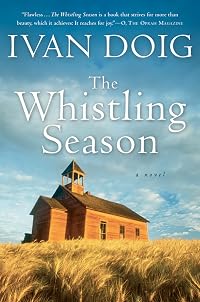
Can't cook but doesn't bite." So begins the newspaper ad offering the services of an "A-1 housekeeper, sound morals, exceptional disposition" that draws the hungry attention of widower Oliver Milliron in the fall of 1909. And so begins the unforgettable season that deposits the noncooking, nonbiting, ever-whistling Rose Llewellyn and her font-of-knowledge brother, Morris Morgan, in Marias Coulee along with a stampede of homesteaders drawn by the promise of the Big Ditch-a gargantuan show more irrigation project intended to make the Montana prairie bloom. When the schoolmarm runs off with an itinerant preacher, Morris is pressed into service, setting the stage for the "several kinds of education"-none of them of the textbook variety-Morris and Rose will bring to Oliver, his three sons, and the rambunctious students in the region's one-room schoolhouse. A paean to a vanished way of life and the eccentric individuals and idiosyncratic institutions that made it fertile, The Whistling Season is Ivan Doig at his evocative best.. show less
Tags
Recommendations

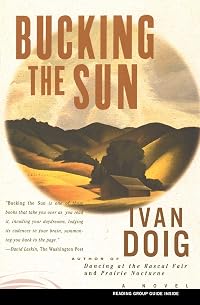
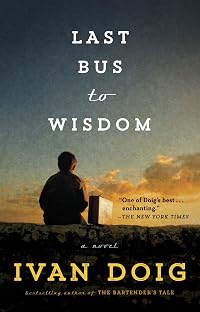
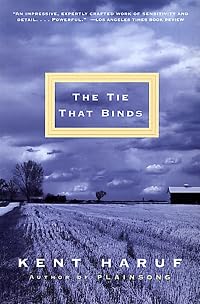
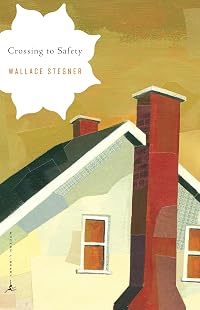
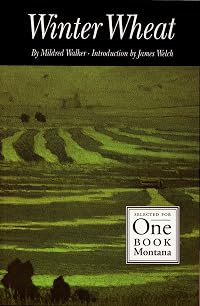
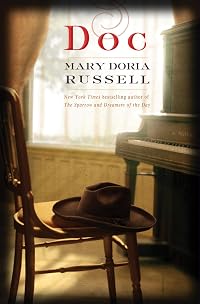


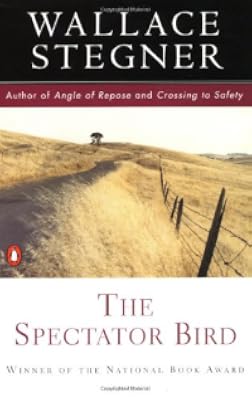
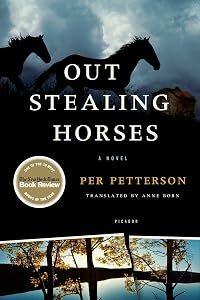
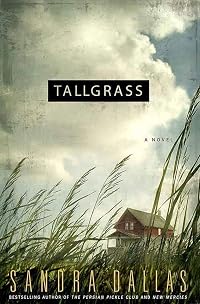
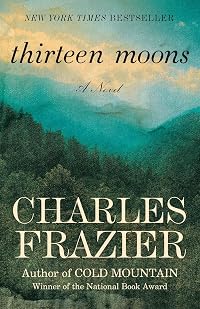
Member Recommendations
Member Reviews
Doig's fiction, set in early-20th-century Montana, always rings true, and this coming-of-age tale is no exception.
Narrator Paul is the eldest of the Milliron boys at 12, when their widowed father, intrigued by a personal advertisement, hires a housekeeper to come out from far-off Minneapolis to bring order (and home cooking) into their bachelor existence.Things don't go as planned from the get-go -- for one, she doesn't cook, and for another, she has brought her somewhat dandified brother along with her. It's obvious that there is more (and less) to Rose Llewellyn than she's telling, but when the full story is finally revealed, most readers won't have seen that particular twist coming.
Meanwhile, it's a pleasant and nostalgic journey show more through the year of a small dryland farming community, enlivened by an unexpected turnover at the one-room schoolhouse and by the 1910 arrival of Halley's Comet. Much of the drama centers around that schoolhouse and the adventures of Paul, his brothers, and their schoolmates.
Doig uses a framing device to tell the story as a grown-up Paul, now the Superintendent of Montana's Public Instruction must face the bitter task of overseeing the closure of the state's one-room schoolhouses. It seems an odd stylistic choice at first. The main thrust of the novel deals with Paul's coming-of-age, and it's a bit jarring to have it shell out every five or six chapters so the adult Paul can step in, wrestling with the decision he knows he must make but resisting it with all his heart. Doig, however, has had a good reason all along and manages to bring everything to a satisfying and relevant conclusion. show less
Narrator Paul is the eldest of the Milliron boys at 12, when their widowed father, intrigued by a personal advertisement, hires a housekeeper to come out from far-off Minneapolis to bring order (and home cooking) into their bachelor existence.Things don't go as planned from the get-go -- for one, she doesn't cook, and for another, she has brought her somewhat dandified brother along with her. It's obvious that there is more (and less) to Rose Llewellyn than she's telling, but when the full story is finally revealed, most readers won't have seen that particular twist coming.
Meanwhile, it's a pleasant and nostalgic journey show more through the year of a small dryland farming community, enlivened by an unexpected turnover at the one-room schoolhouse and by the 1910 arrival of Halley's Comet. Much of the drama centers around that schoolhouse and the adventures of Paul, his brothers, and their schoolmates.
Doig uses a framing device to tell the story as a grown-up Paul, now the Superintendent of Montana's Public Instruction must face the bitter task of overseeing the closure of the state's one-room schoolhouses. It seems an odd stylistic choice at first. The main thrust of the novel deals with Paul's coming-of-age, and it's a bit jarring to have it shell out every five or six chapters so the adult Paul can step in, wrestling with the decision he knows he must make but resisting it with all his heart. Doig, however, has had a good reason all along and manages to bring everything to a satisfying and relevant conclusion. show less
Oh, what a marvelous, beautifully written book! The book describes the eventful school year (1909-1910) of the narrator's 7th grade in a one-room schoolhouse on the Montana prairie. Paul Milliron is the perfect, clear-eyed storyteller, beginning from the moment his recently widowed father reads an ad for a housekeeper seeking a position ("Can't cook but doesn't bite"). The unconventional Rose arrives to take charge and restore order, and is in the unexpected company of her dandified brother Morrie. The book is populated with unforgettable characters with whom it was a pleasure to spend time, from the tart-tongued Aunt Eunice to the schoolyard bully who is terrorized at home; from the eloquent father Oliver to the even more magniloquent show more Morrie. The 1909 story is interspersed with reflections from the adult Paul, now the superintendent of Montana schools, facing the closure of the one-room school houses in favor of "consolidation," and an effort to modernize education in the age of satellites and Sputnik. The book reads like a love letter to the iconic little schoolhouses of the prairie homesteaders:
"What is being asked, no, demanded of me is not only the forced extinction of the little schools. It will also slowly kill those rural neighborhoods, the ones that have struggled from homestead days on to adapt to dryland Montana in their farming and ranching. (The better to populate Billings and benefit its car dealers, I suppose.) No schoolhouse to send their children to. No schoolhouse for a Saturday-night dance. No schoolhouse for election day; for the Grange meeting; for the 4-H club; for the quilting bee; for the pinochle tournament; for the reading group; for any of the gatherings that are the bloodstream of the community."
I will hold onto this book, to read it again when I'm not so busy, and I will definitely read more by this author. show less
"What is being asked, no, demanded of me is not only the forced extinction of the little schools. It will also slowly kill those rural neighborhoods, the ones that have struggled from homestead days on to adapt to dryland Montana in their farming and ranching. (The better to populate Billings and benefit its car dealers, I suppose.) No schoolhouse to send their children to. No schoolhouse for a Saturday-night dance. No schoolhouse for election day; for the Grange meeting; for the 4-H club; for the quilting bee; for the pinochle tournament; for the reading group; for any of the gatherings that are the bloodstream of the community."
I will hold onto this book, to read it again when I'm not so busy, and I will definitely read more by this author. show less
This is so different than much historical fiction, but it was pure delight. These characters became so real and the setting was genuine. The author's depiction of the "politics" of a one room school in a remote rural area was funny and seemed right on target. At times I laughed out loud.
Seeing Paul as both the state superintendent of schools and as a young student was so effective. Who would have thought that a bureaucrat's decision to close a small school would provide such a compelling concept for a novel. The effect of Haley's Comet on the school provides a perfect parallel for the effect of Sputnik many years later.
The writing is clear, direct, and meaningful-- just like the characters. Highly recommend this for anyone.
Seeing Paul as both the state superintendent of schools and as a young student was so effective. Who would have thought that a bureaucrat's decision to close a small school would provide such a compelling concept for a novel. The effect of Haley's Comet on the school provides a perfect parallel for the effect of Sputnik many years later.
The writing is clear, direct, and meaningful-- just like the characters. Highly recommend this for anyone.
Hay libros que son como la primera vez que llegas a un lugar nuevo. En un principio todo resulta desconocido y cuesta acostumbrarse al entorno y a sus habitantes. Pero después llega un momento en que te conviertes en uno más del lugar y es como si siempre hubieses estado ahí. ‘Una temporada para silbar’ es uno de estos libros. Empiezas su lectura como si fuese un libro más, del que sí, esperas mucho pero no estás seguro, comienzas con titubeos conociendo a los personajes y sus historias, y cuando estás metido de lleno en la novela, ya sabes que estás ante un libro especial, algo que se convierte en una certeza absoluta cuando la terminas y te sorprendes echando de menos a los protagonistas.
‘Una temporada para silbar’ show more está narrada por Paul Milliron, superintendente escolar, que en los años 50 ha de notificar el desmantelamiento de las escuelas unitarias para dar paso a los grandes centros escolares. Será entonces cuando Paul comience a rememorar unos hechos que acaecieron en 1909, y que le dejaron una profunda huella.
Corría el año 1909 en Marias Coulee, una pequeña población rural de Montana. Paul, de 13 años, vive en la granja con su padre y sus dos hermanos pequeños, Damon y Toby. Su madre hace un año que ha fallecido, y ante el duro trabajo que supone encargarse de las tareas de la casa, de sus tres hijos y de los trabajos en el campo, su padre decide responder al curioso anuncio en el periódico de una mujer que se ofrece como ama de llaves que ”No cocina, pero tampoco muerde”. Cuál no será la sorpresa de los cuatro miembros de esta familia cuando reciban la llegada de Rose, pero no sola, sino acompañada de su hermano Morrie. La vida a partir de este momento para Paul y su familia dará un vuelco sorprendente.
Vistos desde las distancia, los recuerdos de Paul tienen una pátina de nostalgia, que el autor, Ivan Doig, transmite de una manera apasionada y tierna al mismo tiempo, no exenta de un cierto sentido del humor, proporcionándonos momentos memorables, como las carreras de los chicos a caballo, porque van al colegio montados a caballo; las relaciones de los hermanos con sus compañeros de escuela; la visión que de la época se tenía de las cosechas y la meteorología; la relación tan especial que se establece entre Paul y Rose, o entre Paul y Morrie.
Tras leer ‘Una temporada para silbar’, inevitablemente me vienen a la mente ‘La comedia humana’, de William Saroyan, y ‘Vinieron como golondrinas’, de William Maxwell, que comparten esa impresión casi mítica de una época pasada, vista por unos ojos inocentes.
Sin lugar a dudas, Ivan Doig, con un estilo ameno y aparentemente sencillo, ha escrito una de esas novelas que perduran en el recuerdo. show less
‘Una temporada para silbar’ show more está narrada por Paul Milliron, superintendente escolar, que en los años 50 ha de notificar el desmantelamiento de las escuelas unitarias para dar paso a los grandes centros escolares. Será entonces cuando Paul comience a rememorar unos hechos que acaecieron en 1909, y que le dejaron una profunda huella.
Corría el año 1909 en Marias Coulee, una pequeña población rural de Montana. Paul, de 13 años, vive en la granja con su padre y sus dos hermanos pequeños, Damon y Toby. Su madre hace un año que ha fallecido, y ante el duro trabajo que supone encargarse de las tareas de la casa, de sus tres hijos y de los trabajos en el campo, su padre decide responder al curioso anuncio en el periódico de una mujer que se ofrece como ama de llaves que ”No cocina, pero tampoco muerde”. Cuál no será la sorpresa de los cuatro miembros de esta familia cuando reciban la llegada de Rose, pero no sola, sino acompañada de su hermano Morrie. La vida a partir de este momento para Paul y su familia dará un vuelco sorprendente.
Vistos desde las distancia, los recuerdos de Paul tienen una pátina de nostalgia, que el autor, Ivan Doig, transmite de una manera apasionada y tierna al mismo tiempo, no exenta de un cierto sentido del humor, proporcionándonos momentos memorables, como las carreras de los chicos a caballo, porque van al colegio montados a caballo; las relaciones de los hermanos con sus compañeros de escuela; la visión que de la época se tenía de las cosechas y la meteorología; la relación tan especial que se establece entre Paul y Rose, o entre Paul y Morrie.
Tras leer ‘Una temporada para silbar’, inevitablemente me vienen a la mente ‘La comedia humana’, de William Saroyan, y ‘Vinieron como golondrinas’, de William Maxwell, que comparten esa impresión casi mítica de una época pasada, vista por unos ojos inocentes.
Sin lugar a dudas, Ivan Doig, con un estilo ameno y aparentemente sencillo, ha escrito una de esas novelas que perduran en el recuerdo. show less
This gentle story made me nostalgic for a time and place that isn't in my past and shouldn't be on my nostalgia chart. It is there because the story felt so real to me that it could have been in my past.
A school administrator in the 1950s, the age of Sputnik, tasked with shutting down rural one-room schools, recalls his childhood attending such a school as a boy. His widowed father answered a newspaper ad and hired a housekeeper who can't cook but also doesn't bite.
The story isn't strong on plot but the writing is beautiful and the characters are wonderful. One person was especially nasty, a trapper, and I hated reading the part about his hunting a wolf.
There are a few surprises along the way, but the strength of this story lies in its show more ability to submerge the reader in an entirely believable and real world and story.
This novel is the first book I've read by this author, but I am going to be sure to read more. show less
A school administrator in the 1950s, the age of Sputnik, tasked with shutting down rural one-room schools, recalls his childhood attending such a school as a boy. His widowed father answered a newspaper ad and hired a housekeeper who can't cook but also doesn't bite.
The story isn't strong on plot but the writing is beautiful and the characters are wonderful. One person was especially nasty, a trapper, and I hated reading the part about his hunting a wolf.
There are a few surprises along the way, but the strength of this story lies in its show more ability to submerge the reader in an entirely believable and real world and story.
This novel is the first book I've read by this author, but I am going to be sure to read more. show less
"Can't cook but doesn't bite." That's what the advertisement for a housekeeper says, and despite this lack of culinary skills Paul Milliron's widowed father decides to hire said housekeeper, a young widow Mrs. Rose Llewellyn. Dragging along her brother as a companion, Rose and Morrie turn the household of three growing boys living in Montana in 1909 upside down, and Paul remembers that year in the one-room schoolhouse fondly even while he, in the 1950s, has to announce the closure of many such schools in the district.
I've never read a book by Ivan Doig before, but this most definitely will not be the last. The author has such a way with language and storytelling that I was sucked right in, savoring the moments and laughing right along show more with Paul as he divulged his boyhood memories. I was carried along entranced, and am still mulling over the ending. Time and place is evoked skillfully and the research that must have been done to make the story come together is woven in beautifully. show less
I've never read a book by Ivan Doig before, but this most definitely will not be the last. The author has such a way with language and storytelling that I was sucked right in, savoring the moments and laughing right along show more with Paul as he divulged his boyhood memories. I was carried along entranced, and am still mulling over the ending. Time and place is evoked skillfully and the research that must have been done to make the story come together is woven in beautifully. show less
It has taken me much too long to get around to Doig, whose story-telling skills, I now find, are among the best. This book lands solidly on Linda's Goodest Reads Ever list. It is set in Montana in 1910, the year Halley's Comet "came back". The narrator fits one of my favorite patterns---the adult looking back on a significant episode of his or her own childhood, and the characters are perfect, realistic, just-complicated-enough. I loved every one of them, even the scoundrels, as I'm sure I was meant to, and the story was beautiful too. Didn't hurt that it featured a lot of whistling (my Dad was a joyful whistler) and a pitch-perfect one-room school environment. No gratuitous violence, no incest or spousal abuse, no rebellious yout's, no show more heavy "issues", and only one minor character in the mold of Pap Finn, just for the spice of it. All five for this one.
Review written in April 2012 show less
Review written in April 2012 show less
Members
- Recently Added By
Published Reviews
ThingScore 100
Doig's writerly ambition is less in plotting than evoking, and it is his obvious pleasure to recreate from the ground up — or the sky down — a prior world, a prior way of being. The land and its people — the family, the neighbors — are laid out before us with a fresh, natural openness.
added by lorax
Doig has given us yet another memorable tale set in the historical West but contemporary in its themes and universal in its insights into the human heart.
added by lkernagh
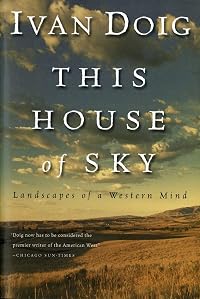
Doig has been at this for a long time; he's 67 and the author of eight previous novels and three works of nonfiction, including the memoir This House of Sky. You can see the evidence of that experience in his new novel: its gentle pace, its persistent warmth, its complete freedom from cynicism -- and the confidence to take those risks without winking or apologizing. When a voice as pleasurable show more as his evokes a lost era, somehow it doesn't seem so lost after all. show less
added by khuggard
Lists

Books tagged favorites
390 works; 30 members

Best Books Read for TIOLI
49 works; 14 members

2022 Christmas Gifts
60 works; 13 members

Carole's List
445 works; 13 members

Books Read in 2016
4,666 works; 199 members

Books discovered on LibraryThing
256 works; 36 members

To Read
617 works; 7 members

Llibres que he llegit el 2024
77 works; 1 member
Author Information

27+ Works 10,119 Members
Ivan Doig was born in White Sulphur Springs, Montana in 1939. He received bachelor's and master's degrees in journalism from Northwestern University and a Ph.D. in history from University of Washington. Before becoming an author, he worked as a ranch hand and a journalist. His non-fiction works include This House of Sky, Winter Brothers, and Heart show more Earth. His fiction titles include English Creek, Dancing at the Rascal Fair, Bucking the Sun, The Whistling Season, The Bartender's Tale, and Last Bus to Wisdom. He received several awards including the Western Literature Association's Lifetime Distinguished Achievement Award and the Wallace Stegner Award in 2007. He died of multiple myeloma on April 8, 2015 at the age of 75. (Bowker Author Biography) show less
Awards and Honors
Series

Belongs to Publisher Series
El cercle de Viena (100)
Work Relationships
Is abridged in
Common Knowledge
- Canonical title
- The Whistling Season
- Original title
- The Whistling Season
- Original publication date
- 2006-10-10
- People/Characters
- Rose Llewellyn; Morrie Morgan; Oliver Milliron; Paul Milliron; Damon Milliron; Toby Milliron (show all 11); Aunt Rae; Uncle George; Aunt Eunice; Eddie Turley; Brose Turley
- Important places
- Montana, USA
- Important events
- Halley's Comet (1910); Digging 'The Big Ditch' irrigation canal
- Dedication
- To Ann and Marshall Nelson
In at the beginning and reliably fantastic all the way - First words
- WHEN I VISIT THE BACK CORNERS OF MY LIFE AGAIN AFTER
so long a time, littlest things jump out first. - Quotations
- Father had a short, sniffing way of laughing, as if anything funny had to prove it to his nose first.
I had fallen in love with the test sheets. There it was, language in all its intrigues, its riddles and clues. The ins and outs of prefixes and suffixes. The conspirings of syllables. The tics of personality of words met ... (show all)for the first time. Look to the root, Morrie's dictum drummed steadily in me. Almost anywhere I gazed on the exam pages, English rinsed itself off into Latin. Vulpine brought the clever face of a fox into my mind. Corpulent necessarily meant something about a body, likely a fat one. On and on, the cave voices of vocabulary coming to me, and when I had been through every question, I went back over each a couple of times, refining any guesses.
...the individual clutter of each of us...
Damon's sports scrapbooks lay around open when he was working on them and he was always working on them. Over in his nook, Toby had a growing assortment of bones from the buffalo... (show all) jump we had discovered, secretly hoping, I suspect, that he could accumulate a buffalo. My books already threatened to take over my part of the room and keep on going. Mother's old ones, subscription sets Father had not been able to resist, coverless winnowings from the schoolhouse shelf – whatever cargoes of words I could lay my hands on I gave safe harbor. - Last words
- (Click to show. Warning: May contain spoilers.)When I pull into Great Falls to the convacation waiting for word from me about the fate of their prairie schools and rise in front of that gathering and toss away my prepared remarks, I can now say to them the best thing in me: that I will sleep on the question appropriately.
Classifications
Statistics
- Members
- 1,861
- Popularity
- 11,566
- Reviews
- 105
- Rating
- (3.96)
- Languages
- Catalan, English, Italian, Spanish
- Media
- Paper, Audiobook, Ebook
- ISBNs
- 20
- ASINs
- 12