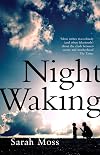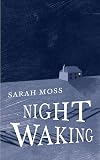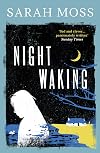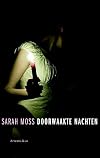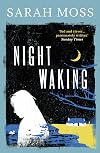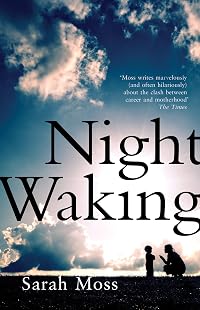
Night Waking
by Sarah Moss
On This Page
Description
Anna hasn't slept in months. Stranded on a Hebridean island with two small children, she struggles to write or think without a room of her own. When her son finds a baby's skeleton buried in the garden, Anna must confront the island's troubled past, while finding a way to live with the complex demands of motherhood.Tags
Recommendations




















Member Recommendations

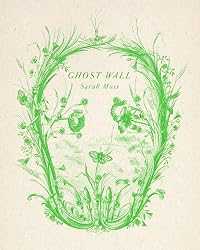
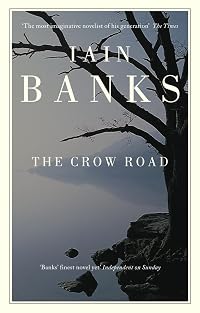
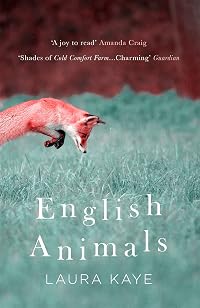
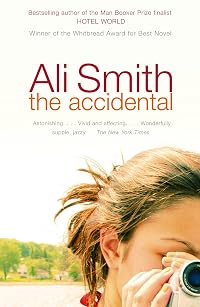
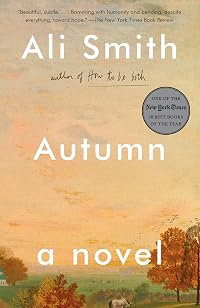
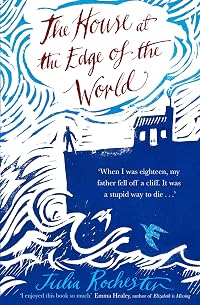
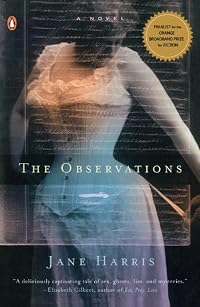
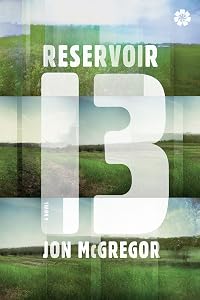
alalba In both novels a couple of academics with young children decide to move to a remote place to work on their research. In both there is a degree of 'mystery' involved.
Member Reviews
I'm a little embarrassed, but I'm going to differ with the bulk of LT and say I didn't particularly enjoy this novel by [[Sarah Moss]]. It's written very well and has an interested double plot line, but the modern-day characters really grated on me.
The plot centers around a family that goes to stay on their family island off the coast of Scotland where Giles, the husband, is researching puffins and Anna, the wife, is writing a book. They have two young children and Anna is overwhelmed with trying to balance her work life with her life as a mother. This is familiar to me as a working mom, and I'm sympathetic, but Anna drives me nuts. She's not getting any sleep, but she's also not insisting on any help from her husband. She's not show more breastfeeding an infant (something admittedly hard to pass off on dad), the kids waking her up are 7 and probably 2. Just wake up your husband and make him take a turn already! I just could not stop thinking about [Invisible Women], the nonfiction book I recently read that talks a lot about the unpaid care work that women are expected to do. Anyway, Anna starts demanding more equal distribution of work at home by the end, but the beginning was so maddening that [[Sarah Moss]] kind of lost me.
Back to the plot . . . the family discovers the bones of baby while planting some trees and the mystery of this baby leads to discoveries about the island's history and Giles's ancestors. I liked all of this and thought it came together nicely, but it just wasn't enough to make up for my annoyance at the beginning. show less
The plot centers around a family that goes to stay on their family island off the coast of Scotland where Giles, the husband, is researching puffins and Anna, the wife, is writing a book. They have two young children and Anna is overwhelmed with trying to balance her work life with her life as a mother. This is familiar to me as a working mom, and I'm sympathetic, but Anna drives me nuts. She's not getting any sleep, but she's also not insisting on any help from her husband. She's not show more breastfeeding an infant (something admittedly hard to pass off on dad), the kids waking her up are 7 and probably 2. Just wake up your husband and make him take a turn already! I just could not stop thinking about [Invisible Women], the nonfiction book I recently read that talks a lot about the unpaid care work that women are expected to do. Anyway, Anna starts demanding more equal distribution of work at home by the end, but the beginning was so maddening that [[Sarah Moss]] kind of lost me.
Back to the plot . . . the family discovers the bones of baby while planting some trees and the mystery of this baby leads to discoveries about the island's history and Giles's ancestors. I liked all of this and thought it came together nicely, but it just wasn't enough to make up for my annoyance at the beginning. show less
‘’I’m a historian, remember? I’m the Rockind Fellow of St Mary Hall? If you wanted housework, you should have married one of those Clarissas your mother kept scattering at your feet?’’
Sarah Moss takes us on a journey to witness the struggle of an academic to balance her career with the demands of being a mother and a wife. Within the isolated environment of a Hebridean island and under scrutiny from her husband, the locals and the police, Anna tries to find some bloody time to write and she really didn’t need the bones of a baby unearthed in her garden…
Moss writes with humour - dry and acute- to communicate an almost unbearable situation but there are various eerie moments when you have the feeling that terrible twists show more and images are boiling underneath the chaos of family life. What should Anna do? Career, motherhood, housewife chores. This is her claustrophobic environment in the company of a good-for-nothing husband. What about her own mental health? Does anyone care about her? Should we give up our own wishes and ambitions when we become mothers? Is there nothing left of our own personality anymore? Should she accept men lecturing her on motherhood, wanting her to give up her job and research to become a fucking housewife, a mare giving birth by the dozens?
No! Fuck you!
With every book I read lately, my teenage-old decision never to have children becomes stronger and stronger. My career is enough for me, thank you. And no, I don’t need anyone’s ‘’opinion’’ to verify my decision.
I liked Anna, she is a character I could connect with but I couldn’t understand her docility. If I had a bunch of heathens breathing down my neck just because I happened to be an intellectually capable woman with a job (because in the eyes of the male characters of the novel ALL women are STUPID…), I would give them a piece of my mind. Police or no police…
Which is why I didn't like the book. The themes did not particularly appeal to me, the characters were indifferent, the repetitive motifs didn’t really move the story forward, Raph’s whining and Giles’s bullshit drove me mad and what was that line about the Serbs as a slaughtering tribe? Give us a break! In the end, the story just wasn’t enticing anymore and I skimmed through the final pages. May’s letters that transport us to the 19th century gave a hint of Gaelic Folklore ( the selkies, the Grey People) but it was too little, too disjointed.
I loved Ghost Wall and Summerwater but Night Waking and The Fell disappointed me… show less
Sarah Moss takes us on a journey to witness the struggle of an academic to balance her career with the demands of being a mother and a wife. Within the isolated environment of a Hebridean island and under scrutiny from her husband, the locals and the police, Anna tries to find some bloody time to write and she really didn’t need the bones of a baby unearthed in her garden…
Moss writes with humour - dry and acute- to communicate an almost unbearable situation but there are various eerie moments when you have the feeling that terrible twists show more and images are boiling underneath the chaos of family life. What should Anna do? Career, motherhood, housewife chores. This is her claustrophobic environment in the company of a good-for-nothing husband. What about her own mental health? Does anyone care about her? Should we give up our own wishes and ambitions when we become mothers? Is there nothing left of our own personality anymore? Should she accept men lecturing her on motherhood, wanting her to give up her job and research to become a fucking housewife, a mare giving birth by the dozens?
No! Fuck you!
With every book I read lately, my teenage-old decision never to have children becomes stronger and stronger. My career is enough for me, thank you. And no, I don’t need anyone’s ‘’opinion’’ to verify my decision.
I liked Anna, she is a character I could connect with but I couldn’t understand her docility. If I had a bunch of heathens breathing down my neck just because I happened to be an intellectually capable woman with a job (because in the eyes of the male characters of the novel ALL women are STUPID…), I would give them a piece of my mind. Police or no police…
Which is why I didn't like the book. The themes did not particularly appeal to me, the characters were indifferent, the repetitive motifs didn’t really move the story forward, Raph’s whining and Giles’s bullshit drove me mad and what was that line about the Serbs as a slaughtering tribe? Give us a break! In the end, the story just wasn’t enticing anymore and I skimmed through the final pages. May’s letters that transport us to the 19th century gave a hint of Gaelic Folklore ( the selkies, the Grey People) but it was too little, too disjointed.
I loved Ghost Wall and Summerwater but Night Waking and The Fell disappointed me… show less
This might just be the neatest explanation of why I never wanted children. There are no rose tinted spectacles at work here. Anna and Giles have 2 young children, and timothy (Moth) is at the stage waking most nights and not going to sleep without Anna. As a result, Anna is feeling extremely tired and not terribly in love with her children. She is also struggling to work and juggle motherhood. The burden is falling on her and she no longer feels like herself. She is torn between loving her children and not wanting them. The situation is not helped by their current living arrangements, they are on a Scottish island, where Giles' family are the distant landlord and the island has had no permanent residents since the 60s. Memories are long show more in this corner of the world and Anna seems to spend time trying to answer to the sins of her husband's ancestors. Anna & Giles are converting one of the old crofts into a holiday cottage and during the book a family come to stay as the first guests. Another family comes with its own troubles, in this case mostly Judith, a rather difficult character.
Along the way, Anna & Raph uncover a child's skeleton in the garden when they were planting trees. This sends Anna, who is a historian, down a path of discovering what happened on the island in the past and fending off the unpleasant questioning and insinuations of the local police. Between the chapters of this contemporary tale are letters from a lady on the island in the late 19th century. These bring you closer to understanding the skeleton and the family's past. It is an example of a dual timeline done well - the two elements support each other but they do not make everything clear until the very end.
I enjoyed this, but the turmoil of emotions that Anna experiences is not for the faint hearted (like parenting itself). show less
Along the way, Anna & Raph uncover a child's skeleton in the garden when they were planting trees. This sends Anna, who is a historian, down a path of discovering what happened on the island in the past and fending off the unpleasant questioning and insinuations of the local police. Between the chapters of this contemporary tale are letters from a lady on the island in the late 19th century. These bring you closer to understanding the skeleton and the family's past. It is an example of a dual timeline done well - the two elements support each other but they do not make everything clear until the very end.
I enjoyed this, but the turmoil of emotions that Anna experiences is not for the faint hearted (like parenting itself). show less
Set on a remote Scottish island, Night Waking is an intelligent account of the trials of new parenthood entwined with a story from the past involving worryingly high levels of infant mortality on the island.
It was the present day story which drew me in initially. It is told in the first person by Anna, a historian who is desperate to resume her career whilst bringing up two young children with little support. Anna's voice is cerebral, analytical and very, very convincing. I'm still not sure that she was an entirely fictional character! The floundering relationship between Anna and her husband, Giles is also all too believable. Giles is not a stereotypical cad but both Anna and Giles fail to respond to each other's needs on a regular show more basis with the reader witnessing the awful drip-drip effect on the relationship!
By the end of the book, the historical mystery is resolved and turns out to have social and political implications involving Giles' own family. Happily, Anna and Giles reach an understanding but I wish Anna could have come to a better understanding of her older son. I suppose it's an indication of how much the book got under my skin, that I was practically shouting at her at times to pick the kid up and give him a hug! show less
It was the present day story which drew me in initially. It is told in the first person by Anna, a historian who is desperate to resume her career whilst bringing up two young children with little support. Anna's voice is cerebral, analytical and very, very convincing. I'm still not sure that she was an entirely fictional character! The floundering relationship between Anna and her husband, Giles is also all too believable. Giles is not a stereotypical cad but both Anna and Giles fail to respond to each other's needs on a regular show more basis with the reader witnessing the awful drip-drip effect on the relationship!
By the end of the book, the historical mystery is resolved and turns out to have social and political implications involving Giles' own family. Happily, Anna and Giles reach an understanding but I wish Anna could have come to a better understanding of her older son. I suppose it's an indication of how much the book got under my skin, that I was practically shouting at her at times to pick the kid up and give him a hug! show less
A perfectly pitched exploration of the challenges of motherhood for the reluctant mother, this brilliant novel engaged me from the start. Sardonic, hilarious and moving, the story follows Anna's frustrations with her faltering career, the dismantling of her relationship with her absent husband Giles (spending more time with puffins than with his family), and her failure to cope with her 2 young sons. Genuinely funny, often moving, this little gem is not going to persuade reluctant mothers to dive in any time soon, but it is a delight to read with a brilliant cast of supporting characters and an entertaining subplot to solve the mystery of the dead body the family dig up in the back garden. This could easily be the big British movie of a show more future summer. show less
A perfectly pitched exploration of the challenges of motherhood for the reluctant mother, this brilliant novel engaged me from the start. Sardonic, hilarious and moving, the story follows Anna's frustrations with her faltering career, the dismantling of her relationship with her absent husband Giles (spending more time with puffins than with his family), and her failure to cope with her 2 young sons. Genuinely funny, often moving, this little gem is not going to persuade reluctant mothers to dive in any time soon, but it is a delight to read with a brilliant cast of supporting characters and an entertaining subplot to solve the mystery of the dead body the family dig up in the back garden. This could easily be the big British movie of a show more future summer. show less
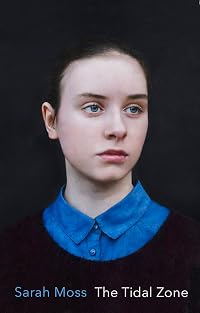
When I reviewed Moss's 'The Tidal Zone' I commented: "I found both daughters, but especially the teenager, just a little too precocious to be believable". This book, which pre-dates The Tidal Zone, is even more problematic in that regard. There are two sons in Night Waking, and the older son is unbelievably precocious. The younger is also older than his years but is so aggravatingly demanding that I couldn't help but focus on this aspect of his behaviour. In fact, I almost gave up reading when I was about half way through, because these two boys were just too painful to encounter. That's Moss's skill as a writer though - to draw the reader into the emotions of the situation. The book has many themes running through it, and one of them show more is parenting. The parenting of these two boys by the main character, Anna, and her partner, Giles, is a focus for much of the book, but is thrown into contrast by the parenting shown by a visiting mother with her anorexic teenager. Both mothers can see the faults of the other but are too emotionally involved in their own family to be able to stand back and see how they could manage better. In the case of Anna - and also the other mother - the relationship to the father of the children is a very complicating factor. I think Moss writes marriage relationships exceptionally well, and the way this marriage relationship develops over the course of the book was the main interest for me. I have a lot of admiration for Sarah Moss - she's clearly a very clever person and there's a lot of depth in this story. History and sociology feature prominently, and I reckon she must do a lot of in depth research to get her story setting right. She's very much an academic at heart, but she knows how to engage readers at an emotional level. show less
Members
- Recently Added By
Published Reviews
ThingScore 75
She continues, too, to thread historical research into her fiction in a way that is fresh and illuminating. If, as historian Anna insists, "there is no story in the muddle and pain of real life . . . only a twisted familiarity", it is territory as perilous as any far-flung archipelago, and Moss is a wry, winning guide.
added by souloftherose
Lists

Best Contemporary Literary Fiction (Around the Last 30 Years)
400 works; 124 members
Author Information

16+ Works 4,240 Members
Awards and Honors
Awards
Common Knowledge
- Original publication date
- 2011
- People/Characters
- Anna Bennet; May Moberley; Giles Cassingham
- Important places
- Colsay, Shetland, Scotland, UK
- First words
- The swans are by the shore, drifting bright as paper cut-outs against waves blurred by dusk.
- Last words
- (Click to show. Warning: May contain spoilers.)The train carried me onwards, across the moors, towards the island and the cliff.
Classifications
Statistics
- Members
- 303
- Popularity
- 106,210
- Reviews
- 15
- Rating
- (3.77)
- Languages
- Dutch, English, German, Polish
- Media
- Paper, Audiobook, Ebook
- ISBNs
- 15
- ASINs
- 3