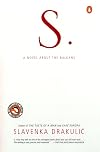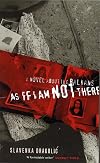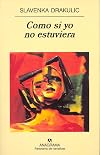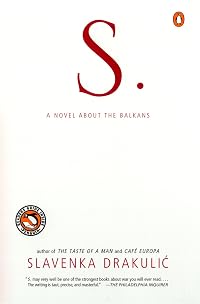
S: A Novel About the Balkans
by Slavenka Drakulic
On This Page
Description
"Set in 1992, during the height of the Bosnian war, S. reveals one of the most horrifying aspects of any war: the rape and torture of civilian women by occupying forces. S. is the story of a Bosnian woman in exile who has just given birth to an unwanted child; one without a country, a name, a father, or a language. It is the birth of this child that reminds her of an even more grueling experience - being repeatedly raped by Serbian soldiers in the 'women's room' of a prison camp in Bosnia. show more Through a series of flashbacks, S. relives the unspeakable crimes she has endured, and in telling her story - timely, strangely compelling, and ultimately about survival - depicts the darkest side of human nature during wartime."--BOOK JACKET.Title Summary field provided by Blackwell North America, Inc. All Rights Reserved show lessTags
Recommendations
































Member Recommendations
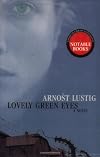
anonymous user A book set at the end of WW2 in Germany on the East front. Women are forced to choose between 'volunteering' to become official army whores or remain in the concentration camps.
Member Reviews
Maybe it's because I've read several books about war back-to-back, but now after finishing the last pages of this story, I am completely drained. I know that this book is a novel so the story is fiction. Yet it is not fiction. What happened to S. in this novel did happen to Muslim women during the war in Bosnia. The way the author writes about S., her imprisonment, and her physical and psychological trauma, it is impossible to believe that she was not a real person and that she did not fully experience everything in this story.
The story is of S., a young woman who is a victim of rape and other brutality during the Bosnian war. Oddly, both she and all of the characters in this novel are referred to only by the first initial of their show more names. The story is so bleak and depressing that it's almost a relief not to know the real name of the main character as well as the others in the novel. This technique of writing emphasizes the loss of humanity and individuality experienced by many people who suffer deep trauma during wartime. This horrifying exploration of one aspect of war should be read by everyone if only to try to understand more of what wartime victims experience but can no longer express. show less
The story is of S., a young woman who is a victim of rape and other brutality during the Bosnian war. Oddly, both she and all of the characters in this novel are referred to only by the first initial of their show more names. The story is so bleak and depressing that it's almost a relief not to know the real name of the main character as well as the others in the novel. This technique of writing emphasizes the loss of humanity and individuality experienced by many people who suffer deep trauma during wartime. This horrifying exploration of one aspect of war should be read by everyone if only to try to understand more of what wartime victims experience but can no longer express. show less
To set the stage: in 1992 the Bosnian War was raging. S. was only twenty-nine years old. She was a home-room teacher proud of her profession. Single and young, she had her whole life ahead of her. Early one morning, and without warning, she was bundled off to a warehouse by a boyish soldier toting guns and more than plenty of ammunition. Naively, even though he did not say much, she thought she was going away for a short time. Wanting to be prepared for anything, she packed a small backpack with a red dress and her very best fancy shoes made for dancing.
You cannot help but notice any character or location of importance is anonymized with a single letter. S., G., F., and the baby are all nameless. Where they are going is an unnamed show more town. Despite being nameless the characters are full of personality. E. is a nurse. Z. is E.'s daughter. D. is the cook. You get the picture. This unwillingness to give characters and places formal names gives the story anonymity and, by default, more authenticity. These things further removes S. from the realm of pure fiction. When we first meet S. it is after her detainment and she has given birth to a child. Her character broke my heart. Her newborn baby boy is a product of rape and therefor despised. She sees the child as a disease, a cancer, a parasite, or, at the very least, a burden she is unwilling to carry much less look upon. Who can blame her? Her survival after four months of unthinkable torture is nothing short of heroic.
The soldier's abuse was hard to read: forcing a woman to drink his urine, putting his cigarettes out on her naked body, striking her about the face until she passes out from pain. Rape seemed like the most benign atrocity. Murder seemed the most merciful. Drakulic takes pity on us: S is only 200 pages long. show less
You cannot help but notice any character or location of importance is anonymized with a single letter. S., G., F., and the baby are all nameless. Where they are going is an unnamed show more town. Despite being nameless the characters are full of personality. E. is a nurse. Z. is E.'s daughter. D. is the cook. You get the picture. This unwillingness to give characters and places formal names gives the story anonymity and, by default, more authenticity. These things further removes S. from the realm of pure fiction. When we first meet S. it is after her detainment and she has given birth to a child. Her character broke my heart. Her newborn baby boy is a product of rape and therefor despised. She sees the child as a disease, a cancer, a parasite, or, at the very least, a burden she is unwilling to carry much less look upon. Who can blame her? Her survival after four months of unthinkable torture is nothing short of heroic.
The soldier's abuse was hard to read: forcing a woman to drink his urine, putting his cigarettes out on her naked body, striking her about the face until she passes out from pain. Rape seemed like the most benign atrocity. Murder seemed the most merciful. Drakulic takes pity on us: S is only 200 pages long. show less
This is probably the most harrowing book I've read this year, but one that I found hard to put down, so eager was I to reach the light at the end of the tunnel.
It tells the story of S., a Bosnian schoolteacher, taken one day in the summer of 1992 from her village to a Serbian prison camp. Before long, she is moved to the "women's room", where a group of women prisoners are placed at the mercy of the Serb soldiers' "needs". Since the novel begins with S. looking back on her horrific and somehow unreal experiences, we know that she is, in some sense, one of the "lucky" ones, and yet it is a far from conventional definition of "lucky". I read several of the pages with my hand over my mouth in horror, but the prose is spare and show more matter-of-fact, reflecting the fact that rape, murder, torture and humiliation had become normality in the context of the war in Yugoslavia.
This is a far from pleasant read, but it is an extremely important reminder of how easily we can descend into inhumanity and that we must guard against it at all costs. show less
It tells the story of S., a Bosnian schoolteacher, taken one day in the summer of 1992 from her village to a Serbian prison camp. Before long, she is moved to the "women's room", where a group of women prisoners are placed at the mercy of the Serb soldiers' "needs". Since the novel begins with S. looking back on her horrific and somehow unreal experiences, we know that she is, in some sense, one of the "lucky" ones, and yet it is a far from conventional definition of "lucky". I read several of the pages with my hand over my mouth in horror, but the prose is spare and show more matter-of-fact, reflecting the fact that rape, murder, torture and humiliation had become normality in the context of the war in Yugoslavia.
This is a far from pleasant read, but it is an extremely important reminder of how easily we can descend into inhumanity and that we must guard against it at all costs. show less
When your country is at war with another, or perhaps many others, you are aware of the risk to human life. You know soldiers will die, you know that some of these may be people you know or even your loved ones. But, though the civilians at home worry about those who are away fighting for their country, they rarely see themselves as part of the war. The threat to them seems far away, almost unreal. So when the occupying forces marched into the Bosnian village where S. lived, her immediate reaction is not of panic. She is mildly annoyed for having been woken up, but she still has faith in the human capacity for reason and she believes that if she surrenders her jewellry and valuables without making a fuss, then no one will do her any show more harm. In other words, she is naive.
The civilians are captured and taken away to work camps, one for men and one for women. But deep within the female camp is the room that every prisoner dreads - the women's room. A room where women become objects to be used by the soldiers, a room of pain and despair where all hope dies and a person is forced to become empty. Being empty in your mind, abandoning your body at will, this is the only way to survive. Drakulic shows the extent of human depravity in one of the most disturbing accounts of captivity during wartime. Her use of the first letter in place of the women's names is important in understanding the ability to dehumanize the enemy, they become things and not people. It is repulsive, scary and sad.
But the author, in my opinion, never slips over into the gratuitous because her focus is on S.'s inner turmoil. It is not just about the sexual abuse, the beatings and cruelty, it's about the effect this has on the victims, how they retreat inside themselves and the lengths they go to in order to keep their sanity in a world gone mad. Not only that, but she even looks at what it's like to be a soldier blindly following orders, dehumanizing yourself to find the ability to commit atrocities during war. It's easy to have enemies and it's easy to hate, but what does it take to make you someone who can torture another human being? What must they become in your mind? What must you become?
When showing the crimes men commit towards women, when showing a group of male soldiers laughing at a woman's pain, it becomes so easy to delve into misandry. You hate the Serbian soldiers, you hate the things they do to the women. But this is only partly a gender issue. Drakulic wants to tell the many untold stories of women during the Bosnian war (there are an estimated 60,000 rape victims), she wants us to know about the suffering they faced because of their gender. But, for the author, humanity has one common enemy regardless of your race, religion or gender... and that is war. War makes us all something other than human, it allows those with the power to become monstrous and it allows those without it to be seen as vermin.
Though the author chose to focus on the Bosnian war and particularly the way women were treated during this war, the backbone of this story is universally applicable. She expertly tells a story about some of the vilest, most horrific things that can happen to a human being, she captures humanity at it's best and worst, showing exactly what we are capable of - both the good and the bad. show less
The civilians are captured and taken away to work camps, one for men and one for women. But deep within the female camp is the room that every prisoner dreads - the women's room. A room where women become objects to be used by the soldiers, a room of pain and despair where all hope dies and a person is forced to become empty. Being empty in your mind, abandoning your body at will, this is the only way to survive. Drakulic shows the extent of human depravity in one of the most disturbing accounts of captivity during wartime. Her use of the first letter in place of the women's names is important in understanding the ability to dehumanize the enemy, they become things and not people. It is repulsive, scary and sad.
But the author, in my opinion, never slips over into the gratuitous because her focus is on S.'s inner turmoil. It is not just about the sexual abuse, the beatings and cruelty, it's about the effect this has on the victims, how they retreat inside themselves and the lengths they go to in order to keep their sanity in a world gone mad. Not only that, but she even looks at what it's like to be a soldier blindly following orders, dehumanizing yourself to find the ability to commit atrocities during war. It's easy to have enemies and it's easy to hate, but what does it take to make you someone who can torture another human being? What must they become in your mind? What must you become?
When showing the crimes men commit towards women, when showing a group of male soldiers laughing at a woman's pain, it becomes so easy to delve into misandry. You hate the Serbian soldiers, you hate the things they do to the women. But this is only partly a gender issue. Drakulic wants to tell the many untold stories of women during the Bosnian war (there are an estimated 60,000 rape victims), she wants us to know about the suffering they faced because of their gender. But, for the author, humanity has one common enemy regardless of your race, religion or gender... and that is war. War makes us all something other than human, it allows those with the power to become monstrous and it allows those without it to be seen as vermin.
Though the author chose to focus on the Bosnian war and particularly the way women were treated during this war, the backbone of this story is universally applicable. She expertly tells a story about some of the vilest, most horrific things that can happen to a human being, she captures humanity at it's best and worst, showing exactly what we are capable of - both the good and the bad. show less
4.5 stars.
Based on real-life testimonies of women held in Bosnian death camps, this single testimonial is unflinching in its "authenticity."
--Dedi Felman
In the book opens, " S.," the protagonist of the story, has just had a baby who is the product of a gang rape. She hates this baby.
"She feels nothing but animosity toward this creature. The first thought that came to her mind when she realized that she was pregnant was death. This child was condemned to death from the start. It lived only because by that time it was already too late for an abortion. She had to carry through her pregnancy to the bitter end, with a swelling stomach that deformed her beyond recognition and made her hate her own body."
S. is filling in for a friend of hers, show more a teacher on maternity leave, in a little village in bosnia. She and her parents are from Sarajevo. The Serb army swarms into her town, and kidnap all the occupants. The women and children are put on a bus for they do not know where. They end up in a prisoner camp.
Prison conditions here are horrific enough, but after a few weeks S. is taken to the "women's room," where the prettiest and youngest women and girls are kept, to be at the service of soldiers. They never know when they're going to be taken out of their room and gangraped, sometimes tortured. Sometimes they die, sometimes they disappear.
But months into her stay, the Captain of the camp has her brought before him. This is where S. gets lucky. He wants her companionship and her service in bed, but she gets to enjoy Real meals in his quarters, and the luxury of being able to take baths and showers.
"The advantage of being with the Captain becomes more and more obvious to her with each passing day. To survive. To sip wine, eat, sleep in clean sheets, to be safe. The Captain may be her chance of survival. She does not even contemplate freedom, that naive she is not. She simply wants to take advantage of this unexpected opportunity to improve her situation. At this moment, she is not even asking herself whether she is right; good and bad make little sense when it comes to camp life. What is useful to you is good, what is of no use or of direct harm to someone else is bad. S. is certain that her actions are not hurting anyone."
Another woman in the camp, a character named E., kills herself after her daughter is killed by being gangraped. Shortly after S. came to the prison camp, her little box containing her jewelry went missing. Not knowing who stole it, she complained to E. about it being stolen.
The morning of their liberation from the camp, E. is found dead by her own hand. She leaves a note behind for S., asking for her forgiveness for taking her jewelry. She used it to bribe the soldiers to leave her daughter alone.
"... Of course S. would have given her the gold jewelry, if only she had told her, had explained why. Remembering how bitter she was when she discovered the theft, she is now overwhelmed by embarrassment at her own selfishness. How shortsighted she had been. When she had bemoaned the theft, E. had looked down and S., well she remembers, had taken that as a sign of indifference on E.'s part, as a sign that she had reconciled herself to fate. If only E. had given S. some indication, perhaps it would have made it easier for them both. Perhaps they could have helped each other. these thoughts run through as S.'s mind as she sits on the bed next to the dead E."
S. travels to Sweden, where she is granted refugee status.
"S. knows that she is now a refugee but she still does not know what that means exactly. How many other people's shoes and coats, how much more waiting. She still does not know that this waiting is what keeps her going, but there is no other thread connecting the moments and holding them together than this waiting for lunch, for dinner, for their documents, for approval, for news of their families, for the bus, for their departure, for their return. That is why even this camp, while not surrounded by barbed wire, is terrible. They are all waiting for something and that is what their life consists of. A refugee is someone who has been expelled from somewhere but does not go anywhere because they have nowhere to go. It feels that she is now actually existing between two places, in a state of anticipation, in transit between the one and the other. Neither of these places is home. S. is only now becoming accustomed to the fact that this feeling of the transitory is her new situation."
One of the workers helping the refugees in sweden, turns out to be a person that s went to school with. She lived in the same building that S. and her sister and parents lived in in Sarajevo, so now she tells S. some of what happened in the bombing of Sarajevo.
"F. tells her with a smile: imagine, nobody in our building fell ill, even when temperatures dropped to minus 10! Cold and hunger are not the hardest things to bear. The worst thing is that there is no water in the bathroom, then the whole apartment stinks. A stench from which there is no escape, that is the most humiliating thing. S. does not know what to say. She laughs, as if she finds the comment about the bathroom funny, as if one can laugh at such suffering. She remembers the unbearable stench of burning corpses in the wheelie bin. She would like to tell F. a bit about her own experience of humiliation, about the types and degrees of humiliation in the camp, but she abandons the idea. Horrors should not, cannot be compared. They should not even be described. There is little hope that anyone will understand them anyway."
This book is very difficult to read. But it's a very important book, and I commend the author for what must have been a very difficult book to write. show less
Based on real-life testimonies of women held in Bosnian death camps, this single testimonial is unflinching in its "authenticity."
--Dedi Felman
In the book opens, " S.," the protagonist of the story, has just had a baby who is the product of a gang rape. She hates this baby.
"She feels nothing but animosity toward this creature. The first thought that came to her mind when she realized that she was pregnant was death. This child was condemned to death from the start. It lived only because by that time it was already too late for an abortion. She had to carry through her pregnancy to the bitter end, with a swelling stomach that deformed her beyond recognition and made her hate her own body."
S. is filling in for a friend of hers, show more a teacher on maternity leave, in a little village in bosnia. She and her parents are from Sarajevo. The Serb army swarms into her town, and kidnap all the occupants. The women and children are put on a bus for they do not know where. They end up in a prisoner camp.
Prison conditions here are horrific enough, but after a few weeks S. is taken to the "women's room," where the prettiest and youngest women and girls are kept, to be at the service of soldiers. They never know when they're going to be taken out of their room and gangraped, sometimes tortured. Sometimes they die, sometimes they disappear.
But months into her stay, the Captain of the camp has her brought before him. This is where S. gets lucky. He wants her companionship and her service in bed, but she gets to enjoy Real meals in his quarters, and the luxury of being able to take baths and showers.
"The advantage of being with the Captain becomes more and more obvious to her with each passing day. To survive. To sip wine, eat, sleep in clean sheets, to be safe. The Captain may be her chance of survival. She does not even contemplate freedom, that naive she is not. She simply wants to take advantage of this unexpected opportunity to improve her situation. At this moment, she is not even asking herself whether she is right; good and bad make little sense when it comes to camp life. What is useful to you is good, what is of no use or of direct harm to someone else is bad. S. is certain that her actions are not hurting anyone."
Another woman in the camp, a character named E., kills herself after her daughter is killed by being gangraped. Shortly after S. came to the prison camp, her little box containing her jewelry went missing. Not knowing who stole it, she complained to E. about it being stolen.
The morning of their liberation from the camp, E. is found dead by her own hand. She leaves a note behind for S., asking for her forgiveness for taking her jewelry. She used it to bribe the soldiers to leave her daughter alone.
"... Of course S. would have given her the gold jewelry, if only she had told her, had explained why. Remembering how bitter she was when she discovered the theft, she is now overwhelmed by embarrassment at her own selfishness. How shortsighted she had been. When she had bemoaned the theft, E. had looked down and S., well she remembers, had taken that as a sign of indifference on E.'s part, as a sign that she had reconciled herself to fate. If only E. had given S. some indication, perhaps it would have made it easier for them both. Perhaps they could have helped each other. these thoughts run through as S.'s mind as she sits on the bed next to the dead E."
S. travels to Sweden, where she is granted refugee status.
"S. knows that she is now a refugee but she still does not know what that means exactly. How many other people's shoes and coats, how much more waiting. She still does not know that this waiting is what keeps her going, but there is no other thread connecting the moments and holding them together than this waiting for lunch, for dinner, for their documents, for approval, for news of their families, for the bus, for their departure, for their return. That is why even this camp, while not surrounded by barbed wire, is terrible. They are all waiting for something and that is what their life consists of. A refugee is someone who has been expelled from somewhere but does not go anywhere because they have nowhere to go. It feels that she is now actually existing between two places, in a state of anticipation, in transit between the one and the other. Neither of these places is home. S. is only now becoming accustomed to the fact that this feeling of the transitory is her new situation."
One of the workers helping the refugees in sweden, turns out to be a person that s went to school with. She lived in the same building that S. and her sister and parents lived in in Sarajevo, so now she tells S. some of what happened in the bombing of Sarajevo.
"F. tells her with a smile: imagine, nobody in our building fell ill, even when temperatures dropped to minus 10! Cold and hunger are not the hardest things to bear. The worst thing is that there is no water in the bathroom, then the whole apartment stinks. A stench from which there is no escape, that is the most humiliating thing. S. does not know what to say. She laughs, as if she finds the comment about the bathroom funny, as if one can laugh at such suffering. She remembers the unbearable stench of burning corpses in the wheelie bin. She would like to tell F. a bit about her own experience of humiliation, about the types and degrees of humiliation in the camp, but she abandons the idea. Horrors should not, cannot be compared. They should not even be described. There is little hope that anyone will understand them anyway."
This book is very difficult to read. But it's a very important book, and I commend the author for what must have been a very difficult book to write. show less
an immensely disturbing book about the systematic rape of Muslim women in during the war in Bosnia in 1992-95. Written as a first-hand account of a woman known only as "S", it tells of the horrors, the unspeakable that a group of "chosen" girls had to go through night after night, that is, if they manage to survive the brutality of the soldiers. After release, she discovers she is pregnant but as with others who too got pregnant, there was no way to tell who was the father. For many of these girls, there was really no choice as to what to do with the infant as soon as it is delivered. This is the enemy's child, not hers. But this is the point of the other side, to spread his seed among the enemy, another way of obliterating them --- the show more greatest humiliation.
A well-acclaimed book, it is a work of fiction, but based on real stories of countless women that the author had met and talked to. Indeed, we in the outside world, know very little about these, as very little documentation exists -- no one is willing to talk, the women bear their scars and wounds silently and more so since these things are taboo in their Muslim culture (CNN's Untold Stories, though, featured this issue some time ago). War is cruel and brings out the worst in man, but depending on how one looks at it, the story at the end, offers some hope of redemption.
Not an easy read at all, but highly recommended. The book is slim (about 200 pages), the chapters short but it took me 4 days to finish it. I found it impossible to read straight through -- it gets too heavy going sometimes, that i have had to stop after a few pages, and come back only much much later when i felt i had enough "strength" again to get ahead. show less
A well-acclaimed book, it is a work of fiction, but based on real stories of countless women that the author had met and talked to. Indeed, we in the outside world, know very little about these, as very little documentation exists -- no one is willing to talk, the women bear their scars and wounds silently and more so since these things are taboo in their Muslim culture (CNN's Untold Stories, though, featured this issue some time ago). War is cruel and brings out the worst in man, but depending on how one looks at it, the story at the end, offers some hope of redemption.
Not an easy read at all, but highly recommended. The book is slim (about 200 pages), the chapters short but it took me 4 days to finish it. I found it impossible to read straight through -- it gets too heavy going sometimes, that i have had to stop after a few pages, and come back only much much later when i felt i had enough "strength" again to get ahead. show less
This novel takes a harsh look at the realities of war for those left living in a battleground and eventually collected, used, abused, and displaced. The loss of a home, the horrors of a camp, the disturbing weilding of unchecked power, and the strength it takes to push through day by day are front and center in this book. Although serious and not appropriate for younger readers due to the physical and sexual violence - it is an amazing read, which will open your eyes to the horrors of a war often overlooked and the necessity to never let it happen again.
Members
- Recently Added By
Published Reviews
Slavenka Draculic hat ein hochpolitisches Buch geschrieben und nennt auch die Parteien beim Namen: es sind die Serben, die die Bosnier erniedrigen und vertreiben. Es geht aber nicht darum, die Spirale des Hasses weiterzudrehen. Das Buch zeigt das Gesicht des Krieges und die grauenhafte Logik des Rassismus in ihrer Essenz. Wo immer zwischen "richtigem" und "falschem" Blut unterschieden wird, show more verlieren Täter wie Opfer die Fähigkeit zum Mitgefühl und damit ihre Menschlichkeit. show less
added by Indy133
Lists

1001 Books You Must Read Before You Die
1,448 works; 1,134 members

1,001 BYMRBYD Concensus
723 works; 27 members

One Letter Titles
31 works; 4 members

My TBR
371 works; 3 members

Books about the Balkans
19 works; 2 members
Author Information

28+ Works 2,526 Members
Some Editions
Awards and Honors
Work Relationships
Has the adaptation
Common Knowledge
- Canonical title
- S: A Novel About the Balkans
- Original title
- Kao da me nema
- Original publication date
- 1999
- Important places*
- Bosnië en Herzegovina; Kroatië
- Epigraph
- It is an intense pleasure, physical, inexpressible, to be at home, among friendly people and to have so many things to recount: but I cannot help noticing that my listeners do not follow me. In fact, they are completely i... (show all)ndifferent: they speak confusedly of other things among themselves, as if I was not there. My sister looks at me, gets up and goes away without a word.
PRIMO LEVI, If This is a Man
And quite unconsciously, perhaps precisely because of the exaggerated sense of fear, I felt at times as if this was not me at all, as if it was happening to somebody else, and everything I ahd seen was actually part of som... (show all)e other, unreal world.
Grlić, Eva Memoirs
A human being survives by his ability to forget. VARLAM SHALAMOV, Kolyma Tales - First words
- The child is lying naked in his cot.
- Quotations
- The moment the armed men appeared in their village, each one of them had ceased to be a person. Now they are even less so, they have been reduced to a collection of similar beings of the female gender, of the same blood.
...perhaps at dark moments of their lives people need to remember the good times, as if their lives had been drenched in sunlight. Perhaps that is a good thing. - Original language
- Croatian
*Some information comes from Common Knowledge in other languages. Click "Edit" for more information.
Classifications
- Genres
- Fiction and Literature, General Fiction, Historical Fiction
- DDC/MDS
- 891.8 — Literature & rhetoric Literatures of other languages East Indo-European and Celtic literatures West and South Slavic languages (Bulgarian, Slovene, Polish, Czech, Slovak, Serbo-Croatian, and Macedonian)
- LCC
- PG1619.14 .R34 .K3613 — Language and Literature Slavic languages and literatures. Baltic languages. Albanian language Slavic. Baltic. Albanian Serbo-Croatian
- BISAC
Statistics
- Members
- 492
- Popularity
- 61,352
- Reviews
- 10
- Rating
- (3.99)
- Languages
- 13 — Danish, Dutch, English, Finnish, French, German, Galician, Italian, Norwegian (Bokmål), Portuguese, Croatian, Spanish, Swedish
- Media
- Paper, Ebook
- ISBNs
- 23
- ASINs
- 4