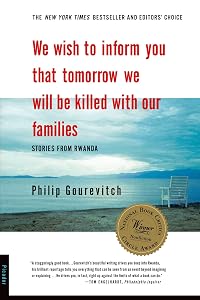
We wish to inform you that tomorrow we will be killed with our families: Stories from Rwanda
by Philip Gourevitch
On This Page
Description
This program is read by the author. An unforgettable firsthand account of a people's response to genocide and what it tells us about humanity. This remarkable audiobook chronicles what has happened in Rwanda and neighboring states since 1994, when the Rwandan government called on everyone in the Hutu majority to murder everyone in the Tutsi minority. Though the killing was low-tech--largely by machete--it was carried out at shocking speed: some 800,000 people were exterminated in a hundred show more days. A Tutsi pastor, in a letter to his church president, a Hutu, used the chilling phrase that gives Philip Gourevitch his title. With keen dramatic intensity, Gourevitch frames the genesis and horror of Rwanda's "genocidal logic" in the anguish of its aftermath: the mass displacements, the temptations of revenge and the quest for justice, the impossibly crowded prisons and refugee camps. Through intimate portraits of Rwandans in all walks of life, he focuses on the psychological and political challenges of survival and on how the new leaders of postcolonial Africa went to war in the Congo when resurgent genocidal forces threatened to overrun central Africa. Can a country composed largely of perpetrators and victims create a cohesive national society? This moving contribution to the literature of witness tells us much about the struggle everywhere to forge sane, habitable political orders, and about the stubbornness of the human spirit in a world of extremity. show lessTags
Recommendations

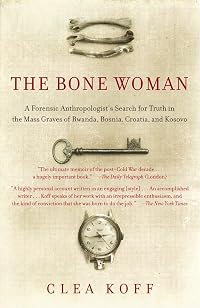
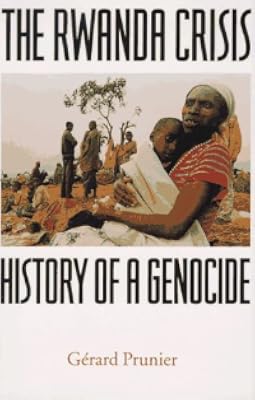
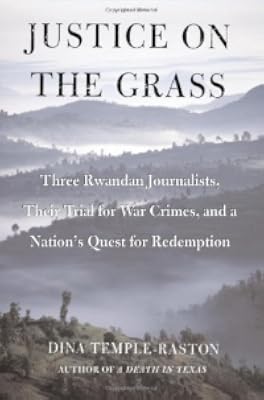

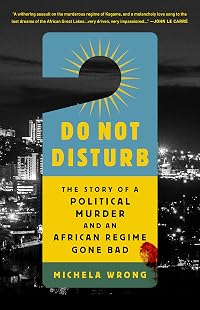
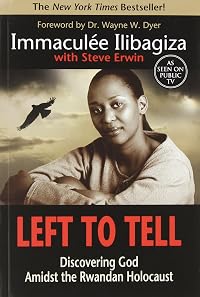
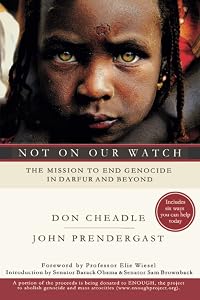
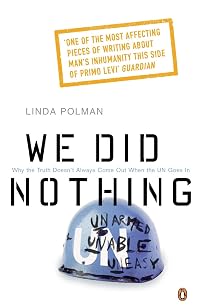


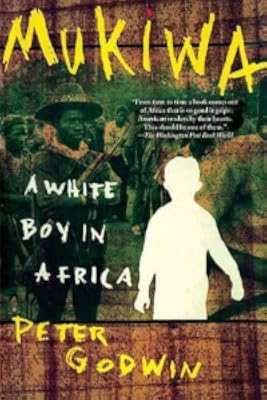
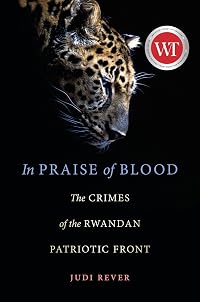
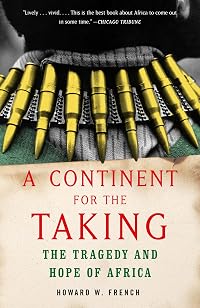
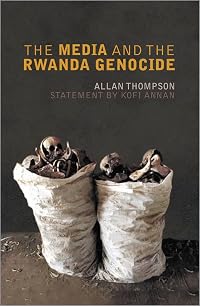

Member Recommendations
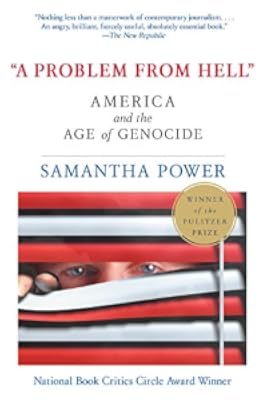
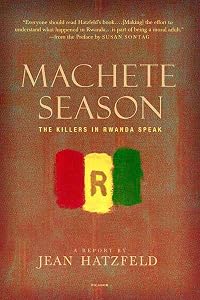
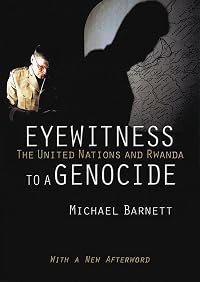
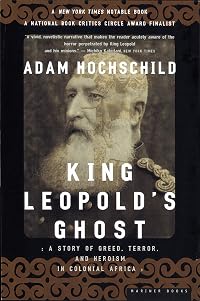
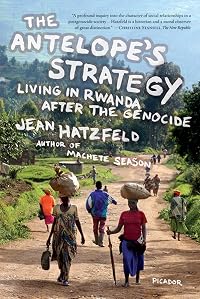
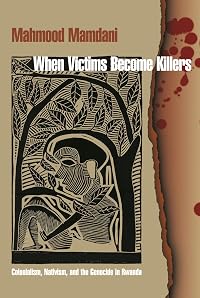
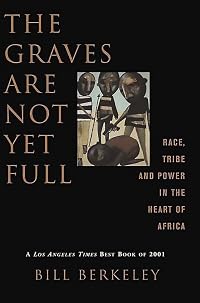
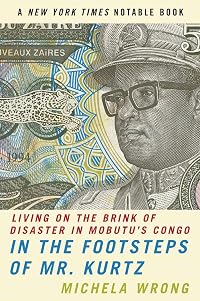
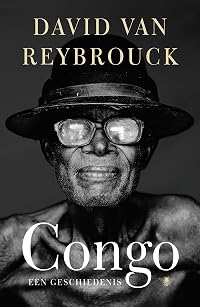
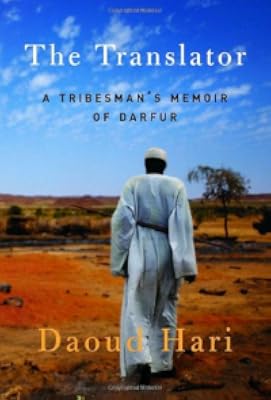
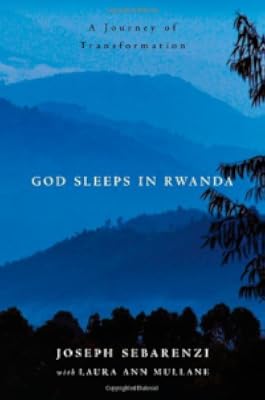
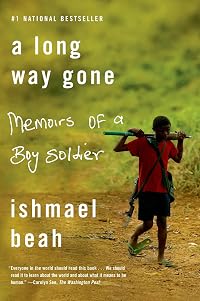
paulkid Complementary accounts of international interest in central Africa's material resources, but disinterest in its people.
70
Member Reviews
Gorgeous writing and a very (very.) convoluted narrative. Eventually, his inability to make any sort of conclusion — emotional, political, moral — feels like its own sort of cowardice; it feels like giving up. That passivity (unintentionally, I think) echoes the theme of “why didn’t they fight back” — because animal fight exhausts itself when there is no hope — but exhaustion and passivity seems an unjust response, coming from a man who only viewed the aftermath of genocide.
All at once, as it seemed, something we could have only imagined was upon us—and we could still only imagine it. This is what fascinates me most in existence: the peculiar necessity of imagining what is, in fact, real.
This was a very difficult book to read, and an even harder book to review. If it wasn't for my library's year-long reading challenge, and the prompt to "read a book written by a journalist", I never would have even picked this up. But I'm so glad I did, however horrible it was to read. It explained a lot of the questions I had about this dark time. My only other knowledge of the Rwandan Genocide came entirely from the film Hotel Rwanda, which really only showed a select part of the story, and left a great deal of show more context out. It's a fantastic film, and I do really recommend it, but this book definitely far surpasses it in terms of information and educational value.
This book is split into two main parts, and in general, they follow first the events leading up to and including the massacre, and then the aftermath and recovery efforts (if some of them can even be called that). It's a tiring tale with apocalyptic elements straight out of a far-fetched science fiction novel. It feels a little unreal sometimes, this dark age story from just a few years before I was born. It feels anachronistic but then, looking at the world I live in now, so very relevant and intrinsically real.
The massacre itself, this cruel act of genocide, was, and I feel wrong admitting this, my favorite part of the book. It was straightforwardly awful, and there was some part of it that was morbidly fascinating. Gourevitch addresses this phenomenon directly and gives excellent commentary on it without either condemning or condoning. This same very direct but equally objective perspective pervades the entire book, and I really appreciated it.
"It sometimes happens that some people tell lies and others tell the truth."
The part that disgusted me beyond even the senseless slaughter itself was the reaction or lack thereof on the part of the international community, primarily regarding America and France. I guess people just want to ignore that the French actively supplied the Hutu aggressors and that the world refused to call this a genocide lest they be required to give any aid whatsoever. And when they were forced to help, they continued to help those doing the killing and ignored those who suffered the most. And why? For what? What could have possibly made these modern nations commit such atrocities?
"You cannot count on the international community unless you're rich, and we are not[...] We don't have oil, so it doesn't matter that we have blood, or that we are human beings."
And it makes sense: look at the USA's constant neglect of even its own people in recent years and throughout history, as seen in the Michigan water crisis, in post-hurricane Puerto Rico, and in the systematic abuse of African Americans and Mexican immigrants, particularly children. What seems, at face value, wrong and illogical -- that first world countries in the modern age could be so cruel and unusual against their fellow man -- is actually very, very believable.
And when Rwanda tried to recover on its own, it was attacked again from all angles, from within and from without.
"It's not so much the human rights concerns, it's more political. It's 'Let's kill this development, this dangerous development of these Africans trying to do things their own way.'"
This book taught me that human nature is complicated and sometimes very extreme, that people hold grudges, sometimes senselessly and sometimes with good reason. That people can be tipped over the edge and will keep falling until either they or their enemy are dead. What I learned will stick with me forever. In this age of mass killings every other day, it's something I can hardly ever forget. show less
The title of the book comes from a letter written to Paston Elizaphan Ntakirutimana. In it, several Advent pastors, hiding in a hospital state, "We wish to inform you that tomorrow we will be killed with our families..." (p 42). Such a devastating cry for help...only to end in betrayal. But probably the most helpless and hopeless line in the book (for me anyway), was "I took it we were under attack, and did nothing because I had no idea what to do" (p 33). I can't imagine knowing full well murderers were coming for me, and yet having no idea how to save myself. Imagine having nowhere to go. Nowhere to hide. No way to protect yourself. Heartbreaking. Like macabre trick or treating, gangs went from town to town, just looking for people to show more massacre.
I find myself asking over and over again how neighbors, friends, relatives, business partners could rise up against their brethren. To kill over and over again with such horrific brutality. Not just an impersonal shot to the head. Not just a quick execution from a far off distance, but an up-close and personal hacking, slashing, chopping; a hand to hand combat/rape/pillage with machetes and knives, sticks and stony rage. The willingness, the eagerness to turn on people you had once worked, lived, learned or played side by side. Colleagues killed colleagues. Neighbors annihilated neighbors. Teachers assassinated their students. Friends turned one another with surprising ease. Gourevitch tries to make sense of it in We Wish to Inform You... by going back historically and analyzing the time before the genocide. His style is to think about the subject from a distance and then living with it up close. He walks around a topic to scrutinize it from every angle. His focus was to ask what really happened and how its aftermath is understood today (at the time of his writing). show less
I find myself asking over and over again how neighbors, friends, relatives, business partners could rise up against their brethren. To kill over and over again with such horrific brutality. Not just an impersonal shot to the head. Not just a quick execution from a far off distance, but an up-close and personal hacking, slashing, chopping; a hand to hand combat/rape/pillage with machetes and knives, sticks and stony rage. The willingness, the eagerness to turn on people you had once worked, lived, learned or played side by side. Colleagues killed colleagues. Neighbors annihilated neighbors. Teachers assassinated their students. Friends turned one another with surprising ease. Gourevitch tries to make sense of it in We Wish to Inform You... by going back historically and analyzing the time before the genocide. His style is to think about the subject from a distance and then living with it up close. He walks around a topic to scrutinize it from every angle. His focus was to ask what really happened and how its aftermath is understood today (at the time of his writing). show less
A mix of personal stories from Rwandans with historical background about the genocide and it's aftermath, this is such a powerful book for anybody who only knows the basic details and wants to learn more. This is a a book to get you angry about bureaucratic inefficiencies and politics being valued over lives and hypocritical ideologies that allowed such an atrocity to flourish.
It took me a while into the book before realising that Paul Rusesabagina is the same Paul in the movie Hotel Rwanda, the instigator of my awareness of the Rwandan genocide in 1994. He comes across as the everyman who rises up to the occasion and saves thousands of Rwandans from being brutally murdered. He is modest about his achievement, reckoning that anybody show more could have - should have - done what he did.
But, in a sense, once in the situation, once the genocide started, not everybody really could have stood up to the interahamwe like he did and not have incurred death. He had the means to keep the refugees safe, the connections to keep the murderers at bay, the ability to refuse to cooperate with the murderers without being murdered, a "luxury" that hundreds of thousands did not have.
This is not to take away the magnitude of what he did. It was indeed heroic, he saved thousands of lives as neighbours and communities, international and local, looked the other way. But to call him heroic also implies that it is something very few people can do when it's something at least more people should have strove to do, as he himself said. He is a hero because there was an absence of heroes.
Another thing that stood out for me in the book is the rebuilding of the country and reconciliation of its citizens that had to happen after the genocide.
But how. No one has escaped unscathed, psychologically, physically, everybody has lost someone, survivors and killers have to continue living together in the same community, exiles who have never set foot in Rwanda returns and adds another layer of callousness and suspicion to the mix. I can't even begin to imagine the enormity of the task that Kagame had taken on.
There is no previous model for a rebuilding of this type. The UN, having already failed to enforce the Genocide Convention introduced after WII to prevent such monstrosities, is now lumping Rwanda as a subsection of the International Criminal Tribunal for the Balkan war. Not to forget that the refugee camps were actually helping mostly war criminals in their flight from Rwanda after the genocide they committed.
And where is Belgium, whose colonialist "success" depended on encouraging ethnic discrimination, and where is France, supplying arms and support to the killers, and where is America, having strenuously avoided using the word genocide in press conferences so as to avoid being obligated to help and in the end still delayed the help being sent by rent it to the UN instead. Thousands of lives lost while they tried to negotiate a five million dollar reduction.
It's all good and well to say reading books like this is to be aware and prevent it from ever happening again, but considering how many more genocides there were after the Holocaust, where nations committed to paying lip service statement of Never Again, it seems more like another historical record to be filed away. I can only hope beyond hope this won't be so. show less
It took me a while into the book before realising that Paul Rusesabagina is the same Paul in the movie Hotel Rwanda, the instigator of my awareness of the Rwandan genocide in 1994. He comes across as the everyman who rises up to the occasion and saves thousands of Rwandans from being brutally murdered. He is modest about his achievement, reckoning that anybody show more could have - should have - done what he did.
But, in a sense, once in the situation, once the genocide started, not everybody really could have stood up to the interahamwe like he did and not have incurred death. He had the means to keep the refugees safe, the connections to keep the murderers at bay, the ability to refuse to cooperate with the murderers without being murdered, a "luxury" that hundreds of thousands did not have.
This is not to take away the magnitude of what he did. It was indeed heroic, he saved thousands of lives as neighbours and communities, international and local, looked the other way. But to call him heroic also implies that it is something very few people can do when it's something at least more people should have strove to do, as he himself said. He is a hero because there was an absence of heroes.
Another thing that stood out for me in the book is the rebuilding of the country and reconciliation of its citizens that had to happen after the genocide.
But how. No one has escaped unscathed, psychologically, physically, everybody has lost someone, survivors and killers have to continue living together in the same community, exiles who have never set foot in Rwanda returns and adds another layer of callousness and suspicion to the mix. I can't even begin to imagine the enormity of the task that Kagame had taken on.
There is no previous model for a rebuilding of this type. The UN, having already failed to enforce the Genocide Convention introduced after WII to prevent such monstrosities, is now lumping Rwanda as a subsection of the International Criminal Tribunal for the Balkan war. Not to forget that the refugee camps were actually helping mostly war criminals in their flight from Rwanda after the genocide they committed.
And where is Belgium, whose colonialist "success" depended on encouraging ethnic discrimination, and where is France, supplying arms and support to the killers, and where is America, having strenuously avoided using the word genocide in press conferences so as to avoid being obligated to help and in the end still delayed the help being sent by rent it to the UN instead. Thousands of lives lost while they tried to negotiate a five million dollar reduction.
It's all good and well to say reading books like this is to be aware and prevent it from ever happening again, but considering how many more genocides there were after the Holocaust, where nations committed to paying lip service statement of Never Again, it seems more like another historical record to be filed away. I can only hope beyond hope this won't be so. show less
This was a much more political work than I had originally imagined from the emotive title. Nonetheless it was pretty readable and is really an account par excellence of the 1994 Rwanda massacre. Gourevitch considers the event from every possible angle:
- the European influence that initially promoted the 'racially superior' minority Tutsis...and the later more egalitarian rulers who started pushing for the rights of the oppressed Hutu
-the support of western governments of sundry entirely corrupt rulers
-the pathetically ineffectual UN forces
-and, perhaps most strikingly, the refusal of 'aid agencies' to do anything concrete to halt the killings;. A the Hutu aggressors fled to Zaire and set up huge refugee camps, billions of pounds of aid show more was diverted to these apparent victims- regardless of fact that many were guilty of horrific bloodshed. Gourevitch relates the naive, sunny assurances of youthful aid workers that the victims need to put it behind them and live in harmony...even as the culprits flood back in from Zaire, often resuming their violent activities...and facing no punishment.
This is a sobering, thought-provoking work that shows the huge and impossible mess that Rwanda is up against; and the criminal inadequacy of those we look to for guidance (the UN! Peace keeping forces! Western governments!) show less
- the European influence that initially promoted the 'racially superior' minority Tutsis...and the later more egalitarian rulers who started pushing for the rights of the oppressed Hutu
-the support of western governments of sundry entirely corrupt rulers
-the pathetically ineffectual UN forces
-and, perhaps most strikingly, the refusal of 'aid agencies' to do anything concrete to halt the killings;. A the Hutu aggressors fled to Zaire and set up huge refugee camps, billions of pounds of aid show more was diverted to these apparent victims- regardless of fact that many were guilty of horrific bloodshed. Gourevitch relates the naive, sunny assurances of youthful aid workers that the victims need to put it behind them and live in harmony...even as the culprits flood back in from Zaire, often resuming their violent activities...and facing no punishment.
This is a sobering, thought-provoking work that shows the huge and impossible mess that Rwanda is up against; and the criminal inadequacy of those we look to for guidance (the UN! Peace keeping forces! Western governments!) show less
No hay más crueldad que en la historia de la humanidad y puedo leer sobre cualquier época, sobre cualquier parte del mundo y desgraciadamente solo veo como la historia se repite y se repite, los seres humanos somos unos animales crueles, salvajes y asesinos.
Esta la crueldad de quien asesina directamente a otro ser humano, está el salvajismo de la ignorancia que cree que una raza o etnia es mejor que otra y están los asesinos de escritorio, esos que por circunstancias políticas o económicas permiten genocidios o incluso los apoyan.
Este conflicto ente dos tribus Ruandeses los Hutus y los Tutsis se remonta desde el siglo IV, sin embargo, esto se agrava considerablemente cuando se convierte en colonia belga en el siglo XIX, una vez show more país independiente el problema era tal que culmina en un terrible genocidio llevado a cabo por los Hutus quienes en 1994 matan sistemáticamente a todo Tutsi que se encuentren por el camino, dicha matanza se cuenta en casi un millón de muertes.
Este libro nos cuenta en principio todo el tema histórico que lleva a estas dos etnias a verse enfrentadas, las razones o motivaciones que tienen para odiarse, para después narrar a voz de algunos sobrevivientes Tutsis lo que fue vivir el genocidio y cómo fue que algunos de ellos salvan la vida.
Más adelante hace un profundo análisis social y político global, es decir, en su momento, las Naciones Unidas, que fueron informadas de lo que sucedía no movió un dedo y cuando finalmente deciden intervenir, lo hacen a través de Francia, quien curiosamente entra a Ruanda a apoyar a los Hutus militarmente y también económicamente.
La ONU crea campos de refugiados básicamente en lo que era Zaire (ahora República del Congo), Tanzania, Uganda y Burundi pero la mayoría de los refugiados eran Hutus, mientras tanto los sobrevivientes Tutsis ya están formando su movimiento de Resistencia, lo que conlleva al final a poner a medio África en medio de un conflicto bélico, generando la primera y segunda guerra del Congo.
Fue muy duro leer este libro pero además me ha generado una tremenda frustración, me he sentido enojada por la posición de la comunidad internacional, en una larga entrevista a Paul Kagame, actual presidente de Ruanda y principal actor en la pacificación del país, dice entre otras cosas que no comprende porque en su momento se apoyaba a los Hutus y se hablaba de los Tutsis como los asesinos, ¿qué motivaciones ulteriores tenían para hacer algo así cuando los muertos fueron los Tutsis? Este hombre fue juzgado por la comunidad internacional por crímenes de genocidio y Lesa humanidad, situación que resulta en algo tremendamente incoherente cuando fue quien detuvo la guerra y unió a un país por demás destrozado, actualmente no puede ser detenido por portar el papel de presidente, pero una vez que deje el cargo, será encarcelado, sin embargo, por parte de los Hutus no hubo realmente detenidos, porque al final no se podía juzgar a todo un pueblo.
Una historia brutal, aquí no hay buenos, hay tanta maldad, tanta ignorancia y tanta muerte que no se puede separar a víctimas de victimarios, el peor sentimiento es el de Venganza, el de odio por crímenes cometidos, por niños asesinados, por mujeres violadas y luego asesinadas y solo por ser o pertenecer a una etnia diferente, aquellos que utilizan el odio de un pueblo para generar más odio y claro, por supuesto, para tener poder.
Creo que este libro no narra nada que no se haya visto en otras épocas o en otras guerras, al final, como he dicho, el ser humano es la peor bestia que habita este planeta desde que es llamado equivocadamente “el animal inteligente” show less
Esta la crueldad de quien asesina directamente a otro ser humano, está el salvajismo de la ignorancia que cree que una raza o etnia es mejor que otra y están los asesinos de escritorio, esos que por circunstancias políticas o económicas permiten genocidios o incluso los apoyan.
Este conflicto ente dos tribus Ruandeses los Hutus y los Tutsis se remonta desde el siglo IV, sin embargo, esto se agrava considerablemente cuando se convierte en colonia belga en el siglo XIX, una vez show more país independiente el problema era tal que culmina en un terrible genocidio llevado a cabo por los Hutus quienes en 1994 matan sistemáticamente a todo Tutsi que se encuentren por el camino, dicha matanza se cuenta en casi un millón de muertes.
Este libro nos cuenta en principio todo el tema histórico que lleva a estas dos etnias a verse enfrentadas, las razones o motivaciones que tienen para odiarse, para después narrar a voz de algunos sobrevivientes Tutsis lo que fue vivir el genocidio y cómo fue que algunos de ellos salvan la vida.
Más adelante hace un profundo análisis social y político global, es decir, en su momento, las Naciones Unidas, que fueron informadas de lo que sucedía no movió un dedo y cuando finalmente deciden intervenir, lo hacen a través de Francia, quien curiosamente entra a Ruanda a apoyar a los Hutus militarmente y también económicamente.
La ONU crea campos de refugiados básicamente en lo que era Zaire (ahora República del Congo), Tanzania, Uganda y Burundi pero la mayoría de los refugiados eran Hutus, mientras tanto los sobrevivientes Tutsis ya están formando su movimiento de Resistencia, lo que conlleva al final a poner a medio África en medio de un conflicto bélico, generando la primera y segunda guerra del Congo.
Fue muy duro leer este libro pero además me ha generado una tremenda frustración, me he sentido enojada por la posición de la comunidad internacional, en una larga entrevista a Paul Kagame, actual presidente de Ruanda y principal actor en la pacificación del país, dice entre otras cosas que no comprende porque en su momento se apoyaba a los Hutus y se hablaba de los Tutsis como los asesinos, ¿qué motivaciones ulteriores tenían para hacer algo así cuando los muertos fueron los Tutsis? Este hombre fue juzgado por la comunidad internacional por crímenes de genocidio y Lesa humanidad, situación que resulta en algo tremendamente incoherente cuando fue quien detuvo la guerra y unió a un país por demás destrozado, actualmente no puede ser detenido por portar el papel de presidente, pero una vez que deje el cargo, será encarcelado, sin embargo, por parte de los Hutus no hubo realmente detenidos, porque al final no se podía juzgar a todo un pueblo.
Una historia brutal, aquí no hay buenos, hay tanta maldad, tanta ignorancia y tanta muerte que no se puede separar a víctimas de victimarios, el peor sentimiento es el de Venganza, el de odio por crímenes cometidos, por niños asesinados, por mujeres violadas y luego asesinadas y solo por ser o pertenecer a una etnia diferente, aquellos que utilizan el odio de un pueblo para generar más odio y claro, por supuesto, para tener poder.
Creo que este libro no narra nada que no se haya visto en otras épocas o en otras guerras, al final, como he dicho, el ser humano es la peor bestia que habita este planeta desde que es llamado equivocadamente “el animal inteligente” show less
800,000 or more Rwandans were killed in 1994 by fellow Rwandans in the “most Christianized country in Africa.” According to one Christian leader, Muslims were the only religious community that didn’t kill during this episode. Journalist Phillip Gourevitch attempts to explain the bloodbath. His book, which concludes with the nation’s situation not yet solved, is the kind that is cited when later histories are written. It is impressive for how much he found to report and how deeply he has thought about what happened.
The conflict seemed simple. Hutus slaughtered Tutsis—the old story of ethnic grievance. Except . . . until 1959 “there had never been systematic political violence recorded between Hutus and Tutsis—anywhere.” show more Finding the ignition points is vital to Gourevitch, for once set in motion Rwanda proved a genocide can happen far faster than seems imaginable, even when executed with rudimentary weapons. Among factors he identifies is the dark poison of colonial attitudes well-illustrated by François Mitterrand’s declaration that “In such countries, genocide is not too important.” Oh?
Cue Stalin: “A single death is a tragedy, a million deaths is a statistic.”
“Why the killing?” wasn’t the only question to explore. For the rebuilding and healing of Rwandan society, there were others: How forgive the génocidaires? And, perversely, how trust Tutsis who didn’t flee Rwanda yet survived? Crucial questions, for the forces aligned with the genocide were afterward defeated by a rebel army formed of Tutsi refugees escaped from past persecutions. The Tutsi leader was General Paul Kagame. He comes across as a most impressive figure, so much so that Gourevitch might be mistaken for the General’s press secretary. And since the horrors recorded here tend to invest readers in the author’s judgments, there is a natural desire to believe in Kagame’s greatness, perhaps too uncritically.
The book concludes with what possibly was as near to a symbol for hope as Gourevitch could discover in the circumstances, a hope, derived grotesquely, that it’s possible to reject insularity and identify as one with others who differ somehow. The scene’s heartbreaking character, considered with all the author has reported, can’t but make that hope seem the most perishable of aspirations. show less
The conflict seemed simple. Hutus slaughtered Tutsis—the old story of ethnic grievance. Except . . . until 1959 “there had never been systematic political violence recorded between Hutus and Tutsis—anywhere.” show more Finding the ignition points is vital to Gourevitch, for once set in motion Rwanda proved a genocide can happen far faster than seems imaginable, even when executed with rudimentary weapons. Among factors he identifies is the dark poison of colonial attitudes well-illustrated by François Mitterrand’s declaration that “In such countries, genocide is not too important.” Oh?
Cue Stalin: “A single death is a tragedy, a million deaths is a statistic.”
“Why the killing?” wasn’t the only question to explore. For the rebuilding and healing of Rwandan society, there were others: How forgive the génocidaires? And, perversely, how trust Tutsis who didn’t flee Rwanda yet survived? Crucial questions, for the forces aligned with the genocide were afterward defeated by a rebel army formed of Tutsi refugees escaped from past persecutions. The Tutsi leader was General Paul Kagame. He comes across as a most impressive figure, so much so that Gourevitch might be mistaken for the General’s press secretary. And since the horrors recorded here tend to invest readers in the author’s judgments, there is a natural desire to believe in Kagame’s greatness, perhaps too uncritically.
The book concludes with what possibly was as near to a symbol for hope as Gourevitch could discover in the circumstances, a hope, derived grotesquely, that it’s possible to reject insularity and identify as one with others who differ somehow. The scene’s heartbreaking character, considered with all the author has reported, can’t but make that hope seem the most perishable of aspirations. show less
Members
- Recently Added By
Lists

Non-Fiction Worth Reading
1,015 works; 257 members

Books Set In Africa
81 works; 4 members

Books To Get From The Library
115 works; 5 members

Most Popular Books Tagged Africa
35 works; 3 members

Blue Pyramid 1,276 Best Books of All Time
1,248 works; 32 members

Most Disturbing Books
124 works; 27 members

r/History Recommended Reading List
603 works; 12 members

r/AskHistorians' Recommended Books
1,068 works; 17 members

Books With the Most Memorable Titles
478 works; 158 members

Vlogbrothers Book Recommendations
307 works; 4 members
Author Information

34+ Works 5,365 Members
Philip Gourevitch, a staff writer at "The New Yorker", lives in New York City. His last book, "We Wish to Inform You that Tomorrow We Will be Killed with Our Families: Stories from Rwanda" (FSG, 1998), won the National Book Critics Circle & Los Angeles Times Book Awards. (Bowker Author Biography)
Some Editions
Awards and Honors
Awards
Distinctions
Series
Belongs to Publisher Series
Work Relationships
Common Knowledge
- Canonical title
- We wish to inform you that tomorrow we will be killed with our families: Stories from Rwanda
- Original title
- We wish to inform you that tomorrow we will be killed with our families: Stories from Rwanda
- Original publication date
- 1998
- People/Characters
- Romeo Dallaire
- Important places
- Rwanda; Kigali, Rwanda; Africa
- Important events
- Rwandan Genocide (1994)
- Dedication
- for my parents
- First words
- Decimation means the killing of every tenth person in a population, and in the spring and early summer of 1994 a program of massacres decimated the Republic of Rwanda.
- Last words
- (Click to show. Warning: May contain spoilers.)But mightn't we all take some courage from the example of those brave Hutu girls who could have chosen to live, but chose instead to call themselves Rwandans?
- Original language
- English
- Canonical DDC/MDS
- 364.1510967571
- Canonical LCC
- DT450.G68
Classifications
- Genres
- General Nonfiction, History, Nonfiction, Biography & Memoir
- DDC/MDS
- 364.1510967571 — Society, government, & culture Social problems and social services Crime Criminal offenses Offenses against the person War crimes and genocide
- LCC
- DT450 .G68 — History of Europe, Asia, Africa and Oceania Africa History of Africa Eastern Africa Burundi Local history and description
- BISAC
Statistics
- Members
- 3,858
- Popularity
- 4,091
- Reviews
- 70
- Rating
- (4.41)
- Languages
- 10 — Dutch, English, Finnish, French, German, Italian, Portuguese, Slovak, Spanish, Swedish
- Media
- Paper, Audiobook, Ebook
- ISBNs
- 35
- ASINs
- 20