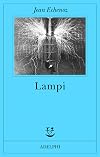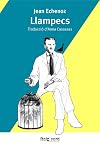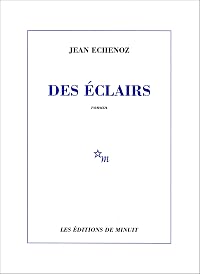
Lightning
by Jean Echenoz
On This Page
Description
Drawn from the life of Nikola Tesla, one of the greatest inventors of his time,Lightning is a captivating tale of one man's curious fascination with the marvels of science.Hailed by the Washington Post as ?the most distinctive voice of his generation," Echenoz traces the notable career of Gregor, a precocious young engineer from Eastern Europe, who travels across the Atlantic at the age of twenty-eight to work alongside Thomas Edison, with whom he later holds a long-lasting rivalry. After show more his discovery of alternating current, Gregor quickly begins to astound the show lessTags
Recommendations
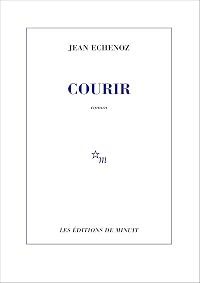
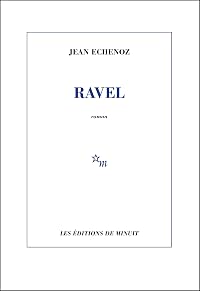












Member Recommendations
Member Reviews
Terse and yet as frenetic as the currents of Tesla's imagination with all the luminous contradictions.This is a stunning portrait of a harvester of nature, yet one shipwrecked on a human mound which was nearly incomprehensible. Tactile and oblivious--Tesla floundered and flourished in turns until fate shoved him aside and just before he initiated negotiations with the Martians.
This is a screaming quick novel, punctuated, oh-so-strangely by a reflection on the nature of pigeons.
This is a screaming quick novel, punctuated, oh-so-strangely by a reflection on the nature of pigeons.
This short novella is a beautifully wrought miniature of Nikola Tesla. It begins with his birth, ends with his death, and roughly covers everything major in between -- although oddly fictionalizes the name of the main character calling him "Gregor", even though the other characters have their real names (e.g., Edison and Westinghouse) and it has an almost non fiction level of accuracy in depicting Tesla's life.
The narrative conveys both the wonder of invention and Tesla's madness, as well as the reasons that he is increasingly unable to translate his ideas into tangible output. This is all told in a series of very short chapters, many of them vignettes, but ones that add up together to something approaching a novel -- if not in show more length.
Although not nearly as interesting and creative as Samantha Hunt's Tesla novel (The Invention of Everything Else), it is thought-provoking and a comprehensive depiction of Tesla's life and contributions. show less
The narrative conveys both the wonder of invention and Tesla's madness, as well as the reasons that he is increasingly unable to translate his ideas into tangible output. This is all told in a series of very short chapters, many of them vignettes, but ones that add up together to something approaching a novel -- if not in show more length.
Although not nearly as interesting and creative as Samantha Hunt's Tesla novel (The Invention of Everything Else), it is thought-provoking and a comprehensive depiction of Tesla's life and contributions. show less
Lightning is a fictionalized account of the tragic life of Nikola Tesla, the inventor of alternating current, the form of electricity used to power homes and businesses, a man whose grandiose ideas and ambitions did not lead to financial success or personal fulfillment, due to the unscrupulous men who benefited from his work and his own failure to demand adequate compensation for his achievements.
'Gregor', born during a fierce lightning storm in a small Serbian town, travels to New York from Austria as a young man, where his accomplishments were exceeded only by his pomposity and showmanship, and is hired by Thomas Edison to be his personal assistant. After Edison plays a dirty trick on him he is employed by Edison's rival George show more Westinghouse, who parlayed Gregor's alternating current concept into a vast fortune, then convinced Gregor to tear up the contract that would have turned him into a multi-millionaire. Plagued by financial difficulty and ostracism from other scientists and potential investors, Gregor's life and career take a steady down turn, as he becomes more withdrawn and quirky and chooses to spend more time with the pigeons that he tends to in his increasingly shabby hotel rooms than the woman who loves and nurtures him.
Similar to his most recent novels Running and Ravel, Echenoz expertly uses fiction as a technique to tell the tragic story of an underappreciated man in Lightning, a compelling short novel that I could not put down once I started reading it. show less
'Gregor', born during a fierce lightning storm in a small Serbian town, travels to New York from Austria as a young man, where his accomplishments were exceeded only by his pomposity and showmanship, and is hired by Thomas Edison to be his personal assistant. After Edison plays a dirty trick on him he is employed by Edison's rival George show more Westinghouse, who parlayed Gregor's alternating current concept into a vast fortune, then convinced Gregor to tear up the contract that would have turned him into a multi-millionaire. Plagued by financial difficulty and ostracism from other scientists and potential investors, Gregor's life and career take a steady down turn, as he becomes more withdrawn and quirky and chooses to spend more time with the pigeons that he tends to in his increasingly shabby hotel rooms than the woman who loves and nurtures him.
Similar to his most recent novels Running and Ravel, Echenoz expertly uses fiction as a technique to tell the tragic story of an underappreciated man in Lightning, a compelling short novel that I could not put down once I started reading it. show less
This short novella is a beautifully wrought miniature of Nikola Tesla. It begins with his birth, ends with his death, and roughly covers everything major in between -- although oddly fictionalizes the name of the main character calling him "Gregor", even though the other characters have their real names (e.g., Edison and Westinghouse) and it has an almost non fiction level of accuracy in depicting Tesla's life.
The narrative conveys both the wonder of invention and Tesla's madness, as well as the reasons that he is increasingly unable to translate his ideas into tangible output. This is all told in a series of very short chapters, many of them vignettes, but ones that add up together to something approaching a novel -- if not in show more length.
Although not nearly as interesting and creative as Samantha Hunt's Tesla novel (The Invention of Everything Else), it is thought-provoking and a comprehensive depiction of Tesla's life and contributions. show less
The narrative conveys both the wonder of invention and Tesla's madness, as well as the reasons that he is increasingly unable to translate his ideas into tangible output. This is all told in a series of very short chapters, many of them vignettes, but ones that add up together to something approaching a novel -- if not in show more length.
Although not nearly as interesting and creative as Samantha Hunt's Tesla novel (The Invention of Everything Else), it is thought-provoking and a comprehensive depiction of Tesla's life and contributions. show less
This fictionalized biography of Gregor Tesla is entertaining, describing both his brilliance and lunacy. The writing is sometimes good although I found the author's informal jousting particularly in the latter portion of the book to be irritating and diminished its impact.
J’ai donc lu Ravel et Courir. Je vous en ai dit tout le bien que j’en pensais. Je vous ai fait à peu près le même commentaire : Echenoz nous décrit avec humour et distance la vie de grands hommes qui ont connu la gloire et surtout la descente. Ces biographies sont écrites dans une langue qui donne l’impression de regarder le personnage bougé comme un entomologiste regarde un cafard. On sait déjà pratiquement comment cela va se terminer. Ce qui est intéressant, c’est aussi qu’à chaque fois, on a l’impression que l’œuvre a pris le dessus sur l’homme.
Dans ce troisième volume de la trilogie des vies, Jean Echenoz a pris le parti de faire la même chose pour Nikola Tesla. Il faut dire qu’il avait un bon client show more en la personne de ce scientifique puisque ayant inventé le courant alternatif (et nous a donc permis de vivre aujourd’hui avec nos ordinateurs, nos lampes …), il a fini pauvre et entouré de pigeons. Il a donc bien connu la gloire et la déchéance. Il était détestable (les scientifiques sont souvent comme cela je vous rassure) mais il ne méritait sûrement pas cela. Vous pouvez jugez vous-même en regardant wikipédia.
La différence avec ce dernier volume nous est cependant précisée dans la présentation de l’éditeur. L’auteur n’appelle pas son héros Nikola mais Gregor et l’auteur ne s’encombre d’aucun scrupules biographiques. Je me suis demandée ce que cela avait apporté à Jean Echenoz (il y a plein de biographies sur Tesla chez Eyrolles mais peut être pas au moment où Jean Echenoz a écrit son livre) et surtout ce que cela nous apporte à nous par rapport aux autres livres. Pour Jean Echenoz, j’ai eu l’impression qu’il en prenait plus à son aise pour se moquer du personnage (notamment sur sa vie sexuelle) mais aussi cela le rend moins sûr de lui. La vie du héros semble se déroule moins facilement. Elle semble moins inscrite dans un destin tracé tout droit : chute, déchéance. J’ai un peu eu l’impression que Tesla combattait Jean Echenoz pour lui dire qu’il n’était pas encore tout à fait fini. Cela m’a fait rire. En tout cas, j’ai moins eu l’impression de lire une biographie mais plus un auteur qui se bat contre son personnage. Après, je pense que j’ai été influencé par la présentation de l’éditeur et que c’est pour cela que je l’ai lu de cette manière-là. Pour nous lecteurs, ce que cela change c’est que l’on fait moins confiance à Jean Echenoz. On se demande où est-ce qu’il est en train de manipuler, à quel moment il invente, à quel moment il change un détail pour que cela colle avec ce qu’il faut faire.
Ce que je retiens des trois livres que j’ai lu jusqu’à présent de Jean Echenoz (parce qu’à n’en pas douter, j’en lirai d’autres), c’est la facilité qui semble se dégager de son récit. On ne sent pas son travail (alors qu’il doit être important justement à cause de cela). L’humour ne semble pas travaillé, ne semble pas forcé. Cela coule de source. La construction n’est pas apparente. On tourne les pages sans s’en rendre compte et c’est seulement à la fin que l’on se rend compte où l’auteur voulait nous amener.
Réjouissons-nous : un nouveau Jean Echenoz est annoncé pour octobre 2012. show less
Dans ce troisième volume de la trilogie des vies, Jean Echenoz a pris le parti de faire la même chose pour Nikola Tesla. Il faut dire qu’il avait un bon client show more en la personne de ce scientifique puisque ayant inventé le courant alternatif (et nous a donc permis de vivre aujourd’hui avec nos ordinateurs, nos lampes …), il a fini pauvre et entouré de pigeons. Il a donc bien connu la gloire et la déchéance. Il était détestable (les scientifiques sont souvent comme cela je vous rassure) mais il ne méritait sûrement pas cela. Vous pouvez jugez vous-même en regardant wikipédia.
La différence avec ce dernier volume nous est cependant précisée dans la présentation de l’éditeur. L’auteur n’appelle pas son héros Nikola mais Gregor et l’auteur ne s’encombre d’aucun scrupules biographiques. Je me suis demandée ce que cela avait apporté à Jean Echenoz (il y a plein de biographies sur Tesla chez Eyrolles mais peut être pas au moment où Jean Echenoz a écrit son livre) et surtout ce que cela nous apporte à nous par rapport aux autres livres. Pour Jean Echenoz, j’ai eu l’impression qu’il en prenait plus à son aise pour se moquer du personnage (notamment sur sa vie sexuelle) mais aussi cela le rend moins sûr de lui. La vie du héros semble se déroule moins facilement. Elle semble moins inscrite dans un destin tracé tout droit : chute, déchéance. J’ai un peu eu l’impression que Tesla combattait Jean Echenoz pour lui dire qu’il n’était pas encore tout à fait fini. Cela m’a fait rire. En tout cas, j’ai moins eu l’impression de lire une biographie mais plus un auteur qui se bat contre son personnage. Après, je pense que j’ai été influencé par la présentation de l’éditeur et que c’est pour cela que je l’ai lu de cette manière-là. Pour nous lecteurs, ce que cela change c’est que l’on fait moins confiance à Jean Echenoz. On se demande où est-ce qu’il est en train de manipuler, à quel moment il invente, à quel moment il change un détail pour que cela colle avec ce qu’il faut faire.
Ce que je retiens des trois livres que j’ai lu jusqu’à présent de Jean Echenoz (parce qu’à n’en pas douter, j’en lirai d’autres), c’est la facilité qui semble se dégager de son récit. On ne sent pas son travail (alors qu’il doit être important justement à cause de cela). L’humour ne semble pas travaillé, ne semble pas forcé. Cela coule de source. La construction n’est pas apparente. On tourne les pages sans s’en rendre compte et c’est seulement à la fin que l’on se rend compte où l’auteur voulait nous amener.
Réjouissons-nous : un nouveau Jean Echenoz est annoncé pour octobre 2012. show less
Jul 29, 2012French
Gregor ha inventado y descubierto todo lo que va a ser útil durante los próximos siglos: la transferencia inalámbrica de energía eléctrica mediante ondas electromagnéticas, la corriente alterna, la bombilla sin filamento y la radio, entre otras cosas. Pero, ¡ay!, tiene dificultades con sus asuntos personales, quizá porque la ciencia le interesa mucho más que el beneficio. Aprovechándose de este rasgo de su carácter, otros científicos acabarán robándoselo todo. Y a Gregor, como única distracción, y ocupación, sólo le quedará la compañía de los relámpagos y el teatro de los pájaros. Aunque basada en la vida del ingeniero Nikola Tesla, Relámpagos es una ficción sin pretensiones biográficas con la que el autor, show more tras Ravel y Correr, cierra su espléndida serie sobre tres vidas. show less
Mar 14, 2023Spanish
Members
- Recently Added By
Lists

Best of French Literature
138 works; 27 members

Best 21st Century Books (So Far)
670 works; 85 members

Short and Sweet
243 works; 23 members

My TBR Challenge Leftovers
22 works; 1 member
Author Information

38+ Works 3,363 Members
Some Editions
Awards and Honors
Awards
Notable Lists
Common Knowledge
- Canonical title
- Lightning
- Original title
- Des éclairs
- Original publication date
- 2010
- People/Characters
- Nikola Tesla
- Dedication*
- De auteur bedankt Margaret Cheney en Mark Polizzotti
- First words*
- Ieder mens wil als het even kan graag weten wanneer hij is geboren.
- Last words*
- (Click to show. Warning: May contain spoilers.)Ondanks het steeds luidere gekrijs van de uitgehongerde, radeloze vogels in de kooien aan alle kanten rond zijn bed zal het drie dagen duren voordat men die instructie overtreedt.
- Original language
- French
*Some information comes from Common Knowledge in other languages. Click "Edit" for more information.
Classifications
- Genres
- Fiction and Literature, General Fiction, Historical Fiction
- DDC/MDS
- 843.914 — Literature & rhetoric French Literature French fiction 1900- 20th Century 1945-1999
- LCC
- PQ2665 .C5 .D4713 — Language and Literature French, Italian, Spanish and Portuguese literatures French literature Modern literature 1961-2000
- BISAC
Statistics
- Members
- 243
- Popularity
- 133,373
- Reviews
- 11
- Rating
- (3.60)
- Languages
- 10 — Catalan, Dutch, English, French, German, Greek, Italian, Slovenian, Spanish, Turkish
- Media
- Paper, Audiobook, Ebook
- ISBNs
- 18
- ASINs
- 5