
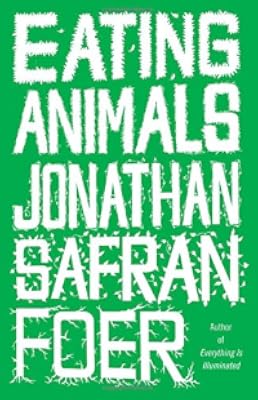
Eating Animals
by Jonathan Safran Foer
On This Page
Description
Part memoir and part investigative report, Eating Animals is the groundbreaking moral examination of vegetarianism, farming, and the food we eat every day that inspired the documentary of the same name. Bestselling author Jonathan Safran Foer spent much of his life oscillating between enthusiastic carnivore and occasional vegetarian. For years he was content to live with uncertainty about his own dietary choices but once he started a family, the moral dimensions of food became increasingly show more important. Faced with the prospect of being unable to explain why we eat some animals and not others, Foer set out to explore the origins of many eating traditions and the fictions involved with creating them. Traveling to the darkest corners of our dining habits, Foer raises the unspoken question behind every fish we eat, every chicken we fry, and every burger we grill. Part memoir and part investigative report, Eating Animals is a book that, in the words of the Los Angeles Times, places Jonathan Safran Foer "at the table with our greatest philosophers" -and a must-read for anyone who cares about building a more humane and healthy world. show lessTags
Recommendations
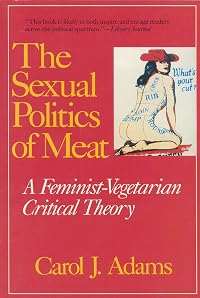
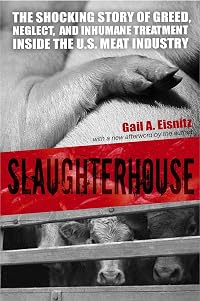
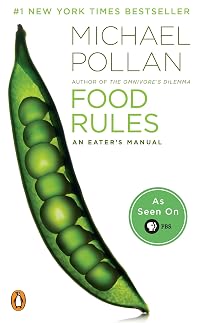
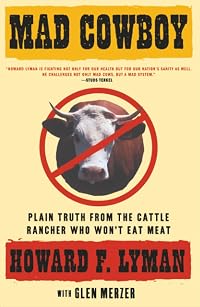




Member Recommendations
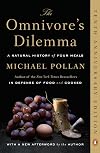
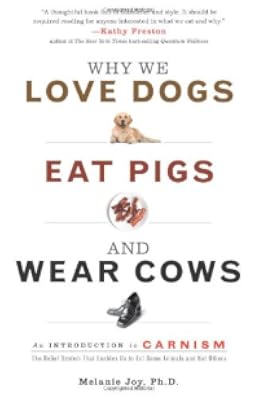
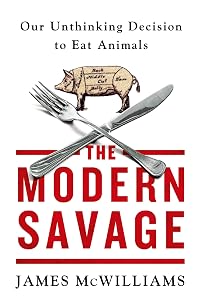
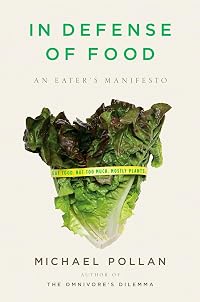
crazybatcow Very similar perspective, though Pollan focuses more on the "process" of getting "food" to the table.
20
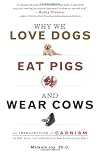
Sovranty Eat or don't eat animals. Just realize it's a choice either way and that your choice has a significant impact on the industry, community and animals.


by anonymous user
Member Reviews
When I was just getting into this book, I was prepared to write a five-star review and praise it as required reading for all Americans—not because I think everyone should become vegetarian but because I think people who choose to eat meat should do so only after having faced all of the facts regarding factory farm meat production. And I still think it's a valuable read. Even though I have already read a lot of books (and watched documentaries) addressing animal welfare in our present factory food system, I learned a lot from this book. The biggest eye-opener for me was fish and seafood, which was always my option at restaurants that didn't serve any non-factory farmed meat or vegetarian fare.
But while JSF does a great job exposing the show more many faults (to put it lightly) of factory farming and even the fewer-but-still-present failings of smaller scale farming that takes into account animal welfare (that is, those farms that usually get my dollars when I do buy meat), this book is an incredible missed opportunity when it comes to considering people who choose to exercise greater control over where their meat comes from by raising their own animals and/or through hunting. He dismisses hunting midway through the book in a single sentence, saying that it makes no sense to argue that taking an animal's life with your own hands is a more ethical practice than paying someone to do it for you, but later on, he spends a great deal of time detailing the inhumane practices of animal slaughter, which generally applies even to animals raised on ethical farms by the most well-intentioned farmers. How is hunting (or raising and slaughtering your own chickens, for example) not relevant to this discussion?
JSF's arguments against eating meat are very urban-centric. He lives in NYC, and I'd agree that it makes a lot less sense for people in large urban areas to eat meat. It's also easier for someone to be vegetarian or vegan in a big city. He acknowledges the difference between developed and developing nations and gives the latter a pass on wanting to include meat in their diets as a supplement or safeguard against failing crops, but he fails to understand that Americans living in rural areas live very different lives than he does. I don't mean to imply that rural folk don't often support factory farming—or that they should be given a "pass" when it comes to propping up factory farm systems with their dollars. But when you are surrounded by land, you have more options (including sustainable options), and it doesn't seem like JSF even tried to consider these.
It's a shame that he didn't look into this aspect of eating animals because this book is an otherwise important read. But the omission undermines his credibility and the power of his arguments. Still, I'm glad I read this book because it completely upended the way I think about eating fish and seafood (again, not including fish obtained by traditional methods, which are not discussed at all in Eating Animals) and because it cleared up a lot of misconceptions I had about just how much better my pasture-raised meat is than factory farms. (It is a lot better, but it still has a long way to go for it to actually be what I would consider ethical.) show less
But while JSF does a great job exposing the show more many faults (to put it lightly) of factory farming and even the fewer-but-still-present failings of smaller scale farming that takes into account animal welfare (that is, those farms that usually get my dollars when I do buy meat), this book is an incredible missed opportunity when it comes to considering people who choose to exercise greater control over where their meat comes from by raising their own animals and/or through hunting. He dismisses hunting midway through the book in a single sentence, saying that it makes no sense to argue that taking an animal's life with your own hands is a more ethical practice than paying someone to do it for you, but later on, he spends a great deal of time detailing the inhumane practices of animal slaughter, which generally applies even to animals raised on ethical farms by the most well-intentioned farmers. How is hunting (or raising and slaughtering your own chickens, for example) not relevant to this discussion?
JSF's arguments against eating meat are very urban-centric. He lives in NYC, and I'd agree that it makes a lot less sense for people in large urban areas to eat meat. It's also easier for someone to be vegetarian or vegan in a big city. He acknowledges the difference between developed and developing nations and gives the latter a pass on wanting to include meat in their diets as a supplement or safeguard against failing crops, but he fails to understand that Americans living in rural areas live very different lives than he does. I don't mean to imply that rural folk don't often support factory farming—or that they should be given a "pass" when it comes to propping up factory farm systems with their dollars. But when you are surrounded by land, you have more options (including sustainable options), and it doesn't seem like JSF even tried to consider these.
It's a shame that he didn't look into this aspect of eating animals because this book is an otherwise important read. But the omission undermines his credibility and the power of his arguments. Still, I'm glad I read this book because it completely upended the way I think about eating fish and seafood (again, not including fish obtained by traditional methods, which are not discussed at all in Eating Animals) and because it cleared up a lot of misconceptions I had about just how much better my pasture-raised meat is than factory farms. (It is a lot better, but it still has a long way to go for it to actually be what I would consider ethical.) show less
Two years ago, Eating Animals made me vegan. For a while. Foer's unaggressive narrative captured my attention at first, when the book opened questioning the necessity meat-related taboos. Foer seemed to leave me with a freedom to make my own choices, once I was provided the information in his book. As I got through the pages of this book, I became increasingly grossed out with animals products, however. This, surely, resulted from his descriptions of animal suffering, but augmented with the philosophical and economic context of it.
Foer's personal research (I think he traveled to industrial production facilities to check out food production in person) was particularly vivid. One phrase I still remember, two years after reading it: show more "Although one can realistically expect that at least some percentage of cows and pigs are slaughtered with speed and care, no fish gets a good death. Not a single one. You never have to wonder if the fish on your plate had to suffer. It did."
Now, two years removed from reading this life-changing book, my perception of eating animal products is still morphing. Suffering isn't the biggest question I struggle with these days, but, rather, whether or not I can reduce my contribution to the economy's demand for industrial animal production.
This book won't scream at you in an effort to "convert" you to the vegan church. I encourage any thinking individual to pick this up for a quick dip into reality. show less
Foer's personal research (I think he traveled to industrial production facilities to check out food production in person) was particularly vivid. One phrase I still remember, two years after reading it: show more "Although one can realistically expect that at least some percentage of cows and pigs are slaughtered with speed and care, no fish gets a good death. Not a single one. You never have to wonder if the fish on your plate had to suffer. It did."
Now, two years removed from reading this life-changing book, my perception of eating animal products is still morphing. Suffering isn't the biggest question I struggle with these days, but, rather, whether or not I can reduce my contribution to the economy's demand for industrial animal production.
This book won't scream at you in an effort to "convert" you to the vegan church. I encourage any thinking individual to pick this up for a quick dip into reality. show less
Best for: Anyone looking for both a philosophical and a reality-based discussion about the decision to consume meat.
In a nutshell: When he realizes he is going to be a father, Mr. Foer decides to examine the food he eats and the morality of it.
Worth quoting:
I underlined and starred so many lines that I could put here, but I think this one sums the entire question up for
“Whether we’re talking about fish species, pigs, or some other eaten animal, is such suffering the most important thing in the world? Obviously not. But that’s not the question. Is it more important than sushi, bacon, or chicken nuggets? That’s the question.”
Why I chose it:
I’ve been vegetarian (and even vegan) at a few points in my life. I pretty much never show more cook meat at home. Lately I’ve been wondering if I can justify my decision to even intermittently eat meat, so when I saw this book at Shakespeare and Co in Paris, I decided it was time to jump in again.
Review:
What does it mean to choose to consume meat in the US (or UK) these days? What has it meant for the last 50 years? Realistically, unless you are raising your own meat or purchasing it from one of an infinitesimally small number of family farmers, your meat is coming from a factory farm. And even if you do purchase it from a ‘humane’ farmer, that animal is still being killed in an unimaginably cruel slaughterhouse. We know this, and yet we (unless the person reading this is vegetarian or vegan) still consume meat. And eggs. And dairy.
Why? This book explores the reasons we give, in beautifully written prose. Seriously, I’ve read many a book in my day about vegetarianism and veganism, but none have affected me in this way. They all have some variation on the same statistics, the same horror stories. The same glimpses into slaughterhouses, the same reminder that the workers in these facilities are often paid poorly and treated horribly. They tell us how pigs are much more like dogs than we’d probably feel comfortable knowing as we bite into our BLTs. How fish are much more intelligent than we’d probably imagined, and how both farmed and wild-caught seafood are just utterly horrible for the environment. How ALL of this factory farming — on land and sea — is destroy our world.
The book doesn’t provide an easy out, and I love that. Mr. Foer opens and closes his book with anecdotes about family meals. He describes the best (and only) meal his grandmother — a holocaust survivor — makes: chicken with carrots. He recognizes, and explores deeply, how food matters to us all culturally. How so many of our memories involve meals. And he asks if that is enough to justify consuming meat? What about if we are 100% certain that the meat was raised humanely (which is nearly impossibly to do)?
I’ve gone back and forth on this. I’ve read many an article about how pushing a vegetarian — or vegan — life on everyone can be culturally and economically insensitive. When vegetarians and vegans point out how poorly factory farm (e.g. all farm) animals are treated, they’re often responded to with the fact that people who pick our fruits and vegetables are treated poorly, so why don’t we care about them. Which is a completely insincere comment, given the shit labor standards that cover slaughterhouse workers.
Here’s where I’ve landed, once again, and after reading this book: I cannot justify consuming meat. Me. A woman with no medical issues, who has access to sufficient money and time to prepare an all-vegetarian diet. I do care about the welfare of animals. And I do care about their rights. I care about the environment. I care about public health (side note: Mr. Foer’s section on antibiotics and flu pandemics is one area that other similar books don’t cover nearly enough). And by choosing to not eat meat, I can be closer to living my values. I just had become complacent, and this book helped push me back on the right path.
As I write this review, my cat Tigger keeps jumping in my lap. My partner and I adopted him and his brother Jameson 6 1/2 years ago. They’re our buddies, our friends. We love them dearly, and even brought them with us when we moved to London. I can’t imagine life without them, and I certainly can’t imagine eating them. So how can I justify eating their animal friends? And why do I keep trying to? Because burgers are tasty? Sure. But, as Mr. Foer asks, is that taste more important than the life of another animal? Of course, this raises the question of how to feed them humanely. Cats are obligate carnivores, so chances are that the meat I need to feed them was procured in an inhumane fashion. I don’t know how to square that circle, but I’m going to try. show less
In a nutshell: When he realizes he is going to be a father, Mr. Foer decides to examine the food he eats and the morality of it.
Worth quoting:
I underlined and starred so many lines that I could put here, but I think this one sums the entire question up for
“Whether we’re talking about fish species, pigs, or some other eaten animal, is such suffering the most important thing in the world? Obviously not. But that’s not the question. Is it more important than sushi, bacon, or chicken nuggets? That’s the question.”
Why I chose it:
I’ve been vegetarian (and even vegan) at a few points in my life. I pretty much never show more cook meat at home. Lately I’ve been wondering if I can justify my decision to even intermittently eat meat, so when I saw this book at Shakespeare and Co in Paris, I decided it was time to jump in again.
Review:
What does it mean to choose to consume meat in the US (or UK) these days? What has it meant for the last 50 years? Realistically, unless you are raising your own meat or purchasing it from one of an infinitesimally small number of family farmers, your meat is coming from a factory farm. And even if you do purchase it from a ‘humane’ farmer, that animal is still being killed in an unimaginably cruel slaughterhouse. We know this, and yet we (unless the person reading this is vegetarian or vegan) still consume meat. And eggs. And dairy.
Why? This book explores the reasons we give, in beautifully written prose. Seriously, I’ve read many a book in my day about vegetarianism and veganism, but none have affected me in this way. They all have some variation on the same statistics, the same horror stories. The same glimpses into slaughterhouses, the same reminder that the workers in these facilities are often paid poorly and treated horribly. They tell us how pigs are much more like dogs than we’d probably feel comfortable knowing as we bite into our BLTs. How fish are much more intelligent than we’d probably imagined, and how both farmed and wild-caught seafood are just utterly horrible for the environment. How ALL of this factory farming — on land and sea — is destroy our world.
The book doesn’t provide an easy out, and I love that. Mr. Foer opens and closes his book with anecdotes about family meals. He describes the best (and only) meal his grandmother — a holocaust survivor — makes: chicken with carrots. He recognizes, and explores deeply, how food matters to us all culturally. How so many of our memories involve meals. And he asks if that is enough to justify consuming meat? What about if we are 100% certain that the meat was raised humanely (which is nearly impossibly to do)?
I’ve gone back and forth on this. I’ve read many an article about how pushing a vegetarian — or vegan — life on everyone can be culturally and economically insensitive. When vegetarians and vegans point out how poorly factory farm (e.g. all farm) animals are treated, they’re often responded to with the fact that people who pick our fruits and vegetables are treated poorly, so why don’t we care about them. Which is a completely insincere comment, given the shit labor standards that cover slaughterhouse workers.
Here’s where I’ve landed, once again, and after reading this book: I cannot justify consuming meat. Me. A woman with no medical issues, who has access to sufficient money and time to prepare an all-vegetarian diet. I do care about the welfare of animals. And I do care about their rights. I care about the environment. I care about public health (side note: Mr. Foer’s section on antibiotics and flu pandemics is one area that other similar books don’t cover nearly enough). And by choosing to not eat meat, I can be closer to living my values. I just had become complacent, and this book helped push me back on the right path.
As I write this review, my cat Tigger keeps jumping in my lap. My partner and I adopted him and his brother Jameson 6 1/2 years ago. They’re our buddies, our friends. We love them dearly, and even brought them with us when we moved to London. I can’t imagine life without them, and I certainly can’t imagine eating them. So how can I justify eating their animal friends? And why do I keep trying to? Because burgers are tasty? Sure. But, as Mr. Foer asks, is that taste more important than the life of another animal? Of course, this raises the question of how to feed them humanely. Cats are obligate carnivores, so chances are that the meat I need to feed them was procured in an inhumane fashion. I don’t know how to square that circle, but I’m going to try. show less
Here's what I don't understand: why was Michael Pollan's The Omnivore's Dilemma all over the place but I never even heard of this one until I accidentally saw it in the cookbook section of my library? It could be because I don't keep up with The New Yorker's book reviews, because they apparently loved it. But there was a period of time when I couldn't turn on the radio without hearing Michael Pollan's voice, and yet Eating Animals didn't even show up on my radar.
Maybe it's because Pollan's message is more palatable. He tells us that it's okay to eat meat as long as we make ethical choices around how we eat it. Safran Foer offers no such comfort.
For seven years, I was a lacto-ovo vegetarian who occasionally ate fish. I began to eat show more poultry when I became pregnant with my daughter and found my bread-and-cheese diet insufficient to meet my nutritional needs. Several months after I gave birth, I was about to go back to a vegetarian diet when I discovered that my daughter and I both had food sensitivities that ruled out so many foods in our diet that I couldn't bring myself to eliminate meat as well. At that time, I ate only poultry, fish, and vegetables, but when I became pregnant with my son, my cravings for red meat became overwhelming, and I began eating beef as well.
When purchasing meat, I always tried to buy from ethical, non-factory sources. I bought local grass-fed beef, local pastured pork, and local eggs from "galavanting chickens," as the labels on the egg cartons said. I knew the farmers personally, picking up pork and beef from the farmer and his family when the meat CSA shares came in, and passing the time with the poultry farmer when she dropped off eggs every week for me to sell from my porch. I got my Thanksgiving turkeys from my egg supplier, which brought awareness to the difficulties of finding slaughterhouses for small farmers. I carried a Monterey Bay Aquarium Seafood Watch card in my wallet to help me make sustainable seafood choices.
But when preferred sources weren't available---like when the farmer's heirloom turkeys were all preemptively slaughtered by raccoons a few weeks before Thanksgiving---rather than go without meat, I would buy from the most ethical source available, even if that source wasn't ethical at all (i.e., was a factory farm). After we moved cross-country, I was unable to find small, local farmers to supply our meat, so I just bought it from the grocery store (Whole Foods, mostly, but a national chain grocery store nonetheless).
I was already swinging back towards a more vegetarian diet before I read Safran Foer's book (the result of talking with an ethical-vegan friend while engaged in an eight-week meditation program which had reawakened my desire to consume foods from less violent sources), but I think Eating Animals has pushed me over the edge into---*shudder*---veganism.
Safran Foer tackles the ethics of eating animals from many different angles. He points out the environmental costs (e.g., polluted water sources) and human health costs (e.g., antibiotic resistance) of factory farming, along with the workers' rights violations endemic in the industry, its calculated contribution to the demise of the family farm, and, of course, the extreme and widespread animal cruelty.
I admit: sometimes he almost pushed me too far on the animal cruelty side of things. There's a point at which I'm reading yet another account of cruelty---cattle hung by their back legs and skinned while still conscious, male chicks of egg-laying hens being funneled into what is essentially a wood chipper because they are unnecessary byproducts of the egg-laying process---that I say, "Enough." There is a point at which, instead of becoming too much to ignore, the cruelty becomes too much to pay attention to. I wanted to put the book down and go eat some bacon. And when he drew back the curtain on egg production and commercial fishing techniques, I had a moment of fear as I wondered what on earth I was going to eat.
But luckily this wasn't the whole of the book. His starting place is with facts, but he argues that the decision of what to eat is one based in relationships, culture, and compassion. This resonates with me because it's not denial of the facts that keeps me from eating a plant-based diet, it's fear of alienation from the people I care about. Safran Foer spoke to the social discomforts of choosing to eat differently than the mainstream. The section on what to have for Thanksgiving dinner was particularly poignant to me, as Thanksgiving was a sticking point for me every one of my seven years of vegetarianism. Saying, "no, thanks," to a serving of turkey was saying, "no, thanks," to a shared experience, a tradition of culture and family that draws loved ones together. To refuse to take part is to refuse to be a part. Safran Foer offers a different take on this, suggesting that hosting a vegetarian Thanksgiving can be the opener for discussions about compassion and can actually help us to be even more aware of the purpose of the holiday. I found this comforting until I imagined telling my kids we wouldn't be having turkey for Thanksgiving. They're not that old (only seven and three), but that tradition is already ingrained in them. A vegetarian Thanksgiving wouldn't be popular with them, but it wouldn't fly at all with most of our other relatives (but then, we've not shared a Thanksgiving with our extended family for eons, so this probably won't be a very big problem).
Safran Foer recognizes the discomfort of talking about one's food choices at the same time that he asserts the importance of doing just that. In the midst of reading this book, some friends offered me spring rolls with shrimp in them. All I could think was "26 pounds of by-catch for every one pound of shrimp," a stat that had shocked me from the book. I asked myself two questions: do I eat the shrimp? and, if not, do I tell them why I won't? I couldn't bring myself to eat the shrimp, but neither could I bring myself to say the reason out loud. "No thank you," I said. "I ate before I left my house."
The personal reflections Safran Foer offers hit much closer to home than those in most of the books on American food production that I've read (The Omnivore's Dilemma and Fast Food Nation are the titles that are most prominent in my memory). The only other book that struck me so personally was Barbara Kingsolver's Animal, Vegetable, Miracle, which is where I first learned that commercial turkeys are unable to reproduce without human assistance. The similarity between these two books is that they were both written by novelists, people who make a living conveying and eliciting emotion via the written word. It's not surprising that their books had this effect on me, but it was still rather delightful anyway. I felt understood, which is always nice when standing on the brink of a socially awkward lifestyle change.
So, now that Safran Foer has practically guaranteed that my father-in-law is going to make fun of me next time we eat together and raised the thorny issue of what to do about feeding my own milk-drinking, bacon-loving children, I'm not entirely sure where to go from here. I never wanted to be vegan because the majority of my experience with vegans was with the shrill, all-or-nothing ideology of the PETA-vegans on my college campus. I did not want to associate myself with that level of fanaticism, nor did I want to make every social outing that involved food into a rant about animal cruelty. I have enough trouble with social interactions as it is. But, as Safran Foer writes, now that I know, I don't think I can go back to the way I ate before without some heroic act of self-deception.
Safran Foer recognizes in his book the strong emotions surrounding food choices and the defensiveness with which people respond when confronted with someone who chooses to eat differently than they do, but he stops short of telling us how to bridge the gap and maintain connection from our perch atop the moral high ground. With any luck, he'll write a follow-up book that focuses only on how to be an ethical vegan and still nurture one's relationships.
In the meantime, I'll keep eating before I leave my house. show less
Maybe it's because Pollan's message is more palatable. He tells us that it's okay to eat meat as long as we make ethical choices around how we eat it. Safran Foer offers no such comfort.
For seven years, I was a lacto-ovo vegetarian who occasionally ate fish. I began to eat show more poultry when I became pregnant with my daughter and found my bread-and-cheese diet insufficient to meet my nutritional needs. Several months after I gave birth, I was about to go back to a vegetarian diet when I discovered that my daughter and I both had food sensitivities that ruled out so many foods in our diet that I couldn't bring myself to eliminate meat as well. At that time, I ate only poultry, fish, and vegetables, but when I became pregnant with my son, my cravings for red meat became overwhelming, and I began eating beef as well.
When purchasing meat, I always tried to buy from ethical, non-factory sources. I bought local grass-fed beef, local pastured pork, and local eggs from "galavanting chickens," as the labels on the egg cartons said. I knew the farmers personally, picking up pork and beef from the farmer and his family when the meat CSA shares came in, and passing the time with the poultry farmer when she dropped off eggs every week for me to sell from my porch. I got my Thanksgiving turkeys from my egg supplier, which brought awareness to the difficulties of finding slaughterhouses for small farmers. I carried a Monterey Bay Aquarium Seafood Watch card in my wallet to help me make sustainable seafood choices.
But when preferred sources weren't available---like when the farmer's heirloom turkeys were all preemptively slaughtered by raccoons a few weeks before Thanksgiving---rather than go without meat, I would buy from the most ethical source available, even if that source wasn't ethical at all (i.e., was a factory farm). After we moved cross-country, I was unable to find small, local farmers to supply our meat, so I just bought it from the grocery store (Whole Foods, mostly, but a national chain grocery store nonetheless).
I was already swinging back towards a more vegetarian diet before I read Safran Foer's book (the result of talking with an ethical-vegan friend while engaged in an eight-week meditation program which had reawakened my desire to consume foods from less violent sources), but I think Eating Animals has pushed me over the edge into---*shudder*---veganism.
Safran Foer tackles the ethics of eating animals from many different angles. He points out the environmental costs (e.g., polluted water sources) and human health costs (e.g., antibiotic resistance) of factory farming, along with the workers' rights violations endemic in the industry, its calculated contribution to the demise of the family farm, and, of course, the extreme and widespread animal cruelty.
I admit: sometimes he almost pushed me too far on the animal cruelty side of things. There's a point at which I'm reading yet another account of cruelty---cattle hung by their back legs and skinned while still conscious, male chicks of egg-laying hens being funneled into what is essentially a wood chipper because they are unnecessary byproducts of the egg-laying process---that I say, "Enough." There is a point at which, instead of becoming too much to ignore, the cruelty becomes too much to pay attention to. I wanted to put the book down and go eat some bacon. And when he drew back the curtain on egg production and commercial fishing techniques, I had a moment of fear as I wondered what on earth I was going to eat.
But luckily this wasn't the whole of the book. His starting place is with facts, but he argues that the decision of what to eat is one based in relationships, culture, and compassion. This resonates with me because it's not denial of the facts that keeps me from eating a plant-based diet, it's fear of alienation from the people I care about. Safran Foer spoke to the social discomforts of choosing to eat differently than the mainstream. The section on what to have for Thanksgiving dinner was particularly poignant to me, as Thanksgiving was a sticking point for me every one of my seven years of vegetarianism. Saying, "no, thanks," to a serving of turkey was saying, "no, thanks," to a shared experience, a tradition of culture and family that draws loved ones together. To refuse to take part is to refuse to be a part. Safran Foer offers a different take on this, suggesting that hosting a vegetarian Thanksgiving can be the opener for discussions about compassion and can actually help us to be even more aware of the purpose of the holiday. I found this comforting until I imagined telling my kids we wouldn't be having turkey for Thanksgiving. They're not that old (only seven and three), but that tradition is already ingrained in them. A vegetarian Thanksgiving wouldn't be popular with them, but it wouldn't fly at all with most of our other relatives (but then, we've not shared a Thanksgiving with our extended family for eons, so this probably won't be a very big problem).
Safran Foer recognizes the discomfort of talking about one's food choices at the same time that he asserts the importance of doing just that. In the midst of reading this book, some friends offered me spring rolls with shrimp in them. All I could think was "26 pounds of by-catch for every one pound of shrimp," a stat that had shocked me from the book. I asked myself two questions: do I eat the shrimp? and, if not, do I tell them why I won't? I couldn't bring myself to eat the shrimp, but neither could I bring myself to say the reason out loud. "No thank you," I said. "I ate before I left my house."
The personal reflections Safran Foer offers hit much closer to home than those in most of the books on American food production that I've read (The Omnivore's Dilemma and Fast Food Nation are the titles that are most prominent in my memory). The only other book that struck me so personally was Barbara Kingsolver's Animal, Vegetable, Miracle, which is where I first learned that commercial turkeys are unable to reproduce without human assistance. The similarity between these two books is that they were both written by novelists, people who make a living conveying and eliciting emotion via the written word. It's not surprising that their books had this effect on me, but it was still rather delightful anyway. I felt understood, which is always nice when standing on the brink of a socially awkward lifestyle change.
So, now that Safran Foer has practically guaranteed that my father-in-law is going to make fun of me next time we eat together and raised the thorny issue of what to do about feeding my own milk-drinking, bacon-loving children, I'm not entirely sure where to go from here. I never wanted to be vegan because the majority of my experience with vegans was with the shrill, all-or-nothing ideology of the PETA-vegans on my college campus. I did not want to associate myself with that level of fanaticism, nor did I want to make every social outing that involved food into a rant about animal cruelty. I have enough trouble with social interactions as it is. But, as Safran Foer writes, now that I know, I don't think I can go back to the way I ate before without some heroic act of self-deception.
Safran Foer recognizes in his book the strong emotions surrounding food choices and the defensiveness with which people respond when confronted with someone who chooses to eat differently than they do, but he stops short of telling us how to bridge the gap and maintain connection from our perch atop the moral high ground. With any luck, he'll write a follow-up book that focuses only on how to be an ethical vegan and still nurture one's relationships.
In the meantime, I'll keep eating before I leave my house. show less
"If nothing matters, there's nothing to save" - Jonathan Safran Foer's grandmother...
Wow, this book is such an important book. Throughout my whole copy of this book are notes, comments, highlights, teardrops, and folded corners. I absolutely will hold this book near and dear and give many thanks to [a:Jonathan Safran Foer|2617|Jonathan Safran Foer|https://images.gr-assets.com/authors/1466172069p2/2617.jpg] for creating such a book. This book is a window to information, not an attack against meat-eaters, it is, however, an attack on factory farming - which should be shut down completely because it is dirty, disgusting, and cruel.
This book is not explicitly dedicated to making someone vegetarian/vegan. It is a book full of facts and the curiosity that Foer (and perhaps many of us) had about agriculture. This book is impressive because he tries on everyone's shoes, which is usually not the case when trying to argue 'sides.' Foer talked to cattle ranchers, turkey farmers, PETA, etc.. there are stories from all sides in this book. It is full of information, and that is perfect, I learned so much from this book (specifically that I never want to eat a poor pig or salmon again - but that's okay with me.)
There were a few times I had to put this book down, not because the content wasn't interesting but because the content was examples of some of the horrors that happen in factory farming or slaughterhouses. Sometimes this book is not for the faint of heart (I am the faint of heart...), but I care about this information, so I pushed through and could not even fathom some of the things people can do. Not only that but slaughterhouses and factory farms are gross.. the way they do things is not healthy for A N Y O N E, especially you and me. most animals are pulled through a lot of blood and feces before being "rinsed off" & packaged. Lots of bacteria and disease. I can say the content is worth it. I cried happy tears for a turkey farmer and sad ones for a vegetarian. This book is just a book of information and a Foer brother trying to understand. show less
Wow, this book is such an important book. Throughout my whole copy of this book are notes, comments, highlights, teardrops, and folded corners. I absolutely will hold this book near and dear and give many thanks to [a:Jonathan Safran Foer|2617|Jonathan Safran Foer|https://images.gr-assets.com/authors/1466172069p2/2617.jpg] for creating such a book. This book is a window to information, not an attack against meat-eaters, it is, however, an attack on factory farming - which should be shut down completely because it is dirty, disgusting, and cruel.
"ranchers can be vegetarians, vegans can build slaughterhouses, and I can be a vegetarian who supports theshow more
best of animal agriculture."
This book is not explicitly dedicated to making someone vegetarian/vegan. It is a book full of facts and the curiosity that Foer (and perhaps many of us) had about agriculture. This book is impressive because he tries on everyone's shoes, which is usually not the case when trying to argue 'sides.' Foer talked to cattle ranchers, turkey farmers, PETA, etc.. there are stories from all sides in this book. It is full of information, and that is perfect, I learned so much from this book (specifically that I never want to eat a poor pig or salmon again - but that's okay with me.)
"Where should I respectfully disagree with someone and where, for the sake of deeper values, should I take a stand and ask others to stand with me? Where do agreed-upon facts leave room for reasonable people to disagree, and where do they demand we all act? I've not insisted that meat-eating is always wrong for everyone or that the meat industry is irredeemable despite its present sorry state. What positions on eating animals would I insist are basic to moral decency?"
There were a few times I had to put this book down, not because the content wasn't interesting but because the content was examples of some of the horrors that happen in factory farming or slaughterhouses. Sometimes this book is not for the faint of heart (I am the faint of heart...), but I care about this information, so I pushed through and could not even fathom some of the things people can do. Not only that but slaughterhouses and factory farms are gross.. the way they do things is not healthy for A N Y O N E, especially you and me. most animals are pulled through a lot of blood and feces before being "rinsed off" & packaged. Lots of bacteria and disease. I can say the content is worth it. I cried happy tears for a turkey farmer and sad ones for a vegetarian. This book is just a book of information and a Foer brother trying to understand. show less
If you’re squeamish, don’t read this book. In fact, if you’re squeamish, don’t read this review. “Eating Animals” is a powerful, moving book about the food industry and what’s being done behind the scenes to produce the menu options that most of us have grown accustomed to and enjoy. There were times while reading it that a shock traveled through my body, and not because of the hair-raising anecdotes of cruelty to animals per se, but because I realized that I’ve been tacitly supporting the industry though my choices all my life.
I won’t describe all of the nastiness. I will describe what I think of each time I now consider eating animal protein:
- Fish. Salmon farmed in the equivalent of a bathtub full of water so foul show more and infested with sea lice that open lesions down to the bones on the fish’s face are common.
- Shrimp. Trawling killing 26 pounds of other sea animals, which are then tossed back into the ocean, for every 1 pound of shrimp caught.
- Chicken. The rows and rows of cages smaller than a sheet of printer paper piled on top of each other in giant windowless warehouses. Male “layer” chicks being destroyed as worthless in a macerator likened to a wood chipper filled with chicks. The U.S. poultry industry employing water-chilling in order to increase the chicken’s weight, water which some describe as “fecal soup” for all the filth and bacteria floating around.
- Turkey. The genetic engineering to maximize meat rendering the modern turkey incapable of reproducing without artificial insemination, walking normally, jumping, or flying.
- Pork. The sadism on the killing floor, incidents happening routinely which are too gruesome to repeat. Runt piglets disposed of by bashing them headfirst on the concrete floor.
- Beef. Cows oftentimes going through the slaughtering process alive: bled, skinned, and dismembered while fully conscious.
I also found these points more than sobering:
- The labels “free-range”, “cage-free”, and “organic” meaning essentially zero to all of the above.
- For every 10 tuna, sharks, and other large predatory fish that were in our oceans 50-100 years ago, only one is left.
- Animal agriculture makes a 40% greater contribution to global warming than all transportation in the world combined.
- An average slaughterhouse worker receiving low pay to kill as many as 2,050 cattle per shift; the desensitization and anger following naturally.
- The lake-sized shit lagoons (literally: as large as 120,00 sq ft, and 30 ft deep), completely unregulated. An interesting anecdote is included about a worker overcome by the stench, falling in and drowning – and then three relatives all diving in one after the other in the attempt to rescue the previous person, all dying.
The book essentially debunks the argument that today’s farmers are doing an amazing job to feed the world, which I’ve always bought. In fact, there are very few “farmers” left; they have been replaced by corporations, who often do cruel and unusual things in order to maximize the bottom line.
What brings the book down a bit is Foer’s writing. It’s amateurish. He has an annoying habit of asking question after question in the apparent belief they are thought-provoking, and worse yet, he cannot help himself from stating his own beliefs in addition to just laying out the facts. Foer does not exercise any restraint in a story that begs him to do so, as the reader is more than capable of drawing his or her own conclusions.
There are countless examples of this that I disliked; comments such as “It’s probably even wrong to sit silently with friends eating factory-farmed pork, however difficult it can be to say something.” Ch. 6 in the section “Slices of Paradise / Pieces of Shit” was complete shlop and I cannot believe it wasn’t omitted entirely during editing; the section ends with nine nearly consecutive questions, e.g. “But how far am I willing to push my own decisions and my own views about the best alternative animal agriculture?” (who cares!) I found the best parts to be those where Foer simply stated the truth, and those where frankly he got the hell out of the way and let various people he had met in researching the book speak in their own words.
However, with that said, the book remains a good read. Five stars certainly for the power of the message, two stars for the writing … and in aggregate I round up to four stars because the message is in the end so memorable, and may just change your life.
Quotes:
From someone who sneaks into factory farms to assist dying animals:
“Why is taste, the crudest of our senses, exempted from the ethical rules that govern our other senses?”
From Frank Reese, the “last poultry farmer”:’
“What the industry figured out – and this was the real revolution – is that you don’t need healthy animals to make a profit. Sick animals are more profitable. The animals have paid the price for our desire to have everything available at all times for very little money.”
And:
“We’re messing with the genes of these animals and then feeding them growth hormones and all kinds of drugs that we really don’t know enough about. And then we’re eating them. Kids today are the first generation to grow up on this stuff, and we’re making a science experiment out of them. Isn’t it strange how upset people get about a few dozen baseball players taking growth hormones, when we’re doing what we’re doing to our food animals and feeding them to our children?”
From Nicolette Niman, the vegetarian farmer:
“We’re awakening to the irony of seeking out shampoo that’s not tested on animals while at the same time (and many times a day) buying meat that’s produced in profoundly cruel systems.”
And:
“Does anyone really doubt that the corporations that control the vast majority of animal agriculture in America are in it for the profit? In most industries, that’s a perfectly good driving force. But when the commodities are animals, the factories are the earth itself, and the products are physically consumed, the stakes are not the same, and the thinking can’t be the same.” show less
I won’t describe all of the nastiness. I will describe what I think of each time I now consider eating animal protein:
- Fish. Salmon farmed in the equivalent of a bathtub full of water so foul show more and infested with sea lice that open lesions down to the bones on the fish’s face are common.
- Shrimp. Trawling killing 26 pounds of other sea animals, which are then tossed back into the ocean, for every 1 pound of shrimp caught.
- Chicken. The rows and rows of cages smaller than a sheet of printer paper piled on top of each other in giant windowless warehouses. Male “layer” chicks being destroyed as worthless in a macerator likened to a wood chipper filled with chicks. The U.S. poultry industry employing water-chilling in order to increase the chicken’s weight, water which some describe as “fecal soup” for all the filth and bacteria floating around.
- Turkey. The genetic engineering to maximize meat rendering the modern turkey incapable of reproducing without artificial insemination, walking normally, jumping, or flying.
- Pork. The sadism on the killing floor, incidents happening routinely which are too gruesome to repeat. Runt piglets disposed of by bashing them headfirst on the concrete floor.
- Beef. Cows oftentimes going through the slaughtering process alive: bled, skinned, and dismembered while fully conscious.
I also found these points more than sobering:
- The labels “free-range”, “cage-free”, and “organic” meaning essentially zero to all of the above.
- For every 10 tuna, sharks, and other large predatory fish that were in our oceans 50-100 years ago, only one is left.
- Animal agriculture makes a 40% greater contribution to global warming than all transportation in the world combined.
- An average slaughterhouse worker receiving low pay to kill as many as 2,050 cattle per shift; the desensitization and anger following naturally.
- The lake-sized shit lagoons (literally: as large as 120,00 sq ft, and 30 ft deep), completely unregulated. An interesting anecdote is included about a worker overcome by the stench, falling in and drowning – and then three relatives all diving in one after the other in the attempt to rescue the previous person, all dying.
The book essentially debunks the argument that today’s farmers are doing an amazing job to feed the world, which I’ve always bought. In fact, there are very few “farmers” left; they have been replaced by corporations, who often do cruel and unusual things in order to maximize the bottom line.
What brings the book down a bit is Foer’s writing. It’s amateurish. He has an annoying habit of asking question after question in the apparent belief they are thought-provoking, and worse yet, he cannot help himself from stating his own beliefs in addition to just laying out the facts. Foer does not exercise any restraint in a story that begs him to do so, as the reader is more than capable of drawing his or her own conclusions.
There are countless examples of this that I disliked; comments such as “It’s probably even wrong to sit silently with friends eating factory-farmed pork, however difficult it can be to say something.” Ch. 6 in the section “Slices of Paradise / Pieces of Shit” was complete shlop and I cannot believe it wasn’t omitted entirely during editing; the section ends with nine nearly consecutive questions, e.g. “But how far am I willing to push my own decisions and my own views about the best alternative animal agriculture?” (who cares!) I found the best parts to be those where Foer simply stated the truth, and those where frankly he got the hell out of the way and let various people he had met in researching the book speak in their own words.
However, with that said, the book remains a good read. Five stars certainly for the power of the message, two stars for the writing … and in aggregate I round up to four stars because the message is in the end so memorable, and may just change your life.
Quotes:
From someone who sneaks into factory farms to assist dying animals:
“Why is taste, the crudest of our senses, exempted from the ethical rules that govern our other senses?”
From Frank Reese, the “last poultry farmer”:’
“What the industry figured out – and this was the real revolution – is that you don’t need healthy animals to make a profit. Sick animals are more profitable. The animals have paid the price for our desire to have everything available at all times for very little money.”
And:
“We’re messing with the genes of these animals and then feeding them growth hormones and all kinds of drugs that we really don’t know enough about. And then we’re eating them. Kids today are the first generation to grow up on this stuff, and we’re making a science experiment out of them. Isn’t it strange how upset people get about a few dozen baseball players taking growth hormones, when we’re doing what we’re doing to our food animals and feeding them to our children?”
From Nicolette Niman, the vegetarian farmer:
“We’re awakening to the irony of seeking out shampoo that’s not tested on animals while at the same time (and many times a day) buying meat that’s produced in profoundly cruel systems.”
And:
“Does anyone really doubt that the corporations that control the vast majority of animal agriculture in America are in it for the profit? In most industries, that’s a perfectly good driving force. But when the commodities are animals, the factories are the earth itself, and the products are physically consumed, the stakes are not the same, and the thinking can’t be the same.” show less
recommended for: everybody 16+; anyone who’s in a position to decide for themselves what to consume
I was torn how to rate this book. It isn’t perfect (I noted many flaws in its comprehensiveness) but it’s amazing enough, so 5 stars it is.
I’ve read so many books such as this but none for a while, and it’s because reading about how humans use animals is so devastating for me. It’s not just the books’ contents, it’s knowing that, at most, only 1% of Americans feel as I do, that my feelings and beliefs are shared by so few (The latest statistics I have are that 3% of Americans are truly vegetarian and 1% are vegan. vegetarian = never any meat, poultry, fish, vegan adds never any dairy, eggs, honey, leather, wool, silk, show more beeswax, or, as much as is feasible, any product of animal origin) Also disturbing for me is that I know that others will read this book and won’t absorb what it offers but will dissociate, that even more people won’t have the courage or the interest to read it at all. (Oh, I kind of told a lie: The information in here is incredibly disturbing, whether or not you’ve known it. I don’t want to discourage readers from reading this book though, so I’ll say it’s upsetting but hope that people will want to make an informed consent about what they do. I’m hoping that’s the case because I want many, many people to read this book.)
I highly respect Foer. He is thoughtful and philosophical and, maybe most importantly, non-judgmental and empathetic, and he’s very funny and that helps with taking in the disturbing facts. I appreciated how he incorporates his Jewish background into the book, and enjoyed the family stories that he tells. I’m truly puzzled why he doesn’t have better communication with his dog/why he can’t interpret better his dog’s communications, but given that he started off not even liking dogs I guess he’s made great progress in dog-human relationships.
He provides little snippets of information that are so interesting. For instance: Americans choose to eat less than .25% of the known edible food on the planet. I always know I’ll learn a little with every book I read and I learned a lot, especially about some individual animals/cases.
The letter on page 84 is hilarious, if the reader is already aware that the last thing any factory farmer wants is for the public to see their operations. I laughed and laughed at this letter and I’m so grateful it was there because so much of the book’s contents caused me much emotional pain. (When I needed cheering up while reading the book I kept going back and rereading that letter.)
I’m glad he touched on the connection between animal agriculture and the existence of influenza illnesses in humans. It’s one of my perennial rants, and with H1N1 in the news (and scaring me) it’s very topical.
This book – well, it will depend on what the reader brings to it and who the reader is. For me, it’s so obviously a cogent argument for veganism, but it’s like my last stint as a juror. At the end of the case, as the twelve of us were about to go into deliberations, I said to myself, it’s obvious how we should vote, but our first vote when we got into the jury deliberation room was 6 to 6, not so obvious in the same way to everybody, and the deliberations ended up being very stressful. People feel different ways and believe different things. Foer respects that and that’s one reason why I think this book can strike a chord in anyone who reads it.
This book is very well researched, and Foer spent three years in some hands on type research. The book proper including acknowledgements went through page 270, the notes went from pages 271-331 and the index is on pages 333-341, but it reads more like the memoir it partly is; it does not read like a textbook. The writing is engaging and not at all dry.
Well, it’s good to read a book that isn’t preaching to the choir (ethical vegans) because I think more readers will be open to what this author offers. I don’t see how anyone can read this book and not be changed, whether or not they make changes.
Foer has a “beef” with Michael Pollan, as do I, but I have a bit of a “beef” with Foer: it’s his book (and there are many other books out there and they’re all doing a lot of good in my opinion) but I wish he hadn’t provided so much time to give their points of view to the 4 more humane animal farmers and the vegan who was designing a slaughterhouse. It boggles my mind even more, that those who’ve really known these individual animals could kill them, especially when one is vegetarian and one other says he knows it isn’t necessary for humans to eat meat. I have such mixed feelings, but I’m afraid their rationalizations will give permission for readers to act with the status quo. However, only 1% vegan and 3% vegetarian of the American population, the actions these individuals take can make a difference. Never will 100% of Americans go 100% vegan so reducing suffering and having less of a negative impact on the environment - well how can I argue wholeheartedly?, but I felt very uncomfortable reading these parts, although certainly not as uncomfortable reading the factory farming and slaughter parts of the book.
I’ve heard some vegans complain that Foer doesn’t go far enough and the book doesn’t promote veganism, but this book is getting more mainstream attention than most books of its type, and some people say that they are eliminating or reducing the animal products they consume because of this book. So Foer, along with a bunch of others who are my heroes, are putting more and more information out there. It makes a difference. This book will make a difference. Hopefully, many will read this book and then continue and read some of the other many books and other resources out there as well. I’m very happy that this book is getting the attention and readership that it is.
I found it very interesting reading this book in early November because Foer talks about American Thanksgiving in the book.
So, now I feel incredibly sad and very angry (I know anger is a distancing emotion and I don’t want to others to withdraw from me, but I have a lot of compassion for myself right now and I have a reason to feel that way and that’s how I feel) and I definitely need some lighter reading materials, pronto.(Edit: Re the compassion for myself, blah blah: I'm not a new age type person at all and I don't remember ever saying anything like this with regard to myself, but I was very distraught after reading this book.)
Please go read other reviews of this book. Don’t let my distress dissuade you from reading this important book. I can guarantee that if you get even remotely as emotionally involved as I did while reading this book, you’re either already vegan or you’ll be grateful for the information.
I do have a fundamental disagreement with Foer, who seems to think it's okay at some level to use and kill animals if done humanely. I don't feel that way. Maybe because I'm already vegan and knew so much of the information in this book, my favorite parts were when Foer wrote about his (holocaust) survivor grandmother. show less
I was torn how to rate this book. It isn’t perfect (I noted many flaws in its comprehensiveness) but it’s amazing enough, so 5 stars it is.
I’ve read so many books such as this but none for a while, and it’s because reading about how humans use animals is so devastating for me. It’s not just the books’ contents, it’s knowing that, at most, only 1% of Americans feel as I do, that my feelings and beliefs are shared by so few (The latest statistics I have are that 3% of Americans are truly vegetarian and 1% are vegan. vegetarian = never any meat, poultry, fish, vegan adds never any dairy, eggs, honey, leather, wool, silk, show more beeswax, or, as much as is feasible, any product of animal origin) Also disturbing for me is that I know that others will read this book and won’t absorb what it offers but will dissociate, that even more people won’t have the courage or the interest to read it at all. (Oh, I kind of told a lie: The information in here is incredibly disturbing, whether or not you’ve known it. I don’t want to discourage readers from reading this book though, so I’ll say it’s upsetting but hope that people will want to make an informed consent about what they do. I’m hoping that’s the case because I want many, many people to read this book.)
I highly respect Foer. He is thoughtful and philosophical and, maybe most importantly, non-judgmental and empathetic, and he’s very funny and that helps with taking in the disturbing facts. I appreciated how he incorporates his Jewish background into the book, and enjoyed the family stories that he tells. I’m truly puzzled why he doesn’t have better communication with his dog/why he can’t interpret better his dog’s communications, but given that he started off not even liking dogs I guess he’s made great progress in dog-human relationships.
He provides little snippets of information that are so interesting. For instance: Americans choose to eat less than .25% of the known edible food on the planet. I always know I’ll learn a little with every book I read and I learned a lot, especially about some individual animals/cases.
The letter on page 84 is hilarious, if the reader is already aware that the last thing any factory farmer wants is for the public to see their operations. I laughed and laughed at this letter and I’m so grateful it was there because so much of the book’s contents caused me much emotional pain. (When I needed cheering up while reading the book I kept going back and rereading that letter.)
I’m glad he touched on the connection between animal agriculture and the existence of influenza illnesses in humans. It’s one of my perennial rants, and with H1N1 in the news (and scaring me) it’s very topical.
This book – well, it will depend on what the reader brings to it and who the reader is. For me, it’s so obviously a cogent argument for veganism, but it’s like my last stint as a juror. At the end of the case, as the twelve of us were about to go into deliberations, I said to myself, it’s obvious how we should vote, but our first vote when we got into the jury deliberation room was 6 to 6, not so obvious in the same way to everybody, and the deliberations ended up being very stressful. People feel different ways and believe different things. Foer respects that and that’s one reason why I think this book can strike a chord in anyone who reads it.
This book is very well researched, and Foer spent three years in some hands on type research. The book proper including acknowledgements went through page 270, the notes went from pages 271-331 and the index is on pages 333-341, but it reads more like the memoir it partly is; it does not read like a textbook. The writing is engaging and not at all dry.
Well, it’s good to read a book that isn’t preaching to the choir (ethical vegans) because I think more readers will be open to what this author offers. I don’t see how anyone can read this book and not be changed, whether or not they make changes.
Foer has a “beef” with Michael Pollan, as do I, but I have a bit of a “beef” with Foer: it’s his book (and there are many other books out there and they’re all doing a lot of good in my opinion) but I wish he hadn’t provided so much time to give their points of view to the 4 more humane animal farmers and the vegan who was designing a slaughterhouse. It boggles my mind even more, that those who’ve really known these individual animals could kill them, especially when one is vegetarian and one other says he knows it isn’t necessary for humans to eat meat. I have such mixed feelings, but I’m afraid their rationalizations will give permission for readers to act with the status quo. However, only 1% vegan and 3% vegetarian of the American population, the actions these individuals take can make a difference. Never will 100% of Americans go 100% vegan so reducing suffering and having less of a negative impact on the environment - well how can I argue wholeheartedly?, but I felt very uncomfortable reading these parts, although certainly not as uncomfortable reading the factory farming and slaughter parts of the book.
I’ve heard some vegans complain that Foer doesn’t go far enough and the book doesn’t promote veganism, but this book is getting more mainstream attention than most books of its type, and some people say that they are eliminating or reducing the animal products they consume because of this book. So Foer, along with a bunch of others who are my heroes, are putting more and more information out there. It makes a difference. This book will make a difference. Hopefully, many will read this book and then continue and read some of the other many books and other resources out there as well. I’m very happy that this book is getting the attention and readership that it is.
I found it very interesting reading this book in early November because Foer talks about American Thanksgiving in the book.
So, now I feel incredibly sad and very angry (I know anger is a distancing emotion and I don’t want to others to withdraw from me, but I have a lot of compassion for myself right now and I have a reason to feel that way and that’s how I feel) and I definitely need some lighter reading materials, pronto.(Edit: Re the compassion for myself, blah blah: I'm not a new age type person at all and I don't remember ever saying anything like this with regard to myself, but I was very distraught after reading this book.)
Please go read other reviews of this book. Don’t let my distress dissuade you from reading this important book. I can guarantee that if you get even remotely as emotionally involved as I did while reading this book, you’re either already vegan or you’ll be grateful for the information.
I do have a fundamental disagreement with Foer, who seems to think it's okay at some level to use and kill animals if done humanely. I don't feel that way. Maybe because I'm already vegan and knew so much of the information in this book, my favorite parts were when Foer wrote about his (holocaust) survivor grandmother. show less
Members
- Recently Added By
Published Reviews
ThingScore 50
Animal rights advocates occasionally pick fights with sustainable meat producers (such as Joel Salatin), as Jonathan Safran Foer does in his recent vegetarian polemic, Eating Animals.
added by Shortride
"A straightforward case for vegetarianism is worth writing," writes Foer, "but it's not what I've written here." Yet he has, though the implications of what eating animals really entails will be hard for most readers to swallow.
added by Shortride
An earnest if clumsy chronicle of the author’s own evolving thinking about animals and vegetarianism, this uneven volume meanders all over the place, mixing reportage and research with stream-of-consciousness musings and asides.
added by Shortride
Lists

Best "Foodie" Books
114 works; 40 members

Top Five Books of 2016
795 works; 229 members

Non-Fiction Worth Reading
1,015 works; 261 members

Research/Inquiry - mentor texts
43 works; 2 members

Dishonourable Mentions of 2013
189 works; 62 members

Adult Books for YA Readers
194 works; 6 members

Hachette Book Group
152 works; 6 members

Books about Animals
86 works; 4 members

How to date men when you hate men
12 works; 1 member

Books Read in 2016
4,666 works; 197 members
Author Information

27+ Works 41,076 Members
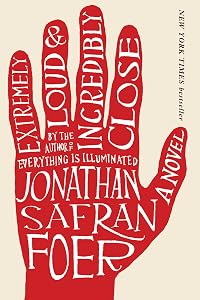
Jonathan Safran Foer (born 1977) is an American author best known for his novels Everything Is Illuminated (2002) and Extremely Loud and Incredibly Close (2005). He was born in Washington, D.C. and attended Georgetown Day School and Princeton University. In 2000, Foer was awarded the Zoetrope: All-Story Fiction Prize and in 2007 he was included in show more Granta's Best of Young American Novelists. His forthcoming nonfiction book is entitled, Eating Animals. His title Extremely Loud and Incredibly Close made The N.Y. Times Best Seller List for 2012. (Bowker Author Biography) show less
Some Editions
Awards and Honors
Awards
Distinctions
Notable Lists
Common Knowledge
- Canonical title*
- Eläinten syömisestä
- Original title
- Eating Animals
- Original publication date
- 2009
- Dedication
- for Sam and Eleanor, trusty compasses
- First words
- When I was young, I would often spend the weekend at my grandmother's house.
- Quotations
- "... A farmer, a Russian, God bless him, he saw my condition, and he went into his house and came out with a piece of meat for me." "He saved your life." "I didn't eat it." "You didn't eat it?" "It was pork. I wouldn't ea... (show all)t pork." "Why?" "What do you mean why?" "What, because it wasn't kosher?" "Of course." "But not even to save your life?" "If nothing matters, there's nothing to save."[pp. 16-17]
The entire, complex saga of Agriprocessors ... by the Orthodox blog FailedMesiah.com [p. 287 as a note for p. 69]
See FarmForward.com for details on how to find non-factory-farmed animal products. [p. 310 as a note for p. 172]
Sholom Mordechai Rubashkin, "Rubashkin's response to the 'attack on Schechita,"" shmais.com, December 7, 2004, http://www.shmais.com/jnewdetai... (show all)l.cfm?... (accessed November 28, 2007). [p. 325 as a note for p. 230] - Last words
- (Click to show. Warning: May contain spoilers.)This is what my grandmother meant when she said, "If nothing matters, there's nothing to save."
- Original language
- English
*Some information comes from Common Knowledge in other languages. Click "Edit" for more information.
Classifications
Statistics
- Members
- 4,048
- Popularity
- 3,827
- Reviews
- 151
- Rating
- (4.04)
- Languages
- 14 — Danish, Dutch, English, Finnish, French, German, Greek, Italian, Korean, Norwegian (Bokmål), Polish, Portuguese, Spanish, Swedish
- Media
- Paper, Audiobook, Ebook
- ISBNs
- 62
- ASINs
- 22