On This Page
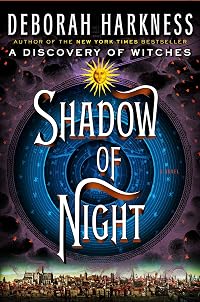
Description
A follow-up to the best-selling A Discovery of Witches finds Oxford scholar and reluctant witch Diana and vampire geneticist Matthew Clairmont in Elizabethan London, where Diana seeks a magical tutor and Matthew confronts elements from his past at the same time the mystery of Ashmole 782 deepens.Tags
Recommendations
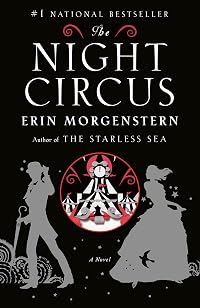
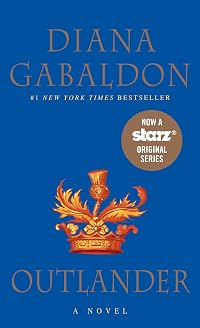
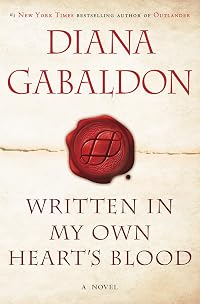
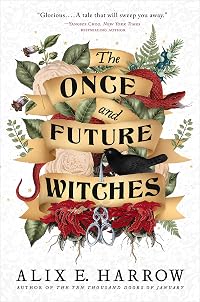

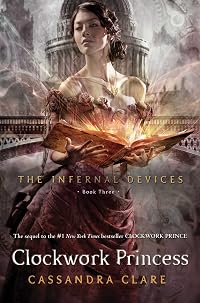
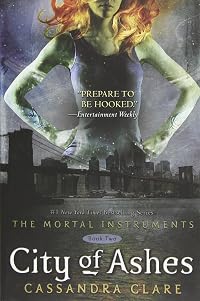
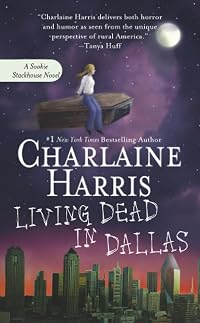
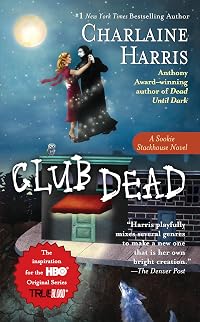
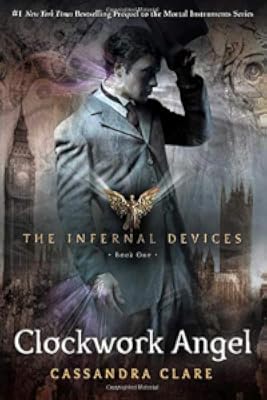
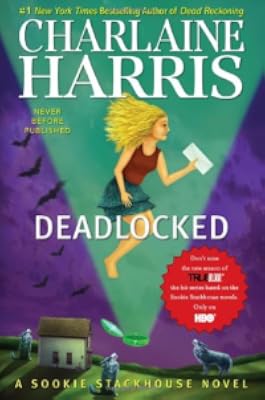
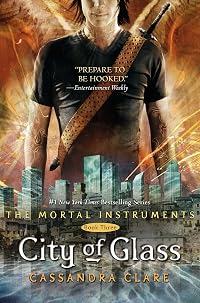
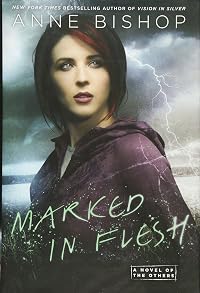

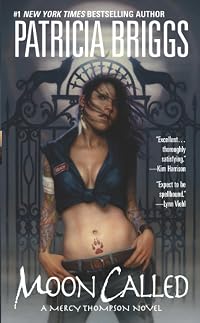
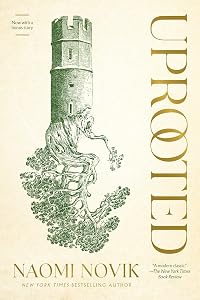
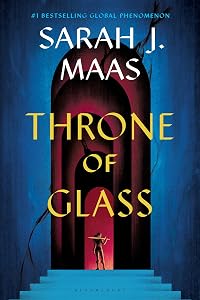
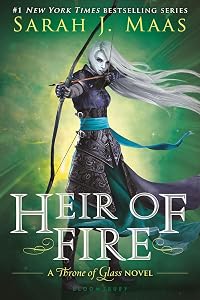
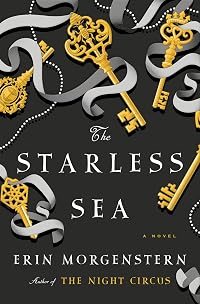

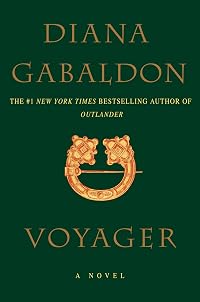
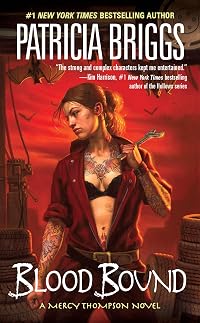
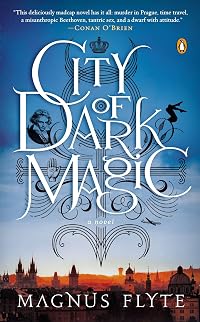
Member Recommendations

becksdakex Time travel, Romance, Historical....
Also recommended by lottpoet
112
Member Reviews
Oh wow never been to relieved to finish a book.
I didn't love the first one but it left me wanting to know where this story was going.... well the sequel answered that question for me... This story is going nowhere. Nothing happens in this book.. its 630 pages of nothing happening to move the plot forward and I no longer care and I hate everything.
There are PLENTY of great reviewers who have gone into great detail on everything wrong with this book better than I can. But suffice to say I have all the same complaints from the first book as well as picking up a few more, which I'll list here for my future self looking back at what I thought of this!
NOTHING HAPPENS - seriously, 630 pages of boring domestic filler. Famously the chapter show more where we get to watch Diana practice Elizabethan handwriting for no discernable reason. It is hilariously dull. It's stuffed full of idiotic false starts at finding her a witch tutor, shoe horned in historical characters and incredily dull yet cringe inducing "romance" scenes. This book could have been 300 pages at most. Do Viking not employ editors?!
TIMETRAVEL?! - Whyyy! It honestly feels like Harkness wanted to write a histrical novel but only had one idea so forced it in this novel... the rules of the time travel make zero sense to start with.. but we won't go down that rabbit hole. 95% of this novel takes place in 1590 and its just a boring tour around a few historical places and people. Genuinely don't see why the timetravel was necessary.. I don't feel like it added anything but it did take away all the momentum that was built up at the end of the first book! Any excitement and interest I had about this story was completely extinguised.
TOO MANY CHARACTERS - Oh my god, there are so many random characters in this that have no real impact on anything and you never see again. Just way too many. There is a huge list at the back of the book of the characters which I really think proves there are too many - and of course a lot of them are awkwardly shoved in historical figures (I personally find really cringe) which I really think was, again, to the detriment of the novel. I would rather Harkness had spent some time actually building Diana and Matthew as characters because they both remain flat as pancakes. Another 600 pages of no development.
MATTHEW IS A BABY - I was pretty neutral on Matthew in Book 1 but he generally seemed pretty capable, smart with his research etc. In this book he joins Diana in the Complete Idiot club... in fact I'd say he surpassses her and actually Diana appears the more intelligent of the two! He acts like a child for most of this book. His first plan to find a witch is honestly baffingly stupid.. espcially as a supernatural creature who had already lived through 1590! No surprise how that back fired.
BAD ROMANCE - The "romance" if we want to call it that is... I just hate it. I hate it. I hate their "marriage" .. I hate how Diana now calls him her "husband" whenever she refers to him ""my husband" *barf* They had known each other FOR ONE MONTH!! I think by the end of this book liks a few months on... cannot be more than 6 months! It's all so effing juvinile and its lazily written without any imagination and I don't beleive in any of it because at no point is their love earned or proven.
One positive point is that there are characters who call them out on how bloody stupid their relationship and their "marriage" is.. but obviously everyone comes around in the end because Diana is apparently so amazing and special or whatever.
(On this note there is one point in this book where Phillipe appears to switch personality and attitude out of nowhere mid chapter and I had to reread because I thought I'd missed something!)
ENDING - So turns out anything actually interested happened "off book" in the present day with the characters that I actually liked and enjoyed. Eff you Harkness!
I will not be reading book 3! I can't put myself through this again. Sadly I have all 3 because it was cheaper to get them as a bundle (wonder why!!) ... so unread it'll go to the charity shop!
It is a real shame because I do think Harkness had good ideas here initially - I really did like the world she had set up in Book 1. I really wish she had not hung those ideas on a poorly written Vampire Romance plot. If she had been able to make Diana and Matthew feel like real people - if they had any depth and development, and real opportunity to grow their relationship that felt in any way organic - this could have worked.
I am giving it 2 stars because as much as I hated it I did finish it (even if the last 50% was mainly me skimming through for the vaguely interesting bits)! It wasn't so bad that I gave up. show less
I didn't love the first one but it left me wanting to know where this story was going.... well the sequel answered that question for me... This story is going nowhere. Nothing happens in this book.. its 630 pages of nothing happening to move the plot forward and I no longer care and I hate everything.
There are PLENTY of great reviewers who have gone into great detail on everything wrong with this book better than I can. But suffice to say I have all the same complaints from the first book as well as picking up a few more, which I'll list here for my future self looking back at what I thought of this!
NOTHING HAPPENS - seriously, 630 pages of boring domestic filler. Famously the chapter show more where we get to watch Diana practice Elizabethan handwriting for no discernable reason. It is hilariously dull. It's stuffed full of idiotic false starts at finding her a witch tutor, shoe horned in historical characters and incredily dull yet cringe inducing "romance" scenes. This book could have been 300 pages at most. Do Viking not employ editors?!
TIMETRAVEL?! - Whyyy! It honestly feels like Harkness wanted to write a histrical novel but only had one idea so forced it in this novel... the rules of the time travel make zero sense to start with.. but we won't go down that rabbit hole. 95% of this novel takes place in 1590 and its just a boring tour around a few historical places and people. Genuinely don't see why the timetravel was necessary.. I don't feel like it added anything but it did take away all the momentum that was built up at the end of the first book! Any excitement and interest I had about this story was completely extinguised.
TOO MANY CHARACTERS - Oh my god, there are so many random characters in this that have no real impact on anything and you never see again. Just way too many. There is a huge list at the back of the book of the characters which I really think proves there are too many - and of course a lot of them are awkwardly shoved in historical figures (I personally find really cringe) which I really think was, again, to the detriment of the novel. I would rather Harkness had spent some time actually building Diana and Matthew as characters because they both remain flat as pancakes. Another 600 pages of no development.
MATTHEW IS A BABY - I was pretty neutral on Matthew in Book 1 but he generally seemed pretty capable, smart with his research etc. In this book he joins Diana in the Complete Idiot club... in fact I'd say he surpassses her and actually Diana appears the more intelligent of the two! He acts like a child for most of this book. His first plan to find a witch is honestly baffingly stupid.. espcially as a supernatural creature who had already lived through 1590! No surprise how that back fired.
BAD ROMANCE - The "romance" if we want to call it that is... I just hate it. I hate it. I hate their "marriage" .. I hate how Diana now calls him her "husband" whenever she refers to him ""my husband" *barf* They had known each other FOR ONE MONTH!! I think by the end of this book liks a few months on... cannot be more than 6 months! It's all so effing juvinile and its lazily written without any imagination and I don't beleive in any of it because at no point is their love earned or proven.
One positive point is that there are characters who call them out on how bloody stupid their relationship and their "marriage" is.. but obviously everyone comes around in the end because Diana is apparently so amazing and special or whatever.
(On this note there is one point in this book where Phillipe appears to switch personality and attitude out of nowhere mid chapter and I had to reread because I thought I'd missed something!)
ENDING - So turns out anything actually interested happened "off book" in the present day with the characters that I actually liked and enjoyed. Eff you Harkness!
I will not be reading book 3! I can't put myself through this again. Sadly I have all 3 because it was cheaper to get them as a bundle (wonder why!!) ... so unread it'll go to the charity shop!
It is a real shame because I do think Harkness had good ideas here initially - I really did like the world she had set up in Book 1. I really wish she had not hung those ideas on a poorly written Vampire Romance plot. If she had been able to make Diana and Matthew feel like real people - if they had any depth and development, and real opportunity to grow their relationship that felt in any way organic - this could have worked.
I am giving it 2 stars because as much as I hated it I did finish it (even if the last 50% was mainly me skimming through for the vaguely interesting bits)! It wasn't so bad that I gave up. show less
I'll write a review of the series as a whole. "What!" you say? How could I have read the series and yet given it a one-star rating? If it was that bad, why didn't I just leave it midway or better still read just the first book. You see, I purchased the whole d***n series and I've hardly ever, in my life, abandoned a book once I've started reading it.
The book is BORING. Even skimming is a task. While the premise of the book had initially fascinated me, the book quickly devolved into an unnecessary and elaborate thesis on just about everything. There's fantasy, sure. And historical references galore. Enough to qualify as historical fiction. But then there's just so much discussion about wine. And tea. And architecture. And anything and show more everything else the author could think of. You have to wade through a hundred pages to get even five pages worth of information that's actually pertinent to the story.
The romance between Matthew and Diana is sappy and thoroughly unexciting. Matthew, despite having lived for innumerable centuries, has no character to speak of. He looms like an overgrown bat (no pun intended!) and has simply no contribution to make throughout. He might as well have been absent. Diana, despite being a qualified historian, comes across as a highly subservient woman simply pandering to Matthew to make him feel needed.There's no depth to any of the characters, for that matter. With all the time the author has spent on describing yoga poses and Indian food, she'd have done better sketching her characters with more to their persona than just the superficial witch/vampire. Ysabeau, Sarah, Marcus, Emily--there was so much to be done with them than just the bare bones we're presented with.
Book 2 was especially bad with the kind of artistic licence the author has taken with the historical characters. So, almost all the most famous people of the time are daemons, witches, or vampires. Anyone who's got anything going for them is bound to be one of these. And so, Shakespeare, poor human that he is, has nothing original to say. All his writing is either derived from Marlowe or inspired by a time-traveler from the future. Really? It seems Ms. Harkness harbors a special dislike for Shakespeare. And the whole rigmarole is just too much. The whole book could have been written in fewer than fifty pages, for all the content that it provides. And the time travel: how could Diana and Matthew's long presence not affect history? And how convenient that the original Matthew of that period just disappears.... where does he disappear to? how will he pick up the threads once he's back... these questions are all unanswered, and we, gullible and naive that we readers are, are expected to swallow this spiel. And why were Jack and Anne introduced? Like Matthew, they seem to have no part to play.
The third book's not as bad as the second one, but the faults are the same. One good thing is that there's a bit less of Matthew, though just a bit. The whole blood rage thing doesn't work. Neither does the weaver bit. Or the Book of Life. I mean what is the book? How was it made? Who made it? None of the questions that have been raised from the beginning have been answered.
Pathetic. Writing the review has made me even angrier. Wish I could ask the author to refund my money and time. DO NOT READ. show less
The book is BORING. Even skimming is a task. While the premise of the book had initially fascinated me, the book quickly devolved into an unnecessary and elaborate thesis on just about everything. There's fantasy, sure. And historical references galore. Enough to qualify as historical fiction. But then there's just so much discussion about wine. And tea. And architecture. And anything and show more everything else the author could think of. You have to wade through a hundred pages to get even five pages worth of information that's actually pertinent to the story.
The romance between Matthew and Diana is sappy and thoroughly unexciting. Matthew, despite having lived for innumerable centuries, has no character to speak of. He looms like an overgrown bat (no pun intended!) and has simply no contribution to make throughout. He might as well have been absent. Diana, despite being a qualified historian, comes across as a highly subservient woman simply pandering to Matthew to make him feel needed.There's no depth to any of the characters, for that matter. With all the time the author has spent on describing yoga poses and Indian food, she'd have done better sketching her characters with more to their persona than just the superficial witch/vampire. Ysabeau, Sarah, Marcus, Emily--there was so much to be done with them than just the bare bones we're presented with.
Book 2 was especially bad with the kind of artistic licence the author has taken with the historical characters. So, almost all the most famous people of the time are daemons, witches, or vampires. Anyone who's got anything going for them is bound to be one of these. And so, Shakespeare, poor human that he is, has nothing original to say. All his writing is either derived from Marlowe or inspired by a time-traveler from the future. Really? It seems Ms. Harkness harbors a special dislike for Shakespeare. And the whole rigmarole is just too much. The whole book could have been written in fewer than fifty pages, for all the content that it provides. And the time travel: how could Diana and Matthew's long presence not affect history? And how convenient that the original Matthew of that period just disappears.... where does he disappear to? how will he pick up the threads once he's back... these questions are all unanswered, and we, gullible and naive that we readers are, are expected to swallow this spiel. And why were Jack and Anne introduced? Like Matthew, they seem to have no part to play.
The third book's not as bad as the second one, but the faults are the same. One good thing is that there's a bit less of Matthew, though just a bit. The whole blood rage thing doesn't work. Neither does the weaver bit. Or the Book of Life. I mean what is the book? How was it made? Who made it? None of the questions that have been raised from the beginning have been answered.
Pathetic. Writing the review has made me even angrier. Wish I could ask the author to refund my money and time. DO NOT READ. show less
A low-key, gently entertaining read with an uneven pace and very little tension.
"Shadow Of Night" was a slightly disappointing book that I'm hoping will make excellent television (my DVD copy of "A Discovery Of Witches Season 2" arrives next month).
It starts immediately where the cliff-hanger ending of "A Discovery Of Witches" left off and immediately looses all of the tension, urgency and sense of threat that the first book had built up.
Diana and Matthew have walked back in time to the late sixteenth century to avoid the wrath of the Congregation, find Ashmole 782 (the magic manuscript on alchemy that caused all the aggravation in the first book) and find a witch to teach Diana how to use her newly unbound powers. To me, this sounded show more like the premise for a fast-paced quest, full of tension and threat. It turned out to be the basis for a fairly leisurely meander through Elizabethan London (meeting absolutely everyone you've ever heard of from that time), a trip back to Sept-Tours in France to meet Matthew's father and a visit to the court of Rudolf II, the Holy Roman Emperor, in Prague.
The historical details were interesting and well presented. They were also a little overwhelming. I felt, at times, that I was reading a "Lonely Planet* tourist guide to sixteenth-century London and Prague. It was often a fascinating guided tour but one that took attention away from why Diana and Matthew were there. The Congregation, although often invoked as a threat, never became one. The search for the book and for a witch to train Diana lost focus as time was spent watching Diana and Matthew go native.
There were moments of tension, mainly when Diana was having to deal with direct physical threats but these moments took up very little of the twenty-four hours I spent listening to this book.
I liked the scenes in Sept-Tour, which built my picture of Matthew's history and were filled with interesting lore and one of the better scenes of physical threat against Diana.
Diana's interaction with the witches teaching her was well done, both in terms of the ideas on how magic worked and the way in which the women worked together.
I didn't like how passive Diana was until almost that last third of the book. She's a successful female academic who has carved a niche for herself in a male-dominated world. We kept being told that she's an exceptionally talented witch, albeit one whose powers have been hidden until recently. In the last book, she killed a vampire and defied powerful witches. Yet, once she walked back five centuries, she seemed to have lost all agency.
I get that part of that was her adjusting to being in a time where she lacks basic competency while her husband is in familiar territory and being constantly surrounded by absurdly testosterone-charged predatory males but even so, she seemed a bit too soft to survive. She never completely surrenders herself to the will of the men around her but she reacts. she doesn't plan and she doesn't push. She certainly doesn't stay focused on her goals for being in the past. I found this quite frustrating.
In the final part of the book, she finally realises that Matthew's temper and easily-triggered violence are no substitute for a plan. She starts to take charge and to collaborate with other women to achieve her goals.
I also found myself being irritated by the unconscious privilege that Diana exhibits and her Lady Bountiful way of dabbling with rescuing people from poverty and ignorance, only to abandon them when it comes time to leave. I also became increasingly aware of how centuries of brutally used power and wealth combined with a we-know-best approach to all problems have resulted in the De Clairmonts and Matthew in particular, being widely hated. I began to hate them more than a little myself. This made it hard for me to see why, no matter how many terrible things Diana found out about Matthew, she remained so besotted with him.
Overall, I found this to be a low-key, gently entertaining read with an uneven pace and very little tension. show less
"Shadow Of Night" was a slightly disappointing book that I'm hoping will make excellent television (my DVD copy of "A Discovery Of Witches Season 2" arrives next month).
It starts immediately where the cliff-hanger ending of "A Discovery Of Witches" left off and immediately looses all of the tension, urgency and sense of threat that the first book had built up.
Diana and Matthew have walked back in time to the late sixteenth century to avoid the wrath of the Congregation, find Ashmole 782 (the magic manuscript on alchemy that caused all the aggravation in the first book) and find a witch to teach Diana how to use her newly unbound powers. To me, this sounded show more like the premise for a fast-paced quest, full of tension and threat. It turned out to be the basis for a fairly leisurely meander through Elizabethan London (meeting absolutely everyone you've ever heard of from that time), a trip back to Sept-Tours in France to meet Matthew's father and a visit to the court of Rudolf II, the Holy Roman Emperor, in Prague.
The historical details were interesting and well presented. They were also a little overwhelming. I felt, at times, that I was reading a "Lonely Planet* tourist guide to sixteenth-century London and Prague. It was often a fascinating guided tour but one that took attention away from why Diana and Matthew were there. The Congregation, although often invoked as a threat, never became one. The search for the book and for a witch to train Diana lost focus as time was spent watching Diana and Matthew go native.
There were moments of tension, mainly when Diana was having to deal with direct physical threats but these moments took up very little of the twenty-four hours I spent listening to this book.
I liked the scenes in Sept-Tour, which built my picture of Matthew's history and were filled with interesting lore and one of the better scenes of physical threat against Diana.
Diana's interaction with the witches teaching her was well done, both in terms of the ideas on how magic worked and the way in which the women worked together.
I didn't like how passive Diana was until almost that last third of the book. She's a successful female academic who has carved a niche for herself in a male-dominated world. We kept being told that she's an exceptionally talented witch, albeit one whose powers have been hidden until recently. In the last book, she killed a vampire and defied powerful witches. Yet, once she walked back five centuries, she seemed to have lost all agency.
I get that part of that was her adjusting to being in a time where she lacks basic competency while her husband is in familiar territory and being constantly surrounded by absurdly testosterone-charged predatory males but even so, she seemed a bit too soft to survive. She never completely surrenders herself to the will of the men around her but she reacts. she doesn't plan and she doesn't push. She certainly doesn't stay focused on her goals for being in the past. I found this quite frustrating.
In the final part of the book, she finally realises that Matthew's temper and easily-triggered violence are no substitute for a plan. She starts to take charge and to collaborate with other women to achieve her goals.
I also found myself being irritated by the unconscious privilege that Diana exhibits and her Lady Bountiful way of dabbling with rescuing people from poverty and ignorance, only to abandon them when it comes time to leave. I also became increasingly aware of how centuries of brutally used power and wealth combined with a we-know-best approach to all problems have resulted in the De Clairmonts and Matthew in particular, being widely hated. I began to hate them more than a little myself. This made it hard for me to see why, no matter how many terrible things Diana found out about Matthew, she remained so besotted with him.
Overall, I found this to be a low-key, gently entertaining read with an uneven pace and very little tension. show less
This novel is a mess. Shadow of Night suffered most from it's almost obsessive focus on detailing every aspect of the historical period in which it was set.
Diana and Matthew travel to the 16th century, and craziness ensues... Not. It is not apparent that Diana's 20th century American mannerisms, speech and personality are out of place in Elizabethan England, to anyone. Not even Diana and Matthew. WTH?
The story line is impossibly complicated, totally unbelievable, and very hard for even the characters IN IT to remember. HOW can someone with Diana's "impressive intellectual abilities" struggle to remember her own life story, even though it had to keep changing, when her very life depended on it?? And how can a witch be so VERY bad at show more being a witch, when her "spellbound talents" have started coming out?
Matthew is not only a vampire extraordinaire, he is also a member of the Congregation (bad guys), a member of the Order of Lazarus (a knight), and a spy....? I'm a little foggy on the spy stuff because the explanation made no sense to me--something about Protestants and Catholics. And I am a HUGE fan of historically correct fiction and non-fiction.
Another issue with this novel is that the primary characters were constantly meeting historically famous people, and the author doesn't take time to make them mesh with the plot-line at all. EVERYONE famous from this time was involved with Matthew, in his house, and in his life. But the dialogue between the primary characters and the famous, historical figures was as boring as could be... these were real people, Harkness, couldn't you have at least tried to make them more believable? Making Christopher Marlowe a daemon and Walter Raleigh a knight in the Order of Lazarus added nothing to the novel. In fact, the addition of all the historical figures did nothing for the novel whatsoever. They didn't move the plot forward, and these historical people popped up so often it became a game of Historical Who's Who. I hated how Harkness tied these people into her characters' lives. Like much of the novel's contents, there was no need for it.
The whole time-traveling thing was really badly done as well. The two main characters go back in time, into a point in time where one of them has already lived through. Matthew's other "self" from that time period just vanishes - and to where?? Vampire Limbo? Even worse is, when these two go back to the present day, where they are from, that other self that's just been hanging out with other 'vanished people' in People Limbo, just comes back... and doesn't evolve into the Matthew that lived through the past however many months. Doesn't have a memory of it, at all. Doesn't even notice the changes that went around him....?
Friends: "Hey Matthew, what happened to your witchly wife?" Matthew: "wut....?" 0.o
Yeah, right. Also, if they did go back to the past, when they returned everything would be dramatically different for the both of them. The two time-travelers proceed to do countless things that would seriously alter the future, but despite this, nothing appears wrong when they return way too late in the book. Also, the fact that they could have time traveled to another period in time, the second the first place they went to no longer seemed favorable. But they didn't. Instead, they proceed to do a massive number of unnecessary things that could have been avoided if any character in the story had simply been smart enough to remember that Diana can time travel whenever she wants to.
The character development was pretty poor, the story would drag slowly through some times, and then suddenly fast-forward through others, and the plot just meandered around all over the place. Too many characters were introduced, way laid, and then forgotten. And too many cliches were used in the couple's relationship, to the point where it was all too predictable.
Matthew becomes very annoying with his constant desire to keep secrets, and he treats Diana like she is incapable of understanding what he is going through, or what life is like then. What happened to her immense knowledge of the past? Her degree? What made her - or Matthew for that matter, keep Christopher Marlowe around, when he'd obviously gone completely around the bend, in his hatred for Diana, and his jealousy?? He was nothing like this in real-life, I am sure, even though some report him to have been some kind of spy. IF Matthew was that jealous of anyone showing Diana any kind of attention, even the famous Christopher Marlowe would not have been alive for long - especially after their (Diana and C.M.'s) last scene. Christopher Marlowe is the least likable character I have ever encountered, and I lost all (of what little) respect I had for Matthew, for repeatedly forgiving him for unforgivable acts. Why, just because he became famous, later on in history??
Also; do you mean to tell me that Matthew's father somehow manages to silence ALL of the village at Sept Tours, and then ALL of London, and then ALL of Matthew's friends, about the fact that Matthew is married, so when Elizabethan Matthew returns he never finds out everything that transpired while he was in limbo? Harkness should have just proposed that Matthew and Diana were creating an alternate history. Instead she dumbly has their friends discovering traces of them in the future, which just makes no sense at all. Or she could have just had them keep a lower profile in the past. Totally amateurish and insulting to the fans, which is a shame because there is a great sequel in there somewhere
Diana herself may have tried to grow stronger in controlling her power, but she still remained mentally weak. What was with all the dizziness and fainting, also? WHY was her magic so completely different in the past, than it was in their home-time? Did the author really need this development, in order to extend the weak plot a little longer? Diana couldn't possibly be preggers, because they didn't have sex until more than half-way through the second book. And, the sex scene was rather boring.
On top of that, the whole damn plot didn't make sense. There was NO reason for them to stay in the 16th century, which the author didn't really research, obviously. (Re: Diana asking why the carriages in London didn't look like the ones in her Jane Austen films, when Austen's books took place at a time 200 years in the future? Ummm, progress?)
Anyway, this isn't some kind of novel where the portal to the past is only open on THIS particular day, at THIS particular time, and only for so long, a la "Kate & Leopold". Diana can time travel whenever she wants to! To whatever time or place she wants to, if she has the right items! The fact that they didn't leave when things got creepy or weird, or even a little dangerous, makes about as much sense as the fact that she cannot time travel to the present DAY that she had left, so as to avoid any time from passing in the present. Instead, when they've returned, roughly a year has passed... did anyone in her life notice? Is her job still there? Who knows. But I guess that this does enforce the trend of the author being consistent in her attempts to make sure that time travel makes absolutely no sense at all, in this novel.
The first book in this series had at least a story of SOME sort, and kept me interested enough to keep reading it. At first, Diana and Matthew were interesting characters, before he became controlling, possessive, and super-jealous. But this sequel is terrible. Nothing really interesting happens in it. Not one of the main characters take charge, or make anything happen in their lives. They just kind of... go with the flow. I didn't see any character change, progression, or development. Diana didn't know much more magic-stuff then she did when she left for the past. Their marriage was supposedly stronger, but I could not tell this, for myself (Harkness said so, so I should believe her...?) They didn't learn anything from that oh-so-imperative-to-find book, which WAS the reason for the time traveling to begin with. In fact, no knowledge or experience worthwhile was gained, the whole time they meandered around in the past... and this book just becomes one LOOOOONG description of clothes, food, and smells, with some boring convo's thrown in, some shopping, and moving from city to city. Oh, and another wedding. Which I could have cared less about.
So I stopped reading this novel, and went on to something much more interesting... somewhere in the middle, and skimmed the rest. Time is too short to punish myself with bad writing and editing. I am sorry I spent so many a rainy night on it, already... and I have NO idea how this novel got so many 4 star ratings. I have NO idea how this novel got the "Goodread's 2012 Choice Winner" award. And I am SO glad I got this book from the library, and didn't pay for it. And I have no desire to read the third novel in this series, either.
In short, if you want to read this novel, you have been warned. show less
Diana and Matthew travel to the 16th century, and craziness ensues... Not. It is not apparent that Diana's 20th century American mannerisms, speech and personality are out of place in Elizabethan England, to anyone. Not even Diana and Matthew. WTH?
The story line is impossibly complicated, totally unbelievable, and very hard for even the characters IN IT to remember. HOW can someone with Diana's "impressive intellectual abilities" struggle to remember her own life story, even though it had to keep changing, when her very life depended on it?? And how can a witch be so VERY bad at show more being a witch, when her "spellbound talents" have started coming out?
Matthew is not only a vampire extraordinaire, he is also a member of the Congregation (bad guys), a member of the Order of Lazarus (a knight), and a spy....? I'm a little foggy on the spy stuff because the explanation made no sense to me--something about Protestants and Catholics. And I am a HUGE fan of historically correct fiction and non-fiction.
Another issue with this novel is that the primary characters were constantly meeting historically famous people, and the author doesn't take time to make them mesh with the plot-line at all. EVERYONE famous from this time was involved with Matthew, in his house, and in his life. But the dialogue between the primary characters and the famous, historical figures was as boring as could be... these were real people, Harkness, couldn't you have at least tried to make them more believable? Making Christopher Marlowe a daemon and Walter Raleigh a knight in the Order of Lazarus added nothing to the novel. In fact, the addition of all the historical figures did nothing for the novel whatsoever. They didn't move the plot forward, and these historical people popped up so often it became a game of Historical Who's Who. I hated how Harkness tied these people into her characters' lives. Like much of the novel's contents, there was no need for it.
The whole time-traveling thing was really badly done as well. The two main characters go back in time, into a point in time where one of them has already lived through. Matthew's other "self" from that time period just vanishes - and to where?? Vampire Limbo? Even worse is, when these two go back to the present day, where they are from, that other self that's just been hanging out with other 'vanished people' in People Limbo, just comes back... and doesn't evolve into the Matthew that lived through the past however many months. Doesn't have a memory of it, at all. Doesn't even notice the changes that went around him....?
Friends: "Hey Matthew, what happened to your witchly wife?" Matthew: "wut....?" 0.o
Yeah, right. Also, if they did go back to the past, when they returned everything would be dramatically different for the both of them. The two time-travelers proceed to do countless things that would seriously alter the future, but despite this, nothing appears wrong when they return way too late in the book. Also, the fact that they could have time traveled to another period in time, the second the first place they went to no longer seemed favorable. But they didn't. Instead, they proceed to do a massive number of unnecessary things that could have been avoided if any character in the story had simply been smart enough to remember that Diana can time travel whenever she wants to.
The character development was pretty poor, the story would drag slowly through some times, and then suddenly fast-forward through others, and the plot just meandered around all over the place. Too many characters were introduced, way laid, and then forgotten. And too many cliches were used in the couple's relationship, to the point where it was all too predictable.
Matthew becomes very annoying with his constant desire to keep secrets, and he treats Diana like she is incapable of understanding what he is going through, or what life is like then. What happened to her immense knowledge of the past? Her degree? What made her - or Matthew for that matter, keep Christopher Marlowe around, when he'd obviously gone completely around the bend, in his hatred for Diana, and his jealousy?? He was nothing like this in real-life, I am sure, even though some report him to have been some kind of spy. IF Matthew was that jealous of anyone showing Diana any kind of attention, even the famous Christopher Marlowe would not have been alive for long - especially after their (Diana and C.M.'s) last scene. Christopher Marlowe is the least likable character I have ever encountered, and I lost all (of what little) respect I had for Matthew, for repeatedly forgiving him for unforgivable acts. Why, just because he became famous, later on in history??
Also; do you mean to tell me that Matthew's father somehow manages to silence ALL of the village at Sept Tours, and then ALL of London, and then ALL of Matthew's friends, about the fact that Matthew is married, so when Elizabethan Matthew returns he never finds out everything that transpired while he was in limbo? Harkness should have just proposed that Matthew and Diana were creating an alternate history. Instead she dumbly has their friends discovering traces of them in the future, which just makes no sense at all. Or she could have just had them keep a lower profile in the past. Totally amateurish and insulting to the fans, which is a shame because there is a great sequel in there somewhere
Diana herself may have tried to grow stronger in controlling her power, but she still remained mentally weak. What was with all the dizziness and fainting, also? WHY was her magic so completely different in the past, than it was in their home-time? Did the author really need this development, in order to extend the weak plot a little longer? Diana couldn't possibly be preggers, because they didn't have sex until more than half-way through the second book. And, the sex scene was rather boring.
On top of that, the whole damn plot didn't make sense. There was NO reason for them to stay in the 16th century, which the author didn't really research, obviously. (Re: Diana asking why the carriages in London didn't look like the ones in her Jane Austen films, when Austen's books took place at a time 200 years in the future? Ummm, progress?)
Anyway, this isn't some kind of novel where the portal to the past is only open on THIS particular day, at THIS particular time, and only for so long, a la "Kate & Leopold". Diana can time travel whenever she wants to! To whatever time or place she wants to, if she has the right items! The fact that they didn't leave when things got creepy or weird, or even a little dangerous, makes about as much sense as the fact that she cannot time travel to the present DAY that she had left, so as to avoid any time from passing in the present. Instead, when they've returned, roughly a year has passed... did anyone in her life notice? Is her job still there? Who knows. But I guess that this does enforce the trend of the author being consistent in her attempts to make sure that time travel makes absolutely no sense at all, in this novel.
The first book in this series had at least a story of SOME sort, and kept me interested enough to keep reading it. At first, Diana and Matthew were interesting characters, before he became controlling, possessive, and super-jealous. But this sequel is terrible. Nothing really interesting happens in it. Not one of the main characters take charge, or make anything happen in their lives. They just kind of... go with the flow. I didn't see any character change, progression, or development. Diana didn't know much more magic-stuff then she did when she left for the past. Their marriage was supposedly stronger, but I could not tell this, for myself (Harkness said so, so I should believe her...?) They didn't learn anything from that oh-so-imperative-to-find book, which WAS the reason for the time traveling to begin with. In fact, no knowledge or experience worthwhile was gained, the whole time they meandered around in the past... and this book just becomes one LOOOOONG description of clothes, food, and smells, with some boring convo's thrown in, some shopping, and moving from city to city. Oh, and another wedding. Which I could have cared less about.
So I stopped reading this novel, and went on to something much more interesting... somewhere in the middle, and skimmed the rest. Time is too short to punish myself with bad writing and editing. I am sorry I spent so many a rainy night on it, already... and I have NO idea how this novel got so many 4 star ratings. I have NO idea how this novel got the "Goodread's 2012 Choice Winner" award. And I am SO glad I got this book from the library, and didn't pay for it. And I have no desire to read the third novel in this series, either.
In short, if you want to read this novel, you have been warned. show less
The second volume in Deborah Harkness' All Souls Trilogy, Shadow of Night (Viking, 2012) is, I'm very pleased to be able to report, just as much fun to read as its predecessor, A Discovery of Witches (my review here).
Most of the action this time around takes place in 1590, where/when witch Diana Bishop and vampire Matthew Clairmont have traveled in an attempt to understand the mysterious manuscript known as Ashmole 782. Harkness' background as a historian works wonderfully for this, and since Bishop also happens to be a historian, it makes for a very enjoyable kind of meta-exploration of the historian's craft. Short, present-day interludes are used to explore the shifts in history that might happen should some time-traveling actually be show more possible.
Delightfully, books and manuscripts remain a major part of the story, as we get to visit John Dee's library, the rollicking world of St. Paul's Churchyard, and the court of Rudolf II. Kit Marlowe and William Shakeaspeare make appearances, and a certain famously mysterious manuscript whose name begins with V and ends in -oynich even has a cameo role in the narrative. Along with books, we get to delve into the fascinating world of alchemy as it was, plus the heady political times of late Elizabethan England.
Harkness' good writing, deep knowledge of the period, and her willingness to be playful and enjoy herself as she tells her story make this a great read. Once again I find myself impatiently awaiting the next volume!
http://philobiblos.blogspot.com/2012/06/book-review-shadow-of-night.html show less
Most of the action this time around takes place in 1590, where/when witch Diana Bishop and vampire Matthew Clairmont have traveled in an attempt to understand the mysterious manuscript known as Ashmole 782. Harkness' background as a historian works wonderfully for this, and since Bishop also happens to be a historian, it makes for a very enjoyable kind of meta-exploration of the historian's craft. Short, present-day interludes are used to explore the shifts in history that might happen should some time-traveling actually be show more possible.
Delightfully, books and manuscripts remain a major part of the story, as we get to visit John Dee's library, the rollicking world of St. Paul's Churchyard, and the court of Rudolf II. Kit Marlowe and William Shakeaspeare make appearances, and a certain famously mysterious manuscript whose name begins with V and ends in -oynich even has a cameo role in the narrative. Along with books, we get to delve into the fascinating world of alchemy as it was, plus the heady political times of late Elizabethan England.
Harkness' good writing, deep knowledge of the period, and her willingness to be playful and enjoy herself as she tells her story make this a great read. Once again I find myself impatiently awaiting the next volume!
http://philobiblos.blogspot.com/2012/06/book-review-shadow-of-night.html show less
I feel as if I had to wait forever for this book, but it was well worth the wait! I fell in love with these characters in A Discovery of Witches and I was dying to know what the future held for Diana and Matthew. (Warning, this review may contain minor spoilers from A Discovery of Witches.)
Shadow of Night picks up immediately following the cliffhanger ending of A Discovery of Witches. Diana and Matthew have traveled back in time in hopes of uncovering the secrets of Ashmole 782, the mysterious book that holds the history of witches, vampires and daemons. Diana, a reluctant witch, managed to somehow conjure the elusive Ashmole in the first installment which led to her being the target of some very evil people, and landed her a hot and show more heavy (though strictly forbidden) romance with the alluring vampire, Matthew Clairmont.
In this installment, Diana finds herself in Elizabethan England, and though she is a history professor and has studied this period thoroughly, she is totally unprepared to actually live in it. Roughly the first quarter of the book deals with Diana acclimating to the culture, and meeting some very famous people she has always been fascinated with. Her ability to fit in is also hampered by the fact that she needs to find a witch who can help her with her powers, but she’s visiting a time period where witches were burned at the stake. While this part of the book was a little slow for me, it was fun to see Diana’s reaction and how she acclimates to her new lifestyle. It’s also apparent that Ms. Harkness, a history professor herself, reveled in writing these scenes. They are a lot of fun to read.
When the action moves past the “acquaintance” stage and the action ramps up, the reader is carried to various locations including France and the Roman Empire as Diana searches for the answers she needs while uncovering a few more mysteries to deepen the plot along the way.
I love that these books have a bit of everything: mystery, action, intrigue, paranormal creatures and a believable romance. (For those of you anxious for a hot and heavy love scene between Diana and Matthew in the first book — your prayers are answered in this installment.) While I did get a little confused in a few spots (mainly regarding who was who and what their significance to the overall story was), I really enjoyed this one. I love the richly drawn characters and settings, and the story itself is top-notch.
This is a great series and I can’t wait for the next book. I would highly recommend this to any urban fantasy fan. Though it is adult fiction, I would recommend it to YA lovers and older teens, especially if you’re a fan of The Mortal Instruments. show less
Shadow of Night picks up immediately following the cliffhanger ending of A Discovery of Witches. Diana and Matthew have traveled back in time in hopes of uncovering the secrets of Ashmole 782, the mysterious book that holds the history of witches, vampires and daemons. Diana, a reluctant witch, managed to somehow conjure the elusive Ashmole in the first installment which led to her being the target of some very evil people, and landed her a hot and show more heavy (though strictly forbidden) romance with the alluring vampire, Matthew Clairmont.
In this installment, Diana finds herself in Elizabethan England, and though she is a history professor and has studied this period thoroughly, she is totally unprepared to actually live in it. Roughly the first quarter of the book deals with Diana acclimating to the culture, and meeting some very famous people she has always been fascinated with. Her ability to fit in is also hampered by the fact that she needs to find a witch who can help her with her powers, but she’s visiting a time period where witches were burned at the stake. While this part of the book was a little slow for me, it was fun to see Diana’s reaction and how she acclimates to her new lifestyle. It’s also apparent that Ms. Harkness, a history professor herself, reveled in writing these scenes. They are a lot of fun to read.
When the action moves past the “acquaintance” stage and the action ramps up, the reader is carried to various locations including France and the Roman Empire as Diana searches for the answers she needs while uncovering a few more mysteries to deepen the plot along the way.
I love that these books have a bit of everything: mystery, action, intrigue, paranormal creatures and a believable romance. (For those of you anxious for a hot and heavy love scene between Diana and Matthew in the first book — your prayers are answered in this installment.) While I did get a little confused in a few spots (mainly regarding who was who and what their significance to the overall story was), I really enjoyed this one. I love the richly drawn characters and settings, and the story itself is top-notch.
This is a great series and I can’t wait for the next book. I would highly recommend this to any urban fantasy fan. Though it is adult fiction, I would recommend it to YA lovers and older teens, especially if you’re a fan of The Mortal Instruments. show less
As the second novel in Deborah Harkness’ All Souls’ Trilogy, Shadow of Night fills a necessary role in Diana and Matthew’s story. The threat of the Congregation and Peter Knox fades somewhat as the need to find Ashmole 782 and help Diana learn more about her powers takes center stage. Throughout it all, Matthew and Diana must navigate the tumultuous waters of a new relationship. Interspersed throughout their search through the past are intriguing flashes to the present, as readers get glimpses of what the other familiar characters are doing in their absence and lay hints about the impact on the future Matthew’s and Diana’s timewalking will ultimately have. It might not have life-or-death scenes of action and drama but Shadow show more of Night keeps the story moving towards its conclusion, answering certain questions and raising others, all the while allowing readers the opportunity to better understand the main figures in the drama and building ever-mounting tension for their return home.
It is important to note that Shadow of Night starts out right where A Discovery of Witches ends. There is no summary descriptions of past experiences, no narrative that would refresh the memory of a reader. It is expected that readers will know and remember the first story clearly. Having just finished a re-read of the first novel prior to starting this one, the transition was seamless. Had there not been that re-read, the story would have been more difficult to follow as one would struggle to remember key story threads and events that occurred but might not have been considered important enough to recall. In other words, this is one series where reading the first novel right before starting this one is essential. Even the most mundane events become important in Ms. Harkness’ world, and being able to recall them is crucial to following a fairly complicated plot and an entirely new cast of characters.
While A Discovery of Witches was all about Diana’s world and fitting a vampire into it, Shadow of Night focuses on Matthew’s past world. This time, Diana is the one who has to find her way through this unfamiliar era. The historical references Matthew mentions throughout the first novel were some of what made him such an endearing character, and it is with complete relish that a reader will enjoy this glimpse into Matthew’s past. Seeing him navigate his way through Elizabeth I’s court as well as banter with such key figures as Sir Walter Raleigh and Christopher Marlowe is absolutely fascinating. Ms. Harkness has a way with words that brings the past to life, no matter how gruesome, unclean, or confusing it may seem to modern readers. The result is a story that will fascinate history lovers while satisfying the need for magicks within fantasy buffs.
Understanding more of Matthew’s past is just as important to the story as is setting the stage for their future. In addition, Matthew and Diana obtain some much-needed rest and a chance to solidify their relationship that would not have been possible had they stayed in their own time. Shadow of Night provides the entire series with much-needed character development, as Matthew grows out of his stereotypically vampiric broodiness and Diana develops from bumbling academic to a very powerful witch and strong partner against Matthew’s moodiness. The love remains but also evolves into something that is less otherworldly and more realistic. They too must overcome their past, their jealousies, guilt, insecurities, and worries about their future. They must learn more about each other as only couples can in order to decide whether they truly want to make it work. It is definitely not a plot-driven story but rather a character-driven one, and no matter how magical Diana is or mythological Matthew is, their love story is heartbreakingly real.
While her performance of the first novel was excellent, Jennifer Ikeda’s performance in Shadow of Night is award-worthy. The number of male characters to voice far outweigh the number of female characters, something that can be tricky for narrators of the opposite sex no matter how talented. Ms. Ikeda not only manages to distinguish between them all, her characterization of each is believable and distinct. There is no strain in her voice as she narrates gruff male voices, and she handles the Latin, English, French, German, Czech, Spanish, and other languages with dexterity. Even more amazing, each character maintains their own separate identity, complete with unique accent and tonality. Every character comes to life under her ministrations, making a fantastic story even more special.
While not as exciting as A Discovery of Witches, it is the proverbial calm before the storm. Its importance to the story is undeniable as it brings closure to unanswered questions and sets the stage for what should be a thrilling conclusion. The chance to get to better know and understand Matthew and Diana, as well as its detail-oriented romp through Europe in 1590 and 1591, focuses the reader’s attention with laser-sharp precision. While some readers may bemoan the relatively slow pace of the story, fans will again appreciate Ms. Harkness’ attention to detail as well as her careful construction of each element of the story. One knows that each secret revealed and every action made by the main characters will be vital for understanding the overarching mystery and the potential battle brewing. A worthy sequel to a breathtaking debut, Shadow of Night will leave a reader more than a little anxious to see how all of the threads will weave together. It promises to be one heck of an ending.
Acknowledgments: Thank you to Penguin Audio for my review copy! show less
It is important to note that Shadow of Night starts out right where A Discovery of Witches ends. There is no summary descriptions of past experiences, no narrative that would refresh the memory of a reader. It is expected that readers will know and remember the first story clearly. Having just finished a re-read of the first novel prior to starting this one, the transition was seamless. Had there not been that re-read, the story would have been more difficult to follow as one would struggle to remember key story threads and events that occurred but might not have been considered important enough to recall. In other words, this is one series where reading the first novel right before starting this one is essential. Even the most mundane events become important in Ms. Harkness’ world, and being able to recall them is crucial to following a fairly complicated plot and an entirely new cast of characters.
While A Discovery of Witches was all about Diana’s world and fitting a vampire into it, Shadow of Night focuses on Matthew’s past world. This time, Diana is the one who has to find her way through this unfamiliar era. The historical references Matthew mentions throughout the first novel were some of what made him such an endearing character, and it is with complete relish that a reader will enjoy this glimpse into Matthew’s past. Seeing him navigate his way through Elizabeth I’s court as well as banter with such key figures as Sir Walter Raleigh and Christopher Marlowe is absolutely fascinating. Ms. Harkness has a way with words that brings the past to life, no matter how gruesome, unclean, or confusing it may seem to modern readers. The result is a story that will fascinate history lovers while satisfying the need for magicks within fantasy buffs.
Understanding more of Matthew’s past is just as important to the story as is setting the stage for their future. In addition, Matthew and Diana obtain some much-needed rest and a chance to solidify their relationship that would not have been possible had they stayed in their own time. Shadow of Night provides the entire series with much-needed character development, as Matthew grows out of his stereotypically vampiric broodiness and Diana develops from bumbling academic to a very powerful witch and strong partner against Matthew’s moodiness. The love remains but also evolves into something that is less otherworldly and more realistic. They too must overcome their past, their jealousies, guilt, insecurities, and worries about their future. They must learn more about each other as only couples can in order to decide whether they truly want to make it work. It is definitely not a plot-driven story but rather a character-driven one, and no matter how magical Diana is or mythological Matthew is, their love story is heartbreakingly real.
While her performance of the first novel was excellent, Jennifer Ikeda’s performance in Shadow of Night is award-worthy. The number of male characters to voice far outweigh the number of female characters, something that can be tricky for narrators of the opposite sex no matter how talented. Ms. Ikeda not only manages to distinguish between them all, her characterization of each is believable and distinct. There is no strain in her voice as she narrates gruff male voices, and she handles the Latin, English, French, German, Czech, Spanish, and other languages with dexterity. Even more amazing, each character maintains their own separate identity, complete with unique accent and tonality. Every character comes to life under her ministrations, making a fantastic story even more special.
While not as exciting as A Discovery of Witches, it is the proverbial calm before the storm. Its importance to the story is undeniable as it brings closure to unanswered questions and sets the stage for what should be a thrilling conclusion. The chance to get to better know and understand Matthew and Diana, as well as its detail-oriented romp through Europe in 1590 and 1591, focuses the reader’s attention with laser-sharp precision. While some readers may bemoan the relatively slow pace of the story, fans will again appreciate Ms. Harkness’ attention to detail as well as her careful construction of each element of the story. One knows that each secret revealed and every action made by the main characters will be vital for understanding the overarching mystery and the potential battle brewing. A worthy sequel to a breathtaking debut, Shadow of Night will leave a reader more than a little anxious to see how all of the threads will weave together. It promises to be one heck of an ending.
Acknowledgments: Thank you to Penguin Audio for my review copy! show less
Members
- Recently Added By
Lists

Best Time Travel Novels
165 works; 125 members

Top Five Books of 2013
1,562 works; 721 members

Bloody Good Vampire Books
394 works; 28 members

Historical Fiction
889 works; 91 members

Most-anticipated future releases
40 works; 25 members

Top Five Books of 2014
1,064 works; 397 members

Top Five Books of 2017
757 works; 231 members

BingoDOG - Books With Mythical Creatures
57 works; 16 members

Books Read in 2012
816 works; 34 members

Set in the 15th and 16th Centuries
28 works; 4 members

Books Read in 2019
4,052 works; 110 members

Books Read in 2022
5,226 works; 115 members

Favorite Romance Fiction
247 works; 115 members

Books read in 2024
26 works; 1 member

Elaina's
183 works; 1 member
Author Information

31+ Works 32,854 Members
Deborah Harkness was born in 1965. She received a B. A. from Mount Holyoke College in 1986, a M. A. from Northwestern University in 1990, and a Ph. D. from the University of California at Davis in 1994. She is a professor of history at the University of Southern California. Harkness is a well-regarded historian of science and medicine, show more specializing in the fifteenth through seventeenth centuries. Her first novel, A Discovery of Witches, was published in 2011. She is the author of the All Souls Trilogy. In 2006, she began a wine blog entitled, Good Wine Under $20. It provides an online record of her search for the best, most affordable wines. She made The New York Times Bestseller List with The Book of Life and Shadow of Night. (Bowker Author Biography) show less

Deborah Harkness is a LibraryThing Author, an author who lists their personal library on LibraryThing.
Some Editions
Awards and Honors
Awards
Distinctions
Series

Work Relationships
Is contained in
Has the adaptation
Has as a reference guide/companion
Has as a supplement
Common Knowledge
- Canonical title
- Shadow of Night
- Original title
- Shadow of Night
- Original publication date
- 2012-07-10
- People/Characters
- Diana Bishop (Dianna Bishop-Clairmot/Roydon); Matthew Clairmont (a.k.a., Matthews Gabrielle Phillipe Bertrynd Sebastian de Clermont/Clairmont/Roydon and Gabriel Ben Ariel ); Christopher Marlowe; Thomas Harriot (Tom or Tommy); Sir Walter Raleigh; John Hester (show all 108); John Chandler; Leonard Cornel; Pierre Lornu; Françoise; George Chapman; Henry Percy, 9th Earl of Northumberland (Hal); Northum Derland; Charles; Somers; Joseph Bidwell; Edward Camberwell; Beaton; Gallowglass de Clermont (a.k.a., Eric Reynold); David Hancock (Davy Gams); rima Jane; Javier Lopez; Gerbert Cantu; Daniel; Joyeuse; Phillipe de Clermont (a.k.a, Alicides Leonto Thymos Phillipe de Clermont); Alain Le Merle; Catrine; Louisa de Clermont; Louis de Clermont; Thomas; Eteinne; Margot; Stasia de Clermont; Verin de Clermont; Freya de Clermont (Fanny); Jehanne; Benjamin de Clermont (a.k.a., Benjamin Fuchs, Benjamin Fox); Andre Champier; Agnes Sampson; Ysabeau de Clermont; Emily Mather; Sarah Bishop; Marthe; Margaret Hawley; Eleanor Percy; George Percy; William Shakespeare; John Fian; Mary Sidney, Countess of Pembroke; Nicholas Hilliard; William Herbert, 3rd Earl of Pembroke (son of Mary Sidney); Philip Herbert, 4th Earl of Pembroke and 1st Earl of Montgomery (son of Mary Sidney); Lady Anne Herbert (daughter of Mary Sidney); Isaac; Jacqueline Fields; Nicholas Vallin; Richard Fields; Andrew Hubbard; Annie Undercroft; Susanna Norman; Jeffry Norman; John Norman; Goody Alsop; Phoebe Taylor; Sylvie Thorpe; Marjorie Cooper; Elizabeth Jackson; Catherin Streeter; Jack Blackfriars; Joan; John Dee; Jane Dee; Edward Kelley; William Cecil, 1st Baron Burghley; Robert Devereux, 2nd Earl of Essex (Robin); Bess Throckmorton; Hinrietta Berbid; Ernst Neumann; Karolina; Tereza; Tadars Hajek; Ottavio Strada the Younger; Kateřina Stradová (as Katharina Strada); Joris Hoefnagel; Elizabeth I, Queen of England; Rudolf II, Holy Roman Emperor; Huber; Rossi; Steffano Rossi; Elisabeth Kelley; Joanna Kelley; Judah Loew ben Bezalel; David Gaus; Abraham Ben Elijah; Yoself ben Abraham; Maisel; Johannes Pistorius; Pavel Skovajsa; Matthias, Holy Roman Emperor (as Matthias Hapsburg); Philip II, King of Spain; Vilém Slavata; Barbara Napier; Amen Corner; Sleford; Bridget White; Rebecca White; Margaret Norman
- Important places
- London, England, UK; Bodleian Library, University of Oxford, Oxford, Oxfordshire, England, UK; Sept-Tours, Auvergne-Rhône-Alpes, France; Blackfriars, London, England, UK; Old Lodge, Oxfordshire, England, UK; Emperor Rudolph's Palace, Prague, Austria-Hungary (show all 8); Prague, Bohemia, Austria-Hungary; Prague, Czech Republic
- Important events
- Birth of Margaret Norman
- Epigraph
- The past cannot be cured.
~ Elizazbeth I
Queen of England - Dedication
- To Lacey Baldwin Smith,
master storyteller and historian,
who suggested some time ago that I should think about writing a novel. - First words
- We arrived in an undignified heap of witch and vampire.
- Quotations
- You're impossible. Stop worrying what other women do. Be your own extraordinary self.
All that Children have need of is love, a grown-up to take responsibility for them, & a soft place to land.
~ Matthew Roydon
It was as Matthew said, Chidren needed love, a reliable source of comfort and an adult willing to take responsiblity for them.
~ Diana Roydon
One should find wholeness in marriage, but it should not be a prison for either party. - Last words
- (Click to show. Warning: May contain spoilers.)Yes, Shakespeare mused, he'd definitely use that one day.
- Original language*
- Englisch
*Some information comes from Common Knowledge in other languages. Click "Edit" for more information.
Classifications
Statistics
- Members
- 7,467
- Popularity
- 1,550
- Reviews
- 292
- Rating
- (3.93)
- Languages
- 15 — Czech, Danish, Dutch, English, French, German, Hungarian, Italian, Korean, Norwegian, Polish, Portuguese, Romanian, Spanish, Ukrainian
- Media
- Paper, Audiobook, Ebook
- ISBNs
- 61
- ASINs
- 26