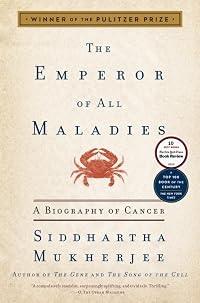
The Emperor of All Maladies: A Biography of Cancer
by Siddhartha Mukherjee
On This Page
Description
A "biography" of cancer from its origins to the epic battle to cure, control, and conquer it. A combination of medical history, cutting-edge science, and narrative journalism that transforms the listener's understanding of cancer and much of the world around them. The author provides a glimpse into the future of cancer treatments and offers a bold new perspective on the way doctors, scientists, philosophers, and lay people have observed and understood the human body for millennia.Tags
Recommendations
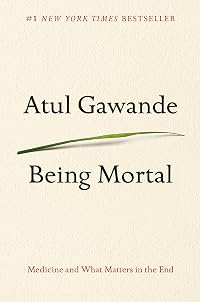

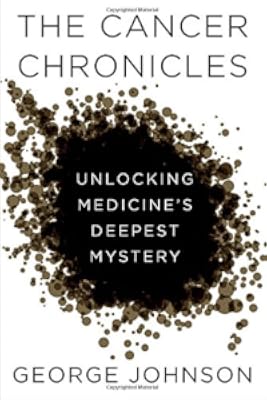
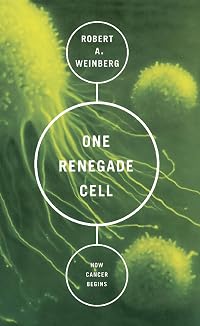
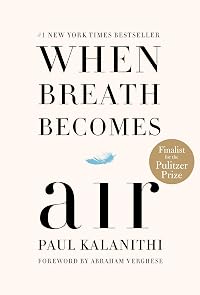
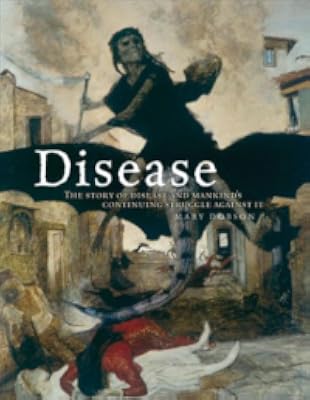

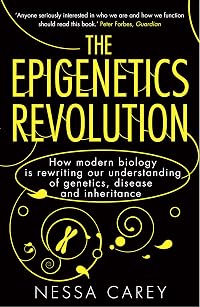

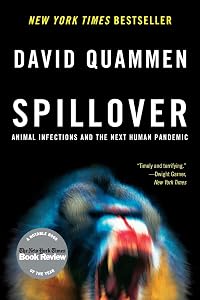

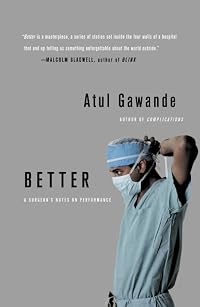
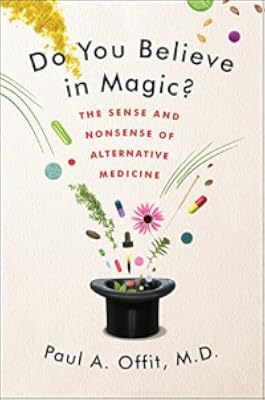


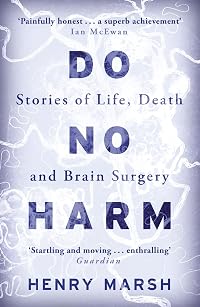

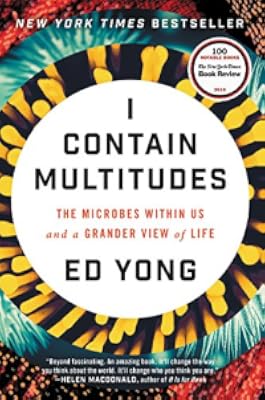

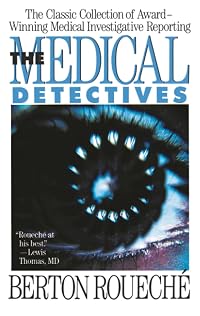
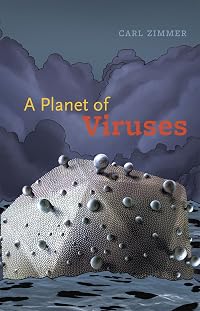

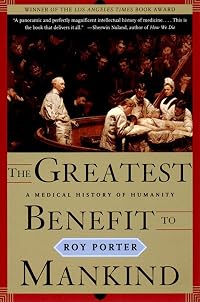
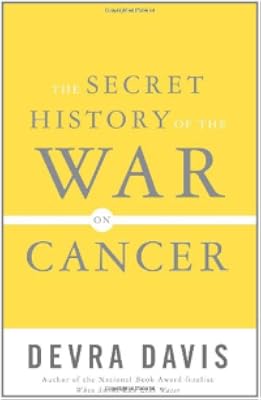
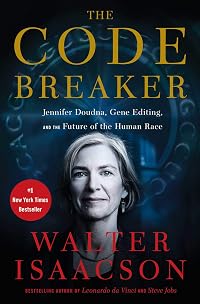
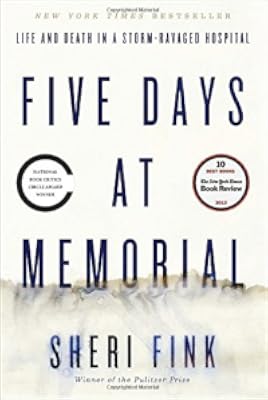
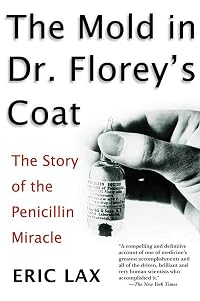
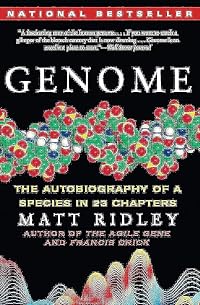
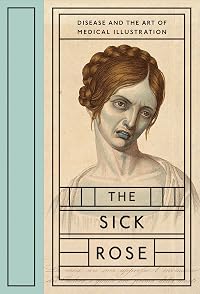








Member Recommendations

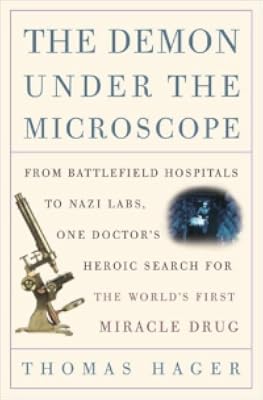
DetailMuse Both are excellent history-of-medicine narratives.
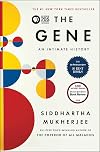
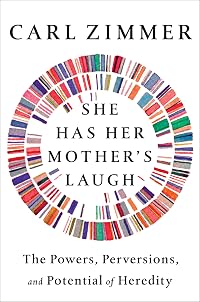
jigarpatel Given the relationship between cancer and genetic pathways, Mukherjee's later The Gene (2016) is insightful for the layperson, recommend this as a precursor to The Emperor of All Maladies.
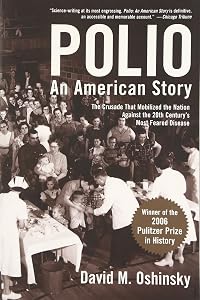
wester A time-slice of cancer history in a personal story, versus the overview of this same history. Close up and panorama view of the same thing.

The Philadelphia Chromosome: A Mutant Gene and the Quest to Cure Cancer at the Genetic Level by Jessica Wapner
hailelib Expands on Mukherjee's discussion of the development and testing of Gleevec.

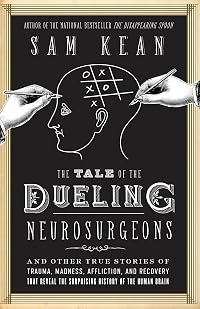
JenniferRobb Last Night in the OR discusses early liver transplants; The Emperor of All Maladies details the evolution of cancer treatment
Member Reviews
The book starts out rooted firmly in the human experience, told through the stories of patients, doctors, and discoverers from the ancients up through the modern era. I found these stories fascinating and often incredibly sad; I could relate to them. Around the 1960s the book shifts into a more technical vein, which makes sense because this is when so many innovations in cancer research and treatment began, but I found myself disengaging from the story. The author does a laudable job of keeping the human experience a part of the story, but this is a biography of cancer - not humans - and at some point the story becomes less about "us" and more about "it". Or rather, "them", because one of the most fascinating parts of the book was show more seeing how heterogenous cancer is in the human body. Lymphomas are completely different from breast cancer, which is completely different from sarcoma, etc. I truly had no idea.
Also fascinating was how breast cancer was the focus of cancer research for literally hundreds of years. This seems like a woman-positive situation until you discover the devastating surgeries and experiments that doctors inflicted on the female body. Would they have been so quick to carve out literal pounds of flesh if these were male bodies? Would male patients have had more authority over their own care, and been fully informed about what was about to be done to their bodies? Kudos to the author for explicitly calling out the medical industry on its historically cavalier treatment of women, and acknowledging the women of the 1970s who refused to be sidelined in their own treatment, and thus forged the patients' rights movement out of the second-wave feminist movement. show less
Also fascinating was how breast cancer was the focus of cancer research for literally hundreds of years. This seems like a woman-positive situation until you discover the devastating surgeries and experiments that doctors inflicted on the female body. Would they have been so quick to carve out literal pounds of flesh if these were male bodies? Would male patients have had more authority over their own care, and been fully informed about what was about to be done to their bodies? Kudos to the author for explicitly calling out the medical industry on its historically cavalier treatment of women, and acknowledging the women of the 1970s who refused to be sidelined in their own treatment, and thus forged the patients' rights movement out of the second-wave feminist movement. show less
Summary: A biography of the disease, our understanding of its nature, and approaches to treating it.
Excuse my bluntness. Cancer sucks. I’ve watched friends and beloved relatives die cruel deaths from it. The survivors I know, including those in my own family, while grateful to be alive, bear the marks of their experience. The fear of recurrence is never far away. I’ve had my own brushes with cancer with skin lesions and precancerous polyps. Early detection and treatment made these just brushes. The truth is, all of us will have some form cancer or know someone close to us who does. And for anyone with a serious cancer diagnosis, life changes irrevocably on the day they receive that diagnosis.
The marvel of Siddhartha Mukherjee’s show more The Emperor of All Maladies is to write beautifully, elegantly, clearly, and honestly about this ugly fearsome disease. The title recognizes the powerful adversary cancer is. It arises when the normal cellular mechanisms that check growth and multiplication go haywire. Also, additional changes allow it to spread and resist our own defenses as well as external agents.
Mukherjee also calls this a biography of cancer. He chronicles a four thousand year history of the disease from the Egyptian physician Imhotep, who first described it to the Persian Queen Atossa, who had a slave remove a breast to fight breast cancer in 440 BC, futilely as it turned out because the cancer had spread. He traces that history down to the present discussing both our slowly growing understanding of the disease and key figures in the history of its treatment. Mukherjee also personalizes it with Carla, one of his patients, whose journey he traces at various points of the book.
He begins with when cancer was thought to be “black bile.” Yet doctors found no such substance, even in cadavers. Early on, a cancer diagnosis simply was a death sentence. Apart from quack remedies, there was no treatment. Only palliative care was possible. With the advent of antiseptic measures, surgeries were used to remove cancers, such as William Halsted’s radical mastectomies, often quite extensive and disfiguring. But quickly, doctors learned that if cancer was not local, surgery was futile. Another blunt instrument was radiation, again effective with local cancers (although it could also cause cancer).
Mukherjee introduces us to Sidney Farber, who moved from the laboratory to the clinic to fight childhood leukemia and other cancers. Antifolates and other early chemotherapies extended the lives of children. Farber teamed up with Mary Lasker to lead an effort to secure funding for research into other chemotherapies. They created the Jimmy Fund, named after a young boy, Einar Gusfson, with leukemia who was dubbed “Jimmy.” A baseball fan, he won the hearts of Boston’s baseball teams, and money poured in.
From the 1950’s to the 1970’s, Mukherjee chronicles burgeoning, hubristic efforts to win the “war on cancer” with chemotherapy. More and more extreme combinations of drugs resulted in both victories and a lot of failures. But something was missing. While throwing all these therapies at cancer, clinicians gave little time to understanding how cancer worked. Not only that, but those who researched the cellular mechanisms of cancer weren’t talking to the clinicians who treated it.
Then, beginning in the 1980’s, there was an explosion in understanding the nature of cancer, and the genetic mechanisms behind its uncontrolled multiplication and spread. Just as the human genome has been sequenced, so are cancer genomes, tracing pathways by which normal cells turn cancerous. This has been accompanied by advances in both prevention and therapeutics, including identifications of mutations like the BRCA gene that leads to some breast cancers.
Since 2010, there have been an avalanche of advances in cancer biology, prevention, and treatment. So in 2025, Mukherjee released an updated edition of the book with four new chapters detailing these advances.
Despite the heartbreaks and latent fears I’ve known, I found Mukherjee’s account fascinating. Mukherjee weaves into the history and the science real people, both those who die and those who survive. His book stands as a warning against hubris in announcing “cures for cancer.” He helps us understand why cancer is such a difficult to conquer emperor and what has been and is being done. He reflects the realistic hope of every cancer survivor who speaks, not of cures, but of “no evidence of disease” that allows one to live another day. Mukherjee also reminds us of the army of people working to prevent cancer and treat it, not giving up on conquering the emperor. show less
Excuse my bluntness. Cancer sucks. I’ve watched friends and beloved relatives die cruel deaths from it. The survivors I know, including those in my own family, while grateful to be alive, bear the marks of their experience. The fear of recurrence is never far away. I’ve had my own brushes with cancer with skin lesions and precancerous polyps. Early detection and treatment made these just brushes. The truth is, all of us will have some form cancer or know someone close to us who does. And for anyone with a serious cancer diagnosis, life changes irrevocably on the day they receive that diagnosis.
The marvel of Siddhartha Mukherjee’s show more The Emperor of All Maladies is to write beautifully, elegantly, clearly, and honestly about this ugly fearsome disease. The title recognizes the powerful adversary cancer is. It arises when the normal cellular mechanisms that check growth and multiplication go haywire. Also, additional changes allow it to spread and resist our own defenses as well as external agents.
Mukherjee also calls this a biography of cancer. He chronicles a four thousand year history of the disease from the Egyptian physician Imhotep, who first described it to the Persian Queen Atossa, who had a slave remove a breast to fight breast cancer in 440 BC, futilely as it turned out because the cancer had spread. He traces that history down to the present discussing both our slowly growing understanding of the disease and key figures in the history of its treatment. Mukherjee also personalizes it with Carla, one of his patients, whose journey he traces at various points of the book.
He begins with when cancer was thought to be “black bile.” Yet doctors found no such substance, even in cadavers. Early on, a cancer diagnosis simply was a death sentence. Apart from quack remedies, there was no treatment. Only palliative care was possible. With the advent of antiseptic measures, surgeries were used to remove cancers, such as William Halsted’s radical mastectomies, often quite extensive and disfiguring. But quickly, doctors learned that if cancer was not local, surgery was futile. Another blunt instrument was radiation, again effective with local cancers (although it could also cause cancer).
Mukherjee introduces us to Sidney Farber, who moved from the laboratory to the clinic to fight childhood leukemia and other cancers. Antifolates and other early chemotherapies extended the lives of children. Farber teamed up with Mary Lasker to lead an effort to secure funding for research into other chemotherapies. They created the Jimmy Fund, named after a young boy, Einar Gusfson, with leukemia who was dubbed “Jimmy.” A baseball fan, he won the hearts of Boston’s baseball teams, and money poured in.
From the 1950’s to the 1970’s, Mukherjee chronicles burgeoning, hubristic efforts to win the “war on cancer” with chemotherapy. More and more extreme combinations of drugs resulted in both victories and a lot of failures. But something was missing. While throwing all these therapies at cancer, clinicians gave little time to understanding how cancer worked. Not only that, but those who researched the cellular mechanisms of cancer weren’t talking to the clinicians who treated it.
Then, beginning in the 1980’s, there was an explosion in understanding the nature of cancer, and the genetic mechanisms behind its uncontrolled multiplication and spread. Just as the human genome has been sequenced, so are cancer genomes, tracing pathways by which normal cells turn cancerous. This has been accompanied by advances in both prevention and therapeutics, including identifications of mutations like the BRCA gene that leads to some breast cancers.
Since 2010, there have been an avalanche of advances in cancer biology, prevention, and treatment. So in 2025, Mukherjee released an updated edition of the book with four new chapters detailing these advances.
Despite the heartbreaks and latent fears I’ve known, I found Mukherjee’s account fascinating. Mukherjee weaves into the history and the science real people, both those who die and those who survive. His book stands as a warning against hubris in announcing “cures for cancer.” He helps us understand why cancer is such a difficult to conquer emperor and what has been and is being done. He reflects the realistic hope of every cancer survivor who speaks, not of cures, but of “no evidence of disease” that allows one to live another day. Mukherjee also reminds us of the army of people working to prevent cancer and treat it, not giving up on conquering the emperor. show less
This “biography of cancer” starts with the first documented cases of cancer, continues through initial attempts at cures, and finishes with descriptions of the most recent discoveries. Intertwined with the historical narrative are the stories of the author’s patients, giving us just a glimpse of what it’s like to live with cancer.
For all of The Emperor of Maladies popular acclaim, this is not a book I would describe as “pop science”. That’s not to say that the science was hard to understand, just that it wasn’t simplified. So often, science books rely on analogies to convey the gist of a scientific concept, but gloss over the details. Mukherjee doesn’t compromise on the details. Instead he takes the time to explain, show more clearly and simply, the scientific concepts the reader needs to understand. He writes beautifully and elegantly. He uses large words naturally and precisely, never coming across as trying to hard. And while his scientifically precise choice of words is clear in the appropriate sections, his word choice in the personal stories clearly conveys his empathy and respect for his patients.
This first thing several people asked me when I said I was reading a book on cancer was “isn’t that depressing?”. Fortunately, no. Of course there were research setbacks and not every patient survives. Each of these tragedies were deeply moving. The author makes you feel very strongly the hopes and disappointments of patients, doctors, and scientists. Overall, however, this is a story of progress. A story of the amazing ways in which scientists have built on the successes of those that come before them. A story which has moved on from the early expectation that we will easily defeat cancer, but still a story that ended not with depression but with hope. Highly recommended.
This review first published on Doing Dewey. show less
For all of The Emperor of Maladies popular acclaim, this is not a book I would describe as “pop science”. That’s not to say that the science was hard to understand, just that it wasn’t simplified. So often, science books rely on analogies to convey the gist of a scientific concept, but gloss over the details. Mukherjee doesn’t compromise on the details. Instead he takes the time to explain, show more clearly and simply, the scientific concepts the reader needs to understand. He writes beautifully and elegantly. He uses large words naturally and precisely, never coming across as trying to hard. And while his scientifically precise choice of words is clear in the appropriate sections, his word choice in the personal stories clearly conveys his empathy and respect for his patients.
This first thing several people asked me when I said I was reading a book on cancer was “isn’t that depressing?”. Fortunately, no. Of course there were research setbacks and not every patient survives. Each of these tragedies were deeply moving. The author makes you feel very strongly the hopes and disappointments of patients, doctors, and scientists. Overall, however, this is a story of progress. A story of the amazing ways in which scientists have built on the successes of those that come before them. A story which has moved on from the early expectation that we will easily defeat cancer, but still a story that ended not with depression but with hope. Highly recommended.
This review first published on Doing Dewey. show less
A REVIEW OF THE AUDIOBOOK VERSION
It is a testament to Mukherjee’s writing that I listened to 20 hours and 49 minutes of this audiobook with relatively little discomfort. Billed as “a biography of cancer,” this book is ambitious. Examining cancer from its earliest appearances in medical history to present day developments, Mukherjee takes his complex and wide-ranging subject and breaks it down into understandable pieces. He also manages to make it personal. Using the case history of one of his patients diagnosed with leukemia as a framing device for the book, Mukherjee never forgets that behind all the technological advances, clinical studies, fundraising efforts, legislation and research are real people fighting for their lives. show more By putting human stories front and center (just like the Jimmy Fund), Mukherjee makes what could have been a dry and incomprehensible book come alive with stories that each of us can relate to.
I was surprised how fascinating the history of cancer turned out to be. So many scientists, physicians, surgeons and researchers have struggled to understand and “cure” this elusive disease. Hearing about the various breakthroughs that led to our current understanding of cancer was almost like reading a suspense novel. Who would figure out the “cause” of cancer? When would they make a link between smoking and lung cancer? When would surgeons realize that radical mastectomies were not a cure for breast cancer? Aside from the medical issues surrounding cancer research, Mukherjee also spends a fair amount of time on the politics of cancer—from the fundraising and advocacy efforts of Mary Lasker to the radical advocacy of groups like ACT UP. One lesson repeated time and time again is that breakthroughs in cancer treatments often happen because of passionate and dedicated people who won’t take no for an answer.
One downside of reading/listening to this book is that you will come to feel that developing cancer of some form or another is an almost inevitable part of being human. If my understanding of this book is accurate, cancer is essentially a part of each and every one of us—built into our very genes and waiting only to be activated by a combination of triggers that may or may not happen in our lifetime. We can take every precaution we want (not smoking, exercising regularly, eating healthily) but might develop a type of cancer. The good news is that many types of cancer can be successfully treated (even vanquished). The bad news, however, is that a universal cure for cancer is a myth. Like people, cancer has numerous different forms and, in many ways, is adapting and evolving along with our understanding and treatment of it. As upsetting as this may sound, I still think it is best to understand the history and nature of cancer and be ready to fight if and when the time comes. And, with any luck, we’ll each have an oncologist as gifted and humane as Dr. Mukherjee heading up our treatment.
A Word About the Narration: The narrator, Simon Hoye, was certainly given a challenge in reading this book, and he did a pretty good job. However, I felt his voice was ill-suited for such a long listen. I needed a little more color and nuance and expression and often found myself longing for a different narrator. show less
It is a testament to Mukherjee’s writing that I listened to 20 hours and 49 minutes of this audiobook with relatively little discomfort. Billed as “a biography of cancer,” this book is ambitious. Examining cancer from its earliest appearances in medical history to present day developments, Mukherjee takes his complex and wide-ranging subject and breaks it down into understandable pieces. He also manages to make it personal. Using the case history of one of his patients diagnosed with leukemia as a framing device for the book, Mukherjee never forgets that behind all the technological advances, clinical studies, fundraising efforts, legislation and research are real people fighting for their lives. show more By putting human stories front and center (just like the Jimmy Fund), Mukherjee makes what could have been a dry and incomprehensible book come alive with stories that each of us can relate to.
I was surprised how fascinating the history of cancer turned out to be. So many scientists, physicians, surgeons and researchers have struggled to understand and “cure” this elusive disease. Hearing about the various breakthroughs that led to our current understanding of cancer was almost like reading a suspense novel. Who would figure out the “cause” of cancer? When would they make a link between smoking and lung cancer? When would surgeons realize that radical mastectomies were not a cure for breast cancer? Aside from the medical issues surrounding cancer research, Mukherjee also spends a fair amount of time on the politics of cancer—from the fundraising and advocacy efforts of Mary Lasker to the radical advocacy of groups like ACT UP. One lesson repeated time and time again is that breakthroughs in cancer treatments often happen because of passionate and dedicated people who won’t take no for an answer.
One downside of reading/listening to this book is that you will come to feel that developing cancer of some form or another is an almost inevitable part of being human. If my understanding of this book is accurate, cancer is essentially a part of each and every one of us—built into our very genes and waiting only to be activated by a combination of triggers that may or may not happen in our lifetime. We can take every precaution we want (not smoking, exercising regularly, eating healthily) but might develop a type of cancer. The good news is that many types of cancer can be successfully treated (even vanquished). The bad news, however, is that a universal cure for cancer is a myth. Like people, cancer has numerous different forms and, in many ways, is adapting and evolving along with our understanding and treatment of it. As upsetting as this may sound, I still think it is best to understand the history and nature of cancer and be ready to fight if and when the time comes. And, with any luck, we’ll each have an oncologist as gifted and humane as Dr. Mukherjee heading up our treatment.
A Word About the Narration: The narrator, Simon Hoye, was certainly given a challenge in reading this book, and he did a pretty good job. However, I felt his voice was ill-suited for such a long listen. I needed a little more color and nuance and expression and often found myself longing for a different narrator. show less
This is a fascinating discussion of the history of the treatment of cancer, mostly in the US and the UK, and mostly in the last 100 years. The author's examination of the twists and turns of research efforts to "cure cancer" is illuminating, and has a great deal to say to the current health care debate in the U.S. To a horrifying extent, the direction of cancer research -- and the treatments applied as a result of that research -- have NOT reflected objective scientific appraisal. Instead, they have been driven by the convictions and psychologies of the doctors directing the research. At the end of the book, I at least was convinced a) that progress in "curing cancer" has been disappointing, and b) that there is a crying need for show more evidence-based medical evaluation, in this and in so many other areas.
The book is splendidly written -- clear on the facts, and upfront in dealing with the emotions that are inevitably involved in such a subject. That doesn't mean that it is an easy read. As a cancer survivor and a former smoker, I found it at times painful and frightening to read, but I am glad I kept at it. Knowing more about a problem is always a good idea, and the issues around cancer are very much clarified by this book. show less
The book is splendidly written -- clear on the facts, and upfront in dealing with the emotions that are inevitably involved in such a subject. That doesn't mean that it is an easy read. As a cancer survivor and a former smoker, I found it at times painful and frightening to read, but I am glad I kept at it. Knowing more about a problem is always a good idea, and the issues around cancer are very much clarified by this book. show less
I've had this on my tbr since before my 3 year old was diagnosed with cancer. I'm glad I waited to read this till I was on the other side of her treatment.
This is an immense chronicle of what we know of cancer and how it's been treated over the decades. It's crazy that we haven't improved cancer treatment in any meaningful way since chemotherapy regimens were first discovered. The cocktail of drugs they started with is largely what was used in 2020.
I hate that new drugs targeting more specific cancers aren't funded because they aren't profitable. We experienced a shortage of a vital drug due to it not remaining profitable during her treatment. For profit healthcare is evil.
Despite pediatric cancer receiving very little funding, it was a show more large focus of this book. I am thankful for all the oncologists and patients who have come before. As the Green brothers have just said, this is the best time in history to be diagnosed with cancer. Though a year from now would be better. (John & Hank Green). show less
This is an immense chronicle of what we know of cancer and how it's been treated over the decades. It's crazy that we haven't improved cancer treatment in any meaningful way since chemotherapy regimens were first discovered. The cocktail of drugs they started with is largely what was used in 2020.
I hate that new drugs targeting more specific cancers aren't funded because they aren't profitable. We experienced a shortage of a vital drug due to it not remaining profitable during her treatment. For profit healthcare is evil.
Despite pediatric cancer receiving very little funding, it was a show more large focus of this book. I am thankful for all the oncologists and patients who have come before. As the Green brothers have just said, this is the best time in history to be diagnosed with cancer. Though a year from now would be better. (John & Hank Green). show less
Magnificent book; combines the scientific story (research into cancer and medical practice over the last century or so) with human stories of both medics and patients. Also some very apt quotes at chapter heads both from people involved and from literature. His acquaintance with great literature also evident in his writing style (e.eg. several echoes of Yeats’s rough beast slouching towards Bethlehem). The science is made very clear, only towards the end does it get somewhat opaque when we get into genetics and the text is peppered with lowercase three letter acronyms ras, myc, her, etc). Given that some of the genes and some of the forms of cancer also go by their initials it gets pretty hairy , not to mention that some of the show more organisations are also acronyms, NIH being one of the better known. The angle is very much US but, fair enough, that’s where he works in spite of the Indian name The elegance of the prose is sometimes marred by Americanisms such as the overuse of “normalcy“. The approach to cancer has moved from “incurable“ via heroic surgery (remove everything and then some and replace it with transplants), onto ‘if we spend enough money, we’ll get results”, to, most recently, the genetic approach which gets some piecemeal success. One gets the feeling that ‘the cure for cancer“ is a kind of receding target. It will never be a complete story but progress has been made; extending survival times and in some cases actually healing and clearing in ways impossible a few decades ago.
At 470 pages, it’s a fat tome, but one of those books I might read again in a few years’ time. show less
At 470 pages, it’s a fat tome, but one of those books I might read again in a few years’ time. show less
Members
- Recently Added By
Published Reviews
ThingScore 100
It's time to welcome a new star in the constellation of great doctor-writers. With this fat, enthralling, juicy, scholarly, wonderfully written history of cancer, Siddhartha Mukherjee - a cancer physician and researcher at Columbia University - vaults into that exalted company ...
added by tim.taylor
Lists

Best Medical Nonfiction
79 works; 29 members

Top Five Books of 2013
1,562 works; 715 members

Really Good Narrative Non-Fiction
65 works; 24 members

The Guardian's 100 best books of the 21st century
100 works; 21 members

Recommend the 20 best books you've read in the last five years
2,168 works; 601 members

To Read - Medicine
18 works; 1 member

Top-Rated Books on LibraryThing
272 works; 117 members

Pulitzer Prize for General Non-Fiction
16 works; 3 members

Top Five Books of 2017
757 works; 231 members

2008-2012 Notable Books for Adults
127 works; 10 members

wish list
61 works; 3 members

Mustich's 1000 Books to Read Before You Die: A Life Changing List
1,001 works; 19 members

.
184 works; 1 member

Books That Changed Our Perspective
423 works; 168 members

Recommended Reading : 600 Classics Reviewed, Editors of Salem Press, 2015
634 works; 6 members

NYT 100 best books of 21st C
100 works; 31 members

Books Read in 2016
4,666 works; 197 members

The r/AskScience Reading List
159 works; 3 members

Simon & Schuster
136 works; 4 members

My TBR list
38 works; 1 member

Allie's Wishlist
217 works; 2 members

Books To Get From The Library
115 works; 5 members

Vlogbrothers Book Recommendations
307 works; 4 members
Talk Discussions
Past Discussions
Emperor of Maladies-- book about cancer in Science! (July 2012)
Author Information

9+ Works 11,137 Members
Siddhartha Mukherjee was born in 1970 in New Delhi, India. He received an undergraduate degree in biology from Stanford University, a DPhil in immunology from Magdalen College, Oxford University, and a M.D. from Harvard Medical School. He is known for his work on the formation of blood, and the interactions between the micro-environment and cancer show more cells. His book, The Emperor of All Maladies: A Biography of Cancer, won the 2011 Pulitzer Prize in general non-fiction. He is an assistant professor of medicine at Columbia University and a staff physician at Columbia University Medical Center. His articles have appeared in Nature, The New England Journal of Medicine, The New York Times, and The New Republic. (Bowker Author Biography) show less
Some Editions
Awards and Honors
Awards
Distinctions
Notable Lists
Work Relationships
Has the adaptation
Has as a student's study guide
Common Knowledge
- Canonical title*
- Der König aller Krankheiten
- Original title
- The Emperor of All Maladies: A Biography of Cancer
- Original publication date
- 2010
- People/Characters
- Sidney Farber; Rudolf Virchow; George Minot; Lucy Wills; Robert Sandler; Atossa (show all 61); Arthur Aufderheide; Louis Leakey; Claudius Galen; Leonard Bertipaglia; Ambroise Paré; Matthew Baillie; John Hunter; Theodor Billroth; William Stewart Halsted; Hugh Hampton Young; Evarts Graham; Wilhelm Rontgen; Henri Becquerel; Pierre Curie; Marie Curie; Emil Grubbe; Rose Lee; William Perkin; Friedrich Wohler; Paul Ehrlich; Robert Koch; Louis Goodman; Alfred Gilman; Gustaf Lindskog; Gertrude Elion; Trudy Elion; Cornelius Rhoads; Joseph Burchenal; Mary Lois Murphy; Catherine Variety Sheridan; Elinar Gustafson; Mary Woodard Lasker; Albert Lasker; Emil Freireich; Gordon Zubrod; Min Chiu Li; Ben Orman; Beatrice Sorenson; Thomas Hodgkin; Carl Sternberg; Rene Gilbert; Vera Peters; Henry Kaplan; Donald Pinkel; Carla Reed; Geoffrey Keynes; George Barney Crile; Rachel Carson; Larry Einhorn; Edward Doisy; John Cairns; Percivall Pott; Richard Doll; Bradford Hill; Germaine Berne
- Important places
- New York, New York, USA
- Important events
- Second Battle of Ypres (1915); Children's Cancer Research Foundation (1948); Truth or Consequences Broadcast (1948); National Cancer Act (1971); Chimney Sweepers Act (1788); Federal Cigarette Labeling and Advertising Act (1965)
- Epigraph
- Illness is the night-side of life, a more onerous citizenship. Everyone who is born holds dual citizenship, in the kingdom of the well and the kingdom of the sick. Although we all prefer to use only the good passport, sooner ... (show all)or later each of us is obliged, at least for a spell, to identify ourselves as citizens of that other place. —Susan Sontag
- Dedication
- To Robert Sandler (1945-1948), and to those who came before and after him.
- First words
- Prologue
Diseases desperate grown
By desperate appliance are relieved
Or not at all.
—William Shakespeare,
Hamlet
Cancer begins and ends with people. In the midst of
scientific abstrac... (show all)tion, it is sometimes possible to forget
this one basic fact. . . . Doctors treat diseases, but they also
treat people, and this precondition of their professional
existence sometimes pulls them in two directions at once.
—June Goodfield
On the morning of May 19, 2004, Carla Reed, a thirty-year-old kindergarten teacher from Ipswich, Massachusetts, a mother of three young children, woke up in bed with a headache.
In a damp fourteen-by-twenty-foot laboratory in Boston on a December morning in 1947, a man named Sidney Farber waited impatiently for the arrival of a parcel from New York. - Quotations
- In solving a problem of this sort, the grand thing is to be able to reason backwards. That is a very useful accomplishment, and a very easy one, but people do not practice it much. —Sherlock Holmes, in Sir Arthur Conan Doy... (show all)le's A Study in Scarlet
Physicians of the utmost fame Were called at once; but when they came They answered, as they took their Fees, "There is no Cure for this Disease." —Hilaire Belloc
Its palliation is a daily task, its cure a fervent hope. —William Castle, describing leukemia in 1950
Civilization did not cause cancer, but by extending human life spans - civilization unveiled it. - Last words
- (Click to show. Warning: May contain spoilers.)In that haunted last night, hanging onto her life by no more than a tenuous thread, summoning all her strength and dignity as she wheeled herself to the privacy of her bathroom, it was as if she had encapsulated the essence of a four-thousand-year-old war.
- Blurbers
- Judt, Tony; Rieff, David; Vogelstein, Bert; Canellos, George; Solomon, Andrew; Hochschild, Adam (show all 10); Berry, Donald; Vogelstein, Bert; Carey, John; Shapin, Steven
*Some information comes from Common Knowledge in other languages. Click "Edit" for more information.
Classifications
- Genres
- General Nonfiction, Science & Nature, Nonfiction, History
- DDC/MDS
- 616.994 — Applied science & technology Medicine & health Diseases, Allergies, Skin Conditions Infections, AIDS, Cancer Cancer Other Cancer
- LCC
- RC275 .M85 — Medicine Internal medicine Internal medicine Neoplasms. Tumors. Oncology
- BISAC
Statistics
- Members
- 6,069
- Popularity
- 2,088
- Reviews
- 217
- Rating
- (4.28)
- Languages
- 16 — Chinese, Czech, Dutch, English, Finnish, French, German, Hebrew, Italian, Norwegian (Bokmål), Polish, Portuguese, Russian, Spanish, Swedish, Turkish
- Media
- Paper, Audiobook, Ebook
- ISBNs
- 68
- UPCs
- 2
- ASINs
- 30