On This Page
Description
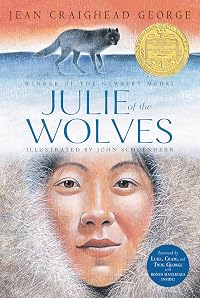
While running away from home and an unwanted marriage, a thirteen-year-old Eskimo girl becomes lost on the North Slope of Alaska and is befriended by a wolf pack.Tags
Recommendations
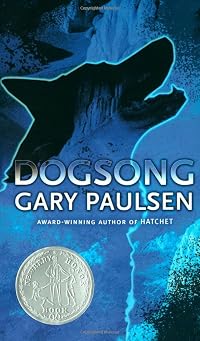
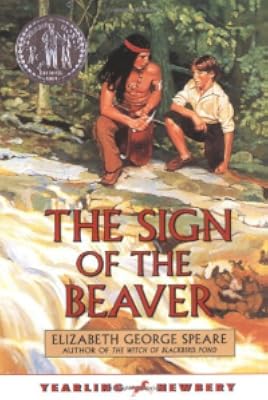
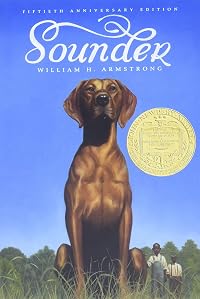
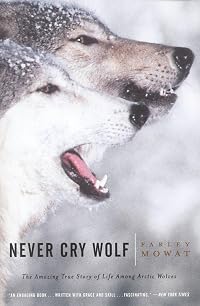
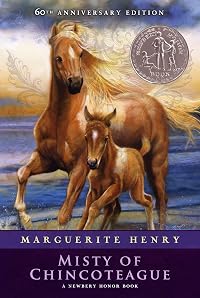
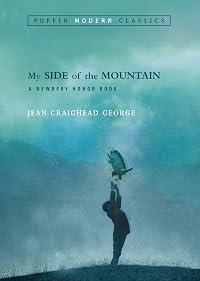

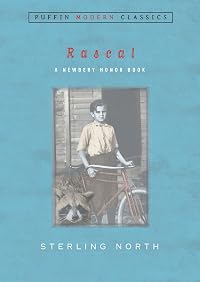
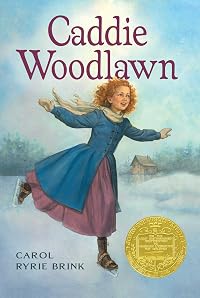
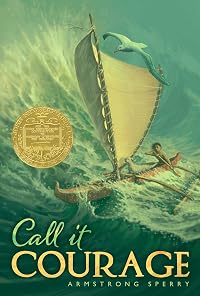

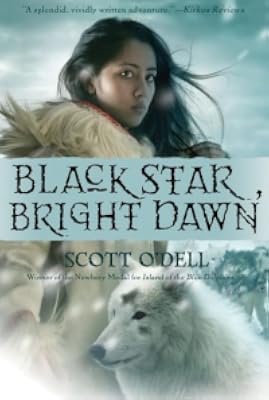

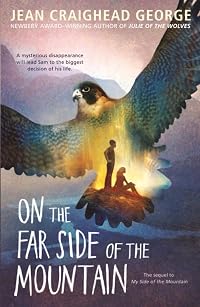
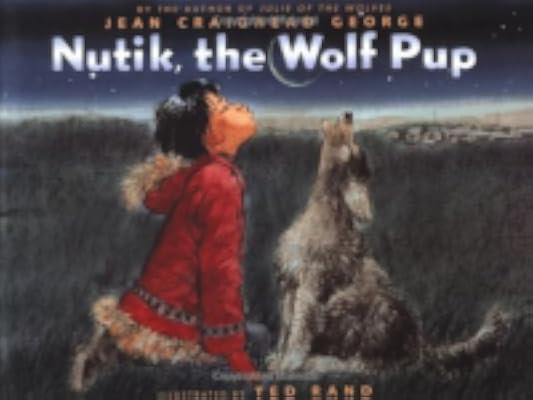
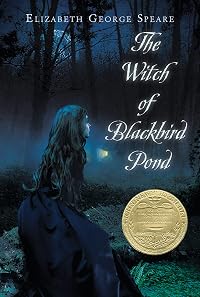
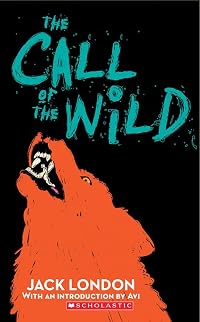

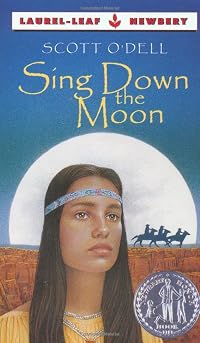
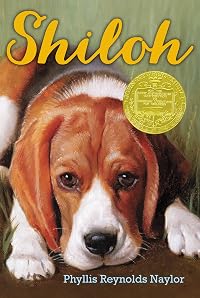
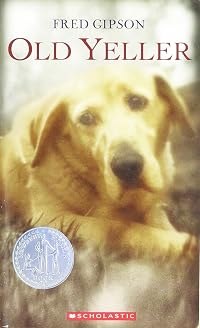
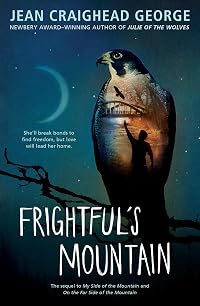
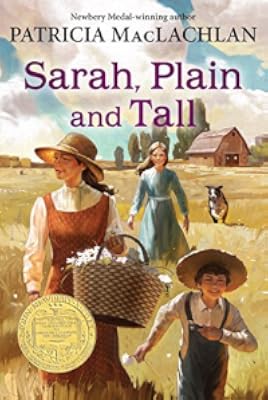
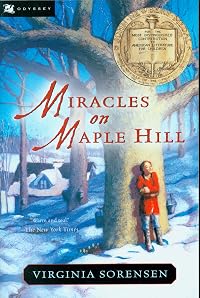
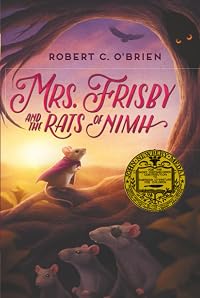

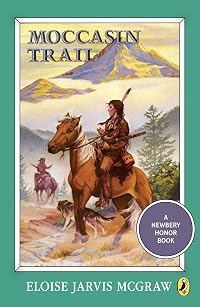

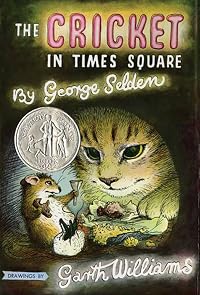
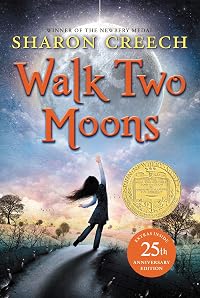
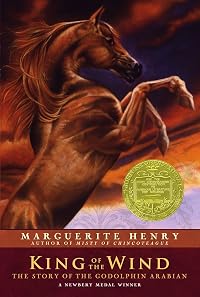
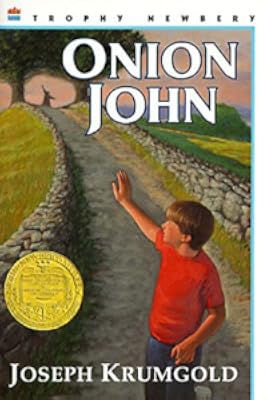
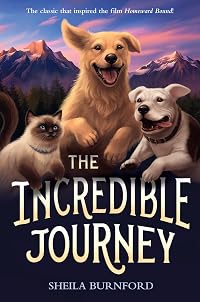

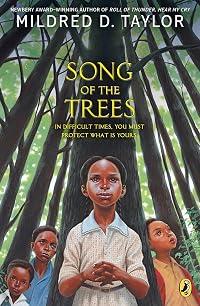


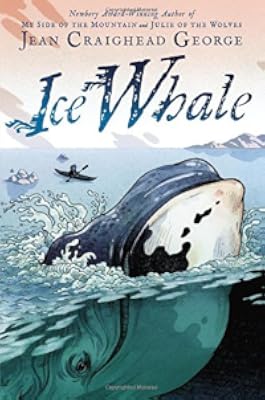
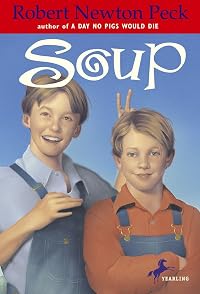

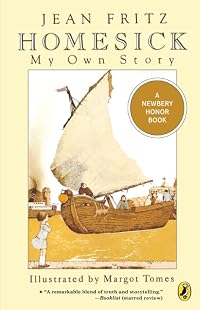


Member Recommendations
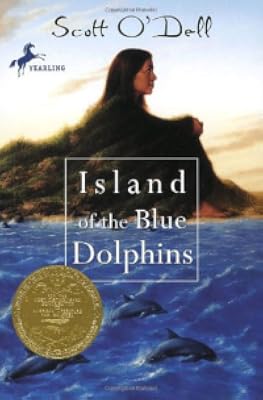
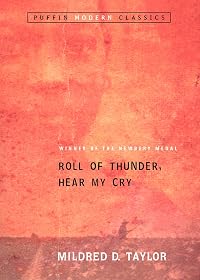
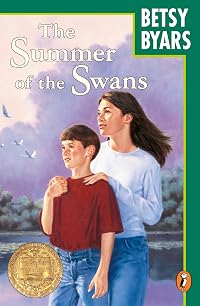
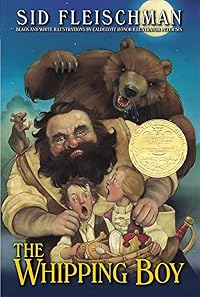
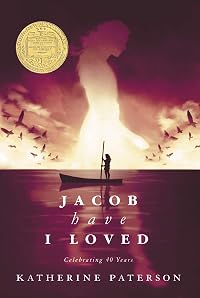
Paige22 Another great book about survival. A young teenager in the wilderness similar to Julie of the Wolves.
20


Member Reviews
Stories that have a female protagonist that do not center on domestic life or romance are always refreshing. And if they are written by a woman, all the better.
Besides being a good outdoor adventure that kept me intrigued all the way through, I am mulling over its larger story and meaning. Filled with native traditions, imperialism and capitalism, limitations of gender-defined roles, all of that packed into a book aimed at younger readers. That's a good thing.
The last few paragraphs surprised me at how sad they hit me. Realistic but sad. I understand George wrote a couple of sequels, but I'm not ready for them. I want to savor this one and its ending and to think how the life of Julie/Miyax might have continued, drifting in and out of show more my thoughts for a while. show less
Besides being a good outdoor adventure that kept me intrigued all the way through, I am mulling over its larger story and meaning. Filled with native traditions, imperialism and capitalism, limitations of gender-defined roles, all of that packed into a book aimed at younger readers. That's a good thing.
The last few paragraphs surprised me at how sad they hit me. Realistic but sad. I understand George wrote a couple of sequels, but I'm not ready for them. I want to savor this one and its ending and to think how the life of Julie/Miyax might have continued, drifting in and out of show more my thoughts for a while. show less
A 1973 Newbery Medal winner, Julie of the Wolves by Jean Craighead George is the story of a young Inuit girl named Miyax, Julie is her English name given to her by her aunt who sends her to an American school after the death of her father. Forced into an arranged marriage at age 13 to the mentally challenged son of her father’s best friend, she flees after he tries to rape her. She becomes lost on the Alaskan tundra and survives by befriending a wolf pack. Her father had been a skilled hunter and she learned from him many of the skills she needed to survive in such a harsh environment. Her plan is to make her way to a harbour town and escape south to San Francisco where she has a pen pal friend who has invited her to stay.
While the show more book is obviously written for a younger audience, I found it an engaging and educational read. As Miyax travels with the wolf pack, they become like a family to her, but there are some difficult decisions ahead for when she discovers that her father didn’t die but is now hunting wolves from an airplane. The simple prose and bittersweet story gives the reader a strong picture of how the original Inuit customs and culture are being forever altered by the modern world. show less
While the show more book is obviously written for a younger audience, I found it an engaging and educational read. As Miyax travels with the wolf pack, they become like a family to her, but there are some difficult decisions ahead for when she discovers that her father didn’t die but is now hunting wolves from an airplane. The simple prose and bittersweet story gives the reader a strong picture of how the original Inuit customs and culture are being forever altered by the modern world. show less
I have mixed feelings about this book. On one hand, the basic setting and the interaction between Julie and her pack of wolves is compelling. It's a child friendly plot at this level. The problem is that the reason Julie leaves her village is one I'd not feel comfortable sharing with my elementary children. At thirteen, Julie agrees to marry the son of her father's friend, so she can escape her aunt's house. Unfortunately, after traveling many miles, she discovers that her new husband is mentally disabled. She remains as long as she is able to be like a "sister" to him. When he comes in one day, disturbed by the taunts of other children that he has never "mated" with his wife, he attempts to rape Julie and she flees. The scene is short show more and not particularly gratuitous, but may be a concern to parents. As well, I did not care for the ending. Julie rejects the Americanization of her father and stepmother and returns to the "old ways" of the Eskimo. In an abrupt change, she sets her feet back toward her father. After all, she ran away from the "old ways" of her father's friend-- including alcoholism, child marriage. In some ways it feels as though George is romanticizing the old ways (living with the wolves), while in the same breath recognizing the problems with the culture. It feels untrue and unsatisfying. For these reasons, this isn't a Newbery winner that I'd rush to give children. (Note: Having read one of George's sequels, it would seem that Julie was able to reconcile the old ways with the new. I still think the ending feels untrue.) show less
This one falls firmly in the same category as Island of the Blue Dolphins. The plot is similar, a young girl surviving on her own in the wilderness. In this book Julie’s Eskimo culture is explored as she tries to make it through harsh weather and starvation. Age wise, kids should be old enough to understand heavy truths about survival. There were heartbreaking moments, but we loved learning more about the tribes who’ve lived in Alaska for generations.
Julie Edwards Miyax Kapugen is a 13-year-old Eskimo girl on the cusp between childhood and womanhood, between traditional life and modern “white” life. Orphaned and living with an aunt she dreams alternately of the years she spent living with her father at a small village and of San Francisco and the pink “mansion” where her pen pal Amy lives. She is married at thirteen to the son of her father’s good friend, an arrangement that had been made years previously, but Daniel is not a suitable husband, so Julie leaves to find her own way. She uses all the skills her father taught her regarding the traditional Eskimo life, but still she is struggling to feed herself. When she encounters a wolf pack she recalls her father’s story show more of wolves, so she observes them carefully and learns more about surviving on the Alaska tundra. Leaving Julie behind, she becomes Miyax, an Eskimo girl.
This is a lovely and compelling story. More than just a coming-of-age tale, it is a tale of survival. Our young heroine has endured considerable tragedy in “modern” life; her time on the vast and unforgiving tundra will test her in ways many adults could not manage. She shows intelligence, drive, persistence, patience, empathy and spirituality. She is truly torn and her final decision on whether to stay on the tundra as Miyax or return to a village as Julie is a heart-wrenchingly difficult one.
George paints a desolate landscape that still has beauty and majesty. Julie’s character unfolds as her confidence in her skills grows. We feel her excitement and despair. Relish her successes and worry over her missteps. The book is aimed at children ages 10 and older, but adults will enjoy it as well.
The audio book is performed by Christina Moore, who does a wonderful job, bringing not only Julie but the animals and landscape of Alaska to life. show less
This is a lovely and compelling story. More than just a coming-of-age tale, it is a tale of survival. Our young heroine has endured considerable tragedy in “modern” life; her time on the vast and unforgiving tundra will test her in ways many adults could not manage. She shows intelligence, drive, persistence, patience, empathy and spirituality. She is truly torn and her final decision on whether to stay on the tundra as Miyax or return to a village as Julie is a heart-wrenchingly difficult one.
George paints a desolate landscape that still has beauty and majesty. Julie’s character unfolds as her confidence in her skills grows. We feel her excitement and despair. Relish her successes and worry over her missteps. The book is aimed at children ages 10 and older, but adults will enjoy it as well.
The audio book is performed by Christina Moore, who does a wonderful job, bringing not only Julie but the animals and landscape of Alaska to life. show less
I'm really surprised I didn't read this book as a child. I was totally into the "kids living on their own" theme when I was in junior high. I actually wrote a book in eighth grade about a girl named Kia who escapes from her large family into a secret room in her house and then gets scurvy.
Okay, so maybe my book wasn't exactly like this one, which is about a girl who escapes an arranged marriage by heading out onto the tundra and living on her own (with the help of a pack of wolves). But the themes of escape and self-sufficiency are in both. Well, except that my heroine wasn't exactly self-sufficient.
Fine, my book wasn't at all like this one, but I still think I would have liked Julie of the Wolves had I read it as a kid. My show more eight-year-old sure loves it, but I think she loves it more for the communicating-with-animals part (the same reason she loves Michelle Paver's Chronicles of Ancient Darkness series).
I guess I'm not sure if it would really be so easy in real life to win the trust of a wolf pack, but then I've not tried. It didn't seem so far-fetched to me that it detracted from the story, though. It was all a part of Julie/Miyax's set-apartness. I loved how everything that others saw as backward and a result of poor decision-making, Julie saw as wonderful. She was almost magical in her specialness and her self-confidence. Naturally, she chafed in the life of the city, even as she tried so hard to belong there. But then, I think Jean Craighead George painted a scene in which Eskimo culture itself was chafing in the life of the city where the compromises of the old ways proved too much to maintain a sense of self.
This story left me feeling nostalgic for the time when magical things seemed possible to me, before grown-up pragmatism and self-consciousness boxed in and tamed that sense of possibility.
Will Julie's magic make it through her adolescence, or will she be forced to compromise it? I'm almost too afraid to read the next books to find out. show less
Okay, so maybe my book wasn't exactly like this one, which is about a girl who escapes an arranged marriage by heading out onto the tundra and living on her own (with the help of a pack of wolves). But the themes of escape and self-sufficiency are in both. Well, except that my heroine wasn't exactly self-sufficient.
Fine, my book wasn't at all like this one, but I still think I would have liked Julie of the Wolves had I read it as a kid. My show more eight-year-old sure loves it, but I think she loves it more for the communicating-with-animals part (the same reason she loves Michelle Paver's Chronicles of Ancient Darkness series).
I guess I'm not sure if it would really be so easy in real life to win the trust of a wolf pack, but then I've not tried. It didn't seem so far-fetched to me that it detracted from the story, though. It was all a part of Julie/Miyax's set-apartness. I loved how everything that others saw as backward and a result of poor decision-making, Julie saw as wonderful. She was almost magical in her specialness and her self-confidence. Naturally, she chafed in the life of the city, even as she tried so hard to belong there. But then, I think Jean Craighead George painted a scene in which Eskimo culture itself was chafing in the life of the city where the compromises of the old ways proved too much to maintain a sense of self.
This story left me feeling nostalgic for the time when magical things seemed possible to me, before grown-up pragmatism and self-consciousness boxed in and tamed that sense of possibility.
Will Julie's magic make it through her adolescence, or will she be forced to compromise it? I'm almost too afraid to read the next books to find out. show less
I loved how Miyak learned to "talk" wolf and was accepted by the wolf pack. I loved how she learned to use the skills she had to survive and to thrive in the wilderness. I ached for her conflict - white ways vs. Eskimo ways. And in some ways that conflict exists for all children growing up to be adults - the conflict between idealism and pragmatism. Beautiful writing, especially when describing the wolves. I kept thinking the title wasn't right - she wasn't Julie. But the ending made me re-think that.
Members
- Recently Added By
Published Reviews
ThingScore 25
With all due respect for Jean Craighead George, I humbly would not recommend the book to be put on school shelves. I know it is hard work to write books, but when misinformation about the Arctic are numerous, one must say something about the book.
added by private library
Lists

Best Newbery Medal Winners
97 works; 54 members

Favorite Childhood Books
1,651 works; 519 members
1001 Children's Books You Must Read Before You Grow Up
774 works; 101 members
NPRs Ultimate Backseat Bookshelf: 100 Must-Reads for kids 9-14
222 works; 30 members

Childhood Favorites
427 works; 24 members

Winter Books
127 works; 17 members

my children books reading list-from 100 great books
101 works; 7 members

Elevenses
316 works; 88 members

Kids' Tour of the US in Books
50 works; 5 members
Honey For a Child's Heart
1,152 works; 25 members

Newbery Medal Winners - By Year
105 works; 7 members

Books About Girls
219 works; 17 members

Fiction with Women's Names in the Title
378 works; 15 members

Banned Books Week 2014
268 works; 63 members

Favorite children's chapter books
15 works; 1 member

Sonlight Books
1,487 works; 25 members

Mensa for Kids Excellence in Reading Award Program (Grades 7-8)
62 works; 3 members

Female Protagonist
1,056 works; 57 members

Satori Smiles Children's Book List
262 works; 7 members

CCE 1000 Good Books List
1,033 works; 12 members
Before Austen Comes Aesop
318 works; 9 members

Book Review Roundup
254 works; 2 members
Animals in the Title
498 works; 11 members

Favorite Kids Books (chapter, middle grade)
170 works; 4 members

Swinging Seventies
255 works; 18 members

Mensa for Kids Excellence in Reading Award Program (Grades 7-8)
62 works; 1 member

Books Read in 2018
4,360 works; 110 members

Literary Travelogue of the United States Challenge
133 works; 6 members

1970s
657 works; 23 members
Books I Wish I’d Read as a Kid
32 works; 4 members

Best Survival Stories
97 works; 15 members

Wolves -- children's/young adult fiction
53 works; 2 members

B-B to Get
131 works; 1 member
Author Information

Jean Craighead George was born on July 2, 1919 in Washington, D.C. She received degrees in English and science from Pennsylvania State University. She began her career as a reporter for the International News Service. In the 1940s she was a member of the White House press corps for The Washington Post. During her lifetime, she wrote over 100 show more novels including My Side of the Mountain, which was a 1960 Newbery Honor Book, On the Far Side of the Mountain, Julie of the Wolves, which won the Newbery Medal, Julie, and Julie's Wolf Pack. She also wrote two guides to cooking with wild foods and an autobiography entitled Journey Inward. In 1991, she became the first winner of the School Library Media Section of the New York Library Association's Knickerbocker Award for Juvenile Literature. She died on May 15, 2012 at the age of 92. (Bowker Author Biography) show less
Some Editions
Awards and Honors
Awards
Notable Lists
Series

Belongs to Publisher Series
Celebrate Reading (Grade 8 Part 2)
Work Relationships
Is contained in
Common Knowledge
- Canonical title
- Julie of the Wolves
- Original title
- Julie of the Wolves
- Original publication date
- 1972
- People/Characters
- Miyax (Julie Edwards)
- Important places
- Alaska, USA; Arctic
- Dedication
- To Luke George who loves wolves
and the Eskimos of Alaska - First words
- Miyax pushed back the hood of her sealskin parka and looked at the Arctic sun.
- Last words
- (Click to show. Warning: May contain spoilers.)Julie pointed her boots toward Kapugen.
- Original language
- English
Classifications
- Genres
- Children's Books, Kids, Fiction and Literature
- DDC/MDS
- 808.899 — Literature & rhetoric Literature, rhetoric & criticism Rhetoric and collections of literary texts from more than two literatures Literature Collections Collections by and for groups of people Literature for and by groups of people with specific attributes, residents of specific areas
- LCC
- PZ7 .G2933 .J — Language and Literature Fiction and juvenile belles lettres Fiction and juvenile belles lettres Juvenile belles lettres
- BISAC
Statistics
- Members
- 8,911
- Popularity
- 1,216
- Reviews
- 130
- Rating
- (3.85)
- Languages
- 14 — Catalan, Chinese, Danish, Dutch, English, Finnish, French, German, Italian, Korean, Norwegian (Bokmål), Norwegian, Spanish, Swedish
- Media
- Paper, Audiobook, Ebook
- ISBNs
- 105
- UPCs
- 1
- ASINs
- 31