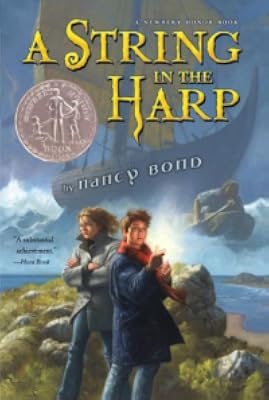
A String in the Harp
by Nancy Bond
On This Page
Description
Relates what happens to three American children, unwillingly transplanted to Wales for one year, when one of them finds an ancient harp-tuning key that takes him back to the time of the great sixth-century bard Taliesin.Tags
Recommendations
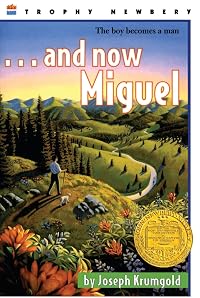
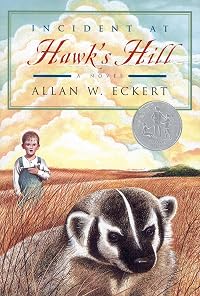
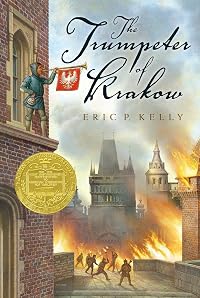
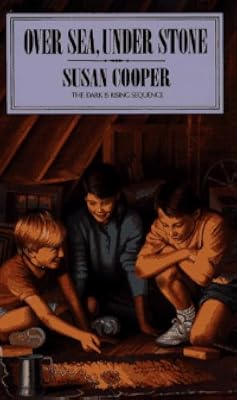





Member Recommendations
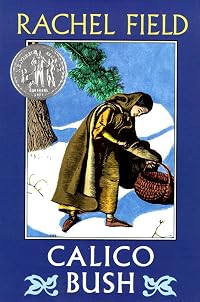
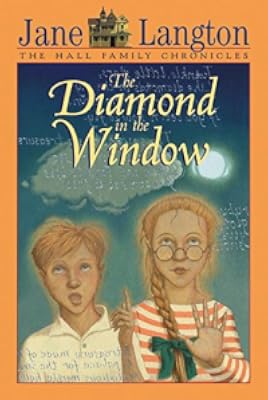
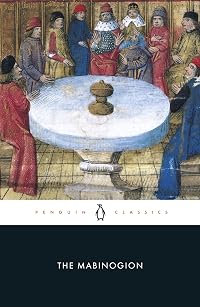
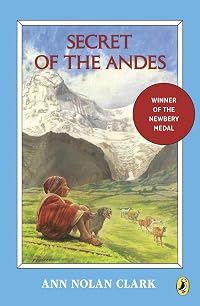
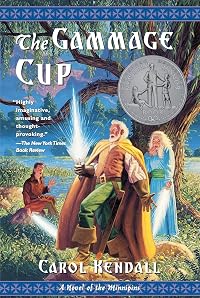
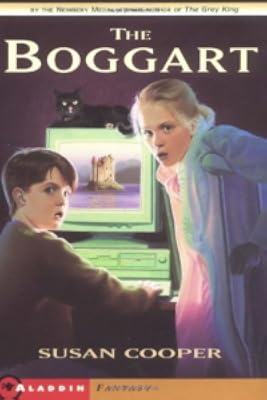
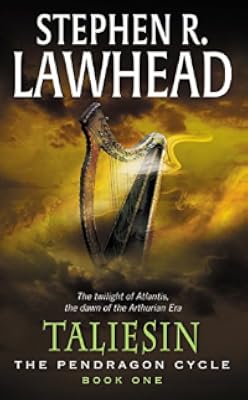
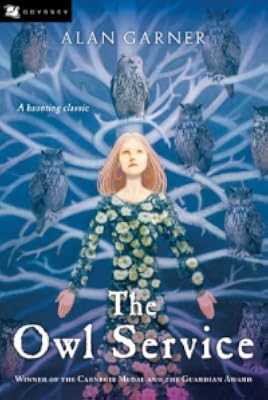
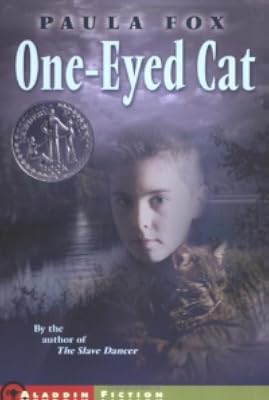
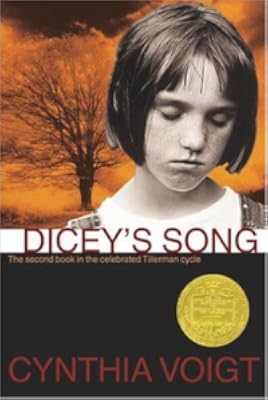
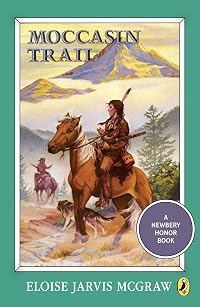
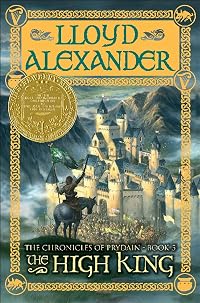
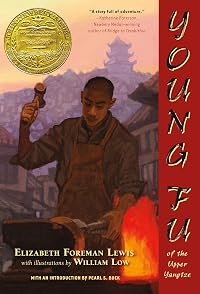
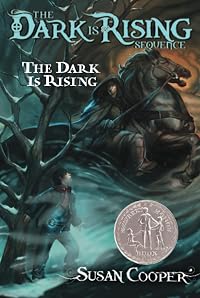
Sakerfalcon Both books vividly depict the merging of past and present, and have a strong sense of place and of local folklore.
20
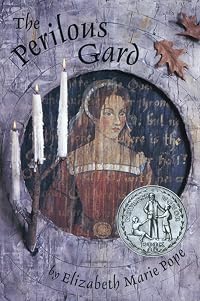
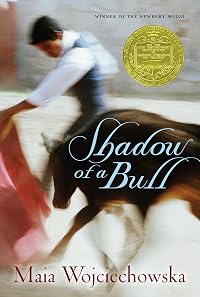
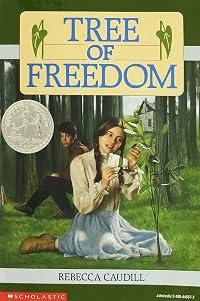
gatheringofleaves Both books deal with older Anglo mythology and feature children 'traveling' to other times/other lands
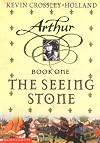
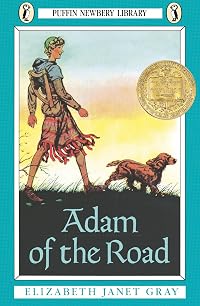
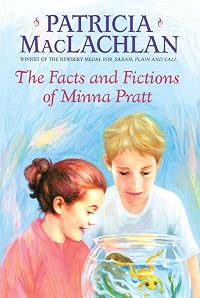
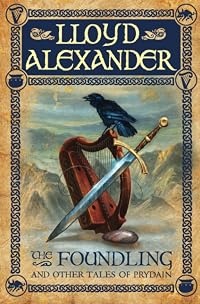
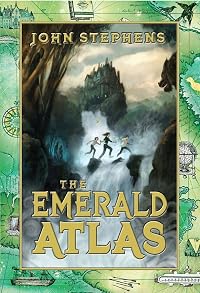
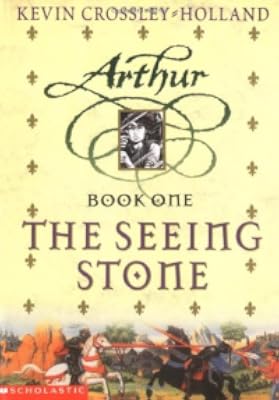
themulhern "The Seeing Stone" is another novel where an artefact allows a person in one era to see the events occurring in another era. But the stakes are higher in this novel, where the see-er is a boy growing up on the Welsh Marches during the reign of King John, and where he sees the realistic adventures of King Arthur.
Member Reviews
I read this 1977 Newbery Honor Book shortly after [b:Enchantress from the Stars|4580|Enchantress from the Stars|Sylvia Engdahl|http://photo.goodreads.com/books/1165446820s/4580.jpg|8205] and found myself wondering why the Newbery Committees hate mothers so much. Surely anybody's who's looked into the "dead mother book" phenomenon can attest to the fact that the mothers of Newbery book protagonists have an amazingly short life expectancy and a high tendency to die even before the first chapter starts. Likewise the stars of most Disney animated films and every fairytale character with an evil stepmother. My current pet theory is that a motherless main characters tend to be instantly sympathetic, are forced to be more self-reliant, and show more don't have as much of a support network to fall back on when things go bad--which kicks the story up a notch but still, it's a tough sacrifice on the part of all those fictional mothers.
In ASitH, Jen Morgan is not only motherless, but recently so, and members of her family are still coping with Mom's loss. At the same time, Jen's father probably isn't making things any better by moving the family from Massachusetts to the Welsh countryside, away from their friends and familiar surroundings, and then distancing himself from the children by burying himself in his work. When Jen's younger brother, Peter, starts spacing out and talking about a magical Sixth Century harp key, Jen has to believe it's an act in order to earn a ticket back home. This is the promising premise to a fantasy novel that mostly fails to deliver.
Slogging through this travelogue of a book, I learned much about the climate, culture, history, and ornithology of Wales--yes, there are frequent bird-watching expeditions. Family drama frequently weaves in and out, Jen learns how to cook and clean house, and every once in a while the fantasy elements reassert themselves.
Bang! A magical artifact is found! Zam! Strange things begin to happen! Kapow! Our modern world is bumping up against Wales of the past! We can expect an exciting collision of worlds any time now... any time now... any time now... Or not. The end?!!
ASitH is the rare time travel story in which characters from the present and characters from the past move around the timeline but never actually interact. If this book were a movie, I'd demand a refund. But since it's a book, I'll just do another Book Review Theather!
INTERIOR - DRAFTY OLD WELSH HOUSE DURING A BAD STORM AT NIGHT, CIRCA 1976
Professor David Morgan stands in the doorway, looking out at the bog.
DAVID: Say, it's sure a bad storm. What do you suppose all those people are doing out on the bog?
JEN: Probably looking for a lost cow.
DAVID: With torches and swords?
JEN: Those cows can be deadly if they sneak up on you. It certainly has nothing to do with magical time-altering harp keys.
Jen looks over at her brother Peter, who is staring intently into the glowing metal harp key he has taken to wearing around his neck.
DAVID (peers harder into the gloom): Maybe it's a festival, like a Welsh version of Guy Fawkes Day or the Fourth of July.
A Sixth Century Welsh warrior stumbles toward the house, wearing armor, bleeding profusely from a battleaxe stuck into his back.
WARRIOR (pleadingly): [Something we can't understand because it's in Welsh.:]
DAVID: How exciting! Their festival incorporates costumes and trick-or-treating like Halloween! Jen, run and fetch us some chocolate bars!
review theater>
In this case, Book Review Theater is only a slight exaggeration. During the book, an entire Sixth Century battlefield is magically transported to the Twentieth Century complete with hundreds of corpses and rivers of blood and people barely take notice. Sure, television has made us jaded about violence, but come on!
Bottom Line: If you're looking for a fun time travel story that perhaps features a living, breathing mother, this is not the book for you. But I would recommend it to anyone who needs to write a report on Wales in the 1970s, keeping in mind that things have surely changed a lot in the past three-plus decades. "Torchwood", a BBC series I particularly like, is set in modern 21st Century Wales and you'd hardly know it's the same place! show less
In ASitH, Jen Morgan is not only motherless, but recently so, and members of her family are still coping with Mom's loss. At the same time, Jen's father probably isn't making things any better by moving the family from Massachusetts to the Welsh countryside, away from their friends and familiar surroundings, and then distancing himself from the children by burying himself in his work. When Jen's younger brother, Peter, starts spacing out and talking about a magical Sixth Century harp key, Jen has to believe it's an act in order to earn a ticket back home. This is the promising premise to a fantasy novel that mostly fails to deliver.
Slogging through this travelogue of a book, I learned much about the climate, culture, history, and ornithology of Wales--yes, there are frequent bird-watching expeditions. Family drama frequently weaves in and out, Jen learns how to cook and clean house, and every once in a while the fantasy elements reassert themselves.
Bang! A magical artifact is found! Zam! Strange things begin to happen! Kapow! Our modern world is bumping up against Wales of the past! We can expect an exciting collision of worlds any time now... any time now... any time now... Or not. The end?!!
ASitH is the rare time travel story in which characters from the present and characters from the past move around the timeline but never actually interact. If this book were a movie, I'd demand a refund. But since it's a book, I'll just do another Book Review Theather!
INTERIOR - DRAFTY OLD WELSH HOUSE DURING A BAD STORM AT NIGHT, CIRCA 1976
Professor David Morgan stands in the doorway, looking out at the bog.
DAVID: Say, it's sure a bad storm. What do you suppose all those people are doing out on the bog?
JEN: Probably looking for a lost cow.
DAVID: With torches and swords?
JEN: Those cows can be deadly if they sneak up on you. It certainly has nothing to do with magical time-altering harp keys.
Jen looks over at her brother Peter, who is staring intently into the glowing metal harp key he has taken to wearing around his neck.
DAVID (peers harder into the gloom): Maybe it's a festival, like a Welsh version of Guy Fawkes Day or the Fourth of July.
A Sixth Century Welsh warrior stumbles toward the house, wearing armor, bleeding profusely from a battleaxe stuck into his back.
WARRIOR (pleadingly): [Something we can't understand because it's in Welsh.:]
DAVID: How exciting! Their festival incorporates costumes and trick-or-treating like Halloween! Jen, run and fetch us some chocolate bars!
review theater>
In this case, Book Review Theater is only a slight exaggeration. During the book, an entire Sixth Century battlefield is magically transported to the Twentieth Century complete with hundreds of corpses and rivers of blood and people barely take notice. Sure, television has made us jaded about violence, but come on!
Bottom Line: If you're looking for a fun time travel story that perhaps features a living, breathing mother, this is not the book for you. But I would recommend it to anyone who needs to write a report on Wales in the 1970s, keeping in mind that things have surely changed a lot in the past three-plus decades. "Torchwood", a BBC series I particularly like, is set in modern 21st Century Wales and you'd hardly know it's the same place! show less
I loved this book and found myself bitterly regretting not having read it when I was 12. It is the perfect book for the 12-year-old me, but it was also pretty great for the 44-year-old me. Bond weaves her version of Taliesin the Bard's story with the story of 3 modern kids trying to come to grips with their mother's death and their move to Wales from the US. One of the kids finds the key to Taliesin's harp and is granted the ability to see the story of the bard's life. Juxtaposed with these otherworldly visions is the quotidian life in a small Welsh town. Masterfully done. Highly recommended to those of you who missed it the first time around. This would be a good book to broaden the horizons of the Harry Potter kids, I think.
A boy visiting Wales while his father has a visiting teaching position there finds Taliesin's harp key. The key somehow shows Peter events in Taliesin's life, as he (Peter) struggles to come to terms with being away from home and the tensions between him and his father and sisters. It's a lovely tale, both the story of the Morgan family and the bits about Taliesin in the past. I particularly enjoyed the homey feel to their interactions with their Welsh neighbors and descriptions of the countryside. However, Peter's sister, Jen, through whose view much of the modern plot was told, was irritating and not at all likable. Also, the story seemed to get bogged down somehow in the middle and the going was painfully slow for a good while. Could show more have been the narrator (I listened to an audio version); I may have had a better go of it in print. show less
This won a Newbery award in the '70s, but it is not a book for the ages. You could make a pretty rowdy drinking game out of this book, if you drank whenever David, the father, known by his first name, smiles "ruefully" to indicate that he knows that even though he is an adult he has not got all the answers, or whenever Jen, one of the POV characters, speaks "drily". It is reminiscent of "A Wrinkle in Time", because the family is essentially well off and the members of the family are all well-disposed toward each other, somehow. There is, in each case, an injury to the family, in one, a mother is dead and in another the father has gone missing. But these injuries affect only the feelings of the characters, and otherwise do not upset show more their lives. There is some terrible philosophizing in which people assert that they may not believe what Peter is telling them, but they believe _Peter_. They believe that Peter sincerely believes something which they know is completely untrue, and so everything is OK?
It's clear that the author really enjoyed her stay in Wales, and it is nice that she was able to write about it. The same thing happened to Lloyd Alexander, and that's great, because I really like his books. But the only value of this book to me was it reminded me of how powerfully novels can work on young childrens' minds to make them believe pretty dumb things, i.e, that is right and proper for parents and children to believe, think, and act like they do in these books.
I would say that like so many books from the 70s this describes a Wales that is quite gone. There are probably no doughty Welsh shepherds anywhere in Wales any more, it just doesn't pay enough.
The character of Taliesin as he appears to Peter is distant, but actually quite interesting. But the events in his world had little bearing on the events in the modern world.
Jen calls the "laundromat" the "washeteria". show less
It's clear that the author really enjoyed her stay in Wales, and it is nice that she was able to write about it. The same thing happened to Lloyd Alexander, and that's great, because I really like his books. But the only value of this book to me was it reminded me of how powerfully novels can work on young childrens' minds to make them believe pretty dumb things, i.e, that is right and proper for parents and children to believe, think, and act like they do in these books.
I would say that like so many books from the 70s this describes a Wales that is quite gone. There are probably no doughty Welsh shepherds anywhere in Wales any more, it just doesn't pay enough.
The character of Taliesin as he appears to Peter is distant, but actually quite interesting. But the events in his world had little bearing on the events in the modern world.
Jen calls the "laundromat" the "washeteria". show less
Reading now (due date soon) for February 2022 Children's Books group Newbery club.
Long. Propaganda for the preservation of Welsh history, language, folklore. Engaging enough for me to finish. Not sure what kind of star rating to give it as it's not a matter of 'enjoying' the read, however. I have no idea who the person on the cover is.
Even though their father finally talked to the kids, I'm still furious with him for not communicating just why they went Wales, or for grieving together with them, or for simply spending more time together.
I do like that he pinned a map of their new countryside to the kitchen door for the children to catch sight of, to maybe inspire them on their explorations. I do the same, when we move, pinning a map show more of the town and another of the state to the wall of the front entry.
I don't like that the answer to the riddle was given before the riddle was printed in the book. See p. 209 my edition for the riddle before you read.
I like the bits about the birdwatching. I've got to look up red kites.
"And gradually the days began to spin themselves out so that it was no longer necessary to go off in the morning and come back in the afternoon in darkness."
I can use it for a 'magical realism' challenge in another group. show less
Long. Propaganda for the preservation of Welsh history, language, folklore. Engaging enough for me to finish. Not sure what kind of star rating to give it as it's not a matter of 'enjoying' the read, however. I have no idea who the person on the cover is.
Even though their father finally talked to the kids, I'm still furious with him for not communicating just why they went Wales, or for grieving together with them, or for simply spending more time together.
I do like that he pinned a map of their new countryside to the kitchen door for the children to catch sight of, to maybe inspire them on their explorations. I do the same, when we move, pinning a map show more of the town and another of the state to the wall of the front entry.
I don't like that the answer to the riddle was given before the riddle was printed in the book. See p. 209 my edition for the riddle before you read.
I like the bits about the birdwatching. I've got to look up red kites.
"And gradually the days began to spin themselves out so that it was no longer necessary to go off in the morning and come back in the afternoon in darkness."
I can use it for a 'magical realism' challenge in another group. show less
I liked the part of the book that was in the present, but when they went back in time I found it hard to follow
A perfect blend of fantasy and realism.
Members
- Recently Added By
Lists

Best Newbery Honor Books
257 works; 32 members

Llyfrau Cymraeg i blant
9 works; 1 member

Necessary & Exquisite
30 works; 4 members

Time travel -- children's/young adult fiction
231 works; 11 members

CCE 1000 Good Books List
1,033 works; 12 members

Modern Arthurian Fiction
237 works; 16 members

al.vick-wishlist-YA
127 works; 3 members

Newbery Honor Books By Year - I - 1922-1980
199 works; 3 members

Books Read in 2019
4,052 works; 110 members

EGBERTINA'S List of childhood books worthy of merit or unspeakable delight
155 works; 6 members

Read For Your Life
157 works; 1 member
Author Information
11 Works 1,293 Members
Some Editions
Awards and Honors
Common Knowledge
- Canonical title*
- A String in the Harp
- Original publication date
- 1976
- People/Characters
- Taliesin; Peter Morgan; Jen Morgan; Becky Morgan; Gwilym Davies; Rhian Evans (show all 7); Dr Gwyn Rhys
- Important places
- Borth, Ceredigion, Wales; Aberystwyth, Ceredigion, Wales; Cardiff, Wales; Cantre'r Gwaelod, Wales, UK ("The Lowland Hundred" a mythical sunken kingdom); Dyfi National Nature Reserve, Ceredigion, Wales; Ynyslas, Ceredigion, Wales (sand dunes) (show all 7); Cors Fochno, Ceredigion, Wales
- Epigraph
- I have been a tear in the air,
I have been the dullest of stars,
I have been a word among letters,
I have been a book in the origin.
I have been the light of lanterns,
I have been a con... (show all)tinuing bridge,
Over threescore Abers.
I have been a wolf, I have been an eagle.
I have been a coracle in the seas;
I have been a guest at the banquet.
I have been a drop in a shower;
I have been a sword in the grasp of the hand:
I have been a shield in battle.
I have been a string in the harp,
Disguised ...
--- from The Book of Taliesin, VIII - Dedication
- For my two parents and my four grandparents
- First words
- An hour and a quarter from Shrewsbury to Aberystwyth on the train.
- Quotations
- Then he came over a rise and found himself looking down into a perfect little cove. A narrow valley, worn by a stream, lay below. On the near side was a small whitewashed house; on the far side, across a wooden footbridge, a ... (show all)stone hut with an overturned boat in the doorway. And spread like a yellow fan lay a triangle of sandy beach down which the stream ran to the ocean. (p. 27)
It was impossible to ignore the country. It was ever-present, not as a backdrop, but as an active part in everything that went on. (p. 55)
"Ah, see now," Hugh-the-Bus put in, smiling at Jen in his rearview mirror, "there is a wise man said either you wear a mac and get wet, or you don't wear a mac and get very wet, you see?" (p. 233)
But as the winter blustered by, the Morgans adjusted to it. The damp air was fresh and smelled good - it cleared the head of too much thinking and stuffy rooms. (p. 233)
He caught glimpses of the old forests now: birch, ash, beech, oak, and rowan, their branches bare overhead, crazing the slate-colored sky. (p. 247)
The long beach was deserted except for the Morgans, Gwilym, and the birds. It was a time to be conscious only of that exact moment, to fill the mind with sunset, sea, beach, and wild things - and each other's company. They ha... (show all)d no need of talking. (p. 259)
"I am afraid that is what we have done to the word [magic], do you see," said Dr Rhys a little sadly. "We have taken the real magic away from it. To me it is something very old and not in the least scientific, a feeling, per... (show all)haps, most of all. I am not sure I can give you a satisfactory definition. But it is there behind all my work - the ancient beliefs of the country." (p. 282)
Jen spotted a kestrel just beyond it, standing on the air, its wings stroking fast, its tail angled downward and fanned to hold it above some small creature. (P. 333) - Last words
- (Click to show. Warning: May contain spoilers.)Jen and Becky were there, waiting for them.
(Click to show. Warning: May contain spoilers.)Primary chief Bard am I to Elphin,
And my original country is that of the Summer Stars;
Idno and Heinin called me Merddin,
At last every king will call me Taliesin.
I have been given the Muse from the cauldron of Caridwen;
I have been Bard of the Harp to Lleon of Lochlin.
I have been on the White Hill, in the Court of Cynfelin.
I have been forstered in teh lands of Rheged and Caerleon,
I have been teacher to all manner of men,
I am able to instruct all the Universe.
I shall be until the Day of Doom upon the face of the earth;
And it is not know whether I am man, beast, or fish.
-from The Mabinogion, Taliesin
(Click to show. Warning: May contain spoilers.)Author's Note: Taliesien himself was a real Welsh bard. He lived during the sixth century and fragments of his poetry have survived and been translated into English. ... The story of Taliesien is translated in Lady Charlotte Guest's version of The Mabinogion, but it is a fairy tale, a legend that grew around the real man. ... The life of Taliesin that the Key shows Peter is what I have imagined his real story to bee. It is my own version.To my knowledge there is no harp key, and it is not known where Taliesin is buried.
...
But if you ever travel to Cardiganshire in Wales, you will find the village of Borth as I have described it: caught between the sea and the Bog; and the town of Aberystwyth with its Ntional Library and University. With the help of an Ordnance Survey Map you can even find Bedd ["beth"] Taliesin, Sarn Cynfelin, Nant-y-moch, and Pumlumon Fawr. You'll meet Hugheses and Evanses and Rhyses - but not the ones I've written about - because Welsh surnames are few, and hear Welsh spoken in the shops and on the buses. If you go in the spring you will see primroses and lambs, and unless you're extraordinarily lucky, you will discover That I have not exaggerated about the rain!
Perhaps, if you're there long enough, you will feel the wildness and ancient power of the country, watch buzzards over the hills, discover cairns and hull forts, and understand that there are indeed many kinds of magic.
*Some information comes from Common Knowledge in other languages. Click "Edit" for more information.
Classifications
- Genres
- Fiction and Literature, Kids, Tween, Fantasy
- DDC/MDS
- 813.54 — Literature & rhetoric American literature in English American fiction in English 1900-1999 1945-1999
- LCC
- PZ7 .B63684 .S — Language and Literature Fiction and juvenile belles lettres Fiction and juvenile belles lettres Juvenile belles lettres
- BISAC
Statistics
- Members
- 1,110
- Popularity
- 22,858
- Reviews
- 7
- Rating
- (3.82)
- Languages
- English, Welsh
- Media
- Paper, Audiobook, Ebook
- ISBNs
- 18
- ASINs
- 11
