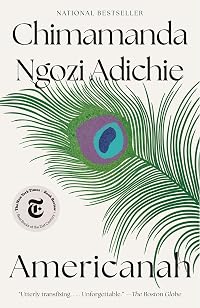
Americanah
by Chimamanda Ngozi Adichie
On This Page
Description
"A young woman from Nigeria leaves behind her home and her first love to start a new life in America, only to find her dreams are not all she expected"--Tags
Recommendations

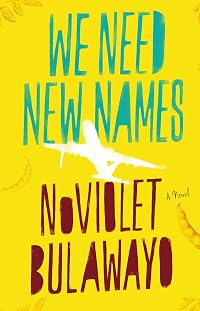
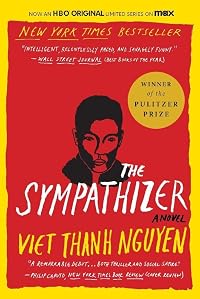
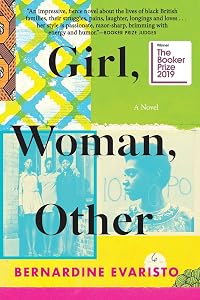
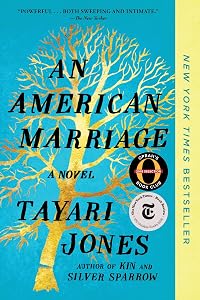
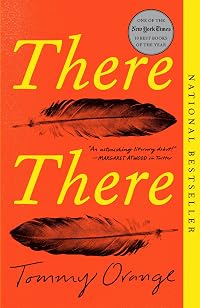
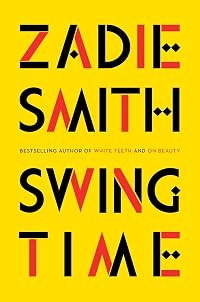
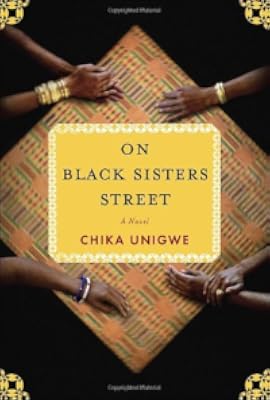
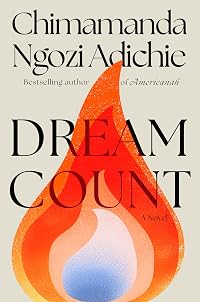
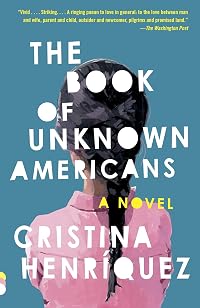
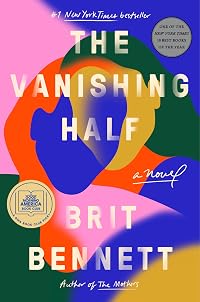
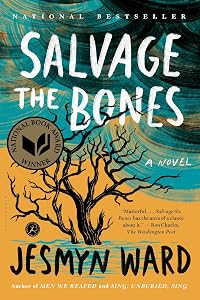
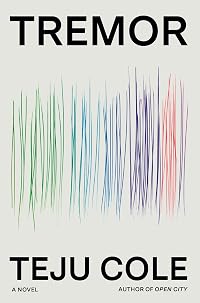
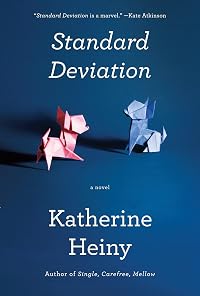
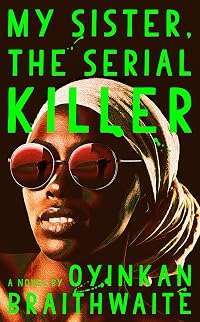
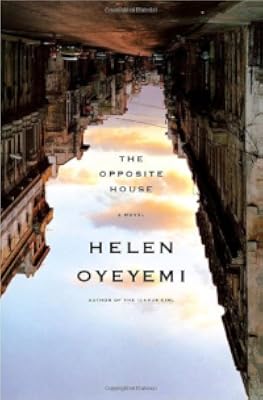
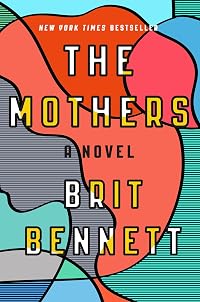
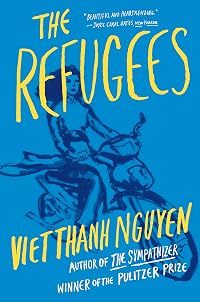
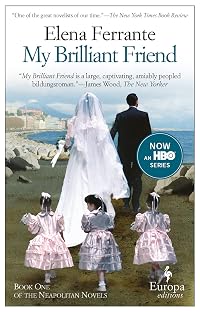
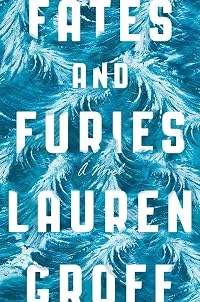
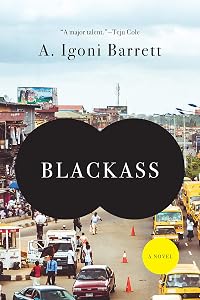

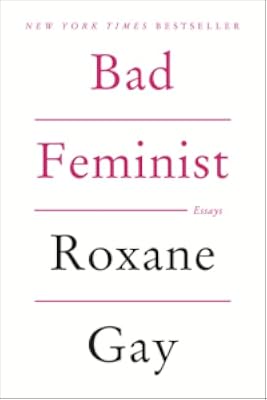
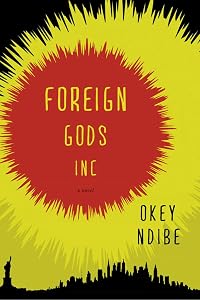
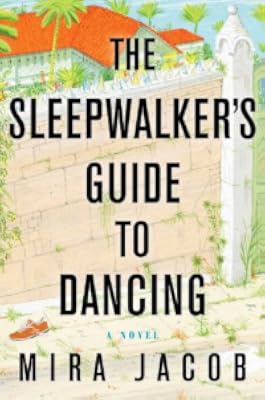

Member Recommendations

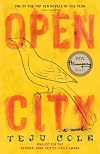

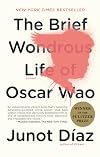
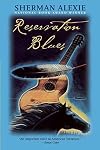
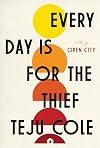
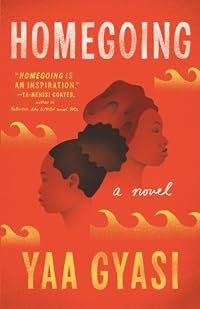
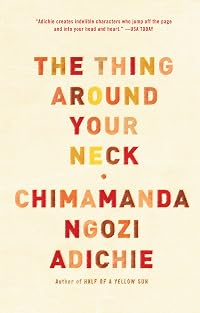
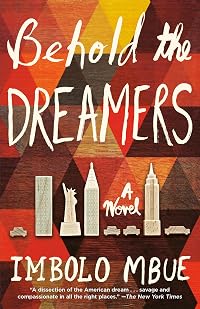
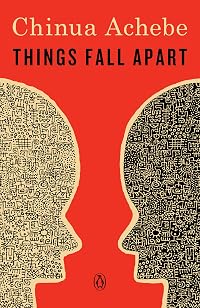
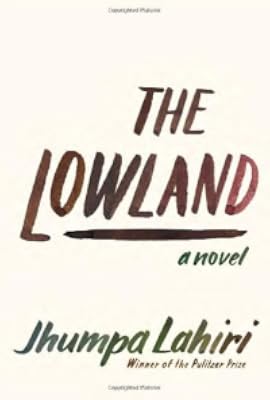
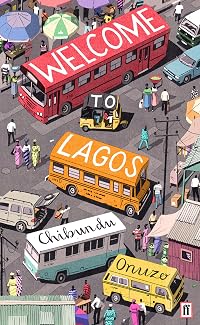
gust De Nigeriaanse grootstad Lagos is (deels) de achtergrond van beide boeken.
20
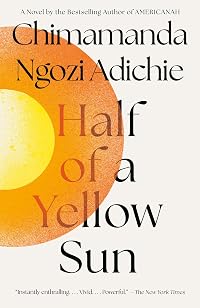
viking2917 Covers a lot of the same ground, but in the form of a Spy Novel
11
Member Reviews
Is this a chick lit novel? Or is it a social commentary novel? It is both. This was a book that managed to cross genre lines with aplomb and panache. There is much to think about while reading the book. It raises the specter of how immigrants are treated, and why people choose to immigrate. The book toggles back and forth between the story of Ifemelu an Obinze. Ifemelu in the U. S. and Obinze in the U.K. The immigration experiences are similar but at the same time very different. Then there is the race commentary and questions that the author raises for the reader. The magic is that the reader laughs and cries along with the characters while being made to think about some aspects of the culture in the U. S. and in the U.K
This book was not what I expected. It was witty, not laugh out loud funny but consistently amusing. It gave us in Ifemelu an interesting narrator who was smart and engaging, and also a bitch, and a prima donna, and a bully. Many current books/movies/shows about racism create these "all-American" Black characters which helps to highlight the idiocy of prejudice but also perpetuates a White standard for acceptable behavior (all-American is code for White.) This "Blacks! They're Just Like Us" approach assuages the guilt of White readers by making it okay to exclude or disapprove of Black people who don't live by that paradigm. Think The Cosby Show. Our protagonist here was multi-dimensional, seriously flawed, but interesting and funny and show more overall sort of likeable, and the empty "perfect" characters, the stereotypes come to life, were the White characters, Rich White Boyfriend (he is called that in the book) and every member of the family Ifemelu nannys for in undergrad. The book was also educational about Nigeria mostly. It was one of the more challenging books I have read in a good long time, and though flawed, it is a book that expands the reader.
It is as much a polemic on race, and the concept of race, as it is a story. Think Atlas Shrugged. (Not because the sociopolitical beliefs of Ayn Rand and Adichie have anything to do with one another, they don't, but because they both use a love story to draw in the reader and make the social commentary seem completely rational and unassailable.) Though I expect my politics align more with Adichie than with Rand, many of her tenets were flawed, or at very least arguable, and I, the reader, was made to feel stupid and/or racist if I did not accept her propositions as gospel. For one thing, the writer talks all about how there is no racism in Nigeria because most everyone is Black, but at the same time there are deep tribal divisions and a the divide between Igbo and Yoruba is based entirely on prejudices. That is the same thing as racism. We can call it tribalism or racism it is all the same thing. Why does this pass unremarked on? This sort of selectively incisive commentary pissed me off, but that does not change the fact that the discussion alone made me think about my own beliefs and observations in a constructive way, to challenge my assumptions. And if there is anything that Americans need to do it is to think about race without depending on lazy truisms. Many years ago I told a friend that I never looked at things in terms of race. She said;"You are so lucky that you have that option. For us Black folk everything is about race." That was the beginning of a new way of thinking for me, and I thought about that conversation a good deal while reading Americanah.
I mentioned it before, but I want to point out once again that there is a story here, and it is a good one. It is not one long op-ed. I recommend it strongly to all readers. show less
It is as much a polemic on race, and the concept of race, as it is a story. Think Atlas Shrugged. (Not because the sociopolitical beliefs of Ayn Rand and Adichie have anything to do with one another, they don't, but because they both use a love story to draw in the reader and make the social commentary seem completely rational and unassailable.) Though I expect my politics align more with Adichie than with Rand, many of her tenets were flawed, or at very least arguable, and I, the reader, was made to feel stupid and/or racist if I did not accept her propositions as gospel. For one thing, the writer talks all about how there is no racism in Nigeria because most everyone is Black, but at the same time there are deep tribal divisions and a the divide between Igbo and Yoruba is based entirely on prejudices. That is the same thing as racism. We can call it tribalism or racism it is all the same thing. Why does this pass unremarked on? This sort of selectively incisive commentary pissed me off, but that does not change the fact that the discussion alone made me think about my own beliefs and observations in a constructive way, to challenge my assumptions. And if there is anything that Americans need to do it is to think about race without depending on lazy truisms. Many years ago I told a friend that I never looked at things in terms of race. She said;"You are so lucky that you have that option. For us Black folk everything is about race." That was the beginning of a new way of thinking for me, and I thought about that conversation a good deal while reading Americanah.
I mentioned it before, but I want to point out once again that there is a story here, and it is a good one. It is not one long op-ed. I recommend it strongly to all readers. show less
It's A) a love story, B) a coming of age novel, C) a treatise on race in the United States, D) all of the above. If you picked D, you're correct!
Adichie's deconstruction of race in America, as seen through a newcomer's eyes, is potent and compelling. She has a keen eye and a delicate, almost considerate, touch when discussing sensitive (for most white folks) topics like white privilege and ignorance.
In some places her prose is languid and poetic and in others it feels taut and affected. It all somehow works, though. Despite the divergent flow of the writing, it feels natural and necessary and intentional.
I liked Ifemelu and Obinze and I rooted for them both. Together and separately, as they were navigating their worlds. I felt for show more each other as they celebrated triumphs and weathered their personal storms. Although I can't say I ever felt *wholly* invested in them as characters, they were so smart, open, and adventurous that I felt an easy kinship with them that was enough for me to want the best for them.
I'd like to give this five stars but, if I'm honest, Americanah is a bit of a mess. It's a little bit all over the place (timeline, narration, location, genre) but everywhere it ends up is beautiful in its own right. I would happily recommend it. show less
Adichie's deconstruction of race in America, as seen through a newcomer's eyes, is potent and compelling. She has a keen eye and a delicate, almost considerate, touch when discussing sensitive (for most white folks) topics like white privilege and ignorance.
In some places her prose is languid and poetic and in others it feels taut and affected. It all somehow works, though. Despite the divergent flow of the writing, it feels natural and necessary and intentional.
I liked Ifemelu and Obinze and I rooted for them both. Together and separately, as they were navigating their worlds. I felt for show more each other as they celebrated triumphs and weathered their personal storms. Although I can't say I ever felt *wholly* invested in them as characters, they were so smart, open, and adventurous that I felt an easy kinship with them that was enough for me to want the best for them.
I'd like to give this five stars but, if I'm honest, Americanah is a bit of a mess. It's a little bit all over the place (timeline, narration, location, genre) but everywhere it ends up is beautiful in its own right. I would happily recommend it. show less
When Ifemelu, a beautiful Nigerian woman attends a dinner party in Manhattan with her white boyfriend, the discussion buzzes about the potential election of Barack Obama as President. One guest expects that Obama will "end racism in this country". A Haitian woman agrees declaring that racism never affected her in California. Ifemelu argues: "The only reason you say that race was not an issue is because you wish it was not. We all wish it was not. But it's a lie. I came from a country where race was not an issue; I did not think of myself as black and I only became black when I came to America."
This novel centers around Ifemelu's experience of coming to America to improve her life. leaving family, home, and love behind. This is the path show more to betterment that is well understood in Nigeria. However, Ifemelu's (and other immigrants) experience starts slowly with great difficulty with issues of race at the forefront of her struggles. Even after she breaks through the "class" barrier, she continues to experience racial inequalities while struggling to retain her ethnicity instead of conforming to "white America".
Especially with the current focus on our country's racial discord, when it is easier to believe that racism only occurs in certain geographic or socio-economic populations, this novel reminds us that none of us are literally color-blind. It allows us an opportunity to walk in Ifemelu's figurative shoes to see how explicit and unintentional racism affects many people of color in our country.
The narrative is interrupted a little too often by the "essays" on racism, but the characters and the story are worthwhile and keep you cheering for love and authenticity to win out in the end. show less
This novel centers around Ifemelu's experience of coming to America to improve her life. leaving family, home, and love behind. This is the path show more to betterment that is well understood in Nigeria. However, Ifemelu's (and other immigrants) experience starts slowly with great difficulty with issues of race at the forefront of her struggles. Even after she breaks through the "class" barrier, she continues to experience racial inequalities while struggling to retain her ethnicity instead of conforming to "white America".
Especially with the current focus on our country's racial discord, when it is easier to believe that racism only occurs in certain geographic or socio-economic populations, this novel reminds us that none of us are literally color-blind. It allows us an opportunity to walk in Ifemelu's figurative shoes to see how explicit and unintentional racism affects many people of color in our country.
The narrative is interrupted a little too often by the "essays" on racism, but the characters and the story are worthwhile and keep you cheering for love and authenticity to win out in the end. show less
http://nwhyte.livejournal.com/2534482.html
You need to know more about Nigeria. It is the seventh most populous country in the world (after China, India, the USA, Indonesia, Brazil and Pakistan) and is becoming a middle-income country (wealth per capita a little ahead of Moldova, a little behind Armenia). It has the largest population and the largest economy in Africa, the 20th largest GDP in the world (just behind Australia, just ahead of Thailand). One in six Africans is Nigerian, and soon it will be one in five.
I went to Nigeria for 48 hours in July, and a couple of colleagues strongly recommended this book to me as a pathway to understanding the country. It was a good recommendation on their part. There are three major themes to the show more book: exile, race and hair. As an expatriate migrant myself, I have thought a lot about exile and distance from the country where you grew up, and the sense of betrayal at leaving it behind. Adichie's protagonist Ifemelu eventually returns home voluntarily from the USA; her lost love Odinze is humiliatingly deported from the UK; and both find that while you can never completely leave, you can never completely go back either.
The book is sharpest in contrasting American (and to a lesser extent British) attitudes to race with the experience of people who have grown up in societies where it simply isn't an issue because there are no (or hardly any) white people. Ifemelu achieves (slightly anonymous) fame as a blogger on race, with the rise of Obama as political backdrop to her years in America. She shocks her black friends as well as her white friends and colleagues in a very good way. She shocks me as well.
As for the hair question: I had no idea. Really.
Excellent book. Go and get it. show less
You need to know more about Nigeria. It is the seventh most populous country in the world (after China, India, the USA, Indonesia, Brazil and Pakistan) and is becoming a middle-income country (wealth per capita a little ahead of Moldova, a little behind Armenia). It has the largest population and the largest economy in Africa, the 20th largest GDP in the world (just behind Australia, just ahead of Thailand). One in six Africans is Nigerian, and soon it will be one in five.
I went to Nigeria for 48 hours in July, and a couple of colleagues strongly recommended this book to me as a pathway to understanding the country. It was a good recommendation on their part. There are three major themes to the show more book: exile, race and hair. As an expatriate migrant myself, I have thought a lot about exile and distance from the country where you grew up, and the sense of betrayal at leaving it behind. Adichie's protagonist Ifemelu eventually returns home voluntarily from the USA; her lost love Odinze is humiliatingly deported from the UK; and both find that while you can never completely leave, you can never completely go back either.
The book is sharpest in contrasting American (and to a lesser extent British) attitudes to race with the experience of people who have grown up in societies where it simply isn't an issue because there are no (or hardly any) white people. Ifemelu achieves (slightly anonymous) fame as a blogger on race, with the rise of Obama as political backdrop to her years in America. She shocks her black friends as well as her white friends and colleagues in a very good way. She shocks me as well.
As for the hair question: I had no idea. Really.
Excellent book. Go and get it. show less
[Americanah] by [[Chimamanda Ngozi Adichie]]
I finally got around to reading Adichie's 2013 novel that explores the experiences of Nigerian-born Ifemelu and Obinze, and I'm so, so glad I did. Ifemelu and Obinze grow up comfortably upper middle class in Nigeria, but have to contend with the challenges of living in a developing country. When they are in college and the teachers continually go on strike, they begin seriously looking for ways to leave. As a female, Ifemelu is able to get a visa to America to live with her aunt fairly easily. Getting a work visa is not as easy. Obinze, as a male in the post-9/11 world, is unable to legally emigrate. He ends up briefly in London and then back in Nigeria.
Ifemelu is the focus for most of the show more book. She becomes successful in America writing a blog about race. She writes about how she never thought of herself as Black until she came to America - Black doesn't exist in Nigeria. She writes about the differences between Non-American Blacks and American Blacks. Her words are powerful and honest and entertaining - as a good blog should be. I was immediately struck by how her observations line up with [[Isabel Wilkerson]]'s book, [Caste]. Though [Americanah] is a novel, it felt like real life observation of how the American Caste system is implemented and how it affects all of us.
Amidst these observations and experiences with race in America, the UK, and Nigeria, life happens. Ifemelu has various relationships, jobs, and family drama. Through it all, she thinks about Obinze, her first love. When she moves back to Nigeria, the question is whether she and Obinze will still love each other and whether life will allow them to be together.
I really loved this novel. For me, the most successful parts were the revelations about race and the immigrant experience. Also about the different lifestyles in Nigeria, America, and Great Britain. I was less interested in the romance between Ifemelu and Obinze. That took just a little bit of the glow off of this novel for me, but I still highly recommend it. I'll read anything [[Adichie]] writes. I think she's a wonderful writer.
Original publication date: 2013
Author’s nationality: Nigerian and American (dual citizenship, I believe)
Original language: English
Length: 588 pages
Rating: 4.5 stars
Format/where I acquired the book: library kindle
Why I read this: 1001 books, books about Black American experience for category challenge show less
I finally got around to reading Adichie's 2013 novel that explores the experiences of Nigerian-born Ifemelu and Obinze, and I'm so, so glad I did. Ifemelu and Obinze grow up comfortably upper middle class in Nigeria, but have to contend with the challenges of living in a developing country. When they are in college and the teachers continually go on strike, they begin seriously looking for ways to leave. As a female, Ifemelu is able to get a visa to America to live with her aunt fairly easily. Getting a work visa is not as easy. Obinze, as a male in the post-9/11 world, is unable to legally emigrate. He ends up briefly in London and then back in Nigeria.
Ifemelu is the focus for most of the show more book. She becomes successful in America writing a blog about race. She writes about how she never thought of herself as Black until she came to America - Black doesn't exist in Nigeria. She writes about the differences between Non-American Blacks and American Blacks. Her words are powerful and honest and entertaining - as a good blog should be. I was immediately struck by how her observations line up with [[Isabel Wilkerson]]'s book, [Caste]. Though [Americanah] is a novel, it felt like real life observation of how the American Caste system is implemented and how it affects all of us.
Amidst these observations and experiences with race in America, the UK, and Nigeria, life happens. Ifemelu has various relationships, jobs, and family drama. Through it all, she thinks about Obinze, her first love. When she moves back to Nigeria, the question is whether she and Obinze will still love each other and whether life will allow them to be together.
I really loved this novel. For me, the most successful parts were the revelations about race and the immigrant experience. Also about the different lifestyles in Nigeria, America, and Great Britain. I was less interested in the romance between Ifemelu and Obinze. That took just a little bit of the glow off of this novel for me, but I still highly recommend it. I'll read anything [[Adichie]] writes. I think she's a wonderful writer.
Original publication date: 2013
Author’s nationality: Nigerian and American (dual citizenship, I believe)
Original language: English
Length: 588 pages
Rating: 4.5 stars
Format/where I acquired the book: library kindle
Why I read this: 1001 books, books about Black American experience for category challenge show less
This book is several things interleaved.
There's a love story with fairly traditional elements of circumstances coming between the lovers.
There's clearly some autobiography, from an author whose own life gives her plenty of material.
There's a lot of exploration of the dislocation of being an immigrant and the ways in which the assumed community of people from the same place easily falls flat. I identified strongly with a surprising amount of that, given that my circumstances are very different from the characters'.
There's a mourning for Nigeria. Just as with Teju Cole's writing, I see so much of my Turkey in the author's Nigeria.
There's an extended essay about race, racism, and especially how those play out in the USA. This is mostly show more done very well--if the protagonist's blog were real I'd be a subscriber--but towards the end of the US section it starts to feel like a lecture is intruding on the story.
There's an interesting format experiment in which Adichie basically implements Brecht's ideas about giving away the story before telling it so that suspense doesn't interfere with the other things you're supposed to feel. Only Adichie does this far more deftly than Brecht, so it never detracted from the enjoyment of the story.
It does a surprisingly good job of carrying all these elements, albeit at times feeling a little overloaded. I enjoyed reading it and felt at times like it was really hitting hard. show less
There's a love story with fairly traditional elements of circumstances coming between the lovers.
There's clearly some autobiography, from an author whose own life gives her plenty of material.
There's a lot of exploration of the dislocation of being an immigrant and the ways in which the assumed community of people from the same place easily falls flat. I identified strongly with a surprising amount of that, given that my circumstances are very different from the characters'.
There's a mourning for Nigeria. Just as with Teju Cole's writing, I see so much of my Turkey in the author's Nigeria.
There's an extended essay about race, racism, and especially how those play out in the USA. This is mostly show more done very well--if the protagonist's blog were real I'd be a subscriber--but towards the end of the US section it starts to feel like a lecture is intruding on the story.
There's an interesting format experiment in which Adichie basically implements Brecht's ideas about giving away the story before telling it so that suspense doesn't interfere with the other things you're supposed to feel. Only Adichie does this far more deftly than Brecht, so it never detracted from the enjoyment of the story.
It does a surprisingly good job of carrying all these elements, albeit at times feeling a little overloaded. I enjoyed reading it and felt at times like it was really hitting hard. show less
Members
- Recently Added By
Published Reviews
ThingScore 100
The stories have shifted, too. Nowadays, there’s little angsting about national identity in a post-colonial context or, for that matter, over catastrophe and want. Instead, a bevy of young Africans are shaping the future of fiction, reportage and critique on their continent, and perhaps well beyond.
“It’s beyond an evolution — it’s a revolution,” says Nigerian-American Ikhide show more Ikheloa, a critic and prominent observer of the scene.
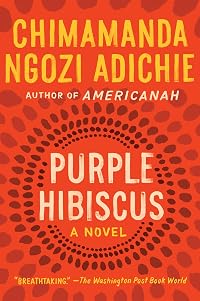
It may have begun in 2003, when Chimamanda Ngozi Adichie’s first novel, Purple Hibiscus, was published — and not just by an American publisher but by a Nigerian one, too. By now, Adichie is the still-young doyenne of the contemporary African lit scene. Her recent novel, Americanah, found a perch on the New York Times list of top 10 novels of 2013 — just weeks before Beyoncé sampled one of Adichie’s TED talks on her new album.
Read more: Printed in Africa | Fast forward | OZY show less
“It’s beyond an evolution — it’s a revolution,” says Nigerian-American Ikhide show more Ikheloa, a critic and prominent observer of the scene.
It may have begun in 2003, when Chimamanda Ngozi Adichie’s first novel, Purple Hibiscus, was published — and not just by an American publisher but by a Nigerian one, too. By now, Adichie is the still-young doyenne of the contemporary African lit scene. Her recent novel, Americanah, found a perch on the New York Times list of top 10 novels of 2013 — just weeks before Beyoncé sampled one of Adichie’s TED talks on her new album.
Read more: Printed in Africa | Fast forward | OZY show less
added by elwetritsche
But what makes the book such a good read—despite an anticlimactic ending—is that it's not meant as a cultural criticism, but more as a series of rich observations.
added by WeeklyAlibi
“Americanah” examines blackness in America, Nigeria and Britain, but it’s also a steady-handed dissection of the universal human experience — a platitude made fresh by the accuracy of Adichie’s observations.
added by ozzer
Lists

1001 Books You Must Read Before You Die
1,448 works; 1,134 members

Top Five Books of 2013
1,562 works; 721 members

Best Contemporary Literary Fiction (Around the Last 30 Years)
388 works; 124 members

Recommend the 20 best books you've read in the last five years
2,168 works; 606 members

Your favorite books from the 2014 Baileys Women's Prize for Fiction
20 works; 23 members

Female Author
1,234 works; 67 members

PBS The Great American Read
100 works; 21 members

Best African Books
126 works; 46 members

Top Five Books of 2014
1,064 works; 398 members

Best Feminist Literature
188 works; 26 members

Baileys Women's Prize for Fiction Winners and Shortlisted Books
61 works; 11 members

Books recommended by Barack Obama
295 works; 28 members
Female Protagonist
1,056 works; 57 members

Top Five Books of 2018
802 works; 264 members

Pleasant Surprises: Books That Exceeded Our Expectations
418 works; 143 members

The Immigrant's Stories
74 works; 19 members

Black Authors
384 works; 32 members

Must-Read Books by Black Authors
114 works; 92 members

Our digital age
79 works; 5 members

International IMPAC Dublin Literary Award
179 works; 6 members

Top Five Books of 2015
811 works; 240 members
Expand Your Reading Demographics!
47 works; 15 members

Literature by People of Color
81 works; 9 members
The American Experience
173 works; 18 members

50 Books from the Past 50 Years
50 works; 8 members
Top Five Books of 2017
757 works; 231 members

africa diaspora novels
10 works; 1 member

Phi Beta Kappa reading list
260 works; 8 members

Elena Ferrante's 40 favourite books by female authors
40 works; 10 members

Books Read in 2014
2,343 works; 86 members

Five star books
1,767 works; 110 members
2014 Notable Books for Adults
26 works; 5 members

Africa
109 works; 8 members
Contemporary Fiction
109 works; 7 members

Books Read in 2016
4,666 works; 197 members
Best African and African diaspora books
111 works; 4 members

Books Featured on Readers' Review of the Diane Rehm Show
161 works; 8 members

Overdue Podcast
806 works; 9 members

SHOULD Read Books!
354 works; 9 members
Books Read in 2015
3,299 works; 129 members

Maybe This Year? Books to Look Forward To
412 works; 9 members

Recommendations
17 works; 1 member
Racism and Race Relations in Literature
48 works; 9 members
SantaThing 2014 Gifts
299 works; 17 members

Obama Reads
181 works; 3 members

Books Read in 2020
4,379 works; 124 members
Reading Globally
136 works; 16 members
Changamire's Bookshelf
19 works; 1 member

Barack Obama's Favorite Books of 2018
29 works; 2 members

.
184 works; 1 member

Retrospective of 20th- and 21st-century literature
154 works; 1 member

Books Read in 2024
4,623 works; 126 members
Global Reads: Books Set in Africa
19 works; 3 members

NYT Readers best of 21st C
100 works; 8 members
NYT 100 best books of 21st C
100 works; 31 members

The Atlantic's The Great American Novel
136 works; 12 members

LitHub's Best Novels of the Decade 2010-2019
39 works; 1 member

My TBR
371 works; 3 members

Books Read in 2019
4,052 works; 108 members

el
1,139 works; 1 member
Great American Novels
158 works; 42 members
Author Information

68+ Works 34,264 Members
Chimamanda Ngozi Adichie was born in Enugu, Nigeria on September 15, 1977. She studied medicine and pharmacy at the University of Nigeria for a year and a half before moving to the United States, where she studied communication at Drexel University for two years. She received a bachelor's degree in communication and political science at Eastern show more Connecticut State University in 2001, a master's degree in creative writing at Johns Hopkins University, and a master's degree in African Studies from Yale University in 2008. Her first novel, Purple Hibiscus, was published in 2003 and received the Commonwealth Writers' Prize for Best First Book in 2005. Her other books include The Thing around Your Neck, Americanah, and We Should All Be Feminist. Half of a Yellow Sun won the Orange Prize in 2007. She was awarded the 2018 PEN Pinter Prize, for her body of work that shows 'outstanding literary merit'. (Bowker Author Biography) show less
Some Editions
Awards and Honors
Series
Belongs to Publisher Series
Work Relationships
Is contained in
Has as a reference guide/companion
Common Knowledge
- Canonical title*
- Americanah
- Original title
- Americanah
- Original publication date
- 2013-05-14
- People/Characters
- Ifemelu; Obinze "The Zed" Maduewesi; Blaine; Shan; Curt; Aunty Uju (show all 22); Dike; Ginika; Emenike Bush; Ranyinudo; Kimberly; Barack Obama; Michelle Obama; Kayode DaSilva; Ngozi Okonkwo; Lawrence Anini; Onyeka Onwenu; Kimberly Turner; Morgan Turner; Taylor Turner; Don Turner; Cristina Tomas
- Important places
- Lagos, Nigeria; Princeton, New Jersey, USA; New Haven, Connecticut, USA; London, England, UK; Nigeria; Philadelphia, Pennsylvania, USA (show all 16); Trenton, New Jersey, USA; Nsukka, Nigeria; Igboland, Nigeria; New York, New York, USA; Brooklyn, New York, New York, USA; Manhattan, New York, New York, USA; Yale University, New Haven, Connecticut, USA; Warrington, Pennsylvania, USA; Baltimore, Maryland, USA; Islington, London, England, UK
- Important events
- Barack Obama election; 2008 Presidential Campaign
- Dedication
- This book is for our next generation, nda na-abia n'iru: Toks, Chisom, Amaka,
Chinedum, Kamsiyonna and Arinze
For my wonderful father in this, his eightieth year
And, as always, for Ivara. - First words
- Princeton, in the summer, smelled of nothing, and Ifemelu like the tranquil greenness of the many trees, the clean streets and stately homes, the delicately shops and the quiet, abiding air of earned grace, it was this, the l... (show all)ack of a smell, that most appealed to her, perhaps because the other American cities she knew well had all smelled distinctly.
- Quotations
- ...her relationship with him was like being content in a house but always sitting by the window and looking out.
How easy it was to lie to strangers, to create with strangers the versions of our lives that we have imagined.
She was taking two sides at once, to please everyone; she always chose peace over truth, was always eager to conform.
She rested her head against his and felt, for the first time, what she would often feel with him: a self-affection. He made her like herself. With him, she was at ease; her skin felt as though it was her right size.
She liked how he wore their relationship so boldly, like a brightly colored shirt. Sometimes she worried that she was too happy. She would sink into moodiness, and snap at Obinze, or be distant. And her joy would become a res... (show all)tless thing, flapping its wings inside her, as though looking for an opening to fly away.
Depression was what happened to Americans, with their self-absolving need to turn everything into an illness.
But he might be satisfied with suggestiveness alone; he would flirt outrageously but not do more, because an affair would require some effort and he was the kind of man who took but did not give.
Sometimes I feel that they live in a parallel universe of academia speaking academese instead of English and they don't really know what's happening in the real world.
There was something in him, lighter than ego but darker than insecurity, that needed constant buffing, polishing, waxing.
Alexa, and the other guests, and perhaps even Georgina, all understood the fleeing from war, from the kind of poverty that crushed human souls, but they would not understand the need to escape from the oppressive lethargy of ... (show all)choicelessness. They would not understand why people like him, who were raised well fed and watered but mired in dissatisfaction, conditioned from birth to look towards somewhere else, eternally convinced that real lives happened in that somewhere else, were now resolved to do dangerous things, illegal things, so as to leave, none of them starving, or raped, or from burned villages, but merely hungry for choice and certainty.
Nathan had told her, some months earlier, in a voice filled with hauteur, that he did not read any fiction published after 1930. "It all went downhill after the thirties," he said.
"You can't write an honest novel about race in this country. If you write about how people are really affected by race, it'll be too obvious. Black writers who do literary fiction in this country, all three of them, no... (show all)t the ten thousand who write those bullshit ghetto books with the bright covers, have two choices: they can do precious or they can do pretentious. When you do neither, nobody knows what to do with you. So if you're going to write about race, you have to make sure it's so lyrical and subtle that the reader who doesn't read between the lines won't even know it's about race. You know, a Proustian meditation, all watery and fuzzy, that at the end just leaves you feeling watery and fuzzy."
Race matters because of racism. And racism is absurd because it's about how you look. Not about the blood you have. It's about the shade of your skin and the shape of your nose and the kink of your hair.
"One of the things I've learned is that everybody in this country has the mentality of scarcity. We imagine that even the things that are not scarce are scarce. And it breeds a kind of desperation in everybody. Even the wealt... (show all)hy."
But of course it makes sense because we are Third Worlders and Third Worlders are forward-looking, we like things to be new, because our best is still ahead, while in the West their best is already past and so they have to ma... (show all)ke a fetish of the past.
She had thought of them as "big," because one of the first things her friend Ginika told her was that "fat" in America was a bad word, heaving with moral judgment like "stupid" or "bastard," and not a mere description like "s... (show all)hort" or "tall."
She had read many of them, because he recommended them, but they were like cotton candy that so easily evaporated from her tongue's memory.
He was no longer sure, he had in fact never been sure, whether he liked his life because he really did or whether he liked it because he was supposed to.
There was something immodest about her modesty: it announced itself.
For months, the air in their flat was like cracked glass.
Ifemelu imagined the writers, Nigerians in bleak houses in America, their lives deadened by work, nursing their careful savings throughout the year so that they could visit home in December for a week, when they would arrive ... (show all)bearing suitcases of shoes and clothes and cheap watches, and see, in the eyes of their relatives, brightly burnished images of themselves. Afterwards they would return to America to fight on the Internet over their mythologies of home, because home was now a blurred place between here and there, and at least online they could ignore the awareness of how inconsequential they had become.
They said "soon" to each other often, and "soon" gave their plan the weight of something real.
Sometimes, while having a conversation, it would occur to Ifemelu that Aunty Uju had deliberately left behind something of herself, something essential, in a distant and forgotten place.
Ifemelu saw women on the sidewalks going to lunch from work, wearing sneakers, proof of their American preference for comfort over elegance, and she saw young couples clutching each other, kissing from time to time as if they... (show all) feared that, if they unclasped their hands, their love would dissolve, melt into nothingness.
In her honors history seminar, Professor Moore, a tiny, tentative woman with the emotionally malnourished look of someone who did not have friends, showed some scenes from Roots, the images bright on the board of the d... (show all)arkened classroom.
Ifemelu sensed, between them, the presence of spiky thorns floating in the air.
They reminded Ifemelu of television commercials, of people whose lives were lived always in flattering light, whose messes were still aesthetically pleasing.
He looked people in the eye not because he was interested in them but because he knew it made them feel that he was interested in them.
But Kimberly's unhappiness was inward, unacknowledged, shielded by her desire for things to be as they should, and also by hope: she believed in other people's happiness because it meant that she, too, might one day have it. ... (show all)Laura's unhappiness was different, spiky, she wished that everyone around her were unhappy because she had convinced herself that she would always be.
It had become a routine of Ifemelu's visits: Aunty Uju collected all her dissatisfactions in a silk purse, nursing them, polishing them, and then on the Saturday of Ifemelu's visit, while Bartholomew was out and Dike was upst... (show all)airs, she would spill them out on the table, and turn each one this way and that, to catch the light.
He talked about himself with such gusto, as though determined to tell her everything there was to know, and all at once.
Ifemelu sometimes sensed underneath the well-oiled sequences of Kimberly's life, a flash of regret not only for things she longed for in the present but for things she had longed for in the past.
In London, night came too soon, it hung in the morning air like a threat, and then in the afternoon a blue-gray dusk descended, and the Victorian buildings all wore a mournful air.
When Shan walked into a room, all the air disappeared.
Their mutual dislike was a smoldering, stalking leopard in the room.
"The idea of interviewing someone and writing a profile is judgmental," Ifemelu said. "It's not about the subject. It's about what the interviewer makes of the subject."
Lagos became a gentler version of itself, and the people dressed in their bright church clothes looked, from far away, like flowers in the wind.
Back home, she heard the hollowness of her steps as she walked from bedroom to living room to verandah and then back again.
There was a moment, a caving of the blue sky, an inertia of stillness, when neither of them knew what to do, he walking towards her, she standing there squinting, and then he was upon her and they hugged.
"I realized I could buy America, and it lost its shine."
She should bring it up, she owed him that, but a wordless fear had seized her, a fear of breaking delicate things.
"When I started in real estate, I considered renovating old houses instead of tearing them down, but it didn't make sense. Nigerians don't buy houses because they're old. A renovated two-hundred-year-old mill granary, you kno... (show all)w, the kind of thing Europeans like. It doesn't work here at all. But of course it makes sense because we are Third Worlders and Third Worlders are forward-looking, we like things to be new, because our best is still ahead, while in the West their best is already past and so they have to make a fetish of that past."
She would not cry, it was ridiculous to cry after so long, but her eyes were filling with tears and there was a boulder in her chest and a stinging in her throat. The tears felt itchy. She made no sound. He took her hand in h... (show all)is, both clasped on the table, and between them silence grew, an ancient silence that they both knew. She was inside this silence and she was safe.
...who had run for Governor in the last elections, had lost, and as all losing politicians did, had gone to court to challenge the results. - Last words
- (Click to show. Warning: May contain spoilers.)"Ceiling," she said, finally. "Come in."
- Publisher's editor
- Desser, Robin
- Blurbers
- Eggers, Dave; McCann, Colum; Wainaina, Binyavanga
- Original language
- English
*Some information comes from Common Knowledge in other languages. Click "Edit" for more information.
Classifications
Statistics
- Members
- 9,583
- Popularity
- 1,081
- Reviews
- 343
- Rating
- (4.15)
- Languages
- 18 — Bosnian, Catalan, Czech, Danish, Dutch, English, Finnish, French, German, Hungarian, Italian, Norwegian (Bokmål), Polish, Portuguese, Russian, Spanish, Swedish, Turkish
- Media
- Paper, Audiobook, Ebook
- ISBNs
- 103
- UPCs
- 3
- ASINs
- 26