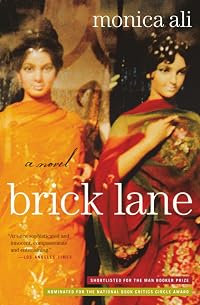
Brick Lane
by Monica Ali
On This Page
Description
Nazneen is forced into an arranged marriage with a much older man whose expectations of life are miserably low. When they flee the oppression of their Bangladeshi village for a high-rise block in the East End, she finds herself cloistered and dependent on her husband. It soon becomes apparent that of the two, she is the real survivor and more able to deal with the ways of the world and the vagaries of human behavior. Through her friendship with another Asian girl, she begins to understand show more the unsettling ways of her new homeland. show lessTags
Recommendations


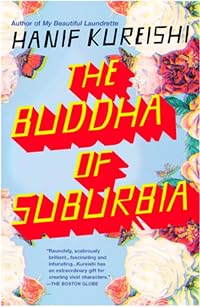
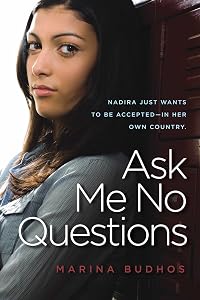
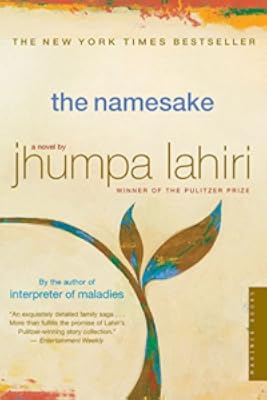
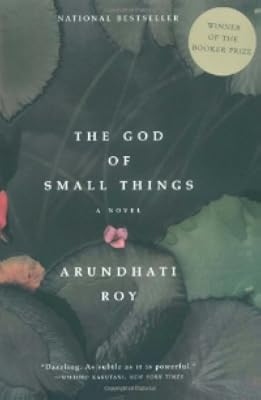


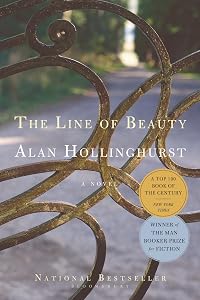
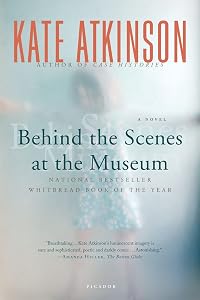
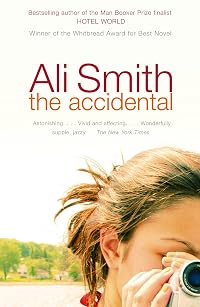
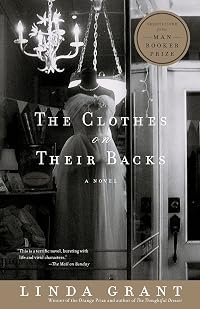


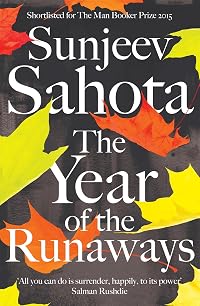
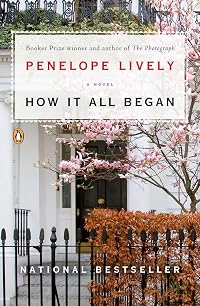
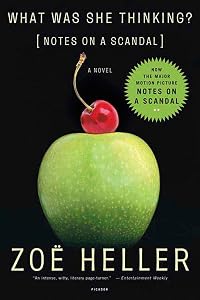
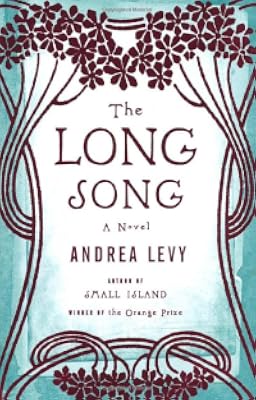
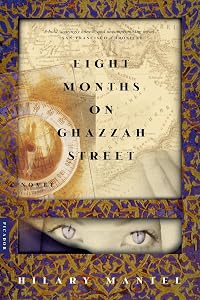
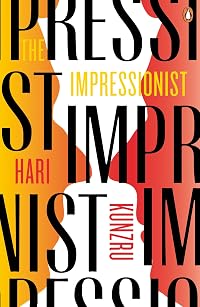

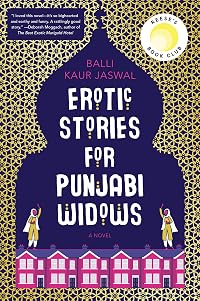
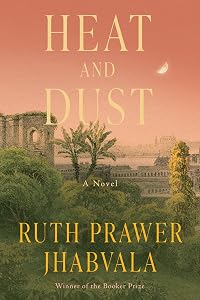
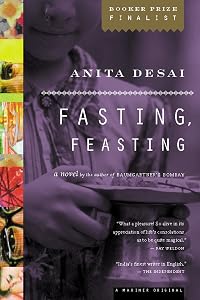
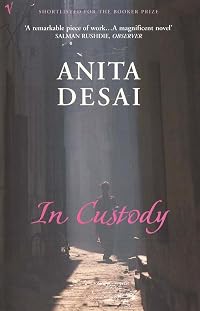
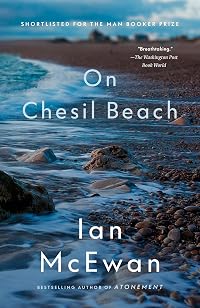
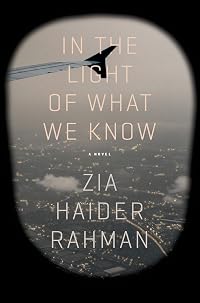


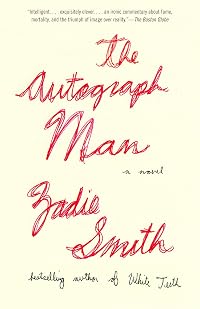
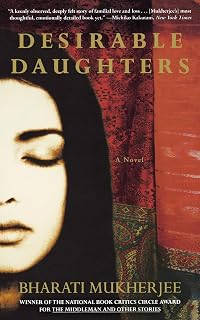


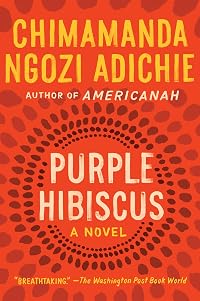
Member Recommendations


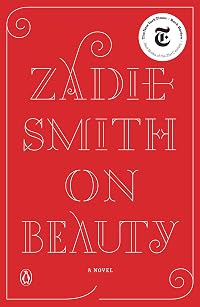
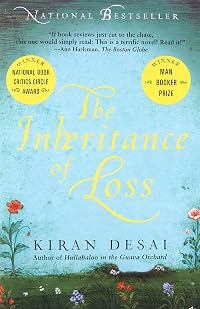
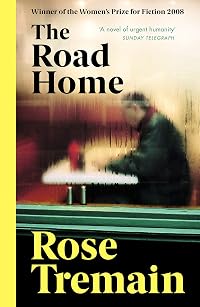
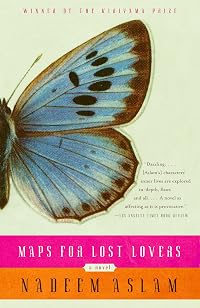
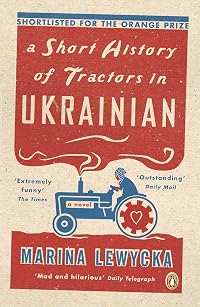
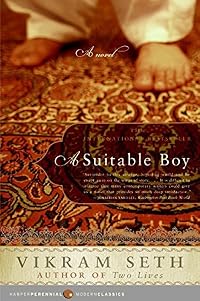
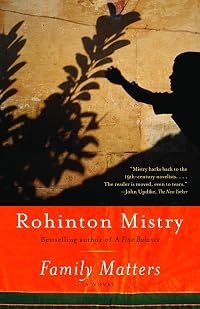
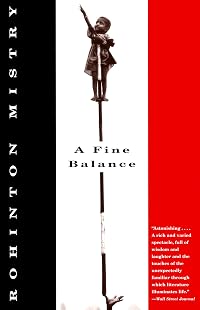
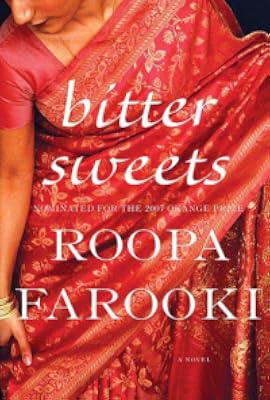
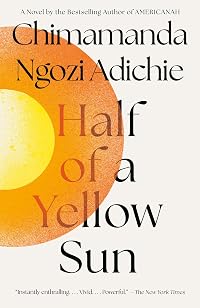
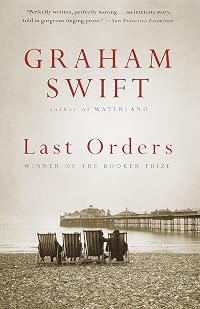
whymaggiemay Both these excellent novels examine the issues of immigration and assimilation in England, though the cultures and backgrounds are different.
70

bergs47 Immigration and assimilation in England, from the view of the immigrant although one is from Eastern Europe and the other from Asia
21
Member Reviews
Remarkably good. Just when you thought that writers had wrung the last material out complicated-yet-somehow-tedious intercontinental, post-imperial emigration stories, you pick up something like "Brick Lane" and get reminded how vast and rich the space between cultures really is, and the near-heroic things that humans are capable of doing in order to reach across it. "Brick Lane" to its unending credit, seems to have been briefed on this sort of narrative's own clichés and doesn't hesitate to challenge them. Chamu, the educated-stupid patriarch of the family described here, can recite the traps and complexities of the emigrant's dilemma, but it doesn't help him one bit. In fact, many of this novel's characters, including the young, show more idealistic Karim, aren't shy about articulating the cultural pathologies that make their lives difficult, but, in the final analysis, "Brick Lane" is superbly written novel about doing, not speaking or writing. It's no coincidence, I think, that it's an English-language novel whose main character doesn't learn English until its last hundred pages or so. The author seems much more interested in the nuts-and-bolts of Nazneen's survival than any commentaries that might be made about it. Being set, variously, in the slums and sweatshops of Dhaka a rough-and-tumble London council estate, the novel presents a picture of cultural assimilation and at-all-costs survival at ground zero.
Which isn't to say that it's not a joy to read. Nazneen's memories of her Bangladeshi village are as cool and soothing as a wet cloth, and her descriptions of her new British neighbors are insightful and funny. In Chamu, insufferable, unseeing, hypocritical, and too proud, Ali's got something of a world-class villain, if she didn't take her time to make it clear to the reader that he's much more lost, confused and -- at times -- sympathetic than he would like to seem. The ill-fitting love that grows between Chamu and Nazneen toward the end of the novel might rank as one of the twenty-first centuries most realistic, and most painful, romances. Ali's writing is both spry and marvelously complex throughout, and, while its action takes place in settings that are tightly constrained by poverty and stifling tradition, it also feels wonderfully open and ambitious. The book addresses money and class and religion and contemporary politics fearlessly, and the author never seems to miss a step. Most importantly, perhaps, its characters are utterly indelible. Ali's descriptions of Chamu's pretensions at being open-minded, Nazneen's courage and her self-doubt, and both her daughters' willingness to please and their anger are as expertly described as the family's sociological predicaments, and, to be honest, much more difficult for a writer to portray effectively. Yet Ali doesn't seem to break a sweat. This one is absolutely marvelous, a novel that whose grand thematic arcs are executed flawlessly and whose tiny interactions rings true. In the author's hands, these unremarkable, if hard-fought lives, take on an epic significance, and their stories take on tremendous emotional resonance. Even if you think that you're done with this sort of book, this one is well worth your time. Just terrific. show less
Which isn't to say that it's not a joy to read. Nazneen's memories of her Bangladeshi village are as cool and soothing as a wet cloth, and her descriptions of her new British neighbors are insightful and funny. In Chamu, insufferable, unseeing, hypocritical, and too proud, Ali's got something of a world-class villain, if she didn't take her time to make it clear to the reader that he's much more lost, confused and -- at times -- sympathetic than he would like to seem. The ill-fitting love that grows between Chamu and Nazneen toward the end of the novel might rank as one of the twenty-first centuries most realistic, and most painful, romances. Ali's writing is both spry and marvelously complex throughout, and, while its action takes place in settings that are tightly constrained by poverty and stifling tradition, it also feels wonderfully open and ambitious. The book addresses money and class and religion and contemporary politics fearlessly, and the author never seems to miss a step. Most importantly, perhaps, its characters are utterly indelible. Ali's descriptions of Chamu's pretensions at being open-minded, Nazneen's courage and her self-doubt, and both her daughters' willingness to please and their anger are as expertly described as the family's sociological predicaments, and, to be honest, much more difficult for a writer to portray effectively. Yet Ali doesn't seem to break a sweat. This one is absolutely marvelous, a novel that whose grand thematic arcs are executed flawlessly and whose tiny interactions rings true. In the author's hands, these unremarkable, if hard-fought lives, take on an epic significance, and their stories take on tremendous emotional resonance. Even if you think that you're done with this sort of book, this one is well worth your time. Just terrific. show less
Very well written and enjoyable novel; as uneducated Bangladeshi Nazneen arrives in London for an arranged marriage with an older man, the story meanders slowly forward, and with it, Nazneen's sense of self and ownership of her new life. From the early days, with nervous walks about the inner city estate, where exchanging a smile with a neighbour is an achievement, through to motherhood, starting work, making her own friends...
Ali does a brilliant job at portraying just why the flat feels like a temporary stop-off and not a home; from the overcrammed furniture to the impossible..and yet not bad...husband Chanu. Intelligent yet forever a failure, his grandiose plans ever turning to dust, always requiring his wife to trim his nasal hair show more and pare his corns...
Nazneen observes the Bangladeshi community about her, the squabbles and fractures, the increasing tensions with local right wing gangs, the westernization of the young people as they turn to drugs and music. And she begins to fall in love with the dashing (if limited) young man who delivers the piece work to her flat...
Meanwhile she continues to correspond with her sister back in Dhaka, where life is still more precarious, but where choices must still be made.
Keeps you reading up till the end, unsure of what is going to happen. Perhaps a rather too-perfect ending, but very good indeed (went straight off to check what other novels Ms Ali has written.) show less
Ali does a brilliant job at portraying just why the flat feels like a temporary stop-off and not a home; from the overcrammed furniture to the impossible..and yet not bad...husband Chanu. Intelligent yet forever a failure, his grandiose plans ever turning to dust, always requiring his wife to trim his nasal hair show more and pare his corns...
Nazneen observes the Bangladeshi community about her, the squabbles and fractures, the increasing tensions with local right wing gangs, the westernization of the young people as they turn to drugs and music. And she begins to fall in love with the dashing (if limited) young man who delivers the piece work to her flat...
Meanwhile she continues to correspond with her sister back in Dhaka, where life is still more precarious, but where choices must still be made.
Keeps you reading up till the end, unsure of what is going to happen. Perhaps a rather too-perfect ending, but very good indeed (went straight off to check what other novels Ms Ali has written.) show less
“The thing about getting older is that you don't need everything to be possible any more, you just need things to be certain.”
At the heart of this book lies an adulterous affair. Nazneen, the central character, is a Bangladeshi woman who arrived in London as the wife of a much older man, Chanu. Nazneen does not enter lightly into her sexual adventure but as Karim, a young Muslim radical, comes daily to her house bringing her sewing piecework a growing physical attraction gradually grows between them. Ali manages to capture all the little details as each abandons their moral objections.
However, Ali manages to also encompass a growing partnership between Nazneen and Chanu. Theirs is an arranged marriage and she arrived in London as a show more naive 18 year-old village girl who spoke no English. In contrast Chanu had lived in London for some time as a single man and appears well read. Initially Chanu appears to be little more than a figure of fun, with his deluded ambitions of promotion and his useless certificates for unimpressive qualifications. Yet gradually we come to see him rather differently, as a figure who is, tragically, aware of his own shortcomings and of the way his dreams have been thwarted bit by bit. Ali paints a subtle portrait of how clashes of culture can threaten a marriage like theirs and how they can hurt one another whilst at the same time come to depend on one another. This she does so with a deft comic touch.
Outside this very domestic world their lives are also touched by the politics of the time, the riots in Oldham, the 9/11 attacks and growing anti-Muslim sentiment. These events are used to illustrate the growing differences between the love triangle. I particularly enjoyed the depiction of the 'Bengal Tigers', a group of local Muslims led by Karim, at whose meetings girls in head-scarves argue with boys in Nike tracksuits about whether to engage in global jihad or battle local injustices. Nazneen attends some of the 'Bengal Tigers' meetings.Initially she admires Karim and his certainty about his place in life, but gradually as her own self-awareness takes root, she realises that his dreams are likely to turn out as groundless as Chanu's. "She had looked at him and seen only his possibilities. Now she looked again and saw that the disappointments of his life, which would shape him, had yet to happen."
Throughout the novel Nazneen receives letters from her sister Hasina back in Bangladesh. Hasina had run away from home marrying for what she believed was a love match only to then be compelled to leave her violent husband and try to survive on her own. The choices that Hasina must face in Bangladesh are so much starker than the sister's in London. Whereas Hasina's choices will determine her very survival Nazneen's seem only to regard her own happiness. This contrast exaggerates the seemingly random nature of life and love.
Despite some fairly momentous themes, Ali employs a deceptively light touch throughout avoiding the pitfalls of melodrama. This is particularly true of her portrayal of Chanu. However, strangely the relationship between Nazneen, her daughters and female friends are poorly drawn in comparison. Also the ending, given the complex relationships that had proceeded it, was a little too neat for my liking. However, one must remember that this was the author's first novel and as such is a largely accomplished piece of work. show less
At the heart of this book lies an adulterous affair. Nazneen, the central character, is a Bangladeshi woman who arrived in London as the wife of a much older man, Chanu. Nazneen does not enter lightly into her sexual adventure but as Karim, a young Muslim radical, comes daily to her house bringing her sewing piecework a growing physical attraction gradually grows between them. Ali manages to capture all the little details as each abandons their moral objections.
However, Ali manages to also encompass a growing partnership between Nazneen and Chanu. Theirs is an arranged marriage and she arrived in London as a show more naive 18 year-old village girl who spoke no English. In contrast Chanu had lived in London for some time as a single man and appears well read. Initially Chanu appears to be little more than a figure of fun, with his deluded ambitions of promotion and his useless certificates for unimpressive qualifications. Yet gradually we come to see him rather differently, as a figure who is, tragically, aware of his own shortcomings and of the way his dreams have been thwarted bit by bit. Ali paints a subtle portrait of how clashes of culture can threaten a marriage like theirs and how they can hurt one another whilst at the same time come to depend on one another. This she does so with a deft comic touch.
Outside this very domestic world their lives are also touched by the politics of the time, the riots in Oldham, the 9/11 attacks and growing anti-Muslim sentiment. These events are used to illustrate the growing differences between the love triangle. I particularly enjoyed the depiction of the 'Bengal Tigers', a group of local Muslims led by Karim, at whose meetings girls in head-scarves argue with boys in Nike tracksuits about whether to engage in global jihad or battle local injustices. Nazneen attends some of the 'Bengal Tigers' meetings.Initially she admires Karim and his certainty about his place in life, but gradually as her own self-awareness takes root, she realises that his dreams are likely to turn out as groundless as Chanu's. "She had looked at him and seen only his possibilities. Now she looked again and saw that the disappointments of his life, which would shape him, had yet to happen."
Throughout the novel Nazneen receives letters from her sister Hasina back in Bangladesh. Hasina had run away from home marrying for what she believed was a love match only to then be compelled to leave her violent husband and try to survive on her own. The choices that Hasina must face in Bangladesh are so much starker than the sister's in London. Whereas Hasina's choices will determine her very survival Nazneen's seem only to regard her own happiness. This contrast exaggerates the seemingly random nature of life and love.
Despite some fairly momentous themes, Ali employs a deceptively light touch throughout avoiding the pitfalls of melodrama. This is particularly true of her portrayal of Chanu. However, strangely the relationship between Nazneen, her daughters and female friends are poorly drawn in comparison. Also the ending, given the complex relationships that had proceeded it, was a little too neat for my liking. However, one must remember that this was the author's first novel and as such is a largely accomplished piece of work. show less
http://nwhyte.livejournal.com/2275670.html
I very much enjoyed this portrait of a world that I have occasionally glimpsed via my Bangladeshi relatives; our protagonist, Nazneen, stuck in an arranged marriage and transported to Brick Lane in London at the age of 18, gradually finds her own way to gaining control of her own life, managing her relationships with husband and her lover - both fantasists in their different ways - and transcending the tensions within her own community and between it and its neighbours. Meanwhile the letters she gets from her sister back home become increasingly gut-wrenching. The ending isn't a completely happy one, but then, what ending is?
I very much enjoyed this portrait of a world that I have occasionally glimpsed via my Bangladeshi relatives; our protagonist, Nazneen, stuck in an arranged marriage and transported to Brick Lane in London at the age of 18, gradually finds her own way to gaining control of her own life, managing her relationships with husband and her lover - both fantasists in their different ways - and transcending the tensions within her own community and between it and its neighbours. Meanwhile the letters she gets from her sister back home become increasingly gut-wrenching. The ending isn't a completely happy one, but then, what ending is?
Nazneen is born in Bangladesh, the eldest of two sisters, and from the very first page we learn that she is taught to leave things to fate. So when at the age of sixteen her father arranges for her to marry a man over twice her age and move to London to be with her husband, Nazneen accepts it and does what is required. The book covers her life in London from when she moves there in the 1980s, up until the early 2000s. Initially Nazneen cannot speak more than a couple of words of English and so relies on her husband for everything – but it becomes clear that while her husband Chanu is not cruel, he is a pathetic and ineffectual man with big dream and small achievements. He is always just on the verge of something – a new business, a show more great promotion – but it never actually materialises.
Nazneen forges some friendships, most notably with a lady named Razia, and as she learns to cope in this new country, she also finds strength within herself and ends up falling in love with a young radical, who is at least as unsuitable for her as her husband, if not more so.
I really enjoyed this book, even though it took me a while to read it – but I think it is a book that deserves time and attention. Ali is so observant and so wonderfully descriptive that you really feel immersed in Nazneen’s world, although I could never begin to imagine what her life must feel like. But any reader will certainly recognise the relationships and social politics at work, and the interplay between characters. The book opened my eyes to an immigrant’s experience, and certainly the description of life after September 11th was eye opening, with many people viewing all Muslims with suspicion and hatred. Another surprise was the humour which Ali employs in her descriptions. She has a remarkably funny turn of phrase which made me smile often throughout the story, even when the events described were not funny at all.
A fair part of the book was taken up with letters from Nazneen’s younger sister Hasina, still in Bangladesh, who disgraced her family at a young age by running away to get married to man she chose rather than one who was chosen for her. The marriage didn’t work, but the letters make it clear that Hasina, unlike Nazneen, refused to leave her life to fate and wanted to make her own choices instead, for better or for worse.
I loved the ending of this book – I won’t spoil it for anyone, but I do feel it gave hope for Nazneen’s future. Overall, I would say that while this was the first book I have read by this author, it certainly will not be the last. show less
Nazneen forges some friendships, most notably with a lady named Razia, and as she learns to cope in this new country, she also finds strength within herself and ends up falling in love with a young radical, who is at least as unsuitable for her as her husband, if not more so.
I really enjoyed this book, even though it took me a while to read it – but I think it is a book that deserves time and attention. Ali is so observant and so wonderfully descriptive that you really feel immersed in Nazneen’s world, although I could never begin to imagine what her life must feel like. But any reader will certainly recognise the relationships and social politics at work, and the interplay between characters. The book opened my eyes to an immigrant’s experience, and certainly the description of life after September 11th was eye opening, with many people viewing all Muslims with suspicion and hatred. Another surprise was the humour which Ali employs in her descriptions. She has a remarkably funny turn of phrase which made me smile often throughout the story, even when the events described were not funny at all.
A fair part of the book was taken up with letters from Nazneen’s younger sister Hasina, still in Bangladesh, who disgraced her family at a young age by running away to get married to man she chose rather than one who was chosen for her. The marriage didn’t work, but the letters make it clear that Hasina, unlike Nazneen, refused to leave her life to fate and wanted to make her own choices instead, for better or for worse.
I loved the ending of this book – I won’t spoil it for anyone, but I do feel it gave hope for Nazneen’s future. Overall, I would say that while this was the first book I have read by this author, it certainly will not be the last. show less
Though I have been fortunate to have traveled to London a few times the author's depiction of this London is a new one for me. It is self-contained Bangladeshi community in London's east side before and immediately after 9/11. Among the manylayered themes the novel causes the reader to confront political, religious and social ideologies & biases, as well as immigration, assimilation, and love (arranged and self-chosen marriage, family). I find that in most books I read there are fairly simple ideas that become portals for major personal insight and for me, this book, brought to light the differences between being a minority and being an immigrant, as these are obviously not mutually inclusive. The conclusion reminds us that individuals show more make their own choices in life, and that in and of itself can be a difficult reality. show less
Nazneen is a young woman living with her family in Bangladesh and dreaming of her future. Soon she’s shipped to England where she’s married off to an older man. Her life becomes so small, confined almost entirely to their apartment. Her husband is gross and selfish and treats her like an employee. I understand it’s an arranged marriage, but it’s an awful situation. There’s no physical abuse, just a continual wearing down of her spirit. Her casual acceptance of her situation is heartbreaking and it was hard for me to identify with her.
When she finally has an affair you honestly don’t even care about the man she is sleeping with, it’s more about the fact that she’s finally done one tiny thing for herself. Even then it show more seems to make her more miserable than before. She also has two daughters who grow up in England and have a hard time embracing their parents’ culture. They are children of England, not Bangladesh and that divide makes it difficult for them to understand their mother’s decision to stay in a loveless marriage.
Part of the book consists of letters back and forth between Nazneen and her sister. Hasina ran away from home and married for love, but her life was not a happy one. I think the main purpose of that plot was to show Nazneen that things could always be worse, but at least Hasina chose her own life.
**SPOILERS**
I felt like we are waiting for something to happen for the entire book and then nothing does. It’s this uphill slog that you think will end with an incredible view, but when you reach the top there’s nothing to see. She never goes to see her sister, she never gets caught in the affair, etc. She just decides to stay at home when her husband leaves. That was good in its own way, but there was no real resolution.
**SPOILERS OVER**
The fact that I couldn’t identify with the main character wasn’t a deal breaker for me in anyway. I love learning about different cultures. I love seeing the struggle that comes from immigrating to a new country and trying to understand their customs. The problem was that Nazneen didn’t seem interested in anything. I felt like I couldn’t root for her when she couldn’t even root for herself.
BOTTOM LINE: Geez I struggled with this one. It’s such a slow moving novel. I felt like I was living through those years of stifling boredom with Nazneen, and not in the good way. There is some beautiful writing, but for me it wasn’t enough to balance out the slog through the story. show less
When she finally has an affair you honestly don’t even care about the man she is sleeping with, it’s more about the fact that she’s finally done one tiny thing for herself. Even then it show more seems to make her more miserable than before. She also has two daughters who grow up in England and have a hard time embracing their parents’ culture. They are children of England, not Bangladesh and that divide makes it difficult for them to understand their mother’s decision to stay in a loveless marriage.
Part of the book consists of letters back and forth between Nazneen and her sister. Hasina ran away from home and married for love, but her life was not a happy one. I think the main purpose of that plot was to show Nazneen that things could always be worse, but at least Hasina chose her own life.
**SPOILERS**
I felt like we are waiting for something to happen for the entire book and then nothing does. It’s this uphill slog that you think will end with an incredible view, but when you reach the top there’s nothing to see. She never goes to see her sister, she never gets caught in the affair, etc. She just decides to stay at home when her husband leaves. That was good in its own way, but there was no real resolution.
**SPOILERS OVER**
The fact that I couldn’t identify with the main character wasn’t a deal breaker for me in anyway. I love learning about different cultures. I love seeing the struggle that comes from immigrating to a new country and trying to understand their customs. The problem was that Nazneen didn’t seem interested in anything. I felt like I couldn’t root for her when she couldn’t even root for herself.
BOTTOM LINE: Geez I struggled with this one. It’s such a slow moving novel. I felt like I was living through those years of stifling boredom with Nazneen, and not in the good way. There is some beautiful writing, but for me it wasn’t enough to balance out the slog through the story. show less
Members
- Recently Added By
Lists

Best Books Set in London
157 works; 42 members

Best 21st Century Books (So Far)
679 works; 86 members

Booker Prize
491 works; 62 members

The Immigrant's Stories
74 works; 19 members

Best of World Literature
437 works; 52 members
Booker Prize Shortlist: Titles Read
103 works; 10 members

Female Author
1,234 works; 65 members

Man Booker Prize Longlist 2003
23 works; 3 members

Books Read in 2023
5,638 works; 147 members

Indian Diaspora
42 works; 2 members

First Novels
373 works; 17 members

Women in Islam
120 works; 8 members

Best books set in London
26 works; 1 member

A Rainbow of Books: Colors in the Title
570 works; 24 members

The Complete Rory Gilmore Reading List
506 works; 5 members
Author Information

5+ Works 7,692 Members
Monica Ali was born October 20, 1967. She is a British writer of Bangladeshi origin. She is the author of Brick Lane, her debut novel, which was shortlisted for the Man Booker Prize for Fiction in 2003. (Bowker Author Biography)
Some Editions
Awards and Honors
Awards
Distinctions
Series
Belongs to Publisher Series
Otavan kirjasto (171)
Common Knowledge
- Canonical title
- Brick Lane
- Original title
- Brick Lane
- Original publication date
- 2003-09-09
- People/Characters
- Nazneen Ahmed; Chanu Ahmed; Karim; Mrs. Islam; Razia Iqbal; Shahana Ahmed (show all 9); Bibi Ahmed; Hasina; Dr. Azad
- Important places
- Brick Lane, London, England, UK; Bangladesh; London, England, UK
- Related movies
- Brick Lane (2007 | IMDb)
- Epigraph
- 'Sternly, remorselessly, fate guides each of us; only at the beginning, when we're absorbed in details, in all sorts of nonsense, in ourselves, are we unaware of its harsh hand.' - Ivan Turgenev
'A man's character is his fate.' - Heraclitus - Dedication
- For Abba, with love
- First words
- An hour and forty-five minutes before Nazneen's life began - began as it would proceed for quite some time, that is to say uncertainly - her mother Rupban felt an iron fist squeeze her belly.
- Quotations
- Chanu stopped and looked in a shop window.'Seventy five pounds for that little bag. You couldn't fit even one book into it.'
- Last words
- (Click to show. Warning: May contain spoilers.)'You can do whatever you like.'
- Blurbers
- Tyler, Anne; Jack, Ian; Hempel, Amy
Classifications
Statistics
- Members
- 5,678
- Popularity
- 2,332
- Reviews
- 133
- Rating
- (3.45)
- Languages
- 20 — Bengali, Catalan, Czech, Danish, Dutch, English, Finnish, French, German, Hungarian, Icelandic, Italian, Lithuanian, Norwegian (Bokmål), Polish, Romanian, Croatian, Spanish, Swedish, Turkish
- Media
- Paper, Audiobook, Ebook
- ISBNs
- 78
- UPCs
- 2
- ASINs
- 24