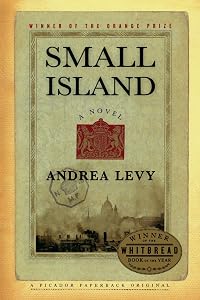
Small Island
by Andrea Levy
On This Page
Description
An international bestseller. Andrea Levy's Small Island won the Orange Prize for Fiction, The Orange Prize for Fiction: Best of the Best, The Whitbread Novel Award, The Whitbread Book of the Year Award, and the Commonwealth Writers' Prize. Hortense Joseph arrives in London from Jamaica in 1948 with her life in her suitcase, her heart broken, her resolve intact. Her husband, Gilbert Joseph, returns from the war expecting to be received as a hero, but finds his status as a black man in Britain show more to be second class. His white landlady, Queenie, raised as a farmer's daughter, befriends Gilbert, and later Hortense, with innocence and courage, until the unexpected arrival of her husband, Bernard, who returns from combat with issues of his own to resolve. Told in these four voices, Small Island is a courageous novel of tender emotion and sparkling wit, of crossings taken and passages lost, of shattering compassion and of reckless optimism in the face of insurmountable barriers---in short, an encapsulation of that most American of experiences: the immigrant's life. show lessTags
Recommendations





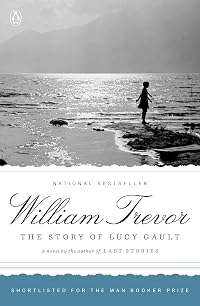
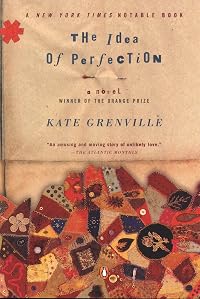

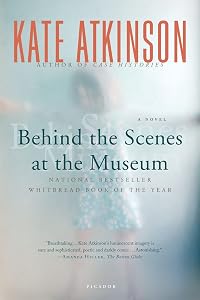


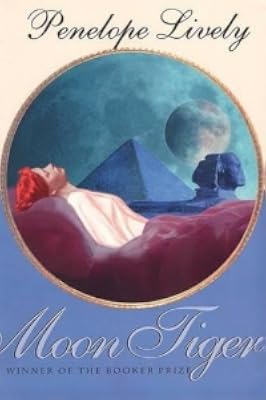

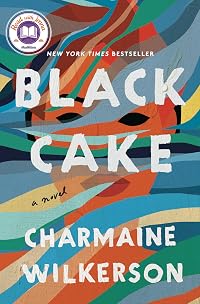
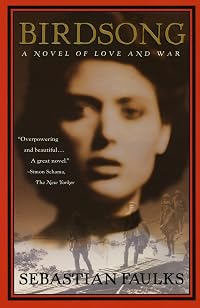
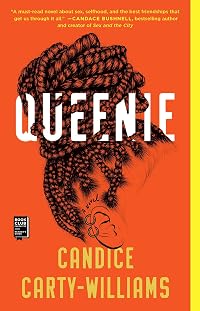

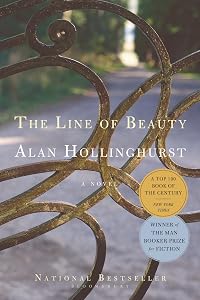
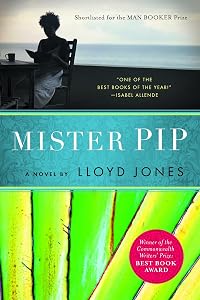
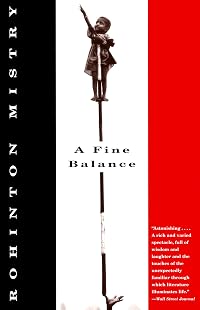

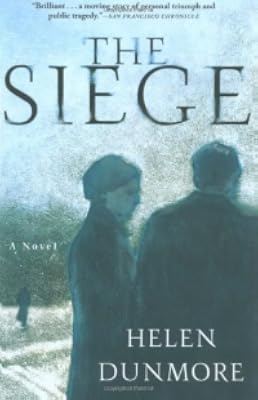
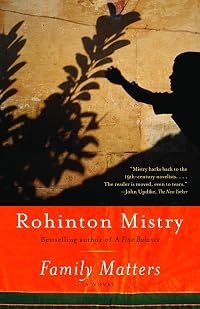

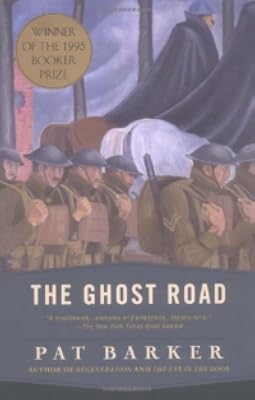
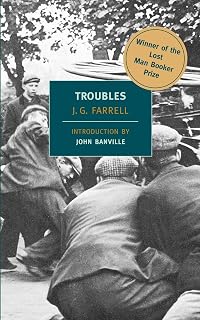
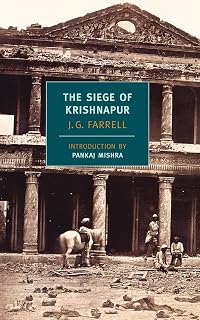
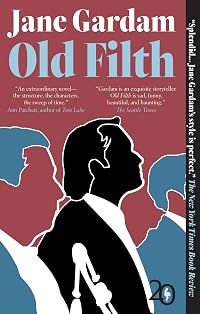
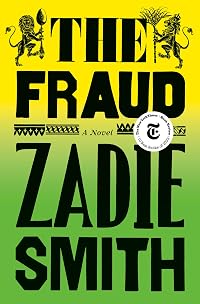

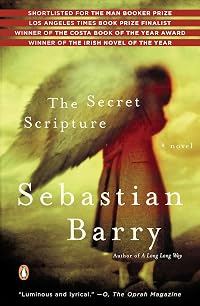
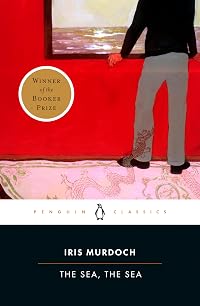
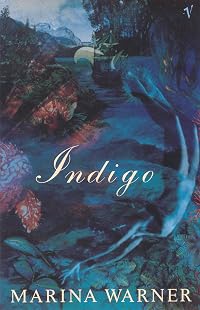

Member Recommendations

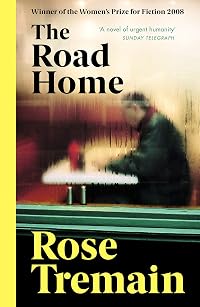
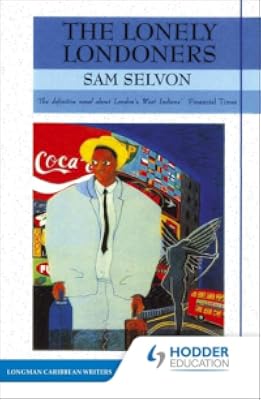
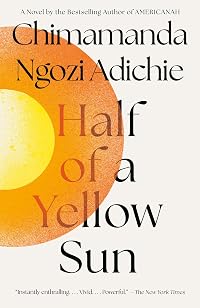
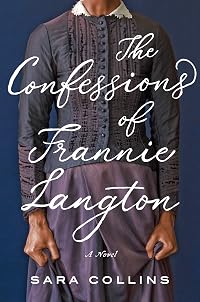
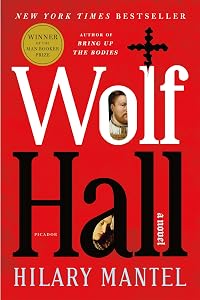
SqueakyChu Both are novels about multicultutalism which consider Jamaican culture affecting England.
71
whymaggiemay Both these excellent novels examine the issues of immigration and assimilation in England, though the cultures and backgrounds are different.
40
Member Reviews
'Small Island' is set in dingy 1948 London, a time when landlords were allowed to deter undesirable tenants by putting up a sign that read, “No Irish, no coloureds, no dogs”, and frequently did so which was a shock to many Commonwealth immigrants who had helped Britain win the war and been brought up to believe that they would be welcomed into the 'Mother Country' by its grateful inhabitants.
The story is told by four people, two women and two men, two Jamaican and two English. Hortense Roberts, honey-skinned and impeccably white-gloved, has attended a private school that made her familiar with Wordsworth, Shakespeare and the baking of fairy cakes. Hortense is married to Gilbert, a man she doesn’t love but who was her means of show more getting to England. Gilbert had left Jamaica to serve as a member of the West Indian RAF volunteers in England during WWII but on to his return his homeland soon realised that he would now never be content there on his 'small island' and so joined the 'Windrush' exodus to Britain dreaming of a better life.
The reality however, was a filthy rented room in Queenie Bligh's decaying house in Earls Court. In peacetime, Gilbert soon comes to realise how much his uniform had shielded him from the worst excesses of racism. As a black civilian, all that is on offer to him are the worst, lowest-paid jobs and the meanest lodgings. When haughty Hortense joins him in London she is horrified by what she sees. She is baffled when Queenie, her white London landlady, says, “I’m not worried about what busybodies say. I don’t mind being seen in the street with you.” because it is Queenie not her who is badly educated and “dressed in a scruffy housecoat with no brooch or jewel, no glove or even a pleasant hat to lift the look a little”.
Queenie, like Hortense, married not out of love but a need to escape, in her case from her family’s farm in the Midlands. In her teens, she was rescued by an indulgent aunt and taken to live in London, but when her aunt died, she was faced with choice of the drudgery of her birthplace or marry Bernard, a staid bank clerk with some questionable personal habits. Her marriage is cold and dull so when Bernard joined up she wasn't exactly heartbroken. Bernard served in the RAF and was posted to India as groundcrew but didn't reappear immediately when the war was over. His eventual return home with his insecurities intact throws Queenie's new life into turmoil.
This novel could easily have become a tragic litany of ingrained prejudice and stupidity, but for Levy’s gentle, mocking humour, mainly at the expense of Gilbert and Bernard, who are constantly upstaged by their wilful wives. This humour makes this book immensely readable. The story is entrancing and disturbing at the same time because it's sadly loosely based on fact. I thoroughly enjoyed it and it deserves all the praise that it garnered. show less
The story is told by four people, two women and two men, two Jamaican and two English. Hortense Roberts, honey-skinned and impeccably white-gloved, has attended a private school that made her familiar with Wordsworth, Shakespeare and the baking of fairy cakes. Hortense is married to Gilbert, a man she doesn’t love but who was her means of show more getting to England. Gilbert had left Jamaica to serve as a member of the West Indian RAF volunteers in England during WWII but on to his return his homeland soon realised that he would now never be content there on his 'small island' and so joined the 'Windrush' exodus to Britain dreaming of a better life.
The reality however, was a filthy rented room in Queenie Bligh's decaying house in Earls Court. In peacetime, Gilbert soon comes to realise how much his uniform had shielded him from the worst excesses of racism. As a black civilian, all that is on offer to him are the worst, lowest-paid jobs and the meanest lodgings. When haughty Hortense joins him in London she is horrified by what she sees. She is baffled when Queenie, her white London landlady, says, “I’m not worried about what busybodies say. I don’t mind being seen in the street with you.” because it is Queenie not her who is badly educated and “dressed in a scruffy housecoat with no brooch or jewel, no glove or even a pleasant hat to lift the look a little”.
Queenie, like Hortense, married not out of love but a need to escape, in her case from her family’s farm in the Midlands. In her teens, she was rescued by an indulgent aunt and taken to live in London, but when her aunt died, she was faced with choice of the drudgery of her birthplace or marry Bernard, a staid bank clerk with some questionable personal habits. Her marriage is cold and dull so when Bernard joined up she wasn't exactly heartbroken. Bernard served in the RAF and was posted to India as groundcrew but didn't reappear immediately when the war was over. His eventual return home with his insecurities intact throws Queenie's new life into turmoil.
This novel could easily have become a tragic litany of ingrained prejudice and stupidity, but for Levy’s gentle, mocking humour, mainly at the expense of Gilbert and Bernard, who are constantly upstaged by their wilful wives. This humour makes this book immensely readable. The story is entrancing and disturbing at the same time because it's sadly loosely based on fact. I thoroughly enjoyed it and it deserves all the praise that it garnered. show less
"There are some words once spoken split the world in two. Before you say them and after.” (497)
So it is that the experience of WWII has split the world for the characters in Andrea Levy’s Small Island. Gilbert and Hortense Joseph, and Bernard and Queenie Bligh, alternately narrate the story by chapter. For them, there is only “Before” (the war) and 1948.
Jamaican Gilbert Joseph is an honest and ambitious young man who volunteers with the RAF during WWII to fight for his “Mother Country.” England, he knows, has opportunities to offer that his small island cannot; and in 1948, he dreams to emigrate. Hortense Roberts, a haughty, young school teacher also dreams of a better life in England. Gilbert becomes her ticket off of her show more native island, and they enter into a marriage of convenience. In England, Queenie Bligh, an compassionate and liberal-minded woman whose husband, Bernard, has not yet returned from war, agrees to board the Josephs. But the reality of their new life is far removed from their dream. Their one-room accommodation is a hovel; and England, far from a land of opportunity, is a nation struggling to recover from the ravages of war. But most humiliating for Gilbert and Hortense is the hateful prejudice which blindsides them, and the incomprehensible reality that they are not welcome in their esteemed “Mother Country.” When Bernard Bligh, a timid, bigoted bank clerk, returns home from the war, what had been an untenable situation becomes unlivable.
“And at that moment I longed to be once more in Jamaica. I yearned for home as a drunk man for whiskey. For only there could I be sure that someone looking on my face for the first time would regard it without reaction. No gapes, no gawps, no cussing, no looking quickly away as if seeing something unsavoury. Just a meeting as unremarkable as passing your mummy in the kitchen. What a thing was this to wish for. That a person regarding me should think nothing. What a forlorn desire to seek indifference.” (315)
Small Island is beautifully written and hauntingly real. Levy develops a cast of unforgettable characters who navigate empire, prejudice, war, and love in an unforgettable story. A must read! show less
So it is that the experience of WWII has split the world for the characters in Andrea Levy’s Small Island. Gilbert and Hortense Joseph, and Bernard and Queenie Bligh, alternately narrate the story by chapter. For them, there is only “Before” (the war) and 1948.
Jamaican Gilbert Joseph is an honest and ambitious young man who volunteers with the RAF during WWII to fight for his “Mother Country.” England, he knows, has opportunities to offer that his small island cannot; and in 1948, he dreams to emigrate. Hortense Roberts, a haughty, young school teacher also dreams of a better life in England. Gilbert becomes her ticket off of her show more native island, and they enter into a marriage of convenience. In England, Queenie Bligh, an compassionate and liberal-minded woman whose husband, Bernard, has not yet returned from war, agrees to board the Josephs. But the reality of their new life is far removed from their dream. Their one-room accommodation is a hovel; and England, far from a land of opportunity, is a nation struggling to recover from the ravages of war. But most humiliating for Gilbert and Hortense is the hateful prejudice which blindsides them, and the incomprehensible reality that they are not welcome in their esteemed “Mother Country.” When Bernard Bligh, a timid, bigoted bank clerk, returns home from the war, what had been an untenable situation becomes unlivable.
“And at that moment I longed to be once more in Jamaica. I yearned for home as a drunk man for whiskey. For only there could I be sure that someone looking on my face for the first time would regard it without reaction. No gapes, no gawps, no cussing, no looking quickly away as if seeing something unsavoury. Just a meeting as unremarkable as passing your mummy in the kitchen. What a thing was this to wish for. That a person regarding me should think nothing. What a forlorn desire to seek indifference.” (315)
Small Island is beautifully written and hauntingly real. Levy develops a cast of unforgettable characters who navigate empire, prejudice, war, and love in an unforgettable story. A must read! show less
I read this book when it first came out and just reread it with my Seminar in Historical Fiction students. I'm really happy that I chose it to close out the course.
Levy tells her tale through as somewhat complex structure. She uses four narrators: Queenie, a white working class British woman; Bernard, her ultraconservative husband; Gilbert, a Jamaican who served in the RAF during World War II; and Hortense, Gilbert's wife, a proud woman who believes her education will get her anywhere. Added to this, Levy gives us two timeframes, 1948 (present day) and "Before," which ranges from 1924 to 1948. In addition, the characters move among many locations, including London, Jamaica, Hertfordshire, India, France, and Brighton. If this sounds show more confusing, well, surprisingly, it isn't.
All of these characters live on dreams--hopes to better their lives. In the prologue, a seven year-old Queenie visits the 1924 British Exhibition in Wembley and leaves convinced that she has been "in Africa." Queenie dreams of escaping her father's pig farm, of becoming a lady, of living a more comfortable life in London, of motherhood. But as it happens, the road to that dream takes her to marriage with a "solid" but dispassionate man--Bernard, a bank clerk. Hortense is convinced from an early age that she will go to England and live in a big house with doorbell that goes ding-a-ling--and that she will marry her handsome playboy cousin, Michael Roberts. All his life, Gilbert Joseph has been told that Jamaicans are British subjects, and he believes that if he can just get to England, opportunities will open wide. What better way than to fight for the Mother Country? And Bernard--poor Bernard. He doesn't really know how to dream, so his dream is the dream of the British Empire: British superiority, a stiff upper lip, living your life as others think you should. For him, the war is becomes a real game-changer.
The characters' lives become complicated and intertwined when Gilbert and Hortense marry, emigrate to England with high expectations (Gilbert first, Hortense several months later) and rent a room in Queenie's house. In time, they learn a lot about the way of the world--particularly the English world--and even more about themselves.
I don't want to give up any more particulars of plot, so let me just say that this is a lovely book, finely written and imagined, with more than one meaningful message for us all. show less
Levy tells her tale through as somewhat complex structure. She uses four narrators: Queenie, a white working class British woman; Bernard, her ultraconservative husband; Gilbert, a Jamaican who served in the RAF during World War II; and Hortense, Gilbert's wife, a proud woman who believes her education will get her anywhere. Added to this, Levy gives us two timeframes, 1948 (present day) and "Before," which ranges from 1924 to 1948. In addition, the characters move among many locations, including London, Jamaica, Hertfordshire, India, France, and Brighton. If this sounds show more confusing, well, surprisingly, it isn't.
All of these characters live on dreams--hopes to better their lives. In the prologue, a seven year-old Queenie visits the 1924 British Exhibition in Wembley and leaves convinced that she has been "in Africa." Queenie dreams of escaping her father's pig farm, of becoming a lady, of living a more comfortable life in London, of motherhood. But as it happens, the road to that dream takes her to marriage with a "solid" but dispassionate man--Bernard, a bank clerk. Hortense is convinced from an early age that she will go to England and live in a big house with doorbell that goes ding-a-ling--and that she will marry her handsome playboy cousin, Michael Roberts. All his life, Gilbert Joseph has been told that Jamaicans are British subjects, and he believes that if he can just get to England, opportunities will open wide. What better way than to fight for the Mother Country? And Bernard--poor Bernard. He doesn't really know how to dream, so his dream is the dream of the British Empire: British superiority, a stiff upper lip, living your life as others think you should. For him, the war is becomes a real game-changer.
The characters' lives become complicated and intertwined when Gilbert and Hortense marry, emigrate to England with high expectations (Gilbert first, Hortense several months later) and rent a room in Queenie's house. In time, they learn a lot about the way of the world--particularly the English world--and even more about themselves.
I don't want to give up any more particulars of plot, so let me just say that this is a lovely book, finely written and imagined, with more than one meaningful message for us all. show less
Character-driven historical fiction set in 1948 (and flashing back to “Before”) about two mismatched couples, Britons Bernard and Queenie, and Jamaicans Gilbert and Hortense. It tells a story of the migration of the two Jamaicans to post-WWII London, and the differences between their expectations and the realities. Though Gilbert has served in the RAF, fighting in WWII for the “Mother Country,” he and Hortense experience racism and intolerance.
In Jamaica, Hortense dreams of living in England, where she believes she will have a much better life. She agrees to fund Gilbert’s journey in return for his promise to send for her once he gets settled in London. Gilbert aspires to law school. He is educated but can only find work as a show more driver. Queenie suffers through the Blitz in London. She takes in Caribbean tenants, including Gilbert, to earn rental income. Bernard’s military service takes him to India, where he endures a variety of traumatic ordeals. When he fails to return, Queenie decides he has died in the war.
The strength of this novel lies in the characters. Levy weaves together multiple voices into a thought-provoking narrative that sheds light on the history of race and class in Britain. Each of the four tells his or her story in first person, so the reader becomes well-acquainted with them. Some are more likeable than others, but all feel authentic. The writing is richly detailed, providing a vivid sense of what life was like at the time in England, India, and Jamaica. Parts of this story are gut-wrenching and engender a feeling of outrage at the racial hatred directed toward the Jamaican characters. The author uses sarcastic humor to help develop the characters’ relationships and provide a break between harsh scenes. The ending is particularly emotional and well-crafted, providing a ray of hope for the future. It should appeal to those interested in modern classics or the history of multiculturalism in England. show less
In Jamaica, Hortense dreams of living in England, where she believes she will have a much better life. She agrees to fund Gilbert’s journey in return for his promise to send for her once he gets settled in London. Gilbert aspires to law school. He is educated but can only find work as a show more driver. Queenie suffers through the Blitz in London. She takes in Caribbean tenants, including Gilbert, to earn rental income. Bernard’s military service takes him to India, where he endures a variety of traumatic ordeals. When he fails to return, Queenie decides he has died in the war.
The strength of this novel lies in the characters. Levy weaves together multiple voices into a thought-provoking narrative that sheds light on the history of race and class in Britain. Each of the four tells his or her story in first person, so the reader becomes well-acquainted with them. Some are more likeable than others, but all feel authentic. The writing is richly detailed, providing a vivid sense of what life was like at the time in England, India, and Jamaica. Parts of this story are gut-wrenching and engender a feeling of outrage at the racial hatred directed toward the Jamaican characters. The author uses sarcastic humor to help develop the characters’ relationships and provide a break between harsh scenes. The ending is particularly emotional and well-crafted, providing a ray of hope for the future. It should appeal to those interested in modern classics or the history of multiculturalism in England. show less
Character-driven historical fiction set in 1948 (and flashing back to “Before”) about two mismatched couples, Britons Bernard and Queenie, and Jamaicans Gilbert and Hortense. It tells a story of the migration of the two Jamaicans to post-WWII London, and the differences between their expectations and the realities. Though Gilbert has served in the RAF, fighting in WWII for the “Mother Country,” he and Hortense experience racism and intolerance.
In Jamaica, Hortense dreams of living in England, where she believes she will have a much better life. She agrees to fund Gilbert’s journey in return for his promise to send for her once he gets settled in London. Gilbert aspires to law school. He is educated but can only find work as a show more driver. Queenie suffers through the Blitz in London. She takes in Caribbean tenants, including Gilbert, to earn rental income. Bernard’s military service takes him to India, where he endures a variety of traumatic ordeals. When he fails to return, Queenie decides he has died in the war.
The strength of this novel lies in the characters. Levy weaves together multiple voices into a thought-provoking narrative that sheds light on the history of race and class in Britain. Each of the four tells his or her story in first person, so the reader becomes well-acquainted with them. Some are more likeable than others, but all feel authentic. The writing is richly detailed, providing a vivid sense of what life was like at the time in England, India, and Jamaica. Parts of this story are gut-wrenching and engender a feeling of outrage at the racial hatred directed toward the Jamaican characters. The author uses sarcastic humor to help develop the characters’ relationships and provide a break between harsh scenes. The ending is particularly emotional and well-crafted, providing a ray of hope for the future. It should appeal to those interested in modern classics or the history of multiculturalism in England. show less
In Jamaica, Hortense dreams of living in England, where she believes she will have a much better life. She agrees to fund Gilbert’s journey in return for his promise to send for her once he gets settled in London. Gilbert aspires to law school. He is educated but can only find work as a show more driver. Queenie suffers through the Blitz in London. She takes in Caribbean tenants, including Gilbert, to earn rental income. Bernard’s military service takes him to India, where he endures a variety of traumatic ordeals. When he fails to return, Queenie decides he has died in the war.
The strength of this novel lies in the characters. Levy weaves together multiple voices into a thought-provoking narrative that sheds light on the history of race and class in Britain. Each of the four tells his or her story in first person, so the reader becomes well-acquainted with them. Some are more likeable than others, but all feel authentic. The writing is richly detailed, providing a vivid sense of what life was like at the time in England, India, and Jamaica. Parts of this story are gut-wrenching and engender a feeling of outrage at the racial hatred directed toward the Jamaican characters. The author uses sarcastic humor to help develop the characters’ relationships and provide a break between harsh scenes. The ending is particularly emotional and well-crafted, providing a ray of hope for the future. It should appeal to those interested in modern classics or the history of multiculturalism in England. show less
Interesting exploration of one aspect of British imperialism --in this case it is Jamaican young men fighting for the UK in WWII, and how they fared in the aftermath. Set mostly in London, before and after 1948, there are lots of well-drawn scenes of very ugly racism, akin to but different than in the US. The British kept their slavery and exploitation offshore, in the colonies, so never developed a Jim Crow system at home. How did they respond when the war required them to come face to face with actual black people? Apparently, not very well, as this story illustrates. I really enjoyed this. The characterizations, dialogue, shifts in point of view - all very well done.
Firstly, I must say that I listened to this and the narrator was simply fabulous. She had all of the accent down really well, even the shades of difference between Aunt Dorothy & Queenie, or that between Hortense & Gilbert. Just really very very convincing and, I suspect, not an easy trick to pull off.
This is set during WW2 and in the years immediately after, with the bulk of the story being set in 1948. The Empire Windrush arrives in London, bringing with it Gilbert, a Jamaican man who has served in the RAF and is now looking to make his future in England. He ends up lodging with Queenie Bly, who has a house in Earl's Court and a husband who hasn't yet made it back from the war. It is told in their voices, and those of their show more respective partners, Hortense & Bernard. Tlod with some elements of flash back, you find out that they have a complicated relationship and that life hasn't been plain sailing for any of them. At times this is brilliantly funny, at others it is really difficult to listen to. Partly that is the attitudes reflected in the book. I accept that they are highly likely to be representative of their time, but the scene in the cinema had my blood boiling. All I can say is that I think (and I hope) that as a nation we've moved on a lot since this book was set. but it isn't just the racism, there is the insufferable sexism that both Queenie & Hortense are subject to, but with much less outrage on anyone's part. As I said, I would hope that we can take comfort in the fact that we have moved on from this.
I thought this was really very well written. The different voices telling their tales, at times the same incident from more that one perspective. And the back story fills in as the book progresses. This kept me listening, and waning to know what happened next, right to the end. And I'm still wondering where their lives lead from the last page - where are they all now? show less
This is set during WW2 and in the years immediately after, with the bulk of the story being set in 1948. The Empire Windrush arrives in London, bringing with it Gilbert, a Jamaican man who has served in the RAF and is now looking to make his future in England. He ends up lodging with Queenie Bly, who has a house in Earl's Court and a husband who hasn't yet made it back from the war. It is told in their voices, and those of their show more respective partners, Hortense & Bernard. Tlod with some elements of flash back, you find out that they have a complicated relationship and that life hasn't been plain sailing for any of them. At times this is brilliantly funny, at others it is really difficult to listen to. Partly that is the attitudes reflected in the book. I accept that they are highly likely to be representative of their time, but the scene in the cinema had my blood boiling. All I can say is that I think (and I hope) that as a nation we've moved on a lot since this book was set. but it isn't just the racism, there is the insufferable sexism that both Queenie & Hortense are subject to, but with much less outrage on anyone's part. As I said, I would hope that we can take comfort in the fact that we have moved on from this.
I thought this was really very well written. The different voices telling their tales, at times the same incident from more that one perspective. And the back story fills in as the book progresses. This kept me listening, and waning to know what happened next, right to the end. And I'm still wondering where their lives lead from the last page - where are they all now? show less
Members
- Recently Added By
Published Reviews
ThingScore 92
Levy's greatest achievement in ''Small Island'' is to convey how English racism was all the more heartbreaking for its colonial victims because it involved the crushing of their ideals. Gilbert is astonished to discover that although he can reel off the names of England's canals and list the major industries of each English town, most English people can't even find Jamaica on a map. ''How come show more England did not know me?'' he asks. Hortense's training as a teacher counts for nothing in England, and while she may have won a prize for reciting Keats's ''Ode to a Nightingale'' at school, she can't make herself understood by a London taxi driver.
Levy understands the complex relationship between color and class. Light-skinned Hortense has been brought up as a lady, and she initially despises Gilbert for his coarser manners. She also looks down on Queenie for being less educated than she is. The slow development of Hortense's respect for her husband as she begins to understand the challenges he faces (many of which she will confront herself) is one of the most moving aspects of the book. ''Small Island'' is too thoughtful a novel to promise its characters a happy ending, but it is generous enough to offer them hope. show less
Levy understands the complex relationship between color and class. Light-skinned Hortense has been brought up as a lady, and she initially despises Gilbert for his coarser manners. She also looks down on Queenie for being less educated than she is. The slow development of Hortense's respect for her husband as she begins to understand the challenges he faces (many of which she will confront herself) is one of the most moving aspects of the book. ''Small Island'' is too thoughtful a novel to promise its characters a happy ending, but it is generous enough to offer them hope. show less
added by kidzdoc
Small Island operates on a larger canvas than Levy's previous novels. Set in India, England and Jamaica, it is as far-reaching a work as White Teeth. Yet it is written in a plain, homely style, one that is keen for us to attend to the subtle shifts and twists that its characters undergo. Levy undercuts any assumption that race alone defines them, and is keen to highlight those symmetries and show more parallels in their life experiences. One can easily see it being turned into a popular drama. It's neither splashy nor experimental, but for thoughtfulness and wry humour cannot be faulted. show less
added by kidzdoc
Apart from everything else, Small Island is a great read, delivering the sort of pleasure which has been the traditional stock-in-trade of a long line of English novelists. It's honest, skillful, thoughtful and important. This is Andrea Levy's big book.
added by kidzdoc
Lists

1001 Books You Must Read Before You Die
1,448 works; 1,134 members

Best Historical Fiction
620 works; 261 members

Favourite Women's Prize for Fiction, Orange & Bailey's Prize contenders
132 works; 52 members

Best Contemporary Literary Fiction (Around the Last 30 Years)
388 works; 124 members

Women in War
148 works; 30 members

Top Five Books of 2013
1,562 works; 715 members

Best Books Set in London
157 works; 42 members

Best winner of the Orange Broadband Prize for Fiction
13 works; 6 members

Historical Fiction
889 works; 91 members
BBC's 100 Novels That Shaped Our World
100 works; 22 members

Must-Read Books by Black Authors
114 works; 92 members

The Guardian's 100 best books of the 21st century
100 works; 21 members

The Immigrant's Stories
74 works; 19 members

Female Author
1,235 works; 67 members
Women's Prize for Fiction
29 works; 5 members

Top Five Books of 2020
982 works; 350 members

Top Five Books of 2017
757 works; 231 members

Black Authors
384 works; 32 members

Books Set in the Caribbean
18 works; 5 members

This is the Canon: Decolonize Your Bookshelf in 50 Books
51 works; 5 members

Big Jubilee List
70 works; 3 members

Books Featured on Gilmore Girls
307 works; 21 members

BBC Radio 4 Bookclub
340 works; 13 members

A Novel Cure
742 works; 23 members

Historical Fiction Lovers
88 works; 4 members

Books Read in 2016
4,666 works; 199 members

2000s decade
85 works; 6 members

Best books made into television
66 works; 4 members

Allie's Favourite 150 Books
145 works; 3 members

Books Set on Islands
190 works; 24 members
Books Read in 2015
3,299 works; 126 members

Carole's List
445 works; 13 members

Historical fiction by women authors
15 works; 5 members

Latin America
45 works; 6 members

Biggest Disappointments
606 works; 163 members

To Read
29 works; 2 members

BBC World Book Club
265 works; 5 members
The Complete Rory Gilmore Reading List
506 works; 5 members

.
184 works; 1 member

World Book Club (BBC World Service)
174 works; 1 member
Author Information

13+ Works 6,491 Members
Andrea Levy was born in London, England in 1956 to Jamaican parents of mixed descent. She studied textile design and became a costume assistant. She took a creative-writing class and started writing in her 30s. Her first novel, Every Light in the House Burnin', was published in 1994. Her novels chronicled the experience of Jamaican immigrants in show more Britain. Her other works included Fruit of the Lemon, Six Stories and an Essay, and The Long Song. Small Island won the Orange Prize for fiction and the Whitbread Award for the book of the year. She died from cancer on February 14, 2019 at the age of 62. (Bowker Author Biography) show less
Some Editions
Awards and Honors
Awards
Distinctions
Notable Lists
Series
Belongs to Publisher Series
Common Knowledge
- Canonical title
- Small Island
- Original title
- Small Island
- Original publication date
- 2004
- People/Characters
- Queenie Bligh; Hortense Joseph; Gilbert Joseph; Bernard Bligh; Michael Roberts
- Important places
- Caribbean Region; Jamaica; London, England, UK
- Important events
- World War II (1939 | 1945)
- Related movies
- Small Island (2009 | IMDb)
- Epigraph
- Never in the field of human conflicts has so much been owed by so many to so few - Winston Churchill
- Dedication
- For Bill
- First words
- I thought I’d been to Africa.
- Quotations
- If a body in its beauty is the work of God then this hideous predicament between his legs was without doubt the work of the devil.
- Last words
- (Click to show. Warning: May contain spoilers.)But I paid it no mind as I pulled my back up and straightened my coat against the cold.
- Blurbers*
- Grant, Linda; Forster, Margaret
- Original language*
- English
*Some information comes from Common Knowledge in other languages. Click "Edit" for more information.
Classifications
Statistics
- Members
- 4,265
- Popularity
- 3,544
- Reviews
- 146
- Rating
- (3.89)
- Languages
- 12 — Chinese, Danish, Dutch, English, French, German, Hungarian, Italian, Portuguese, Croatian, Slovenian, Spanish
- Media
- Paper, Audiobook, Ebook
- ISBNs
- 46
- ASINs
- 13
