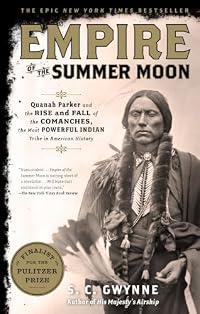
Empire of the Summer Moon: Quanah Parker and the Rise and Fall of the Comanches, the Most Powerful Indian Tribe in American History
by S. C. Gwynne
On This Page
Description
*Finalist for the Pulitzer Prize and the National Book Critics Circle Award**A New York Times Notable Book*
*Winner of the Texas Book Award and the Oklahoma Book Award*
This New York Times bestseller and stunning historical account of the forty-year battle between Comanche Indians and white settlers for control of the American West "is nothing short of a revelation...will leave dust and blood on your jeans" (The New York Times Book Review).
Empire of the Summer Moon spans two astonishing show more stories. The first traces the rise and fall of the Comanches, the most powerful Indian tribe in American history. The second entails one of the most remarkable narratives ever to come out of the Old West: the epic saga of the pioneer woman Cynthia Ann Parker and her mixed-blood son Quanah, who became the last and greatest chief of the Comanches.
Although readers may be more familiar with the tribal names Apache and Sioux, it was in fact the legendary fighting ability of the Comanches that determined when the American West opened up. Comanche boys became adept bareback riders by age six; full Comanche braves were considered the best horsemen who ever rode. They were so masterful at war and so skillful with their arrows and lances that they stopped the northern drive of colonial Spain from Mexico and halted the French expansion westward from Louisiana. White settlers arriving in Texas from the eastern United States were surprised to find the frontier being rolled backward by Comanches incensed by the invasion of their tribal lands.
The war with the Comanches lasted four decades, in effect holding up the development of the new American nation. Gwynne's exhilarating account delivers a sweeping narrative that encompasses Spanish colonialism, the Civil War, the destruction of the buffalo herds, and the arrival of the railroads, and the amazing story of Cynthia Ann Parker and her son Quanah—a historical feast for anyone interested in how the United States came into being.
Hailed by critics, S. C. Gwynne's account of these events is meticulously researched, intellectually provocative, and, above all, thrillingly told. Empire of the Summer Moon announces him as a major new writer of American history. show less
Tags
Recommendations
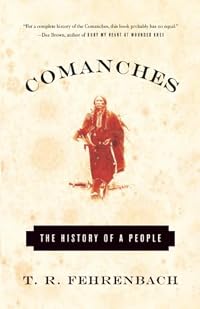
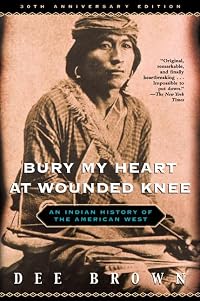
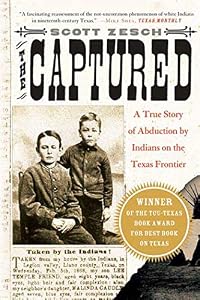

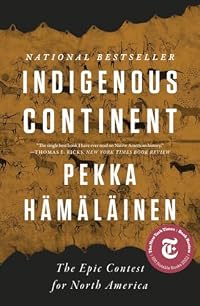
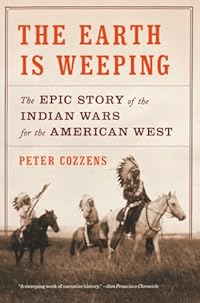




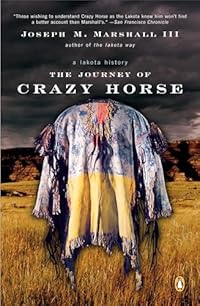
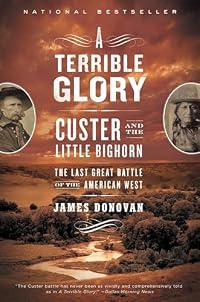
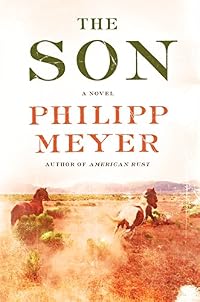
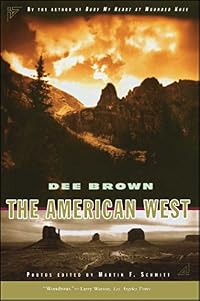










Member Recommendations
Muscogulus Gwynne's book captured all the hype, but Hämäläinen's book is the one that revolutionized the history of the Comanche people. It deserves more attention.

SRPetty These books cover similar territory but one is solidly researched fiction, the other solidly researched non-fiction. To read them together will enhance your experience of this troubled time in our history.
Member Reviews
First, the title is sort-of misleading. You would think it's a straight biography of Quanah Parker, but it isn't. Quanah is the nail that Gwynne uses to hang a narrative history of the Comanche on. A good chunk of the book follows Quanah and his family, so that is why he is in the title. But, it is really a history of the rise and decline of the Comanches.
Second, Gwynne is a gripping, engaging writer. His research seems solid enough. But, it is not a work of deep scholarship like Pekka Hämäläinen's recent tome The Comanche Empire. But, it doesn't aspire to be.
Third, Gwynne does not seem to buy the postmodern, post-1960s view of Amerindians as glorious, peaceful, environmentalist hippies, who never did any wrong. Conversely, Gwynne show more does not seem to buy the construct's other premise: that white people are inherently bad and evil. Now, don't get me wrong, Gwynne does not shy away from describing the racism, the colonialism, the greed, the bloodlust of Anglos, whites, Texians, Americans, etc. But he also does not shy away from describing the racism, the colonialism, the greed, the bloodlust of the Comanches (and associated tribes). Gwynne, in essence, buys the same idea Hämäläinen does: Comancheria was an empire. The Comanche empire clashed with the Spanish, then the Mexicans, then the Texians, and then the Americans. There were bad things done on both sides.
So, Gwynne describes the evils of the whites. He describes the evils of the Comanche: raiding, theft, pillaging, rapes, murders. The former is pro forma these days in our society. The latter is shocking to many readers. Read some random comments on Amazon.com for a sampling of such sentiment. Native Americans couldn't be bad, could they? Well, yes, they could. People are people are people. The whites eventually "won" and so we can today point at them and say they were genocidal, ethnic-cleansing monsters. But, that's not how they saw themselves. And such a conclusion is incomplete anyway. (I shudder to wonder what people will say of our society two hundred years in the future, though we consider ourselves quite modern and moral today.)
So, reader beware.
But, all-in-all, it is an engaging read.
4.5 out of 5 stars. show less
Second, Gwynne is a gripping, engaging writer. His research seems solid enough. But, it is not a work of deep scholarship like Pekka Hämäläinen's recent tome The Comanche Empire. But, it doesn't aspire to be.
Third, Gwynne does not seem to buy the postmodern, post-1960s view of Amerindians as glorious, peaceful, environmentalist hippies, who never did any wrong. Conversely, Gwynne show more does not seem to buy the construct's other premise: that white people are inherently bad and evil. Now, don't get me wrong, Gwynne does not shy away from describing the racism, the colonialism, the greed, the bloodlust of Anglos, whites, Texians, Americans, etc. But he also does not shy away from describing the racism, the colonialism, the greed, the bloodlust of the Comanches (and associated tribes). Gwynne, in essence, buys the same idea Hämäläinen does: Comancheria was an empire. The Comanche empire clashed with the Spanish, then the Mexicans, then the Texians, and then the Americans. There were bad things done on both sides.
So, Gwynne describes the evils of the whites. He describes the evils of the Comanche: raiding, theft, pillaging, rapes, murders. The former is pro forma these days in our society. The latter is shocking to many readers. Read some random comments on Amazon.com for a sampling of such sentiment. Native Americans couldn't be bad, could they? Well, yes, they could. People are people are people. The whites eventually "won" and so we can today point at them and say they were genocidal, ethnic-cleansing monsters. But, that's not how they saw themselves. And such a conclusion is incomplete anyway. (I shudder to wonder what people will say of our society two hundred years in the future, though we consider ourselves quite modern and moral today.)
So, reader beware.
But, all-in-all, it is an engaging read.
4.5 out of 5 stars. show less
If you have read various reviews of Empire of the Summer Moon which proclaim this is a I-could-not-put-it-down sort of book, they are truthful! I too read this book in just a few days, easily captivated by the history and even-handedness of S.C. Gwynne's writing.
In the beginning of the book, Mr. Gwynne explains he will not excuse or idolize the Native Americans, as has been customary for the past few decades out of guilt by modern day Americans. Many biographers or historians have reasoned the torturous actions of American Indians as them being forced to committing them or just simply ignoring what they did as to not raise the ire of modern sensibilities. When it comes to raids and battles, S.C. Gwynne provides enough candid detail show more without being gratuitously gory in describing the reality of the plains and clashes between "Westerners" and the Native Americans. However, I did get a sense that the author was vaguely admonishing the white settlers and subtly giving a pass to the Indians when discussing atrocities committed by either side. Yet, overall, it is a fact of life that both sides carried out horrific activities - maybe not widely accepted in the eighteenth and nineteenth century America, but they highlight either the cultural or revenge aspect of life on the frontier.
I don't think the understanding I gleaned from this book was the intention of Mr. Gwynne's biography and ethnography. Human nature is the underlying theme of his book. "Greed" and status are bemoaned in today's society; the disdain for money and those who have it is palpable. Well, in the world of the nomadic plains Indians, horses were their gold. Men would steal horses to amass the largest amount they could, for personal gain and affluence. (Not only would they stampede hundreds of steads during a raid, they would normally decimate the homestead, village or town in the process. Those they did not torture and kill were taken for slaves or ransom.)
The Comanche are the subject of this book, they had "race hatred" as well. As early as the 1400s, they migrated down from around the Canadian border, killing and enslaving "agrarian" tribes as they went. Comancheria, as the vast Midwest was known, was not dominated by the five Comanche nations due to passivity or their benevolence; they spent their time attempting to exterminate other tribes they deemed enemies.
The man on the cover of this book, Quanah Parker, was nearly excommunicated from the tribe after he became an orphan. Why? On page 199 Quanah is quoted from a distant interview as saying: "I at last learned that I was more cruelly treated than the other orphans on account of my white blood."
And in an almost ironic turn of events, after most of the Indians acquiesced to reside on reservations, the Civil War started. Texas, where this book documents the Comanche, was desiring to be a slave state. Many of the tribes were relocated Eastern US nations. These tribes were self-separated into Confederate, slave-holding peoples and Union non-slave owning peoples. As mentioned earlier, those not killed during raids (prior to the Reservations years) were kidnapped for slave labor.
What would be considered "war crimes" now, were regular occurrences for the plains Indians. The first-hand accounts of the torture and rapes that were perpetrated by the Indians during raids and battles are recounted tactfully in this book. And to blame the actions of the Comanche on the "white man" would be to deny them their culture. Another notion I culled from the book was that, long before the Revolutionary War and Americans had any access to land west of the Mississippi River, the Mexicans and plains Indians were killing each other. Both sides operated on the idea of providing "no quarter." Kill or be killed was the way battles were fought.
In short, S.C. Gwynne writes, "[t]he notion that the trouble with Plains Indians was entirely due to white men was spectacularly wrongheaded." [pg 224] Believe what you will about America's Manifest Destiny and how early Americans dealt with the Native Americans. This book will definitely jar some emotions and have you cheering for both sides. What it won't do is perpetrate the ideal that a serene and docile race of people were drinking tea around a tribal fire and slaughtered in an unarmed contest.
Empire of the Summer Moon is a great book and a fast read. It does a superb job of chronicling the general nomadic culture of the Comanche as well as the encounters between the first white settlers up until they were nearly wiped out. Despite how little this book skirts discussion of the lifestyle aside from the war culture, it does provide a window into the hierarchy-less Comanche people. show less
In the beginning of the book, Mr. Gwynne explains he will not excuse or idolize the Native Americans, as has been customary for the past few decades out of guilt by modern day Americans. Many biographers or historians have reasoned the torturous actions of American Indians as them being forced to committing them or just simply ignoring what they did as to not raise the ire of modern sensibilities. When it comes to raids and battles, S.C. Gwynne provides enough candid detail show more without being gratuitously gory in describing the reality of the plains and clashes between "Westerners" and the Native Americans. However, I did get a sense that the author was vaguely admonishing the white settlers and subtly giving a pass to the Indians when discussing atrocities committed by either side. Yet, overall, it is a fact of life that both sides carried out horrific activities - maybe not widely accepted in the eighteenth and nineteenth century America, but they highlight either the cultural or revenge aspect of life on the frontier.
I don't think the understanding I gleaned from this book was the intention of Mr. Gwynne's biography and ethnography. Human nature is the underlying theme of his book. "Greed" and status are bemoaned in today's society; the disdain for money and those who have it is palpable. Well, in the world of the nomadic plains Indians, horses were their gold. Men would steal horses to amass the largest amount they could, for personal gain and affluence. (Not only would they stampede hundreds of steads during a raid, they would normally decimate the homestead, village or town in the process. Those they did not torture and kill were taken for slaves or ransom.)
The Comanche are the subject of this book, they had "race hatred" as well. As early as the 1400s, they migrated down from around the Canadian border, killing and enslaving "agrarian" tribes as they went. Comancheria, as the vast Midwest was known, was not dominated by the five Comanche nations due to passivity or their benevolence; they spent their time attempting to exterminate other tribes they deemed enemies.
The man on the cover of this book, Quanah Parker, was nearly excommunicated from the tribe after he became an orphan. Why? On page 199 Quanah is quoted from a distant interview as saying: "I at last learned that I was more cruelly treated than the other orphans on account of my white blood."
And in an almost ironic turn of events, after most of the Indians acquiesced to reside on reservations, the Civil War started. Texas, where this book documents the Comanche, was desiring to be a slave state. Many of the tribes were relocated Eastern US nations. These tribes were self-separated into Confederate, slave-holding peoples and Union non-slave owning peoples. As mentioned earlier, those not killed during raids (prior to the Reservations years) were kidnapped for slave labor.
What would be considered "war crimes" now, were regular occurrences for the plains Indians. The first-hand accounts of the torture and rapes that were perpetrated by the Indians during raids and battles are recounted tactfully in this book. And to blame the actions of the Comanche on the "white man" would be to deny them their culture. Another notion I culled from the book was that, long before the Revolutionary War and Americans had any access to land west of the Mississippi River, the Mexicans and plains Indians were killing each other. Both sides operated on the idea of providing "no quarter." Kill or be killed was the way battles were fought.
In short, S.C. Gwynne writes, "[t]he notion that the trouble with Plains Indians was entirely due to white men was spectacularly wrongheaded." [pg 224] Believe what you will about America's Manifest Destiny and how early Americans dealt with the Native Americans. This book will definitely jar some emotions and have you cheering for both sides. What it won't do is perpetrate the ideal that a serene and docile race of people were drinking tea around a tribal fire and slaughtered in an unarmed contest.
Empire of the Summer Moon is a great book and a fast read. It does a superb job of chronicling the general nomadic culture of the Comanche as well as the encounters between the first white settlers up until they were nearly wiped out. Despite how little this book skirts discussion of the lifestyle aside from the war culture, it does provide a window into the hierarchy-less Comanche people. show less
"Love Indian and wild life so well, no want to go back to white folks. All same people anyway, God say." – Quanah Parker, in his mother's eulogy (pg. 414).
A stunning narrative history of the end of the Comanche tribe in the American West, anchored in the tragic story of Cynthia Ann Parker, a nine-year-old white girl captured in a Comanche raid in 1836, and Quanah Parker, the half-breed son she raised amongst them, who became the last of the great Comanche war chiefs.
Sweeping and yet intimate, and impeccably researched, S. C. Gwynne's Empire of the Summer Moon offers a fuller picture of the American West than perhaps we deserve. Conspicuously unsentimental and even-handed, Gwynne avoids the pitfalls of the 'white supremacists committed show more Indian genocide' narrative so popular nowadays, and also its blustery 'Indians were savages' antipode. Instead, we have a fine history without editorializing; a real education in what this strange time and place could have been like.
Gwynne was on the Joe Rogan podcast recently (available at https://www.youtube.com/watch?v=Iq8Ss9yg6bo; it finally persuaded me to pick up the book, which had lingered unread on my shelf for a number of years), with Rogan interested in some of the more incidental elements of the book, including bow-hunting techniques and peyote. He was also fascinated, rightly, by how recent the events in the book are. As he says, it is 'three people ago', or three lifespans. And yet, while people were living by gaslight and the boons of the Industrial Revolution, and the complete works of Dickens were available, in the vast western lands of one of the world's predominant countries, a great struggle was taking place against an Indian hunter-gatherer empire scarcely changed since the Stone Age. Quanah Parker learned to ride and hunt at a very young age, and followed the buffalo across the stretch of a continent at a time when such bountiful herds filled the horizon, and died just a few years short of the First World War, having sampled the telephone, the car and the locomotive (pg. 407).
Whatever awe such thoughts might evoke, Gwynne's book facilitates them without pandering to them. Quanah was a Comanche warrior and a remorseless killer, but ended life as a benevolent American patriarch and, "in the best American fashion, he had carefully removed the less savory parts from [accounts of] his past" (pg. 415). We might learn from this, and not approach the history of Western expansion with the cultural hairshirt we currently employ, but instead as the sharpest example of freedom, both for the natives and the settlers; a freedom that possessed both dangers and atavistic joys. Empire of the Summer Moon brings us the West, in all its tragedy, brutality and contradictions, and revives the "memory of the wild, ecstatic freedom of the plains" (pg. 417), which even today are not too far removed. Some people might find such romance distasteful, but it is natural romance, capable of evoking wonder in anyone longing for a bit of freedom. Deep down, we're all much the same people anyway, God says. show less
A stunning narrative history of the end of the Comanche tribe in the American West, anchored in the tragic story of Cynthia Ann Parker, a nine-year-old white girl captured in a Comanche raid in 1836, and Quanah Parker, the half-breed son she raised amongst them, who became the last of the great Comanche war chiefs.
Sweeping and yet intimate, and impeccably researched, S. C. Gwynne's Empire of the Summer Moon offers a fuller picture of the American West than perhaps we deserve. Conspicuously unsentimental and even-handed, Gwynne avoids the pitfalls of the 'white supremacists committed show more Indian genocide' narrative so popular nowadays, and also its blustery 'Indians were savages' antipode. Instead, we have a fine history without editorializing; a real education in what this strange time and place could have been like.
Gwynne was on the Joe Rogan podcast recently (available at https://www.youtube.com/watch?v=Iq8Ss9yg6bo; it finally persuaded me to pick up the book, which had lingered unread on my shelf for a number of years), with Rogan interested in some of the more incidental elements of the book, including bow-hunting techniques and peyote. He was also fascinated, rightly, by how recent the events in the book are. As he says, it is 'three people ago', or three lifespans. And yet, while people were living by gaslight and the boons of the Industrial Revolution, and the complete works of Dickens were available, in the vast western lands of one of the world's predominant countries, a great struggle was taking place against an Indian hunter-gatherer empire scarcely changed since the Stone Age. Quanah Parker learned to ride and hunt at a very young age, and followed the buffalo across the stretch of a continent at a time when such bountiful herds filled the horizon, and died just a few years short of the First World War, having sampled the telephone, the car and the locomotive (pg. 407).
Whatever awe such thoughts might evoke, Gwynne's book facilitates them without pandering to them. Quanah was a Comanche warrior and a remorseless killer, but ended life as a benevolent American patriarch and, "in the best American fashion, he had carefully removed the less savory parts from [accounts of] his past" (pg. 415). We might learn from this, and not approach the history of Western expansion with the cultural hairshirt we currently employ, but instead as the sharpest example of freedom, both for the natives and the settlers; a freedom that possessed both dangers and atavistic joys. Empire of the Summer Moon brings us the West, in all its tragedy, brutality and contradictions, and revives the "memory of the wild, ecstatic freedom of the plains" (pg. 417), which even today are not too far removed. Some people might find such romance distasteful, but it is natural romance, capable of evoking wonder in anyone longing for a bit of freedom. Deep down, we're all much the same people anyway, God says. show less
Empire of the Summer Moon: Quanah Parker and the Rise and Fall of the Camanches, the Most Powerful Indian Tribe in American History by S. C. Gwynne wasn't what I expected when I bought it though I'm not sure what I expected. Gwynne appears to try to tell the history fairly, but how fair can a story be when the documentation of the other side is often biased and the documentation on the other side is scarce? Gwynne certainly pulled me into this well written story with visceral details about the interactions between the Comanches and the settlers as well as the landscape. He has no qualms talking about the settlers taking the land, but like so many books written by oppressors seems to marvel that people will kill to keep the land they've show more inhabited for generations and will reject invaders telling them how to live their lives. Empire of the Summer Moon paints a picture that feeds into stereotypes about Indigenous Peoples and relies heavily on documentation by the "white man" while excusing this by saying the Comanches didn't keep records. Having read An Indigenous Peoples' History of the United States before reading Empire of the Summer Moon, I couldn't help but notice how differently the books presented the histories of the relationship between Indigenous Peoples and the Europeans who "settled" the United States. Still, I found Empire of the Summer Moon engaging, informative, and interesting as well as bold and graphic. show less
As a student of American Indian history (in the Southeast), I have been asked more than once whether I’ve read this popular book. I’m no expert on the Comanches and only have a general acquaintance with the Great Plains nations. But I do have an in-depth understanding of how challenging it is to write the history of a people whose records were kept by their conquerors. Knowing how much better Indian histories have become in recent years, I came to Empire of the Summer Moon with high hopes. But my first scout through the pages, including a long camp in the bibliography, showed me a history as dead and barren as Ezekiel’s plain of dry bones. Reading the book is like having the ghosts of cavalrymen and settlers rise up to harangue us show more about the bloody deeds of “wild Indians,” while Indian ghosts remain quiet in their unmarked graves.
This old-fashioned western history pits civilized white people against savage redmen in a bloody contest for control of land. The contest is a racial one and the outcome is inevitable. Because race explains so much, the book dwells with fascination on the “white squaw” Cynthia Ann Parker and her “mixed-blood” son, Quanah. The Comanches as a whole are treated, not as a nation with a history and culture, but as a body of fierce, “primitive” horseback warriors with women and children stowed back at camp under tepees. Because they are so primitive, the Comanches have no history: the way they lived in the 1800s is assumed to be the way they had always lived, and the only way they ever could live.
A good counterpoint to this book would be Comanche author Paul Chaat Smith’s funny and insightful Everything You Know About Indians Is Wrong. It’s too bad Sam Gwynne didn’t have a chance to read it before he embarked on Empire of the Summer Moon. Maybe it would have made a difference.
More: https://alarob.wordpress.com/2015/02/10/book-review-empire-of-the-summer-moon/ show less
This old-fashioned western history pits civilized white people against savage redmen in a bloody contest for control of land. The contest is a racial one and the outcome is inevitable. Because race explains so much, the book dwells with fascination on the “white squaw” Cynthia Ann Parker and her “mixed-blood” son, Quanah. The Comanches as a whole are treated, not as a nation with a history and culture, but as a body of fierce, “primitive” horseback warriors with women and children stowed back at camp under tepees. Because they are so primitive, the Comanches have no history: the way they lived in the 1800s is assumed to be the way they had always lived, and the only way they ever could live.
A good counterpoint to this book would be Comanche author Paul Chaat Smith’s funny and insightful Everything You Know About Indians Is Wrong. It’s too bad Sam Gwynne didn’t have a chance to read it before he embarked on Empire of the Summer Moon. Maybe it would have made a difference.
More: https://alarob.wordpress.com/2015/02/10/book-review-empire-of-the-summer-moon/ show less
This excellent narrative will leave the reader flush with new knowledge and massive sorrow, and, in my case, a thirst for knowledge about the varied Native American tribes and their natures and histories. The writing is so vivid that I truly felt I could view the minds of the horse Indians and the troops that pursued them relentlessly until they came down from the Plains and into ruin. Quanah Parker's life is exemplary and fascinating, but so is the complete change of lifestyle forced on the entire Comanche Nation (not that there really was one - the various bands were too independent, but all suffered the same dismal fate) by striving settlers and satanically greedy buffalo hunters. It's like being invited to join the most show more knowledgeable raconteur on the subject when he's lazing around the campfire in a gregarious mood - just a complete pleasure to read and an overwhelming tragedy to behold. show less
Although the subject matter intrigued me, I was less impressed by the actual book that I hoped I'd be. It's solid, and often interesting, but there is far less in it about Quanah Parker -- son of captured white woman Cynthia Ann Parker and a Comanche chief -- than the sub-title leads one to believe. Rather, Gwynne focuses on the Comanche's prowess as warriors -- albeit, in his words, pagan, stone-age warriors -- and their decades-long war against the encroaching whites. He also spends a good deal of time on how the Comanches were the first of the Aboriginal people of America to master the horses first introduced by the Spanish.
Gwynne certainly exposes the brutal violence of all sides in the Plains warfare. There are no moral heroes show more here. And, while I am glad this isn't another book about First Nations peoples that reduces them to the equivalent of happy little wilderness elves, I was made slightly uncomfortable with the in-depth descriptions of Comanche torture methods as recounted by white survivors. The problem is not that these things did not occur, but that there is no balancing voice from the other side. I can't help but wonder what a survivor of the U.S. Army raids, or the Texas Ranger raids, or any of the ad hoc raids that took place might have revealed about the depth of white savagery, which I can help but suspect was equal. The problem is twofold: of course, neither the Comanches nor the other nations left written reports, on one hand; and on the other, there were virtually no survivors to spread tales even if they had. Still, what Gwynne does tell us is enough to make the reader shudder.
I'm saying only that it is virtually impossible to give a truly balanced view in light of the paucity of Native accounts. No matter how well-researched a book is -- and this is very well researched -- the writer is at the mercy of what's available.
There is also perhaps some unintended irony here, which I mention only because of how obvious I found it: If the settlers/ranchers/pioneers could not be held back by the US government from seeping into Comancheria, then the way present day Texans complain about border crossers seems risible. Even if, as Gwynne suggests, the government had no intention of stopping them, seeing their inexorable march westward as part of Manifest Destiny, it's still a huge boulder of irony.
As I said in the beginning, there is surprisingly little about the Parker family here. Their story becomes a framing device for the rest of the book, which is a mind-numbing recitation of battles, raids and atrocities on both sides, yet it is in these sections (and there are a few more scattered throughout) that I felt most engaged. Cynthia Anne is a remarkable figure and her life is tragic in many ways. Particularly poignant are the sections when Gwynne describes her grief at being 'rescued', torn from her Comanche loved ones and returned to a society she never adjusted to. Then, too, given what Gwynne does tell us in the last few pages of the book about Quanah Parker and his life on a reservation after the destruction of the Comanche nation, and the buffalo (a heart-wrenching section), I was left wanting more. Quanah lives in a large house, is unusually generous and obviously brilliant, even earning the admiration of President Teddy Roosevelt. In the final analysis, it was the human story, and not the battle-litany, which moved me. show less
Gwynne certainly exposes the brutal violence of all sides in the Plains warfare. There are no moral heroes show more here. And, while I am glad this isn't another book about First Nations peoples that reduces them to the equivalent of happy little wilderness elves, I was made slightly uncomfortable with the in-depth descriptions of Comanche torture methods as recounted by white survivors. The problem is not that these things did not occur, but that there is no balancing voice from the other side. I can't help but wonder what a survivor of the U.S. Army raids, or the Texas Ranger raids, or any of the ad hoc raids that took place might have revealed about the depth of white savagery, which I can help but suspect was equal. The problem is twofold: of course, neither the Comanches nor the other nations left written reports, on one hand; and on the other, there were virtually no survivors to spread tales even if they had. Still, what Gwynne does tell us is enough to make the reader shudder.
I'm saying only that it is virtually impossible to give a truly balanced view in light of the paucity of Native accounts. No matter how well-researched a book is -- and this is very well researched -- the writer is at the mercy of what's available.
There is also perhaps some unintended irony here, which I mention only because of how obvious I found it: If the settlers/ranchers/pioneers could not be held back by the US government from seeping into Comancheria, then the way present day Texans complain about border crossers seems risible. Even if, as Gwynne suggests, the government had no intention of stopping them, seeing their inexorable march westward as part of Manifest Destiny, it's still a huge boulder of irony.
As I said in the beginning, there is surprisingly little about the Parker family here. Their story becomes a framing device for the rest of the book, which is a mind-numbing recitation of battles, raids and atrocities on both sides, yet it is in these sections (and there are a few more scattered throughout) that I felt most engaged. Cynthia Anne is a remarkable figure and her life is tragic in many ways. Particularly poignant are the sections when Gwynne describes her grief at being 'rescued', torn from her Comanche loved ones and returned to a society she never adjusted to. Then, too, given what Gwynne does tell us in the last few pages of the book about Quanah Parker and his life on a reservation after the destruction of the Comanche nation, and the buffalo (a heart-wrenching section), I was left wanting more. Quanah lives in a large house, is unusually generous and obviously brilliant, even earning the admiration of President Teddy Roosevelt. In the final analysis, it was the human story, and not the battle-litany, which moved me. show less
Members
- Recently Added By
Published Reviews
ThingScore 100
Lists

Non-Fiction Worth Reading
1,015 works; 261 members

Native American / Indigenous Literature
172 works; 100 members

r/History Recommended Reading List
603 works; 12 members

Books I want to read
8 works; 1 member

Books discovered on LibraryThing
256 works; 35 members

al.vick-parents books
301 works; 1 member

The Hive Recommends
62 works; 2 members

Read-alike - One Thousand White Women by Jim Fergus
17 works; 1 member

Nonfiction
41 works; 1 member

In Our Time books
4,934 works; 2 members
Author Information

7 Works 5,299 Members
S.C. Gwynne is a journalist who worked for Time and Texas Monthly. He has written several books including Empire of the Summer Moon: Quanah Parker and the Rise and Fall of the Comanches, the Most Powerful Indian Tribe in American History and Rebel Yell: The Violence, Passion, and Redemption of Stonewall Jackson. (Bowker Author Biography)
Some Editions
Awards and Honors
Awards
Common Knowledge
- Canonical title
- Empire of the Summer Moon: Quanah Parker and the Rise and Fall of the Comanches, the Most Powerful Indian Tribe in American History
- Original title
- Empire of the Summer Moon: Quanah Parker and the Rise and Fall of the Comanches, the Most Powerful Indian Tribe in American History
- Original publication date
- 2010
- People/Characters
- Cynthia Ann Parker; Quanah Parker; Ranald Slidell Mackenzie
- Epigraph
- The desert wind would salt their ruins and there would be nothing, no ghost or scribe, to tell any pilgrim in his passing how it was that people had lived in this place and in this place had died.
--Cormac McCarthy - Dedication
- To Katie and Maisie
- First words
- Cavalrymen remember such moments: dust swirling behind the pack mules, regimental bugles shattering the air, horses snorting and riders' tack creaking through the ranks, their old company song rising on the wind: "Come home, ... (show all)John! . ..."
- Last words
- (Click to show. Warning: May contain spoilers.)Quanah would have been pleased.
- Blurbers
- Silverstein, Jake; Smith, Evan; Sides, Hampton
- Canonical DDC/MDS
- 978.004974572
- Canonical LCC
- E99.C85
Classifications
- Genres
- History, General Nonfiction, Nonfiction, Biography & Memoir
- DDC/MDS
- 978.004974572 — History & geography History of North America Western United States Ethnic And National Groups Great Plains Tribes
- LCC
- E99 .C85 — History of the United States America Indians of North America Indian tribes and cultures
- BISAC
Statistics
- Members
- 3,973
- Popularity
- 3,925
- Reviews
- 120
- Rating
- (4.09)
- Languages
- 5 — Czech, English, French, Polish, Spanish
- Media
- Paper, Audiobook, Ebook
- ISBNs
- 25
- ASINs
- 37