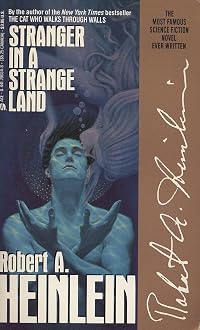
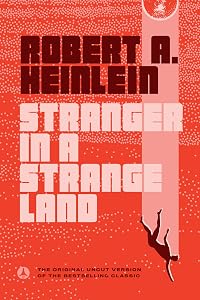
Stranger in a Strange Land
by Robert A. Heinlein
On This Page
Description
Stranger in a Strange Land is the epic saga of an earthling, Valentine Michael Smith, born and educated on Mars, who arrives on our planet with "psi" powers--telepathy, clairvoyance, precognition, telekinesis, teleportation, pyrolysis, and the ability to take control of the minds of others--and complete innocence regarding the mores of man. After his tutelage under a surrogate father figure, Valentine begins his transformation into a kind of messiah. His exceptional abilities lead him to show more become many things to many people: freak, scam artist, media commodity, searcher, free love pioneer, neon evangelist, and martyr. Heinlein won his second Hugo Award for this novel, sometimes called his "divine comedy" and often called his masterpiece. This Blackstone audiobook is the "as published" version, read from an Ace paperback published in 1987. The full, uncut text was not made available until 1991. show lessTags
Recommendations
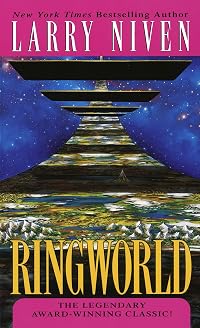
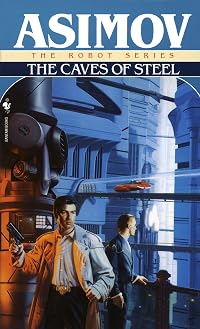
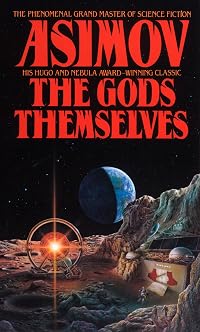
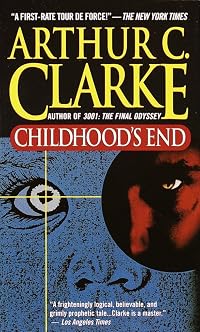
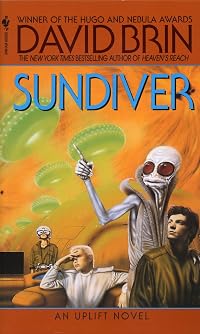
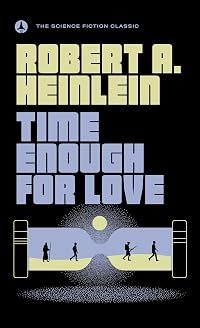
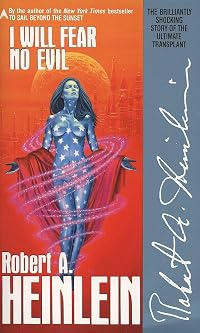
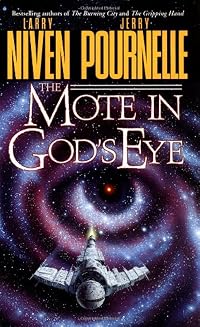

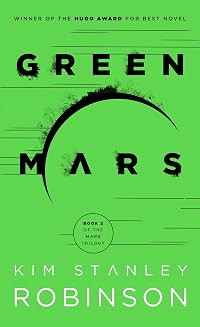
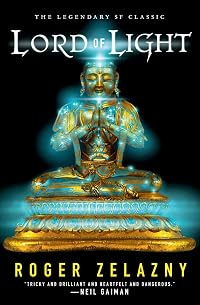


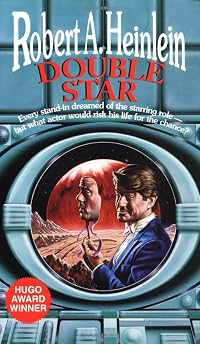
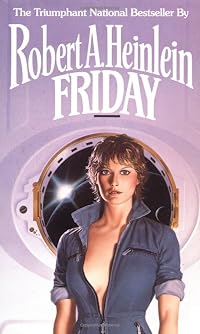
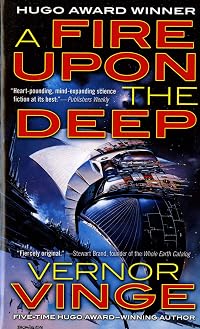

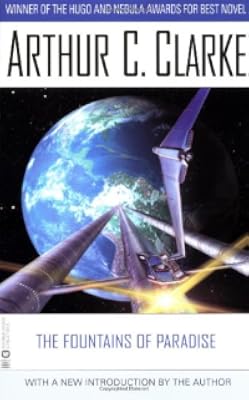
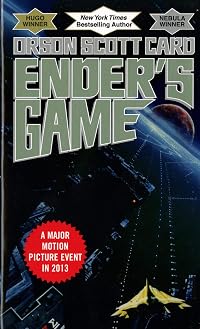
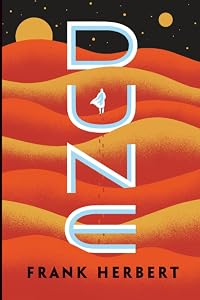
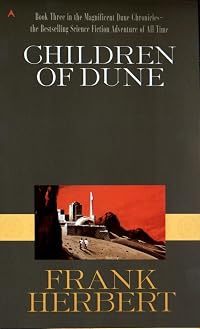
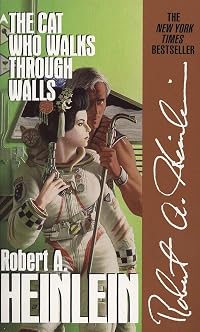
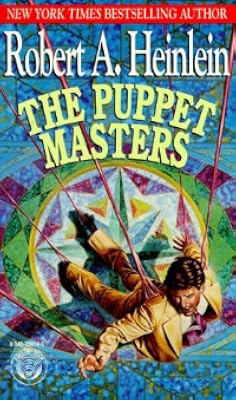
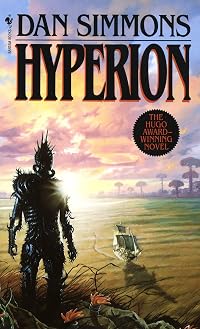


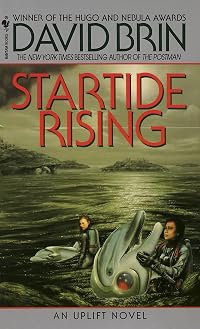
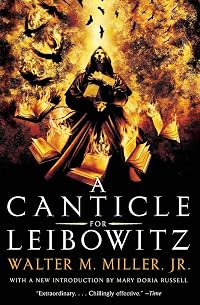

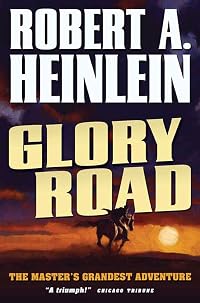
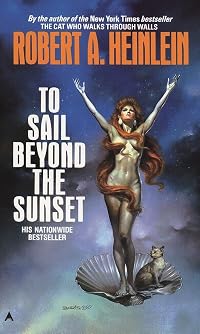
Member Recommendations
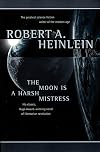
persky An earlier book with a lot of parallels to this one, particularly in terms of the "Mike" protagonists.
40
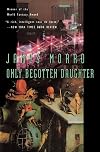
paradoxosalpha Near-future SF centered on a Christian-type messiah from an unforeseen quarter. Both books combine satire with sentimentality, and neither caters to conventional piety.

Member Reviews
This is where Heinlein starting getting heavy and weird. The story of the book is pretty simple. Valentine Michael Smith is the last survivor of an expedition to Mars, raised by Martians and brought back to Earth. He learns the absurdity of being human, and then teaches humans how to be Martian in a freaky-deeky free love cult that apparently served as the basis for at least one real life religion.
This book shines in its depiction of Martian philosophy. I don’t think there’s ever been a depiction of an alien mind as coherent as the flashes we get from the Martians. They are patient, logical, relentless; practically a geological force. The essence of the Martian philosophy is the word “grok”, which entered mainstream language for show more a while, and literally means “to drink”, but implies “understand”, “merge with”, “love/hate” and hundreds of other concepts. Once a Martian (or a human trained in Martian thought) groks something, they have incredible powers: telekinesis, teleportation, telepathy, the ability to banish people and things from this universe. With Martian thinking comes a newfound ethical awareness, the understanding that “Thou art God”, and are responsible for the shape of the universe. Jealousy, greed, illness, all the traditional deadly and venal sins are banished in the light of Martian enlightenment.
Heinlein uses this Martian philosophy to take a shotgun to traditional pillars of morality. The church, the state, marriage and monogamy are all mocked and revealed as hollow shells before the absolutely moral innocence of the Man from Mars. Religion is the main target, with Michael Smith using the legal shield of religious freedom to shelter his illuminated cult. A secondary religious target are the Fosterites, a new church founded on the pleasure principle and a hefty dose of violence against heretics. To me, the Fosterites look most like the rock-and-roll Christianity of American megachurches, but there are shades of Mormonism and Scientology as well. The free love advocacy towards the end was apparently immensely scandalous at the time. And of course, the ritual cannibalism that Michael Smith’s church follows is distasteful in a lot of places more exotic than Kansas.
Of course, some stuff seems oddly retro, and not in a good way. For a free love cult, Smith’s people are resolutely straight; no homo here. Everything is grounded in the male-female duality, not person-to-person intimacy. Mad Men style sexual harassment is played straight up, as delightful and pleasant and of no great concern, rather than as the front-line of patriarchal oppression. Female characters were never Heinlein’s strong suit, and the fact that there are so many just gives the book more time to fall flat on their presentation. A Greek Chorus of literal angels appear once in a while to comment on events to no real purpose. There’s new technology, with 3D television and flying cars, but the story doesn’t feel particularly grounded in any particular extrapolation of events. It’s just the 1960s, but moreso.
Where this book really annoyed me was the character of Jubal Harshaw. I don’t mind a lecture, if it’s intelligent and says something new. Harshaw is a Heinlein self-insert character: octogenarian superstar author, rugged individualist, pessimist, universal expert, father to Michael Smith’s humanity, and waited on hand and foot by three beautiful secretaries. Harshaw is supposed to be common-sense wisdom, as opposed to the expert lunacy of the modern world and the alien mindset of the Martians, but he just strikes me as a cranky coot uplifted to Mary Sue status through the undeserving love of the author.
Stranger in a Strange Land has attracted a lot of flack, much of it undeservedly (the one star reviews I’ve seen make me wonder if those reviewers have ever read a truly awful book). I cannot help but love what it’s selling: the idea that if human beings might learn to think straight, we might transcend our ape pasts and become truly luminous beings. You don’t need to believe this, and I don’t think Heinlein did either, but it’s a wonderful idea perfectly presented. show less
This book shines in its depiction of Martian philosophy. I don’t think there’s ever been a depiction of an alien mind as coherent as the flashes we get from the Martians. They are patient, logical, relentless; practically a geological force. The essence of the Martian philosophy is the word “grok”, which entered mainstream language for show more a while, and literally means “to drink”, but implies “understand”, “merge with”, “love/hate” and hundreds of other concepts. Once a Martian (or a human trained in Martian thought) groks something, they have incredible powers: telekinesis, teleportation, telepathy, the ability to banish people and things from this universe. With Martian thinking comes a newfound ethical awareness, the understanding that “Thou art God”, and are responsible for the shape of the universe. Jealousy, greed, illness, all the traditional deadly and venal sins are banished in the light of Martian enlightenment.
Heinlein uses this Martian philosophy to take a shotgun to traditional pillars of morality. The church, the state, marriage and monogamy are all mocked and revealed as hollow shells before the absolutely moral innocence of the Man from Mars. Religion is the main target, with Michael Smith using the legal shield of religious freedom to shelter his illuminated cult. A secondary religious target are the Fosterites, a new church founded on the pleasure principle and a hefty dose of violence against heretics. To me, the Fosterites look most like the rock-and-roll Christianity of American megachurches, but there are shades of Mormonism and Scientology as well. The free love advocacy towards the end was apparently immensely scandalous at the time. And of course, the ritual cannibalism that Michael Smith’s church follows is distasteful in a lot of places more exotic than Kansas.
Of course, some stuff seems oddly retro, and not in a good way. For a free love cult, Smith’s people are resolutely straight; no homo here. Everything is grounded in the male-female duality, not person-to-person intimacy. Mad Men style sexual harassment is played straight up, as delightful and pleasant and of no great concern, rather than as the front-line of patriarchal oppression. Female characters were never Heinlein’s strong suit, and the fact that there are so many just gives the book more time to fall flat on their presentation. A Greek Chorus of literal angels appear once in a while to comment on events to no real purpose. There’s new technology, with 3D television and flying cars, but the story doesn’t feel particularly grounded in any particular extrapolation of events. It’s just the 1960s, but moreso.
Where this book really annoyed me was the character of Jubal Harshaw. I don’t mind a lecture, if it’s intelligent and says something new. Harshaw is a Heinlein self-insert character: octogenarian superstar author, rugged individualist, pessimist, universal expert, father to Michael Smith’s humanity, and waited on hand and foot by three beautiful secretaries. Harshaw is supposed to be common-sense wisdom, as opposed to the expert lunacy of the modern world and the alien mindset of the Martians, but he just strikes me as a cranky coot uplifted to Mary Sue status through the undeserving love of the author.
Stranger in a Strange Land has attracted a lot of flack, much of it undeservedly (the one star reviews I’ve seen make me wonder if those reviewers have ever read a truly awful book). I cannot help but love what it’s selling: the idea that if human beings might learn to think straight, we might transcend our ape pasts and become truly luminous beings. You don’t need to believe this, and I don’t think Heinlein did either, but it’s a wonderful idea perfectly presented. show less
I don't even know where to start this review. The sexism? The bigotry? The tiresome, droning sermons given by the characters?
I've heard others claim that Heinlein was simply a man of his time, and we should take this into consideration when a Muslim character is endearingly nicknamed Stinky, or when Jill says the oft-quoted, "Nine times out of ten, if a girl gets raped, it's partly her fault." But, I've read plenty of other SF works from the same time period, and Heinlein is an anomaly.
Even if you could ignore the sexism and the bigotry, the rest of the book is simply uninteresting. The future of his world is just the 1950s with flying cars and Mars missions, where reporters are either winchells or lipmanns (a reference that was show more probably outdated by the time of the 1968 reissue). Male characters (because "these women did not chatter, did not intrude into sober talk of men, but were quick with food and drink") frequently orate during regular conversation, espousing their ideas about things only tangentially related to the conversation.
I really do not understand how this book has survived as a "classic" of science fiction. show less
I've heard others claim that Heinlein was simply a man of his time, and we should take this into consideration when a Muslim character is endearingly nicknamed Stinky, or when Jill says the oft-quoted, "Nine times out of ten, if a girl gets raped, it's partly her fault." But, I've read plenty of other SF works from the same time period, and Heinlein is an anomaly.
Even if you could ignore the sexism and the bigotry, the rest of the book is simply uninteresting. The future of his world is just the 1950s with flying cars and Mars missions, where reporters are either winchells or lipmanns (a reference that was show more probably outdated by the time of the 1968 reissue). Male characters (because "these women did not chatter, did not intrude into sober talk of men, but were quick with food and drink") frequently orate during regular conversation, espousing their ideas about things only tangentially related to the conversation.
I really do not understand how this book has survived as a "classic" of science fiction. show less
Everything you'll read in the other reviews for this books is true. Most problematically, it's really sexist and really homophobic even for its era (and then there are many subsidiary issues, like how we're forced to spend hundreds of pages getting meandering "philosophical" lectures from Jubal Harshaw, the grating pedant who thinks he's an iconoclast, but let's let all those slide). There's no way around that, and it's weird for a book that's supposed to be about drinking deeply of each other and letting our fears and hatreds melt away.
But in a way, and very much despite rather than because of Heinlein's intentions, doesn't that almost make this book better? A fable of the coming social upheaval (the novel was written in 1961), of the show more tension between sexual revolution and feminist revolution? Consider: In a not-so-distant future that's a caricature of those Jetsons-style setups where technology is totally different and people changed not a whit, because human society was perfected when Kennedy was elected--people like to use Mad Men to evoke that era nowadays, so call it Mad Men with videophones--a Man arrives. This Man teaches us that all we have to do to bring on hippie paradise is to love each other (mostly, this means women offering themselves up to the men and the men getting over their clench-buttocked desire to do the Right Thing (whatever that is) and doing the ladies instead--it also means painfully contrived scenes where the men make really clear to each other that loving each other for men means banging the same broads and being connected that way, no homo dracula style. Basically the future is 1) sex, 2) men expounding Heinlein's weird mix of libertarianism and gender (and racial and religious) essentialism, 3) women doing something cute and dumb or cute and smart but buttering up the men so they don't feel threatened, leading to 4) more sex. Oh, and 5) teleportation. It all seems so limited--the spiritual liberation of humanity basically works like an especially functional, new agey commune with unlimited money, circa ... 1970 or so?
The problem with free love from the viewpoint of second wave feminism was men were still in charge; and the problem, one of the problems, with feminism from the viewpoint of "the sixties" was that some women wanted to do something other with their lives than offer themselves up on a platter with many a giggle and an "oh, you." Heinlein clearly feels that Men are Men and Women are Women and the highly culturally conditioned way they behaved with each other in 1961 is transcendent truth, and when his messiah comes it'll just be with the aim of helping us all accept that and not feel insecure (in its limited way, of course, a worthy goal). His book, though, is such an over-the-top caricature of gender relations in that era, representing such ludicrous attitudes, that it pretty much sums up why the radical freeing of humanity--or in the language of the time, "a brotherhood of man"--to be the manliest men and smokingest dames we could--was never accomplished. show less
But in a way, and very much despite rather than because of Heinlein's intentions, doesn't that almost make this book better? A fable of the coming social upheaval (the novel was written in 1961), of the show more tension between sexual revolution and feminist revolution? Consider: In a not-so-distant future that's a caricature of those Jetsons-style setups where technology is totally different and people changed not a whit, because human society was perfected when Kennedy was elected--people like to use Mad Men to evoke that era nowadays, so call it Mad Men with videophones--a Man arrives. This Man teaches us that all we have to do to bring on hippie paradise is to love each other (mostly, this means women offering themselves up to the men and the men getting over their clench-buttocked desire to do the Right Thing (whatever that is) and doing the ladies instead--it also means painfully contrived scenes where the men make really clear to each other that loving each other for men means banging the same broads and being connected that way, no homo dracula style. Basically the future is 1) sex, 2) men expounding Heinlein's weird mix of libertarianism and gender (and racial and religious) essentialism, 3) women doing something cute and dumb or cute and smart but buttering up the men so they don't feel threatened, leading to 4) more sex. Oh, and 5) teleportation. It all seems so limited--the spiritual liberation of humanity basically works like an especially functional, new agey commune with unlimited money, circa ... 1970 or so?
The problem with free love from the viewpoint of second wave feminism was men were still in charge; and the problem, one of the problems, with feminism from the viewpoint of "the sixties" was that some women wanted to do something other with their lives than offer themselves up on a platter with many a giggle and an "oh, you." Heinlein clearly feels that Men are Men and Women are Women and the highly culturally conditioned way they behaved with each other in 1961 is transcendent truth, and when his messiah comes it'll just be with the aim of helping us all accept that and not feel insecure (in its limited way, of course, a worthy goal). His book, though, is such an over-the-top caricature of gender relations in that era, representing such ludicrous attitudes, that it pretty much sums up why the radical freeing of humanity--or in the language of the time, "a brotherhood of man"--to be the manliest men and smokingest dames we could--was never accomplished. show less
Good lord this is a tedious book! 4/5ths of it is pontification, through dialogue between characters, of (mostly) religion, politics, and sex/women.
The "discussion" of religion talks of the similarities of the scriptures through society and how polarizing and harmful they are to the psyche of mankind.
The politics (the least discussed) focuses on the presumed rights on group has on another.
The sex topic, of which fully half of the book focuses, is misogynistic - wrapped in an almost soft-porn discussion of how important it is for women to be attractive and attentive to men. All men. At any time or place. Here is a quote, spoken by a female character (Jill-Part 3, xxiv): "Nine times out of ten, if a girl gets raped, it's at least show more partly her own fault. That tenth time--well, all right. Give him your best heave-ho to the bottomless pit. But you aren't going to find it necessary." There are also may descriptions of how wonderful it is for a woman to display her nakedness before men because that is when she is at her fullest self worth. SMH I had forgotten how Heinlein depicts women.
The story itself is rather thin. Group sent to Mars to investigate and set up of colonization. Contact lost. Years later a 2nd group goes and discovers a human baby had been born and raised by Martians. Now a young man (early 20's?) is brought back to Earth. Government cover-up having to do with an huge wealth he has inherited from his parents; he is taken away from government custody by people who believe he has the right to be his own person. He learns very quickly due to psychic abilities curated through is life with Martians. Blah blah blah as he goes through "adventures" leaning about human life and society. Starts a "church" to spread learning of Mars among humans in order to bring true happiness and acceptance - this occurs mostly though orgies and the like. A lot of beautiful naked women being available to men.
Really disappointed in this book. What is strange is how I am sure I read it a couple of times in previous decades and I think I liked it. But what the heck. To each their own.
I do not recommend this book as a serious "science fiction" read. It is generally an almost-soft-porn depiction of how this author thinks life should be between men and the women who serve them. show less
The "discussion" of religion talks of the similarities of the scriptures through society and how polarizing and harmful they are to the psyche of mankind.
The politics (the least discussed) focuses on the presumed rights on group has on another.
The sex topic, of which fully half of the book focuses, is misogynistic - wrapped in an almost soft-porn discussion of how important it is for women to be attractive and attentive to men. All men. At any time or place. Here is a quote, spoken by a female character (Jill-Part 3, xxiv): "Nine times out of ten, if a girl gets raped, it's at least show more partly her own fault. That tenth time--well, all right. Give him your best heave-ho to the bottomless pit. But you aren't going to find it necessary." There are also may descriptions of how wonderful it is for a woman to display her nakedness before men because that is when she is at her fullest self worth. SMH I had forgotten how Heinlein depicts women.
The story itself is rather thin. Group sent to Mars to investigate and set up of colonization. Contact lost. Years later a 2nd group goes and discovers a human baby had been born and raised by Martians. Now a young man (early 20's?) is brought back to Earth. Government cover-up having to do with an huge wealth he has inherited from his parents; he is taken away from government custody by people who believe he has the right to be his own person. He learns very quickly due to psychic abilities curated through is life with Martians. Blah blah blah as he goes through "adventures" leaning about human life and society. Starts a "church" to spread learning of Mars among humans in order to bring true happiness and acceptance - this occurs mostly though orgies and the like. A lot of beautiful naked women being available to men.
Really disappointed in this book. What is strange is how I am sure I read it a couple of times in previous decades and I think I liked it. But what the heck. To each their own.
I do not recommend this book as a serious "science fiction" read. It is generally an almost-soft-porn depiction of how this author thinks life should be between men and the women who serve them. show less
I grok and cherish this story. This book was a strange, fantastic trip, and is definitely one of Heinlein's best books. Unlike some of his other novels, the sex in this book actually fits in better. There are many points about religion and humanity brought up in this book, and many things to think about/chew on. The ending threw me for a total loop, but after a while, it made sense to me. If you're looking for a fantastic read, pick up this book!
Does This Classic Hold Up?
Certain things age well with time, sometimes even improve, and that includes many novels. Others, not so much, especially when polemics wear the cloak of science fiction. In the case of Stranger in a Strange Land, the overall themes challenging the mores of the time (and this time, too), that of critiquing societal sexual strictures (advocating free love), religious hucksterism (supporting secularism), disparaging money (through its cavalier use), and the aspiration of humankind for reaching its full potential, even perfection (with troublingly harsh methods), still resonate with many. In other words, it’s as much countercultural now as when it appeared in 1961; after all, there continues to be plenty to show more rebel against. The not so much parts, among them the slangy and long speeches (Jubal, the great speechifier), the palpable sexism, and the eugenic approach to a better humanity, still will offend many readers. And the added words (around 60,000 by third wife Virginia Heinlein’s reckoning) in the Uncut Edition only magnify these obstacles to enjoying the novel’s many agreeable yearnings.
Regardless of its weaknesses, the novel struck a cord in an America leaving the conformist 50s and on the cusp of major social revolution as the country crept into Vietnam and the countercultural revolution of the latter 60s. It became a New York Times bestseller, the first science fiction genre novel to earn a place on that list. And it assumed a place as a sort of bible to the discontented. This is what holds up in the novel nearly sixty years out from first publication. It calls into question what many regard as the glue binding society, conformity as imposed by organized religion and by government, suggesting that there may be better ways to live. Heinlein didn't dictate that ideas expressed in the book were the better way, just that they were bold enough to break the mold into which we found, and yet find, ourselves cast. Consider it the opposite of Dr. Pangloss’ regular refrain, this is the best of all possible worlds, a channeling of Leibniz’s Theodicy in a phrase and brunt of Voltaire’s sarcasm.
Now, if you have never read the novel and elect to do so, you might find the shorter original more enjoyable, even though reports say Heinlein preferred the original manuscript version (but then what author doesn’t love the sound of his own words). If you read it years ago when you were younger and remember it fondly, you, too, might like the original. But, if you are a Heinlein fan, you’ll want to read Stranger in a Strange Land as he wrote it. show less
Certain things age well with time, sometimes even improve, and that includes many novels. Others, not so much, especially when polemics wear the cloak of science fiction. In the case of Stranger in a Strange Land, the overall themes challenging the mores of the time (and this time, too), that of critiquing societal sexual strictures (advocating free love), religious hucksterism (supporting secularism), disparaging money (through its cavalier use), and the aspiration of humankind for reaching its full potential, even perfection (with troublingly harsh methods), still resonate with many. In other words, it’s as much countercultural now as when it appeared in 1961; after all, there continues to be plenty to show more rebel against. The not so much parts, among them the slangy and long speeches (Jubal, the great speechifier), the palpable sexism, and the eugenic approach to a better humanity, still will offend many readers. And the added words (around 60,000 by third wife Virginia Heinlein’s reckoning) in the Uncut Edition only magnify these obstacles to enjoying the novel’s many agreeable yearnings.
Regardless of its weaknesses, the novel struck a cord in an America leaving the conformist 50s and on the cusp of major social revolution as the country crept into Vietnam and the countercultural revolution of the latter 60s. It became a New York Times bestseller, the first science fiction genre novel to earn a place on that list. And it assumed a place as a sort of bible to the discontented. This is what holds up in the novel nearly sixty years out from first publication. It calls into question what many regard as the glue binding society, conformity as imposed by organized religion and by government, suggesting that there may be better ways to live. Heinlein didn't dictate that ideas expressed in the book were the better way, just that they were bold enough to break the mold into which we found, and yet find, ourselves cast. Consider it the opposite of Dr. Pangloss’ regular refrain, this is the best of all possible worlds, a channeling of Leibniz’s Theodicy in a phrase and brunt of Voltaire’s sarcasm.
Now, if you have never read the novel and elect to do so, you might find the shorter original more enjoyable, even though reports say Heinlein preferred the original manuscript version (but then what author doesn’t love the sound of his own words). If you read it years ago when you were younger and remember it fondly, you, too, might like the original. But, if you are a Heinlein fan, you’ll want to read Stranger in a Strange Land as he wrote it. show less
Loved it. The development of the main character is very well done, and his strangeness is very well described. I would have given it 5 stars, but I really have to subtract 1 star for the absolutely disgusting remark of one of the women (!) who states that in most cases, if a woman gets raped, it is partially her fault. Really?!? Eugh... It's such a shame, because I really liked almost everything else.
Members
- Recently Added By
Published Reviews
The great falling off in the quality of Heinlein's work came during the period that brought "Stranger in a Strange Land." Jubal Harshaw--who says things like "What the self-styled modern artists are doing is a sort of unemotional pseudo-intellectual masturbation"--is the first of a series of pompous libertarian windbags whose oral methane makes all of Heinlein's later tomes into rapidly show more emptying locker rooms.
Most of the material added to this new edition seems to consist of speeches by Jubal, and the rest of the new material includes nominally "shocking" sections that, aired in 1990, are glaringly sexist. For instance, lovable Jill volunteers the opinion that "Nine times out of ten, if a girl gets raped, it's at least partly her own fault." show less
Most of the material added to this new edition seems to consist of speeches by Jubal, and the rest of the new material includes nominally "shocking" sections that, aired in 1990, are glaringly sexist. For instance, lovable Jill volunteers the opinion that "Nine times out of ten, if a girl gets raped, it's at least partly her own fault." show less
added by SnootyBaronet
Lists

1001 Books You Must Read Before You Die
1,448 works; 1,133 members

Best Science Fiction Novels
816 works; 430 members

The Guardian's 1000 Novels Everyone Must Read
1,005 works; 548 members
Survey of Classic Science Fiction
171 works; 48 members

Hugo Award Winning Novels
63 works; 23 members
501 Must-Read Books
529 works; 72 members

Classics you know you should have read but probably haven't
421 works; 408 members

New York Public Library's Books of the Century
120 works; 20 members

Gateway Book: Science Fiction
21 works; 26 members
Books That Changed Me
158 works; 46 members

Amazon's 100 Science Fiction & Fantasy Books to Read in a Lifetime
87 works; 23 members
Hugo Awards - Best Novel
69 works; 10 members
A Syllabus and Book List for Novice Students of Science Fiction Literature
25 works; 11 members
New York Public Library's Books of the Century - All
170 works; 14 members
20th Century Literature
1,161 works; 55 members

Easton Press Masterpieces of Science Fiction
30 works; 2 members

Survey of Science Fiction and Fantasy
101 works; 13 members

Books I've Read More Than Once
602 works; 49 members
Top 100 Science-Fiction, Fantasy Books
18 works; 4 members
Unbound Worlds 100 Best SF Books
100 works; 8 members

Religious Science Fiction
70 works; 20 members

Page Turners
185 works; 11 members
LibraryThingers' 1001 Books You Must Read Before You Die
442 works; 30 members
1960s, Best books published therein
254 works; 22 members

Speculative Fiction to Read
706 works; 32 members
Speculative Fiction: The Award Winners
27 works; 6 members
Best Books With Aliens
67 works; 10 members
The Guardian's best novels in English: Readers' alternative list
15 works; 2 members
Books We Want To Read Again For The First Time
384 works; 160 members
Les 100 principaux titres de la science-fiction (1981)
126 works; 3 members

Books We Resisted Reading
177 works; 110 members

Mustich's 1000 Books to Read Before You Die: A Life Changing List
1,001 works; 19 members

Lucy's Long List
69 works; 1 member

current
52 works; 1 member

al.vick-wishlist-scifi-fant
181 works; 2 members

science fiction
17 works; 1 member
Books We Love to Reread
688 works; 296 members
Favorite Science Fiction
456 works; 218 members

Recommended Reading : 600 Classics Reviewed, Editors of Salem Press, 2015
634 works; 6 members

The Five Books That Represent Us
391 works; 148 members

DigitalDreamDoor top 300
300 works; 4 members

.
396 works; 1 member

Books Read in 2024
4,623 works; 126 members

GREAT 1960s BOOKS
37 works; 1 member

Books That Changed Our Perspective
423 works; 168 members

Books Read in 2025
4,091 works; 97 members
American Lit for Eng 11 Research Project
368 works; 6 members
Classic Sci-Fi
27 works; 1 member

Recommended Science-Fiction Books
40 works; 3 members
Read
28 works; 1 member

Books Read in 2004
200 works; 7 members

recalling favorites...
105 works; 2 members
Favourite Books
1,819 works; 308 members

Unread books
1,063 works; 86 members
1960s
281 works; 16 members

LT picks: Blue Books
197 works; 44 members

Favorite Childhood Books
1,646 works; 518 members
Future Politics Political Science 300
18 works; 1 member

Blue Pyramid 1,276 Best Books of All Time
1,248 works; 32 members

Allie's Wishlist
217 works; 2 members

Books Read in 2016
4,666 works; 197 members

Biggest Disappointments
606 works; 164 members

Exodus in literature
12 works; 3 members

Books Read in 2001
194 works; 4 members

Read
293 works; 4 members
Novels that you shouldn't waste your time on
94 works; 52 members
1,001 BYMRBYD Concensus
723 works; 27 members
SF - To Read
17 works; 2 members

Books featured on I Don't Even Own a Television
167 works; 3 members

Books Read in 2007
326 works; 8 members
An evolving science fiction novel canon
50 works; 2 members
Science Fiction
42 works; 7 members
One Book, Many Authors
441 works; 40 members
Author Information

457+ Works 174,205 Members
Robert Anson Heinlein was born on July 7, 1907 in Butler, Mo. The son of Rex Ivar and Bam Lyle Heinlein, Robert Heinlein had two older brothers, one younger brother, and three younger sisters. Moving to Kansas City, Mo., at a young age, Heinlein graduated from Central High School in 1924 and attended one year of college at Kansas City Community show more College. Following in his older brother's footsteps, Heinlein entered the Navel Academy in 1925. After contracting pulmonary tuberculosis, of which he was later cured, Heinlein retired from the Navy and married Leslyn MacDonald. Heinlein was said to have held jobs in real estate and photography, before he began working as a staff writer for Upton Sinclair's EPIC News in 1938. Still needing money desperately, Heinlein entered a writing contest sponsored by the science fiction magazine Thrilling Wonder Stories. Heinlein wrote and submitted the story "Life-Line," which went on to win the contest. This guaranteed Heinlein a future in writing. Using his real name and the pen names Caleb Saunders, Anson MacDonald, Lyle Monroe, John Riverside, and Simon York, Heinlein wrote numerous novels including For Us the Living, Methuselah's Children, and Starship Troopers, which was adapted into a big-budget film for Tri-Star Pictures in 1997. The Science Fiction Writers of America named Heinlein its first Grand Master in 1974, presented 1975. Officers and past presidents of the Association select a living writer for lifetime achievement. Also, the Science Fiction and Fantasy Hall of Fame inducted Heinlein in 1998. Heinlein died in 1988 from emphysema and other related health problems. Heinlein's remains were scattered from the stern of a Navy warship off the coast of California. (Bowker Author Biography) show less
Some Editions
Awards and Honors
Awards
Distinctions
Notable Lists
Series
Belongs to Publisher Series
Artefakty (23)
Heyne Science Fiction & Fantasy (3170/3171/3172)
Work Relationships
Is expanded in
Has as a student's study guide
Common Knowledge
- Canonical title
- Stranger in a Strange Land
- Original title
- Stranger in a Strange Land
- Alternate titles*
- Fremder in einer fremden Welt
- Original publication date
- 1961
- People/Characters
- Valentine Michael Smith; Jubal Harshaw; Gillian Boardman; Ben Caxton; Old Ones; Foster (show all 30); Dr. Mahmoud; Mary Jane Lyle Smith; Ward Smith; Michael Brant; Captain van Tromp; Sven Nelson; Joe Douglas; Gil Berquist; Alice Douglas; Jim Sanforth; Tom Boone; Becky Vesey (Madame Alexandra Vesant); James Oliver Cavendish; Anne; Miriam; Dorcas; Larry; Duke; Patricia Paiwonski; Digby; Fair Witnesses; Fosterites; Madame Alexandra Vesant; Assemblyman Kung
- Important places
- Mars; National Naval Medical Center; USA; Champion; Envoy
- Dedication
- For
Robert Cornog
Fredric Brown
Philip José Farmer - First words
- Once upon a time there was a Martian by the name of Valentine Michael Smith.
- Last words
- (Click to show. Warning: May contain spoilers.)He could see a lot of changes he wanted to make-
- Original language
- English
- Canonical DDC/MDS
- 813.08762
- Canonical LCC
- PS3515.E288
- Disambiguation notice
- Please distinguish this edited first publication of Heinlein's Stranger in a Strange Land (1961) from the "original, uncut" version (1991). This would be ISBN #s 0-399-13586-3, 0-450-54267-X and 0-441-78838-6 and Scien... (show all)ce Fiction Book Club editions of 1991 (#17697 and a leather bound edition). There is a 60,000 word difference between the two. Thank you.
*Some information comes from Common Knowledge in other languages. Click "Edit" for more information.
Classifications
- Genres
- Science Fiction, Fiction and Literature
- DDC/MDS
- 813.08762 — Literature & rhetoric American literature in English American fiction in English By type Genre fiction Adventure fiction Speculative fiction Science fiction
- LCC
- PS3515 .E288 — Language and Literature American literature American literature Individual authors 1900-1960
- BISAC
Statistics
- Members
- 12,139
- Popularity
- 707
- Reviews
- 181
- Rating
- (3.84)
- Languages
- 15 — Czech, Dutch, English, French, German, Greek, Hungarian, Italian, Japanese, Polish, Portuguese, Russian, Spanish, Swedish, Turkish
- Media
- Paper, Audiobook, Ebook
- ISBNs
- 87
- UPCs
- 2
- ASINs
- 76