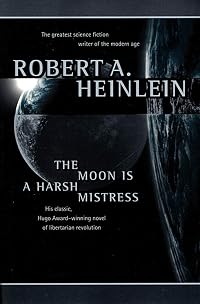
On This Page
Description
Winner of the 1967 Hugo award, this novel marked Heinlein's partial return to his best form. He draws many historical parallels with the War of Independence, and clearly shows his own libertarian political views. In what is considered one of his most hair-raising, thought-provoking, and outrageous adventures, the master of modern Sci-Fi tells the strange story of an even stranger world--twenty-first century Luna, a harsh penal colony where a revolt is plotted between a bashful computer and a show more ragtag collection of maverick humans--a revolt that goes beautifully until the inevitable happens. But the problem with the inevitable is that it always happens. show lessTags
Recommendations




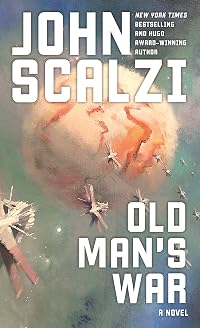
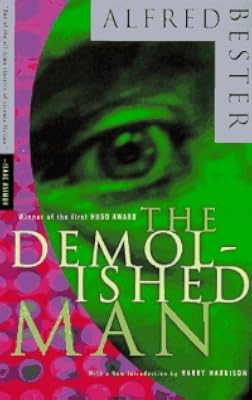
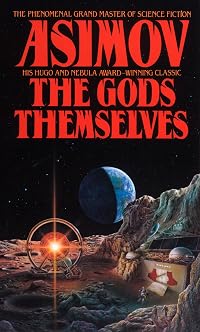
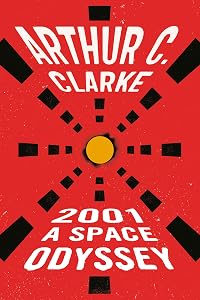


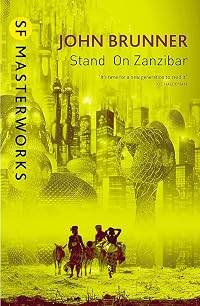
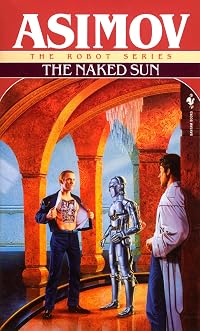
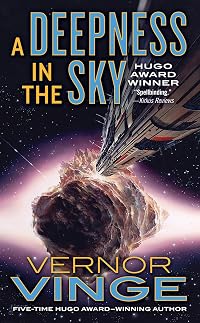
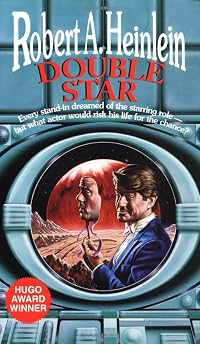
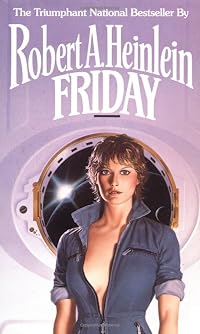
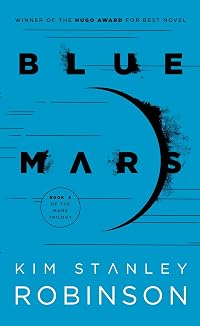
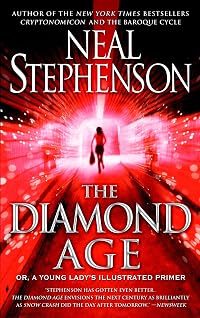
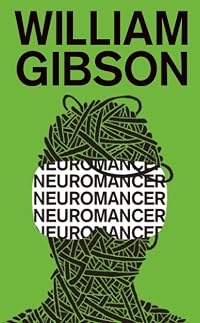


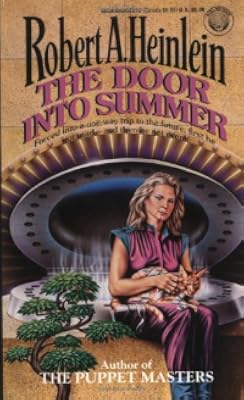
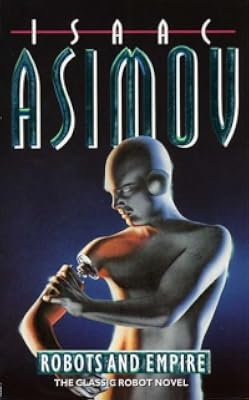



Member Recommendations
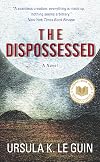
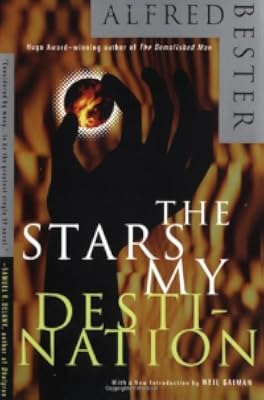
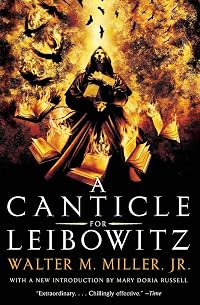
aulsmith A different moon, a different anti-authoritarian community, but the same experience of thinking about other ways to run human societies
172
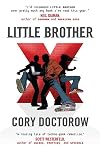

MyriadBooks For the seeds of revolution.
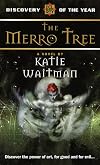
psybre Lunar mayhem, and not just due to rock and roll, either.

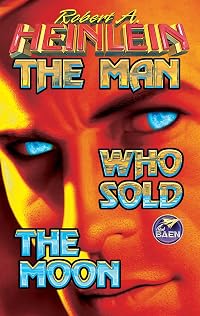
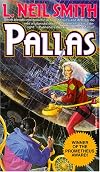
aulsmith This short story puts a new twist on Heinlein's libertarian moon colony.
11

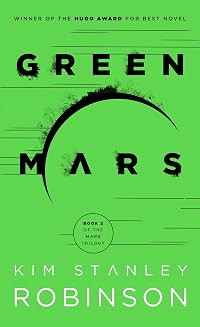
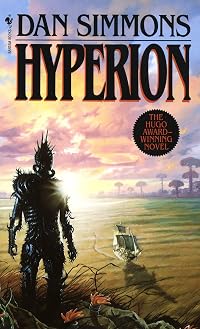
aspirit Similar themes but with a Mars/Earth conflict.
Member Reviews
In this review I'm going to explore one specific aspect of the book The Moon is a Harsh Mistress by Robert Heinlein which I have just finished reading; this is the political philosophy of Rational Anarchy and how it can help to address the following:
What is Rational Anarchy?
Exactly what a Rational Anarchist believes is defined by one of the characters:
So while the Rational Anarchist appreciates that some form of government is required he believes that it is merely just a collection of individuals making individual choices. How would government differ if all politicians took personal responsibility for their choices? Would different choices be made? Rational Anarchy then is anarchy at an individual level as each person strives to makes rational decisions in the context of the environment, customs and constraints he or she lives in:
It’s interesting to note that the typical reaction when anarchy is mentioned is that the default thought is one of no government and no laws, the assumption being that people would then act purely in their own self-interest. The concept of Rational Anarchy isn't about this as it uses phrases such as,"...self-responsible individuals" and "Each responsible for his own acts." This suggests recognition of a level of constraint over and above total self-interest where people would just do as they please without fear of retribution. An example given in the book:
So the society portrayed, while there may not be laws to protect the population, had certain customs in place which people have individually chosen to accept.
An interesting idea indeed and only one of the many explored in this fascinating and well plotted book. show less
That we were slaves I had known all my life — and nothing could be done about it. True, we weren't bought and sold — but as long as Authority held monopoly over what we had to have and what we could sell to buy it, we were slaves.
What is Rational Anarchy?
Exactly what a Rational Anarchist believes is defined by one of the characters:
… concepts such as ‘state’ and ‘society’ and ‘government’ have no existence save as physically exemplified in the acts of self-responsibleshow more
individuals. He believes that it is impossible to shift blame, share blame, distribute blame . . . as blame, guilt, responsibility are matters taking place inside human beings singly and nowhere else. But being rational, he knows that not all individuals hold his evaluations, so he tries to live perfectly in an imperfect world ... aware that his effort will be less than perfect yet undismayed by self-knowledge of self-failure.
So while the Rational Anarchist appreciates that some form of government is required he believes that it is merely just a collection of individuals making individual choices. How would government differ if all politicians took personal responsibility for their choices? Would different choices be made? Rational Anarchy then is anarchy at an individual level as each person strives to makes rational decisions in the context of the environment, customs and constraints he or she lives in:
My point is that one person is responsible. Always. If H-bombs exist—and they do—some man controls them. In terms of morals there is no such thing as a ‘state.’ Just men. Individuals. Each responsible for his own acts.
It’s interesting to note that the typical reaction when anarchy is mentioned is that the default thought is one of no government and no laws, the assumption being that people would then act purely in their own self-interest. The concept of Rational Anarchy isn't about this as it uses phrases such as,"...self-responsible individuals" and "Each responsible for his own acts." This suggests recognition of a level of constraint over and above total self-interest where people would just do as they please without fear of retribution. An example given in the book:
There is no rape in Luna. None. Men won’t permit. If rape had been involved, they wouldn't have bothered to find a judge and all men in earshot would have scrambled to help.
But we figure this way: If a man is killed, either he had it coming and everybody knows it — usual case—or his friends will take care of it by eliminating man who did it. Either way, no problem. Nor many eliminations. Even set duels aren't common.
So the society portrayed, while there may not be laws to protect the population, had certain customs in place which people have individually chosen to accept.
An interesting idea indeed and only one of the many explored in this fascinating and well plotted book. show less
“The Moon is a Harsh Mistress” – what a title, sometimes I wonder if this book is considered such a classic in large part due to that title. Despite some imperfections, it does have much to offer, especially being published in the mid-1960’s. The setting revolves around a former Lunar penal outpost, which has evolved into a highly functioning colony with ice mining and successful grain farming. The colony is tightly managed by the Lunar Authority which is controlled from Earth. Set in the later 21st century, Heinlein imagines an intriguing future, publicizing some groundbreaking technology and ideas. We not only have sentient computers, rail guns, fusion power, space battles with laser guns, we also have a Lunar dialect, unique show more family and marital structures, and different social norms, sprung out of living in a harsh and compact environment. After establishing this future, the book explores a lunar revolution. Take the American Revolution narrative, mix it with the Australian evolution from a penal colony to an independent nation, stir in some libertarian ideology and you have the plot.
When I first read this book in the mid-1980’s it was later high school or early college years, I can’t quite remember. I was astonished by the concepts in this book. I was intrigued by the sentient computer and the concept of using a rail gun for space travel/supply logistics. Moreover, It was the first time I was truly interested in politics and political principles. I mean, I had some lessons in high school around government, but I found it mind-numbingly boring. This book triggered something intellectually that made me think deeply about government philosophy. Since then, I’ve considered the book one of my favorite science fiction books, if not overall favorite books. So, I almost regret this reread, afterwards, as I just couldn’t ignore some of its flaws.
The primary issue with this book is sexism. I’m sure at the time of its writing it was probably considered progressive in terms of how it treated female characters. I mean one of the central figures of the revolt is a woman. And the women on the moon control large, extended families with polygamous relationships. Women are revered and sexual advances are not allowed without permission. Advanced thinking for the early 1960’s, right? Well, unfortunately, you only need to go one step deeper to dig down to the issues. Women are only revered and not touched or raped due to their scarcity. The constant threat of other males tossing violators out an airlock is what creates this situation. It’s still socially acceptable to catcall and ogle women, and in this reality, women enjoy this type of lecherous attention because they don’t have to worry about rape. While one of the central characters is one of four founding members of the revolution, her role is often to gain interest and support due to her attractiveness. And when miners are reluctant to main defensive laser positions, the solution is to provide pretty women at the posts as well, problem solved!
Another issue includes a tremendous amount of exposition. It does help that its written in first person, so at least the infodumps are coming from the mind of the protagonist, instead of an anonymous narrator. The exposition also serves to move the plot along quickly at times, when complex setting, political, and technical information needs to be established. However, it did limit my enjoyment to continuously run into large blocks of narration.
Despite these flaws, it’s still an important book. Using science fiction to explore political affairs and alternate social structures set a foundation that many future authors built upon. Might we not have “The Handmaids Tale” without this book? Possibly. Was it brave in the 1960’s to explore alternate social structures such as polygamy? Definitely. Did the book popularize some intriguing concepts such as the importance of the moon’s weak gravity well, sentient computers, and rail guns? Absolutely. In the context of history, I still rate this book highly. However, I feel compelled to take away at least half a star in recognizing some underlying issues – TANSTAAFL! Four and a half stars, rounded up to five for this Hugo Award winning, philosophical yet action packed tale. show less
When I first read this book in the mid-1980’s it was later high school or early college years, I can’t quite remember. I was astonished by the concepts in this book. I was intrigued by the sentient computer and the concept of using a rail gun for space travel/supply logistics. Moreover, It was the first time I was truly interested in politics and political principles. I mean, I had some lessons in high school around government, but I found it mind-numbingly boring. This book triggered something intellectually that made me think deeply about government philosophy. Since then, I’ve considered the book one of my favorite science fiction books, if not overall favorite books. So, I almost regret this reread, afterwards, as I just couldn’t ignore some of its flaws.
The primary issue with this book is sexism. I’m sure at the time of its writing it was probably considered progressive in terms of how it treated female characters. I mean one of the central figures of the revolt is a woman. And the women on the moon control large, extended families with polygamous relationships. Women are revered and sexual advances are not allowed without permission. Advanced thinking for the early 1960’s, right? Well, unfortunately, you only need to go one step deeper to dig down to the issues. Women are only revered and not touched or raped due to their scarcity. The constant threat of other males tossing violators out an airlock is what creates this situation. It’s still socially acceptable to catcall and ogle women, and in this reality, women enjoy this type of lecherous attention because they don’t have to worry about rape. While one of the central characters is one of four founding members of the revolution, her role is often to gain interest and support due to her attractiveness. And when miners are reluctant to main defensive laser positions, the solution is to provide pretty women at the posts as well, problem solved!
Another issue includes a tremendous amount of exposition. It does help that its written in first person, so at least the infodumps are coming from the mind of the protagonist, instead of an anonymous narrator. The exposition also serves to move the plot along quickly at times, when complex setting, political, and technical information needs to be established. However, it did limit my enjoyment to continuously run into large blocks of narration.
Despite these flaws, it’s still an important book. Using science fiction to explore political affairs and alternate social structures set a foundation that many future authors built upon. Might we not have “The Handmaids Tale” without this book? Possibly. Was it brave in the 1960’s to explore alternate social structures such as polygamy? Definitely. Did the book popularize some intriguing concepts such as the importance of the moon’s weak gravity well, sentient computers, and rail guns? Absolutely. In the context of history, I still rate this book highly. However, I feel compelled to take away at least half a star in recognizing some underlying issues – TANSTAAFL! Four and a half stars, rounded up to five for this Hugo Award winning, philosophical yet action packed tale. show less
If you're a fan of classic print sf, this book probably doesn't need a lot of introduction; it's set in the twenty-first century, when Earth's moon is a penal colony. The inhabitants of the moon decide to declare independence, and the novel follows the course of this revolution, told from the first-person perspective of Mannie, a maintenance worker who has a special relationship with the computer that runs the moon, which he nicknames Mike.
I haven't read as much Heinlein as some, but I've read enough to know he was very much interested in what the obligations of government were to the people, what the obligations of people were to the government, and what the obligations of people were to each other; that's the key question in his show more earlier Hugo winners, Starship Troopers and Stranger in a Strange Land, for example. The Moon is a Harsh Mistress reads as the ultimate extension of this line of thought, its most thorough explanation. I know enough about Heinlein to know he doesn't necessarily endorse every idea promulgated here, but more that he liked to explore a question and come at it from different angles. In The Pleasant Profession of Robert A. Heinlein, Farah Mendlesohn says that the book reflects "both the degree to which Heinlein believed in the community..." (which certainly sets him apart from most would-be libertarians!) "...and the degree to which he was beginning to despair of the ability of Americans as individuals to understand their role in creating that community."
Like any Heinlein book, it's highly readable. Mannie is an affable narrator, and the characters are fun (so long as you can filter Wyoh through Heinlein's ideas about women, which admittedly not every reader is going to be able to do; I also enjoyed the role of Hazel, so I know I will get to read more about in The Rolling Stones, which I plan to read next). The lunar society is well thought out, which interesting worldbuilding, and I enjoyed the mechanics of the revolution being front and center. I once thought about doing a study of revolutionary violence in science fiction (I'm doubtful I ever will do this now), and this surely would have been front and center if I had.
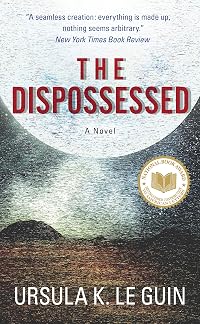
Unfortunately, as the novel goes on, I found it gets duller. It struck me about halfway through that The Moon is a Harsh Mistress was a variant of a novel I'd read before—or rather, a novel I'd read before was a variant on it—Ursula K. Le Guin's The Disposessed, which is also about an anarchist revolution on a resource-deprived lunar colony of a largely capitalist planet. Not in the sense that Le Guin ripped off Heinlein or anything, but in the sense that it seems to me Le Guin was clearly in dialogue with Heinlein. (I'm not the first person to make this connection, of course; there's a 1994 SFS article by Donna Glee Williams with the great line, "The similarities are impressive. Why then does Heinlein's book inspire some readers to run out, buy a gun, and vote Republican, while Le Guin's book opposes it (non-violently, of course) on every point?") The most noteworthy comparison to me was that, in Le Guin's book, everything is hard. Hard because of the realities of life on a hardscrabble satellite of course (and Le Guin even makes things easier for her anarchists by giving Anarres a breathable atmosphere), but also hard because taking political ideals and putting them into practice is never easy for any number of reasons: faults of logic, contingency, aspects of human nature.
In MIHM, though, nothing is hard, because you have Mike, the supercomputer who always knows the answer. Though some would argue the role is also distributed to the professor, Mike is probably the most extreme example I can imagine of Heinlein's "competent man," the person who can figure out anything and make it happen. You are never in doubt the revolution will succeed, because you soon come to realize that Mike will have the solution to every problem. To me, it feels like an admission that making a new society is very difficult, but instead of making that the topic of the novel, as Le Guin did, Heinlein elides it by having Mike solve every problem. So though MIHM remains readable throughout, because Heinlein is a strong writer, the book kind of got boring as it progressed.
Heinlein won the Best Novel Hugo Award four times, and this was the last of them. He would be a finalist three more times, though, in 1974 (Time Enough for Love), 1983 (Friday), and 1985 (Job). Of those, I've read Friday, and while it just predates when I took up book-blogging, so I have no review of it, I remember finding it overly long, aimless, and self-indulgent; Mendlesohn says that Moon is a Harsh Mistress is "short, sharp and punchy, the very last of Heinlein's novels to be so." In a phenomenon we continue to see in the present day, once a writer gets onto the Hugo ballot a few times, they often continue to recur on it even once they've passed the point where they're doing anything Hugo-worthy. show less
I haven't read as much Heinlein as some, but I've read enough to know he was very much interested in what the obligations of government were to the people, what the obligations of people were to the government, and what the obligations of people were to each other; that's the key question in his show more earlier Hugo winners, Starship Troopers and Stranger in a Strange Land, for example. The Moon is a Harsh Mistress reads as the ultimate extension of this line of thought, its most thorough explanation. I know enough about Heinlein to know he doesn't necessarily endorse every idea promulgated here, but more that he liked to explore a question and come at it from different angles. In The Pleasant Profession of Robert A. Heinlein, Farah Mendlesohn says that the book reflects "both the degree to which Heinlein believed in the community..." (which certainly sets him apart from most would-be libertarians!) "...and the degree to which he was beginning to despair of the ability of Americans as individuals to understand their role in creating that community."
Like any Heinlein book, it's highly readable. Mannie is an affable narrator, and the characters are fun (so long as you can filter Wyoh through Heinlein's ideas about women, which admittedly not every reader is going to be able to do; I also enjoyed the role of Hazel, so I know I will get to read more about in The Rolling Stones, which I plan to read next). The lunar society is well thought out, which interesting worldbuilding, and I enjoyed the mechanics of the revolution being front and center. I once thought about doing a study of revolutionary violence in science fiction (I'm doubtful I ever will do this now), and this surely would have been front and center if I had.
Unfortunately, as the novel goes on, I found it gets duller. It struck me about halfway through that The Moon is a Harsh Mistress was a variant of a novel I'd read before—or rather, a novel I'd read before was a variant on it—Ursula K. Le Guin's The Disposessed, which is also about an anarchist revolution on a resource-deprived lunar colony of a largely capitalist planet. Not in the sense that Le Guin ripped off Heinlein or anything, but in the sense that it seems to me Le Guin was clearly in dialogue with Heinlein. (I'm not the first person to make this connection, of course; there's a 1994 SFS article by Donna Glee Williams with the great line, "The similarities are impressive. Why then does Heinlein's book inspire some readers to run out, buy a gun, and vote Republican, while Le Guin's book opposes it (non-violently, of course) on every point?") The most noteworthy comparison to me was that, in Le Guin's book, everything is hard. Hard because of the realities of life on a hardscrabble satellite of course (and Le Guin even makes things easier for her anarchists by giving Anarres a breathable atmosphere), but also hard because taking political ideals and putting them into practice is never easy for any number of reasons: faults of logic, contingency, aspects of human nature.
In MIHM, though, nothing is hard, because you have Mike, the supercomputer who always knows the answer. Though some would argue the role is also distributed to the professor, Mike is probably the most extreme example I can imagine of Heinlein's "competent man," the person who can figure out anything and make it happen. You are never in doubt the revolution will succeed, because you soon come to realize that Mike will have the solution to every problem. To me, it feels like an admission that making a new society is very difficult, but instead of making that the topic of the novel, as Le Guin did, Heinlein elides it by having Mike solve every problem. So though MIHM remains readable throughout, because Heinlein is a strong writer, the book kind of got boring as it progressed.
Heinlein won the Best Novel Hugo Award four times, and this was the last of them. He would be a finalist three more times, though, in 1974 (Time Enough for Love), 1983 (Friday), and 1985 (Job). Of those, I've read Friday, and while it just predates when I took up book-blogging, so I have no review of it, I remember finding it overly long, aimless, and self-indulgent; Mendlesohn says that Moon is a Harsh Mistress is "short, sharp and punchy, the very last of Heinlein's novels to be so." In a phenomenon we continue to see in the present day, once a writer gets onto the Hugo ballot a few times, they often continue to recur on it even once they've passed the point where they're doing anything Hugo-worthy. show less
"Man and Computer Join Forces in the Classic Story of a Lunar Revolt!"
It's classic Heinlein - all of his faults and virtues as a writer are on full display, and they are what makes his works so memorable. Lunar revolutionaries join forces with a sentient computer to plot an uprising against their Earthly overlords - somewhat awkwardly grafted to a parallel of the American Revolution. The main character's lingo and mode of speech took a bit of getting used to, but it went a lot smoother reading his dialogue as if he had a Russian accent - your personal mileage may vary. If you're not put off by these idiosyncrasies, it's a captivating ride from start to finish, one I found difficult to put down.
The standout character for me was that of show more Stuart Lajoie - Jacobite French Nobility of Scottish extraction, and self-described "Poet, Traveler, Soldier of Fortune." There's one exchange he has with the "Professor" (the requisite Heinlein stand-in) and Manuel, which stuck with me more than any other section of the novel:
"I'm a royalist because I'm a democrat. I shan't let your reluctance thwart the idea any more than you let stealing stop you."
I said "Hold it, Stu. You say you're a royalist because you're a democrat?"
"Of course. A king is the people's only protection against tyranny . . . especially against the worst of all tyrants, themselves."
Perhaps it stands out to me all the more as a citizen of the Commonwealth, but it very much encapsulates how the Monarchy is often discussed in the Commonwealth Realms - even among those who are more republican minded - the Monarchy is often viewed as a protective force against democracy's worst excesses, and as oddly contradictory as it may seem to some, the role of the King is arguably the most important of the checks and balances found in a robust democratic system. show less
It's classic Heinlein - all of his faults and virtues as a writer are on full display, and they are what makes his works so memorable. Lunar revolutionaries join forces with a sentient computer to plot an uprising against their Earthly overlords - somewhat awkwardly grafted to a parallel of the American Revolution. The main character's lingo and mode of speech took a bit of getting used to, but it went a lot smoother reading his dialogue as if he had a Russian accent - your personal mileage may vary. If you're not put off by these idiosyncrasies, it's a captivating ride from start to finish, one I found difficult to put down.
The standout character for me was that of show more Stuart Lajoie - Jacobite French Nobility of Scottish extraction, and self-described "Poet, Traveler, Soldier of Fortune." There's one exchange he has with the "Professor" (the requisite Heinlein stand-in) and Manuel, which stuck with me more than any other section of the novel:
"I'm a royalist because I'm a democrat. I shan't let your reluctance thwart the idea any more than you let stealing stop you."
I said "Hold it, Stu. You say you're a royalist because you're a democrat?"
"Of course. A king is the people's only protection against tyranny . . . especially against the worst of all tyrants, themselves."
Perhaps it stands out to me all the more as a citizen of the Commonwealth, but it very much encapsulates how the Monarchy is often discussed in the Commonwealth Realms - even among those who are more republican minded - the Monarchy is often viewed as a protective force against democracy's worst excesses, and as oddly contradictory as it may seem to some, the role of the King is arguably the most important of the checks and balances found in a robust democratic system. show less
Libertarians! In! Space! Well, for a while at least. This book just wasn’t for me, but I have to give some respect to Heinlein for the creativity of the story. There is a good deal of creative, original thinking about political relations and autonomy. Much of that thinking focuses on what political relations might look like between Earth and other colonized parts of the Universe, once they become established and their citizens begin to think of themselves as from somewhere other than Earth. But the narrative can be a bit tough to follow at times, active inference is required of the reader every couple of pages due to the elliptic presentation.
I thought I'd like this book more than I did. It was highly recommended to me because "anarchists on the moon!". Which is very much my thing! But...
1) Ugh, Heinlein's gross sexism and Weird Sex Ideas. Every damn woman (or girl who's hit puberty) in the book is primarily viewed through the lens of how sexy she is to all the men in the vicinity. Women in general are routinely derided as foolish and emotional. Rape is considered a fun topic to joke about. Sure, Heinlein posits that women are treated well in their society... but only because they're considered a valuable commodity. Blah.
2) The whole political plot is not so much "we're building a cool anarchist society!" as "We, the few smart people, are carefully engineering a specific show more political outcome. Democracy is stupid! Anyway, look how very clever our clever plan is!"
There are some low-key racist undercurrents through the whole thing, too, just to top the whole thing off.
The one thing I did like about this story is that the villain is greedy prison operators who ignore the humanity of their prisoners, preferring to profit endlessly off their labor. That's something worth overthrowing! And sadly quite relevant to the real world. show less
1) Ugh, Heinlein's gross sexism and Weird Sex Ideas. Every damn woman (or girl who's hit puberty) in the book is primarily viewed through the lens of how sexy she is to all the men in the vicinity. Women in general are routinely derided as foolish and emotional. Rape is considered a fun topic to joke about. Sure, Heinlein posits that women are treated well in their society... but only because they're considered a valuable commodity. Blah.
2) The whole political plot is not so much "we're building a cool anarchist society!" as "We, the few smart people, are carefully engineering a specific show more political outcome. Democracy is stupid! Anyway, look how very clever our clever plan is!"
There are some low-key racist undercurrents through the whole thing, too, just to top the whole thing off.
The one thing I did like about this story is that the villain is greedy prison operators who ignore the humanity of their prisoners, preferring to profit endlessly off their labor. That's something worth overthrowing! And sadly quite relevant to the real world. show less
This is my first Heinlein book, and a story I had to read twice to really get it. I found that it was easier to digest in audiobook form for me, since I find it easier to listen to more complex stories in audiobook form - and in audiobook form, the story feels like being relayed recent history by the main character Manuel (who also goes by Manny, or simply "Man").
The moon has become a penal colony and there are some people on the moon (called Luna) that crave independence from the Earth (Terra) below. Unfortunately The Authority keeps the people of Luna in line, and under their authoritarian power, make sure that Luna can deliver it's resources to Terra without incident. Still... There are those who think a free Luna would make for a show more better system, especially since Luna is running out of natural resources. One such person is a computer that has achieved self awareness, who's name is Mike. And it's Mike, this self-aware computer that's basically like an old man with the curiosity and mentality of a child, is the one who tells Manny to go to a political rally that's pro-free Luna, which is where the story really begins. And with some help from Mike, and a few other conspirators all in support of a free Luna, Manuel plans to bring down the Lunar Authority and rebel against Terra for the betterment and independence of Luna and it's people.
What's interesting is that, reading this book again in 2025, this is essentially a how-to guide in how to make your own government and start a coup with the help of a super computer; and these parts of the book don't really feel particularly libertarian to me? But it is interesting hearing their inner workings, and how this book that was written in the 60s, in terms of the political intrigue alone has actually aged pretty well in my opinion. The technology aspect is even more interesting what with the rise of AI in the 2020s, and some aspects have aged well (complex AI with a personality like Mike in general, "photorealistic" real-time video and graphics made entirely by machines) and some aspects would've aged well if other aspects of the technology we have now didn't keep on advancing. Again, definitely an interesting and at times, sobering, story to read in 2025...
Overall, as my first Heinlein book, I actually like it. It makes me wanna play Rimworld again, and it makes me notice Heinlein's influences on the sci-fi genre in general when it comes to the other media and sci-fi tropes I like. Though in terms of libertarianism, I don't really see it? The people who've been living and working on Luna have their own culture consisting of line marriages, women having the first say when it comes to sex and relationships, and everyone is hardworking; it's survival of the fittest on Luna and no one gets a free lunch, and everyone is either a criminal or a descendent of a criminal. Everyone's very individualistic on the moon. But that's all the libertarianism I really see... If anything, they're trying to keep their newfound culture while trying to be diplomatic with Terra in order to gain proper sovereignty and establish good trade deals (which reminded me a bit of the Moon and Earth relations seen in The Lunar Chronicles series).
I'm definitely glad I gave the book another chance, but I also wish we had more material for Mike - who ends up as a bit of a background character when he's possibly the most important aspect of the plot and the real powerhouse to how the political games in the story really play out. show less
The moon has become a penal colony and there are some people on the moon (called Luna) that crave independence from the Earth (Terra) below. Unfortunately The Authority keeps the people of Luna in line, and under their authoritarian power, make sure that Luna can deliver it's resources to Terra without incident. Still... There are those who think a free Luna would make for a show more better system, especially since Luna is running out of natural resources. One such person is a computer that has achieved self awareness, who's name is Mike. And it's Mike, this self-aware computer that's basically like an old man with the curiosity and mentality of a child, is the one who tells Manny to go to a political rally that's pro-free Luna, which is where the story really begins. And with some help from Mike, and a few other conspirators all in support of a free Luna, Manuel plans to bring down the Lunar Authority and rebel against Terra for the betterment and independence of Luna and it's people.
What's interesting is that, reading this book again in 2025, this is essentially a how-to guide in how to make your own government and start a coup with the help of a super computer; and these parts of the book don't really feel particularly libertarian to me? But it is interesting hearing their inner workings, and how this book that was written in the 60s, in terms of the political intrigue alone has actually aged pretty well in my opinion. The technology aspect is even more interesting what with the rise of AI in the 2020s, and some aspects have aged well (complex AI with a personality like Mike in general, "photorealistic" real-time video and graphics made entirely by machines) and some aspects would've aged well if other aspects of the technology we have now didn't keep on advancing. Again, definitely an interesting and at times, sobering, story to read in 2025...
Overall, as my first Heinlein book, I actually like it. It makes me wanna play Rimworld again, and it makes me notice Heinlein's influences on the sci-fi genre in general when it comes to the other media and sci-fi tropes I like. Though in terms of libertarianism, I don't really see it? The people who've been living and working on Luna have their own culture consisting of line marriages, women having the first say when it comes to sex and relationships, and everyone is hardworking; it's survival of the fittest on Luna and no one gets a free lunch, and everyone is either a criminal or a descendent of a criminal. Everyone's very individualistic on the moon. But that's all the libertarianism I really see... If anything, they're trying to keep their newfound culture while trying to be diplomatic with Terra in order to gain proper sovereignty and establish good trade deals (which reminded me a bit of the Moon and Earth relations seen in The Lunar Chronicles series).
I'm definitely glad I gave the book another chance, but I also wish we had more material for Mike - who ends up as a bit of a background character when he's possibly the most important aspect of the plot and the real powerhouse to how the political games in the story really play out. show less
Members
- Recently Added By
Published Reviews
ThingScore 50
None of these complaints are to say that Harsh Mistress is a straight-up bad book. As with any Heinlein book, it offers a lot of food for thought and fodder for argument.
added by lorax
Lists

Best Science Fiction Novels
816 works; 426 members
Survey of Classic Science Fiction
171 works; 48 members

NPRs your picks: top 100 Sci-Fi/Fantasy books
297 works; 80 members

Hugo Award Winning Novels
63 works; 23 members

Hugo Awards - Best Novel
69 works; 10 members

Bibliography for Among Others
159 works; 15 members

Books That Changed Me
158 works; 47 members

S.F. Masterworks (Complete)
229 works; 15 members

Life on the Prison Planet
18 works; 10 members

SF Masterworks
193 works; 8 members
Space Colonization
100 works; 26 members
Libertarian Books
102 works; 19 members

The 5 Parsec Shelf
50 works; 7 members

20th Century Literature
1,161 works; 55 members
SF Masterworks
22 works; 3 members
One Book, Many Authors
441 works; 40 members

Books I've Read More Than Once
602 works; 49 members

Exploration of alternative economical systems
40 works; 3 members

Speculative Fiction to Read
706 works; 32 members

Political Science Fiction
43 works; 3 members

Strange Cities
30 works; 7 members

Top Five Books of 2019
387 works; 111 members

Best Books of the 20th Century
193 works; 5 members

Isaac Arthur’s Book Recommendations
98 works; 3 members
Books We Love to Reread
688 works; 296 members

Books Read in 2022
5,168 works; 114 members

Books Read in 2024
4,623 works; 126 members

#ReadingBingo2021
25 works; 1 member
Classic Sci-Fi
27 works; 1 member
Our Favorite Comfort Reads
334 works; 200 members

Solar System
12 works; 3 members
Book Worlds We'd Like To Visit
322 works; 158 members

Books Read in 2019
4,052 works; 110 members
Books We Want To Read Again For The First Time
384 works; 160 members

Top Five Books of 2025
954 works; 303 members
Five star books
1,767 works; 110 members

Top Five Books of 2017
757 works; 231 members

Books With Complete Sentence Titles
502 works; 17 members

Blue Pyramid 1,276 Best Books of All Time
1,248 works; 32 members
Favourite Books
1,819 works; 316 members
Best Family Stories
241 works; 22 members

Best Love Stories
107 works; 14 members
Read These Too
458 works; 9 members

Favorite Childhood Books
1,651 works; 519 members

I See the Moon and the Moon Sees Me
24 works; 7 members

Allie's Favourite 150 Books
145 works; 3 members

Unread books
1,063 works; 87 members

Fiction Set During a Revolution
55 works; 24 members
Favorite Science Fiction
456 works; 218 members
Author Information

457+ Works 174,468 Members
Robert Anson Heinlein was born on July 7, 1907 in Butler, Mo. The son of Rex Ivar and Bam Lyle Heinlein, Robert Heinlein had two older brothers, one younger brother, and three younger sisters. Moving to Kansas City, Mo., at a young age, Heinlein graduated from Central High School in 1924 and attended one year of college at Kansas City Community show more College. Following in his older brother's footsteps, Heinlein entered the Navel Academy in 1925. After contracting pulmonary tuberculosis, of which he was later cured, Heinlein retired from the Navy and married Leslyn MacDonald. Heinlein was said to have held jobs in real estate and photography, before he began working as a staff writer for Upton Sinclair's EPIC News in 1938. Still needing money desperately, Heinlein entered a writing contest sponsored by the science fiction magazine Thrilling Wonder Stories. Heinlein wrote and submitted the story "Life-Line," which went on to win the contest. This guaranteed Heinlein a future in writing. Using his real name and the pen names Caleb Saunders, Anson MacDonald, Lyle Monroe, John Riverside, and Simon York, Heinlein wrote numerous novels including For Us the Living, Methuselah's Children, and Starship Troopers, which was adapted into a big-budget film for Tri-Star Pictures in 1997. The Science Fiction Writers of America named Heinlein its first Grand Master in 1974, presented 1975. Officers and past presidents of the Association select a living writer for lifetime achievement. Also, the Science Fiction and Fantasy Hall of Fame inducted Heinlein in 1998. Heinlein died in 1988 from emphysema and other related health problems. Heinlein's remains were scattered from the stern of a Navy warship off the coast of California. (Bowker Author Biography) show less
Some Editions
Awards and Honors
Awards
Distinctions
Notable Lists
Series

Belongs to Publisher Series
Bastei Lübbe SF (24191)
Work Relationships
Is contained in
Contains
Is a (non-series) prequel to
Has as a student's study guide
Common Knowledge
- Canonical title*
- Der Mond ist eine herbe Geliebte
- Original title
- The Moon Is a Harsh Mistress
- Alternate titles*
- Revolte auf Luna; Mondspuren
- Original publication date
- 1966
- People/Characters
- Manuel Garcia O'Kelly (Manny); Wyoming Knott; Mycroft "Mike" (computer); Adam Selene; Hazel Stone; Bernardo de la Paz (show all 9); Mimi Davis; Ludmilla Davis; Stuart Rene "Stu" LaJoie
- Important places
- The Moon (Luna); USA
- Dedication
- For Pete and Jane Sencenbaugh
- First words
- I see in Lunaya Pravda that Luna City Council has passed on first reading a bill to examine, license, inspect—and tax—public food vendors operating inside municipal pressure.
- Quotations
- There is no worse tyranny than to force a man to pay for what he does not want merely because you think it would be good for him.
TANSTAAFL (There Ain't No Such Thing As A Free Lunch)
We never did it that way again ... Alvarez was not a scientific detective. - Last words
- (Click to show. Warning: May contain spoilers.)My word, I'm not even a hundred yet.
- Blurbers
- Aldiss, Brian W.; Sturgeon, Theodore
- Original language
- English
*Some information comes from Common Knowledge in other languages. Click "Edit" for more information.
Classifications
Statistics
- Members
- 11,537
- Popularity
- 775
- Reviews
- 212
- Rating
- (4.09)
- Languages
- 19 — Chinese, Czech, Dutch, English, Estonian, Finnish, French, German, Hebrew, Hungarian, Italian, Norwegian, Polish, Portuguese, Russian, Slovak, Spanish, Swedish, Turkish
- Media
- Paper, Audiobook, Ebook
- ISBNs
- 83
- ASINs
- 44