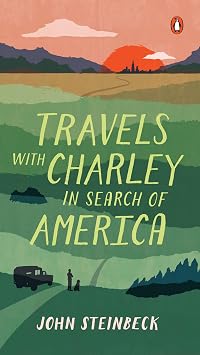
Travels with Charley: In Search of America
by John Steinbeck
On This Page
Description
Author John Steinbeck was 58 when he set out to rediscover the country he had been writing about for so many years. With his elderly French poodle, Charley, he embarked on a quest across America, from the northermost tip of Maine to California's Monterey Peninsula. Traveling the interstates and the country roads, they stopped to smell America: trucker and strangers, old friends and new acquaintances. Steinbeck's poignant, perceptive reflections reveal the American character: a blend of show more unexpected kindnesses and racial hostilities, loneliness and humor. show lessTags
Recommendations




















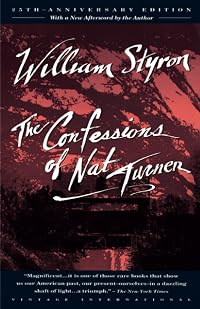
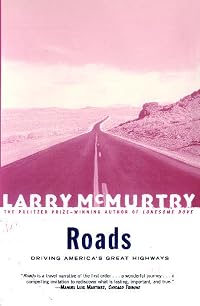
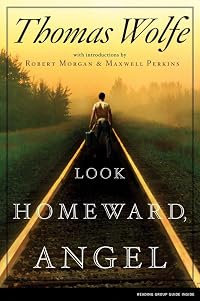
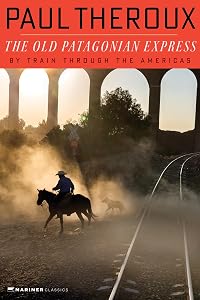




Member Recommendations

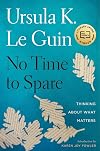
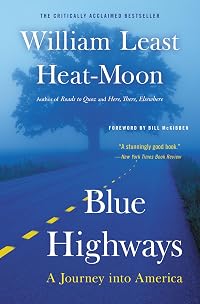
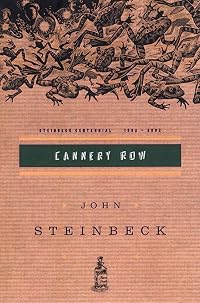
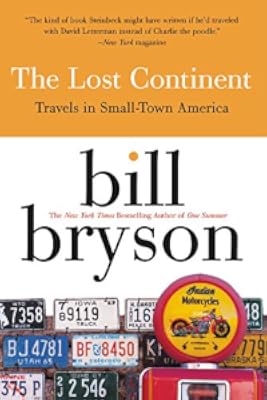
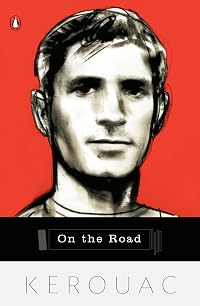
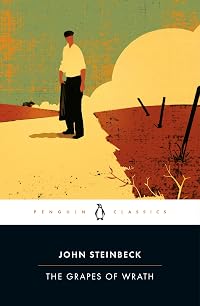
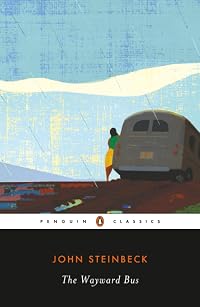
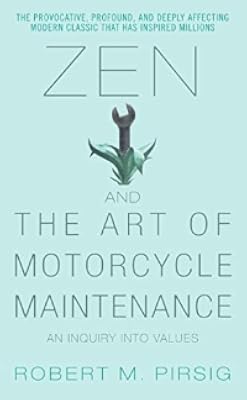
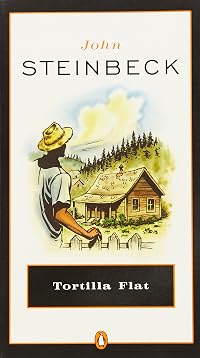
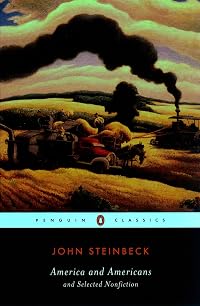
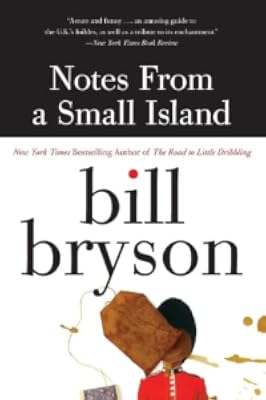
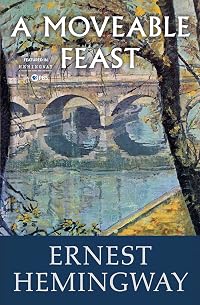
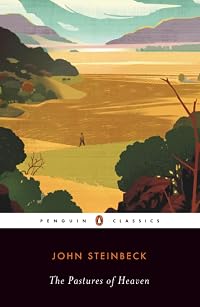
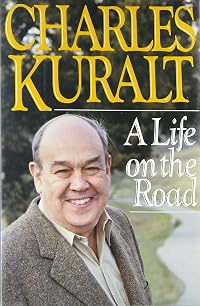
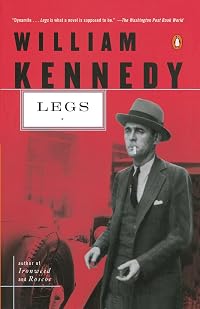
andomck Non fiction from these novelists where their pets play a large role. Also, UKL has an essay in her book about knowing Steinbeck in real life
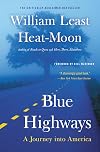
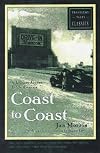
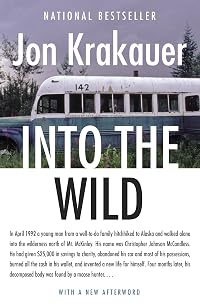
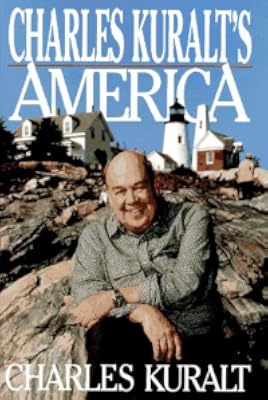
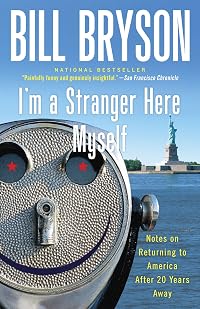
John_Vaughan Two authors with different backgrounds but both books filled with love of travel and America.

Member Reviews
"Travels with Charley" proved to be the right book at the right time. Since we sold our house six months ago and started traveling full time in our 17-foot-van with our three cats (vs. one poodle), I've been thinking about this book. Mostly what I thought was, it's about damn time I read it. The timing will never be better.
Steinbeck is a delightful and prescient writer of the road (though the veracity of some of his encounters has since been cast into doubt) and he professionally lays his forefingers across the pulse of America despite his reservations about his ability: "I came out on this trip to try and learn something of America. Am I learning anything? If I am, I don’t know what it is."
The lessons are stark: we're schooled in show more everything of the human nature from kindness to obscene racism. In the end, he reflects, "This monster of a land, this mightiest of nations, this spawn of the future, turns out to be the macrocosm of microcosm me." show less
Steinbeck is a delightful and prescient writer of the road (though the veracity of some of his encounters has since been cast into doubt) and he professionally lays his forefingers across the pulse of America despite his reservations about his ability: "I came out on this trip to try and learn something of America. Am I learning anything? If I am, I don’t know what it is."
The lessons are stark: we're schooled in show more everything of the human nature from kindness to obscene racism. In the end, he reflects, "This monster of a land, this mightiest of nations, this spawn of the future, turns out to be the macrocosm of microcosm me." show less
2 stars?! What?! In my lusting after Steinbeck over the past year or so, I had yet to meet a book of his that didn't make me swoon. This told me the honeymoon was over. I kept hanging on, convinced it might win me in the end. It started well enough--the ode in the very beginning to the urge to get up and get out--is without a doubt superb and the best part of the book. I also enjoyed his reflections on desert life (being the area of the US I like the most) and found some of what he wrote about driving through the wavering Jim Crow south interesting, too. But there was so much potential for more.
So what did I expect? What were my high hopes? I enjoy Steinbeck because of his frank observations of humanity and American culture. It can be show more easily taken for granted and yet no one seems to do it so deftly and with such pathos. And here's a travelogue where he hits the road "in search of America." What could be better?
Well, he seems to gloss over most of the country. There were several parts where he says he couldn't or didn't want to talk about certain places. I'm prepared for his sprawling insights, but there were none to be found here. It struck me that maybe it's because he was older, physically and psychologically--his health had already been declining and generally I've found the older people get, the more they crave creature comforts wherever they travel. I couldn't relate to his method of travel, of packing up so much crap in Rocinante that it seemed he hardly left home behind. What's the point of getting a new feel of some place when you carry so much of your old life with you? I also couldn't relate to his "conversations" with Charley (which I think he meant to be amusing and charming). Not just because Charley's a poodle (one of my least favorite dogs), but I don't quite get into the whole "pets as humans" mindset. Ultimately, though, I was bummed that Steinbeck seemed to rush. I like it when he takes his time; I love to swim in the words and the sentiment. He mentions towards the end of feeling anxious for a trip to be over before it actually is, and perhaps he wrote this with that frame of mind. This just felt like a labor, not a labor of love. I think I'll stick to the fiction. show less
So what did I expect? What were my high hopes? I enjoy Steinbeck because of his frank observations of humanity and American culture. It can be show more easily taken for granted and yet no one seems to do it so deftly and with such pathos. And here's a travelogue where he hits the road "in search of America." What could be better?
Well, he seems to gloss over most of the country. There were several parts where he says he couldn't or didn't want to talk about certain places. I'm prepared for his sprawling insights, but there were none to be found here. It struck me that maybe it's because he was older, physically and psychologically--his health had already been declining and generally I've found the older people get, the more they crave creature comforts wherever they travel. I couldn't relate to his method of travel, of packing up so much crap in Rocinante that it seemed he hardly left home behind. What's the point of getting a new feel of some place when you carry so much of your old life with you? I also couldn't relate to his "conversations" with Charley (which I think he meant to be amusing and charming). Not just because Charley's a poodle (one of my least favorite dogs), but I don't quite get into the whole "pets as humans" mindset. Ultimately, though, I was bummed that Steinbeck seemed to rush. I like it when he takes his time; I love to swim in the words and the sentiment. He mentions towards the end of feeling anxious for a trip to be over before it actually is, and perhaps he wrote this with that frame of mind. This just felt like a labor, not a labor of love. I think I'll stick to the fiction. show less
I haven't read many travelogues; off-hand I can only think of three prior to this one. Two of those were pleasant enough but unspectacular and the other was so dull I did not finish. But this is Steinbeck! Travelogue by a Nobel Prize winning writer - surely it's got to be good? After all I'm a big fan of his fiction - surely I would like this!
And I did. It's 1962 and Steinbeck has decided he's out of touch with his own country so he's going to go on a road trip in a camper van, taking his dog, Charley the elderly French Poodle, with him and leaving his wife behind...interesting choice there, John! But before he can leave a hurricane hits Long Island and he has to heroically rescue his boat. This tale of adventure before the trip even show more starts reminds me that Steinbeck was a fully paid up member of the WAMS - that is the White American Macho School (of writers). The founding father of this school was Jack London and the epitome was Earnest Hemingway. Note that what they wrote is irrelevant; membership is determined by their character and actions. Steinbeck's macho tendencies seem to be somewhat mellowed by age at the point of embarking on this trip - but not if his beloved boat is at stake!
So Macho John goes off to explore 40 of the lower 48 States in the space of a few months, decrying "progress" as he goes; insufficiently macho nature of the new generation, rampant comsumerism (you ain't seen nothin' yet, John!), inner city decay, enormous population growth, consequent environmental degradation... But this is no litany of complaints, most of it involves high quality description of the landscape and poking gentle fun at all and sundry (including himself and Charley) in various amusing anecdotes - reminding me that when he wanted to, Steinbeck could write humour as well as despair, something I find easy to forget.
Towards the end he arrives in the Deep South which is going through the throes of Desegregation and we are treated for the first and only time, to Steinbeck's anger, outrage and contempt; he can't figure out why anybody thinks Black people are different from White people in any meaningful way, you see...
Well worth a look if you're a Steinbeck fan; if you aren't, well, it's still worth a look! show less
And I did. It's 1962 and Steinbeck has decided he's out of touch with his own country so he's going to go on a road trip in a camper van, taking his dog, Charley the elderly French Poodle, with him and leaving his wife behind...interesting choice there, John! But before he can leave a hurricane hits Long Island and he has to heroically rescue his boat. This tale of adventure before the trip even show more starts reminds me that Steinbeck was a fully paid up member of the WAMS - that is the White American Macho School (of writers). The founding father of this school was Jack London and the epitome was Earnest Hemingway. Note that what they wrote is irrelevant; membership is determined by their character and actions. Steinbeck's macho tendencies seem to be somewhat mellowed by age at the point of embarking on this trip - but not if his beloved boat is at stake!
So Macho John goes off to explore 40 of the lower 48 States in the space of a few months, decrying "progress" as he goes; insufficiently macho nature of the new generation, rampant comsumerism (you ain't seen nothin' yet, John!), inner city decay, enormous population growth, consequent environmental degradation... But this is no litany of complaints, most of it involves high quality description of the landscape and poking gentle fun at all and sundry (including himself and Charley) in various amusing anecdotes - reminding me that when he wanted to, Steinbeck could write humour as well as despair, something I find easy to forget.
Towards the end he arrives in the Deep South which is going through the throes of Desegregation and we are treated for the first and only time, to Steinbeck's anger, outrage and contempt; he can't figure out why anybody thinks Black people are different from White people in any meaningful way, you see...
Well worth a look if you're a Steinbeck fan; if you aren't, well, it's still worth a look! show less
I find it interesting that even in 1960 Steinbeck complains about sprawl, a disposable consumer culture, and a spiritual listlessness. He also complains bitterly about the traffic. I can understand NYC and Chicago being rough, but were American highways really crowded before the interstate system?
I want to travel America with a dog. I’m not sure about the camper. Steinbeck spent a lot of time in hotels even with his Rocinante. I think that is about showers and toilets. I can see a truck camper being superior to a tent in many ways, but it lacks a shower and even though there might be toilet options I don’t think I’d want to use them in a space that small. I have tried a rented RV for a weekend and it was good, but I don’t know show more that I want to drive a ponderous RV across America. I think motorcycle camping with some stops in hotels would be the best way to go. Unfortunately that puts some size constraints on the dog. I am not a tiny dog lover, so I would either need a puppy in my pocket, or a mastiff in a sidecar.
Wikipedia told me that many people believe Steinbeck invented a lot of this. I don’t know why that is particularly bothersome from a fiction writer. He says he changed things, and it seems clear that he did drive his camper around at least some of the US, so I don’t quite understand the beef. I think some people have a hard time with blurry definitions and want a thing to be all true narrative or all fiction. I don’t think it’s terrible to compress or combine some experiences or people in a travel narrative. You might meet and converse with 5 moderately interesting people who could be combined into one really interesting composite character in the narrative. It’s efficient.
The part I found least believable was a chapter where Steinbeck sings the praises of trailer parks. My uncle owned a trailer park, and there was nothing there to enthuse about. Maybe things were different when the modern mobile home was relatively new, but I can’t see trailer parks ever being the preferred environment of the really prosperous. Steinbeck goes on for pages about how clean and nice they are, how good the trailers are for labor mobility, and how the families in the parks were all upwardly mobile. He also praises the trailers themselves for being durable and remaining presentable for longer and with less maintenance than traditional houses. I think he was being sincere, but he was ludicrously far off base. show less
I want to travel America with a dog. I’m not sure about the camper. Steinbeck spent a lot of time in hotels even with his Rocinante. I think that is about showers and toilets. I can see a truck camper being superior to a tent in many ways, but it lacks a shower and even though there might be toilet options I don’t think I’d want to use them in a space that small. I have tried a rented RV for a weekend and it was good, but I don’t know show more that I want to drive a ponderous RV across America. I think motorcycle camping with some stops in hotels would be the best way to go. Unfortunately that puts some size constraints on the dog. I am not a tiny dog lover, so I would either need a puppy in my pocket, or a mastiff in a sidecar.
Wikipedia told me that many people believe Steinbeck invented a lot of this. I don’t know why that is particularly bothersome from a fiction writer. He says he changed things, and it seems clear that he did drive his camper around at least some of the US, so I don’t quite understand the beef. I think some people have a hard time with blurry definitions and want a thing to be all true narrative or all fiction. I don’t think it’s terrible to compress or combine some experiences or people in a travel narrative. You might meet and converse with 5 moderately interesting people who could be combined into one really interesting composite character in the narrative. It’s efficient.
The part I found least believable was a chapter where Steinbeck sings the praises of trailer parks. My uncle owned a trailer park, and there was nothing there to enthuse about. Maybe things were different when the modern mobile home was relatively new, but I can’t see trailer parks ever being the preferred environment of the really prosperous. Steinbeck goes on for pages about how clean and nice they are, how good the trailers are for labor mobility, and how the families in the parks were all upwardly mobile. He also praises the trailers themselves for being durable and remaining presentable for longer and with less maintenance than traditional houses. I think he was being sincere, but he was ludicrously far off base. show less
In the fall of 1960, John Steinbeck set out on a cross-country journey in his camper Rocinante, accompanied by his poodle, Charley. Steinbeck records his impressions of people he met and places he visited as he sought to understand the American national character. Steinbeck captures a vanishing travel culture following legislation establishing the Interstate Highway System during the Eisenhower administration. Fellow dog lovers will connect with Charley, who seems to have been the perfect travel companion. It’s intriguing that Steinbeck doesn’t mention being recognized by anyone he meets on his journey. His face might not have been familiar to all, but his name surely was since readers would know his Pulitzer Prize-winning novel The show more Grapes of Wrath, and non-readers would be familiar with film adaptations of his novels. Was Steinbeck just being modest when he wrote Travels with Charley, or did he really fly under the radar during his travels? show less
A rich old curmudgeon with a reputation of speaking for the common man realizes he has not been out amongst the hoi polloi in a while, so he sets out in a little camper with his poodle to rediscover the soul of America. Steinbeck strings together some sightseeing, rants, and colorful road trip characters into a mostly entertaining and often humorous travelogue.
Some of the sections seemed unlikely or too good to be true, so upon finishing the book, I was not surprised to find that researchers have found that Steinbeck fictionalized chunks of the book.
What did surprise me was how little things seemed to have changed in nearly 60 years as Steinbeck writes about a divisive political election, migrant workers, urban sprawl, the crazy show more reputation of Texas, and racism among other topics. show less
Some of the sections seemed unlikely or too good to be true, so upon finishing the book, I was not surprised to find that researchers have found that Steinbeck fictionalized chunks of the book.
What did surprise me was how little things seemed to have changed in nearly 60 years as Steinbeck writes about a divisive political election, migrant workers, urban sprawl, the crazy show more reputation of Texas, and racism among other topics. show less
Summary: John Steinbeck’s memoir of his 1960 roadtrip in his truck/camper Rocinante with his French poodle Charley.
It was 1960. Richard Nixon and John Kennedy were in a race for president. Highways from town to town were being replaced by high speed Interstate highways. The South was in deep conflict over desegregation. Mass media was expanding its impact on the culture. And John Steinbeck was aging. His son, Thom, said Steinbeck knew he had the heart condition from which he would die in 1968. And he wanted to see the America that had been the backdrop of his stories one more time,
So he bought a 3/4 ton truck on which a custom camper top was installed with bed, stove, lights, and facilities and dubbed his vehicle “Rocinante,” show more after Don Quixote’s mount. One wonders if he thought this journey quixotic in nature. He sets out from New York City north to main, across New England and New York, along the south of the Great Lakes through the Midwest, across the northern states all the way to Washington, down to California including revisiting his old stomping ground, trekking across the Southwest, through Texas, stopping in New Orleans during a desegregation crisis which he witnesses, across the South, up through Virginia, and New Jersey and back home.
Accompanying him is his faithful old companion, his ten year old French poodle, Charley, who would go “Ffft” when Steinbeck was too slow to take him out. One of the most endearing parts of this work was the bond between them, often evoking some of the strongest emotions Steinbeck has throughout–contempt for the government bureaucracy that wouldn’t allow them to cut through Canada without Charley’s inoculation papers, surprise at Charley’s fierceness when they spot grizzlies, anger at a veterinarian whose indifference to Charley’s bladder problems, frustration at Charley’s lack of interest in the greatest of the redwoods, and warm affection for another vet who cared for his old dog. As the title suggests, Charley is perhaps the main character in this memoir besides Steinbeck himself.
Steinbeck remarks the changes that have occurred throughout the country. He speaks of the massive growth of the cities, which he tries generally to avoid (one exception is Minneapolis, and the nuclear evacuation route he followed, reflecting on the traffic jams that would have made this route worthless). He describes listening to jukeboxes, where the same songs were #1 wherever you went, a harbinger of the growth of mass culture. He remarks on the odd phenomenon of the reticence of people to talk about the presidential election.
Christian Smith has described American religion as “moral therapeutic deism.” Steinbeck noted this even in the 1960’s as he traveled across the country, contrasting what he found in one Vermont church with what he found elsewhere:
“For some years now God has been a pal to us, practicing togetherness, and that causes the same emptiness a father does playing softball with his son. But this Vermont God cared enough about me to go to a lot of trouble kicking the hell out of me. He put my sins in a new perspective…I wasn’t a a naughty child but a first rate sinner, and I was going to catch it” (p. 61).
Steinbeck said he felt so revived he put $5 in the offering plate and commented of the pastor: “He forged a religion designed to last, not predigested obsolescence.”
These larger observations of society alternate with personal encounters, many at breakfast counters across the country, taciturn in New England and more voluble as he entered the Midwest. Then there is the very human encounter with a property manager who informed Steinbeck that he was trespassing, and as they talk and share some coffee with something added, the manager shows him a place to park and takes him fishing. Like so many, they saw Steinbeck’s camper, and wanted to be him.
In the end, Steinbeck wanted to get home. Something seemed to change once he reached California. Spotting coyotes he could have easily taken down and done others a favor, he cannot. He witnesses the viciousness of white women (the cheerladies) when a little black girl tries to integrate a school in Louisiana. Encounters with two hitchhikers, one white, one black underscore the deep racial divide of the time. Strikingly, the black man fears him, and gets out before reaching his destination, preferring walking to fear.
Getting lost, being misdirected and directed runs through the narrative. Even back in New York City, he requires directions from a policeman to make it home. One senses that it is a lost man who is in search of America with his dog. And what did he find? In his own words, “I do know this–the big and mysterious America is bigger than I thought. And more mysterious.”
I have to admit, the older I get, the more I find myself in agreement with Steinbeck. All the things I thought I knew about the country, I know no longer. What I thought I knew has become mysterious. And I find myself longing more and more for people like that Vermont preacher. Someone needs to kick the hell out of us. show less
It was 1960. Richard Nixon and John Kennedy were in a race for president. Highways from town to town were being replaced by high speed Interstate highways. The South was in deep conflict over desegregation. Mass media was expanding its impact on the culture. And John Steinbeck was aging. His son, Thom, said Steinbeck knew he had the heart condition from which he would die in 1968. And he wanted to see the America that had been the backdrop of his stories one more time,
So he bought a 3/4 ton truck on which a custom camper top was installed with bed, stove, lights, and facilities and dubbed his vehicle “Rocinante,” show more after Don Quixote’s mount. One wonders if he thought this journey quixotic in nature. He sets out from New York City north to main, across New England and New York, along the south of the Great Lakes through the Midwest, across the northern states all the way to Washington, down to California including revisiting his old stomping ground, trekking across the Southwest, through Texas, stopping in New Orleans during a desegregation crisis which he witnesses, across the South, up through Virginia, and New Jersey and back home.
Accompanying him is his faithful old companion, his ten year old French poodle, Charley, who would go “Ffft” when Steinbeck was too slow to take him out. One of the most endearing parts of this work was the bond between them, often evoking some of the strongest emotions Steinbeck has throughout–contempt for the government bureaucracy that wouldn’t allow them to cut through Canada without Charley’s inoculation papers, surprise at Charley’s fierceness when they spot grizzlies, anger at a veterinarian whose indifference to Charley’s bladder problems, frustration at Charley’s lack of interest in the greatest of the redwoods, and warm affection for another vet who cared for his old dog. As the title suggests, Charley is perhaps the main character in this memoir besides Steinbeck himself.
Steinbeck remarks the changes that have occurred throughout the country. He speaks of the massive growth of the cities, which he tries generally to avoid (one exception is Minneapolis, and the nuclear evacuation route he followed, reflecting on the traffic jams that would have made this route worthless). He describes listening to jukeboxes, where the same songs were #1 wherever you went, a harbinger of the growth of mass culture. He remarks on the odd phenomenon of the reticence of people to talk about the presidential election.
Christian Smith has described American religion as “moral therapeutic deism.” Steinbeck noted this even in the 1960’s as he traveled across the country, contrasting what he found in one Vermont church with what he found elsewhere:
“For some years now God has been a pal to us, practicing togetherness, and that causes the same emptiness a father does playing softball with his son. But this Vermont God cared enough about me to go to a lot of trouble kicking the hell out of me. He put my sins in a new perspective…I wasn’t a a naughty child but a first rate sinner, and I was going to catch it” (p. 61).
Steinbeck said he felt so revived he put $5 in the offering plate and commented of the pastor: “He forged a religion designed to last, not predigested obsolescence.”
These larger observations of society alternate with personal encounters, many at breakfast counters across the country, taciturn in New England and more voluble as he entered the Midwest. Then there is the very human encounter with a property manager who informed Steinbeck that he was trespassing, and as they talk and share some coffee with something added, the manager shows him a place to park and takes him fishing. Like so many, they saw Steinbeck’s camper, and wanted to be him.
In the end, Steinbeck wanted to get home. Something seemed to change once he reached California. Spotting coyotes he could have easily taken down and done others a favor, he cannot. He witnesses the viciousness of white women (the cheerladies) when a little black girl tries to integrate a school in Louisiana. Encounters with two hitchhikers, one white, one black underscore the deep racial divide of the time. Strikingly, the black man fears him, and gets out before reaching his destination, preferring walking to fear.
Getting lost, being misdirected and directed runs through the narrative. Even back in New York City, he requires directions from a policeman to make it home. One senses that it is a lost man who is in search of America with his dog. And what did he find? In his own words, “I do know this–the big and mysterious America is bigger than I thought. And more mysterious.”
I have to admit, the older I get, the more I find myself in agreement with Steinbeck. All the things I thought I knew about the country, I know no longer. What I thought I knew has become mysterious. And I find myself longing more and more for people like that Vermont preacher. Someone needs to kick the hell out of us. show less
Members
- Recently Added By
Published Reviews
Steinbeck’s book-length account of his journey, “Travels With Charley: In Search of America,” published in 1962, was generally well reviewed and became a best-seller. It remains in print, regarded by some as a classic of American travel writing. Almost from the beginning, though, a few readers pointed out that many of the conversations in the book had a stagey, wooden quality, not unlike show more the dialogue in Steinbeck’s fiction.
Early on in the book, for example, Steinbeck has a New England farmer talking in folksy terms about Nikita S. Khrushchev’s shoe-pounding (or -brandishing, depending on whom you ask) speech at the United Nations weeks before Khrushchev actually visited the United Nations. A particularly unlikely encounter occurs at a campsite near Alice, N.D., where a Shakespearean actor, mistaking Steinbeck for a fellow thespian, greets him with a sweeping bow, saying, “I see you are of the profession,” and then proceeds to talk about John Gielgud.
Even Steinbeck’s son John said he was convinced that his father never talked to many of the people he wrote about, and added, “He just sat in his camper and wrote all that [expletive].” show less
Early on in the book, for example, Steinbeck has a New England farmer talking in folksy terms about Nikita S. Khrushchev’s shoe-pounding (or -brandishing, depending on whom you ask) speech at the United Nations weeks before Khrushchev actually visited the United Nations. A particularly unlikely encounter occurs at a campsite near Alice, N.D., where a Shakespearean actor, mistaking Steinbeck for a fellow thespian, greets him with a sweeping bow, saying, “I see you are of the profession,” and then proceeds to talk about John Gielgud.
Even Steinbeck’s son John said he was convinced that his father never talked to many of the people he wrote about, and added, “He just sat in his camper and wrote all that [expletive].” show less
added by njteacher70
Lists

Best of Travel Narratives
142 works; 28 members

Best Travel Narrative
32 works; 20 members

501 Must-Read Books
529 works; 72 members

100 Biographies and Memoirs to Read in a (Single) Lifetime
98 works; 12 members

SHOULD Read Books!
354 works; 9 members

Books Read in 2025
4,091 works; 97 members

LIT - Il Bookclub Della McMusa
51 works; 1 member

Favorite Animal Non-Fiction
293 works; 144 members

Classics you know you should have read but probably haven't
421 works; 406 members

Publisher's Weekly NON-Fiction list - 1912 - 1975
486 works; 4 members

Mustich's 1000 Books to Read Before You Die: A Life Changing List
1,001 works; 19 members

1960s, Best books published therein
254 works; 22 members

Midwest
16 works; 2 members

Llibres que he llegit el 2019
42 works; 1 member

Books Read in 2017
4,249 works; 130 members

Five star books
1,757 works; 108 members

Accessible Classics
8 works; 1 member

Non-Fiction Worth Reading
1,015 works; 255 members
Favourite Books
1,819 works; 316 members

Carole's List
445 works; 13 members
Folio Society
831 works; 53 members
Reading LIst
648 works; 1 member
Talk Discussions
Past Discussions
Steinbeckathon 2012: Travels with Charley in 75 Books Challenge for 2012 (December 2012)
Author Information

479+ Works 207,024 Members
In recent years Steinbeck has been elevated to a more prominent status among American writers of his generation. If not quite at the world-class artistic level of a Hemingway or a Faulkner, he is nonetheless read very widely throughout the world by readers of all ages who consider him one of the most "American" of writers. Born in Salinas County, show more California on February 27, 1902, Steinbeck was of German-Irish parentage. After four years as a special student at Stanford University, he went to New York, where he worked as a reporter and as a hod carrier. Returning to California, he devoted himself to writing, with little success; his first three books sold fewer than 3,000 copies. Tortilla Flat (1935), dealing with the paisanos, California Mexicans whose ancestors settled in the country 200 years ago, established his reputation. In Dubious Battle (1936), a labor novel of a strike and strike-breaking, won the gold medal of the Commonwealth Club of California. Of Mice and Men (1937), a long short story that turns upon a melodramatic incident in the tragic friendship of two farm hands, written almost entirely in dialogue, was an experiment and was dramatized in the year of its publication, winning the New York Drama Critics Circle Award. It brought him fame. Out of a series of articles that he wrote about the transient labor camps in California came the inspiration for his greatest book, The Grapes of Wrath (1939), the odyssey of the Joad family, dispossessed of their farm in the Dust Bowl and seeking a new home, only to be driven on from camp to camp. The fiction is punctuated at intervals by the author's voice explaining this new sociological problem of homelessness, unemployment, and displacement. As the American novel "of the season, probably the year, possibly the decade," it won the Pulitzer Prize in 1940. It roused America and won a broad readership by the unusual simplicity and tenderness with which Steinbeck treated social questions. Even today, The Grapes of Wrath remains alive as a vivid account of believable human characters seen in symbolic and universal terms as well as in geographically and historically specific ones. Ma Joad is one of the most memorable characters in twentieth-century American fiction. It is her courage that sustains the family. Steinbeck's best and most ambitious novel after The Grapes of Wrath is East of Eden (1952), a saga of two American families in California from before the Civil War through World War I. Cannery Row (1945), The Wayward Bus (1947), and Sweet Thursday (1955) are lighter works that find Steinbeck returning to the lighthearted tone of Tortilla Flat as he recounts picaresque adventures of modern-day picaros. The Winter of Our Discontent (1961) struck some reviewers as being appropriately titled because of its despairing treatment of humanity's fall from grace in a wasteland world where money is king. Steinbeck also wrote important nonfiction, including Russian Journal (1948) in collaboration with the photographer Robert Capa; Once There Was a War (1958) and America and Americans (1966), which features pictures by 55 leading photographers and a 70-page essay by Steinbeck. His interest in marine biology led to two books primarily about sea life, Sea of Cortez (1941) (with Edward F. Ricketts) and The Log from the Sea of Cortez (1951). Travels with Charley (1962) is an engaging account of his journey of rediscovery of America, which took him through approximately 40 states. Steinbeck was married three times and died in New York City on December 20, 1968 of heart disease and congestive heart failure. He was 66, and had been a life-long smoker. (Bowker Author Biography) show less
Some Editions
Awards and Honors
Awards
Distinctions
Notable Lists
Series
Belongs to Publisher Series
COLECÇÃO DOIS MUNDOS (Livros do Brasil)
Ullstein Taschenbuch (2978)
Work Relationships
Is contained in
Cannery Row | East of Eden | Grapes of Wrath | Of Mice and Men | The Pearl | Travels with Charley by John Steinbeck
Is abridged in
Inspired
Has as a student's study guide
Common Knowledge
- Canonical title
- Travels with Charley: In Search of America
- Original title
- Travels with Charley : in Search of America
- Alternate titles*
- Op reis met Charley : op zoek naar Amerika; Reizen met Charley : een zoektocht naar Amerika
- Original publication date
- 1962
- People/Characters
- John Steinbeck; Charles le Chien ('Charley', poodle); Elaine Anderson Steinbeck; Lonesome Harry; Sinclair Lewis; John Gielgud (show all 12); Johnny Garcia; Charles Erskine Scott Wood; John F. Kennedy; Ruby Bridges; Richard M. Nixon; The Cheerleaders (segregationists)
- Important places
- Sag Harbor, New York, USA; Deer Isle, Maine, USA; Maine, USA; Chicago, Illinois, USA; Michigan, USA; Wisconsin, USA (show all 20); Wisconsin Dells, Wisconsin, USA; Minnesota, USA; Fargo, North Dakota, USA; Yellowstone National Park, USA; Montana, USA; Spokane, Washington, USA; Seattle, Washington, USA; San Francisco, California, USA; Salinas, California, USA; California, USA; Texas, USA; New Orleans, Louisiana, USA; New York, New York, USA; Washington, D.C., USA
- Important events
- Hurricane Donna (1960); elections (John F. Kennedy); United States presidential election (1960); New Orleans school desegregation crisis
- Dedication
- This book is dedicated to
HAROLD GUINZBURG
with respect born of an association and
affection that just growed.
-JOHN STEINBECK - First words
- When I was very young and the urge to be someplace else was on me, I was assured by mature people that maturity would cure this itch.
- Quotations
- No newspaper had printed the words these women shouted. It was indicated that they were indelicate, some even said obscene...But now I heard the words, bestial and filthy and degenerate. In a long and unprotected life I have ... (show all)seen and heard the vomitings of demoniac humans before. Why then did these screams fill me with a shocked and sickened sorrow?
For how can one know color in perpetual green, and what good is warmth without cold to give it sweetness?
When I was very young and the urge to be someplace else was on me, I was assured by mature people that maturity would cure this itch. When years described me as mature, the remedy prescribed was middle age. In middle age I wa... (show all)s assured that greater age would calm my fever and now that I am fifty-eight perhaps senility will do the job. Nothing has worked.
Who has not known a journey to be over and dead before the traveler returns? The reverse is also true: many a trip continues long after movement in time and space have ceased. - Last words
- (Click to show. Warning: May contain spoilers.)And that's how the traveler came home again.
- Original language
- English
*Some information comes from Common Knowledge in other languages. Click "Edit" for more information.
Classifications
Statistics
- Members
- 9,632
- Popularity
- 1,071
- Reviews
- 235
- Rating
- (4.01)
- Languages
- 18 — Catalan, Czech, Danish, Dutch, English, Estonian, Finnish, French, German, Hungarian, Italian, Norwegian (Bokmål), Polish, Russian, Spanish, Swedish, Turkish, Portuguese (Portugal)
- Media
- Paper, Audiobook, Ebook
- ISBNs
- 99
- UPCs
- 2
- ASINs
- 158