On This Page
Description
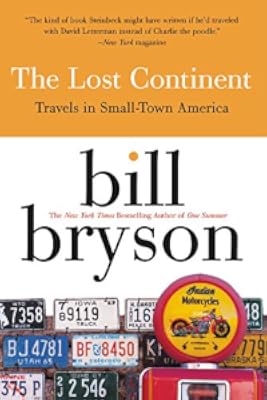
In an ageing Chevrolet Chevette, he drove nearly 14,000 miles through 38 states to compile this hilarious and perceptive state-of-the-nation report on small-town America.From the Deep South to the Wild West, from Elvis' birthplace through to Custer's Last Stand, Bryson
visits places he re-named Dullard, Coma, and Doldrum (so the residents don't sue or come after him with baseball bats). But his hopes of finding the American dream end in a nightmare of greed, ignorance, and pollution. This show more is a wickedly witty and savagely funny assessment of a country lost to itself, and to him.
Travel through small-town America with Kerry Shale's popular BBC Radio 4 reading of Bill Bryson's comic travelogue.
. show less
Tags
Recommendations


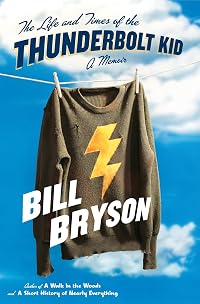

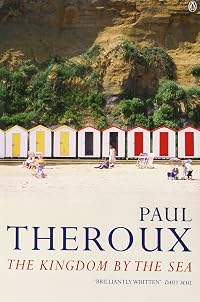
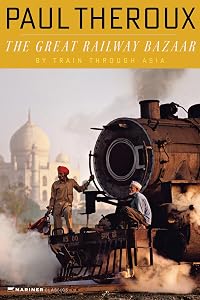
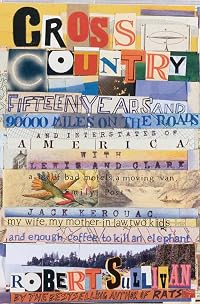
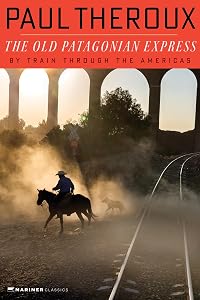
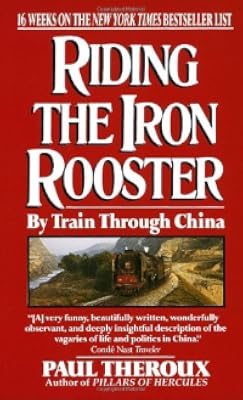

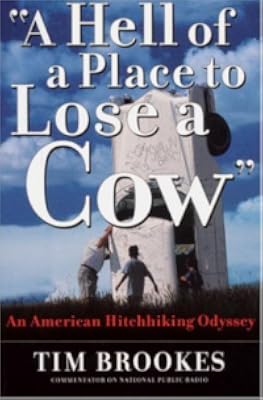
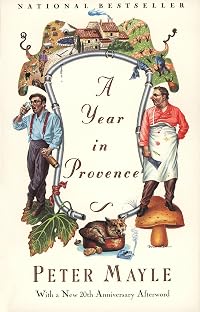

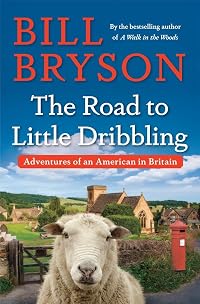
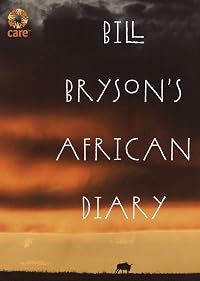
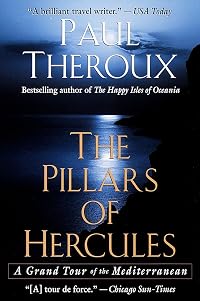

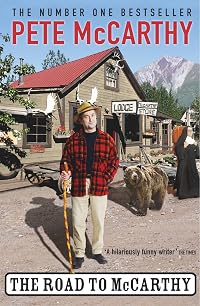

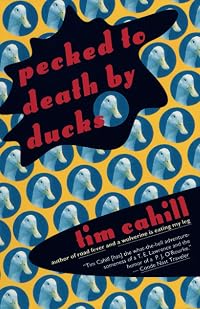
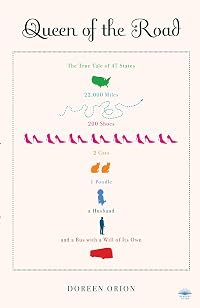
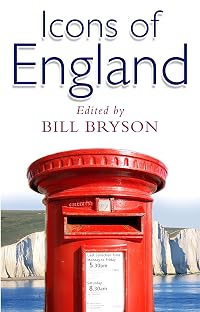
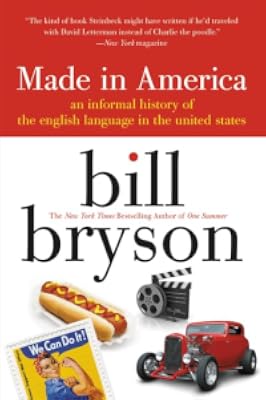
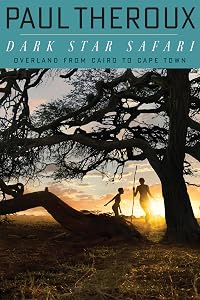
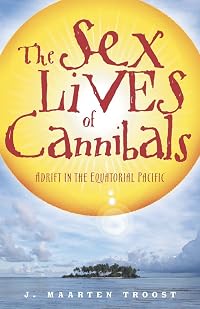

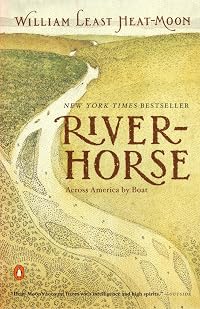
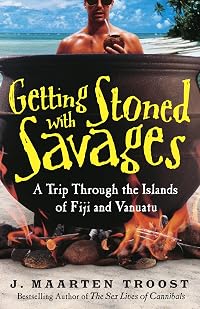



Member Recommendations
rockhopper_penguin I read these two books one after another. It wasn't a deliberate decision, but the two did seem to work well together. The books visit a few of the same places, and it's interesting to note how differently they are portrayed in each.

RedEyedNerd 26 American works published between the 1870s and the 1960s. Poems and short stories in full length, novels as excerpts. They share the small town setting as an essential ingredient. Editor's headnotes on the small town aspect of every work.
Member Reviews
While in the Frankfurt airport killing time, I decided I needed something to read while waiting in the airport and on the long flight back. During my vacation, I had already read Paulo Freire's Pedagogy of Freedom, Judith Butler's Excitable Speech, and Yves Simon's Freedom and Community, as well as most of two issues of CCC and an issue of Hypatia. I was a bit tired of academic voices and theory (though I had enjoyed everything I read, except perhaps Simon, whose Thomistic perspective irked me and whose writing seemed dry), so I went to the bookstore and perused. The English section was limited, so I was left trying to decide between a collection of short stories by Margaret Atwood and The Lost Continent by Bill Bryson.
Bryson, a native show more Iowan who had moved to Britain, had been haunting me for years. If someone was knowledgeable of travel writing, they asked me about him. I have some acquaintances who have been shocked that I hadn't read any of him. I was holding Atwood's book and Bryson's book, weighing the pros and cons of each. So I read Bryson first paragraph:
and decided I had to read this. Iowa-deprecating humour? I was excited. Maybe this book would be worth the astronomical 14 Euros (which, with the exchange rate, is about 1 million dollars).
I admit I was chuckling a lot during his first few pages, and even occasionally throughout the rest of his book. However, it wasn't before too long that his book just began to annoy me. Every attempt at humor in his book, besides some self-deprecation or making fun of his family, is targeted shots at those who are different from him. Bryson's book seems like a good example of how to enact the construction of "normal." Overweight? Here's a few jokes thrown at you. An accent that isn't accepted as standard? He'll mock you incessantly. Differently abled and in the same room as Bryson? You're there for one purpose alone: to stare at because you're a freak.
I haven't quite finished the book, and I probably will (I only have about 50 pages left), but I have to say I'm greatly disappointed. The sour icing smothered the cake when he announced that, feeling incredibly visible and alone in a nearly all black Southern town, that he now knew what it was like to be black in South Dakota.
I beg your pardon, Mr. Bryson, but you have no idea what it's like to be black anywhere. If anything, Bryson's book is a chronicling of his extreme naiveté at his own unearned privilege.
It seems like the only group not worth mocking in his book are queer folk, and that's probably because they are so invisible to him that they're not even on the radar to mock. Jokes about other people can be amazingly funny, but a book constructed completely on mocking others, a book that seems to function mostly as a reinforcement of normalcy, fails to continue to be funny. It's just tiring.
I should have picked up Atwood's book instead. show less
Bryson, a native show more Iowan who had moved to Britain, had been haunting me for years. If someone was knowledgeable of travel writing, they asked me about him. I have some acquaintances who have been shocked that I hadn't read any of him. I was holding Atwood's book and Bryson's book, weighing the pros and cons of each. So I read Bryson first paragraph:
I come from Des Moines. Somebody had to. When you come from Des Moines you either accept the fact without question and settle down with a local girl named Bobbie and get a job at the Firestone factory and live there forever and ever, or you spend your adolescence moaning at length about what a dump it is and how you can't wait to get out, and then you settle down with a local girl named Bobbi and get a job at the Firestone factory and live there forever and ever.
and decided I had to read this. Iowa-deprecating humour? I was excited. Maybe this book would be worth the astronomical 14 Euros (which, with the exchange rate, is about 1 million dollars).
I admit I was chuckling a lot during his first few pages, and even occasionally throughout the rest of his book. However, it wasn't before too long that his book just began to annoy me. Every attempt at humor in his book, besides some self-deprecation or making fun of his family, is targeted shots at those who are different from him. Bryson's book seems like a good example of how to enact the construction of "normal." Overweight? Here's a few jokes thrown at you. An accent that isn't accepted as standard? He'll mock you incessantly. Differently abled and in the same room as Bryson? You're there for one purpose alone: to stare at because you're a freak.
I haven't quite finished the book, and I probably will (I only have about 50 pages left), but I have to say I'm greatly disappointed. The sour icing smothered the cake when he announced that, feeling incredibly visible and alone in a nearly all black Southern town, that he now knew what it was like to be black in South Dakota.
I beg your pardon, Mr. Bryson, but you have no idea what it's like to be black anywhere. If anything, Bryson's book is a chronicling of his extreme naiveté at his own unearned privilege.
It seems like the only group not worth mocking in his book are queer folk, and that's probably because they are so invisible to him that they're not even on the radar to mock. Jokes about other people can be amazingly funny, but a book constructed completely on mocking others, a book that seems to function mostly as a reinforcement of normalcy, fails to continue to be funny. It's just tiring.
I should have picked up Atwood's book instead. show less
Revisiting an old favorite of mine leads to wonder what I once saw in this book. The Lost Continent is the first of the many travel books that Bryson wrote and the first one that I read way back in 1993. I've included it on my Favorite Books of All Time lists but will have to reconsider that. Bryson's schtick is that he's often cranky but in this book he's just downright nasty and describes everyone he encounters as dumb.
Bryson (who may be a distant relation since I have Bryson's in my family tree) grew up in Iowa, but as a young adult emigrated to England. The premise of this book is his return to the United States and driving around the country to recreate the vacation travels of his childhood while looking for the amalgam of the show more American small town. He finds that most towns have been eclipsed by strip malls and highways. And he makes some good observations about why it is that some places can be made beautiful - Great Smoky Mountains National Park and Colonial Williamsburg - while the ordinary places are the drab and ugly right up to their edge.
I'll have to review Bryson's later books but I feel that he becomes less of a nasty misanthrope and more of a cuddly curmudgeon. More importantly, he also begins to research the history of places he visits, interview local experts, and incorporate that into his travelogue. At any rate, the last time I read this book was 2001, when I wrote a more positive review, so I will include that so you can see how my feelings have changed over time:
Bryson (who may be a distant relation since I have Bryson's in my family tree) grew up in Iowa, but as a young adult emigrated to England. The premise of this book is his return to the United States and driving around the country to recreate the vacation travels of his childhood while looking for the amalgam of the show more American small town. He finds that most towns have been eclipsed by strip malls and highways. And he makes some good observations about why it is that some places can be made beautiful - Great Smoky Mountains National Park and Colonial Williamsburg - while the ordinary places are the drab and ugly right up to their edge.
I'll have to review Bryson's later books but I feel that he becomes less of a nasty misanthrope and more of a cuddly curmudgeon. More importantly, he also begins to research the history of places he visits, interview local experts, and incorporate that into his travelogue. At any rate, the last time I read this book was 2001, when I wrote a more positive review, so I will include that so you can see how my feelings have changed over time:
One of Bryson's earliest travel books and maybe one of his best since at this point he's writing from the perspective of an average person driving around America as opposed to the famous travel writer he'd later become. Bryson's search for the perfect American small town is also very pointed in its satire and criticism. The view of an American expatriate has a special appeal to it.show less
there were amusing parts to this but mostly it was annoying. it improved for me - it really might have just been my mood - toward the end, but generally the jokes fell flat or, worse, played on racist or sexist stereotypes/history/language. i felt like he was trying to invoke steinbeck's travels with charley or twain's travelogues (especially as he visited hannibal early in the book and mentioned twain) but this just doesn't measure up. i have read bryson before and have enjoyed him, so this surprised me. (not that i would expect him to equal twain, whose travel books i greatly enjoy, but i thought this would be better.)
completely random - what are the chances that in the span of a month i'd read two books that would both mention cairo, show more illinois *and* the geographical centermost point in the continental united states? this book and american gods amazingly did both of these things.
"...which was worse, to lead a life so boring that you are easily enchanted or a life so full of stimulus that you are easily bored." show less
completely random - what are the chances that in the span of a month i'd read two books that would both mention cairo, show more illinois *and* the geographical centermost point in the continental united states? this book and american gods amazingly did both of these things.
"...which was worse, to lead a life so boring that you are easily enchanted or a life so full of stimulus that you are easily bored." show less
'I come from Des Moines. Somebody had to'
And, as soon as Bill Bryson was old enough, he left. Des Moines couldn't hold him, but it did lure him back. After ten years in England, he returned to the land of his youth, and drove almost 14,000 miles in search of a mythical small town called Amalgam, the kind of trim and sunny place where the films of his youth were set. Instead, his search led him to Anywhere, USA; a lookalike strip of gas stations, motels and hamburger outlets populated by lookalike people with a penchant for synthetic fibres. Travelling around thirty-eight of the lower states - united only in their mind-numbingly dreary uniformity - he discovered a continent that was doubly lost; lost to itself because blighted by greed, show more pollution, mobile homes and television; lost to him because he had become a stranger in his own land.
The Lost Continent is a classic of travel literature - hilariously, stomach-achingly funny, yet tinged with heartache - and the book that first staked Bill Bryson's claim as the most beloved writer of his generation. show less
And, as soon as Bill Bryson was old enough, he left. Des Moines couldn't hold him, but it did lure him back. After ten years in England, he returned to the land of his youth, and drove almost 14,000 miles in search of a mythical small town called Amalgam, the kind of trim and sunny place where the films of his youth were set. Instead, his search led him to Anywhere, USA; a lookalike strip of gas stations, motels and hamburger outlets populated by lookalike people with a penchant for synthetic fibres. Travelling around thirty-eight of the lower states - united only in their mind-numbingly dreary uniformity - he discovered a continent that was doubly lost; lost to itself because blighted by greed, show more pollution, mobile homes and television; lost to him because he had become a stranger in his own land.
The Lost Continent is a classic of travel literature - hilariously, stomach-achingly funny, yet tinged with heartache - and the book that first staked Bill Bryson's claim as the most beloved writer of his generation. show less
Audiobook narrated by William Roberts.
Subtitle: Travels in Small Town America
After living abroad for some years, Bryson returns to his home country eager to scratch his nostalgia itch for the road trips and experiences of his childhood. Setting out from his childhood home in his mother’s “aging Chevrolet Chevette,” he traverses the back roads of most of the contiguous forty-eight states in search of the perfect small American town, where “Bing Crosby is the priest, Jimmy Stewart is the mayor, and Fred MacMurray is the principal.”
The jacket promises “an uproariously funny narrative” but the book didn’t deliver … at least not in my opinion. I found much of it very dated (it was originally published in 1989), and his show more snide remarks about many of the places he visited were downright mean-spirited. In fairness, I also am dismayed by the commercialization and sameness of much of the landscape (I love driving vacations and have made many a trek across the USA), and I cringe at the ridiculous souvenir shops at even the most honored historic or natural sights. But I can ignore the shop selling commemorative pillows and mugs and still enjoy the majesty of Mammoth Cave, for example, or the historic information about Salem, Massachusetts.
I listened to this on audio, and William Roberts does a very good job of the narration. I wish he had better material to work with. show less
Subtitle: Travels in Small Town America
After living abroad for some years, Bryson returns to his home country eager to scratch his nostalgia itch for the road trips and experiences of his childhood. Setting out from his childhood home in his mother’s “aging Chevrolet Chevette,” he traverses the back roads of most of the contiguous forty-eight states in search of the perfect small American town, where “Bing Crosby is the priest, Jimmy Stewart is the mayor, and Fred MacMurray is the principal.”
The jacket promises “an uproariously funny narrative” but the book didn’t deliver … at least not in my opinion. I found much of it very dated (it was originally published in 1989), and his show more snide remarks about many of the places he visited were downright mean-spirited. In fairness, I also am dismayed by the commercialization and sameness of much of the landscape (I love driving vacations and have made many a trek across the USA), and I cringe at the ridiculous souvenir shops at even the most honored historic or natural sights. But I can ignore the shop selling commemorative pillows and mugs and still enjoy the majesty of Mammoth Cave, for example, or the historic information about Salem, Massachusetts.
I listened to this on audio, and William Roberts does a very good job of the narration. I wish he had better material to work with. show less
Bryson, a native Iowan, abandoned the American midwest of his youth at the earliest opportunity to seek out a more refined and exciting life in England. In the mid-80s, he returned to the United States, deciding to embark on a road trip to revel in an odd sort of nostalgia for the wretched vacations of his youth, and also to discover the ideal American small town of movies. As Bryson embarks on his tour of his native nation, I'll admit I was a little nervous. I'm all for cynicism and sarcasm if it comes from a place of humor, but off the starting block Bryson comes off as a little too mean-spirited, shamelessly generalizing midwesterners into a group of well-meaning dimwits and deriding small towns a little too harshly for not being the show more idealized Hollywood small town.
However, as Bryson continues on his adventure, I found him a little less grating and a good deal more laugh out loud funny. As he tours the unlikely tourist hotspots of the east side of the nation, I found myself giggling aloud more than once. He revisits a few places from his childhood vacations discovering them to be both more and less attractive than they were the first time around. He muses on his father's cheapness, peppers the narrative with random anecdotes that pass his time on the road, and makes critically funny observations about what he finds in each of his destinations.
I wandered through the crowds, and hesitated at the entrance to the Ripley's Believe It or Not Museum. I could sense my father, a thousand miles away, beginning to rotate slowly in his grave as I looked at the posters... The admission fee was five dollars. The pace of my father's rotating quickened as I looked into my wallet and then sped to a whirring blur as I fished out a five-dollar bill and guiltily handed it to the unsmiling woman in the ticket booth. "What the hell," I thought as I went inside, "at least it will give the old man some exercise.
The best parts, for me, were when Bryson stumbles across places I recognized, mostly because most of the places I recognized were either so astutely, if cynically, observed by him or, uh, he actually liked them. His trip to Lancaster, PA - the tourist capital of Pennsylvania Amish country - is accurately and hilariously rendered, though it's kind of depressing on the whole. For example, this is, in all reality, what one does in Lancaster, when one has tired of dodging buggies on the traffic choked roadways...
I kept eating. It was too delicious to pass up. Buttons popped off my shirt; my trousers burst open. I barely had the strength to lift my spoon, but I kept shoveling the stuff in. It was grotesque. Food began to leak from my ears. And still I ate. I ate more food that night than some African villagers eat in a lifetime. Eventually, mercifully, the waitress prised the spoons out of our hands and took the dessert stuff away, and we were able to stumble zombielike out into the night.
Also, imagine my surprise that Bryson passed through my very own small hometown, and for once, actually seemed to like it. He does, however, comment on the shopping mall that was built nearby in my youth, and speculates that the shopping mall will cause the dereliction of another good small town. I'm happy to report, the town is fine. The shopping mall, on the other hand? Pretty derelict. I feel as if Bryson would be pleased by this fact.
I enjoyed Bryson's tour of the east with funny commentary and investigation of various and sundry small towns, and, honestly wish he would have stopped there. Instead, a little over halfway through the book, Bryson heads west in the springtime, and the book loses its focus. Small towns disappear as Bryson grumpily traverses the National Parks of the west pursued by one miserable weather system after another. Readers are disappointed along with him as he finds many of the stunning landmarks of the west obscured by fog and is dispirited by having to drive absurd distances to get to towns where the one restaurant is closed for the evening. The ending simply wasn't as humorous and kind of dragged along devoid of purpose until he nears home and discovers that maybe he's loved this great nation without fully realizing it all along.
This book is definitely more suited to the sort of person who likes to play Cards Against Humanity than to the red-state American patriot who will doubtless be offended by Bryson's codgery handling of his trip around their beloved nation. However, if you're the sort of reader who can take his observations with a grain of salt and even see the occasional, sometimes unfortunate, truth in some of his harsher appraisals, there's a good chance you'll get a kick out of this book. At least the first half. All in all, even if this isn't Bryson's best, which I doubt it is, I'm still glad to have much of the rest of his catalog on hand for the next time I'm in the mood for a laugh out loud funny travelogue. show less
However, as Bryson continues on his adventure, I found him a little less grating and a good deal more laugh out loud funny. As he tours the unlikely tourist hotspots of the east side of the nation, I found myself giggling aloud more than once. He revisits a few places from his childhood vacations discovering them to be both more and less attractive than they were the first time around. He muses on his father's cheapness, peppers the narrative with random anecdotes that pass his time on the road, and makes critically funny observations about what he finds in each of his destinations.
I wandered through the crowds, and hesitated at the entrance to the Ripley's Believe It or Not Museum. I could sense my father, a thousand miles away, beginning to rotate slowly in his grave as I looked at the posters... The admission fee was five dollars. The pace of my father's rotating quickened as I looked into my wallet and then sped to a whirring blur as I fished out a five-dollar bill and guiltily handed it to the unsmiling woman in the ticket booth. "What the hell," I thought as I went inside, "at least it will give the old man some exercise.
The best parts, for me, were when Bryson stumbles across places I recognized, mostly because most of the places I recognized were either so astutely, if cynically, observed by him or, uh, he actually liked them. His trip to Lancaster, PA - the tourist capital of Pennsylvania Amish country - is accurately and hilariously rendered, though it's kind of depressing on the whole. For example, this is, in all reality, what one does in Lancaster, when one has tired of dodging buggies on the traffic choked roadways...
I kept eating. It was too delicious to pass up. Buttons popped off my shirt; my trousers burst open. I barely had the strength to lift my spoon, but I kept shoveling the stuff in. It was grotesque. Food began to leak from my ears. And still I ate. I ate more food that night than some African villagers eat in a lifetime. Eventually, mercifully, the waitress prised the spoons out of our hands and took the dessert stuff away, and we were able to stumble zombielike out into the night.
Also, imagine my surprise that Bryson passed through my very own small hometown, and for once, actually seemed to like it. He does, however, comment on the shopping mall that was built nearby in my youth, and speculates that the shopping mall will cause the dereliction of another good small town. I'm happy to report, the town is fine. The shopping mall, on the other hand? Pretty derelict. I feel as if Bryson would be pleased by this fact.
I enjoyed Bryson's tour of the east with funny commentary and investigation of various and sundry small towns, and, honestly wish he would have stopped there. Instead, a little over halfway through the book, Bryson heads west in the springtime, and the book loses its focus. Small towns disappear as Bryson grumpily traverses the National Parks of the west pursued by one miserable weather system after another. Readers are disappointed along with him as he finds many of the stunning landmarks of the west obscured by fog and is dispirited by having to drive absurd distances to get to towns where the one restaurant is closed for the evening. The ending simply wasn't as humorous and kind of dragged along devoid of purpose until he nears home and discovers that maybe he's loved this great nation without fully realizing it all along.
This book is definitely more suited to the sort of person who likes to play Cards Against Humanity than to the red-state American patriot who will doubtless be offended by Bryson's codgery handling of his trip around their beloved nation. However, if you're the sort of reader who can take his observations with a grain of salt and even see the occasional, sometimes unfortunate, truth in some of his harsher appraisals, there's a good chance you'll get a kick out of this book. At least the first half. All in all, even if this isn't Bryson's best, which I doubt it is, I'm still glad to have much of the rest of his catalog on hand for the next time I'm in the mood for a laugh out loud funny travelogue. show less
Per qualche ragione che non conosco Bill Bryson non è troppo conosciuto in Italia.
Eppure libri come "The Lost Continent" sono una delle migliori descrizioni che abbia mai letto dell'America profonda, quella dei paesini e delle zone al di fuori delle due coste.
E' un viaggio nella memoria, nella perdita dell'identità e nella spersonalizzaione che sta arrivando anche in Italia.
La perdita della Main Street come punto di socializzazione a favore dei mall e dei centri commerciali. La perdita di punti centrali a favore delle zone specifiche.
E' un viaggio, è memoria ed anche molto divertente.
Un libro da leggere per capire meglio un paese che conosciamo molto nell'immaginario ma di cui sappiamo pochissimo nella realt-
Eppure libri come "The Lost Continent" sono una delle migliori descrizioni che abbia mai letto dell'America profonda, quella dei paesini e delle zone al di fuori delle due coste.
E' un viaggio nella memoria, nella perdita dell'identità e nella spersonalizzaione che sta arrivando anche in Italia.
La perdita della Main Street come punto di socializzazione a favore dei mall e dei centri commerciali. La perdita di punti centrali a favore delle zone specifiche.
E' un viaggio, è memoria ed anche molto divertente.
Un libro da leggere per capire meglio un paese che conosciamo molto nell'immaginario ma di cui sappiamo pochissimo nella realt-
Members
- Recently Added By
Lists

Best of Travel Narratives
142 works; 28 members

Best Travel Narrative
32 works; 20 members

Tagged by Tim or Meh!
91 works; 9 members

Folio Society
831 works; 49 members
Books Set in Small Towns and Villages
278 works; 16 members

2015 UpROOTed
28 works; 1 member

Allie's Wishlist
217 works; 2 members

Books I've read
87 works; 2 members

Authors from the United States
245 works; 3 members

Books Read in 2016
4,666 works; 199 members

Books Read in 2020
4,379 works; 123 members

Books You Couldn't Finish
202 works; 32 members

Read
27 works; 1 member

Wishlist
99 works; 1 member
Author Information

70+ Works 136,293 Members
Bill Bryson was born in Des Moines, Iowa on December 8, 1951. In 1973, he went backpacking in England, where he eventually decided to settle. He wrote for the English newspapers The Times and The Independent, as well as supplementing his income by writing travel articles. He moved back to the United States in 1995. His first travel book, The Lost show more Continent: Travels in Small-Town America, was published in 1989. His other books include I'm a Stranger Here Myself, In a Sunburned Country, Bill Bryson's Dictionary of Troublesome Words, Neither Here nor There: Travels in Europe, Made in America, The Mother Tongue, Bill Bryson's African Diary, A Short History of Nearly Everything, At Home: A Short History of Private Life, Walk About, and Seeing Further: The Story of Science, Discovery, the Genius of the Royal Society. A Walk in the Woods was adapted into a movie starring Robert Redford and Nick Nolte. Bryson's titles, The Road to Little Dribbling: Adventures of an American in Britain, Notes from a Small Island and Neither Here Nor There made the New York Times bestseller list in 2016. (Bowker Author Biography) show less
Some Editions
Awards and Honors
Series

Work Relationships
Is contained in
Common Knowledge
- Canonical title*
- Het verloren continent
- Original title
- The Lost Continent: Travels in small-town America
- Original publication date
- 1989
- People/Characters
- Bill Bryson
- Important places
- Des Moines, Iowa, USA
- Dedication
- To my father
- First words
- I come from Des Moines. Somebody had to.
- Quotations
- For one giddy careless moment, I was almost serene myself. It was a strange sensation, and it soon passed.
"I don't know, dear," my mother would answer mildly. My mother only ever said two things. She said, "I don't know, dear." And she said, "Can I get you a sandwich, honey?" Occasionally on our trips she would volunteer other pi... (show all)eces of intelligence like "Should that dashboard light be glowing like that, dear?" or "I think you hit that dog/man/blind person back there, honey," but mostly she kept quiet. - Last words
- (Click to show. Warning: May contain spoilers.)It was the strangest thing, but for the first time in a long time I almost felt serene.
- Blurbers
- New York magazine
- Original language
- English
*Some information comes from Common Knowledge in other languages. Click "Edit" for more information.
Classifications
- Genres
- Travel, General Nonfiction, Nonfiction, Biography & Memoir
- DDC/MDS
- 917.30492 — History & geography Geography & travel Geography of and travel in North America United States subdivisions and modified standard subdivisions Travel; guidebooks 1901- 1953-2001
- LCC
- E169 .Z82 .B78 — History of the United States United States General
- BISAC
Statistics
- Members
- 6,890
- Popularity
- 1,737
- Reviews
- 142
- Rating
- (3.66)
- Languages
- 8 — Chinese, Dutch, English, French, German, Italian, Norwegian (Bokmål), Polish
- Media
- Paper, Audiobook, Ebook
- ISBNs
- 56
- UPCs
- 1
- ASINs
- 38