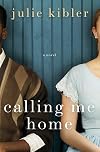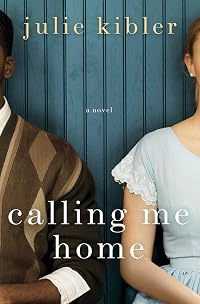
Calling Me Home
by Julie Kibler
On This Page
Description
A soaring debut interweaving the story of a heartbreaking, forbidden love in 1930s Kentucky with an unlikely modern-day friendshipEighty-nine-year-old Isabelle McAllister has a favor to ask her hairdresser, Dorrie Curtis. It's a big one. Isabelle wants Dorrie, a black single mother in her thirties, to drop everything and drive her from her home in Arlington, Texas, to a funeral in Cincinnati—with no clear explanation why—tomorrow. Dorrie, fleeing problems of her own and curious whether show more she can unlock the secrets of Isabelle's guarded past, scarcely hesitates before agreeing, not knowing it will be a journey that changes both their lives.
Over the years, Dorrie and Isabelle have developed more than just a business relationship: they are friends. But Dorrie, fretting over the new man in her life and her teenage son's irresponsible choices, still wonders why Isabelle chose her. Isabelle confesses that, as a willful teen in 1930s Kentucky, she fell deeply in love with Robert Prewitt, a would-be doctor and the black son of her family's housekeeper—in a town where blacks weren't allowed after dark. The tale of their forbidden relationship and its tragic consequences makes it clear Dorrie and Isabelle are headed for a gathering of the utmost importance and that the history of Isabelle's first and greatest love just might help Dorrie find her own way.
. show less
Tags
Recommendations











Member Reviews
I absolutely loved this book about Isabelle - a nearly 90 year old white woman - and her friend, Dorrie - a 36 year old black woman, making a trip from Texas to Ohio for a funeral. Along the way, Isabelle tells Dorrie the story of the love of her life, Robert Prewitt, and Dorrie shares her life issues with Isabelle. Sadly, because Isabelle was white, and Robert was black, their love was forbidden. This is a story of heartbreak and love. It is beautifully handled by the author, and in her acknowledgements, she asks us to do better: “It’s up to you to be the change.”
In a world with so much racial division, this book reminds us that love is love, and it doesn’t care about the color of skin. If it weren’t for prejudice, Robert and show more Isabelle would have been free to love openly and without fear. Hopefully, one day, everyone will be able to love who they love without fear or hatred infringing upon that love. We still have a long way to go to make this a reality, but perhaps with books like this one, we can make a start.
#CallingMeHome #JulieKibler show less
In a world with so much racial division, this book reminds us that love is love, and it doesn’t care about the color of skin. If it weren’t for prejudice, Robert and show more Isabelle would have been free to love openly and without fear. Hopefully, one day, everyone will be able to love who they love without fear or hatred infringing upon that love. We still have a long way to go to make this a reality, but perhaps with books like this one, we can make a start.
#CallingMeHome #JulieKibler show less
This is a beautifully written book about two women facing a journey that will change their lives. 89-year-old Isabelle asks Dorrie, a single mother, to drive her to Cincinnati for a funeral. Along the way Isabelle shares her story of forbidden love in 1930's Kentucky. As a 17-year-old, Isabelle falls in love with the black son of her housekeeper. At this time, this was not acceptable and Isabelle and Robert faced insurmountable challenges. Dorrie is facing her own challenges as a single mother and through hearing Isabelle's story she realizes what is truly important. Isabelle and Dorrie form a bond so strong in spite of their age difference and the color of their skin. They are two women who love and need each other. This book grabbed show more me from the beginning and didn't let go. show less
4.5 but I’m rounding up to 5
Part 'Driving Miss Daisy' and part 'The Help', the story begins when Miss Isabelle, a nearly 90 year old white woman, asks Dorrie, her 30-something black hairdresser, to drive her to a funeral in Cincinnatti. Tomorrow. I listened to this on audio and the narrators brought the book to life. I laughed and I cried as I became totally invested in this story about love, friendship, family, and race relations.
Told in alternating POV, we’re transported back to the early 1930s/early 40s as Miss Isabelle slowly reveals her story of forbidden love when, as a young girl, she falls in love with the black son of her housekeeper. The current day story builds upon the friendship Miss Isabella and Dorrie already enjoy. show more As a single mom, Dorrie has problems of her own, which she shares with Isabelle.
Their friendship is sweet and funny, and the journey changes both of them. Usually when a book changes POV between past and present I end up preferring one over the other. But with this book, I found both stories gripping and loved both characters. There is a mystery and just when you think you’ve figured it out, you find out you’re wrong. The ending delivers an emotional punch and a week later I find myself still thinking about the book. Highly recommended! show less
Part 'Driving Miss Daisy' and part 'The Help', the story begins when Miss Isabelle, a nearly 90 year old white woman, asks Dorrie, her 30-something black hairdresser, to drive her to a funeral in Cincinnatti. Tomorrow. I listened to this on audio and the narrators brought the book to life. I laughed and I cried as I became totally invested in this story about love, friendship, family, and race relations.
Told in alternating POV, we’re transported back to the early 1930s/early 40s as Miss Isabelle slowly reveals her story of forbidden love when, as a young girl, she falls in love with the black son of her housekeeper. The current day story builds upon the friendship Miss Isabella and Dorrie already enjoy. show more As a single mom, Dorrie has problems of her own, which she shares with Isabelle.
Their friendship is sweet and funny, and the journey changes both of them. Usually when a book changes POV between past and present I end up preferring one over the other. But with this book, I found both stories gripping and loved both characters. There is a mystery and just when you think you’ve figured it out, you find out you’re wrong. The ending delivers an emotional punch and a week later I find myself still thinking about the book. Highly recommended! show less
Calling Me Home, and more specifically Isabelle’s story, will break a reader’s heart. Told in flashbacks, it is a story that weaves its way inside a reader, entangling one’s heart with its apparent simplicity. By the time the first shocking twist occurs, the reader is lost to her story of love, loss, betrayal, and ultimately of hope.
Isabelle is a fascinating character. As an elderly lady heading towards her past, she is feisty, determined, and refreshingly open and honest. In the flashbacks, as a young girl, she is spoiled and very naïve. Her actions initially cross the boundary between foolish and just ignorantly, and dangerously, selfish. However, as she faces things no teenager should face and proves that she is mentally and show more physically stronger than she initially appears, glimpses of her future self break through her façade. By the time her past catches up to her present, there is no doubt that Isabelle is a character for the ages – modern, open-minded, and tough beyond reason.
Dorrie is Isabelle’s counterpoint and subsequently not as interesting. Whereas Isabelle made some tough decisions and stood by them no matter what the consequences, thereby earning a reader’s everlasting respect, Dorrie’s own reflections on her past and questions about her future pale in comparison. It is not a fault of her character but rather a testament to Isabelle’s fascinating story that makes a reader want to skim through her scenes and hurry back to Isabelle’s tale.
Those familiar with the route Dorrie and Isabelle take from Texas to Cincinnati will enjoy the references to famous, and not-so-famous, spots. Similarly, Isabelle’s childhood in Northern Kentucky will resonate with residents of the area, as Ms. Kibler perfectly captures the area’s heartbeat. Having spent the last seven years in this area and having made the same drive multiple times, her descriptions tickled me pink with their familiarity.
That being said, some of the situations in which Dorrie and Isabelle find themselves as they travel north were bothersome. Perhaps it is an innate naiveté, but the amount of bias they receive as two women with different skin colors traveling together was as surprising as it was upsetting. Surprise at their age difference was understandable, but the prejudice they experience is more difficult to accept. This is the only aspect of the story that feels false, almost forced, as it is an attempt to confirm that race relations have not really changed since Isabelle was a young girl.
If Calling Me Home is any indication, Julie Kibler is going to become a very popular author. Her debut novel has all of the features of a fascinating and successful novel – unrequited love, drama, tension, enthralling characters, and a tightly-woven story that charms and captivates. She touches on the timeless issue of race relations and wraps them around one of the most beautiful, authentic, and painful love stories in quite some time. It is, quite simply, a stunning debut. show less
Isabelle is a fascinating character. As an elderly lady heading towards her past, she is feisty, determined, and refreshingly open and honest. In the flashbacks, as a young girl, she is spoiled and very naïve. Her actions initially cross the boundary between foolish and just ignorantly, and dangerously, selfish. However, as she faces things no teenager should face and proves that she is mentally and show more physically stronger than she initially appears, glimpses of her future self break through her façade. By the time her past catches up to her present, there is no doubt that Isabelle is a character for the ages – modern, open-minded, and tough beyond reason.
Dorrie is Isabelle’s counterpoint and subsequently not as interesting. Whereas Isabelle made some tough decisions and stood by them no matter what the consequences, thereby earning a reader’s everlasting respect, Dorrie’s own reflections on her past and questions about her future pale in comparison. It is not a fault of her character but rather a testament to Isabelle’s fascinating story that makes a reader want to skim through her scenes and hurry back to Isabelle’s tale.
Those familiar with the route Dorrie and Isabelle take from Texas to Cincinnati will enjoy the references to famous, and not-so-famous, spots. Similarly, Isabelle’s childhood in Northern Kentucky will resonate with residents of the area, as Ms. Kibler perfectly captures the area’s heartbeat. Having spent the last seven years in this area and having made the same drive multiple times, her descriptions tickled me pink with their familiarity.
That being said, some of the situations in which Dorrie and Isabelle find themselves as they travel north were bothersome. Perhaps it is an innate naiveté, but the amount of bias they receive as two women with different skin colors traveling together was as surprising as it was upsetting. Surprise at their age difference was understandable, but the prejudice they experience is more difficult to accept. This is the only aspect of the story that feels false, almost forced, as it is an attempt to confirm that race relations have not really changed since Isabelle was a young girl.
If Calling Me Home is any indication, Julie Kibler is going to become a very popular author. Her debut novel has all of the features of a fascinating and successful novel – unrequited love, drama, tension, enthralling characters, and a tightly-woven story that charms and captivates. She touches on the timeless issue of race relations and wraps them around one of the most beautiful, authentic, and painful love stories in quite some time. It is, quite simply, a stunning debut. show less
A poignant, debut novel – a winner out of the gate, filled with careful description and woven skillfully! A vivid, engaging first book with strong characters, dramatic storytelling, which should establish Julie Kibler as a strong novelist. She most definitely possesses a gift of telling a tragic story, in an entertaining way with an inspiring takeaway of friendship and love. (She has just been added to my favorite author list, and so look forward to following this author)!
A complex and compelling portrait of the painful intricacies of love, loyalty, discrimination, and racial tensions. An insightful story of two women caught between their hearts, families, and their future.
Calling Me Home is no ordinary love story; however, a book show more of astonishing precision from past to present, from one younger black woman and an older white woman; raw, painful, beautiful feelings told in honesty, unfolding precisely and eloquently, during this long road trip between friends of two different eras and color.
The real magic of the book was the subject matter of two families (black/white) trying to survive in an era in which men and women found themselves bound by strict constraints, dictated by society and ignorance. A heart felt story and forbidden love of two people –fighting for a life they so deserve – a fearless, heart wrenching story about the power of true love and friendship.
There was much depth and power to this relationship between Robert/Isabelle; a timeless love derailed by others, secrets, and an era which did not accept this sort of relationship between a man and woman. A complex tapestry of lives intertwined, a compassionate story of those who are destroyed by love by secrets and betrayal.
There is warmth and love, even with such painful subjects, as the bond these two women share, not bound by blood, but by a friendship which changes Dottie’s life and her future, is remarkable – a portrait of resilience told with clarity and painful precision, probing the dark history of Isabelle’s past with a few surprises readers will love before it ends, making you smile.
An emotionally charged, absorbing novel about friends, lovers, secrets, and families. Kibler’s sensitive and gripping examination of a family’s past is engaging from the beginning and gets better with every chapter, with unforgettable characters. Eloquently told and making it more special, the author’s insight into the subject matter from her family’s history. A powerful and memorable story you will not soon forget. Ideal for book clubs and discussions - A winner!! show less
A complex and compelling portrait of the painful intricacies of love, loyalty, discrimination, and racial tensions. An insightful story of two women caught between their hearts, families, and their future.
Calling Me Home is no ordinary love story; however, a book show more of astonishing precision from past to present, from one younger black woman and an older white woman; raw, painful, beautiful feelings told in honesty, unfolding precisely and eloquently, during this long road trip between friends of two different eras and color.
The real magic of the book was the subject matter of two families (black/white) trying to survive in an era in which men and women found themselves bound by strict constraints, dictated by society and ignorance. A heart felt story and forbidden love of two people –fighting for a life they so deserve – a fearless, heart wrenching story about the power of true love and friendship.
There was much depth and power to this relationship between Robert/Isabelle; a timeless love derailed by others, secrets, and an era which did not accept this sort of relationship between a man and woman. A complex tapestry of lives intertwined, a compassionate story of those who are destroyed by love by secrets and betrayal.
There is warmth and love, even with such painful subjects, as the bond these two women share, not bound by blood, but by a friendship which changes Dottie’s life and her future, is remarkable – a portrait of resilience told with clarity and painful precision, probing the dark history of Isabelle’s past with a few surprises readers will love before it ends, making you smile.
An emotionally charged, absorbing novel about friends, lovers, secrets, and families. Kibler’s sensitive and gripping examination of a family’s past is engaging from the beginning and gets better with every chapter, with unforgettable characters. Eloquently told and making it more special, the author’s insight into the subject matter from her family’s history. A powerful and memorable story you will not soon forget. Ideal for book clubs and discussions - A winner!! show less
Dorrie Curtis is a divorced, single-mom, small-business owner and a strong, Black woman. She's dealt with a lot of disappointment in her life but is striving to be better and do better, so that she can provide for her family. She's also struggling with her "relationship" with Teague, as she's never dealt with a strong, reliable, responsible and loving man before. Over the past ten years she's built a relationship that has gone way beyond hairdresser and customer with Ms. Isabelle. When Ms. Isabelle asks her to take time away from her business and family to drive her to Ohio for a funeral, Dorrie briefly hesitates but realizes this is no small request and agrees.
Isabelle McAllister is an elderly widow and the epitome of a strong White show more woman. She was raised in Kentucky in the 1920s and 1930s with a different mentality and approach toward minorities. Unfortunately she didn't share those opinions. One of her childhood friends was Nell, the daughter of their family's housekeeper/cook, Cora Prewitt. As a teenager, Nell became the family's maid and the continuing friendship was frowned upon. And if a friendship with the maid was frowned upon, then a friendship with the maid's brother Robert was downright dangerous. Yet Isabelle throws caution to the wind and discovers she has more in common with Robert than with any of the boys her parents consider eligible beaus. In a time when a Black man could be lynched just for looking at a White woman the wrong way, allowing a friendship to develop into a romance was potentially lethal, at least for Robert. Robert and Isabelle runaway from Kentucky to Cincinnati, Ohio where it is legal for a Black man and White woman to marry and they do just that . . . marry. Their happiness as a married couple is short-lived as Isabelle's father and brothers track them down and force Isabelle to return to Kentucky. Her marriage is annulled as she's underage and she is literally made a prisoner by her family. After her confinement, she once again runs away, eventually meets another man, remarries and has a family. But she's never able to leave behind the memories of her first love, her first marriage, and the impact it had on her and the entire Prewitt family
Dorrie and Ms. Isabelle have stories that are told in alternating chapters. Not only do the chapters alternate between Dorrie and Ms. Isabelle, but they alternate between past and present. Ms. Isabelle reveals her past during the long drive between Texas and Ohio and oh what a past. Calling Me Home is more than a story about prejudice and race relations, it is a story about hope and love. Ms. Isabelle had a great love with Robert Prewitt even though it was at a time when society frowned upon a White woman marrying a Black man. Over the years Ms. Isabelle had been forced to give up so much, but she's realizing that she also has much with her friendship with Dorrie. Dorrie is also realizing that although her life has been rough and she's had to deal with more in-your-face racism and prejudice that she's not dealt with anything as harshly as Ms. Isabelle's life. These women unexpectedly become not only friends but family with Ms. Isabelle considering Dorrie the equivalent of a daughter or granddaughter and Dorrie considering Ms. Isabelle the mother or grandmother she's always wanted but never had. Ms. Kibler has created characters that touch the heart, trite but true. One can only feel empathy toward Isabelle as a young woman struggling against society and her family and hoping that love will conquer all. It isn't possible to read about Dorrie and her son's dilemma and not see that it reflects Ms. Isabelle's life story. Both Dorrie and Ms. Isabelle initially come across as somewhat cantankerous women, but that's only a shield they both use to protect themselves. The drama and sorrow of this story seem to culminate with the funeral in Ohio. It is a huge surprise and one that seems to present some resolution to past hurts. I loved reading Calling Me Home so much that I've read it twice now in the past two months. You may ignore any other recommendation I give but don't ignore this one: read this book! show less
Isabelle McAllister is an elderly widow and the epitome of a strong White show more woman. She was raised in Kentucky in the 1920s and 1930s with a different mentality and approach toward minorities. Unfortunately she didn't share those opinions. One of her childhood friends was Nell, the daughter of their family's housekeeper/cook, Cora Prewitt. As a teenager, Nell became the family's maid and the continuing friendship was frowned upon. And if a friendship with the maid was frowned upon, then a friendship with the maid's brother Robert was downright dangerous. Yet Isabelle throws caution to the wind and discovers she has more in common with Robert than with any of the boys her parents consider eligible beaus. In a time when a Black man could be lynched just for looking at a White woman the wrong way, allowing a friendship to develop into a romance was potentially lethal, at least for Robert. Robert and Isabelle runaway from Kentucky to Cincinnati, Ohio where it is legal for a Black man and White woman to marry and they do just that . . . marry. Their happiness as a married couple is short-lived as Isabelle's father and brothers track them down and force Isabelle to return to Kentucky. Her marriage is annulled as she's underage and she is literally made a prisoner by her family. After her confinement, she once again runs away, eventually meets another man, remarries and has a family. But she's never able to leave behind the memories of her first love, her first marriage, and the impact it had on her and the entire Prewitt family
Dorrie and Ms. Isabelle have stories that are told in alternating chapters. Not only do the chapters alternate between Dorrie and Ms. Isabelle, but they alternate between past and present. Ms. Isabelle reveals her past during the long drive between Texas and Ohio and oh what a past. Calling Me Home is more than a story about prejudice and race relations, it is a story about hope and love. Ms. Isabelle had a great love with Robert Prewitt even though it was at a time when society frowned upon a White woman marrying a Black man. Over the years Ms. Isabelle had been forced to give up so much, but she's realizing that she also has much with her friendship with Dorrie. Dorrie is also realizing that although her life has been rough and she's had to deal with more in-your-face racism and prejudice that she's not dealt with anything as harshly as Ms. Isabelle's life. These women unexpectedly become not only friends but family with Ms. Isabelle considering Dorrie the equivalent of a daughter or granddaughter and Dorrie considering Ms. Isabelle the mother or grandmother she's always wanted but never had. Ms. Kibler has created characters that touch the heart, trite but true. One can only feel empathy toward Isabelle as a young woman struggling against society and her family and hoping that love will conquer all. It isn't possible to read about Dorrie and her son's dilemma and not see that it reflects Ms. Isabelle's life story. Both Dorrie and Ms. Isabelle initially come across as somewhat cantankerous women, but that's only a shield they both use to protect themselves. The drama and sorrow of this story seem to culminate with the funeral in Ohio. It is a huge surprise and one that seems to present some resolution to past hurts. I loved reading Calling Me Home so much that I've read it twice now in the past two months. You may ignore any other recommendation I give but don't ignore this one: read this book! show less
I started "Calling Me Home" yesterday and couldn't put it down until I finished it. It is a touching, beautifully written book about forbidden love, true friendship, family dynamics, racism, courage and forgiveness. The present and past are cleverly interwoven by the alternating narratives of the two main characters - Isabelle and Dorrie.
Despite their different skin colour and 53 year age difference, the two women become unlikely friends. It is whilst on a road trip that they share their stories. Dorrie's is in the present, but Isabelle's story starts in Kentucky, 1939, when at 16 she falls madly in love with a negro boy, Robert. Through flashbacks, together both Dorrie and the reader learn about Isablle's tragic past.
I loved the show more characters in this book. Whilst I found sixteen year old Isabelle to be rather naive, spoilt and wilful, her story is absolutely heart-breaking. However, it is the older Isabelle that I really liked. At nearly ninety, she is stubborn, refreshingly opinionated, but at the same time wiser. Dorrie's story is less compelling, but she is still a wonderful character and her story parallels Isabelle's as she faces problems of her own.
I couldn't believe this was the author's debut novel. It is an incredible first story, one that had me smiling and in tears. Although some parts were a bit unrealistic, I still absolutely loved it and it is now one of my favourite reads. I just hope Ms Kibler has may more stories to tell. show less
Despite their different skin colour and 53 year age difference, the two women become unlikely friends. It is whilst on a road trip that they share their stories. Dorrie's is in the present, but Isabelle's story starts in Kentucky, 1939, when at 16 she falls madly in love with a negro boy, Robert. Through flashbacks, together both Dorrie and the reader learn about Isablle's tragic past.
I loved the show more characters in this book. Whilst I found sixteen year old Isabelle to be rather naive, spoilt and wilful, her story is absolutely heart-breaking. However, it is the older Isabelle that I really liked. At nearly ninety, she is stubborn, refreshingly opinionated, but at the same time wiser. Dorrie's story is less compelling, but she is still a wonderful character and her story parallels Isabelle's as she faces problems of her own.
I couldn't believe this was the author's debut novel. It is an incredible first story, one that had me smiling and in tears. Although some parts were a bit unrealistic, I still absolutely loved it and it is now one of my favourite reads. I just hope Ms Kibler has may more stories to tell. show less
Members
- Recently Added By
Lists

I Could Live There
185 works; 12 members
Author Information

5 Works 1,079 Members
Julie Kibler grew up in several towns in Kentucky, New Mexico, and Colorado. She later moved to Texas to attend college. Aside from writing she also works as a freelance editor. Her book title's include "Home for Erring and Outcast Girls" and "Calling Me Home". (Bowker Author Biography)
Some Editions
Common Knowledge
- Canonical title
- Calling Me Home
- Original title
- Calling me Home
- Original publication date
- 2013
- People/Characters
- Isabelle McAllister Thomas; Dorrie Mae Curtis; Nell Prewitt; Cora Prewitt; Robert S. J. Prewitt; Reverend Jasper Day (show all 25); Mrs. Sarah Day; Mr. Bartel; Charlotte; Max Thomas; Rosemary Clincke; Stevie Curtis (Stevie Junior); Bebe Curtis; Teague; Patrick McAllister; Jack McAllister; Dr. John McAllister; Marg McAllister; Aunt Bertie; Pearl Prewitt; Dane Thomas; Brother James; Alfred; Sallie Ames; Felicia
- Important places
- Arlington, Texas, USA; Cincinnati, Ohio, USA; Shalerville, Kentucky
- Epigraph
- Maar alles wat verloren is wordt door de engelen bewaard
liefste
Het verleden is niet dood voor ons maar slechts in slaap
liefste
Het kleine aardse verdriet zal in de hemel
snel vergeten zijn
want daar begin... (show all)nen jij en ik opnieuw
in onze kindertijd
Uit het gedicht 'At Last' van Helen Hunt Jackson
But all lost things are in the angels keeping love, no past is dead for us, but only sleeping, love, The years of heaven will all earth's little pain make good, together there we can begin again, in babyhood. From Helen Hunt... (show all) Jackson's Poem - "At Last" - Dedication
- Voor oma, voor gemiste kansen
For Grandma, for what might have been - First words
- Toen ik Dorrie leerde kennen, een jaar of tien geleden, deed ik heel onaardig tegen haar.
I acted hateful to Dorrie the 1st time we met, a decade or so ago. - Last words
- (Click to show. Warning: May contain spoilers.)Ditmaal droeg ze een feestjurk.
(Click to show. Warning: May contain spoilers.)This time, she wore a celebration dress. - Blurbers
- Cash, Wiley; Delinsky, Barbara; Chamberlain, Diane; Jio, Sarah; Henry, Patti Callahan; Dilloway, Margaret (show all 7); Brice, Carleen
Classifications
Statistics
- Members
- 847
- Popularity
- 32,236
- Reviews
- 81
- Rating
- (4.13)
- Languages
- 10 — Danish, Dutch, English, Finnish, French, German, Italian, Norwegian (Bokmål), Norwegian, Spanish
- Media
- Paper, Audiobook, Ebook
- ISBNs
- 38
- ASINs
- 6