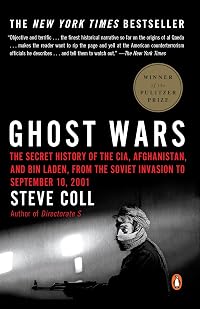
Ghost Wars: The Secret History of the CIA, Afghanistan, and Bin Laden, from the Soviet Invasion to September 10, 2001
by Steve Coll
On This Page
Description
Winner of the 2005 Pulitzer Prize“The CIA itself would be hard put to beat his grasp of global events . . . Deeply satisfying.” —The New York Review of Books
From the award-winning and bestselling author of Directorate S, the explosive first-hand account of America's secret history in Afghanistan.
To what extent did America’s best intelligence analysts grasp the rising thread of Islamist radicalism? Who tried to stop bin Laden and why did they fail? Comprehensively and for the first show more time, Pulitzer Prize-winning journalist Steve Coll recounts the history of the covert wars in Afghanistan that fueled Islamic militancy and sowed the seeds of the September 11 attacks. Based on scrupulous research and firsthand accounts by key government, intelligence, and military personnel both foreign and American, Ghost Wars details the secret history of the CIA’s role in Afghanistan (including its covert operations against Soviet troops from 1979 to 1989), the rise of the Taliban, the emergence of bin Laden, and the failed efforts by U.S. forces to find and assassinate bin Laden in Afghanistan. show less
Tags
Recommendations
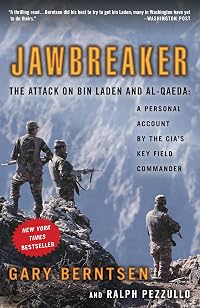
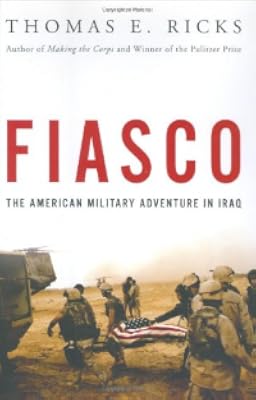
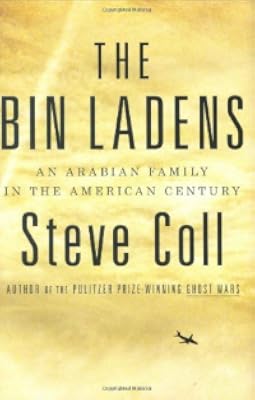
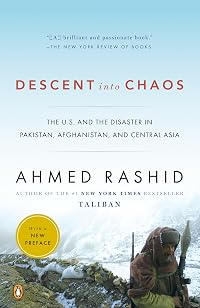
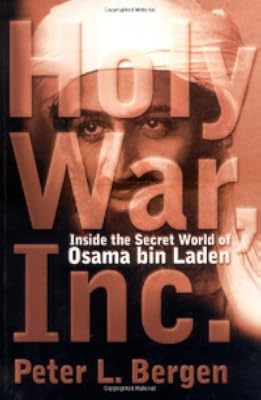

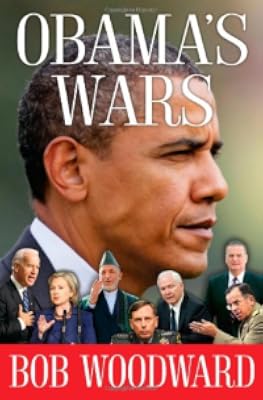
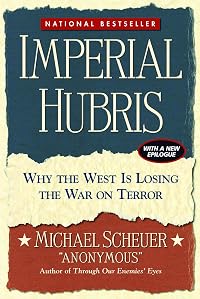
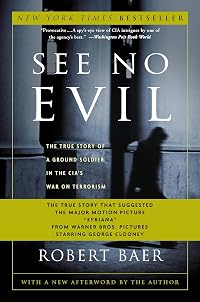
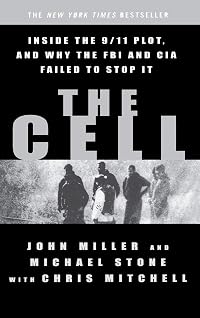
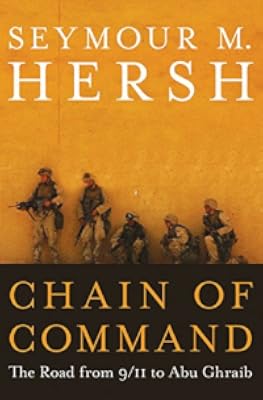
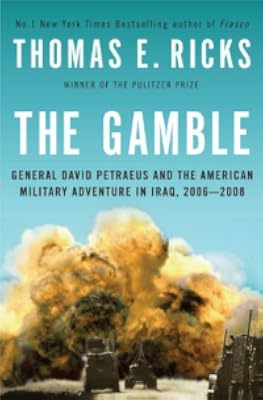
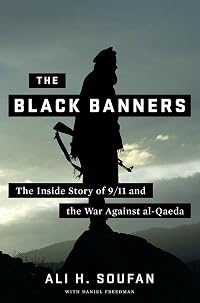
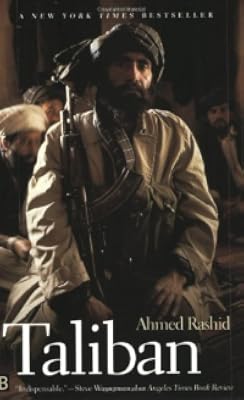


Member Recommendations
AmourFou Covers similar territory but is not redundant. Wright quotes Coll's book frequently.
Member Reviews
This excellent chronicling of the CIA's involvement in Afghanistan from the Soviet invasion through September 10, 2001 is a valuable contribution to understanding the history of our interactions with Islamic Fundamentalists and perhaps more importantly, how and why they came to direct their jihad against the U.S.
The 2005 Pulitzer Prize was given to the author for his careful research which included over two hundred interviews, as well as information from the 9/11 Report.
Mostly it is a book about missed opportunities, owing, as Coll suggests, to "indifference, lassitude, blindness, paralysis, and commercial greed" that shaped America's foreign policy in Afghanistan and South Asia. In spite of acute awareness of the threat of Islamic show more fundamentalism, both Bush administrations and in between them, Clinton's, continued to dither: intrabureaucratic disagreements over turfs and strategies, legal concerns, fear of another Desert One disaster, and deference to Pakistan and Saudi Arabia kept their hands tied. Washington was unwilling to threaten its supply of Saudi oil, nor did it want to jeopardize its influence on nuclear stability by angering Pakistan over terrorism. (Pakistan felt it needed jihadist fighters - trained obligingly by bin Laden - to tie down India's army in Kashmir.)
Tragically, Washington also declined to give more than token support to Ahmed Shah Massoud - known as "Lion of the Panjshir" - the Tajik guerilla leader in Afghanistan fighting the Taliban and al Qaeda who was assassinated by emissaries of bin Laden on September 9, 2001.
As the CIA's threat reporting about bin Laden surged during the spring of 2001, the Bush administration continued to defer action. On September 4, the Bush Cabinet approved a draft of a plan to step up aid to Massoud and to continue to monitor bin Laden with the "stated goal" of eliminating bin Laden and al Qaeda. Funding, however, was not discussed. On September 10, another meeting was called to finalize the "new" policies toward Afghanistan and Pakistan, policies that did not depart in any marked way from those of the Clinton years. The group decided to start with the diplomatic route, urging Mullah Omar to "expel" bin Laden - a strategy that had been tried repeatedly in the past to no avail.
Coll's story ends on this day, not in the U.S. but in Pakistan, where Hamid Karzai was preparing to flee for his life. His brother reached him with the news that Ahmed Shah Massoud was dead. "Hamid Karzai reacted in a single, brief sentence, as his brother recalled it: 'What an unlucky country.'" Unlucky indeed.
(JAF)
To my wife's excellent review, I would add that the book is not just about the CIA's activities before 9-11 [(or that, see "Legacy of Ashes"), but rather about the policies of the entire U.S. government toward Afghanistan, beginning with the Soviet invasion.
Importantly, it shows how difficult it is to deal with Islamic regimes - particularly Saudi Arabia and Pakistan - when it comes to our efforts to capture or in some way disable an Islamic enemy of the U.S. No matter how dangerous and downright evil Osama bin Ladin appears to Americans, he just doesn't look that bad to Muslims like the Saudi royal family or Pakistan's ISI. Thus, we get at most begrudging cooperation from each Islamic "ally," if not actual sabotaging of our efforts.
(JAB) show less
The 2005 Pulitzer Prize was given to the author for his careful research which included over two hundred interviews, as well as information from the 9/11 Report.
Mostly it is a book about missed opportunities, owing, as Coll suggests, to "indifference, lassitude, blindness, paralysis, and commercial greed" that shaped America's foreign policy in Afghanistan and South Asia. In spite of acute awareness of the threat of Islamic show more fundamentalism, both Bush administrations and in between them, Clinton's, continued to dither: intrabureaucratic disagreements over turfs and strategies, legal concerns, fear of another Desert One disaster, and deference to Pakistan and Saudi Arabia kept their hands tied. Washington was unwilling to threaten its supply of Saudi oil, nor did it want to jeopardize its influence on nuclear stability by angering Pakistan over terrorism. (Pakistan felt it needed jihadist fighters - trained obligingly by bin Laden - to tie down India's army in Kashmir.)
Tragically, Washington also declined to give more than token support to Ahmed Shah Massoud - known as "Lion of the Panjshir" - the Tajik guerilla leader in Afghanistan fighting the Taliban and al Qaeda who was assassinated by emissaries of bin Laden on September 9, 2001.
As the CIA's threat reporting about bin Laden surged during the spring of 2001, the Bush administration continued to defer action. On September 4, the Bush Cabinet approved a draft of a plan to step up aid to Massoud and to continue to monitor bin Laden with the "stated goal" of eliminating bin Laden and al Qaeda. Funding, however, was not discussed. On September 10, another meeting was called to finalize the "new" policies toward Afghanistan and Pakistan, policies that did not depart in any marked way from those of the Clinton years. The group decided to start with the diplomatic route, urging Mullah Omar to "expel" bin Laden - a strategy that had been tried repeatedly in the past to no avail.
Coll's story ends on this day, not in the U.S. but in Pakistan, where Hamid Karzai was preparing to flee for his life. His brother reached him with the news that Ahmed Shah Massoud was dead. "Hamid Karzai reacted in a single, brief sentence, as his brother recalled it: 'What an unlucky country.'" Unlucky indeed.
(JAF)
To my wife's excellent review, I would add that the book is not just about the CIA's activities before 9-11 [(or that, see "Legacy of Ashes"), but rather about the policies of the entire U.S. government toward Afghanistan, beginning with the Soviet invasion.
Importantly, it shows how difficult it is to deal with Islamic regimes - particularly Saudi Arabia and Pakistan - when it comes to our efforts to capture or in some way disable an Islamic enemy of the U.S. No matter how dangerous and downright evil Osama bin Ladin appears to Americans, he just doesn't look that bad to Muslims like the Saudi royal family or Pakistan's ISI. Thus, we get at most begrudging cooperation from each Islamic "ally," if not actual sabotaging of our efforts.
(JAB) show less
Essential, bloody, real and tragic.
One important underlying issue is what this means for the future, because there are similarities between the inflation of the Afghan government with western cash and the situation in South Vietnam during the 1960s and early 1970s. Does an Afghan security force left to fend for itself go the way of the South Vietnamese military after "Vietnamisation"? Before you say you don't care, ask the family of every casualty in Afghanistan what their sacrifice was for.
The CIA has been doing this stuff for a long time. In fact, when Afghans were fist trying to rid themselves of the Taliban, (even today roughly 7% want them), the US had helped them with money, and paid Massoud to do it. Finally, AQ helped the show more Taliban assassinate Massoud, on 2001. Even now, I suppose, Karzai needs a bit of money to do things. The Trumptards shell out a lot more to Palestinians.
The West had a strange fascination for 20th century Afghanistan. This small, poor but unbelievably robust country became a symbol for foreign misadventure, mistakes, misguided policy and misplaced ambition. The sun never began to set on the Portuguese Empire here, like it did in Macau, Mozambique, Angola, Brasil, São Tomé and Príncipe, East Timor, Cape Verde, Guinea-Bissau, etc.; in Afghanistan the mighty Red Soviet Bear got trapped in the mountains, and the American eagle got its wings clipped. This astonishing account of these invasions, resistances, shadowy leaders and chess moves fully deserves its Pulitzer Prize. As well as a thorough, analytical military and political history, it's also something of a page turning thriller. There are CIA agents handing over briefcases of dollars in desert tents, disappearing American missiles, secret exchanges and coded messages. This is an essential read for anyone with an interest in foreign policy, the misery of modern realpolitik and the tragedies of war itself. There's the blood of many nations in these pages.
More than one article I've read online has observed that the West's obsession with it, dates back to Britain's pre-eminent geostrategist of the late 19th century Halford Mckinder who called Afghanistan 'the hinge of the earth' and that whoever controlled the hinge, controlled the world. He also called that area the Heartland, or the pivot, and is considered the father of geostrategy and geopolitics.
As this books amply shows, early conquerors, monarchs, republics couldn't govern without the "world's second oldest profession". show less
One important underlying issue is what this means for the future, because there are similarities between the inflation of the Afghan government with western cash and the situation in South Vietnam during the 1960s and early 1970s. Does an Afghan security force left to fend for itself go the way of the South Vietnamese military after "Vietnamisation"? Before you say you don't care, ask the family of every casualty in Afghanistan what their sacrifice was for.
The CIA has been doing this stuff for a long time. In fact, when Afghans were fist trying to rid themselves of the Taliban, (even today roughly 7% want them), the US had helped them with money, and paid Massoud to do it. Finally, AQ helped the show more Taliban assassinate Massoud, on 2001. Even now, I suppose, Karzai needs a bit of money to do things. The Trumptards shell out a lot more to Palestinians.
The West had a strange fascination for 20th century Afghanistan. This small, poor but unbelievably robust country became a symbol for foreign misadventure, mistakes, misguided policy and misplaced ambition. The sun never began to set on the Portuguese Empire here, like it did in Macau, Mozambique, Angola, Brasil, São Tomé and Príncipe, East Timor, Cape Verde, Guinea-Bissau, etc.; in Afghanistan the mighty Red Soviet Bear got trapped in the mountains, and the American eagle got its wings clipped. This astonishing account of these invasions, resistances, shadowy leaders and chess moves fully deserves its Pulitzer Prize. As well as a thorough, analytical military and political history, it's also something of a page turning thriller. There are CIA agents handing over briefcases of dollars in desert tents, disappearing American missiles, secret exchanges and coded messages. This is an essential read for anyone with an interest in foreign policy, the misery of modern realpolitik and the tragedies of war itself. There's the blood of many nations in these pages.
More than one article I've read online has observed that the West's obsession with it, dates back to Britain's pre-eminent geostrategist of the late 19th century Halford Mckinder who called Afghanistan 'the hinge of the earth' and that whoever controlled the hinge, controlled the world. He also called that area the Heartland, or the pivot, and is considered the father of geostrategy and geopolitics.
As this books amply shows, early conquerors, monarchs, republics couldn't govern without the "world's second oldest profession". show less
This is an outstanding account of American policy towards Afghanistan from about 1977 till September 2001 and more specifically about CIA operations within that country and aimed at dealing with the international Jihadists it spawned. Probably the best book of its kind that I have read as the policy debates and decision-making process in the States is well-covered. One wishes that similiarly exhaustive accounts could be formulated of the decision-making processes in Islamabad and Riyadh (and possibly even Kandahar). If bureaucratic inertia played a large part in stimmying a re-evaluation of policy in Washington, did something similar happen elsewhere?
There are hints of this and other policy debates and arguements in Steve Coll's show more account, but are not well-fleshed out. (Also it must be remebered that sometimes these accounts come from self-serving sources - for example, it escapes me why western reporters base so much of their accounts of politics in Pakistan on the accounts of Mushahid Hussain - an oppurtunistic politician par excellence. Steve Coll quotes him here variously as an aide of Benazir Bhutto, a minister in Nawaz Sharif's government and as a journalist. I recall Adrian Levy and Catherine Scott-Clark had done something similar in excellent book on the Paksitani nuclear programme, 'Deception'.) To what extent were the tensions between army chief Gen Musharraf and Nawaz Sharif the result of differing views on Taliban/UBL policy? Owen-Benett Jones in his book on Pakistan seems to have thought it was a significant factor in the tensions that led to the coup. Steve Coll is dismissive of Nawaz Sharif's offer to create a Pakistan commando team to snatch Bin Laden, buying into the Musharraf govt's line that it was an eyewash and simply meant to create a kind of Praetorian bodyguard for Sharif independent of the army chain of command. One wonders then why when Sharif decided to take the risky step of dismissing Musharaf as the head of the army, his body guard contingent was deployed at a forward base on the border with Afghanistan instead of stationed in Islamabad to protect the PM? Certainly by all accounts the ISI's use of UBL's jihadist training camps to shelter Pakistani militants responsible for sectarian assasinations in Pakistan was a concern for Sharif (see Hassan Abbas' Pakistan's Drift Into Extremism' for more details of the Sharif govts dispute with the ISI over the activties of Jihadists in Pakistan).
Anyway, this isn't a criticism of Coll's work as such, which is fairly exhaustive as it is. Its simply pointing out an area of our understanding which still remains nebulous and worthy of study. show less
There are hints of this and other policy debates and arguements in Steve Coll's show more account, but are not well-fleshed out. (Also it must be remebered that sometimes these accounts come from self-serving sources - for example, it escapes me why western reporters base so much of their accounts of politics in Pakistan on the accounts of Mushahid Hussain - an oppurtunistic politician par excellence. Steve Coll quotes him here variously as an aide of Benazir Bhutto, a minister in Nawaz Sharif's government and as a journalist. I recall Adrian Levy and Catherine Scott-Clark had done something similar in excellent book on the Paksitani nuclear programme, 'Deception'.) To what extent were the tensions between army chief Gen Musharraf and Nawaz Sharif the result of differing views on Taliban/UBL policy? Owen-Benett Jones in his book on Pakistan seems to have thought it was a significant factor in the tensions that led to the coup. Steve Coll is dismissive of Nawaz Sharif's offer to create a Pakistan commando team to snatch Bin Laden, buying into the Musharraf govt's line that it was an eyewash and simply meant to create a kind of Praetorian bodyguard for Sharif independent of the army chain of command. One wonders then why when Sharif decided to take the risky step of dismissing Musharaf as the head of the army, his body guard contingent was deployed at a forward base on the border with Afghanistan instead of stationed in Islamabad to protect the PM? Certainly by all accounts the ISI's use of UBL's jihadist training camps to shelter Pakistani militants responsible for sectarian assasinations in Pakistan was a concern for Sharif (see Hassan Abbas' Pakistan's Drift Into Extremism' for more details of the Sharif govts dispute with the ISI over the activties of Jihadists in Pakistan).
Anyway, this isn't a criticism of Coll's work as such, which is fairly exhaustive as it is. Its simply pointing out an area of our understanding which still remains nebulous and worthy of study. show less
Interesting and important reading even in 2017 with the basic facts leading up to 9/11 pretty well known by anyone who has devoted even modest attention to the subject. Where the book excels in my opinion is in describing just how U.S. policy is crafted at the highest levels. And it does not make for reassuring reading. Competing agencies, agendas, philosophies and personalities at the highest levels of the U.S. Government make policy really, really difficult to get right or to change. That is just the nature of our system. The big takeaway from this book is how little has changed since those years. We remain tethered to Saudi Arabia and Pakistan in a way that almost defies belief. They were both shown in this book to have had huge show more roles in the rise and success of Islamic extremism whether through support of the Taliban or the funding of ideological madhouse madrassas that generated countless volunteers for the worldwide Jihad. Neither of those salient facts have changed in 16 years. The Saudis (and others) continue to fund Wahabist thought worldwide, the Paks (ISI) still support the Taliban and the U.S. continues to pretend both are our 'allies'. They say that generals like to fight the 'last war', especially if they won. The U.S. seems to still want to fight the last war (Cold War) as a national strategy, i.e. vs. the Russians. The only war that matters in the world today is the one against the ideology of Islam, which clearly seeks to dominate the world. It's kind of like reading Mein Kampf, the Koran spells out with great clarity the plans and goals of Islam but the West prefers to bury it's collective head in the dirt and scream about 'the Russians are coming'! show less
Heavy in details of all the political incompetence, unavoidable errors, and easy-to-make mistakes that compounded in the lead up to 9/11. The similarities to what Afghanistan looks like now and the public facing policy of the current POTUS administration makes it all feel so much worse.Â
Also a really good portrayal of Massoud, but definitely biased in his favor. Author has a noticeable soft spot for the CIA.
Also a really good portrayal of Massoud, but definitely biased in his favor. Author has a noticeable soft spot for the CIA.
Mjög áhugaverð bók eftir Steve Coll en með mjöög langan titil: Ghost Wars: The Secret History of the CIA, Afghanistan, and bin Laden from the Soviet Invasion to September 10, 2001.
Titillinn segir kannski dálítið um stærð bókarinnar því hún er 712 bls. en ítarleg og í henni er starfsemi leyniþjónustu BNA, ríkisstjórnarinnar og utanríkisþjónustunnar fylgt vel eftir þegar hún reynir að beita sér með misjöfnum árangri og visku í Mið-Asíu. Fékk Pulitzer-verðlaunin 2005 og er vel að þeim komin.
Það er nokkuð magnað að fá svo góða innsýn í málefni sem hafa verið efst á baugi í fjölmiðlum á Vesturlöndum síðustu árin og ekki síst nú þegar islamskir öfgamenn beita sér jafngrimmilega show more og áberandi.
Rannsókn Colls byggir á fjölda skjala sem létt hefur verið leynd af, viðtölum við þátttakendur í leynistríðum BNA og rannsóknarskjölum þingnefnda eftir árásirnar á Tvíburaturnana. Vel skrifað og ekkert dregið af við útskýringar á forheimsku bandarískra stjórnvalda þegar þau velja frekar að styðja islamska öfgamenn gegn Sovíetherjunum í Afganistan heldur en hófsöm öfl innan afganskra ættbálka. Það er líka margvert að sjá hvað spilling innan pakistanskra valdaafla hefur verið mikil og að þar eru öfl sem unnu gagngert gegn vestrænum þjóðum. show less
Titillinn segir kannski dálítið um stærð bókarinnar því hún er 712 bls. en ítarleg og í henni er starfsemi leyniþjónustu BNA, ríkisstjórnarinnar og utanríkisþjónustunnar fylgt vel eftir þegar hún reynir að beita sér með misjöfnum árangri og visku í Mið-Asíu. Fékk Pulitzer-verðlaunin 2005 og er vel að þeim komin.
Það er nokkuð magnað að fá svo góða innsýn í málefni sem hafa verið efst á baugi í fjölmiðlum á Vesturlöndum síðustu árin og ekki síst nú þegar islamskir öfgamenn beita sér jafngrimmilega show more og áberandi.
Rannsókn Colls byggir á fjölda skjala sem létt hefur verið leynd af, viðtölum við þátttakendur í leynistríðum BNA og rannsóknarskjölum þingnefnda eftir árásirnar á Tvíburaturnana. Vel skrifað og ekkert dregið af við útskýringar á forheimsku bandarískra stjórnvalda þegar þau velja frekar að styðja islamska öfgamenn gegn Sovíetherjunum í Afganistan heldur en hófsöm öfl innan afganskra ættbálka. Það er líka margvert að sjá hvað spilling innan pakistanskra valdaafla hefur verið mikil og að þar eru öfl sem unnu gagngert gegn vestrænum þjóðum. show less
This book chronicles the rise of the jihadist movement, starting with mujahedin fighters in Afghanistan during the Soviet occupation in the 1980s. It continues with the rise of the Taliban and the influence and collaboration with bin Laden. The book ends on September 10, 2001. When reading this book you’ll find yourself continually asking why THEY didn’t listen to THOSE who were shouting warnings.
Members
- Recently Added By
Published Reviews
ThingScore 100
Coll has given us what is certainly the finest historical narrative so far on the origins of Al Qaeda in the post-Soviet rubble of Afghanistan. He has followed up that feat by threading together the complex roles played by diplomats and spies from Saudi Arabia, Pakistan and the United States into a coherent story explaining how Afghanistan became such a welcoming haven for Al Qaeda.
added by Shortride
Lists

Best Espionage (Non-Fiction)
32 works; 6 members

Radical Islam/Islamism
75 works; 6 members

Pulitzer Prize for General Non-Fiction
16 works; 3 members

BEST BOOKS TO UNDERSTAND XX CENTURY'S HISTORY
63 works; 3 members

Books recommended by Barack Obama
295 works; 29 members

The Cold War
54 works; 2 members

Books on Ronald Reagan and His Administration
37 works; 2 members

Top Five Books of 2015
811 works; 241 members

Non-Fiction Worth Reading
1,025 works; 264 members

Global Reads: Books Set in the Middle East and North Africa
50 works; 8 members

United States Foreign Policy & Foreign Relations
25 works; 2 members

Afghanistan
16 works; 1 member
Author Information

9+ Works 5,039 Members
Winner of a 1990 Pulitzer Prize for explanatory journalism, Steve Coll has been managing editor of The Washington Post since 1998 and covered Afghanistan as the Post's South Asia bureau chief between 1989 and 1992. Coll is the author of four books, He lives with his wife and three children in Maryland
Awards and Honors
Awards
Distinctions
Common Knowledge
- Original publication date
- 2004
- People/Characters
- Osama bin Laden; William J. Casey; Turki bin Faisal Al Saud; George Tenet; Gary Schroen; Howard Hart (show all 31); Muhammad Zia-ul-Haq; Akhtar Abdur Rahman; Ahmed Badeeb; Ahmad Shah Massoud; Gulbuddin Hekmatyar; Mohammed Yousaf; Abdul Haq; Milt Bearden; Ed McWilliams; Peter Tomsen; Abdul Rasul Sayyaf; Jallaludin Haqqani; Tony Lake; Mohammed Omar; Benazir Bhutto; Robin Raphel; Richard Clarke; Paul Pillar; Bill Clinton; Cofer Black; Hamid Karzai; Pervez Musharraf; Nawaz Sharif; Sandy Berger; Thomas Pickering (American diplomat)
- Important places
- Afghanistan; Pakistan; Central Intellligence Agency, Langley, Virginia, USA
- Important events
- Soviet-Afghan War (1979 | 1989); September 11 Attacks (2001-9-11); Civil war in Afghanistan
- Dedication
- For Susan, who understood
- First words
- Prologue:In the tattered, cargo-strewn cabin of an Ariana Afghan Airlines passenger jet streaking above Punjab toward Kabul sat a stocky, broad-faced American with short graying hair.
It was a small riot in a year of upheavals, a passing thunderclap disgorged by racing skies. - Last words
- (Click to show. Warning: May contain spoilers.)Hamid Karzai reacted in a single, brief sentence, as his brother recalled it: "What an unlucky country."
- Publisher's editor
- Godoff, Ann
- Canonical DDC/MDS
- 958.1045
- Canonical LCC
- DS371.2 .C63
- Disambiguation notice
- Full title (2004): Ghost wars : the secret history of the CIA, Afghanistan, and bin Laden, from the Soviet invasion to September 10, 2001
Classifications
Statistics
- Members
- 2,805
- Popularity
- 6,528
- Reviews
- 34
- Rating
- (4.15)
- Languages
- English, Italian
- Media
- Paper, Audiobook, Ebook
- ISBNs
- 19
- ASINs
- 11