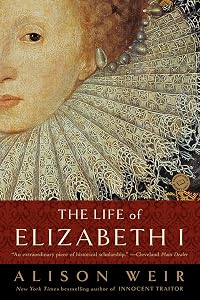
The Life of Elizabeth I
by Alison Weir
On This Page
Description
NEW YORK TIMES BESTSELLERPerhaps the most influential sovereign England has ever known, Queen Elizabeth I remained an extremely private person throughout her reign, keeping her own counsel and sharing secrets with no one—not even her closest, most trusted advisers. Now, in this brilliantly researched, fascinating new book, acclaimed biographer Alison Weir shares provocative new interpretations and fresh insights on this enigmatic figure.
Against a lavish backdrop of pageantry and show more passion, intrigue and war, Weir dispels the myths surrounding Elizabeth I and examines the contradictions of her character. Elizabeth I loved the Earl of Leicester, but did she conspire to murder his wife? She called herself the Virgin Queen, but how chaste was she through dozens of liaisons? She never married—was her choice to remain single tied to the chilling fate of her mother, Anne Boleyn? An enthralling epic that is also an amazingly intimate portrait, The Life of Elizabeth I is a mesmerizing, stunning reading experience. show less
Tags
Recommendations
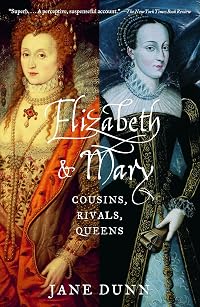
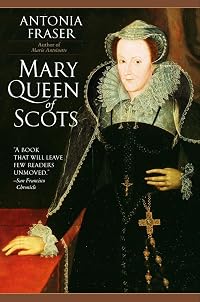

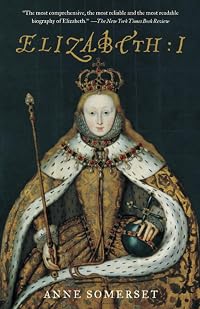

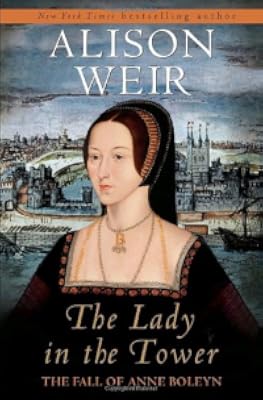
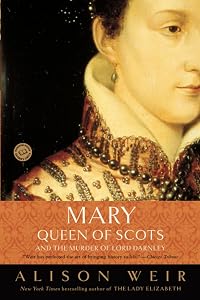
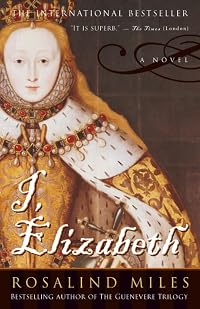
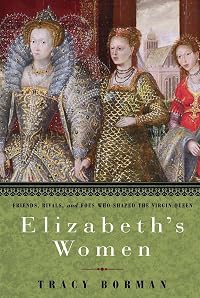
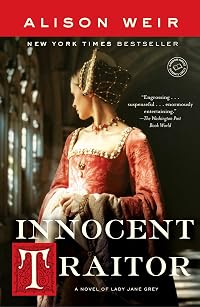
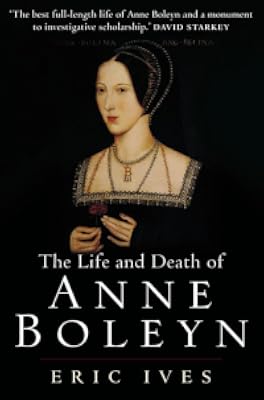
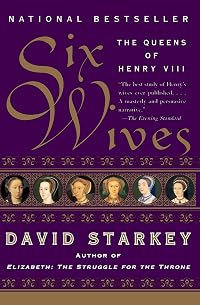
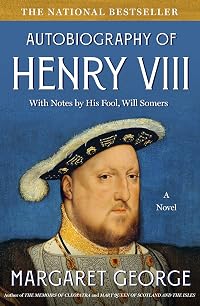






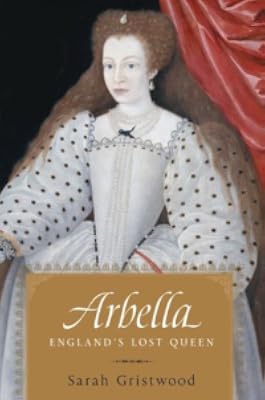
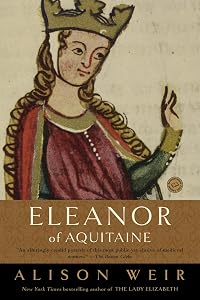
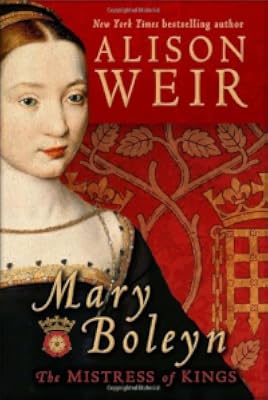
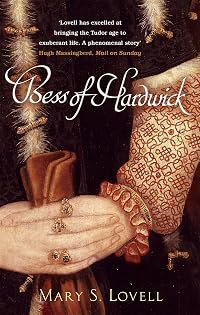


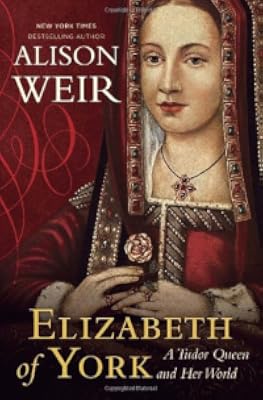
Member Recommendations

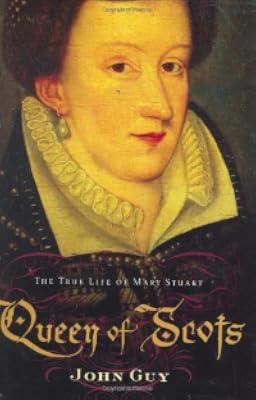
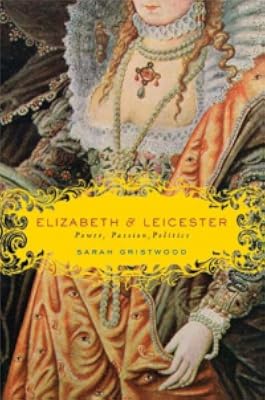
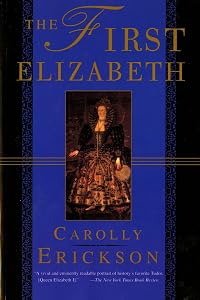
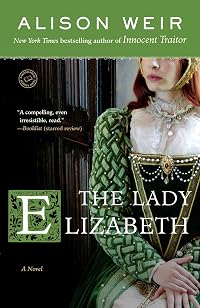
BookshelfMonstrosity These two biographies of both of Great Britain's Queen Elizabeths are full of political and personal detail. This combination of historical insight and family drama renders both books engaging reads.
Member Reviews
From the Tudor history reading program. It’s interesting to compare to Anne Somerset’s Elizabeth I. Somerset’s book is a history of Elizabeth’s time; Weir’s is a biography. Obviously there’s a lot of overlap in the approaches, but as an example of the differences Somerset considers Elizabeth’s greatest accomplishment to be the stabilization of English currency while Weir doesn’t even mention this (except in a general discussion of Elizabeth’s parsimony).
Weir’s approach is to cover Elizabeth’s reign chronologically (starting from her coronation; she’d already discussed Elizabeth’s childhood in The Children of Henry VIII), with middle chapters (“Gloriana” and “A Court At Once Gay, Decent, and Superb”) of show more more personal information – Elizabeth’s daily routine and the daily functioning of the court. In the remaining chapters, Weir covers Elizabeth’s chaste (presumably) but flirtatious relationships with varying suitors (first Robert Dudley, Earl of Leicester, then Francis, Duke of Anjou, then Robert Devereaux, Earl of Essex) with miscellaneous others ranging from Eric of Sweden to Ivan the Terrible sandwiched in between. Simmering in the background is Mary Queen of Scots, whose incessant plotting eventually led to her execution, the Spanish Armada, and additional suppression of Catholics.
The chapters covering the end of Elizabeth’s long life and reign are the most affecting. Although courtiers still proclaimed she had the beauty of a girl of twenty – well, you can probably do a lot with heavy makeup and candlelight – Elizabeth knew the it was all downhill and didn’t like it very much. All of her old friends – Burghley, Leicester, Lady Nottingham – were dead, and her last favorite, Essex, had ended up beheaded. At the end she refused to go to bed, fearing that if she did she would never rise again – which turned out to be the case.
Weir does some speculating about various historical issues. Why did Elizabeth never marry? Theories range from psychological – having had a mother and stepmother beheaded, she might have associated marriage with danger – to physical. Various contemporaries suggested there was some “impairment” that prevented sexual activity, ranging from an unusually thick hymen to Androgen Insensitivity Syndrome. Weir gives this last more credit than it deserves, noting that it’s also claimed for the Duchess of Windsor; in Elizabeth’s case it would require a conspiracy of immense scope for Elizabeth since both the Spanish ambassador and William Cecil bribed the royal laundresses to verify that Elizabeth menstruated normally. Scurrilous rumors circulated by her enemies claimed that Elizabeth was not only sexually active but had children – with the claims that her numerous “progresses” around England were to cover up childbirth. Weir dismisses these, noting that someone in the public eye as much as Elizabeth could never have concealed a pregnancy.
Another historical question Weir speculates on is the death of Amy Dudley, Robert Dudley’s wife. On 8 September 1560, Lady Dudley ordered all her servants to go to a local fair, but stayed home herself – there were a few other people in the house but they were all in their rooms at the critical time. When the servants returned home, Lady Dudley was dead on a short stairway, her neck broken. Speculation was rife – Lady Dudley had been murdered on the orders of her husband to clear the way for his marriage to the Queen; no, the murder was arranged by Elizabeth herself; no, Lady Dudley had killed herself distraught over her husband’s infidelity; no, it was just a tragic accident. There being no CSI Elizabethan England, we’ll never know (Lady Dudley’s body was exhumed in the 1930s, but there wasn’t anything left to examine). Weir notes that contemporaries reported Lady Dudley had “a malady in one of her breasts”, interpreted nowadays to be terminal breast cancer; metastatic breast cancer can weaken bones and cause even a short fall to be fatal. But Weir also notes that the person with the most to gain from Lady Dudley’s death was not Dudley, but William Cecil. If Lady Dudley really was seriously ill, all Robert Dudley had to do was wait; the suspicion of murder permanently clouded his relationship with Elizabeth. Cecil, on the other hand, stood to lose a position at court he’d worked for years to attain if Dudley married Elizabeth. (The Life of Elizabeth I was published in 1998; ten years later the original coroner’s report on Lady Dudley’s death was discovered in the National Archives; however its findings are consistent with all three possibilities: murder, suicide, and accidental death).
Weir indulges herself in an enjoyable postscript on portrayals of Elizabeth on film and television; her favorite is Glenda Jackson in Elizabeth R but she also praises Judi Dench’s brief appearance in Shakespeare in Love and Miranda Richardson’s comic turn in Blackadder II. She thinks Cate Blanchett in Elizabeth and The Golden Age is “a historical travesty”.
Copious endnotes – for sources – and footnotes – for explanations of terms. An extensive bibliography but I find the index sparse. An illustration section showing the various personages, and genealogical charts of the Tudors, Boleyns, Howards, and Dudleys. As usual for Weir, comprehensive and scholarly yet easy to read. show less
Weir’s approach is to cover Elizabeth’s reign chronologically (starting from her coronation; she’d already discussed Elizabeth’s childhood in The Children of Henry VIII), with middle chapters (“Gloriana” and “A Court At Once Gay, Decent, and Superb”) of show more more personal information – Elizabeth’s daily routine and the daily functioning of the court. In the remaining chapters, Weir covers Elizabeth’s chaste (presumably) but flirtatious relationships with varying suitors (first Robert Dudley, Earl of Leicester, then Francis, Duke of Anjou, then Robert Devereaux, Earl of Essex) with miscellaneous others ranging from Eric of Sweden to Ivan the Terrible sandwiched in between. Simmering in the background is Mary Queen of Scots, whose incessant plotting eventually led to her execution, the Spanish Armada, and additional suppression of Catholics.
The chapters covering the end of Elizabeth’s long life and reign are the most affecting. Although courtiers still proclaimed she had the beauty of a girl of twenty – well, you can probably do a lot with heavy makeup and candlelight – Elizabeth knew the it was all downhill and didn’t like it very much. All of her old friends – Burghley, Leicester, Lady Nottingham – were dead, and her last favorite, Essex, had ended up beheaded. At the end she refused to go to bed, fearing that if she did she would never rise again – which turned out to be the case.
Weir does some speculating about various historical issues. Why did Elizabeth never marry? Theories range from psychological – having had a mother and stepmother beheaded, she might have associated marriage with danger – to physical. Various contemporaries suggested there was some “impairment” that prevented sexual activity, ranging from an unusually thick hymen to Androgen Insensitivity Syndrome. Weir gives this last more credit than it deserves, noting that it’s also claimed for the Duchess of Windsor; in Elizabeth’s case it would require a conspiracy of immense scope for Elizabeth since both the Spanish ambassador and William Cecil bribed the royal laundresses to verify that Elizabeth menstruated normally. Scurrilous rumors circulated by her enemies claimed that Elizabeth was not only sexually active but had children – with the claims that her numerous “progresses” around England were to cover up childbirth. Weir dismisses these, noting that someone in the public eye as much as Elizabeth could never have concealed a pregnancy.
Another historical question Weir speculates on is the death of Amy Dudley, Robert Dudley’s wife. On 8 September 1560, Lady Dudley ordered all her servants to go to a local fair, but stayed home herself – there were a few other people in the house but they were all in their rooms at the critical time. When the servants returned home, Lady Dudley was dead on a short stairway, her neck broken. Speculation was rife – Lady Dudley had been murdered on the orders of her husband to clear the way for his marriage to the Queen; no, the murder was arranged by Elizabeth herself; no, Lady Dudley had killed herself distraught over her husband’s infidelity; no, it was just a tragic accident. There being no CSI Elizabethan England, we’ll never know (Lady Dudley’s body was exhumed in the 1930s, but there wasn’t anything left to examine). Weir notes that contemporaries reported Lady Dudley had “a malady in one of her breasts”, interpreted nowadays to be terminal breast cancer; metastatic breast cancer can weaken bones and cause even a short fall to be fatal. But Weir also notes that the person with the most to gain from Lady Dudley’s death was not Dudley, but William Cecil. If Lady Dudley really was seriously ill, all Robert Dudley had to do was wait; the suspicion of murder permanently clouded his relationship with Elizabeth. Cecil, on the other hand, stood to lose a position at court he’d worked for years to attain if Dudley married Elizabeth. (The Life of Elizabeth I was published in 1998; ten years later the original coroner’s report on Lady Dudley’s death was discovered in the National Archives; however its findings are consistent with all three possibilities: murder, suicide, and accidental death).
Weir indulges herself in an enjoyable postscript on portrayals of Elizabeth on film and television; her favorite is Glenda Jackson in Elizabeth R but she also praises Judi Dench’s brief appearance in Shakespeare in Love and Miranda Richardson’s comic turn in Blackadder II. She thinks Cate Blanchett in Elizabeth and The Golden Age is “a historical travesty”.
Copious endnotes – for sources – and footnotes – for explanations of terms. An extensive bibliography but I find the index sparse. An illustration section showing the various personages, and genealogical charts of the Tudors, Boleyns, Howards, and Dudleys. As usual for Weir, comprehensive and scholarly yet easy to read. show less
Elizabeth the Queen is a lengthy biography meticulously written by Alison Weir. It is a detailed portrayal of a remarkable queen whose reign spanned nearly 45 years (1558 to 1603). The author succeeds in conveying the uniqueness of the monarch, the dangers -- foreign and domestic -- that she consistently confronted, the grandeur and extravagance of the royal court, the connivances of courtiers, the jealousies of competing counselors, Elizabeth’s unwavering affection for her subjects, and her people’s reciprocal devotion.
Elizabeth was remarkably strong-willed. She had to be. Men of noble birth believed that queens, being women, were inferior decision-makers. Her advisors thought initially that they knew better how the country should show more be administered and protected. Exceedingly knowledgeable about her foreign adversaries (and just about everything scientific, cultural, religious, and historical), Elizabeth rarely acquiesced. She would delay taking any action she had misgivings about. Much of this biography chronicles how her equivocation about marrying foreign princes postponed King Philip II of Spain’s attempt to dethrone her with a Catholic monarch. Two tenets guided Elizabeth’s decision-making: her trust that God directed her and her desire to benefit her people.
I was amazed at how forgiving Elizabeth was of certain individuals she favored. Although she could be very abusive verbally -- her displays of temper were legendary – her nature was not to be cruel. Virile courtiers took advantage of her. She loved masculine attention and flattery and reveled in the rituals of courtship. Two men stand out: Robert Dudley (eventually the Earl of Leicester) and Robert Devereux, the second Earl of Essex. Dudley had known Elizabeth before she became queen and was closer than any male to have been a lover. Well into the 1580s his ambition had been to marry her and become king. This motivation led him to take policy positions in the Privy Council more favorable to himself than to the welfare of the realm. Essex was much more dangerous. He was an egomaniac. Placed in government and, later, military positions of authority, obdurate and paranoid, he disobeyed repeatedly Elizabeth’s orders; yet, after her fits of rage, she succumbed always to his exhibitions of counterfeit remorse and devotion. Ultimately, she recognized the serious danger he posed to her sovereignty and stripped him of his powers. Determined to have his way, he staged a coup, failed, was convicted of treason, and was executed.
Elizabeth’s tolerance of Mary Stuart’s machinations to become Queen of England impressed me. For years the former Scottish queen had been complicit in Spain’s, the Pope’s, and Catholic subjects’ plans to elevate her. Elizabeth knew about Mary’s participation, but resisted repeatedly her councilors’ admonitions to have Mary tried, convicted, and executed. Elizabeth believed absolutely that legitimately ascended monarchs should not be interfered with. Mary had been deposed. Executing such a monarch, however treacherous thereafter she had become, violated her sensibilities. Only when her life was seriously threatened and King Philip’s anticipated invasion of England seemed imminent did Elizabeth authorize Mary’s trial and execution.
I was touched by Elizabeth’s emotional responses to her declining health during the last year of her reign. Most all of her friends and all of her old councilors had died. She felt alone amongst a younger generation of self-seekers that were weary and dismissive of her and eager for a male successor. She had struggled mightily to ward off the encroachments of old age and had failed. The onset of what was probably tonsillitis became either bronchitis or pneumonia. During her last hours she took comfort in the prayers delivered over her, she unable to speak, with each reference to God raising her eyes skyward. show less
Elizabeth was remarkably strong-willed. She had to be. Men of noble birth believed that queens, being women, were inferior decision-makers. Her advisors thought initially that they knew better how the country should show more be administered and protected. Exceedingly knowledgeable about her foreign adversaries (and just about everything scientific, cultural, religious, and historical), Elizabeth rarely acquiesced. She would delay taking any action she had misgivings about. Much of this biography chronicles how her equivocation about marrying foreign princes postponed King Philip II of Spain’s attempt to dethrone her with a Catholic monarch. Two tenets guided Elizabeth’s decision-making: her trust that God directed her and her desire to benefit her people.
I was amazed at how forgiving Elizabeth was of certain individuals she favored. Although she could be very abusive verbally -- her displays of temper were legendary – her nature was not to be cruel. Virile courtiers took advantage of her. She loved masculine attention and flattery and reveled in the rituals of courtship. Two men stand out: Robert Dudley (eventually the Earl of Leicester) and Robert Devereux, the second Earl of Essex. Dudley had known Elizabeth before she became queen and was closer than any male to have been a lover. Well into the 1580s his ambition had been to marry her and become king. This motivation led him to take policy positions in the Privy Council more favorable to himself than to the welfare of the realm. Essex was much more dangerous. He was an egomaniac. Placed in government and, later, military positions of authority, obdurate and paranoid, he disobeyed repeatedly Elizabeth’s orders; yet, after her fits of rage, she succumbed always to his exhibitions of counterfeit remorse and devotion. Ultimately, she recognized the serious danger he posed to her sovereignty and stripped him of his powers. Determined to have his way, he staged a coup, failed, was convicted of treason, and was executed.
Elizabeth’s tolerance of Mary Stuart’s machinations to become Queen of England impressed me. For years the former Scottish queen had been complicit in Spain’s, the Pope’s, and Catholic subjects’ plans to elevate her. Elizabeth knew about Mary’s participation, but resisted repeatedly her councilors’ admonitions to have Mary tried, convicted, and executed. Elizabeth believed absolutely that legitimately ascended monarchs should not be interfered with. Mary had been deposed. Executing such a monarch, however treacherous thereafter she had become, violated her sensibilities. Only when her life was seriously threatened and King Philip’s anticipated invasion of England seemed imminent did Elizabeth authorize Mary’s trial and execution.
I was touched by Elizabeth’s emotional responses to her declining health during the last year of her reign. Most all of her friends and all of her old councilors had died. She felt alone amongst a younger generation of self-seekers that were weary and dismissive of her and eager for a male successor. She had struggled mightily to ward off the encroachments of old age and had failed. The onset of what was probably tonsillitis became either bronchitis or pneumonia. During her last hours she took comfort in the prayers delivered over her, she unable to speak, with each reference to God raising her eyes skyward. show less
Whew! I was wondering if I'd need my great-grandchildren to read me the last few chapters of this book (I'm 37)---it feels like it's taken me forever to finish it! (In reality---probably a month)
The title of this tome can be taken to its most literal extreme. This is every. single. thing. you could EVER want to know...and not want to know...about the life of Elizabeth I. In fact, I'd really only give it 3 stars for "liked it", except that the amount of research and writing and editing and coffee that went into this massive exposé is definitely worthy of four stars.
The biggest reason the book took so long to finish was the simple fact that I do not like Queen E. This biography was my first introduction to her and I found her to be show more immature, inconsistent, and selfish. She often acted on emotional extremes, condemning one person for the same crimes for which she pardoned another. Playing with people's hearts and minds. The bio leaves nothing out and too much info became very tedious---especially since she changed her mind, delayed, and waffled on so many issues. I don't believe women were created for this kind of leadership and QE's insistence on radical emotion-based leadership is a great example why not.
Another difficult thing about this bio was that there was very little discussion on any other subject than her refusal to marry and produce a successor---and this went on for HUNDREDS of pages. In fact, I marked about 190 pages in as the first real discussion about anything other than her romances and lack thereof. This reprieve was short lived, though, and the majority of the remaining text discussed the topic ad nauseam. Surely more went on during this time in history? Surely? Anyone?
Some parts of her history were very interesting to me. I thought it was neat that she instituted the still-popular custom of music being included in a Protestant worship service and that she likely owned the first wristwatch. Her difficulty in condemning Mary Stuart, as well as her reaction to news of her death, is a bit surprising. This speaks to her respect for the office of Queen and her belief that she was placed on the throne by God.
All things considered, I'm proud of myself for finishing strong and finishing this book! Ha! I expect I'll use it as a reference as I continue my education on the times of the Tudors. show less
The title of this tome can be taken to its most literal extreme. This is every. single. thing. you could EVER want to know...and not want to know...about the life of Elizabeth I. In fact, I'd really only give it 3 stars for "liked it", except that the amount of research and writing and editing and coffee that went into this massive exposé is definitely worthy of four stars.
The biggest reason the book took so long to finish was the simple fact that I do not like Queen E. This biography was my first introduction to her and I found her to be show more immature, inconsistent, and selfish. She often acted on emotional extremes, condemning one person for the same crimes for which she pardoned another. Playing with people's hearts and minds. The bio leaves nothing out and too much info became very tedious---especially since she changed her mind, delayed, and waffled on so many issues. I don't believe women were created for this kind of leadership and QE's insistence on radical emotion-based leadership is a great example why not.
Another difficult thing about this bio was that there was very little discussion on any other subject than her refusal to marry and produce a successor---and this went on for HUNDREDS of pages. In fact, I marked about 190 pages in as the first real discussion about anything other than her romances and lack thereof. This reprieve was short lived, though, and the majority of the remaining text discussed the topic ad nauseam. Surely more went on during this time in history? Surely? Anyone?
Some parts of her history were very interesting to me. I thought it was neat that she instituted the still-popular custom of music being included in a Protestant worship service and that she likely owned the first wristwatch. Her difficulty in condemning Mary Stuart, as well as her reaction to news of her death, is a bit surprising. This speaks to her respect for the office of Queen and her belief that she was placed on the throne by God.
All things considered, I'm proud of myself for finishing strong and finishing this book! Ha! I expect I'll use it as a reference as I continue my education on the times of the Tudors. show less
I have spent much of the past couple of weeks with Elizabeth I. Alison Weir's book is loaded with detail sometimes so much that I got lost in all the names and relationships, but still fascinating. I was struck as I often am when reading history how little many things have changed. There were no political parties, but the various factions acted in the similar ways and they sought the Queen's favor.
I was struck by how much of Elizabeth's time and energy was spent trying to maintain her power as a woman ruling alone and by how skillfully she avoided marriage (which would mean joint rule). Elizabeth understood that if she married her autonomy would be lost. I wonder what more she could have accomplished if her rule were not an issue and show more her energy directed to other issues. She is shown by Weir to have been a skillful diplomat. Elizabeth also understood how important it was to have the loyalty of the common folks and showed herself to them more than other monarchs of the time - almost like a continuous campaign.
Enjoyed this biography and recommend it. show less
I was struck by how much of Elizabeth's time and energy was spent trying to maintain her power as a woman ruling alone and by how skillfully she avoided marriage (which would mean joint rule). Elizabeth understood that if she married her autonomy would be lost. I wonder what more she could have accomplished if her rule were not an issue and show more her energy directed to other issues. She is shown by Weir to have been a skillful diplomat. Elizabeth also understood how important it was to have the loyalty of the common folks and showed herself to them more than other monarchs of the time - almost like a continuous campaign.
Enjoyed this biography and recommend it. show less
As usual for Alison Weir, her biography of Good Queen Bess is exhaustive and sometimes drags, but, by God, you feel like you knew the woman personally when you're done! Weir explores every aspect of Elizabeth's life in detail, vividly illustrating both Tudor England and its most famous ruler. While I'm not sure I would recommend it to someone looking for a brief or summerized account of Elizabeth's life, I would confidently call it an "authoritive" and certainly a very good biography.
As for the subject of the biography, Elizabeth's story is both inspiring and, at times, exciting. An extremely effective ruler in a time when women were considered a liability on the throne, Elizabeth displayed both strength and feminine weakness at show more alternate times in order to manipulate parliament and her privy chamber into completing the goals she set. Her life is well worth knowing about for history buffs or the casual biography-reader. show less
As for the subject of the biography, Elizabeth's story is both inspiring and, at times, exciting. An extremely effective ruler in a time when women were considered a liability on the throne, Elizabeth displayed both strength and feminine weakness at show more alternate times in order to manipulate parliament and her privy chamber into completing the goals she set. Her life is well worth knowing about for history buffs or the casual biography-reader. show less
The Life of Elizabeth I, Alison Weir, 1998
It's interesting to read the many other reviews of this book and see that, while a very few thought it deficient, the overall rating is still 4-stars.
My take is that Alison Weir concentrated on Elizabeth and minimized (but could not eliminate) politics. This book is a description of a) the day to day life of the queen---what she wore, what she ate, with whom she interacted and how she dealt with him/her, how she felt about life, etc.; b) how she managed not to marry (it's not like there were many options within Europe at that time: France? Spain? Austria? Sweden?); c) her struggles with health issues; d) her struggles with the threat of assassination.
This books provides a fascinating view of show more Elizabethan life, so much so that it completely eradicated my romantic image of life at this time: it was considered unhealthy to bath more than two or three times a year, Elizabeth devoured sweets and tarts in order to keep her breath fresh, the plague was a regular summer occurrence, meat was not a dietary staple for any but the nobility, and "nobility" depended on how well you "sucked up" to the queen.
To say Elizabeth was "well educated" would be to put it mildly. She spoke Latin, French, Spanish, German, Dutch, Greek (or maybe she only read Greek? I don't remember) and was well informed about the religious and philosophical trends throughout Europe. She also played several instruments, wrote songs and sung and did excellent needle-point (she was, after all, a woman). In the opinion of European nobility, her one major flaw was that she was a woman. One can appreciate that, with her many weaknesses, how much strength she had to manifest in order to maintain her command over the loyalty of the courtiers and the general population—and to keep the Spanish and French from deciding she was incompetent and should be forcefully replaced.
And yes, Elizabeth was vain, imperious, flirtatious, jealous, hesitant, fearful, overly trustful, and manifested a host of other more minor faults. (It's sad that she threw the man who invented the indoor toilet into jail for a perceived slight.) But her real strength lay in her "will". When she settled on a course of action she was rarely swayed from that course. She knew that getting married and producing an heir was the right thing to do, but also knew that a) any man she married would then have complete control over her and her country; b) there was no available man she could trust with that kind of power; c) she believed her independence and power—and very life—were worth more than the question-mark of an heir.
It's these little asides that intrigued me most. And there's no ignoring that this book is the script for a multi-year soap opera. It's an "upstairs/downstairs" situation…you have the secret backdoor activities of the lower nobility and the Machiavellian machinations of the higher nobility---who married who, who denied marrying who, who got who pregnant, who tried to prove who was married when he/she was born, which of the eligible monarchs was a literal idiot, a transvestite, an ugly crook-back, a simpleton. (It did get tiring after half the book—and there certainly was no room for learning about the life of the peasants.)
Realistically speaking, the action could not easily be covered chronologically because it would have been way more confusing to try to keep the names straight from one section of the story to the next. Consider that, as each court favorite was granted more lands and promoted in nobility he received a new title and a new name; and every time a lady married she also received a new title and a new name; and every time someone got married it was kept secret from the queen. My vote is to cover the action as Weir did, by rehearsing someone's long term contributions at one time and then moving on. If that person is mentioned again, at least I now understand something of his/her position/importance in the greater picture.
Now I need to read "The Children of Henry VIII" in order to see what rigors Elizabeth experienced as a child that could produce such a strong will and overriding need to never allow herself to be subordinate to any man or woman ever again. show less
It's interesting to read the many other reviews of this book and see that, while a very few thought it deficient, the overall rating is still 4-stars.
My take is that Alison Weir concentrated on Elizabeth and minimized (but could not eliminate) politics. This book is a description of a) the day to day life of the queen---what she wore, what she ate, with whom she interacted and how she dealt with him/her, how she felt about life, etc.; b) how she managed not to marry (it's not like there were many options within Europe at that time: France? Spain? Austria? Sweden?); c) her struggles with health issues; d) her struggles with the threat of assassination.
This books provides a fascinating view of show more Elizabethan life, so much so that it completely eradicated my romantic image of life at this time: it was considered unhealthy to bath more than two or three times a year, Elizabeth devoured sweets and tarts in order to keep her breath fresh, the plague was a regular summer occurrence, meat was not a dietary staple for any but the nobility, and "nobility" depended on how well you "sucked up" to the queen.
To say Elizabeth was "well educated" would be to put it mildly. She spoke Latin, French, Spanish, German, Dutch, Greek (or maybe she only read Greek? I don't remember) and was well informed about the religious and philosophical trends throughout Europe. She also played several instruments, wrote songs and sung and did excellent needle-point (she was, after all, a woman). In the opinion of European nobility, her one major flaw was that she was a woman. One can appreciate that, with her many weaknesses, how much strength she had to manifest in order to maintain her command over the loyalty of the courtiers and the general population—and to keep the Spanish and French from deciding she was incompetent and should be forcefully replaced.
And yes, Elizabeth was vain, imperious, flirtatious, jealous, hesitant, fearful, overly trustful, and manifested a host of other more minor faults. (It's sad that she threw the man who invented the indoor toilet into jail for a perceived slight.) But her real strength lay in her "will". When she settled on a course of action she was rarely swayed from that course. She knew that getting married and producing an heir was the right thing to do, but also knew that a) any man she married would then have complete control over her and her country; b) there was no available man she could trust with that kind of power; c) she believed her independence and power—and very life—were worth more than the question-mark of an heir.
It's these little asides that intrigued me most. And there's no ignoring that this book is the script for a multi-year soap opera. It's an "upstairs/downstairs" situation…you have the secret backdoor activities of the lower nobility and the Machiavellian machinations of the higher nobility---who married who, who denied marrying who, who got who pregnant, who tried to prove who was married when he/she was born, which of the eligible monarchs was a literal idiot, a transvestite, an ugly crook-back, a simpleton. (It did get tiring after half the book—and there certainly was no room for learning about the life of the peasants.)
Realistically speaking, the action could not easily be covered chronologically because it would have been way more confusing to try to keep the names straight from one section of the story to the next. Consider that, as each court favorite was granted more lands and promoted in nobility he received a new title and a new name; and every time a lady married she also received a new title and a new name; and every time someone got married it was kept secret from the queen. My vote is to cover the action as Weir did, by rehearsing someone's long term contributions at one time and then moving on. If that person is mentioned again, at least I now understand something of his/her position/importance in the greater picture.
Now I need to read "The Children of Henry VIII" in order to see what rigors Elizabeth experienced as a child that could produce such a strong will and overriding need to never allow herself to be subordinate to any man or woman ever again. show less
My interest in Queen Elizabeth I has long been fed by documentaries, movies, and historical fiction titles such as I, Elizabeth by Rosalind Miles. I've always found her to be very fascinating and thought it was high time I read a biography about her. But which one do I choose? I found it serendipitous when a student at the high school library at which I'm interning checked in this extensive biography of the Virgin Queen, so I promptly checked it out myself.
I'm so glad I did. I've been on a bit of a non-fiction tear lately, and this biography didn't disappoint. Weir is very thorough, covering all aspects of the queen's reign, from her foreign policy to her personal life. The most discussed topic throughout Weir's writing is Elizabeth's show more battle to stay unmarried. Elizabeth spends years and years doing a courtly and strategic dance with other heads of state, leading them on for as long as possible in courtships she has no intention of agreeing to in order to keep the peace with foreign nations. Weir makes an excellent point that Elizabeth has good reason to be very wary of marriage. Just look at the disastrous marriages that her father kept entering into, and what happened to her unfortunate mother! Elizabeth knew that in order to be the true head of her country, she must remain single. I cannot imagine the pressure she constantly felt from both her advisors and subjects to capitulate and marry.
This book is recommended to all who are interested in Elizabeth and who want to read an extremely thorough narrative of the queen's private and public life. show less
I'm so glad I did. I've been on a bit of a non-fiction tear lately, and this biography didn't disappoint. Weir is very thorough, covering all aspects of the queen's reign, from her foreign policy to her personal life. The most discussed topic throughout Weir's writing is Elizabeth's show more battle to stay unmarried. Elizabeth spends years and years doing a courtly and strategic dance with other heads of state, leading them on for as long as possible in courtships she has no intention of agreeing to in order to keep the peace with foreign nations. Weir makes an excellent point that Elizabeth has good reason to be very wary of marriage. Just look at the disastrous marriages that her father kept entering into, and what happened to her unfortunate mother! Elizabeth knew that in order to be the true head of her country, she must remain single. I cannot imagine the pressure she constantly felt from both her advisors and subjects to capitulate and marry.
This book is recommended to all who are interested in Elizabeth and who want to read an extremely thorough narrative of the queen's private and public life. show less
Members
- Recently Added By
Lists

Books about Elizabeth I
22 works; 8 members

Best Biographies
216 works; 26 members

Best Nonfiction about Tudor England
25 works; 12 members

Female Author
1,234 works; 65 members

Best Biographies of Notable Women
424 works; 102 members
Author Information

75+ Works 37,471 Members
Alison Weir was born in London, England on July 8, 1951. She received training to be a teacher with a concentration in history from the North Western Polytechnic. Before becoming a full-time writer, she worked as a civil servant and ran her own school for children with learning difficulties from 1991 to 1997. Her first book, Britain's Royal show more Families, was published in 1989. Her other books include The Six Wives of Henry VIII; Children of England; Eleanor of Aquitaine; Henry VIII: King and Court; Mary, Queen of Scots; and Isabella. Her first novel, Innocent Traitor, was published in 2006. Her other novels include The Lady Elizabeth, The Lady in the Tower: The Fall of Anne Boleyn, The Captive Queen, A Dangerous Inheritance, and Katherine of Aragon, the True Queen. (Bowker Author Biography) show less
Some Editions
Work Relationships
Common Knowledge
- Canonical title
- The Life of Elizabeth I
- Original publication date
- 1998
- People/Characters
- Elizabeth I, Queen of England; Katherine Ashley; John Aylmer, Bishop of London; Anthony Babington; Anthony Bacon; Francis Bacon (1561-1626) (show all 100); Sir Nicholas Bacon; Robert Beale; Charles Blount, 8th Baron Mountjoy and 1st Earl of Devonshire; Anne Boleyn; Mary Boleyn; William Camden; Edmund Campion; Francis Carew; Sir George Carew; Catherine Carey, Lady Howard of Effingham (as Katherine Carey, Countess of Nottingham); Eleanor Carey, Lady Scrope; George Carey, 2nd Baron Hunsdon; Henry Carey, 1st Baron Hunsdon; Lady Katherine Knollys (as Katherine Carey, Lady Knollys); Robert Carey, 1st Earl of Monmouth; Don Carlos; Michel de Castelnau, Sieur de la Mauvissiere; Elizabeth Cavendish, Countess of Lennox; Bess of Hardwick (Elizabeth Cavendish, Countess of Shrewsbury); Anne Cecil, Countess of Oxford; Robert Cecil, 1st Earl of Salisbury; Thomas Cecil, 1st Earl of Exeter (as Thomas Cecil, 2nd Baron Burghley); William Cecil, 1st Baron Burghley; Sir Thomas Challoner; John Chamberlain; Charles II, Archduke of Austria; Charles V, Holy Roman Emperor; Charles IX, King of France; George Clifford, 3rd Earl of Cumberland; Robert Devereux, 2nd Earl of Essex; Walter Devereux, 1st Earl of Essex; Margaret Douglas, Countess of Lennox; Ambrose Dudley, 3rd Earl of Warwick; Lady Mary Dudley (Lady Mary Sidney, Lady Mary Sidney Dudley); Robert Dudley, Lord Denbigh; Robert Dudley, 1st Earl of Leicester; Edward VI, King of England; Sir Thomas Egerton; Alexander Farnese, 3rd Duke of Parma; Ferdinand I, Holy Roman Emperor; Fernando Álvarez de Toledo y Pimentel, 3rd Duke of Alba; Gomez Suarez de Figueroa of Cordova, Duke of Feria; Henry FitzAlan, 12th Earl of Arundel; François II, King of France; François-Hercule, Duke of Anjou and Alençon; Sir Fulke Greville; Lady Catherine Grey (as Lady Katherine Grey); Lady Jane Grey; Edmund Grindal, Archbishop of Canterbury; Charles de Guise, Cardinal of Lorraine; Alonso Pérez de Guzmán, 7th Duke of Medina-Sidonia; Sir Christopher Hatton; Sir John Hawkins; Henri II, King of France (1519-1559); Henri III, King of France; Henri IV, King of France (1589-1610); Henry IV, King of England; Henry VII, King of England; Henry VIII, King of England; James Hepburn, 4th Earl of Bothwell; Charles Howard, 1st Earl of Nottingham, 2nd Baron Howard of Effingham; Thomas Howard, 3rd Duke of Norfolk; Thomas Howard, 4th Duke of Norfolk; James VI and I, King of Scots and King of England; Ben Jonson; Catherine of Aragon (as Katherine of Aragon); Sir Francis Knollys; Lettice Knollys; John Knox; Marie de Guise; Mary I, Queen of England; Mary, Queen of Scots; Catherine de Medici; Bernardino de Mendoza; Hugh O'Neill, 2nd Earl of Tyrone; Sir Amyas Paulet; Philip II, King of Spain; Alvarez, Bishop de Quadra (as Alvaro de Quadra); Sir Walter Raleigh; Roberto Ridolfi; Francis Russell, 2nd Earl of Bedford; Thomas Sackville, 1st Earl of Dorset; William Shakespeare; Guerau de Spes; Henry Stuart, Lord Darnley (as Henry Stewart, Lord Darnley); Matthew Stewart, 4th Earl of Lennox; Elizabeth Throckmorton; Sir Nicholas Throckmorton; Edward de Vere, 17th Earl of Oxford; Frances Walsingham; Sir Francis Walsingham; Henry Wriothesley, 3rd Earl of Southampton; Henry Wriothesley, 4th Earl of Southampton; Thomas Wyatt the Younger (Sir, 1521-1554)
- Important places
- England, UK (as England)
- Important events
- Tudor Era (1485-1603); Elizabethan Era (1558-1603); Accession of Elizabeth I (1558-11-17); Ridolfi Plot (1570); Anglo-Spanish War (1585-1604); Babington Plot (1586)
- Dedication
- This book is dedicated to my very supportive aunt and uncle, Pauline and John Marston.
And also to my equally supportive brothers and sisters-in-law, Roland and Alison Weir
and
Kenneth and Elizabeth Weir.
With g... (show all)rateful thanks to all. - First words
- Author's Preface
The Life of Elizabeth I is the third volume in my series of books on the Tudor monarchs. Having chronicled Elizabeth Tudor's childhood in The Six Wives of Henry VIII, I found the prospect of ... (show all)writing about her life as Queen of England irresistible.
Prologue: 17 November 1558
Between eleven and twelve o'clock on the morning of 17 November 1558, large crowds gathered outside the Palace of Westminster and at other places in London. Presently, heralds appeared, an... (show all)nounced the death, earlier that morning, of Mary I, and proclaimed her half-sister Elizabeth Queen of England. Even as they spoke, the Lord Chancellor Nicholas Heath, Archbishop of York, was announcing the new monarch's accession to the House of Lords.
Introduction
Elizabeth's England
Mary Tudor, the first female English monarch, had reigned for five unhappy years. The daughter of Henry VIII by his first wife, Katherine of Aragon, she had suffered a miserable y... (show all)outh as a result of her father's treatment of her mother, whose marriage had been annulled so that Henry could marry her lady in waiting, Anne Boleyn. A fervent Catholic, Mary had also been appalled by her father's break with Rome and later by the establishment of the Protestant faith in England by her brother, Edward VI, Henry's child by his third wife, Jane Seymour, whom he had married after Anne Boleyn was beheaded for treason.
I
'The Most English Woman in England"
The first act of Queen Elizabeth had been to give thanks to God for her peaceful accession to the throne and, as she later told the Spanish ambassador, to ask Him 'that He wo... (show all)uld give her grace to govern with clemency and without bloodshed'. With the calamitous example of her sister before her, she had already decided that there should be no foreign interference in the government of England, not from Spain or Rome or anywhere else, and was resolved to be herself a focus for English nationalism — 'the most English woman in England'. - Last words
- (Click to show. Warning: May contain spoilers.)Around ten o'clock that evening, with heavy rain pattering against the windows, Elizabeth turned her face to the wall and fell into a deep sleep from which she would never wake. With Dr Parry, who 'sent his prayers before her soul', and her old friends Lady Warwick and Lady Scrope by her side, she passed to eternal rest, 'mildly like a lamb, easily, like a ripe apple from a tree', shortly before three o'clock in the morning of Thursday, 24 March, 'as the most resplendent sun setteth at last in a western cloud'.
(Click to show. Warning: May contain spoilers.)Epilogue
The most fitting epitaph to this extraordinary woman is to be found in the pages of Camden's biography: 'No oblivion shall ever bury the glory of her name; for her happy and renowned memory still liveth and shall for ever live in the minds of men.' - Original language
- English UK
- Disambiguation notice
- wrong author. Title and ISBN match the book by Alison Weir
Classifications
- Genres
- History, Biography & Memoir, General Nonfiction, Nonfiction
- DDC/MDS
- 942.055092 — History & geography History of Europe England and Wales England 1485-1603, Tudors 1558-1603, Elizabeth I History, geographic treatment, biography Biography
- LCC
- DA355 .W36 — History of Europe, Asia, Africa and Oceania Great Britain History of Great Britain England History By period Modern, 1485- Tudors, 1485-1603 Elizabeth I, 1558-1603. Elizabethan age
- BISAC
Statistics
- Members
- 3,108
- Popularity
- 5,701
- Reviews
- 43
- Rating
- (4.03)
- Languages
- English, Estonian, Korean
- Media
- Paper, Audiobook, Ebook
- ISBNs
- 24
- ASINs
- 15