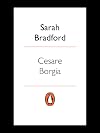
Cesare Borgia: His Life and Times
by Sarah Bradford
On This Page
Description
Accusations of treachery, rape, incest, and murder: almost five centuries have passed since Cesare Borgia's death, and his reputation still casts a sinister shadow. Yet the real man was a mesmerizing figure who inspired Machiavelli's classic The Prince. During the brief space of time when he occupied the stage, he shocked and stunned his contemporaries with his lofty ambitions and daring, becoming the most feared, hated, and envied man of his day. By 31 he was dead: his story assumes the show more proportions of Greek tragedy. show lessTags
Recommendations




















Member Reviews
More like 2.5, but I grant 1/2 point for the research put into it. I learned much from this work, but it would have been considerably improved by having an index of characters. I simply had a hard time keeping track of all the players in the brief life of Cesare Borgia. He was hell-on-wheels ambitious for money and power, and really didn't care who he killed, cheated or trod on to get what he wanted. Like all rich people who believe that, because they are rich, nobody should reproach them for the wrongs they have done, Cesare simply couldn't understand why people hated him for past offences against them. As Machiavelli said, "Whoever believes that with great men [or women] new services wipe out old injuries deceives himself." If I show more didn't already know how crooked religions are, I would be shocked at the evil committed in the name of God by the Catholic Church and its Vatican. The Duke Cesare could get away with anything as long as his father (!) the Pope was in power. Just amazing. show less
The companion work to her superb “Lucrezia Borgia”, Bradford’s exploration of the life of Lucrezia’s highly controversial brother offers an insightful look into the world of late 15th century/early 16th century Rome and Europe in general. Born the illegitimate son of Rodrigo Borgia, who rose to become Pope Alexander VI, Cesare was originally intended by his father for a career in the Church. Within the confines of filial loyalty, he resisted but was made a cardinal at the age of eighteen. Several years later, when Cesare’s brother, Juan was murdered, Cesare not only became the chief suspect but he also finally acquired the life he wanted, replacing Juan in their father’s plans. Resigning his cardinalate, he went on to become show more a brilliant diplomat, feared war leader, one of the most envied men of his time, and quite probably the inspiration for Machievelli’s “The Prince”. His fall, when it came, was as spectacular as his rise. With the destruction of the Borgias, they have faded from history, remaining little more than caricatures attached to scandalous accusations. Bradford makes clear that the truth is very different and far more fascinating. show less
Ratings
Members
- Recently Added By
Lists

In Our Time books
4,934 works; 2 members
Author Information

14+ Works 2,645 Members
Sarah Bradford is a historian & biographer. She is the best-selling author of several biographies including "Disraeli," selected as a "New York Times" Notable Book of the Year; "George VI," "Prince Grace," & "The New York Times" bestseller "Elizabeth." (Bowker Author Biography)
Common Knowledge
- People/Characters
- Alexander VI, Pope (Rodrigo de Borja or Borgia, 1431-1503); Cesare Borgia; Lucrezia Borgia (Lucrè | ce or Lucretia, 1480-1519); Vanozza dei Cattanei; Callixtus III, Pope (Alfonso de Borgia, 1378-1458); Alonso de Borja (show all 299); Pedro Luis de Borja; Pius II, Pope (Enea Silvio Bartolomeo Piccolomini, 1405-1464); Ferdinand II of Aragon; Carlo Canale; Juan Borgia; Adriana de Mila; Gioffre Borgia; Pedro Luis Borgia; Juan Vera de Ercilla; Lorenzo de' Medici; Gian Paolo Baglioni; Giovanni di Lorenzo de' Medici; Ludovico Podocatharo; Lorenz Beheim; Ferrante I of Naples; Giuliano della Rovere; Gian Battista Cibo; Innocent VIII, Pope (Giovanni Battista Cybo or Cibo, 1432-1492); Giovanni Battista Cibo; Ascanio Sforza; Virginio Orsini; Antonio della Mirandola; Sigismondo de' Conti; Giovanni Andrea Boccaccio; Piero di Lorenzo de' Medici; Johannes Burchard; Djem Sultan; Adriana de Mila; Giulia Farnese; Orsino Orsini Migliorati; Puccio Pucci; Alessandro Farnese; Giovanni Sforza; Gasparo de Procida (as the Count of Aversa); Ludovico Sforza, Duke of Milan; Gian Galeazzo Sforza, Duke of Milan; Isabella of Aragon, Duchess of Milan (as Isabella d'Aragon); Charles VIII, King of France; Diego de Haro; Perron de Baschi; Gianbattista Orsini; Ippolito I d'Este, archbishop of Milan; Francesco II Gonzaga; Alfonso II of Naples; Gian Jacopo Trivulzio; Niccolò Orsini; Ferrante II of Naples; Federigo IV of Naples; Girolamo Savonarola (Jerome Savonarola, Fra' Gerolamo Savonarola da Ferrara, 1452-1498); Giovanni della Rovere; Bernardino Lunati; Marino Sanuto the Younger; Gonzalo Fernández de Córdoba; Maria Diaz Garlon; Giovanni Borgia (Infans Romanus); Bernardino di Betto (Pinturicchio); Sancia d'Aragona; Gian Carlo Scalona; Raffaele Riario; Niccolò Machiavelli; Bartolomeo d'Alviano; Fabrizio Colonna; Prospero Colonna; Gian Giordano Orsini; Guidobaldo da Montefeltro, Duke of Urbino; Carlo Orsini; Vitellozzo Vitelli; Bartolomea Orsini; Louis XII, King of France; Giorgio Schiavi; Battistino da Taglia; Paolo Orsini; Maria Enriquez de Luna; Gaspare Torella; Agapito Geraldini da Amelia; Ramiro de Lorqua; Alfonso of Aragon; Francisco d'Almeida, Bishop of Ceuta; Louis de Villeneuve (Monsieur de Trans); Carlotta of Aragon; Clemente Grosso della Rovere; "B" (an agent of Ludovico il Moro); Raymond Peraudi; Anne of Brittany, Queen of France; Georges d'Amboise; Maximilian I, Holy Roman Emperor; Charlotte d'Albret; Alain d'Albret; Amanieu d'Albret; Garcilaso de la Vega (the Spanish ambassador); Louis de Ligny (M. de Ligny); Ercole I d'Este (Duke of Ferrara); Baldassare Castiglione; Leonardo da Vinci; Caterina Sforza; Pandolfo IV Malatesta; Juan Borgia Lanzol (of Monreale); Giovanni II Bentivoglio; Astorre III Manfredi; Yves d'Alègre; Antoine Bissey (as the Bailly de Dijon); Giovanni delle Bande Nere; Tommasino; Dionigi da Naldo; Andrea Bernardi; Gian Giacomo Trivulzio; Gian Lucido Cattaneo; Louise Borgia (Luisa); Fiammetta de Michelis; Pietro Aretino; Imperia Cognati; Lorenzo Chigi; Paolo Capello (Venetian ambassador); Gaspara Poto; Francesco Cappello (Florentine envoy); Raffaele Brandolini; Vincenzo Calmeta; Michelotto Corella; Francesco Borgia; Rodrigo of Aragon; Giulio Orsini; Marco Cornaro (Venetian Cardinal); Marino Giorgi (Venetian ambassador); Alessandro Spanocchi; Pier Francesco Giustolo; Francesco Sperulo; Pietro Torrigiano; Juan de Cardona; Ugo de Moncada; Bartolomeo da Capranica; Ercole Bentivoglio (condottiero); Giovanni Olivieri (Bishop of Isernia); Pandolfo Collenuccio; Giovanni Vera (Cardinal of Salerno); Dorotea Malatesta Caracciolo; Roberto Malatesta; Giambattista Caracciolo; Aloise Manenti; Diego Ramires (a Spanish captain); Elisabetta Gonzaga, Duchess of Urbino; Isabella d'Este, marchesa of Mantua; Giacoma Orsini; Ermes Bentivoglio; Oliverotto da Fermo; Pandolfo Petrucci; Jacopo IV Appiani; Galeotto de' Pazzi; Piero Soderini; Alamanno Salviati; Jacopo Nerli; Bernard Stuart d'Aubigny; Alfonso I d'Este (Duke of Ferrara); Ottaviano Riario; Cesare Riario; Francesco Troches; Gherardo Saracini; Antonio da Sangallo (the Elder); Agostino Vespucci; Silvio Savelli; Beltrando Costabili; Ferrante d'Este; Sigismondo d'Este; Francesco Pepi; "Il Prete" (Isabella d'Este's agent); Ginevra Sforza; Edouard Bouillon; Antonio Giustinian; Francesco Maria I della Rovere; Giulio Vitelli; Francesco Soderini; Morgante Baglioni; Federico da Montefeltro, Duke of Urbino; Giulio Cesare da Varano; Niccolò Masini; Michele Remolino; Niccolò II da Corregio; Federico II Gonzaga, Marquess and Duke of Mantua; Francesco Orsini; Gentile Baglioni; Ottaviano Fregoso; Roberto Orsini; Cleofe Marescotti; Giovanna della Rovere; Andrea Doria; Leonardo Loredano; Niccolò di Pitigliano; Francesco Matarazzo; Antonio Maria Ciocchi del Monte; Francesco Guicciardini; Giovanni Battista Ferrari; Giovanni Michiel; Angelo Michiel; Asquino de Collorado; Désiré (Cardinal Michiel's cook); Adriano Castellesi da Corneto; Francisco de Remolino; Giovanni Castelar; Francesco Sprats; Jacopo Casanova; Francisco Lloris; Niccolò Fiesco (Count of Lavagna); Carlo Baglioni; Melchior Copis von Meckau; Pedro de Oviedo; Ludovico I Pico della Mirandola; Jacopo di Santa Croce; Francesco Piccolomini; Pius III, Pope (Francesco Todeschini, 1439-1503); Julius II, Pope (Giuliano della Rovere, 1443-1513); Fabio Orsini; Francisco de Rojas; Astorre IV Manfredi (Francesco Manfredi Faenza); Oliviero Carafa; Antonio Pallavicini Gentili (Cardinal Pallavicini); Giovanni Colonna; Federico di Sanseverino; Annibale II Bentivoglio; Giovanni Sassatelli; Baldassare da Scipioni; Taddeo della Volpe; Giuliano Orsini; Isabella I, Queen of Castile and León; Zaccaria Contarini (Venetian ambassador to Charles VIII); Pedro Ramires; Ludovico Borgia; Bernardino López de Carvajal; Gonzalo de Mirafonte; Francesco Pandolfini; Giulio degli Alberini; Francesco del Pitta; Juanito Grasica; Jean d'Albret; Jaime Requerenz; Gabriele de Guzman; Philip I, King of Castile; Juana La Loca, Queen of Castile; Charles V, Holy Roman Emperor; Alonso Pimentel y Pacheco (Count of Benavente); Fadrique Álvarez de Toledo y Enríquez, 2nd Duke of Alba; Germaine de Foix; Gaston de Foix; Pedro de Ayala; Bernardino de Cardenas; Catherine de Foix; François Phoebus; Andreas de Burgo; Filiberto de Vere; Luis Ferrer; Gabriel de Tapia; Martin de la Borda; Miguel de la Torre; Martin Zapata; Federico (Cesare Borgia's secretary); Luis de Beaumont y Luza; Padre Moret; Luis III de Beaumont; Garcia de Agreda; Pedro de Allo; Ximenes Garcia; Jeanne de France; Jacopo d'Atri; Giovanni Artese; Louise of Savoy; Louis II de la Trémouille; Philippe de Bourbon, Seigneur de Bourbon-Busset; Girolamo Borgia; Camilla Lucrezia Borgia; Jerónimo Zurita; Alberto III Pio; Ippolita Borgia; Lucrezia Borgia, daughter of Girolamo Borgia; Chastron; Raffaele (Friar); Alessandro d'Este; Ercole II d'Este; Ippolito II d'Este, archbishop of Milan; Eleanora d'Este; Francesco d'Este; Isabella Maria d'Este; Ercole Strozzi; Pietro Bembo; Paolo Giovio; Nardo Antoniozzi; Leo X, Pope (Giovanni di Lorenzo de' Medici, 1475-1521); Giorgio di Croce; Ottaviano di Croce; Maria de Mila y Aragon; Francisco de Borja y Aragón, 4th Duke of Gandia; Michelangelo Buonarroti; Raphael; Raffaelo Sanzio da Urbino; Donato Bramante; Vetor Lippomano (Venetian envoy)
- Important places
- Italy; Rome, Italy; Papal States, Italy; Vatican City; Spain; Valencia, Valencia, Spain (show all 60); Aragon, Spain; Perugia, Umbria, Italy; Pisa, Tuscany, Italy; Milan, Lombardy, Italy; France; Spoleto, Umbria, Italy; Orvieto, Umbria, Italy; Blois, Loir-et-Cher, Centre-Val de Loire, France; Valence, Drôme, Auvergne-Rhône-Alpes, France; Avignon, Vaucluse, Provence-Alpes-Côte d'Azur, France; Venice, Veneto, Italy; Florence, Tuscany, Italy; Forli, Emilia-Romagna, Italy; Imola, Bologna, Italy; Bologna, Emilia Romagna, Italia; Pesaro, Marche, Italy; Marche, Italy; Romagna, Italy; Cesena, Italy; Faenza, Forlì, Italy; Rimini, Emilia-Romagna, Italy; Lombardy, Italy; Fano, Marche, Italy; Piombino, Italy; Tuscany, Italy; Castel Sant'Angelo, Rome, Italy; Ferrara, Emilia-Romagna, Italy; Apostolic Palace, Vatican City, Rome, Italy; Arezzo, Tuscany, Italy; Camerino, Marche, Italy; Senigallia, Ancona, Marche, Italy; Città di Castello, Perugia, Italy; Rocca di Ravaldino, Forli, Emilia-Romagna, Italy; Mantua, Lombardy, Italy; La Magione, Perugia, Umbria, Italy; Via Emilia, Italy; Fermo, Marche, Italy; Siena, Tuscany, Italy; Bracciano, Lazio, Italy; Gaeta, Italy; Lucca, Tuscany, Italy; Borgo, Italy; Ostia, Italy; Nepi, Italy; Torre Borgia, Apostolic Palace, Vatican, Rome, Italy; Castel Nuovo, Naples, Campania, Italy; Jativa, Valencia, Spain; Castillo de Chinchilla, Spain; Castillo de La Mota, Medina del Campo, Spain; Navarre; Castile, Spain; Pamplona, Navarre; Viana, Navarre; Church of Santa Maria, Viana, Spain
- Important events
- Papal Conclave of 1484; Papal Conclave of 1492; Italian Renaissance; Italian War of 1494 (1494 | 1498); Battle of Bracciano (1496); Italian War of 1499 (1499 | 1504) (show all 22); Treaty of Forno dei Campi (1501); Treaty of Granada (1500); The Partitioning of Naples (1500); Banquet of Chestnuts (1501); La Magione Conspiracy (1502); Papacy of Pope Alexander VI (1492 | 1503); Siege of Forli; Papal Conclave of September 1503; Papacy of Pope Pius III (22 September 1503 | 18 October 1503); Death of Pope Alexander VI (1503); Papal Conclave of October 1503; Papacy of Pope Julius II (1503 | 1513); Death of Pope Pius III (1503); Death of Isabella I of Castile (1504); Death of Philip I of Castile (1506); Renaissance
- Dedication*
- Für Tony, Miranda, Annabelle und Edward
*Some information comes from Common Knowledge in other languages. Click "Edit" for more information.
Classifications
- Genres
- Nonfiction, History, Biography & Memoir, General Nonfiction, Religion & Spirituality
- DDC/MDS
- 945.6 — History & geography History of Europe Italy Marches, Umbria, Lazio; Vatican City
- LCC
- DG797.82 .B65 — History of Europe, Asia, Africa and Oceania City History of Italy Central Italy Papal States (States of the Church). Holy See. Vatican
- BISAC
Statistics
- Members
- 108
- Popularity
- 301,542
- Reviews
- 2
- Rating
- (3.58)
- Languages
- English, German
- Media
- Paper, Ebook
- ISBNs
- 7
- ASINs
- 3