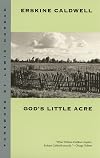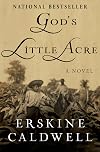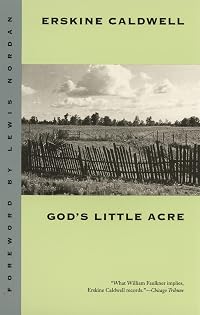
God's Little Acre
by Erskine Caldwell
On This Page
Description
In the Depression-era Deep South, a destitute farmer struggles to raise a family on his own: The bestselling classic by the author of Tobacco Road.Single father and poor Southern farmer Ty Ty Walden has a plan to save his farm and his family: He will tear his fields apart until he finds gold. While Ty Ty obsesses over his fool's quest, his sons and daughters search in vain for their own dreams of instant happiness—whether from money, violence, or sex. God's Little Acre is a classic dark show more comedy, a satire that lampoons a broken South while holding a light to the toll that poverty takes on the hopes and dreams of the poor themselves. This ebook features an illustrated biography of Erskine Caldwell including rare photos and never-before-seen documents courtesy of the Dartmouth College Library. show less
Tags
Recommendations
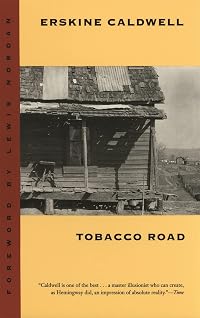






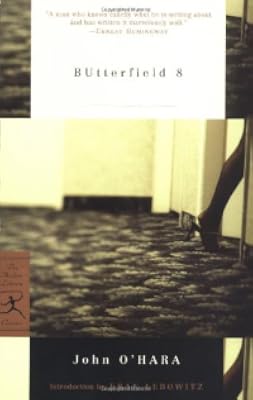
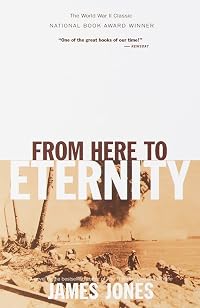


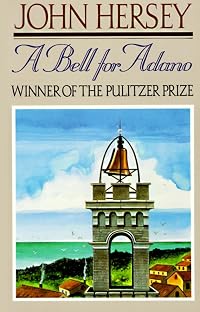
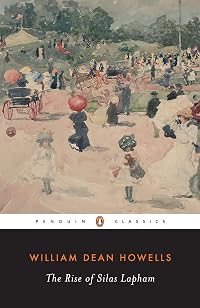



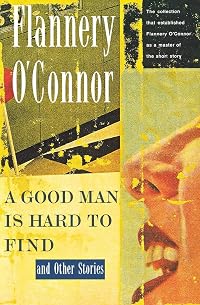


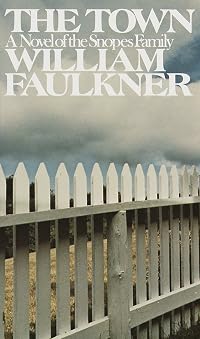
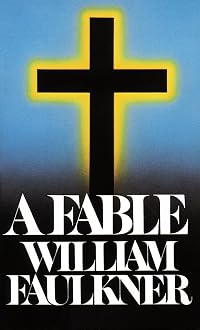
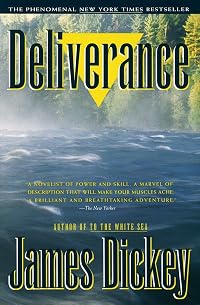




Member Recommendations
Member Reviews
Rating: 3.75* of five
The Book Report: First published in 1933, when the author was a mere slip of a thirty-year-old, this novel starts in a hole and keeps digging deeper and deeper. Literally, not metaphorically. Well, literally AND metaphorically.
Ty Ty and his sons are poor white Southern Americans in the grimmest economic times of the 20th century. There was revolution brewing because of the depth of the economic crisis, and the complete absence of any safety net for anyone at all. Ty Ty and his boys, like modern-day conservatives, are digging for gold in their unpromising Georgia home's unyielding land, and finding lots of dirt and not much else. The womenfolk are trying to keep food on the table and as many rapists as possible show more outside. The ones at home, well, we all have our crosses to bear, don't we?
Since the land's being dug up for gold instead of farmed for food, the boys go off to work in the textile mills. Yes Virginia, there once was a textile industry in the USA. Now it's all in Pakistan, where a couple dollars a month is a (barely) living wage. Mill owners naturally want to keep their costs down to maximize profits, and families are going hungry to make sure the rich get richer (is this sounding familiar?), until the unions come to town. With predictable results.
There's death, there's misery, there's hard work followed by failure, there's more misery, the end.
My Review: And what an end! What a beautiful piece of writing this is, and how very grim the picture it paints in its simple shapes and clear colors. There is nothing unclear or muddy about the book, except the minds of the characters, and that is by the author's design.
The search for gold isn't as stupid as it sounds. The Georgia north was Cherokee country until white folks found gold in them thar hills and booted the native inhabitants off the land. In the novel, some few flakes are found, but never enough to do what Ty Ty wants, which is free him and his family from want and dependence on others. It works well as a metaphor for the frayed and threadbare Murrikin dream, too: Keep working keep working keep working and the rewards will (not) come! Or if they come, at what cost, and ultimately to what end?
The title, God's Little Acre, refers to Ty Ty's gift of one acre of his farmland to God to support the church. But because Ty Ty wants gold for himself and his family, he moves the location of the acre at will, so he'll be sure not to give his gold away. Not so unfamiliar here, either, is it?
Murder, betrayal, lust, rage, and that's all before we get to the workplace! Is it any wonder this book was called obscene by the forces of reaction? It *was* obscene! The horrible exploitive relationships in every single nook and cranny of the world the characters inhabit is obscene. The dreadful ignorance, the grinding and maliciously intentional poverty, all of it obscene!
Sadly, with the slow withering of liberalism, the story's outlines are rapidly recrudescing in the modern Murrika being carved from the living flesh of the unwashed masses too drugged on the crack of an American Dream they will never, ever attain by Lotto or hard work or virtue rewarded. The horror is we've been here before, and a few brave and good men tried to steer us away from this hideous abyss. And here we are, back again.
Sick-making, isn't it? Read the book, and use it as a cautionary tale. show less
The Book Report: First published in 1933, when the author was a mere slip of a thirty-year-old, this novel starts in a hole and keeps digging deeper and deeper. Literally, not metaphorically. Well, literally AND metaphorically.
Ty Ty and his sons are poor white Southern Americans in the grimmest economic times of the 20th century. There was revolution brewing because of the depth of the economic crisis, and the complete absence of any safety net for anyone at all. Ty Ty and his boys, like modern-day conservatives, are digging for gold in their unpromising Georgia home's unyielding land, and finding lots of dirt and not much else. The womenfolk are trying to keep food on the table and as many rapists as possible show more outside. The ones at home, well, we all have our crosses to bear, don't we?
Since the land's being dug up for gold instead of farmed for food, the boys go off to work in the textile mills. Yes Virginia, there once was a textile industry in the USA. Now it's all in Pakistan, where a couple dollars a month is a (barely) living wage. Mill owners naturally want to keep their costs down to maximize profits, and families are going hungry to make sure the rich get richer (is this sounding familiar?), until the unions come to town. With predictable results.
There's death, there's misery, there's hard work followed by failure, there's more misery, the end.
My Review: And what an end! What a beautiful piece of writing this is, and how very grim the picture it paints in its simple shapes and clear colors. There is nothing unclear or muddy about the book, except the minds of the characters, and that is by the author's design.
The search for gold isn't as stupid as it sounds. The Georgia north was Cherokee country until white folks found gold in them thar hills and booted the native inhabitants off the land. In the novel, some few flakes are found, but never enough to do what Ty Ty wants, which is free him and his family from want and dependence on others. It works well as a metaphor for the frayed and threadbare Murrikin dream, too: Keep working keep working keep working and the rewards will (not) come! Or if they come, at what cost, and ultimately to what end?
The title, God's Little Acre, refers to Ty Ty's gift of one acre of his farmland to God to support the church. But because Ty Ty wants gold for himself and his family, he moves the location of the acre at will, so he'll be sure not to give his gold away. Not so unfamiliar here, either, is it?
Murder, betrayal, lust, rage, and that's all before we get to the workplace! Is it any wonder this book was called obscene by the forces of reaction? It *was* obscene! The horrible exploitive relationships in every single nook and cranny of the world the characters inhabit is obscene. The dreadful ignorance, the grinding and maliciously intentional poverty, all of it obscene!
Sadly, with the slow withering of liberalism, the story's outlines are rapidly recrudescing in the modern Murrika being carved from the living flesh of the unwashed masses too drugged on the crack of an American Dream they will never, ever attain by Lotto or hard work or virtue rewarded. The horror is we've been here before, and a few brave and good men tried to steer us away from this hideous abyss. And here we are, back again.
Sick-making, isn't it? Read the book, and use it as a cautionary tale. show less
I gave "Tobacco Road" three stars a while back, and "God's Little Acre" is a bit better than that, but I'm not going to tell you that it's a great book, either. It does, at the very least, dispense with the political sermonizing you find "Tobacco" Road" — a book that actually gave its characters prescriptions for how to improve their lives. It also offers an-ever-so-slightly hornier, funnier, and more humorous take on the South in general. This book's cast of characters is notably more expansive, too, including gold-mad Ty Ty Warren, his sons, Buck and Shaw, and his three daughters, all of whom are much more impressive to look at than any other crop he ever raised. For comic relief, there's Pluto Swint, the fattest, laziest candidate show more for county sheriff you can conceive of. The ironies of Ty Ty's economic situation are plain: he's got a decent piece of land that lays fallow because his ambitions lie elsewhere and which is unproductive despite the presence of two sharecroppers: an impoverished nobleman, of a sort. He's also a scientific man who goes in for divination and he's a red-blooded man who talks earnestly about God but disdains preachers. It's Ty Ty's daughters that provide much of the motor for this one's plot, and allow Caldwell to show his reader that the American South is a place where just about everyone operates without guardrails of any sort and nobody does anything by half-measures: there are few characters here that can be dissuaded from doing anything for any amount of time. Advocates of the New South will not be pleased by this one, and others may debate how well the novel treats its female characters. I agree that that they are portrayed as either passive or teasing throughout much of the book — the women who actually monetize their sexuality here are not portrayed positively — but Caldwell's description of female desire is both deeply felt and absolutely unforgettable.
It's pretty clear what lineage Caldwell would like to join here, but while "God's Little Acre" isn't a bad book to spend your time with and sold, according to the edition I had, a whopping 9.5 million copies, it's just not in the same league as the real giants of twentieth century Southern lit. Caldwell's characters frequently note that it's hot outside, by Faulkner can make you feel it, and while the Waldens live wild lives, but theirs lack the peculiarly alien quality that O'Connor's most memorable Southern characters possessed. Its most interesting character, in fact, might be its least rural: Will Thompson, who dreams of breaking into the textile mill that he's been locked out of and starting up the machines again. In these passages, Caldwell's driven, forceful prose reminded me a little of D.H. Lawrence's, when the latter attempted a weird fusion between the spiritual, the sexual, and the mechanical in last third of "Women in Love." Of course, Lawrence fairly drives me nuts, so I'm not so sure that that's much of a recommendation. Anyway, Caldwell makes an honorable try here, but, as Ty Ty himself might say, there is no way in the pluperfect hell that this one gets into the Southern canon. And I never want to hear a woman's breasts described as her "rising beauties" ever again, no matter how perfectly formed they might be. I'm off to go read something set in New York or Boston or London or some other civilized locale. Bye, y'all! show less
It's pretty clear what lineage Caldwell would like to join here, but while "God's Little Acre" isn't a bad book to spend your time with and sold, according to the edition I had, a whopping 9.5 million copies, it's just not in the same league as the real giants of twentieth century Southern lit. Caldwell's characters frequently note that it's hot outside, by Faulkner can make you feel it, and while the Waldens live wild lives, but theirs lack the peculiarly alien quality that O'Connor's most memorable Southern characters possessed. Its most interesting character, in fact, might be its least rural: Will Thompson, who dreams of breaking into the textile mill that he's been locked out of and starting up the machines again. In these passages, Caldwell's driven, forceful prose reminded me a little of D.H. Lawrence's, when the latter attempted a weird fusion between the spiritual, the sexual, and the mechanical in last third of "Women in Love." Of course, Lawrence fairly drives me nuts, so I'm not so sure that that's much of a recommendation. Anyway, Caldwell makes an honorable try here, but, as Ty Ty himself might say, there is no way in the pluperfect hell that this one gets into the Southern canon. And I never want to hear a woman's breasts described as her "rising beauties" ever again, no matter how perfectly formed they might be. I'm off to go read something set in New York or Boston or London or some other civilized locale. Bye, y'all! show less
Simán el tudom képzelni, hogy ezek az arcok becaplatnak Scarlett O'Haráék farmjára, teleköpködik bagólével a kéziszőttes perzsaszőnyeget, és megpróbálnak kivasalni belőlük 300 dollárt, hogy kihúzzák valahogy a gyapotszüretig. Caldwell Georgia-ja nem szentség, nem kies vidék, hanem a sudribunkók földje – itt a népek már kocsival járnak be a városba, de a házi négereiket még rabszolgának nevezik. Amíg Faulknernél ezek a figurák valahogy a görög tragédiák elemeibe öltöznek (vagy legalábbis a görög tragédiák paródiájaként hatnak), addig Caldwellnél mindez inkább groteszt komédia szánalmas paprikajancsikkal, akik a tudományosság csimborasszójának azt tartják, ha egy albínóval show more kerestethetik meg a föld mélyén búvó hordalékaranyat. Szóval színtiszta svejki abszurd – legalábbis a regény első fele.
A másodikban azonban az író kisiklatja a sztorit – ha nem is előkészítetlenül, de mindenképpen váratlanul. Először is beemeli a történetbe a szövőmunkások bérharcát, ami (különösen a karizmatikus Will figurájának köszönhetően) meglehetősen heroikus jelleget ad a szövegnek*. De még ennél is nagyobb jelentőségű, ahogy a történetben egyre nagyobb szerepet kap a szexualitás, a mindent elsöprő, mindent maga alá gyűrő testi vágy – a caldwelli univerzumban ez ugyanis az az elem, ami leginkább rokonítja a szereplőket a görög mitológia hőseivel, nyugodtan kijelenthetjük: ez bennük leginkább isteni. A végkifejlet pedig – hát az aztán tényleg egy szophoklészi sorstragédiában is elférne. Szóval meglehetősen eklektikus könyvecskéről van szó, de semmi gond: Caldwell olyan író, akinek határozott mondanivalója van, sőt mi több, ezt kifejezetten szórakoztatóan tudja tálalni.
*És nem mellesleg jelzi, hogy Caldwell a szervezett városi munkásságba inkább helyezi bizalmát, mint a földművesbe – ez egy ilyen szocreál elem, nem baj, van ilyen. A kor Amerikájában a szakszervezeti mozgalmak dicsérete nem annyira az író vonalasságát, mint inkább emberi bátorságát jelezte. show less
A másodikban azonban az író kisiklatja a sztorit – ha nem is előkészítetlenül, de mindenképpen váratlanul. Először is beemeli a történetbe a szövőmunkások bérharcát, ami (különösen a karizmatikus Will figurájának köszönhetően) meglehetősen heroikus jelleget ad a szövegnek*. De még ennél is nagyobb jelentőségű, ahogy a történetben egyre nagyobb szerepet kap a szexualitás, a mindent elsöprő, mindent maga alá gyűrő testi vágy – a caldwelli univerzumban ez ugyanis az az elem, ami leginkább rokonítja a szereplőket a görög mitológia hőseivel, nyugodtan kijelenthetjük: ez bennük leginkább isteni. A végkifejlet pedig – hát az aztán tényleg egy szophoklészi sorstragédiában is elférne. Szóval meglehetősen eklektikus könyvecskéről van szó, de semmi gond: Caldwell olyan író, akinek határozott mondanivalója van, sőt mi több, ezt kifejezetten szórakoztatóan tudja tálalni.
*És nem mellesleg jelzi, hogy Caldwell a szervezett városi munkásságba inkább helyezi bizalmát, mint a földművesbe – ez egy ilyen szocreál elem, nem baj, van ilyen. A kor Amerikájában a szakszervezeti mozgalmak dicsérete nem annyira az író vonalasságát, mint inkább emberi bátorságát jelezte. show less
... oggi ne godo la scrittura, la capacità miracolosa di ricostruire un mondo senza alcun apparente intervento esplicativo: non c'è alcuna esplicita ricostruzione psicologica dei bestiali (in senso proprio) protagonisti, non viene offerta nessuna chiave interpretativa sociale o morale, non c'è una 'storia' che venga narrata, le descrizioni più lunghe sono di una riga, e il romanzo è costruito quasi esclusivamente con il dialogo diretto dei protagonisti (e lui disse e lei rispose...). Eppure ripugnanza e fascino, giudizio morale e compassione per questi disgraziati crescono di pagina in pagina e scaturiscono da soli dall'aggrovigliarsi insensato del loro moto relativo, dall'inconsistenza casuale e irrazionale delle loro azioni, show more dalle parole, tra loro mai leggere, ma quasi sempre inutili...
Insomma un gran libro. show less
Insomma un gran libro. show less
The story of a family in rural Georgia, and in the mill towns nearby. The patriarch is so smitten with gold fever that he is sure there is gold on his farmland, and digs holes all over, but he reserves an acre pledged to God. If he wants to dig on God's acre, he conveniently moves it somewhere else, just in case.
His daughter Darlin' Jill is a runaround, his oldest son has left the family and will have nothing to do with the gold fever, becoming instead a prosperous businessman. Another daughter has married a mill worker with great sexual charisma and a burning desire to make things right for the working people at the mill, which is currently undergoing a strike and lockout. And his son Carl is married to Griselda, the epitome of show more womanhood, whom every man wants as soon as he sees her.
Aside from rich characterizations, this novel is set at the fulcrum of time between the farm economy and the mill economy in the south during the Depression. Caldwell uses the sexuality of the family members, the gold fever, the mill work, an even Darlin' Jill's long suffering suitor, to balance nature versus the mechanical age, various kinds of power (sexual, electrical, obsessional), and the inevitability of change versus the determination to live in the old mold. show less
His daughter Darlin' Jill is a runaround, his oldest son has left the family and will have nothing to do with the gold fever, becoming instead a prosperous businessman. Another daughter has married a mill worker with great sexual charisma and a burning desire to make things right for the working people at the mill, which is currently undergoing a strike and lockout. And his son Carl is married to Griselda, the epitome of show more womanhood, whom every man wants as soon as he sees her.
Aside from rich characterizations, this novel is set at the fulcrum of time between the farm economy and the mill economy in the south during the Depression. Caldwell uses the sexuality of the family members, the gold fever, the mill work, an even Darlin' Jill's long suffering suitor, to balance nature versus the mechanical age, various kinds of power (sexual, electrical, obsessional), and the inevitability of change versus the determination to live in the old mold. show less
It is very hard to rate a good book when it flies in the face of one's principles. In God's Little Acre, author Erskine Caldwell expresses an attitude towards sex, marriage and women that I find offensive, but he does it so well that while I may disagree with pretty much all of what he says, I have to admit it is an excellent book.
The bulk of the story would seem to focus on Georgia farmer Ty Ty Walden, his sons (Buck, Shaw and the estranged John Leslie) and his daughters (Rosamund and Darling Jill). Also central to the story are Buck's wife, Griselda, and Rosamund's husband, Will Thompson.
Ty Ty is has gold fever, and is determined to dig up gold on his farm - determined enough, in fact, to almost cease any meaningful farming to devote show more himself (along with sons Buck and Shaw) to digging deep holes all over his farm in an effort to find gold. He does this his entire life, and does so even though a man familiar with gold mining tells him he will never find gold by digging holes in the ground.
Will Thompson works in a cotton mill, although the mill has been shuttered by the company that owns it. The company wants the union to accept a lower hourly wage, while the union refuses to do so. Will is determined to lead his fellow workers back to the mill, take the mill over and start operating it themselves.
Underneath the two story lines is a much more complex theme involving the relationship between men and women, and the proper role of women. There is no doubt that Caldwell treats women as objects, in every sense of the word. Buck's wife, Griselda, is portrayed as an extremely beautiful woman. Ty Ty talks to every man who sees Griselda, telling them how beautiful she is, how sexual she is - all of this in front of Griselda, who protests mildly, but seems to accept the "praise." For Caldwell, women are made to cook and serve as a repository for semen; it is up to a real man to properly take possession of a woman (even if she is someone else's wife), and real women expect this. And if women get a bit uppity about things, it is apparently acceptable to smack them around.
Griselda is, apparently, a real woman, and Will Thompson is a real man. This is made pointedly clear when Will rips the clothes off Griselda (in front of his wife, Rosamund, and Darling Jill), and then takes Griselda to his bed for the night. All three women seem quite fine with this, making sure to fix Will a good breakfast the next morning. When Ty Ty finds out, he apologizes to Griselda for the fact that Buck isn't quite the man that Will is, but says he hopes Buck will mature to be such a man.
The title of the book refers to Ty Ty's practice of keeping one acre of land set aside for growing crops (when possible, I guess) as a duty to god. As luck would have it, god's little acre gets shifted around a bit to make way for another attempt at mining gold. The symbolism here is fairly straight forward.
Would I recommend this book? I really don't know. It is written in regional dialect, and text is kept to a minimum. Sort of like Cormac McCarthy without any substance. There seems to be so much wrong with the themes developed in this book that it almost negates the fact that - as an example of stylistic writing - God's Little Acre is a great piece of literature. show less
The bulk of the story would seem to focus on Georgia farmer Ty Ty Walden, his sons (Buck, Shaw and the estranged John Leslie) and his daughters (Rosamund and Darling Jill). Also central to the story are Buck's wife, Griselda, and Rosamund's husband, Will Thompson.
Ty Ty is has gold fever, and is determined to dig up gold on his farm - determined enough, in fact, to almost cease any meaningful farming to devote show more himself (along with sons Buck and Shaw) to digging deep holes all over his farm in an effort to find gold. He does this his entire life, and does so even though a man familiar with gold mining tells him he will never find gold by digging holes in the ground.
Will Thompson works in a cotton mill, although the mill has been shuttered by the company that owns it. The company wants the union to accept a lower hourly wage, while the union refuses to do so. Will is determined to lead his fellow workers back to the mill, take the mill over and start operating it themselves.
Underneath the two story lines is a much more complex theme involving the relationship between men and women, and the proper role of women. There is no doubt that Caldwell treats women as objects, in every sense of the word. Buck's wife, Griselda, is portrayed as an extremely beautiful woman. Ty Ty talks to every man who sees Griselda, telling them how beautiful she is, how sexual she is - all of this in front of Griselda, who protests mildly, but seems to accept the "praise." For Caldwell, women are made to cook and serve as a repository for semen; it is up to a real man to properly take possession of a woman (even if she is someone else's wife), and real women expect this. And if women get a bit uppity about things, it is apparently acceptable to smack them around.
Griselda is, apparently, a real woman, and Will Thompson is a real man. This is made pointedly clear when Will rips the clothes off Griselda (in front of his wife, Rosamund, and Darling Jill), and then takes Griselda to his bed for the night. All three women seem quite fine with this, making sure to fix Will a good breakfast the next morning. When Ty Ty finds out, he apologizes to Griselda for the fact that Buck isn't quite the man that Will is, but says he hopes Buck will mature to be such a man.
The title of the book refers to Ty Ty's practice of keeping one acre of land set aside for growing crops (when possible, I guess) as a duty to god. As luck would have it, god's little acre gets shifted around a bit to make way for another attempt at mining gold. The symbolism here is fairly straight forward.
Would I recommend this book? I really don't know. It is written in regional dialect, and text is kept to a minimum. Sort of like Cormac McCarthy without any substance. There seems to be so much wrong with the themes developed in this book that it almost negates the fact that - as an example of stylistic writing - God's Little Acre is a great piece of literature. show less
The Penguin paperback copy of "God's Little Acre" I just finished reading was printed in February 1948 and was Penguin's 18th printing of Erskine Caldwell's 1933 novel. It's first printing was in March 1946, meaning the publisher had been printing new copies of the book almost monthly. That gives some idea of just how popular Caldwell's novel was at the time. Few people read it today, but from the Thirties to the Sixties it created a sensation.
That had a lot to do with the New York obscenity case brought against Viking when it first published the book in 1933. The court determined the novel had literary merit and was not pornographic, but afterward everybody wanted to read it to see what all the fuss was about.
The sexuality in the story show more is not at all explicit, yet even today, more than 80 years after its original publication, "God's Little Acre" seems shocking. Caldwell writes about a Depression-era family in the rural South whose patriarch, Ty Ty, is obsessed with finding gold on his land. His soil is rich and he could make a good living farming his land, but instead he and his grown sons, Buck and Shaw, dig great holes in their search for the gold Ty Ty remains convinced lies somewhere on his land.
God's little acre is that small portion of his land, significantly less than an acre, Ty Ty has set aside for God. He swears he will give to the church any income produced from this little acre, but he makes it a point to move God's land somewhere else on his property whenever he decides to dig there. Also living on the farm are Darling Jill, Ty Ty's promiscuous youngest daughter, and Griselda, Buck's beautiful wife. Darling Jill expects to someday to marry Pluto, the plump and stupid candidate for sheriff, but in the meantime has sex with just about any man except him. As for Griselda, her beauty drives men crazy. This includes Ty Ty, her father-in-law, and especially Will, married to another of Ty Ty's daughters, and Jim Leslie, another of his sons, who wants little to do with his embarrassing family, that is until he sees Griselda.
Caldwell clearly had great literature as his goal when he wrote "God's Little Acre." The novel deals with such themes as the plight of the South's non-union laborers, the neglect of the land and the hypocrisy of those whose lives fall far short of the religious ideals they espouse. The author may, in fact, have tried to say too much in his relatively short novel, allowing his portrayal of a lusty Southern family to become the center of his story. show less
That had a lot to do with the New York obscenity case brought against Viking when it first published the book in 1933. The court determined the novel had literary merit and was not pornographic, but afterward everybody wanted to read it to see what all the fuss was about.
The sexuality in the story show more is not at all explicit, yet even today, more than 80 years after its original publication, "God's Little Acre" seems shocking. Caldwell writes about a Depression-era family in the rural South whose patriarch, Ty Ty, is obsessed with finding gold on his land. His soil is rich and he could make a good living farming his land, but instead he and his grown sons, Buck and Shaw, dig great holes in their search for the gold Ty Ty remains convinced lies somewhere on his land.
God's little acre is that small portion of his land, significantly less than an acre, Ty Ty has set aside for God. He swears he will give to the church any income produced from this little acre, but he makes it a point to move God's land somewhere else on his property whenever he decides to dig there. Also living on the farm are Darling Jill, Ty Ty's promiscuous youngest daughter, and Griselda, Buck's beautiful wife. Darling Jill expects to someday to marry Pluto, the plump and stupid candidate for sheriff, but in the meantime has sex with just about any man except him. As for Griselda, her beauty drives men crazy. This includes Ty Ty, her father-in-law, and especially Will, married to another of Ty Ty's daughters, and Jim Leslie, another of his sons, who wants little to do with his embarrassing family, that is until he sees Griselda.
Caldwell clearly had great literature as his goal when he wrote "God's Little Acre." The novel deals with such themes as the plight of the South's non-union laborers, the neglect of the land and the hypocrisy of those whose lives fall far short of the religious ideals they espouse. The author may, in fact, have tried to say too much in his relatively short novel, allowing his portrayal of a lusty Southern family to become the center of his story. show less
Members
- Recently Added By
Lists

1930s
262 works; 5 members

Canon de la narrativa universal del s. XX (cicutadry)
499 works; 3 members
Author Information

Erskine Caldwell has been called one of the most banned and censored authors in the United States. The son of a traveling minister, born in White Oak, Georgia in 1903, Caldwell received little formal education, as a young man, Caldwell took odd jobs and worked in the Southern states. He attended briefly Erskine College, Due West, South Carolina, show more and the Universities of Virginia and Pennsylvania for some semesters. Yet he became a prolific writer whose novels explore the seamy side of life in the American South. At the age of eighteen he went on a gun-running boat to South America, he played professional football and worked as mill-hand, cotton-picker, and in other such occupations. For a time Caldwell was a cub reporter on the Atlanta Journal. In the 1920s Caldwell moved to Maine to devote himself to writing. After several Spartan years, he had three stories accepted for publication. In 1930 Caldwell destroyed all his unpublished work from previous years. 'Country Full of Swedes' was published in the Yale Review, and it received $1,000 award from the journal in 1933. American Earth, a collection of short stories about petty passions and little lecheries, was published in 1931. Some of the stories had first appeared in such magazines as The American Caravan, Blues, Frankfurter Zeitung, Front, The Hound and Horn, Nativity, Pagany, Scribner's Magazine, This Quarter, and transition. The title of one of his novels Tobacco Road (1932) became slang for poverty and degeneracy. The book was made into both a movie (1941) and a long-running Broadway show (1933-1941). Other novels, some of which were made into later films, include The Bastard (1929), Poor Fool (1930), and God's Little Acre (1933). By the late 1940's, Caldwell had sold more books than any writer in the nation's history. Caldwell became a reporter for the Atlanta Journal in 1925, worked as a scriptwriter in Hollywood and was a newspaper correspondent in Mexico, Spain, Czechoslovakia, Russia and China. In 1984, Caldwell was elected, along with Norman Mailer, to the fifty-chair body of the American Academy of Arts and Letters. Caldwell is the author of 25 novels, 150 short stories and 12 nonfiction books. He died in Paradise Valley, Arizona on April 11, 1987. (Bowker Author Biography) show less
Some Editions
Awards and Honors
Awards
Series
Belongs to Publisher Series
Meulenhoff pockets (24)
Rowohlt Jahrhundert (20)
Signet Books (3246)
Le livre de poche (0066)
Zephyr Books (73)
Modern Library (51)
Gallimard, Folio (419)
Work Relationships
Is contained in
Has the adaptation
Common Knowledge
- Canonical title
- God's Little Acre
- Original title
- God's Little Acre
- Original publication date
- 1933
- People/Characters*
- Tai Tai; Shaw; Buck; Griselda; Darling Jill; Pluto (show all 11); Rosamond; Will; Jim Leslie; Sam Negro; Zio Felix
- Important places
- Georgia, USA
- Related movies
- God's Little Acre (1958 | IMDb)
- Dedication
- For Helen
- First words
- Several yards of undermined sand and clay broke loose up near the top, and the land slid down to the floor of the crater.
- Quotations
- He bent over his shovel, kicking the blade into the clay with his foot and wondering how soon Shaw would come back to help him dig.
- Last words*
- (Click to show. Warning: May contain spoilers.)Si chinò allora sulla pala e ne affondò, col piede, il ferro nell'argilla, domandandosi quando Shaw sarebbe tornato per aiutarlo a scavare.
- Original language
- English
*Some information comes from Common Knowledge in other languages. Click "Edit" for more information.
Classifications
Statistics
- Members
- 748
- Popularity
- 37,585
- Reviews
- 16
- Rating
- (3.54)
- Languages
- 12 — Catalan, Danish, Dutch, English, French, German, Hungarian, Italian, Norwegian, Portuguese, Spanish, Swedish
- Media
- Paper, Audiobook, Ebook
- ISBNs
- 46
- UPCs
- 1
- ASINs
- 55