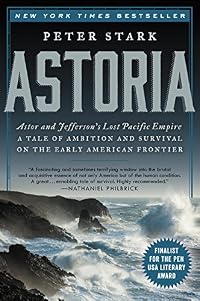
Astoria: John Jacob Astor and Thomas Jefferson's Lost Pacific Empire: A Story of Wealth, Ambition, and Survival
by Peter Stark
On This Page
Description
Documents the 1810 to 1813 expedition, financed by millionaire John Jacob Astor and encouraged by Thomas Jefferson, to establish Fort Astoria, a trading post on the Columbia River in the Pacific Northwest.Tags
Recommendations
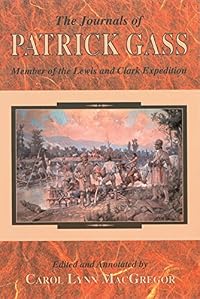
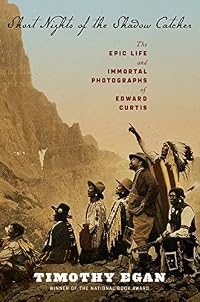
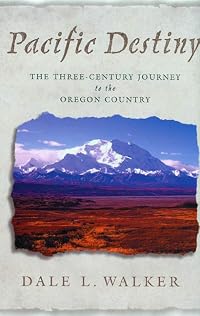






Member Reviews
Non-fiction narrative of the journeys involved in the original settlement of Astoria, “the first American colony on the West Coast of North America, much in the way that Jamestown and Plymouth were the first British colonies on its East Coast.” Peter Stark relates John Jacob Astor’s vision of becoming a magnate of global commerce and how he attempted to make it a reality. To do so, “in 1810, he would send two advance parties—one around Cape Horn by sea on the Tonquin and one across America by land.”
This book is an adventure story involving American history, exploration, leadership, globalization, colonization, entrepreneurship, and biography, all woven together into an engaging, and sometimes shocking, story of the show more establishment of the first non-native settlement in the Pacific Northwest. It is a story of character and leadership styles, and the very tangible outcomes of decisions made at critical junctures. It made me question, before the decision was made, what I would I have done, and would it have turned out better or worse?
Stark provides a striking account of the physical and mental anguish endured by these adventurers. He also presents another example of cultural insensitivity in the treatment of the Native Americans, and how, ironically, the expedition would never have succeeded without their assistance. It is a tale of how extreme stress brings out the best and worst in human nature.
I very much enjoyed this action-oriented factual adventure, including vignettes such as:
• An explosion of immense proportions
• A group reduced to eating their moccasins (and worse)
• A pregnant woman with two small children walking most of the way across the remote wilderness
My quibbles with the book are few. While Thomas Jefferson is mentioned in the ever-so-long subtitle, his involvement is not covered in much depth. There are a few typos in the Kindle edition and the section about the War of 1812 was, for me, not as cohesive or compelling as the rest of the book. Recommended to those interested in true adventures, exploration, or American history. show less
This book is an adventure story involving American history, exploration, leadership, globalization, colonization, entrepreneurship, and biography, all woven together into an engaging, and sometimes shocking, story of the show more establishment of the first non-native settlement in the Pacific Northwest. It is a story of character and leadership styles, and the very tangible outcomes of decisions made at critical junctures. It made me question, before the decision was made, what I would I have done, and would it have turned out better or worse?
Stark provides a striking account of the physical and mental anguish endured by these adventurers. He also presents another example of cultural insensitivity in the treatment of the Native Americans, and how, ironically, the expedition would never have succeeded without their assistance. It is a tale of how extreme stress brings out the best and worst in human nature.
I very much enjoyed this action-oriented factual adventure, including vignettes such as:
• An explosion of immense proportions
• A group reduced to eating their moccasins (and worse)
• A pregnant woman with two small children walking most of the way across the remote wilderness
My quibbles with the book are few. While Thomas Jefferson is mentioned in the ever-so-long subtitle, his involvement is not covered in much depth. There are a few typos in the Kindle edition and the section about the War of 1812 was, for me, not as cohesive or compelling as the rest of the book. Recommended to those interested in true adventures, exploration, or American history. show less
A popular account of a nearly forgotten epic of commercial empire building, the striking thing to me is the raw hubris of it all, as Astor's vision depended too much on men who were not as committed as him in the face of too many unknowns; never mind that it's hard to imagine that Astoria could have really survived the course of war. Still, the whole exercise most certainly contributed to the course of American empire, as the the overland contingent of Astor's company (by the skin of their teeth) essentially pioneered the Oregon Trail.
Stark has written a totally engrossing story of events surrounding John Jacob Astor’s bold vision for capturing the largely unknown Pacific Northwest for worldwide commerce in the early 19th century. Events depicted in this book largely have been lost to history probably because of its eventual failure but also because they were overshadowed by the hugely successful Lewis and Clark expedition.
Stark’s story focuses primarily on the people who Astor recruited to implement his plan. He planned to establish his foothold at the mouth of the Columbia by sea and by land. His recruits were from many different backgrounds and had varying temperaments and skill sets—Canadian voyageurs, former military men, and commercial partners with show more little knowledge of the wilderness. Stark effectively demonstrates their flaws as well as their heroism. His plan also was impacted positively by Jefferson’s support and negatively by Madison’s lack of it along with US involvement in a war with Great Britain.
Native Americans play a key role in the tale. They are depicted as being quite diverse in culture and temperament. Some showed amazing levels of empathy in assisting the Whites, while others were deceitful and even openly hostile. The loss of the first Astor vessel to arrive in the Northwest—the Tonquin—is an excellent example of the latter. Communication failures and an excessively rigid naval man undoubtedly precipitated this tragedy.
In addition to the important human element, geography played an overwhelming role in this endeavor. The distances were vast and all but unimaginable at the time. This made communication between the players almost impossible. Clearly mountains and rivers were important impediments, but also were oceans and weather.
Stark ends his narrative by speculating on other possible outcomes had the Astoria project actually succeeded, including a very different America. show less
Stark’s story focuses primarily on the people who Astor recruited to implement his plan. He planned to establish his foothold at the mouth of the Columbia by sea and by land. His recruits were from many different backgrounds and had varying temperaments and skill sets—Canadian voyageurs, former military men, and commercial partners with show more little knowledge of the wilderness. Stark effectively demonstrates their flaws as well as their heroism. His plan also was impacted positively by Jefferson’s support and negatively by Madison’s lack of it along with US involvement in a war with Great Britain.
Native Americans play a key role in the tale. They are depicted as being quite diverse in culture and temperament. Some showed amazing levels of empathy in assisting the Whites, while others were deceitful and even openly hostile. The loss of the first Astor vessel to arrive in the Northwest—the Tonquin—is an excellent example of the latter. Communication failures and an excessively rigid naval man undoubtedly precipitated this tragedy.
In addition to the important human element, geography played an overwhelming role in this endeavor. The distances were vast and all but unimaginable at the time. This made communication between the players almost impossible. Clearly mountains and rivers were important impediments, but also were oceans and weather.
Stark ends his narrative by speculating on other possible outcomes had the Astoria project actually succeeded, including a very different America. show less
President Thomas Jefferson had a vision of democracy stretching from the East Coast to the uncharted West Coast. So he heartily approved when John Jacob Astor proposed a colony at the mouth of the Columbia River.
The fur trade was amazingly rich; immense fortunes were made. In the early 1800's, however, all the American furs where coming from the land east of the Continental Divide. Astor envisioned a global trade triangle. Furs from the Pacific Northwest would be taken to the incredibly rich markets and high demands of China. Chinese luxury goods such as silk and ceramics would then sail around the Horn to New York where the ships would restock with items to resupply the Northwest colonies.
Astor had the wealth to put this plan into show more action. He purchased a ship to be captained by a stern ex-military man to sail around the Horn to the mouth of the Columbia. He also fitted out an expedition of sixty persons, including Scotch and French mountain men, several of his partners and Marie Dorion and her two young sons, to attempt the overland route - a feat which had not been accomplished since the earlier Lewis and Clark expedition.
This history is the best sort of Narrative Non-Fiction with enough twists and turns and unforgettable characters to keep the pages turning. Exploration, hardships, hostile Indians (often not hostile until they had previous bad experiences with whites), calamitous weather and finally, the War of 1812 with Britain, make this a memorable read.
It's one I wouldn't have picked up except it was a choice by my book club. I'm really glad I did. show less
The fur trade was amazingly rich; immense fortunes were made. In the early 1800's, however, all the American furs where coming from the land east of the Continental Divide. Astor envisioned a global trade triangle. Furs from the Pacific Northwest would be taken to the incredibly rich markets and high demands of China. Chinese luxury goods such as silk and ceramics would then sail around the Horn to New York where the ships would restock with items to resupply the Northwest colonies.
Astor had the wealth to put this plan into show more action. He purchased a ship to be captained by a stern ex-military man to sail around the Horn to the mouth of the Columbia. He also fitted out an expedition of sixty persons, including Scotch and French mountain men, several of his partners and Marie Dorion and her two young sons, to attempt the overland route - a feat which had not been accomplished since the earlier Lewis and Clark expedition.
This history is the best sort of Narrative Non-Fiction with enough twists and turns and unforgettable characters to keep the pages turning. Exploration, hardships, hostile Indians (often not hostile until they had previous bad experiences with whites), calamitous weather and finally, the War of 1812 with Britain, make this a memorable read.
It's one I wouldn't have picked up except it was a choice by my book club. I'm really glad I did. show less
What amazing heroes these folks were to take on the challenge of setting up the fur trade routes in the western USA! It seems that every way they turned there was another crisis, calamity or weather situation to deal with. I really enjoyed reading this book as I live in Central Oregon and I know the terrain to Astoria and surrounds. The fact that many survived is testament to personal courage, inner strength and stubbornness.
Incredible story of what's today a largely forgotten chapter in early American history. Peter Stark's book explores the ambitious endeavor conceived of by John Jacob Astor to construct a global fur-trading monopoly including an American colony at the mouth of the Columbia River. A number of dynamic personalities took charge of the expedition, including the domineering Captain Thorn and the accommodating Wilson Price Hunt, which include both an oceanic and overland expedition. The story is filled with great heroics, tragedy, and conflict as Astor's crews struggle to first reach the Pacific, and then battle nature and each other to establish the colony. In many ways this book reminded me of histories written by Candace Millard- flowing show more fast read with vivid details. This is the kind of book that as you read will make you ask "why isn't this already a movie?" show less
Peter Stark really knows his stuff. He imbued what could have been a rather dull and uninteresting story with panache, wonderful characterization and descriptive details. I was drawn in by the characters, the setting, and a tale of an ambition of immense proportions. I have had the pleasure of visiting Astoria, OR many times, as it is only a few hours from where I grew up, and it's one of my favorite places in the world. This book allowed me to visualize the Astoria of yesteryear, an Astoria born out of a vast and hostile wilderness. A frontier encampment. A dream brought about by John Jacob Astor, who was never able to fully realize his golden trade triangle. This is a fabulous read for anyone interested in Pacific Northwest history, show more or anyone who likes to read about stories of courage and perseverance. Beautifully done. show less
Members
- Recently Added By
Published Reviews
ThingScore 75
Stark moves skillfully back and forth from one segment of the splintered expedition to another. He also raises a tantalizing question about the enterprise as a whole. Astor went on to make his fortune in other ways, but what if he’d realized his Pacific Coast dream? Jefferson and other statesmen had given little thought as to how Astoria, as the short-lived outpost was called, would be show more assimilated into the United States — or whether it would be assimilated at all. show less
added by ozzer
Lists

Set in the Pacific Northwest
136 works; 7 members

Books Read in 2022
5,164 works; 113 members
Author Information

8 Works 1,528 Members
Peter Stark has traveled widely in the Arctic on assignment for Outside, Smithsonian, and other magazines, and is the author of Driving to Greenland: Arctic Travel, Northern Sport, and Other Ventures Into the Heart of Winter. He lives in Missoula, Montana, with his wife and two children
Awards and Honors
Awards
Common Knowledge
- Original publication date
- 2014-03
- People/Characters
- John Jacob Astor; Wilson Price Hunt (leader of the overland party); Robert Stuart; Alexander McKay (b. ~1770); Alexander Ross; John Day (show all 23); Ramsey Crooks; Donald MacKenzie; Marie Dorion; Captain Jonathan Thorn (captain of the Tonquin); Duncan McDougall; David Stuart; Gabriel Franchere (clerk and journal keeper); Thomas McKay (son of Alexander McKay); Robert McClellan; Joseph Miller; John Reed; John Day (hunter); Pierre Dorion (interpreter); Ross Cox (clerk and journal keeper); Alfred Seton (clerk and journal keeper); John Clarke; Captain Cornelius Sowle (captain of the Beaver)
- Important places
- Astoria, Oregon, USA
- Important events
- Astor Expedition
Classifications
Statistics
- Members
- 949
- Popularity
- 27,804
- Reviews
- 32
- Rating
- (3.95)
- Languages
- English
- Media
- Paper, Audiobook, Ebook
- ISBNs
- 8
- ASINs
- 6