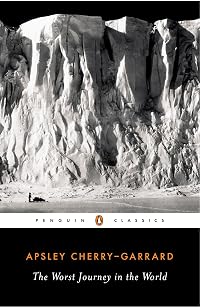
The Worst Journey in the World
by Apsley Cherry-Garrard
On This Page
Description
The Worst Journey in the World is the autobiographical account of a disastrous Antarctic expedition by one of its survivors. Cherry-Garrard's account of the expedition is held in high regard, because of his frank, unflinching discussion of the horrors and trials he survived for such perhaps arbitrary goals..
Tags
Recommendations



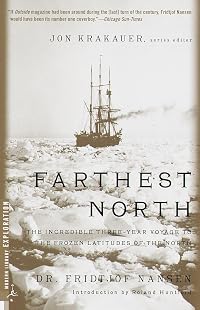
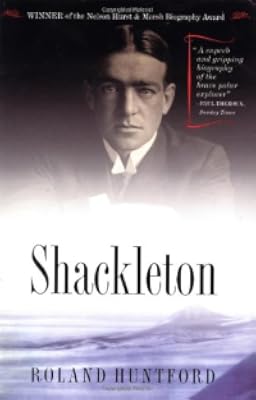
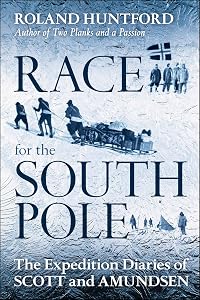
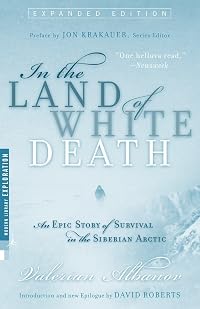

















Member Recommendations

by anonymous user

rebeccanyc Bainbridge weaves fiction out of Cherry-Garrard's narrative, focusing on each of the five men in the fatal Polar Journey.
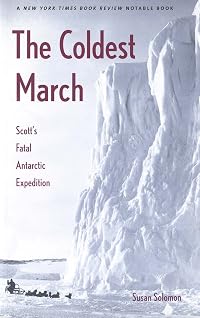
rebeccanyc Solomon includes excerpts from the diaries of the men, as does Cherry-Garrard, but brings modern scientific data to explain some of the unusually extreme weather conditions faced on Scott's polar journey.
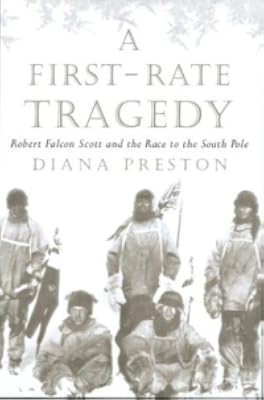
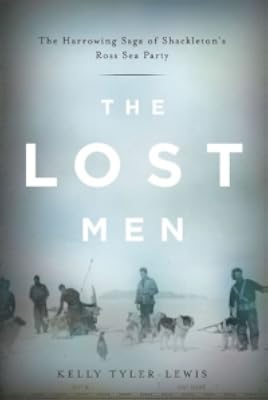
rebeccanyc Both of these books testify to the ability of people in hazardous and terrifying physical conditions to use both hard work and their mental and emotional strength to survive.
Member Reviews
Magnificent, and easily deserving of its frequent praise as the best of adventure and exploration stories.
Apsley Cherry-Garrard (known as "Cherry") was 24 when he was invited to join Robert Scott's Terra Nova Antarctic expedition (1910-1913). The expedition, comprised of scientists and support staff, was formed to do extensive research and, as a bonus, and a major reason given in fund-raising efforts, to try to reach the South Pole, which had never been done. The first third of the book tells of the voyage to Antarctica in a dangerously unfit ship and the first summer in Antarctica, building a hut and sledging farther and farther into the Antarctic interior to lay depots of supplies for the Pole effort the following year. During this show more time the men built up their endurance, practiced sledging techniques, became familiar with each other's strengths, and adjusted to life in close quarters, endless bitter cold and storms, and life in 24-hour darkness. They also proceeded with their various scientific enterprises. The middle section, the actual Worst Journey, describes the winter sledging trip Cherry took with Birdie Bowers and Edward Wilson to an emperor penguin breeding ground to bring back embryos for study. The trip was done almost entirely in darkness in temperatures of -30 to -40F, and it almost killed the three of them. Nights were spent in frozen sleeping bags, the men shivering so hard their teeth cracked. Waking hours meant trying to travel a few more miles in frozen clothes. They just managed to make it back to their hut, weak and sick, and there is a famous photograph of them on their return after weeks in such conditions: (http://upload.wikimedia.org/wikipedia/commons/5/56/Return_of_Wilson_Bowers_Cherry.jpg).
Wilson and Bowers, two of Cherry's best friends, survived that journey only to die the following summer after they were chosen to join Scott for the final push to the Pole. Much of the last section of Cherry's book is heart-breaking, relating the preparations for and much of Scott's run for the Pole, in which he was joined by Bowers, Wilson, Titus Oates, and Seaman Evans. Accompanied on the trip out by three other sledging parties who laid supply depots along the way, the five left behind the last of the other parties about 180 miles from the Pole and did get there, only to find that the Norwegians had beaten them. It was still an extraordinary achievement, but one they would not live to enjoy. On the return trip, Evans died from scurvy and a head injury; Titus became gangrenous and famously left the tent during a blizzard with the words "I'm just going outside and may be some time", hoping his sacrifice would give the others a chance to survive until the next depot. But Scott, Wilson and Bowers became trapped in their tent by a blizzard which lasted for over a week, and they died in their sleeping bags, lying next to each other. They were only 11 miles from the next big depot and almost home. It's interesting and enlightening to read the descriptions of how the line of command was followed closely, with any other method of decision-making being untenable in such dangerous circumstances. Cherry made a last-ditch attempt to take supplies to One-Ton Depot (the depot which Scott's party died so close to), but with no idea of where they might be stuck in the 900-mile expanse between camp and the Pole, he was ordered to return, since winter was closing in. Cherry describes the anguish of the party waiting in camp and finally acknowledging that the Polar party had to be dead. This second winter found them depressed and guilt-ridden, wondering what they could have done to bring about a different ending. When they were finally able to set out on a sledging trip in the spring, planning to travel about 2/3 of the distance to the Pole (after which they would not be sure of the path Scott might have taken), they were appalled to be out for only a few days before finding the tent.
I spent months reading this because I kept being pulled away to read parts of Scott's diary, or Cherry's biography, or to watch documentaries or read up on various techniques used in the expedition. Reading the book on the Kindle was a major help for understanding both polar terms and old British phrases, although the free version had no maps or illustrations, so I kept my tablet and several other books handy. Many of the people described in the book were major players in their fields, and Cherry was able to use diaries, letters, photographs and artwork from both deceased and surviving members of the expedition. More than in any other book I've read about the Antarctic, this one gave me a profound appreciation for the experience of early Antarctic exploration and the suffering endured by these men for the sake of science. Cherry was devastated by the loss of his friends and damaged physically by his own trials. His deep emotional reaction to his experiences makes the people and landscape come alive for the reader. For anyone interested in human drama, exploration, high adventure, history, or the Antarctic, this is highly, highly recommended. show less
Apsley Cherry-Garrard (known as "Cherry") was 24 when he was invited to join Robert Scott's Terra Nova Antarctic expedition (1910-1913). The expedition, comprised of scientists and support staff, was formed to do extensive research and, as a bonus, and a major reason given in fund-raising efforts, to try to reach the South Pole, which had never been done. The first third of the book tells of the voyage to Antarctica in a dangerously unfit ship and the first summer in Antarctica, building a hut and sledging farther and farther into the Antarctic interior to lay depots of supplies for the Pole effort the following year. During this show more time the men built up their endurance, practiced sledging techniques, became familiar with each other's strengths, and adjusted to life in close quarters, endless bitter cold and storms, and life in 24-hour darkness. They also proceeded with their various scientific enterprises. The middle section, the actual Worst Journey, describes the winter sledging trip Cherry took with Birdie Bowers and Edward Wilson to an emperor penguin breeding ground to bring back embryos for study. The trip was done almost entirely in darkness in temperatures of -30 to -40F, and it almost killed the three of them. Nights were spent in frozen sleeping bags, the men shivering so hard their teeth cracked. Waking hours meant trying to travel a few more miles in frozen clothes. They just managed to make it back to their hut, weak and sick, and there is a famous photograph of them on their return after weeks in such conditions: (http://upload.wikimedia.org/wikipedia/commons/5/56/Return_of_Wilson_Bowers_Cherry.jpg).
Wilson and Bowers, two of Cherry's best friends, survived that journey only to die the following summer after they were chosen to join Scott for the final push to the Pole. Much of the last section of Cherry's book is heart-breaking, relating the preparations for and much of Scott's run for the Pole, in which he was joined by Bowers, Wilson, Titus Oates, and Seaman Evans. Accompanied on the trip out by three other sledging parties who laid supply depots along the way, the five left behind the last of the other parties about 180 miles from the Pole and did get there, only to find that the Norwegians had beaten them. It was still an extraordinary achievement, but one they would not live to enjoy. On the return trip, Evans died from scurvy and a head injury; Titus became gangrenous and famously left the tent during a blizzard with the words "I'm just going outside and may be some time", hoping his sacrifice would give the others a chance to survive until the next depot. But Scott, Wilson and Bowers became trapped in their tent by a blizzard which lasted for over a week, and they died in their sleeping bags, lying next to each other. They were only 11 miles from the next big depot and almost home. It's interesting and enlightening to read the descriptions of how the line of command was followed closely, with any other method of decision-making being untenable in such dangerous circumstances. Cherry made a last-ditch attempt to take supplies to One-Ton Depot (the depot which Scott's party died so close to), but with no idea of where they might be stuck in the 900-mile expanse between camp and the Pole, he was ordered to return, since winter was closing in. Cherry describes the anguish of the party waiting in camp and finally acknowledging that the Polar party had to be dead. This second winter found them depressed and guilt-ridden, wondering what they could have done to bring about a different ending. When they were finally able to set out on a sledging trip in the spring, planning to travel about 2/3 of the distance to the Pole (after which they would not be sure of the path Scott might have taken), they were appalled to be out for only a few days before finding the tent.
I spent months reading this because I kept being pulled away to read parts of Scott's diary, or Cherry's biography, or to watch documentaries or read up on various techniques used in the expedition. Reading the book on the Kindle was a major help for understanding both polar terms and old British phrases, although the free version had no maps or illustrations, so I kept my tablet and several other books handy. Many of the people described in the book were major players in their fields, and Cherry was able to use diaries, letters, photographs and artwork from both deceased and surviving members of the expedition. More than in any other book I've read about the Antarctic, this one gave me a profound appreciation for the experience of early Antarctic exploration and the suffering endured by these men for the sake of science. Cherry was devastated by the loss of his friends and damaged physically by his own trials. His deep emotional reaction to his experiences makes the people and landscape come alive for the reader. For anyone interested in human drama, exploration, high adventure, history, or the Antarctic, this is highly, highly recommended. show less
"Polar exploration is at once the cleanest and most isolated way of having a bad time that has ever been devised." Thus begins this remarkable book by a remarkable man about a remarkable multiyear group of journeys made just over 100 years ago. As is well known, Robert Scott lost both the "race" to the South Pole and his life in the trip to Antarctica that began in 1910 and ended in 1913. Cherry-Garrard was the youngest member of the team, a kind of utility player selected for general aptitude (and his ability to contribute to the expedition) rather than the specific skills of the other participants, whether they were prior experience with polar exploration, scientific expertise, medical knowledge, dog- or pony-handling experience, show more logistical skills, or whatever. Soon after his return, he was thrust into the carnage of World War I, so it wasn't until almost 10 years later that he completed this wonderful book.
A war is like the Antarctic in one respect. There is no getting out of it with honour as long as you can put one foot in front of the other. p. lxv
In the book, he combines his own general reportage with excerpts from his diary as well as the diaries of Scott and Wilson, and excerpts from Bowers' letters to his mother. Wilson and Bowers were his companions on "the worst journey in the world," an expedition in the middle of the winter (i.e., total darkness, temperatures routinely in the range of -50°F) to observe and obtain eggs from the Emperor Penguin (but more on that later). His writing includes vivid descriptions of the beauties and harshness of the Antarctic environment, penetrating analysis of the factors contributing to success and failure, and deep insight into human (and dog/pony/mule) behavior.
The expedition consisted of several phases. Arriving in Antarctica after traveling by ship first to South Africa and then to New Zealand, the explorers began a series of journeys to set up depots with food and fuel before winter came, so they would be there the following spring when they undertook their 800-mile journey to the Pole (and 800 miles back). They brought ponies and dogs to pull sledges, but there were drawbacks to both, and very often the men had to pull the sledges laden with goods themselves. During the first winter, the journey to the penguins took place. Then in the spring the polar journey itself began; three teams set out, but two returned at various points along the route, so only Scott and four others continued to the Pole. Cherry-Garrard was in the second group to return. When Scott didn't return, they realized he and his team must have died, but winter came and they couldn't search for the bodies until the following spring. After they find the bodies, Cherry-Garrard fills in the narrative of the polar team from their diaries, and the continues to their return by ship to New Zealand.
The expedition was not only designed to reach the South Pole, although it was that goal that attracted the funding necessary to undertake it; it was also, very importantly, a scientific expedition, with people exploring geology, meteorology, snow and ice movement, and marine life, as well as the seals and penguins that inhabit the Antarctic. The winter journey to find the eggs of the Emperor Penguin was based on two scientific misconceptions: first, that the penguin was a very primitive bird, and second that ontogeny (or embryonic/fetal development) recapitulates phylogeny (or evolutionary changes that led to the specific animal). Nonetheless, the three men set off in the pitch dark, facing crevasses they couldn't see, hauling the sledges themselves, sleeping in frozen sleeping bags, experiencing blizzards and their tent being carried off by the wind, and so much more. The descriptions of what they went through are astounding, and horrifying.
"The horror of the nineteen days it took us to travel from Cape Evans to Cape Crozier would have to be re-experienced to be appreciate it; and anyone would be a fool who went again; it is not possible to describe it. The weeks which followed were comparative bliss, not because later our conditions were better -- they were far worse -- but because we were callous. I for one had come to that point of suffering at which I did not care if only I could die without much pain. The talk of the heroism of the dying -- they little know -- it would be so easy to die, a dose of morphia, a friendly crevasse, and blissful sleep. The trouble is to go on . . ." pp. 229-230
"Antarctic exploration is seldom as bad as you imagine, seldom as bad as it sounds. But this journey had beggared our language: no words could express its horror." p. 288
He speaks of his companions, Wilson and Bowers.
"In civilization men are taken at their own valuation because there are so many ways of concealment, and there is so little time, perhaps even so little understanding. Not so down South. These two men went through the Winter Journey and lived; later they went through the Polar Journey and died. There were gold, pure, shining, unalloyed. Words cannot express how good their companionship was." p. 239
Part of the book is devoted to what life is like in their camp over the winter, how the men entertain each other with lectures on various topics, and part is devoted to discussions of how to deal with ponies and dogs in the Antarctic (Cherry-Garrard and, indeed, the other men, have what I consider a very English fondness for their animals, although I suppose this is a much more widespread feeling), the effect of different kinds of snow and ice on the runners of the sledges and on sledging itself, the fierceness of the winds and the bitterness of the cold, the signs and "progress" of frostbite and scurvy, the moral qualities of the men with their emphasis on always appearing cheery no matter how terrible the conditions (that "stiff upper lip"), and almost anything else you can think of that plays a role in polar exploration. Yet Cherry-Garrard has the ability to fold all these topics into a compelling narrative, a narrative that benefits greatly from the excerpts from diaries and letters. At the end, in a chapter entitled "Never Again," he reflects on what has been learned from the expedition, what could be done better in the future (vitamins, significantly larger food rations, and the potential for air exploration, to name a few).
I could go on and on, but I will close with a quote about the majesty of the Antarctic.
"Of course for the most part the land is covered to such a depth by glaciers and snow that no wind will do more than pack the snow or expose the ice beneath. At the same time, to visualize the Antarctic as a white land is a mistake, for, not only is there much rock projecting wherever mountains or rocky capes and islands rise, but the snow seldom looks white, and if carefully looked at will be found to be shaded with many colors, but chiefly with cobalt blue or rose-madder, and all the graduations of lilac and mauve which the mixture of these colors will produce. A White Day is so rare that I have recollections of going out from the hut or the tent and being impressed by the fact that the snow really looked white. When to the beautiful tints of the sky and the delicate shading of the snow are added perhaps the deep colours of the open sea, with reflections from the ice foot and ice-cliffs in it, all brilliant blues and emerald greens, then indeed a man may realize how beautiful this world can be, and how clean.
Though I may struggle with inadequate expression to show the reader that this pure Land of the South has many gifts to squander on those who woo her, chiefest of these gifts is that of her beauty. Next, perhaps, is that of grandeur and immensity, of giant mountains and limitless spaces, which must awe the most casual, and may well terrify the least imaginative of mortals. p. 181
ETA I became interested in reading this book after I read, several years ago, The Coldest March by Susan Solomon, in which she interweaves excerpts from the diaries of men on the trip with modern scientific data on the unusually extreme conditions the expedition encountered. show less
A war is like the Antarctic in one respect. There is no getting out of it with honour as long as you can put one foot in front of the other. p. lxv
In the book, he combines his own general reportage with excerpts from his diary as well as the diaries of Scott and Wilson, and excerpts from Bowers' letters to his mother. Wilson and Bowers were his companions on "the worst journey in the world," an expedition in the middle of the winter (i.e., total darkness, temperatures routinely in the range of -50°F) to observe and obtain eggs from the Emperor Penguin (but more on that later). His writing includes vivid descriptions of the beauties and harshness of the Antarctic environment, penetrating analysis of the factors contributing to success and failure, and deep insight into human (and dog/pony/mule) behavior.
The expedition consisted of several phases. Arriving in Antarctica after traveling by ship first to South Africa and then to New Zealand, the explorers began a series of journeys to set up depots with food and fuel before winter came, so they would be there the following spring when they undertook their 800-mile journey to the Pole (and 800 miles back). They brought ponies and dogs to pull sledges, but there were drawbacks to both, and very often the men had to pull the sledges laden with goods themselves. During the first winter, the journey to the penguins took place. Then in the spring the polar journey itself began; three teams set out, but two returned at various points along the route, so only Scott and four others continued to the Pole. Cherry-Garrard was in the second group to return. When Scott didn't return, they realized he and his team must have died, but winter came and they couldn't search for the bodies until the following spring. After they find the bodies, Cherry-Garrard fills in the narrative of the polar team from their diaries, and the continues to their return by ship to New Zealand.
The expedition was not only designed to reach the South Pole, although it was that goal that attracted the funding necessary to undertake it; it was also, very importantly, a scientific expedition, with people exploring geology, meteorology, snow and ice movement, and marine life, as well as the seals and penguins that inhabit the Antarctic. The winter journey to find the eggs of the Emperor Penguin was based on two scientific misconceptions: first, that the penguin was a very primitive bird, and second that ontogeny (or embryonic/fetal development) recapitulates phylogeny (or evolutionary changes that led to the specific animal). Nonetheless, the three men set off in the pitch dark, facing crevasses they couldn't see, hauling the sledges themselves, sleeping in frozen sleeping bags, experiencing blizzards and their tent being carried off by the wind, and so much more. The descriptions of what they went through are astounding, and horrifying.
"The horror of the nineteen days it took us to travel from Cape Evans to Cape Crozier would have to be re-experienced to be appreciate it; and anyone would be a fool who went again; it is not possible to describe it. The weeks which followed were comparative bliss, not because later our conditions were better -- they were far worse -- but because we were callous. I for one had come to that point of suffering at which I did not care if only I could die without much pain. The talk of the heroism of the dying -- they little know -- it would be so easy to die, a dose of morphia, a friendly crevasse, and blissful sleep. The trouble is to go on . . ." pp. 229-230
"Antarctic exploration is seldom as bad as you imagine, seldom as bad as it sounds. But this journey had beggared our language: no words could express its horror." p. 288
He speaks of his companions, Wilson and Bowers.
"In civilization men are taken at their own valuation because there are so many ways of concealment, and there is so little time, perhaps even so little understanding. Not so down South. These two men went through the Winter Journey and lived; later they went through the Polar Journey and died. There were gold, pure, shining, unalloyed. Words cannot express how good their companionship was." p. 239
Part of the book is devoted to what life is like in their camp over the winter, how the men entertain each other with lectures on various topics, and part is devoted to discussions of how to deal with ponies and dogs in the Antarctic (Cherry-Garrard and, indeed, the other men, have what I consider a very English fondness for their animals, although I suppose this is a much more widespread feeling), the effect of different kinds of snow and ice on the runners of the sledges and on sledging itself, the fierceness of the winds and the bitterness of the cold, the signs and "progress" of frostbite and scurvy, the moral qualities of the men with their emphasis on always appearing cheery no matter how terrible the conditions (that "stiff upper lip"), and almost anything else you can think of that plays a role in polar exploration. Yet Cherry-Garrard has the ability to fold all these topics into a compelling narrative, a narrative that benefits greatly from the excerpts from diaries and letters. At the end, in a chapter entitled "Never Again," he reflects on what has been learned from the expedition, what could be done better in the future (vitamins, significantly larger food rations, and the potential for air exploration, to name a few).
I could go on and on, but I will close with a quote about the majesty of the Antarctic.
"Of course for the most part the land is covered to such a depth by glaciers and snow that no wind will do more than pack the snow or expose the ice beneath. At the same time, to visualize the Antarctic as a white land is a mistake, for, not only is there much rock projecting wherever mountains or rocky capes and islands rise, but the snow seldom looks white, and if carefully looked at will be found to be shaded with many colors, but chiefly with cobalt blue or rose-madder, and all the graduations of lilac and mauve which the mixture of these colors will produce. A White Day is so rare that I have recollections of going out from the hut or the tent and being impressed by the fact that the snow really looked white. When to the beautiful tints of the sky and the delicate shading of the snow are added perhaps the deep colours of the open sea, with reflections from the ice foot and ice-cliffs in it, all brilliant blues and emerald greens, then indeed a man may realize how beautiful this world can be, and how clean.
Though I may struggle with inadequate expression to show the reader that this pure Land of the South has many gifts to squander on those who woo her, chiefest of these gifts is that of her beauty. Next, perhaps, is that of grandeur and immensity, of giant mountains and limitless spaces, which must awe the most casual, and may well terrify the least imaginative of mortals. p. 181
ETA I became interested in reading this book after I read, several years ago, The Coldest March by Susan Solomon, in which she interweaves excerpts from the diaries of men on the trip with modern scientific data on the unusually extreme conditions the expedition encountered. show less
Like most people, I have always “known” a bit about Scott’s journey to the South Pole – how it was a race with Amundsen, how the Norwegians “won”, how Scott did get there but didn’t make it back, and above all how Captain Oates tried to sacrifice himself to save the others, famously quoted as saying “Well, I am just going outside, and I may be some time”, then leaving the tent to walk to certain death in a heavy blizzard. What I hadn’t fully appreciated was the wider context of the expedition – the meticulous advance planning, the fundraising, the gathering of the team and supplies, the advance journey to lay down rations for the final push, the considerations of how to spend the many months of “dead” time (in show more addition to work and scientific experiments, they had books, games and a pianola to divert themselves with), and the important jobs done by the teams who didn’t go to the Pole with Scott, but stayed at the base camp, or formed the supporting parties for the first legs of the journey. Above all, I had never fully understood (or even thought about) just how cold it was, all the time.
Cherry-Garrard makes all this real, and makes it fascinating. He was a member of the party that went in search of Scott and his team the year after they failed to return from the Pole (it had been obvious for a long time that they must be dead, as it was impossible to survive once their food and fuel ran out, even by killing penguins), but they had to wait for the next “summer” to be able to trace the route successfully. He writes movingly about finding Scott and two companions dead in their sleeping bags inside their tent (Oates had walked out, and the fifth team member had died and been buried earlier), reading Scott’s final diary entries, and burying the bodies under a cairn. But the even more incredible part of this book is the description of a journey undertaken during the team’s first winter in the Antarctic (that is, before the trip to the Pole) – Cherry-Garrard and two others set out to reach the Emperor Penguin breeding grounds (which a previous expedition had discovered) and to bring back some eggs, which hadn’t been done before. This mid-winter journey was decidedly NOT a good idea, and it is this, not Scott’s fated trip, that gives the book its name.
It was so cold on this journey that breath and sweat instantly froze solid, coating the men with sheets of ice outside and inside their clothes. They had to chip their way through the ice blocking the tops of their sleeping bags each night, wherein they lay shivering for 6 or 7 hours, and when they got ready to start walking each day they had to be careful to emerge from the tent and immediately assume appropriate poses for dragging sleds (yes, they dragged them themselves), in case their clothes froze their bodies into the wrong positions before they got their harnesses on. Then they would drag heavy loads for hours, occasionally stopping to pull each other out of crevasses, stopping for tea and biscuits halfway, setting up the tent every night, cooking dinner, chipping into the sleeping bags, all without being able to take any clothes off or warm up at all. This went on for six weeks in, of course, complete darkness. But they found the penguins, got some eggs, and got back safely (hope that’s not a spoiler). And every night, Cherry-Garrard wrote in his diary, as he lay shivering in his frozen sleeping bag. You couldn’t make this stuff up.
I cannot recommend this book too highly, even if “true life adventure” is not usually your cup of tea. Cherry-Garrard was a really good writer and observer, and the story is a truly exciting and inspiring, if tragic, one. Just be prepared to fee very cold while you are reading it. show less
Cherry-Garrard makes all this real, and makes it fascinating. He was a member of the party that went in search of Scott and his team the year after they failed to return from the Pole (it had been obvious for a long time that they must be dead, as it was impossible to survive once their food and fuel ran out, even by killing penguins), but they had to wait for the next “summer” to be able to trace the route successfully. He writes movingly about finding Scott and two companions dead in their sleeping bags inside their tent (Oates had walked out, and the fifth team member had died and been buried earlier), reading Scott’s final diary entries, and burying the bodies under a cairn. But the even more incredible part of this book is the description of a journey undertaken during the team’s first winter in the Antarctic (that is, before the trip to the Pole) – Cherry-Garrard and two others set out to reach the Emperor Penguin breeding grounds (which a previous expedition had discovered) and to bring back some eggs, which hadn’t been done before. This mid-winter journey was decidedly NOT a good idea, and it is this, not Scott’s fated trip, that gives the book its name.
It was so cold on this journey that breath and sweat instantly froze solid, coating the men with sheets of ice outside and inside their clothes. They had to chip their way through the ice blocking the tops of their sleeping bags each night, wherein they lay shivering for 6 or 7 hours, and when they got ready to start walking each day they had to be careful to emerge from the tent and immediately assume appropriate poses for dragging sleds (yes, they dragged them themselves), in case their clothes froze their bodies into the wrong positions before they got their harnesses on. Then they would drag heavy loads for hours, occasionally stopping to pull each other out of crevasses, stopping for tea and biscuits halfway, setting up the tent every night, cooking dinner, chipping into the sleeping bags, all without being able to take any clothes off or warm up at all. This went on for six weeks in, of course, complete darkness. But they found the penguins, got some eggs, and got back safely (hope that’s not a spoiler). And every night, Cherry-Garrard wrote in his diary, as he lay shivering in his frozen sleeping bag. You couldn’t make this stuff up.
I cannot recommend this book too highly, even if “true life adventure” is not usually your cup of tea. Cherry-Garrard was a really good writer and observer, and the story is a truly exciting and inspiring, if tragic, one. Just be prepared to fee very cold while you are reading it. show less
A fine example of the way that British Imperial machismo had lost touch with reality at the start of the 20th century. Scott's antarctic expedition relies to an inordinate degree on Englishmen Pulling Through as a justification for bad preparation and bad decisions such as his famous man pulled sledges. Cherry-Garrard accepts that Scott's death was a national tragedy and example of heroism, while at the same time showing in detail the rotten organization of this expedition in which he took part.
Just contrast this with Amundsen's simultaneous journey recorded in his book "The South Pole".
Just contrast this with Amundsen's simultaneous journey recorded in his book "The South Pole".
The “worst journey” began in July, 1911, in Antarctica. It was a different world then. So few people seem to be named Apsley anymore. Pity.
Apsley Cherry-Garrard’s experiences in Antarctica, recounted in The Worst Journey in the World, provide us with a keen sense of the difficulties faced when attempting the undone. The difficulties had costs, as Cherry’s confidence later in life came to lack enough of the kind of self-regard that protects one against the sabotages of self-doubt. He writes, “when I was a subaltern of 24, not incapable of judging my elders, but too young to have found out whether my judgment was worth anything…” That thought is admirably put but to think it is perhaps a handicap, for even a fool has some show more judgment worth something. The fallout for Cherry meant lifelong self-questioning on whether he could have made other choices, choices he’d speculate might have saved Robert Scott, Birdie Wilson, and Bill Bowers on their return from the South Pole.
The book is rich with excerpts from expedition members’ journals. These entries are valuable for how they document many details of the venture, give authentic voice to the men’s experiences, and are the crucial source for telling the story of the South Pole trip. Even so, I grew to feel a little impatient with them because in general the narrative is set at a slow pace anyway. Another drawback, in the edition I read, is the absence of maps showing all (or at least most) places mentioned. Without them, the reader not acquainted with Antarctica could as beneficially be told, with little sacrifice in precision, that one man went hither, another yonder, and a third to a place over there.
Nevertheless, there is much here I am glad to have read, especially the heartfelt account of Scott’s last journey, and of course the harrowing titular journey that Wilson, Bowers, and Cherry made in winter to acquire penguin embryos (of all things). The Worst Journey treats us to wonderful observations of the beauty and severity of the physical environment and of the animals the men saw. Robert Scott, after watching how killer whales break an ice floe in their attempt to prey on men and dogs, was moved to say, “It is clear they are endowed with singular intelligence, and in the future we shall treat that intelligence with every respect.” It may be impossible not to feel similarly about the men Cherry describes and about the author himself who captured their work and the tragedy. show less
Apsley Cherry-Garrard’s experiences in Antarctica, recounted in The Worst Journey in the World, provide us with a keen sense of the difficulties faced when attempting the undone. The difficulties had costs, as Cherry’s confidence later in life came to lack enough of the kind of self-regard that protects one against the sabotages of self-doubt. He writes, “when I was a subaltern of 24, not incapable of judging my elders, but too young to have found out whether my judgment was worth anything…” That thought is admirably put but to think it is perhaps a handicap, for even a fool has some show more judgment worth something. The fallout for Cherry meant lifelong self-questioning on whether he could have made other choices, choices he’d speculate might have saved Robert Scott, Birdie Wilson, and Bill Bowers on their return from the South Pole.
The book is rich with excerpts from expedition members’ journals. These entries are valuable for how they document many details of the venture, give authentic voice to the men’s experiences, and are the crucial source for telling the story of the South Pole trip. Even so, I grew to feel a little impatient with them because in general the narrative is set at a slow pace anyway. Another drawback, in the edition I read, is the absence of maps showing all (or at least most) places mentioned. Without them, the reader not acquainted with Antarctica could as beneficially be told, with little sacrifice in precision, that one man went hither, another yonder, and a third to a place over there.
Nevertheless, there is much here I am glad to have read, especially the heartfelt account of Scott’s last journey, and of course the harrowing titular journey that Wilson, Bowers, and Cherry made in winter to acquire penguin embryos (of all things). The Worst Journey treats us to wonderful observations of the beauty and severity of the physical environment and of the animals the men saw. Robert Scott, after watching how killer whales break an ice floe in their attempt to prey on men and dogs, was moved to say, “It is clear they are endowed with singular intelligence, and in the future we shall treat that intelligence with every respect.” It may be impossible not to feel similarly about the men Cherry describes and about the author himself who captured their work and the tragedy. show less
"Exploration is the physical expression of the intellectual passion. And I tell you, if you have the desire for knowledge and the power to give it physical expression, go out and explore."
The knowledge that Apsley Cherry-Garrard wrote those words after seeing his two best mates and "the boss" frozen dead just shows how strongly he believed in what they were doing and exhibits his general good-nature. I think it was his optimism in particular that kept me reading throughout the expedition's harrowing attempt to reach the South Pole. Sometimes able to move only 1 mile a day on half rations of biscuit and tea, and suffering from frostbite at -70 degrees, it was difficult for me to imagine that a fictional character would trudge on in those show more circumstances, much less to know that flesh-and-blood men did it. Their travels through Antarctica might have ultimately been The Worst Journey in the World but there are moments in Cherry's book that are captivating.
I was first surprised when Cherry wrote that Antarctica is not white. He mentions the blue and green ice, the rocks and hills and he also states that nearly every color is present in the cast of the snow. He talks so much of the land and the ice. Crevasses where they lose dogs, but thankfully, no men. He speaks of pitching his tent on less than six inches of ice, hearing it groan beneath him, of being aware of it breaking up and of leaping the ponies back to safety. He writes of the aurora australis and the amazing darkness of a polar night. Of seeing (and hearing) his breath freeze before his face.
But some of my favorite sections tell about the indigenous wildlife. Cherry's role during the trip was as assistant zoologist and while they were at an Emperor penguin rookery he helped acquire both birds and eggs for study and as museum specimens. He recorded such surprising observations of penguin behavior: to other penguins, to men and also to the sled dogs. Apparently the birds had absolutely no fear of canines, even getting right up in their faces when barked at - which of course often led to "a red spot in the snow".
I was rivoted by Cherry's tale of Orcas that would swim under the ice and bump it with their bodies to break it up, seeing if they could get a meal to fall through.
"The Killers were too interested in us to be pleasant. They had a habit of bobbing up and down perpendicularly, so as to see over the edge of a floe... cruising about in great numbers, snorting and blowing, while occasionally they would in some extraordinary way raise themselves and look about over the ice, resting the fore part of their enormous yellow and black bodies on the edge of the floes. They were undisguisedly interested in us and the ponies, and we felt that if we once got into the water our ends would be swift and bloody." I shall certainly never see Orcas again without thinking of Cherry and feeling his terror.
Cherry's other duty, when not collecting penguins or seal, was to stock depots of food and oil so that the team going to the Pole would have supplies to make it back. He clearly had a fondness for all of his fellow mates, never writing a disparaging word regarding their character. Even in dire conditions they seemed to have kept their tempers and humor too. He talks of them passing long hours of the night singing together (apparently singing was a favorite past time, they would even sing to the penguins, who would sing back). They swapped books and listened to records, Cherry of the opinion that music was very helpful in warding off the depression of winter.
Cherry relates the day Scott tells him he's not one of the five men going to the Pole and he accepts it gracefully. He calculates Scott's progress, worries once he believes the team overdue, accepts it when he knows they must be dead and resolutely goes out to find their bodies. It's obvious that some of the politics and 'quarterbacking' of their expedition got under Cherry's skin. He speaks of the blizzard, the "if-onlys", of losing the South Pole to the Norwegians and he defends Scott's many accomplishments but he never comes across as overly negative or bitter. In fact, Cherry has a wonderful philosophical side that peeks out now and again. There is one passage I've been chewing on and I am sure it will stay with me for some time to come: "Just enough to eat and keep us warm, no more - no frills nor trimmings; there is many a worse and more elaborate life. The necessaries of civilization were luxuries to us;... the luxuries of civilization satisfy only those wants which they themselves create." show less
"The flowers were of snow, the rivers of ice, and if Stevenson had been to the Antarctic he would have made them so. (p 255)
Who would have guessed that a slight, young, recent Oxford graduate who paid for his passage with Robert Falcon Scott's Antarctic expedition would not only survive the ordeal but also write a classic narrative of his adventure? I might have been surprised had I not recently been reading the biography of young Teddy Roosevelt who overcame early physical weakness and dire diagnoses from his doctors to become a legendary explorer himself (and much more). Apsley Cherry-Garrard (known as "Cherry" on the expedition) narrates a story of the expedition that is both a moving account of their fateful Polar journey and a show more superb group portrait of Scott and his team. The physical ordeals that Scott's team endures, the fateful decisions, hardships beyond imagination and ultimately death are portrayed in a penetrating and suspenseful narrative. One thing that distinguishes Cherry-Garrard's tale are the literary references that inhabit the narrative; from the chapter epigraphs to his own literary writing style they more than embellish an already taut and exhilarating tale. I will set this beside another of my favorite Antarctic adventure narrative, Endurance, Alfred Lansing's narrative of Sir Ernest Shackleton's incredible voyage. I recommend the adventure narratives of both Cherry-Garrard and Lansing to all who love great tales of adventure. show less
Who would have guessed that a slight, young, recent Oxford graduate who paid for his passage with Robert Falcon Scott's Antarctic expedition would not only survive the ordeal but also write a classic narrative of his adventure? I might have been surprised had I not recently been reading the biography of young Teddy Roosevelt who overcame early physical weakness and dire diagnoses from his doctors to become a legendary explorer himself (and much more). Apsley Cherry-Garrard (known as "Cherry" on the expedition) narrates a story of the expedition that is both a moving account of their fateful Polar journey and a show more superb group portrait of Scott and his team. The physical ordeals that Scott's team endures, the fateful decisions, hardships beyond imagination and ultimately death are portrayed in a penetrating and suspenseful narrative. One thing that distinguishes Cherry-Garrard's tale are the literary references that inhabit the narrative; from the chapter epigraphs to his own literary writing style they more than embellish an already taut and exhilarating tale. I will set this beside another of my favorite Antarctic adventure narrative, Endurance, Alfred Lansing's narrative of Sir Ernest Shackleton's incredible voyage. I recommend the adventure narratives of both Cherry-Garrard and Lansing to all who love great tales of adventure. show less
Members
- Recently Added By
Lists

Best of Travel Narratives
142 works; 28 members

Top Five Books of 2013
1,562 works; 721 members

Sports Illustrated's The Top 100 Sports Books of All Time
51 works; 7 members

Recommend the 20 best books you've read in the last five years
2,168 works; 606 members

Adventure Travel & Exploration In The Polar Regions
8 works; 6 members

Accidents, Disasters, and Tragedies
175 works; 7 members

Polar exploration
54 works; 4 members

Best 19th and 20th Century Travel
22 works; 4 members

Books Read in 2016
4,666 works; 197 members

Folio Society
831 works; 53 members

2022 books
7 works; 1 member

r/AskHistorians' Recommended Books
1,068 works; 18 members

Mustich's 1000 Books to Read Before You Die: A Life Changing List
1,001 works; 19 members
Books That Made Us Cry
278 works; 145 members

Wishlist
99 works; 1 member

A Good Read (Radio 4)
221 works; 1 member
Author Information

7+ Works 2,182 Members
Apsley Cherry-Garrard was born in 1886 and educated at Winchester and Christ Church, Oxford. At twenty-four he was one of the youngest members of Scott's British Antarctic Expedition. He served in the First World War until being invalided out of the Navy in 1915. He died in 1959
Some Editions
Awards and Honors
Notable Lists
Series
Belongs to Publisher Series
Work Relationships
Contains
Has the adaptation
Is abridged in
Common Knowledge
- Original publication date
- 1922
- People/Characters
- Robert Falcon Scott; Apsley Cherry-Garrard; Lawrence Oates; George Murray Levick; Henry Bowers; Edward A. Wilson (show all 11); Edward Leicester Atkinson; Harry Lewin Lee Pennell; Raymond Priestley; Herbert George Ponting; Edgar Evans
- Important places
- Antarctica
- Important events
- Terra Nova Expedition
- First words
- Polar exploration is at once the cleanest and most isolated way of having a bad time which has been devised. (Introduction)
This post-war business is inartistic, for it is seldom that any one does anything well for the sake of doing it well; and it is un-Christian, if you value Christianity, for men are out to hurt and not to help—can you wonder... (show all), when the Ten Commandments were hurled straight from the pulpit through good stained glass. (Preface) - Quotations
- Everything else is vague. Hour after hour he staggered about: he got his hand badly frost-bitten: he found pressure: he fell over it: he was crawling in it, on his hands and knees. Stumbling, tumbling, tripping, buffeted by t... (show all)he endless lash of the wind, sprawling through miles of punishing snow, he still seems to have kept his brain working. He found an island, thought it was Inaccessible, spent ages in coasting along it, lost it, found more pressure, and crawled along it. He found another island, and the same horrible, almost senseless, search went on. Under the lee of some rocks he waited for a time. His clothing was thin though he had his wind-clothes, and, a horrible thought if this was to go on, he had boots on his feet instead of warm finnesko. Here also he kicked out a hole in a drift where he might have more chance if he were forced to lie down. For sleep is the end of men who get lost in blizzards. Though he did not know it he must now have been out more than four hours.
Exploration is the physical expression of the intellectual passion. And I tell you, if you have the desire for knowledge and the power to give it physical expression, go out and explore.
Just enough to eat and keep us warm, no more - no frills nor trimmings; there is many a worse and more elaborate life. The necessaries of civilization were luxuries to us;... the luxuries of civilization satisfy only those wa... (show all)nts which they themselves create. - Last words
- (Click to show. Warning: May contain spoilers.)And I tell you, if you have the desire for knowledge and the power to give it physical expression, go out and explore. If you are a brave man you will do nothing: if you are fearful you may do much, for none but cowards have need to prove their bravery. Some will tell you that you are mad, and nearly all will say, "What is the use?" For we are a nation of shopkeepers, and no shopkeeper will look at research which does not promise him a financial return within a year. And so you will sledge nearly alone, but those with whom you sledge will not be shopkeepers: that is worth a good deal. If you march your Winter Journeys you will have your reward, so long as all you want is a penguin's egg.
- Original language
- English
Classifications
- Genres
- Travel, Nonfiction, General Nonfiction, Biography & Memoir
- DDC/MDS
- 919.8904 — History & geography Geography & travel Geography of and travel in Australasia, Pacific Ocean islands, Atlantic Ocean islands, Arctic islands, Antarctica and on extraterrestrial worlds Polar regions Antarctica
- LCC
- G850 — Geography, Anthropology and Recreation Geography (General) Arctic and Antarctic regions
- BISAC
Statistics
- Members
- 2,151
- Popularity
- 9,474
- Reviews
- 59
- Rating
- (4.19)
- Languages
- 8 — English, French, German, Italian, Norwegian (Bokmål), Polish, Portuguese, Spanish
- Media
- Paper, Audiobook, Ebook
- ISBNs
- 77
- UPCs
- 2
- ASINs
- 39