
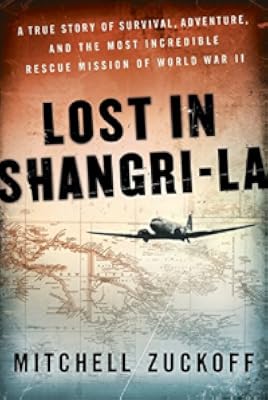
Lost in Shangri-La: A True Story of Survival, Adventure, and the Most Incredible Rescue Mission of World War II
by Mitchell Zuckoff
On This Page
Description
Award-winning former Boston Globe reporter Mitchell Zuckoff unleashes the exhilarating, untold story of an extraordinary World War II rescue mission, where a plane crash in the South Pacific plunged a trio of U.S. military personnel into the jungle-clad land of New Guinea.Tags
Recommendations
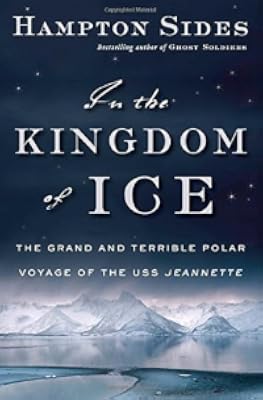
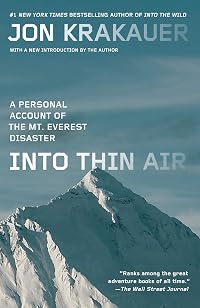
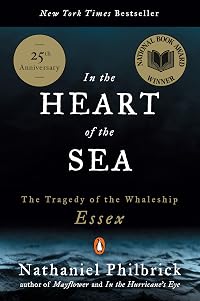

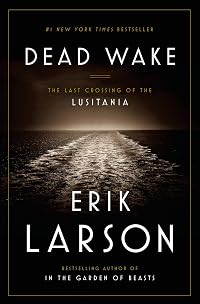
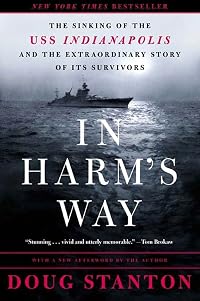
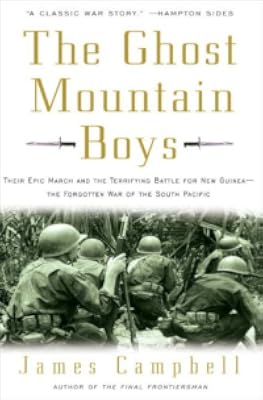
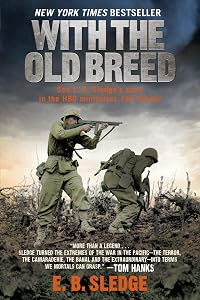
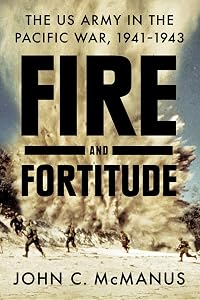





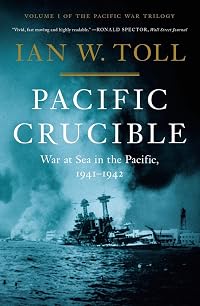
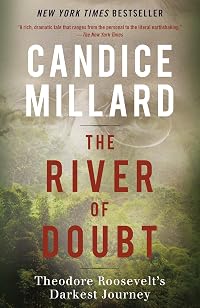
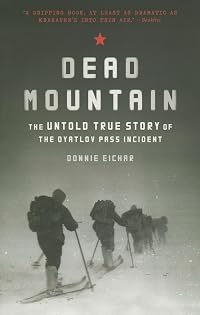
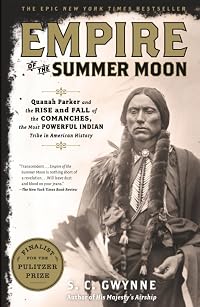
Member Recommendations
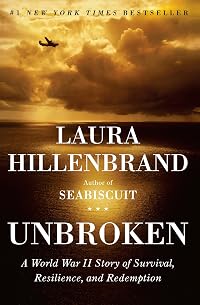
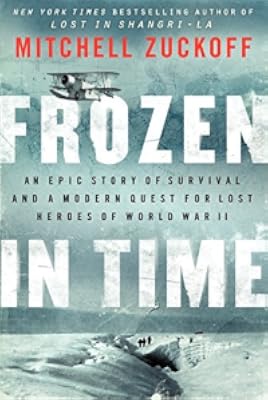
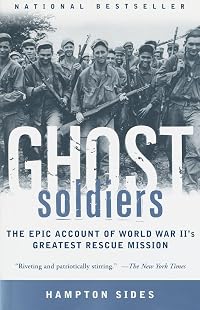
arielfl Another true life adventure story.
Member Reviews
On May 13, 1945 a group of US Army servicemen and WACs stationed in New Guinea were taken on a sight-seeing tour over the jungle to view a remote valley nicknamed Shangri-La. The plane, a Gremlin, named for Roald Dahl's children's book, crashed in the uncharted area, killing all but three. Corporal Margaret Hastings, Lieutenant John McCollom (whose twin was also on the flight) and Sergeant Kenneth Decker were stranded in the rainforest with a stone-age people said to be cannibals on one side, and Japanese troops on the other. All three had severe injuries that quickly showed signs of becoming gangrenous. A yellow tarpaulin salvaged from the wreckage was spotted by a search plane after a few days. The parachutes dropping supplies were show more also spotted by the natives who came to ogle their visitors. Eventually two medics and a rescue party parachuted in. The problem in bringing about a rescue was that no one had any idea how to achieve it. The final plan to tow and release a glider on a cleared area, then snatch it up tethered to a another plane stretched the imagination. That journey on June 28 was horrific. As the canvas peeled away from the bottom of the glider Hastings said it was like a glass-bottomed boat with no bottom. The process was repeated three times to get everyone out.
The Dani people used no metal, and had not yet discovered the wheel. They were constantly at war with their neighbours believing war to be necessary. Although they had no religion, they chopped off the fingers of girls to satisfy the ghost of a relative killed in war. They counted only to three, any more was "many". Just as legend predicted, a new age dawned in the ensuing decades. Shangri-La is now known as the Baliem Valley. An interesting travel section in The New York Times describes it here http://www.nytimes.com/2015/08/06/travel/papua-indonesia-frugal-traveler.html?_r...
Press interest in the crash at the time was intense but was eclipsed by the news of war ending. More than sixty years later Zuckoff met with the last remaining survivor who was able to show him diaries, photos, scrapbooks, military bulletins, maps, letters, and ground-to-air radio transcripts as well as film footage of events as they happened. Zuckoff's research paid off. Without glossing over attitudes prevalent at the time or straying off topic, he has produced an excellent account, written with a lot of flair. show less
The Dani people used no metal, and had not yet discovered the wheel. They were constantly at war with their neighbours believing war to be necessary. Although they had no religion, they chopped off the fingers of girls to satisfy the ghost of a relative killed in war. They counted only to three, any more was "many". Just as legend predicted, a new age dawned in the ensuing decades. Shangri-La is now known as the Baliem Valley. An interesting travel section in The New York Times describes it here http://www.nytimes.com/2015/08/06/travel/papua-indonesia-frugal-traveler.html?_r...
Press interest in the crash at the time was intense but was eclipsed by the news of war ending. More than sixty years later Zuckoff met with the last remaining survivor who was able to show him diaries, photos, scrapbooks, military bulletins, maps, letters, and ground-to-air radio transcripts as well as film footage of events as they happened. Zuckoff's research paid off. Without glossing over attitudes prevalent at the time or straying off topic, he has produced an excellent account, written with a lot of flair. show less
Non-fiction written as a compelling narrative of the survivors of a plane crash in “Shangri-La” (named after the valley in the James Hilton novel [b:Lost Horizon|2978|Lost Horizon|James Hilton|https://images.gr-assets.com/books/1432440004s/2978.jpg|1180015]) in Dutch New Guinea near the end of WWII. Faced with limited food and serious injuries, not to mention the perils of the jungle, the survivors must find a way to get rescued or face travel over hundreds of miles of dense forest filled with warring natives and Japanese in hiding. Once they were discovered missing, the U.S. military had to find them, and figure out how to get them back under extremely perilous circumstances.
Zuckoff has done his research, including recently show more discovered journals, military accounts, a visit to the crash site, and interviews with many participants (and family members). He writes an interesting story, sticking to the facts, giving enough background to set the context without ever straying too far afield. I cared about the people and was interested to find out what happened to them. He also honors those who died. The numerous historical photos were a bonus.
My favorite parts:
• The development of the relationship between the native people, rumored to be hostile, and the survivors and soldiers – their interactions could have gone awry very easily
• The anthropological information about these isolated native people, what their lives were like, how they viewed the outsiders, why they acted as they did – this was all based on research and interviews with the native people involved – I found it fascinating
• The ingenuity and creative thinking employed throughout the rescue attempt
Content includes descriptions of painful injuries, death, and rituals surrounding tribal warfare. Recommended to those with an interest in anthropology, the history of WWII, or stories of survival under extreme conditions. show less
Zuckoff has done his research, including recently show more discovered journals, military accounts, a visit to the crash site, and interviews with many participants (and family members). He writes an interesting story, sticking to the facts, giving enough background to set the context without ever straying too far afield. I cared about the people and was interested to find out what happened to them. He also honors those who died. The numerous historical photos were a bonus.
My favorite parts:
• The development of the relationship between the native people, rumored to be hostile, and the survivors and soldiers – their interactions could have gone awry very easily
• The anthropological information about these isolated native people, what their lives were like, how they viewed the outsiders, why they acted as they did – this was all based on research and interviews with the native people involved – I found it fascinating
• The ingenuity and creative thinking employed throughout the rescue attempt
Content includes descriptions of painful injuries, death, and rituals surrounding tribal warfare. Recommended to those with an interest in anthropology, the history of WWII, or stories of survival under extreme conditions. show less
I love to give books as gifts, especially to my dad. When the anniversary of his birthday came last January, I caught myself picking out books I would like to have given him if he was still alive. It’s become such second nature. As much as he loved mysteries and thrillers, I never quite seemed to put my finger on what he liked most (I sure did try though!)—but when it came to nonfiction, it was easy peasy. Mitchell Zuckoff’s Lost in Shangri-La is exactly the type of book I would have gotten for him (with the stipulation that he loan it to me after).
World War II has always been a particular interest of mine (thanks, Dad!) and so it was only natural that I would gravitate towards Lost in Shangri-La for myself as well. It’s an show more amazing story as well as a tragic one.
The author provides an inside view to the events leading up to and after that fateful Mother’s Day, May 13, 1945, when the Gremlin Special went down in the remote mountainous jungle of Dutch New Guinea. Twenty-four American serviceman and Women's Army Corps (WACs) were on board the plane that day. As a bit of fun, their commanding officer was treating them to a trip to see “Shangri-La” first hand. Shangri-La was a supposed paradise with natives still living in the stone ages, untouched by the world war going on around them.
Despite the loss of their friends and comrades and life threatening injuries, the three survivors did what they could to survive, hoping against hope for rescue. Meanwhile, efforts to send in a rescue team were underway and a group of eager paratroopers were called upon to assist.
I got to know many of the victims and survivors as well as the major players involved in the rescue, including the natives. Mitchell Zuckoff conducted in-depth interviews with survivors and family and friends of those who were touched by the event in some way, dug through declassified military documents, relied on personal diaries and journals, and viewed film footage. He did an excellent job bringing it—and the people involved—to life.
Lost in Shangri-La reads like a novel, proving yet again how interesting real life can be. Even as sensational a story as it is and the media made it out to be at the time, Zuckoff takes great care with the story and with those he writes about. This book is much more about the people, about their will to survive, and about the human spirit.
The area in which the survivors found themselves was (and is) extremely remote. Very few outsiders had ever been there before. The terrain was very rough, dense with growth and rocky in many parts. The survivors were very lucky in many respects and the rescuers even more so. The rescue itself was quite harrowing. The military had to be creative in determining how to get into the area and get out again. I found myself holding my breath several times throughout the book and praying alongside Margaret Hastings, one of the survivors, even though I knew the outcome of the events of that time were already sealed.
I appreciated the author’s research and thoughts about the natives in then Dutch New Guinea. The misunderstandings between the Americans and natives were at times humorous, admittedly, but, when you think about it, had circumstances been different, it could have proved to be very dangerous and deadly for all involved. I couldn’t help but feel a bit sad for the natives knowing how much their way of life was about to change once their existence was fully known. “Progress” was about to come their way—and, as we all know, “progress” isn’t always favorable.
Lost in Shangri-La did not disappoint. It was an emotional journey for not only the real life people involved but for this reader as well. I don’t know that I would have been as strong in such circumstances.
I was fortunate enough to receive a paperback copy of the book for this tour and included in the back were letters written to the author, responses by friends and family of those involved in the crash or rescue effort. I had to stop several times as I read through the letters because they were causing me to tear up. show less
World War II has always been a particular interest of mine (thanks, Dad!) and so it was only natural that I would gravitate towards Lost in Shangri-La for myself as well. It’s an show more amazing story as well as a tragic one.
The author provides an inside view to the events leading up to and after that fateful Mother’s Day, May 13, 1945, when the Gremlin Special went down in the remote mountainous jungle of Dutch New Guinea. Twenty-four American serviceman and Women's Army Corps (WACs) were on board the plane that day. As a bit of fun, their commanding officer was treating them to a trip to see “Shangri-La” first hand. Shangri-La was a supposed paradise with natives still living in the stone ages, untouched by the world war going on around them.
Despite the loss of their friends and comrades and life threatening injuries, the three survivors did what they could to survive, hoping against hope for rescue. Meanwhile, efforts to send in a rescue team were underway and a group of eager paratroopers were called upon to assist.
I got to know many of the victims and survivors as well as the major players involved in the rescue, including the natives. Mitchell Zuckoff conducted in-depth interviews with survivors and family and friends of those who were touched by the event in some way, dug through declassified military documents, relied on personal diaries and journals, and viewed film footage. He did an excellent job bringing it—and the people involved—to life.
Lost in Shangri-La reads like a novel, proving yet again how interesting real life can be. Even as sensational a story as it is and the media made it out to be at the time, Zuckoff takes great care with the story and with those he writes about. This book is much more about the people, about their will to survive, and about the human spirit.
The area in which the survivors found themselves was (and is) extremely remote. Very few outsiders had ever been there before. The terrain was very rough, dense with growth and rocky in many parts. The survivors were very lucky in many respects and the rescuers even more so. The rescue itself was quite harrowing. The military had to be creative in determining how to get into the area and get out again. I found myself holding my breath several times throughout the book and praying alongside Margaret Hastings, one of the survivors, even though I knew the outcome of the events of that time were already sealed.
I appreciated the author’s research and thoughts about the natives in then Dutch New Guinea. The misunderstandings between the Americans and natives were at times humorous, admittedly, but, when you think about it, had circumstances been different, it could have proved to be very dangerous and deadly for all involved. I couldn’t help but feel a bit sad for the natives knowing how much their way of life was about to change once their existence was fully known. “Progress” was about to come their way—and, as we all know, “progress” isn’t always favorable.
Lost in Shangri-La did not disappoint. It was an emotional journey for not only the real life people involved but for this reader as well. I don’t know that I would have been as strong in such circumstances.
I was fortunate enough to receive a paperback copy of the book for this tour and included in the back were letters written to the author, responses by friends and family of those involved in the crash or rescue effort. I had to stop several times as I read through the letters because they were causing me to tear up. show less
Cannibals, penis gourds and WACs, oh my! One afternoon in May 1945, a group of military sight-seers, board a transport plane, called the Gremlin Special, for a leisurely fly-over of a beautiful valley nicknamed Shangri-La, located on the island of Dutch New Guinea. There were 24 on board, a mix of officers and enlisted.
Suddenly the plane crashes into this paradise, killing all but three. WAC Corporal Margaret Hastings, Lieutenant John McCollom, and Sergeant Kenneth Decker. Badly injured, they try to find help, hacking their way through the wet dense jungle, finally ending up in the midst of a primitive tribe of flesh-eating warriors.
Yes, this sounds like a bad B-movie from the 50s, but it is a true adventure tale, told in an exciting, show more tense narrative. The story also focuses on the rescue mission, as a large group of pilots and paratroopers, attempt to pull the survivors out, under risky and terrifying conditions. If you like history, laced with action and colorful characters or are looking to explore narrative nonfiction, look no further. show less
Suddenly the plane crashes into this paradise, killing all but three. WAC Corporal Margaret Hastings, Lieutenant John McCollom, and Sergeant Kenneth Decker. Badly injured, they try to find help, hacking their way through the wet dense jungle, finally ending up in the midst of a primitive tribe of flesh-eating warriors.
Yes, this sounds like a bad B-movie from the 50s, but it is a true adventure tale, told in an exciting, show more tense narrative. The story also focuses on the rescue mission, as a large group of pilots and paratroopers, attempt to pull the survivors out, under risky and terrifying conditions. If you like history, laced with action and colorful characters or are looking to explore narrative nonfiction, look no further. show less
This is the true story of the crash of the Gremlin during WWII, its survivors and the harrowing rescue mission. Mitchell Zuckoff wrote a detailed account of all three. His portrayals of the individuals involved make you feel like you know them and his writing is so descriptive that you can actually see the area surrounded by tall mountains.
I listened to the audiobook and the author narrated. There are few audiobooks where the author does a good job narrating but Zuckoff did an excellent job. When performing each of the different crash victims, rescuers and even when telling of the natives, he did a super job. I could really get a sense of the individuals their fears and hopes as well as pain.
If you like history and want to learn of an show more event during WWII that is not in many history books then I think you would enjoy this immensely. The author actually came across the story by accident. show less
I listened to the audiobook and the author narrated. There are few audiobooks where the author does a good job narrating but Zuckoff did an excellent job. When performing each of the different crash victims, rescuers and even when telling of the natives, he did a super job. I could really get a sense of the individuals their fears and hopes as well as pain.
If you like history and want to learn of an show more event during WWII that is not in many history books then I think you would enjoy this immensely. The author actually came across the story by accident. show less
In this day and age, we tend to think of the majority of the planet as explored and accessible. We can't fathom societies which have not had any kind of interaction with outsiders. And we may be correct in thinking that these places and these peoples are a thing of the past. But perhaps not in such a distant past as we might imagine. In the waning days of World War II, one such place and the native inhabitants there captivated the United States. A military C-47 carrying 24 servicemen and women flying a sightseeing mission over the newly discovered valley nicknamed Shangri-La in Dutch New Guinea crashed into the impenetrable jungle killing 21 of those on board. The three survivors, two of whom were desperately injured, were suddenly show more plunged into the unknown world of the Dani tribe as they waited for the US military to try and concoct a plant to get them out of the seemingly inaccessible valley 150 miles from Hollandia, their military outpost on the coast.
John McCollum, Ken Decker, and Margaret Hastings survived the terrible crash, the fiery deaths of their friends and colleagues (and in McCollum's case of his identical twin brother), and a desperate scramble down the mountainside to find a clearing in which to signal search planes. As they awaited rescue and the medical attention Decker and Margaret so direly needed to treat their gangrenous wounds, the three survivors are surrounded by the native Dani people, who are believed by the army to be warlike cannibals. Zuckoff details both the three survivors' assumptions about the primitive society into whose midst they have landed and the natives' beliefs which dictated how they treated the survivors.
In their quest to get McCollum, Decker, and Hastings the treatment they need and then out of Shangri-La, the army first sends in a full complement of Filipino paratroopers, including two medics, led by Earl Walter and then comes up with a plan almost too far-fetched to be realistic, full of danger, and rife with the potential for failure to snatch all fourteen army personnel plus, improbably enough, one Hollywood filmaker, from the remote valley floor.
The three crash survivors, a couple of the Dani tribesmen, and several of those who risked their lives to rescue McCollum, Decker, and Hastings are all carefully described and fleshed out both through their own accounts and the accounts of those who knew them. Their personalities and the personal histories that drove their actions are all carefully detailed. Although almost everyone involved in this story is now gone, their bravery and chutzpah shine again on these pages and their tale has been saved from obscurity. Woven in with the immediate story of the crash is the timeline of the war in the Pacific and the effect it had on a military outpost like Hollandia, Dutch New Guinea. Also included is a bit of an epilogue about the way that the people falling from the sky forever transformed the remote and previously untouched society of the Shangri-La Valley (properly called Baliem Valley).
Zuckoff has written a gripping adventure story mixed with anthropology, a true survival tale that captures the readers' imagination just as completely as the situation did with contemporary audiences reading along in the papers as the incredible tale unfolded. Loaded with first-hand accounts and thoroughly researched information, this non-fiction narrative unfolds with pitch perfect pacing and tension. The ending is never in doubt and while this is not a WWII story in the traditional sense (the action is far from the war and fighting itself), it is still a fascinating story, one soon eclipsed by the horror and drama of the atomic bomb. Occasionally some of the bacground information threatens to overwhelm the immediate story but overall, this is a well-done and engrossing tale. I plan to pass it to both my husband and my teenaged son to read in turn as I'm quite sure that both of them will thoroughly enjoy it as well. show less
John McCollum, Ken Decker, and Margaret Hastings survived the terrible crash, the fiery deaths of their friends and colleagues (and in McCollum's case of his identical twin brother), and a desperate scramble down the mountainside to find a clearing in which to signal search planes. As they awaited rescue and the medical attention Decker and Margaret so direly needed to treat their gangrenous wounds, the three survivors are surrounded by the native Dani people, who are believed by the army to be warlike cannibals. Zuckoff details both the three survivors' assumptions about the primitive society into whose midst they have landed and the natives' beliefs which dictated how they treated the survivors.
In their quest to get McCollum, Decker, and Hastings the treatment they need and then out of Shangri-La, the army first sends in a full complement of Filipino paratroopers, including two medics, led by Earl Walter and then comes up with a plan almost too far-fetched to be realistic, full of danger, and rife with the potential for failure to snatch all fourteen army personnel plus, improbably enough, one Hollywood filmaker, from the remote valley floor.
The three crash survivors, a couple of the Dani tribesmen, and several of those who risked their lives to rescue McCollum, Decker, and Hastings are all carefully described and fleshed out both through their own accounts and the accounts of those who knew them. Their personalities and the personal histories that drove their actions are all carefully detailed. Although almost everyone involved in this story is now gone, their bravery and chutzpah shine again on these pages and their tale has been saved from obscurity. Woven in with the immediate story of the crash is the timeline of the war in the Pacific and the effect it had on a military outpost like Hollandia, Dutch New Guinea. Also included is a bit of an epilogue about the way that the people falling from the sky forever transformed the remote and previously untouched society of the Shangri-La Valley (properly called Baliem Valley).
Zuckoff has written a gripping adventure story mixed with anthropology, a true survival tale that captures the readers' imagination just as completely as the situation did with contemporary audiences reading along in the papers as the incredible tale unfolded. Loaded with first-hand accounts and thoroughly researched information, this non-fiction narrative unfolds with pitch perfect pacing and tension. The ending is never in doubt and while this is not a WWII story in the traditional sense (the action is far from the war and fighting itself), it is still a fascinating story, one soon eclipsed by the horror and drama of the atomic bomb. Occasionally some of the bacground information threatens to overwhelm the immediate story but overall, this is a well-done and engrossing tale. I plan to pass it to both my husband and my teenaged son to read in turn as I'm quite sure that both of them will thoroughly enjoy it as well. show less
This actually should be more like a 3-1/2 star interview than 4. Overall, I really enjoyed the book, but I couldn't help but think how much better it could have been. It is such a fantastic story and it was disappointing to me how dry the writing was at times. I almost would have preferred a fictionalized version of the book where the "characters" and their interactions were fleshed out a bit. I honestly think it would make a great movie as it was very visual to me. I just wanted a little bit more umph from the author.
Members
- Recently Added By
Published Reviews
ThingScore 100
Polished, fast-paced and immensely readable—ready for the big screen.
added by Shortride
Mitchell Zuckoff’s “Lost in Shangri-La” delivers a feast of failures — of planning, of technology, of communication — that are resolved in a truly incredible adventure. Truly incredible? A cliché, yes, but Zuckoff’s tale is something a drunk stitches together from forgotten B movies and daydreams while clutching the bar. Zuckoff is no fabulist, though, and in this brisk book he show more narrates the tense yet peaceful five weeks during 1945 that three plane crash survivors spent immersed “in a world that time didn’t forget. Time never knew it existed.” Even at the level of exposition, the book is breathless. show less
added by simaqian
Lists

Books about World War II
241 works; 22 members

Books Read in 2010
631 works; 11 members

Books Read in 2011
684 works; 20 members

THE WAR ROOM
813 works; 24 members

The Edge of Survival: Tales from Beyond
12 works; 1 member
Author Information

Mitchell Zuckoff received a master's degree from the University of Missouri and was a Batten Fellow at the Darden School of Business Administration at the University of Virginia. He is currently a professor of journalism at Boston University. He has written several books including Frozen in Time: An Epic Story of Survival and a Modern Quest for show more Lost Heroes of World War II; Lost in Shangri-La: A True Story of Survival, Adventure and the Most Incredible Rescue Mission of World War II; Robert Altman: The Oral Biography; Ponzi's Scheme: The True Story of a Financial Legend; Judgment Ridge: The True Story Behind the Dartmouth Murders written with Dick Lehr; and 13 Hours: The Inside Account of What Really Happened in Benghazi. His work Choosing Naia: A Family's Journey received the Christopher Award. He was a reporter for twenty years, mostly as an investigative reporter and roving national correspondent for The Boston Globe. His articles have appeared in several publications including The New Yorker and Fortune. He received the Distinguished Writing Award from the American Society of Newspaper Editors, the Livingston Award for International Reporting, the Heywood Broun Award, and the Associated Press Managing Editors' Public Service Award. (Bowker Author Biography) show less
Some Editions
Awards and Honors
Awards
Series
Belongs to Publisher Series
Flammarion, Libres Champs (1147)
Work Relationships
Has as a student's study guide
Common Knowledge
- Canonical title*
- Les disparus de Shangri-La
- Original title
- Lost in Shangri-La: A True Story of Survival, Adventure, and the Most Incredible Rescue Mission of World War II
- Original publication date
- 2011-05
- People/Characters
- John McCollom; Margaret Hastings; Kenneth Decker; Laura Besley; Benjamin "Doc" Bulatao; Eleanor Hanna (show all 14); Alexander Cann; Herbert F. Good; Robert McCollom; Peter J. Prossen; C. Earl Walter Jr.; George H. Nicolson; Melvin Mollberg; Camilo "Rammy" Ramirez
- Important places
- New Guinea
- Important events
- World War II (1939 | 1945); World War II, Pacific Theater (1941-12-07 | 1945-09-02); New Guinea Campaign (1942-01-23 | 1945-08)
- Epigraph*
- /
- Dedication
- For Gerry
- First words
- On a rainy day in May 1945, a Western Union messenger made his rounds through the quiet village of Owego, in upstate NY.
- Last words
- (Click to show. Warning: May contain spoilers.)She is buried next to her parents, in a pretty little cemetery dotted with American flags, a short walk from McMasters Street.
- Publisher's editor
- Ottewell, Miranda
- Blurbers
- Sides, Hamilton; Roberts, Cokie; Swanson, James L.; Winchester, Simon; Grann, David
- Original language
- English
*Some information comes from Common Knowledge in other languages. Click "Edit" for more information.
Classifications
Statistics
- Members
- 1,888
- Popularity
- 11,350
- Reviews
- 100
- Rating
- (3.80)
- Languages
- English, French, Portuguese
- Media
- Paper, Audiobook, Ebook
- ISBNs
- 27
- ASINs
- 15