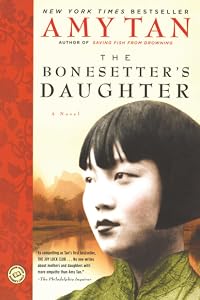
The Bonesetter's Daughter
by Amy Tan
On This Page
Description
Set in Contemporary San Francisco and in a Chinese village where Peking Man is being unearthed, The Bonesetter's Daughter is an excavation of the human spirit: the past, its deepest wounds, its most profound hopes. The story conjures the pain of broken dream, the power of myths, and the strength of love that enables us to recover in memory what we have lost in grief. Over the course of one fog-shrouded year, between one season of falling stars and the next, mother and daughter find what they show more share in their bones through heredity, history, and inexpressible qualities of love.. show less
Tags
Recommendations
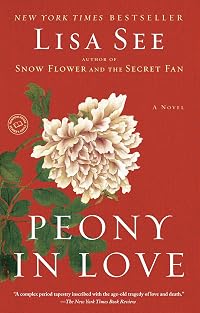
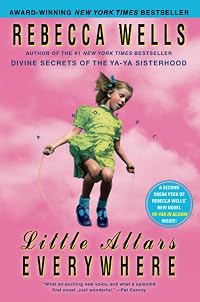
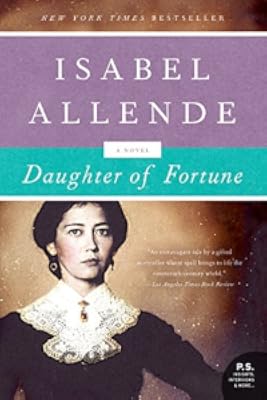
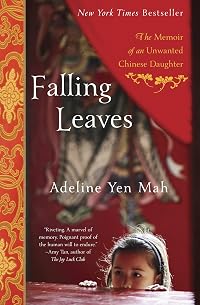

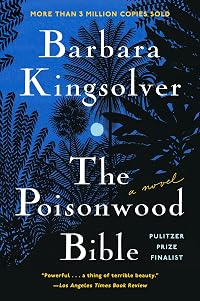
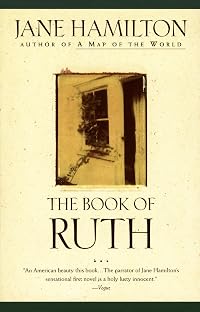
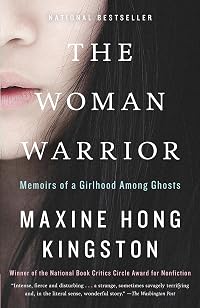
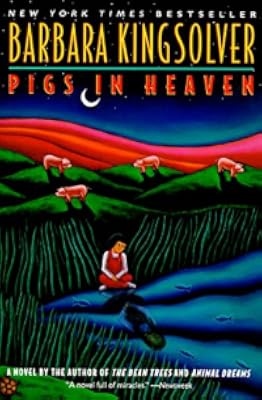
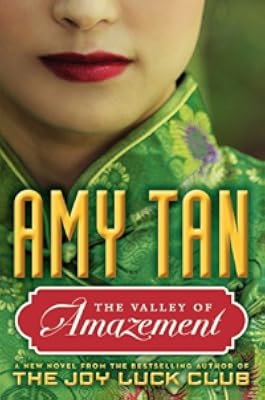
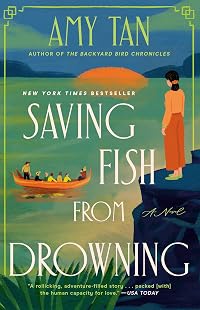
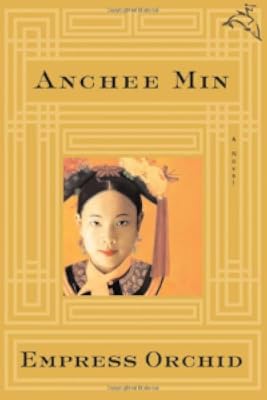
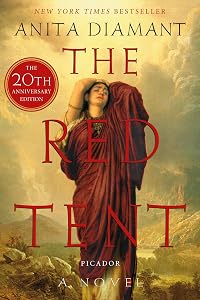
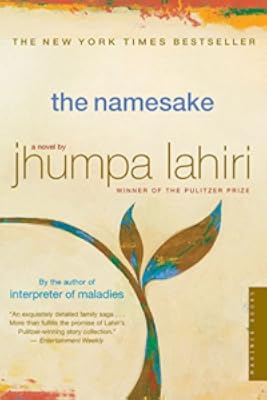
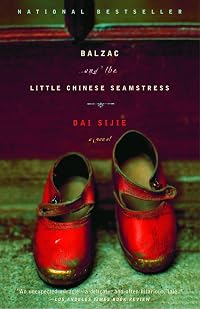
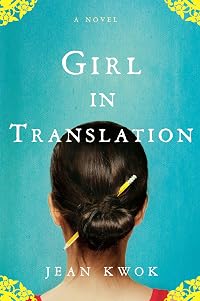
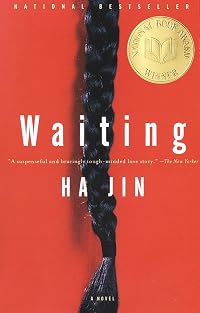
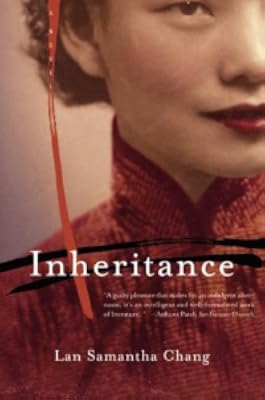
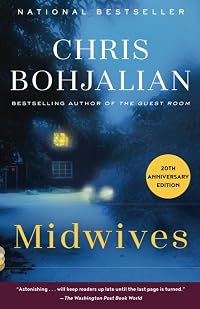

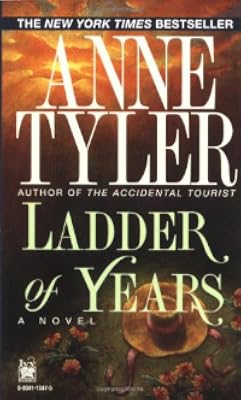
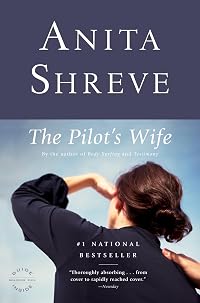
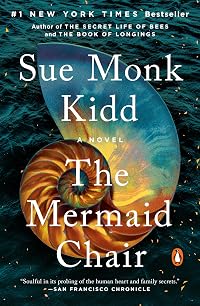
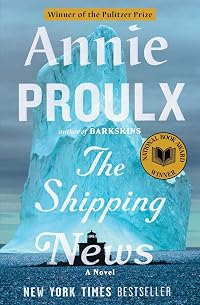

Member Recommendations
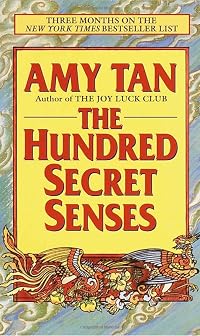
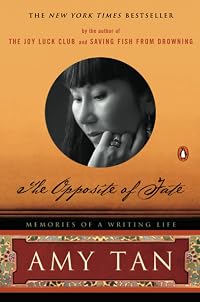
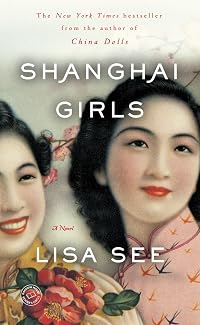
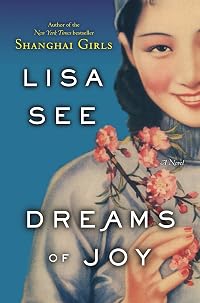
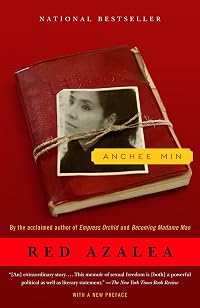
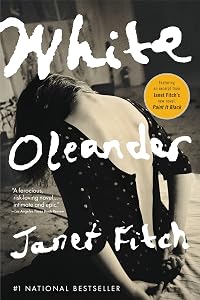
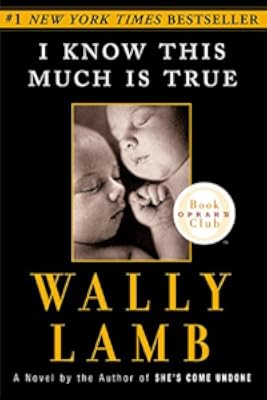
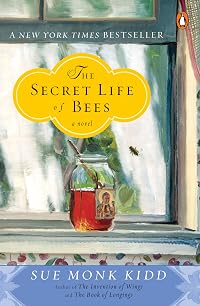
BookshelfMonstrosity The Bonesetter's Daughter depicts a contemporary Chinese-American woman who learns about her immigrant mother's past, while Songs of Willow Frost portrays a Chinese-American actress during the Great Depression. Both atmospheric novels explore the social and economic marginalization of women.
Member Reviews
A powerful labyrinth of a book--beautiful and moving with every word.
Amy Tan may be known for her Joy Luck Club, but this book reaches far beyond that work to explore a short line of mothers and daughters, each to the next transitioning from one role to the other and becoming more in the process. Tan's work here is without flaw---heartbreaking, humorous, sweet, and harsh. I was engaged with every page, and couldn't recommend the book highly enough. This one is worth reading, and re-reading. The book itself is a journey, worth relishing and passing on.
Amy Tan may be known for her Joy Luck Club, but this book reaches far beyond that work to explore a short line of mothers and daughters, each to the next transitioning from one role to the other and becoming more in the process. Tan's work here is without flaw---heartbreaking, humorous, sweet, and harsh. I was engaged with every page, and couldn't recommend the book highly enough. This one is worth reading, and re-reading. The book itself is a journey, worth relishing and passing on.
Amy Tan has always written novels which stop short just this side of autobiography. Books like The Joy Luck Club and The Kitchen God’s Wife have documented Chinese-American family life with such detail, such sincerity that it feels like we’re having lunch with Tan and, over green tea and fortune cookies, she confides all the secrets in her ancestor’s closet.
That’s why The Bonesetter’s Daughter is such a surprise. I would have thought there were no more memories Tan could plumb, no more funny-true tales of mothers and daughters for her to serve up like a steaming Chinese buffet. Turns out I was wrong.
The Bonesetter’s Daughter is Tan’s most intensely personal book to date and it is, by far, the best of her novels.
In a show more Feb. 26 The New York Times article, Tan confided that she struggled with the novel about a 45-year-old woman who uncovers secrets about her mother’s past just as the older woman is succumbing to Alzheimer’s. In the midst of writing The Bonesetter’s Daughter, Tan’s own mother died. Just like the book’s character Ruth, Tan learned that her mother had a different birth name, previous marriages, ghosts in the closet. I realized there was still much that I did not know about my mother, Tan wrote in the Times. Though I had written three novels informed by her life, she remained a source of revelation and surprise. Tan had been working on a novel for five years, but felt like the story was going nowhere—until these surprising revelations from her mother steered her in a new direction. She concludes the article by writing, And so I rewrote, remembering what scared me: the ghost, the threats, the curse. I wrote of wrong birth dates, secret marriages, the changing place one has in a family, the names that were nearly forgotten. I wrote of pain that reaches from the past, how it can grab you, how it can also heal itself like a broken bone. And with the help of my ghostwriters, I found in memory and imagination what I had lost in grief.
The result is a shimmering, humorous, heart-wrenching, rewarding novel that has all the grace of Chinese calligraphy inked across the page. I mean, what else can you expect from a novel whose first chapter begins with this tantalizing sentence: For the past eight years, always starting on August twelfth, Ruth Young lost her voice.
Ruth—daughter of LuLing and live-in lover to Art, a linguistics consultant—rather enjoys these annual periods of silence; they give her a time to retreat and contemplate her life. Lately, it seems, her life has been getting more and more emotionally-complicated: Art is becoming more demanding, her job as a ghostwriter for authors of self-help books is unrewarding, and her mother…well, her mother is starting to act kooky—forgetting important appointments, wandering away from her San Francisco apartment wearing only a housecoat and slippers, babbling in broken English about her long-dead childhood nursemaid Precious Auntie.
At one point, Art asks Ruth, “What makes you happiest? Are you doing what you want to do?âÂ? Ruth laughs nervously and replies, âÂÂThatâÂÂs what I edit for others, that intimate-soul stuff. I can describe how to find happiness in ten chapters, but I still donâÂÂt know what it is.âÂ?
When a doctor tells Ruth that her mother is most likely showing signs of dementia, she realizes that, much as she hates the idea, a nursing home might be the best answer for the frail, scatterbrained woman. But then Ruth discovers a packet of yellowed papers, inscribed with row after row of Chinese calligraphy. ItâÂÂs a narrative that begins with the sentence, âÂÂThese are the things I know are true.âÂ? ItâÂÂs a journal of memories LuLing had committed to paper years earlier, then hidden away, along with a small photograph of the woman she said was her mother.
Determined to explore her motherâÂÂs past before AlzheimerâÂÂs shreds every last memory from her brain, Ruth has a Chinese linguist translate the journal.
This is when The BonesetterâÂÂs Daughter really becomes absorbing. One of TanâÂÂs trademarks has always been to seamlessly blend past and present, twining generations into looped circles. Here, a large portion of the 353 pages is devoted to LuLingâÂÂs story in which the mysterious Precious Auntie plays a prominent role. ItâÂÂs a tale of love, sacrifice and tragedy which, in anyone elseâÂÂs hands might have come off soapy and sloppy; but Tan is the mistress of memoryâÂÂshe effortlessly weaves her words into an heirloom tapestry that is completely beautiful and fulfilling. In fact, when we finally have to leave LuLing and re-enter RuthâÂÂs world, I was sorry to let go of that thread of the story.
The world of early-20th century China is vivid and intricately told as LuLing, the daughter of an inkmaker, lives in a small village near the spot where archeologists have unearthed ancient bones which they dub Peking Man. The bones, mystical and highly revered by the local Chinese, will later play a crucial role in the lives of LuLing and Ruth.
Like the fine art of writing with ink, Tan is a careful writer, taking her time to make each stroke of the pen just so. I could do no better than to let Tan herself (through LuLingâÂÂs voice) describe the process:
I was remembering how [Precious Auntie] taught me that everything, even ink, had a purpose and a meaning: Good ink cannot be the quick kind, ready to pour out of a bottle. You can never be an artist if your work comes without effort. That is the problem with modern ink from a bottle. You do not have to think. You simply write what is swimming on the top of your brain. And the top is nothing but pond scum, dead leaves and mosquito spawn. But when you push an inkstick along an insktone, you take the first step to cleansing your mind and your heart. You push and you ask yourself, What are my intentions? What is in my heart that matches my mind?
With The BonesetterâÂÂs Daughter, one of our best contemporary novelists has taken five years to cleanse herself and produce a deeply personal book. Ruth may lose her voice annually, but Tan readers can rejoice that the author has once again found hersâ¦and boy, does she ever sing in this novel! show less
That’s why The Bonesetter’s Daughter is such a surprise. I would have thought there were no more memories Tan could plumb, no more funny-true tales of mothers and daughters for her to serve up like a steaming Chinese buffet. Turns out I was wrong.
The Bonesetter’s Daughter is Tan’s most intensely personal book to date and it is, by far, the best of her novels.
In a show more Feb. 26 The New York Times article, Tan confided that she struggled with the novel about a 45-year-old woman who uncovers secrets about her mother’s past just as the older woman is succumbing to Alzheimer’s. In the midst of writing The Bonesetter’s Daughter, Tan’s own mother died. Just like the book’s character Ruth, Tan learned that her mother had a different birth name, previous marriages, ghosts in the closet. I realized there was still much that I did not know about my mother, Tan wrote in the Times. Though I had written three novels informed by her life, she remained a source of revelation and surprise. Tan had been working on a novel for five years, but felt like the story was going nowhere—until these surprising revelations from her mother steered her in a new direction. She concludes the article by writing, And so I rewrote, remembering what scared me: the ghost, the threats, the curse. I wrote of wrong birth dates, secret marriages, the changing place one has in a family, the names that were nearly forgotten. I wrote of pain that reaches from the past, how it can grab you, how it can also heal itself like a broken bone. And with the help of my ghostwriters, I found in memory and imagination what I had lost in grief.
The result is a shimmering, humorous, heart-wrenching, rewarding novel that has all the grace of Chinese calligraphy inked across the page. I mean, what else can you expect from a novel whose first chapter begins with this tantalizing sentence: For the past eight years, always starting on August twelfth, Ruth Young lost her voice.
Ruth—daughter of LuLing and live-in lover to Art, a linguistics consultant—rather enjoys these annual periods of silence; they give her a time to retreat and contemplate her life. Lately, it seems, her life has been getting more and more emotionally-complicated: Art is becoming more demanding, her job as a ghostwriter for authors of self-help books is unrewarding, and her mother…well, her mother is starting to act kooky—forgetting important appointments, wandering away from her San Francisco apartment wearing only a housecoat and slippers, babbling in broken English about her long-dead childhood nursemaid Precious Auntie.
At one point, Art asks Ruth, “What makes you happiest? Are you doing what you want to do?âÂ? Ruth laughs nervously and replies, âÂÂThatâÂÂs what I edit for others, that intimate-soul stuff. I can describe how to find happiness in ten chapters, but I still donâÂÂt know what it is.âÂ?
When a doctor tells Ruth that her mother is most likely showing signs of dementia, she realizes that, much as she hates the idea, a nursing home might be the best answer for the frail, scatterbrained woman. But then Ruth discovers a packet of yellowed papers, inscribed with row after row of Chinese calligraphy. ItâÂÂs a narrative that begins with the sentence, âÂÂThese are the things I know are true.âÂ? ItâÂÂs a journal of memories LuLing had committed to paper years earlier, then hidden away, along with a small photograph of the woman she said was her mother.
Determined to explore her motherâÂÂs past before AlzheimerâÂÂs shreds every last memory from her brain, Ruth has a Chinese linguist translate the journal.
This is when The BonesetterâÂÂs Daughter really becomes absorbing. One of TanâÂÂs trademarks has always been to seamlessly blend past and present, twining generations into looped circles. Here, a large portion of the 353 pages is devoted to LuLingâÂÂs story in which the mysterious Precious Auntie plays a prominent role. ItâÂÂs a tale of love, sacrifice and tragedy which, in anyone elseâÂÂs hands might have come off soapy and sloppy; but Tan is the mistress of memoryâÂÂshe effortlessly weaves her words into an heirloom tapestry that is completely beautiful and fulfilling. In fact, when we finally have to leave LuLing and re-enter RuthâÂÂs world, I was sorry to let go of that thread of the story.
The world of early-20th century China is vivid and intricately told as LuLing, the daughter of an inkmaker, lives in a small village near the spot where archeologists have unearthed ancient bones which they dub Peking Man. The bones, mystical and highly revered by the local Chinese, will later play a crucial role in the lives of LuLing and Ruth.
Like the fine art of writing with ink, Tan is a careful writer, taking her time to make each stroke of the pen just so. I could do no better than to let Tan herself (through LuLingâÂÂs voice) describe the process:
I was remembering how [Precious Auntie] taught me that everything, even ink, had a purpose and a meaning: Good ink cannot be the quick kind, ready to pour out of a bottle. You can never be an artist if your work comes without effort. That is the problem with modern ink from a bottle. You do not have to think. You simply write what is swimming on the top of your brain. And the top is nothing but pond scum, dead leaves and mosquito spawn. But when you push an inkstick along an insktone, you take the first step to cleansing your mind and your heart. You push and you ask yourself, What are my intentions? What is in my heart that matches my mind?
With The BonesetterâÂÂs Daughter, one of our best contemporary novelists has taken five years to cleanse herself and produce a deeply personal book. Ruth may lose her voice annually, but Tan readers can rejoice that the author has once again found hersâ¦and boy, does she ever sing in this novel! show less
Although I am familiar with Amy Tan’s work after seeing and enjoying the movie adaptation of The Joy Luck Club, this is the first time I actually read one of her novels, and it was one of the best I read all year, right up there with The Red Tent, The Ghost of Hannah Mendes, and The Color of Water (not to mention some other 5-star specials!).
As Ruth is forced to cope with her mother LuLing’s increasing onslaught of Alzheimer’s disease, she finds herself learning more about her mother’s past than she ever imagined. In anticipation of the oncoming dementia, LuLing wrote her memoirs in Chinese for Ruth to translate. These memoirs told the truth of LuLing’s youth, when she was raised by the nursemaid that she called “Precious show more Auntie”. It turns out that Precious Auntie was really her mother, something LuLing didn’t know until it was to late – not until Precious Auntie committed suicide to prevent LuLing from marrying into the family of the man who had murdered LuLing’s father and grandfather. It also told of how LuLing was raised after the suicide, how she eventually came to America, and how the ghost of Precious Auntie haunted her throughout her life. Reading these memoirs imbued Ruth with an understanding of her own upbringing and it helped her to come to grips with her own relationships and desires.
A little about Ruth: She was a ghostwriter who had been living with her boyfriend Art (and two daughters from another marriage) for years and couldn’t seem to admit to herself how dissatisfied she was with her life. It wasn’t until she was forced to cope with her mother’s illness by moving out of Art’s apartment and in with her mother that she began to question her relationship with Art; whether or not Art was really in tune with her needs. It was this very separation that brought the two of them closer together. Art admitted that he may have been self-centered but he also made Ruth realize that she had not been forward enough about her needs. This reminded me of one of the scenarios in The Joy Luck Club when one of the daughters was married to a Caucasian man (I believe it was Andrew McCarthy). As the years went by, she never thought for herself when it came to their relationship. Always trying to please him, she couldn’t find her own voice. Although she was trying to please him, he ended up getting bored and had an affair. When she finally stood up to him and said she wanted to keep the house…well, that was the beginning of their reconciliation. It turned out that he initially fell in love with her because of her independent mind and that’s what he truly wanted from her! Anyway, the similarities here make me wonder whether Amy Tan has had personal experiences with this type of relationship!
Ruth also found her own writing voice with the help of her grandmother’s spirit:
“Think about your intentions,” Bao Bomu says. “What is in your heart, what you want to put in others.” And side by side, Ruth and her grandmother begin. Words flow. They have become the same person, six years old, sixteen, forty-six, eighty-two. They write about what happened, why it happened, why they can make other things happen. They write stories of things that are but should not have been. They write about what could have been, what still might be. They write of a past that can be changed. After all, Bao Bomu says, what is the past but what we choose to remember? They can choose not to hide it, to take what’s broken, to feel the pain and know it will heal. They know where happiness lies, not in a cave or a country, but in love or the freedom to give and take what has been there all along. …Ruth remembers this as she writes a story. It is for her grandmother, for herself, for the little girl who became her mother.” (pp. 352-353)
Amy Tan is an expert at portraying the complex relationship between mother and daughter from generation to generation. She also describes Chinese culture and traditions in a way that we rarely read about in literature. Her writing is so compelling that I read her children’s story, The Chinese Siamese Cat, to Elayna last night and I find it equally compelling. (The PBS show Sagwa is based on the latter story. Amy Tan has the ability to convey Chinese culture and traditions to every generation and I hope to read more of her work! show less
As Ruth is forced to cope with her mother LuLing’s increasing onslaught of Alzheimer’s disease, she finds herself learning more about her mother’s past than she ever imagined. In anticipation of the oncoming dementia, LuLing wrote her memoirs in Chinese for Ruth to translate. These memoirs told the truth of LuLing’s youth, when she was raised by the nursemaid that she called “Precious show more Auntie”. It turns out that Precious Auntie was really her mother, something LuLing didn’t know until it was to late – not until Precious Auntie committed suicide to prevent LuLing from marrying into the family of the man who had murdered LuLing’s father and grandfather. It also told of how LuLing was raised after the suicide, how she eventually came to America, and how the ghost of Precious Auntie haunted her throughout her life. Reading these memoirs imbued Ruth with an understanding of her own upbringing and it helped her to come to grips with her own relationships and desires.
A little about Ruth: She was a ghostwriter who had been living with her boyfriend Art (and two daughters from another marriage) for years and couldn’t seem to admit to herself how dissatisfied she was with her life. It wasn’t until she was forced to cope with her mother’s illness by moving out of Art’s apartment and in with her mother that she began to question her relationship with Art; whether or not Art was really in tune with her needs. It was this very separation that brought the two of them closer together. Art admitted that he may have been self-centered but he also made Ruth realize that she had not been forward enough about her needs. This reminded me of one of the scenarios in The Joy Luck Club when one of the daughters was married to a Caucasian man (I believe it was Andrew McCarthy). As the years went by, she never thought for herself when it came to their relationship. Always trying to please him, she couldn’t find her own voice. Although she was trying to please him, he ended up getting bored and had an affair. When she finally stood up to him and said she wanted to keep the house…well, that was the beginning of their reconciliation. It turned out that he initially fell in love with her because of her independent mind and that’s what he truly wanted from her! Anyway, the similarities here make me wonder whether Amy Tan has had personal experiences with this type of relationship!
Ruth also found her own writing voice with the help of her grandmother’s spirit:
“Think about your intentions,” Bao Bomu says. “What is in your heart, what you want to put in others.” And side by side, Ruth and her grandmother begin. Words flow. They have become the same person, six years old, sixteen, forty-six, eighty-two. They write about what happened, why it happened, why they can make other things happen. They write stories of things that are but should not have been. They write about what could have been, what still might be. They write of a past that can be changed. After all, Bao Bomu says, what is the past but what we choose to remember? They can choose not to hide it, to take what’s broken, to feel the pain and know it will heal. They know where happiness lies, not in a cave or a country, but in love or the freedom to give and take what has been there all along. …Ruth remembers this as she writes a story. It is for her grandmother, for herself, for the little girl who became her mother.” (pp. 352-353)
Amy Tan is an expert at portraying the complex relationship between mother and daughter from generation to generation. She also describes Chinese culture and traditions in a way that we rarely read about in literature. Her writing is so compelling that I read her children’s story, The Chinese Siamese Cat, to Elayna last night and I find it equally compelling. (The PBS show Sagwa is based on the latter story. Amy Tan has the ability to convey Chinese culture and traditions to every generation and I hope to read more of her work! show less
Amy Tan’s specialty is novels that deal with mother/daughter relationships with a cultural divide thrown in. Her books tend to focus on women born in America who struggle to relate to their Chinese mothers. The strain between the family members, exacerbated by being raised in very different cultures, makes for interesting plots though they can occasionally feel repetitive.
The Bonesetter’s Daughter is set in San Francisco and follows Ruth and her boyfriend Art through their relationship with flashbacks to Ruth’s childhood. Ruth’s relationship with her mother LuLing is the main focus. LuLing is beginning to show signs of dementia and as Ruth struggles to come to come to terms with this she begins to learn more about her mother’s show more life before America.
Midway through the book we hear Ruth’s mother’s story in her own voice. It’s a drastic shift in tone, but one that works well. The reader, as well as Ruth herself, need to understand LuLing’s background in order to understand why she acts the way she does.
I loved how the book dealt with the balance of regret and love that exists in most relationships. It explores the way our scars from childhood shape the people we become. Yet even as we see our past pain affect our decisions it helps to understand the history of the people you love. With understanding comes forgiveness, an essential element in improving any relationship.
BOTTOM LINE: A good story and a great reminder that our parents were people long before we were around. They made mistakes, they’ve been hurt and that hurt often has lasting effects that echo through their relationships with their children. show less
The Bonesetter’s Daughter is set in San Francisco and follows Ruth and her boyfriend Art through their relationship with flashbacks to Ruth’s childhood. Ruth’s relationship with her mother LuLing is the main focus. LuLing is beginning to show signs of dementia and as Ruth struggles to come to come to terms with this she begins to learn more about her mother’s show more life before America.
Midway through the book we hear Ruth’s mother’s story in her own voice. It’s a drastic shift in tone, but one that works well. The reader, as well as Ruth herself, need to understand LuLing’s background in order to understand why she acts the way she does.
I loved how the book dealt with the balance of regret and love that exists in most relationships. It explores the way our scars from childhood shape the people we become. Yet even as we see our past pain affect our decisions it helps to understand the history of the people you love. With understanding comes forgiveness, an essential element in improving any relationship.
BOTTOM LINE: A good story and a great reminder that our parents were people long before we were around. They made mistakes, they’ve been hurt and that hurt often has lasting effects that echo through their relationships with their children. show less
Usually when I read Amy Tan's books I find myself wishing that the whole thing was told from the mothers' point of view, or even just set in the past entirely. Tan mentions in an interview included in the back of this edition that she knows her strength is writing from the perspectives of mothers (372). This book, though, was a delight from cover to cover. I loved Ruth every bit as much as I loved LuLing young and old.
The background characters in this book were excellently done, carefully nuanced rather than playing simple roles. GaoLing, Art, and Art's two children in particular struck home for me: I recognized the reality of their rough edges but also their smoother sides, both of which fit together in surprising ways. It struck me show more as very true to life, trite as that might sound. And, okay, I liked thatboth Ruth and Art, and LuLing all had happy endings. I am, occasionally, a bit of a sap. And also a bit weary of ambiguous or downright depressing endings. It's nice to occasionally have fiction that touches the worst of people but also leaves you with a feeling of hope for humanity.
I'm trying to keep reviews short so they don't eat up my life, but I do feel like I need to say something about the formulaic title, since I gave a little rant about it in my review for [b:The Calligrapher's Daughter|6400109|The Calligrapher's Daughter|Eugenia Kim|https://d.gr-assets.com/books/1312048331s/6400109.jpg|6588819]. While I thought the title was particularly inappropriate in that case, I'm not quite as bothered by it here. Obviously (to those who know me) I read this looking for a bit more about the bonesetter side of things/history, but I didn't feel cheated by the title because I was so satisfied with the story. I think because, thematically, "bonesetter" applies to so much of the book, I'm able to accept it. First there's the actual bonesetter's daughter, who sets the entire plot in motion. Then there's LuLing, whose life seems full of bones--literal (Peking Man) and figurative (skeletons in the closet)--that she's trying to reassemble. And finally we have Ruth, who investigates her mother's life, past and present, the way geologists excavated Peking Man, fitting the pieces into a picture of her mother's life that also changes how she looks at her own.
My one complaint (because I always have one, don't I?) is probably entirely the publisher's fault. The back of the book says that "headstrong LuLing rejects the marriage proposal of the coffinmaker," which is patently false. LuLing was going to go ahead with the marriage quite happily--it waswho rejected the proposal . Did no one let Tan fact check this before it went to print? Why wasn't it corrected for the paperback edition? (Or was it? I picked this book up at Ollie's, so goodness knows how or why it found its way there...)
This concludes my little 3-book streak through East Asia--I was actually planning to continue, just for the heck of it, but I received an ARC today that I actually want to read. Will review the second book next.
Quote Roundup
270) At the end of the party, he would lie on the cushioned bench, close his eyes, and sigh, grateful for the food, Rachmaninoff, his son, his daughter-in-law, his dear old friends. "This is the truest meaning of happiness," he would tell us.
Sounds like bliss.
351) "Her death was like that ravine. Whatever we didn't want, whatever scared us, that's where we put the blame."
352) As she often did in bookstores, she headed to the remainder table, the bargains marked down to three ninety-eight with the lime-green stickers that were the literary equivalent of toe tags on corpses.
I like the image, but I must object to the idea. Some of my favorite books have come from the markdown section, this one included. Markdown is a chance to entice a reader who might otherwise have passed the book by. Strand is an excellent example of this--I've picked up several books that I wouldn't have paid full price for because I wasn't entirely sure I would love it. Sometimes I did love it, and more often I didn't really, but I still tried something that I wouldn't have, otherwise. Now, if we imagine that those toe tags Tan describes are like the one on the front cover of [b:Stiff|32145|Stiff The Curious Lives of Human Cadavers|Mary Roach|https://d.gr-assets.com/books/1347656489s/32145.jpg|1188203], then we might be in business. As Mary Roach explains, death is only the beginning! show less
The background characters in this book were excellently done, carefully nuanced rather than playing simple roles. GaoLing, Art, and Art's two children in particular struck home for me: I recognized the reality of their rough edges but also their smoother sides, both of which fit together in surprising ways. It struck me show more as very true to life, trite as that might sound. And, okay, I liked that
I'm trying to keep reviews short so they don't eat up my life, but I do feel like I need to say something about the formulaic title, since I gave a little rant about it in my review for [b:The Calligrapher's Daughter|6400109|The Calligrapher's Daughter|Eugenia Kim|https://d.gr-assets.com/books/1312048331s/6400109.jpg|6588819]. While I thought the title was particularly inappropriate in that case, I'm not quite as bothered by it here. Obviously (to those who know me) I read this looking for a bit more about the bonesetter side of things/history, but I didn't feel cheated by the title because I was so satisfied with the story. I think because, thematically, "bonesetter" applies to so much of the book, I'm able to accept it. First there's the actual bonesetter's daughter, who sets the entire plot in motion. Then there's LuLing, whose life seems full of bones--literal (Peking Man) and figurative (skeletons in the closet)--that she's trying to reassemble. And finally we have Ruth, who investigates her mother's life, past and present, the way geologists excavated Peking Man, fitting the pieces into a picture of her mother's life that also changes how she looks at her own.
My one complaint (because I always have one, don't I?) is probably entirely the publisher's fault. The back of the book says that "headstrong LuLing rejects the marriage proposal of the coffinmaker," which is patently false. LuLing was going to go ahead with the marriage quite happily--it was
This concludes my little 3-book streak through East Asia--I was actually planning to continue, just for the heck of it, but I received an ARC today that I actually want to read. Will review the second book next.
Quote Roundup
270) At the end of the party, he would lie on the cushioned bench, close his eyes, and sigh, grateful for the food, Rachmaninoff, his son, his daughter-in-law, his dear old friends. "This is the truest meaning of happiness," he would tell us.
Sounds like bliss.
351) "Her death was like that ravine. Whatever we didn't want, whatever scared us, that's where we put the blame."
352) As she often did in bookstores, she headed to the remainder table, the bargains marked down to three ninety-eight with the lime-green stickers that were the literary equivalent of toe tags on corpses.
I like the image, but I must object to the idea. Some of my favorite books have come from the markdown section, this one included. Markdown is a chance to entice a reader who might otherwise have passed the book by. Strand is an excellent example of this--I've picked up several books that I wouldn't have paid full price for because I wasn't entirely sure I would love it. Sometimes I did love it, and more often I didn't really, but I still tried something that I wouldn't have, otherwise. Now, if we imagine that those toe tags Tan describes are like the one on the front cover of [b:Stiff|32145|Stiff The Curious Lives of Human Cadavers|Mary Roach|https://d.gr-assets.com/books/1347656489s/32145.jpg|1188203], then we might be in business. As Mary Roach explains, death is only the beginning! show less
Ruth Young and her Chinese immigrant mother have a difficult relationship. Now her mother, LuLing, is showing symptoms of Alzheimer's. As an only child, Ruth feels the burden of caring for her mother. Her partner, Art, and his sullen daughters take more from Ruth than they give. As LuLing's memories began to fade, she wrote down her important memories for her daughter. Ruth had to struggle to read traditional Chinese characters, so she had set aside her mother's story to read when she had more time. When Ruth realizes how much of her mother she's lost already, she hires a translator to discover her mother's story. The perspective shifts from third to first person, with LuLing telling her own story.
The audio version uses two narrators show more – one for Ruth's story and one for LuLing's. Because I've been disappointed before by authors narrating their own works, I try to make it a rule to avoid listening to them. I am glad I made an exception for this one. Tan proved to be as talented as many professional narrators. Since such a large part of the book is written in first person, it seems natural to hear someone speaking the story. The theme of finding one's voice also suits the audio format. Highly recommended. show less
The audio version uses two narrators show more – one for Ruth's story and one for LuLing's. Because I've been disappointed before by authors narrating their own works, I try to make it a rule to avoid listening to them. I am glad I made an exception for this one. Tan proved to be as talented as many professional narrators. Since such a large part of the book is written in first person, it seems natural to hear someone speaking the story. The theme of finding one's voice also suits the audio format. Highly recommended. show less
2023 Advent, Day 4:I had never read a book by Amy Tan before, but this one made me want to. It was beautifully written and touched in themes of family, generational trauma, forgiveness, and love. It was very sad, particularly in consideration of some dementia and memory loss plot points, which are close to my heart especially. The only complaints I have are that I believe some characters deserved a comeuppance which they never received and some deserved justice and happier endings, which they never received. I know this happens in real life every day, but I want my fiction characters to have better than that. I want happy endings. Still, 4 stars.
Members
- Recently Added By
Lists

Female Author
1,235 works; 67 members

The Immigrant's Stories
74 works; 19 members

Historical Fiction
889 works; 90 members

Unread books
1,063 works; 87 members

Best family sagas
244 works; 32 members

Mothers and Daughters
114 works; 11 members

Novels featuring siblings
133 works; 8 members
Literature About Women and Girls
394 works; 39 members

Books about the ordinary family members of interesting sounding people.
20 works; 2 members

Ghosts
278 works; 17 members

Carole's List
445 works; 13 members

Books About Older People
50 works; 11 members

Books Set in San Francisco
31 works; 8 members

Books Read in 2016
4,666 works; 197 members

Global Reads: Books Set in East Asia
139 works; 12 members

Asian American Literature
46 works; 6 members

Asia
178 works; 7 members

AP Lit
363 works; 6 members
Author Information

40+ Works 53,642 Members
Some Editions
Awards and Honors
Awards
Distinctions
Series
Belongs to Publisher Series
El balancí [Edicions 62] (408)
Work Relationships
Has the adaptation
Is abridged in
Has as a student's study guide
Common Knowledge
- Canonical title
- The Bonesetter's Daughter
- Original title
- The Bonesetter's Daughter
- Original publication date
- 2001
- People/Characters
- LuLing Young; Ruth Luyi Young; Precious Auntie; Pan Kai Jing; Edwin Young
- Important places
- San Francisco, California, USA; China
- Dedication
- On the last day that my mother spent on earth, I learned her real name, as well at that of my grandmother. This book is dedicated to them. Li Bingzi and Gu Jingmei
- First words
- These are the things I know are true:
- Last words
- (Click to show. Warning: May contain spoilers.)Ruth remembers this as she writes a story. It is for her grandmother, for herself, for the little girl who became her mother.
Classifications
Statistics
- Members
- 8,526
- Popularity
- 1,292
- Reviews
- 122
- Rating
- (3.78)
- Languages
- 17 — Catalan, Chinese, Danish, Dutch, English, Finnish, French, German, Hungarian, Icelandic, Italian, Korean, Norwegian (Bokmål), Polish, Portuguese, Spanish, Swedish
- Media
- Paper, Audiobook, Ebook
- ISBNs
- 90
- ASINs
- 24