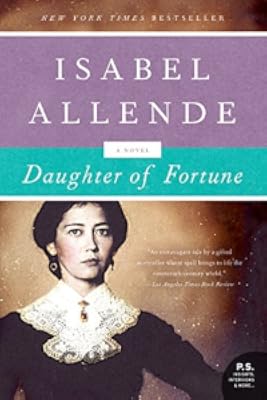
On This Page
Description
An Oprah Book Club selection!"Allende has created a masterpiece of historical fiction that is passionate, adventurous, and brilliantly insightful. . . . suspenseful and surprising." —Denver PostFrom the revered New York Times bestselling author of The House of the Spirits and A Long Petal of the Sea comes a passionate tale of one young woman's epic journey to save her lover, set against the chaos, greed, and promise of the 1849 California Gold Rush.Raised in the British colony of show more Valparaíso, Chile, English orphan Eliza Sommers meets and falls in love with the wildly inappropriate Joaquín Andieta, a lowly clerk with ambitious dreams. When gold is discovered in the hills of northern California, Chileans, including Joaquín, head north to seek their fortune. Eliza, pregnant with Joaquín’s child, leaves behind everything she knows to follow her lover.In the rough-and-tumble world of San Francisco, Eliza must navigate a society dominated by greedy men. But with the help of her natural spirit and a good friend, Chinese doctor Tao Chi’en, Eliza soon comes to discover that her search for love has become a powerful coming of age story and a quest of personal freedom. show lessTags
Recommendations




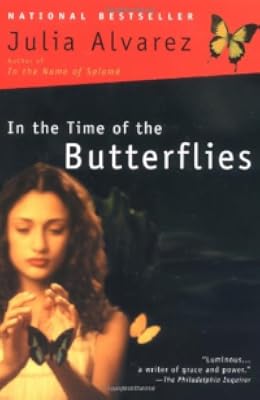
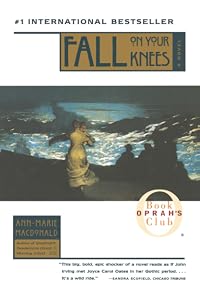
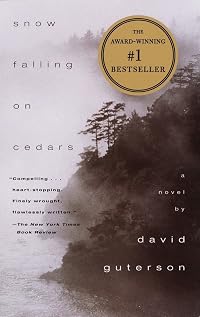
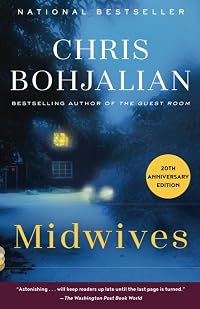
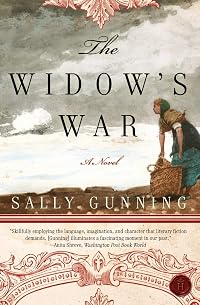
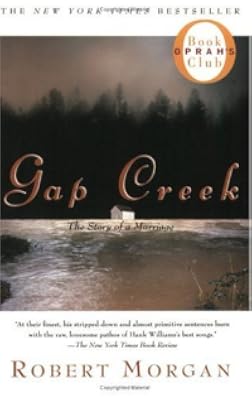
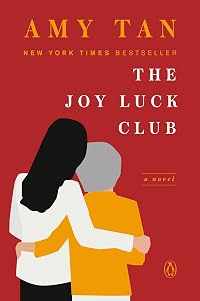
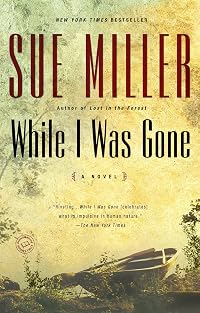
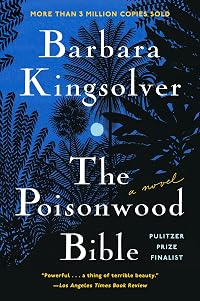
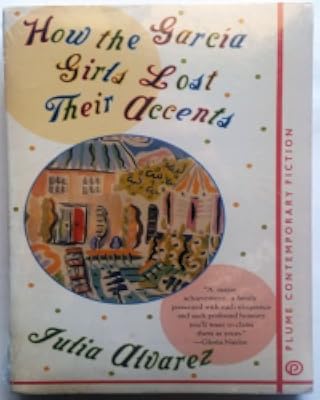
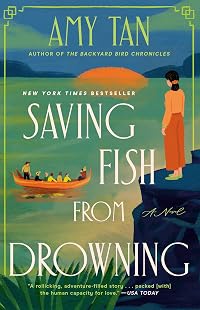
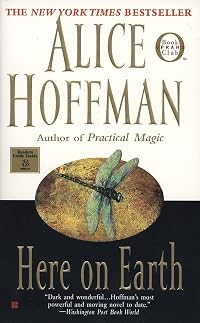
Member Recommendations

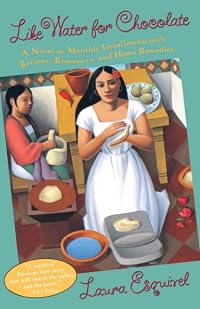
Alliebadger Both beautifully written, and Daughter of Fortune's Zorro references are hard to miss. :^)
71


by JenMDB
StarryNightElf Parts in both novels are set in China.
01

Member Reviews
A spell-binding tale following Eliza, a young woman coming of age in a privileged English family in mid-19th century Valparaiso, Chile. Becoming enamored of a poor revolutionary who sails off to seek his fortune during the California Gold Rush, she stows aboard a merchant vessel to find him. Along the way she meets a curious and helpful Chinese zhong yi [doctor of Eastern medicine] and many other fascinating degenerates and reprobates, some kind-hearted, some not. Her many adventures seeking word of her lover are possible only because she disguises herself as a male, and thus experiences a previously impossible freedom.
Allende excels not only in building character, but also in building a scene: under her pen with its accumulation of show more observation, the cacaphonous landscape and diverse population of San Francisco, constructing itself during the gold rush, comes alive; as well as the milieu of the merchant class in seafaring Valparaiso. It’s a rich read and a good escape. show less
Allende excels not only in building character, but also in building a scene: under her pen with its accumulation of show more observation, the cacaphonous landscape and diverse population of San Francisco, constructing itself during the gold rush, comes alive; as well as the milieu of the merchant class in seafaring Valparaiso. It’s a rich read and a good escape. show less
4.5****
Audio book performed by Blair Brown.
This is an historical novel set during the mid-19th century and taking the reader from South America to China to California during the Gold Rush. The story begins in Valparaiso, Chile, where a baby is left on the doorstep of wealthy British importers. Raised as their child, Eliza Sommers is now a young lady and her family begins to screen available young men to find the perfect suitor. But Eliza has a mind of her own. She falls for a handsome, fiery clerk – Joaquin Andieta – and they become lovers. Six weeks after he leaves for California to make his fortune and prepare the way for her, Eliza discovers she is pregnant. With the help of Tao Chi’en, a Chinese shipboard cook, she stows away show more on a ship bound for San Francisco and disappears from her family’s lives.
This is a sweeping historical epic full of interesting and varied characters and situations. At the core is a search for self, and a look at the roles society assigns to men and women. Allende weaves a seductive story, keeping the reader guessing as to what may happen next. As we careen from adventure to adventure the plot does get a little over-the-top in places, but I forgive Allende her excesses because it’s just such a darn good yarn! I was captivated and enthralled. And I love the ending!
Blair Brown does a wonderful job narrating this epic. There are a lot of characters to keep straight, though most scenes involve only two or three at one time. Her pacing was good, her pronunciation of Spanish names and words perfect, and she kept me totally immersed in the story. show less
Audio book performed by Blair Brown.
This is an historical novel set during the mid-19th century and taking the reader from South America to China to California during the Gold Rush. The story begins in Valparaiso, Chile, where a baby is left on the doorstep of wealthy British importers. Raised as their child, Eliza Sommers is now a young lady and her family begins to screen available young men to find the perfect suitor. But Eliza has a mind of her own. She falls for a handsome, fiery clerk – Joaquin Andieta – and they become lovers. Six weeks after he leaves for California to make his fortune and prepare the way for her, Eliza discovers she is pregnant. With the help of Tao Chi’en, a Chinese shipboard cook, she stows away show more on a ship bound for San Francisco and disappears from her family’s lives.
This is a sweeping historical epic full of interesting and varied characters and situations. At the core is a search for self, and a look at the roles society assigns to men and women. Allende weaves a seductive story, keeping the reader guessing as to what may happen next. As we careen from adventure to adventure the plot does get a little over-the-top in places, but I forgive Allende her excesses because it’s just such a darn good yarn! I was captivated and enthralled. And I love the ending!
Blair Brown does a wonderful job narrating this epic. There are a lot of characters to keep straight, though most scenes involve only two or three at one time. Her pacing was good, her pronunciation of Spanish names and words perfect, and she kept me totally immersed in the story. show less
My first Isabel Allende! And I feel like I chose well. Found this relatively uncomplicated tale of a young, privileged, mixed-race Chilean girl who ends up seeking her fortune in the Wild-West, Gold-Rush chaos of proto-San Francisco to be well written, well researched, and an engaging read.
While the main plot is about Eliza’s gradual discovery of herself (her desires, her physical/emotional limits, her capacity for hope), there’s a strong feminist undercurrent in which Allende explores the many ways in which women historically have been subjugated (deprived of the right to control their own money, marriages, fates) and the drastic measures some of them resorted to in order escape those constraints (defying their families, show more accumulating personal wealth, passing as male). Sometimes they get away with it – Paulina leverages her cunning into a formidable fortune, Eliza finds happiness with her long-time Chinese BFF/zhong yi (Chinese physician). Other times, however, the tale acknowledges the vast number of women unable to escape the horrific exploitation of public humiliation, prostitution, and arranged marriage.
Allende’s clearly put a lot of time in on research. Not only does she get the period details right, but authentic historical personages (ex: outlaw Juaquin Murieta) interact with a panoply of no less authentic “types”: a Mapuche Indian nanny, European doctors and Chinese healers, LGBTQ entrepreneurs, feisty prostitutes, ruthless bounty-hunters, shady conmen, earnest Quaker settlers.
Also appreciated that the book was so sensual without resorting to eroticism. Allende’s terrific at evoking sights, sounds, smells, textures, and ambiance. Her Gold Rush mining camps reek of raw earth, burnt beans, and damp canvas; her San Francisco teems with the cacophonous clamor of disparate languages, the stench of untreated sewage, and the ghostly panorama of abandoned ships rotting in the harbor. Her descriptions of the voluptuous beauty of Chile or the piquant delights of French pastry are as evocative as her depiction of the horrors of Chinatown brothels.
Keeping my fingers crossed that there are more where this came from. show less
While the main plot is about Eliza’s gradual discovery of herself (her desires, her physical/emotional limits, her capacity for hope), there’s a strong feminist undercurrent in which Allende explores the many ways in which women historically have been subjugated (deprived of the right to control their own money, marriages, fates) and the drastic measures some of them resorted to in order escape those constraints (defying their families, show more accumulating personal wealth, passing as male). Sometimes they get away with it – Paulina leverages her cunning into a formidable fortune, Eliza finds happiness with her long-time Chinese BFF/zhong yi (Chinese physician). Other times, however, the tale acknowledges the vast number of women unable to escape the horrific exploitation of public humiliation, prostitution, and arranged marriage.
Allende’s clearly put a lot of time in on research. Not only does she get the period details right, but authentic historical personages (ex: outlaw Juaquin Murieta) interact with a panoply of no less authentic “types”: a Mapuche Indian nanny, European doctors and Chinese healers, LGBTQ entrepreneurs, feisty prostitutes, ruthless bounty-hunters, shady conmen, earnest Quaker settlers.
Also appreciated that the book was so sensual without resorting to eroticism. Allende’s terrific at evoking sights, sounds, smells, textures, and ambiance. Her Gold Rush mining camps reek of raw earth, burnt beans, and damp canvas; her San Francisco teems with the cacophonous clamor of disparate languages, the stench of untreated sewage, and the ghostly panorama of abandoned ships rotting in the harbor. Her descriptions of the voluptuous beauty of Chile or the piquant delights of French pastry are as evocative as her depiction of the horrors of Chinatown brothels.
Keeping my fingers crossed that there are more where this came from. show less
I put off reading this for a long time because I had heard that Allende writes magical realism, a genre that does not usually agree with me. When I did finally read it, I was surprised to find that this novel doesn't match my conception of what "magical realism" is. Perhaps it is a new use for the term: fiction that is realistic but nevertheless magically transports we readers to another time and place, and installs us completely in the head of the protagonist.
Eliza is discovered as an infant abandoned on the doorstep of a British brother and sister living in Valparaiso, Chile. Over the objections of her straitlaced brother, Rose Sommers--a headstrong, independent woman who says that the best thing about marriage is "becoming a show more widow"--adopts and raises the child, but keeps her at an arm's length. When Eliza is sixteen, she meets Joaquin Andieta, an idealistic and penniless poet, and she falls headlong into the uncritical passion of first love. Just then, the Gold Rush begins in California, and Andieta disappears from Eliza's life to seek his fortune there. When she learns she is pregnant, Eliza decides to track down her lover. With the help of a Chinese physician who came over on her uncle's ship, Tao Chi'en, she stows away in the hold of a ship bound for San Francisco, where she becomes very ill. During that miserable voyage, Eliza experiences a rebirth, and she emerges from the ship into daylight as someone completely new and without identity, disembarking into a city that is also brand new and making itself into something unique and purely American. The rest of the story reveals how Eliza rebuilds her identity while searching for her lover. She dons a series of disguises until finally she is able to re-emerge as herself, a woman not defined by the strictures of her day but constructed from within.
Set against the backdrop of the mad rush to California in search of gold, Allende reveals history through the eyes of the people who lived it but don't usually get to tell the story: women and non-whites. She creates a diverse and three-dimensional world that feels both real and different from the stories we usually get to hear. Eliza's journey of self-discovery absolutely swept me away. show less
Eliza is discovered as an infant abandoned on the doorstep of a British brother and sister living in Valparaiso, Chile. Over the objections of her straitlaced brother, Rose Sommers--a headstrong, independent woman who says that the best thing about marriage is "becoming a show more widow"--adopts and raises the child, but keeps her at an arm's length. When Eliza is sixteen, she meets Joaquin Andieta, an idealistic and penniless poet, and she falls headlong into the uncritical passion of first love. Just then, the Gold Rush begins in California, and Andieta disappears from Eliza's life to seek his fortune there. When she learns she is pregnant, Eliza decides to track down her lover. With the help of a Chinese physician who came over on her uncle's ship, Tao Chi'en, she stows away in the hold of a ship bound for San Francisco, where she becomes very ill. During that miserable voyage, Eliza experiences a rebirth, and she emerges from the ship into daylight as someone completely new and without identity, disembarking into a city that is also brand new and making itself into something unique and purely American. The rest of the story reveals how Eliza rebuilds her identity while searching for her lover. She dons a series of disguises until finally she is able to re-emerge as herself, a woman not defined by the strictures of her day but constructed from within.
Set against the backdrop of the mad rush to California in search of gold, Allende reveals history through the eyes of the people who lived it but don't usually get to tell the story: women and non-whites. She creates a diverse and three-dimensional world that feels both real and different from the stories we usually get to hear. Eliza's journey of self-discovery absolutely swept me away. show less
Daughter of Fortune is an epic historical adventure set in the mid-1800s, spanning the globe from England to China to Chile to the American west. The main character, Eliza, is abandoned as an infant on the doorstep of wealthy British Siblings, resettled in Valparaíso, Chile. The first half of the book, set in Chile, is focused on Eliza’s early years, family, and first love. The second half transports the reader to the tumultuous days of the California gold rush, contrasting the initial visions of easy wealth with vivid descriptions of the harsh realities encountered upon arrival.
Allende has created engaging and colorful characters. Eliza is memorable for her courageous, independent spirit and Chinese healer Tao Chi'en for his quiet show more integrity. The era is beautifully rendered with historically accurate details. This imaginative, skillfully-written story touches on such meaningful themes as racism, classism, sex trafficking, female empowerment, the spirit of adventure, greed, self-discovery, reinvention, rebellion, compassion, freedom, and the many forms of love.
The book gains momentum as it progresses, becoming ever more engrossing. Recommended to those interested in family sagas, perilous journeys, and historical fiction, especially of the 19th century. Includes violence to humans and animals, profanity, prostitution, and other sexual content. show less
Allende has created engaging and colorful characters. Eliza is memorable for her courageous, independent spirit and Chinese healer Tao Chi'en for his quiet show more integrity. The era is beautifully rendered with historically accurate details. This imaginative, skillfully-written story touches on such meaningful themes as racism, classism, sex trafficking, female empowerment, the spirit of adventure, greed, self-discovery, reinvention, rebellion, compassion, freedom, and the many forms of love.
The book gains momentum as it progresses, becoming ever more engrossing. Recommended to those interested in family sagas, perilous journeys, and historical fiction, especially of the 19th century. Includes violence to humans and animals, profanity, prostitution, and other sexual content. show less
Ja, sie ist eine Tochter des Glücks, Eliza -- chilenisches Findelkind -- das eines guten Tages einfach auf den Stufen des Hauses der englischen Familie Sommers liegt. Isabel Allende führt uns in ihrem neuesten Roman Fortunas Tochter, in das Valparaíso Mitte des 19. Jahrhunderts. Mit großer Erzählkraft schildert sie die Geschichte einer Frau, die zwischen zwei Welten und zwei Kulturen aufwächst, ihre erste Liebe und die abenteuerliche Suche nach dem Geliebten. Allende führt den Leser in eindrucksvolle Welten mit merkwürdigen Gestalten und ebensolchen Gepflogenheiten. So wird das Baby Eliza, als es völlig entkräftet ins Haus der Sommers gelangt, von der forschen Haushälterin beherzt aufgepäppelt. Mama Fresia legt das show more kränkelnde Kind einfach unter das pralle Euter einer Ziege. Zum Entsetzen von Miss Rose Sommers. Doch wird die kapriziöse Adoptivmutter vom Erfolg der Methode überzeugt. Eliza gedeiht prächtig und wächst, von den Dienstboten in hausfraulichen Tätigkeiten, von erstklassigen Lehrern in standesgemäßeren Beschäftigungen wie Klavierspielen und Ballettanzen unterrichtet, zu einer attraktiven Frau heran. Sie verliebt sich in Joaquín. Doch den zieht es, vom Goldfieber gepackt, nach Kalifornien. Als Eliza merkt, daß ihre Beziehung nicht ohne Folgen geblieben ist, gibt es für sie nur eins: Heimlich und in Männerkleidung macht sie sich auf die Suche nach ihm. Hals über Kopf tauscht sie das behütete Leben gegen eines voller Unsicherheiten und Gefahren ein, um am Schluß ihrer Odyssee zwar nicht bei ihrem Geliebten, aber bei sich selbst anzukommen.
Elizas Reise, so Isabel Allende, stellt das dar, was mit den Frauen allgemein geschehen ist: Wir mußten unser Korsett abstreifen und uns "vermännlichen", um dann wieder zu unseren Frauenkleidern zurückzukehren -- dieses Mal ohne Korsett. --Anne Hauschild show less
Usually I run from Oprah's book picks for many reasons, but because she is a well known Latina author, I wanted to read Allende and judge for myself.
Her novel did not disappoint. For me, the time period and limited freedom for women was wonderfully demonstrated through Eliza. Women at that time were either properly married or whores. There was very little in- between.
The story begins in Chile in the late 1840s and Eliza is the adopted daughter of Rose Sommers a transplanted Englishwoman who is well-meaning but selfish. Unsure as to her parental origins, Eliza is an accepted part of the family but only on the fringes of their circle. Eliza grows up sheltered and later imagines that she has fallen in love with a noble young Chilean from show more the wrong side of the tracks.
Eventually, her lover leaves her to pursue his fortune during California's gold rush. Eliza follows him as a stowaway and finds her independence and clarity around her path in life during her search for her lost lover.
Lots of adventures and details, some of which could be seen as repetitive or impossible hence my four stars. However, for me the themes around love, freedom, family history, injustice, feminism, class and human dignity made it well worth a read. show less
Her novel did not disappoint. For me, the time period and limited freedom for women was wonderfully demonstrated through Eliza. Women at that time were either properly married or whores. There was very little in- between.
The story begins in Chile in the late 1840s and Eliza is the adopted daughter of Rose Sommers a transplanted Englishwoman who is well-meaning but selfish. Unsure as to her parental origins, Eliza is an accepted part of the family but only on the fringes of their circle. Eliza grows up sheltered and later imagines that she has fallen in love with a noble young Chilean from show more the wrong side of the tracks.
Eventually, her lover leaves her to pursue his fortune during California's gold rush. Eliza follows him as a stowaway and finds her independence and clarity around her path in life during her search for her lost lover.
Lots of adventures and details, some of which could be seen as repetitive or impossible hence my four stars. However, for me the themes around love, freedom, family history, injustice, feminism, class and human dignity made it well worth a read. show less
Members
- Recently Added By
Published Reviews
Isabel Allendes neuer Roman erzählt von verschiedenen Ländern und Kulturen: England, Chile, Kalifornien und China sind die Hauptstationen der Geschichte. Meist jedoch erfährt der Leser nur wenig wirklich Neues: In China werden kleinen Mädchen die Füße verbunden, damit sie nicht weiter wachsen, in Chile versuchen europäische Missionare erfolglos, die Indiobevölkerung zu missionieren, show more und in Kalifornien herrscht wilde Goldgräberstimmung. show less
added by Indy133
Lists

Best Historical Fiction
620 works; 262 members

Best Contemporary Literary Fiction (Around the Last 30 Years)
400 works; 124 members

Historical Fiction
889 works; 89 members

Best of World Literature
437 works; 52 members

Female Protagonist
1,056 works; 57 members

Oprah's Book Club (original and 2.0)
91 works; 21 members

Magic Realism
371 works; 52 members

Unread books
1,063 works; 88 members
Female Author
1,234 works; 67 members

Best Feminist Literature
188 works; 26 members
Global Reads: Books Set South and Central America
40 works; 7 members

Books Set in California
112 works; 15 members

2000s (the decade, not the century)
184 works; 11 members

magic realism novels
44 works; 11 members

Books Featured on Gilmore Girls
307 works; 21 members
Literature About Women and Girls
426 works; 40 members

Nineties
43 works; 10 members

Expand Your Reading Demographics!
47 works; 15 members

1990s
309 works; 17 members

Best family sagas
244 works; 34 members

Top Five Books of 2016
795 works; 228 members

Literature by People of Color
81 works; 9 members

Latin American Literature
50 works; 11 members

Books Read in 2014
2,344 works; 89 members

Historical Fiction Lovers
88 works; 4 members

Books Read in 2016
4,666 works; 197 members

GeoCAT 2016
15 works; 1 member
My TBR Challenge Leftovers
22 works; 1 member

Literature in Translation
113 works; 5 members
Best Books of the 20th Century
193 works; 5 members

Books I Own But Haven't Read
144 works; 2 members

Books Set in San Francisco
31 works; 8 members

Reading Globally
136 works; 16 members

The Complete Rory Gilmore Reading List
506 works; 5 members

Favorite Romance Fiction
247 works; 115 members
Latin America
26 works; 9 members

Books With Family Relationships in the Title
44 works; 4 members

Books translated from Romance Languages into English
102 works; 7 members

Books Read in 2000
121 works; 4 members
Protagonists - Women
29 works; 2 members

Latin America
45 works; 6 members

Alphabetical Books
211 works; 3 members

Historical Fiction set in the 1800s
4 works; 2 members

Read in 2014
334 works; 11 members

Books Bought & Received as Gifts in 2014
81 works; 1 member
Novels featuring Orphans
76 works; 10 members
KayStJ's to-read list
1,616 works; 11 members

Undiscovered Classics to Read
70 works; 15 members

Books We Couldn't Put Down
443 works; 197 members
Author Information

94+ Works 85,132 Members
Isabel Allende was born in 1942 in Lima, Peru, the daughter of a Chilean diplomat. When her parents separated, young Isabel moved with her mother to Chile, where she spent the rest of her childhood. She married at the age of 19 and had two children, Paula and Nicolas. Her uncle was Salvador Allende, the president of Chile. When he was overthrown show more in the coup of 1973, she fled Chile, moving to Caracas, Venezuela. While living in Venezuela, Allende began writing her novels, many of them exploring the close family bonds between women. Her first novel, The House of the Spirits, has been translated into 27 languages, and was later made into a film. She then wrote Of Love and Shadows, Eva Luna, and The Stories of Eva Luna, all set in Latin America. The Infinite Plan was her first novel to take place in the United States. She explores the issues of human rights and the plight of immigrants and refugees in her novel, In The Midst of Winter. In Paula, Allende wrote her memoirs in connection with her daughter's illness and death. She delved into the erotic connections between food and love in Aphrodite: A Memoir of the Senses. In addition to writing books, Allende has worked as a TV interviewer, magazine writer, school administrator, and a secretary at a U.N. office in Chile. She received the 1996 Harold Washington Literacy Award. She lives in California. Her title Maya's Notebook made The New York Times Best Seller List in 2013. (Bowker Author Biography) show less
All Editions
Some Editions
Awards and Honors
Awards
Distinctions
Notable Lists
Series

Belongs to Publisher Series
Work Relationships
Is contained in
Has as a student's study guide
Common Knowledge
- Canonical title
- Daughter of Fortune
- Original title
- Hija de la fortuna
- Original publication date
- 1998
- People/Characters
- Eliza Sommers / Elias Andieta; Rose Sommers; Jeremy Sommers; John Sommers; Joaquin Andieta; Tao Chi'en (show all 13); Vincent Katz; Lin; Joe Bonecrusher; Babalu; Jacob Todd / Jacob Freemont; Mama Fresia; Joaquin Murieta ( as Joaquin Murrieta)
- Important places
- San Francisco, California, USA; South America; Valparaiso, Chile; Sacramento, California, USA; Canton, China; Guangzhou, Guangdong, China
- Important events
- California Gold Rush (1848–1855)
- First words
- Everyone is born with some special talent, and Eliza Sommers discovered early on that she had two: a good sense of smell and a good memory.
--First Perennial edition, 2000 - Quotations
- It is what you do in this world that matters, not how you come into it.
The things we forget may as well never have happened, but she had many memories, both real and illusory, and that was like living twice.
He had only a vague idea of her size and of a dark aureole of hair, but it would not be until their second meeting a few days later that he would sink into the perdition of her black eyes and the watery grace of her gestures.
Eliza's legs were trembling; she hadn't used them in two months, and she felt as landsick as she had before at sea, but the man's clothing gave her an unfamiliar freedom; she had never felt so invisible.
"They look for gold, and along the way lose their souls," Captain Katz had repeated tirelessly in the brief religious services he imposed every Sunday on the passengers and crew of the Emilia, but no one paid any atten... (show all)tion, blinded by dreams of the sudden riches that would change their lives.
Property was much more valuable than life; any robbery over a hundred dollars was paid for on the gallows.
How old was he? She had asked him once, and he replied that counting all his reincarnations he had to be between seven and eight thousand years old.
Extracting bullets and treating knife wounds were routine procedures, and Eliza lost her horror of blood and learned to stitch human flesh as calmly as formerly she had embroidered sheets for her trousseau.
Tao Chi'en charged very little, but always in advance, because in his experience a frightened man pays without argument, while one who is cured wants to bargain.
"People come from the most remote shores; you hear a hundred languages in the street, smell the food of five continents, see every race," she wrote.
"You cannot wait for that man forever, Eliza. It is a form of madness, like gold fever. You must set a deadline," Tao said one day.
"Nothing is in vain. You don't go anywhere in life, Eliza, you just keep walking." - Last words
- (Click to show. Warning: May contain spoilers.)-Ya estoy libre...-replicó ella sin soltarle la mano.
(Click to show. Warning: May contain spoilers.)"I am free," she replied, holding tightly to Tao's hand.
--First Perennial edition, 2000
(Click to show. Warning: May contain spoilers.)- Aš pagaliau laisva ... - atsakė ji, nenuleisdama rankos. - Original language
- Spanish
Classifications
- Genres
- Fiction and Literature, General Fiction, Historical Fiction
- DDC/MDS
- 863.64 — Literature & rhetoric Spanish Literature Spanish fiction 20th Century 1945-2000
- LCC
- PQ8098.1 .L54 .H5513 — Language and Literature French, Italian, Spanish and Portuguese literatures Spanish literature Provincial, local, colonial, etc. Spanish America
- BISAC
Statistics
- Members
- 9,610
- Popularity
- 1,085
- Reviews
- 203
- Rating
- (3.72)
- Languages
- 24 — Bulgarian, Czech, Danish, Dutch, English, Estonian, Finnish, French, German, Greek, Hebrew, Icelandic, Italian, Latvian, Lithuanian, Norwegian (Bokmål), Norwegian, Polish, Portuguese, Russian, Croatian, Spanish, Swedish, Turkish
- Media
- Paper, Audiobook, Ebook
- ISBNs
- 130
- UPCs
- 1
- ASINs
- 52