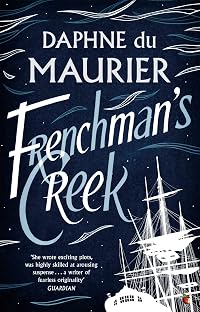
Frenchman's Creek
by Daphne Du Maurier
On This Page
Description
This romantic story tells the tale of a woman looking for adventure, only to find it in the arms a rebellious criminal. Bored and restless in London's Restoration Court, Lady Dona escapes into the British countryside with her restlessness and thirst for adventure as her only guides. Eventually Dona lands in remote Navron, looking for peace of mind in its solitary woods and hidden creeks. She finds the passion her spirit craves in the love of a daring French pirate who is being hunted by all show more of Cornwall. Together, they embark upon a quest rife with danger and glory, one which bestows upon Dona the ultimate choice: sacrifice her lover to certain death or risk her own life to save him. show lessTags
Recommendations

















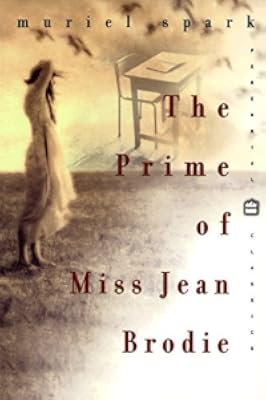
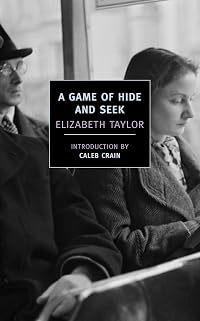





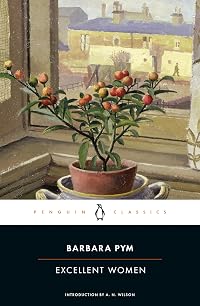
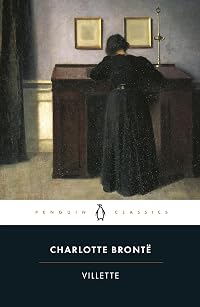











Member Recommendations

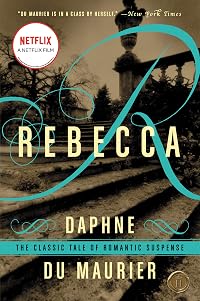
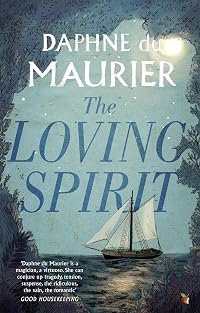
avalon_today Largely centered around the sea. Both have that bittersweet quality running threw the book
20

avalon_today pirates and romance. captain blood was more pirates than romance :-)


Bookmarque definitely not a romance, but a gothic tale of revenge. Partially set in Cornwall.

Member Reviews
This is the 4th Du Maurier I've read, and it is significantly different from the others (Rebecca, My Cousin Rachel, Jamaica Inn). On first read, it seems to be just an escapist romantic fantasy involving a 17th century noblewoman and a French pirate who never even gets a name until the last 1/5 of the book. It seemed so shallow and trite, not really worthy of Du Maurier, and I wasn't sure how I felt about it, especially with the ending.
Then I went on YouTube and watched a very thoughtful review by Spinster's Library that's making me rethink the whole thing. She pointed out the theme of motherhood in the book. Dona feels trapped in her life - not an unusual theme. She doesn't really love or respect her husband. Out of boredom she follows show more pursuits that most people in court consider rather scandalous, culminating on her donning men's clothing and pulling a prank on an elderly lady that Dona finally realizes went a little too far. In the beginning of the novel she has fled London for her husband's remote Cornwall estate, bringing their two young children along with her.
The kiddos are practically non-entities in the novel. They exist, but don't really do anything. However, they do keep her from going off with her pirate in the end. I kept wondering about that all through the book. I wanted her to go off with him, but then that would mean abandoning her children, and that certainly wouldn't be good. She and the pirate have a conversation at one point about the fact that women can't ever really cut ties because of their children. And even if Dona had left with him, she would probably have had more kids, and you can't exactly raise kids on a pirate ship. So even if she had abandoned her children, she still would have been captive to her biology. We can say all we want that this is unfair, but before reliable contraception, it was an unavoidable fact of life.
But.
The one other time when her kids become significant is when she's being pursued by Rock (I forget his name.) He's scrambling up the stairs on all fours in an animalistic way, and she's fleeing him. Then suddenly she thinks she hears her son cry out. And at that moment, she pulls this shield down off the wall. It's so heavy it brings her to her knees, but she manages to pick it up and throw it at Rock, killing him. It struck me at the time that it seems like it's her son's cry that gives her this strength. But in brilliant Du Maurier fashion, this is just mentioned and passed on. Du Maurier is an absolute master at understatement, and all but forcing the reader to be drawn into the story and figure out what's going on. There are other reminders of parenthood/motherhood, such as Godolphin's expecting wife, who goes into labor at a crucial point in the novel, and the jailer who has fourteen children. And now I'm rethinking the entire novel.
Is the central plot really about Dona needing to escape her life? As the Spinster review points out, when her husband actually shows up in the novel, he turns out not to be a bad egg. Frivolous, aimless, yes. But he resolves to stop drinking. Maybe he will, maybe he won't. But he just doesn't seem like that bad a guy. Also, it's very clear throughout the novel that Dona is the smartest, most capable person around. She is head and shoulders above all these men in terms of intellect. She plays the role and still gets whatever she wants. Maybe it's not escape she truly needed but -- a proper sense of her own worth and capabilities? With the pirate, she learned how to catch a fish, how to sail on a ship, how to brave her fears and participate in a pirate expedition, even how to kill a man in self defense.
Maybe she ran around doing all those silly things in London because she didn't know what she was truly capable of. And now she's returning to her family because she does love her kids, and her husband is their father (and he's not such a bad guy.) And she doesn't leave with the pirate because she no longer has to prove anything to herself. Consequently, what does he really have to offer her?
IIRC, Du Maurier herself had a somewhat ambivalent marriage. She came from a family of artists and literati, yet she married a military officer. I don't know enough to say any more about how the book might reflect the themes of her own life. But I'm still pondering this book and what it means. I definitely feel like it deserves a reread. If anyone has any thoughts about this thought-provoking novel, I'd love to hear them. I also want to watch the movie version, but I think like My Cousin Rachel, the movie version will lose some of Du Maurier's power. Movies tend to want to make things more literal and obvious. Definitely, for sure, READ THE BOOK! show less
Then I went on YouTube and watched a very thoughtful review by Spinster's Library that's making me rethink the whole thing. She pointed out the theme of motherhood in the book. Dona feels trapped in her life - not an unusual theme. She doesn't really love or respect her husband. Out of boredom she follows show more pursuits that most people in court consider rather scandalous, culminating on her donning men's clothing and pulling a prank on an elderly lady that Dona finally realizes went a little too far. In the beginning of the novel she has fled London for her husband's remote Cornwall estate, bringing their two young children along with her.
The kiddos are practically non-entities in the novel. They exist, but don't really do anything. However, they do keep her from going off with her pirate in the end. I kept wondering about that all through the book. I wanted her to go off with him, but then that would mean abandoning her children, and that certainly wouldn't be good. She and the pirate have a conversation at one point about the fact that women can't ever really cut ties because of their children. And even if Dona had left with him, she would probably have had more kids, and you can't exactly raise kids on a pirate ship. So even if she had abandoned her children, she still would have been captive to her biology. We can say all we want that this is unfair, but before reliable contraception, it was an unavoidable fact of life.
But.
The one other time when her kids become significant is when she's being pursued by Rock (I forget his name.) He's scrambling up the stairs on all fours in an animalistic way, and she's fleeing him. Then suddenly she thinks she hears her son cry out. And at that moment, she pulls this shield down off the wall. It's so heavy it brings her to her knees, but she manages to pick it up and throw it at Rock, killing him. It struck me at the time that it seems like it's her son's cry that gives her this strength. But in brilliant Du Maurier fashion, this is just mentioned and passed on. Du Maurier is an absolute master at understatement, and all but forcing the reader to be drawn into the story and figure out what's going on. There are other reminders of parenthood/motherhood, such as Godolphin's expecting wife, who goes into labor at a crucial point in the novel, and the jailer who has fourteen children. And now I'm rethinking the entire novel.
Is the central plot really about Dona needing to escape her life? As the Spinster review points out, when her husband actually shows up in the novel, he turns out not to be a bad egg. Frivolous, aimless, yes. But he resolves to stop drinking. Maybe he will, maybe he won't. But he just doesn't seem like that bad a guy. Also, it's very clear throughout the novel that Dona is the smartest, most capable person around. She is head and shoulders above all these men in terms of intellect. She plays the role and still gets whatever she wants. Maybe it's not escape she truly needed but -- a proper sense of her own worth and capabilities? With the pirate, she learned how to catch a fish, how to sail on a ship, how to brave her fears and participate in a pirate expedition, even how to kill a man in self defense.
Maybe she ran around doing all those silly things in London because she didn't know what she was truly capable of. And now she's returning to her family because she does love her kids, and her husband is their father (and he's not such a bad guy.) And she doesn't leave with the pirate because she no longer has to prove anything to herself. Consequently, what does he really have to offer her?
IIRC, Du Maurier herself had a somewhat ambivalent marriage. She came from a family of artists and literati, yet she married a military officer. I don't know enough to say any more about how the book might reflect the themes of her own life. But I'm still pondering this book and what it means. I definitely feel like it deserves a reread. If anyone has any thoughts about this thought-provoking novel, I'd love to hear them. I also want to watch the movie version, but I think like My Cousin Rachel, the movie version will lose some of Du Maurier's power. Movies tend to want to make things more literal and obvious. Definitely, for sure, READ THE BOOK! show less
A highly romantic tale of star-crossed lovers and piracy this doesn’t seem like the kind of thing I’d like or even read, but I was in a funny mood one day and decided to buy it. Sometimes a girl needs something light and romantic and there aren’t many books of this description on my shelves. That said I wasn’t going to get just any chick lit; it had to be quality. Having read three other du Maurier novels I thought this was a safe bet.
And it largely was. Nothing was particularly subtle here. Husband was a dullard who was primarily interested in gambling and drinking. Wife was comparatively brilliant and suddenly possessed of a desire to better herself. Best friend was rapacious, sly and had sway over the husband. Pirate was show more suave, daring and sensitive; just the ticket for a bored housewife. Local gentry were oafs with high opinions of themselves. All deliciously rendered for scorn and admiration all around.
After a slow and deliberately tortured build-up, Dona finally leaves her matron self abed and goes adventuring with her pirate. It is very romantic; forest walks, charcoal sketches of the beloved, banter, fishing, dining al fresco, more banter, moonlight swims etc, etc, etc. However enjoyable it is, they both know it can’t last and most of their conversations are about this. Even after a horrific battle, capture and escape we know they are going to part and because of the graceful and attentive way it was done, we don’t even mind. There are hints of possible meetings to come and that gives one hope. But we’re proud of Dona because she chooses her married life. It’s unselfish and honorable. Now she’s tasted freedom, she can bear her fallow domestic existence with equanimity. The memories of her wild adventures, unknown by her family, will carry her though. show less
And it largely was. Nothing was particularly subtle here. Husband was a dullard who was primarily interested in gambling and drinking. Wife was comparatively brilliant and suddenly possessed of a desire to better herself. Best friend was rapacious, sly and had sway over the husband. Pirate was show more suave, daring and sensitive; just the ticket for a bored housewife. Local gentry were oafs with high opinions of themselves. All deliciously rendered for scorn and admiration all around.
After a slow and deliberately tortured build-up, Dona finally leaves her matron self abed and goes adventuring with her pirate. It is very romantic; forest walks, charcoal sketches of the beloved, banter, fishing, dining al fresco, more banter, moonlight swims etc, etc, etc. However enjoyable it is, they both know it can’t last and most of their conversations are about this. Even after a horrific battle, capture and escape we know they are going to part and because of the graceful and attentive way it was done, we don’t even mind. There are hints of possible meetings to come and that gives one hope. But we’re proud of Dona because she chooses her married life. It’s unselfish and honorable. Now she’s tasted freedom, she can bear her fallow domestic existence with equanimity. The memories of her wild adventures, unknown by her family, will carry her though. show less
Frenchman’s Creek, Daphne du Maurier
This is not the typical novel that is written today. Looking at the style of the original cover, I would have turned away from it, and more’s the pity because I would have missed a book that demands an audience and perhaps a conversation about what we seek and how we live our lives. Written with a prose that is at once well-structured and coherent, it is also lyrical and sensitive. In Du Maurier’s novel about a place of refuge called Frenchman’s Creek, she achieves what most novels today, do not. Without crude language or vivid and graphic sex scenes, she elicits romance and adventure on almost every page. The lightness of the plot does not betray the beauty of its presentation.
Du Maurier show more introduces us to an enchanted area of Cornwall, England. This otherworldly locale from a time past, takes shape out of the shadows, near a hidden inlet. Lady Dona St Columb flees there to Navron House, in search of a different life than the one she was living in London as the wife of an aristocrat who was crude and fat, and no longer very appealing to her. She is ashamed of her previous behavior of cavorting with the men. She discovers Frenchman’s Creek on her property and it feels magical and mysterious. It is actually right there that a pirate, cut from a different mold, a pirate who is the antithesis of the swashbuckling crude pirate of fairy tales like Captain Hook, that Jean Benoit Aubéry, a Frenchman of ill repute, has made his place of respite for his crew and his ship called La Mouette, meaning the seagull; it is named for a bird that is gifted with flight and freedom, a bird that swoops down and steals from the water and the earth whatever it chooses in much the same way as this pirate does, this pirate who is painted as rather smooth talking and virile, which is a rather optimistic and romantic combination. Aubéry is no ordinary “yohoho” kind of pirate. Rather, he is a bit more sophisticated than that. I picture leading men like Errol Flynn and Clark Gable, heartthrobs from the past, playing his part. He is a pipe-smoking, poetry-reading pirate who is the stuff that dreams of young women are made of…the rake who carries them off to a land where they can fulfill their fantasies; he is the “prince” of their dreams and they immediately fall head over heels in love with this masculine soul with a heart and a mind, not just a handsome, strong body. Aubéry is not a cruel or coarse pirate. He is simply a man who wants to be free to move about at will, to live as he pleases without regard for anything else. He simply wants his adventure and he trusts to sheer good fortune for his survival. He is a bit arrogant, yet refined and courteous. It is his love of danger and excitement that propels him, and in his travels he discovered a secret cove that leads to Frenchman’s Creek, this hidden haven of safety where he and his mates could rest awhile. It is in that same sanctuary that the Dona and the pirate discover each other and their natural affinity for the same lifestyle unites them with a common bond as a romantic spark is ignited between them. Together they embark on a path that will change both of their lives forever.
Lady Dona St Columb in her attempt to run, actually enters another world that is similar to the world she runs from, and thus begins again a life of debauchery, but oh, a life that is so very much more exciting and romantic. Although her husband Harry adores her, and although she loves him, he holds no interest for her any longer; he is boring and pompous, weak and lacking in intellect. On the contrary, Jean is masculine and intriguing. She wants more from her life; her thirtieth birthday is nearing and she fears that her time is running out. She seeks to eat when she wishes, wear what she wishes and simply do as she wishes. She seeks more control of her own life. Her children are cared for by Prue, the able nanny, so that she is really no longer indispensable. Everyone, it would seem, is taken care of, but she herself is not. Her role is that of the caretaker and she no longer chooses it, rather she wants to be cared for in more than the mundane ways of the day. She wants to have fun and to finally and ultimately find love and to be loved and appreciated as more than just a female body. Isn’t it finally her turn to live? Thirty, after all, was fairly old in the time of Charles II.
In this novel, written in 1941, I found myself rooting for the “bad” guy and not for those that pretended to be on the side of right when it suited them. The villain was the more likable. The uptight, so-called upstanding citizens of the novel were a bit stodgy and obnoxious, demanding and self-righteous in a far different way than the pirate himself. He seemed to be good-natured in all of his attempts at piracy, albeit he was stealing from others. He was merely assuming the same rights as those pompous townspeople who were doing as they wished, ignoring the rights of those whose class was “beneath them”, basically stealing their lives from the labors of others. They were not portrayed as the brightest bulbs and so were easily duped by the pirate. He had simply turned the tables on them all. He ignored the rights of those he thought were behaving as if they were “above” him. And therein lies the rub, for both, behaving in similar ways, for different reasons which each justified, were capable of ignoring the rules and laws of society; and both believed in their right to do so as they ignored the rights of the other. How true it still is today as we justify our own behavior, which is often at the expense of others but which gratifies our own needs.
The characters banter with each other in a charming way. The humor is very subtle as they toy with each other, even in conversation, as they intuit their feelings and desires. The book is a wonderful examination of emotions and behavior, but it raises questions about the very nature of those sentiments and conduct. Was the Dona noble in her actions or self-serving, in the end? How many women could do as she did and never look back? Will she live to regret her choices, will the pirate? Was the ending satisfying?
DuMaurier takes the reader on a wonderful journey into the land of fantasy and romance, adventure and danger, and she does it with a certain flair and flourish. The subtle humor and sarcasm will bring a smile to the lips and invite a chuckle to escape. The author captivates the reader so that they, too, will be soaked by the rain, tossed by the waves, duck from the bullets and will run through the streets to escape capture with their fellow marauders as Dona and the pirates do the same. The fear and tension will build and half way through the book, even with the hokey kind of plot, a plot from the world of the fairy tales of yesterday and not today, I was captured by the prose and could not put it down, reading it late into the night until I reached the last page and smiled. It is rollicking good fun as Dona, the “cabin boy”, and Jean have their secret trysts and escapades, defying custom and decorum.
Frenchman’s Creek is the secret place of Dona and the pirate; it is hidden among the trees from the rest of the world; it offers privacy and a place to live out one’s desires, unimpeded by the requirements of the outside world. Real life does not intrude there, but living life to the fullest does! Of course, another conclusion can be drawn. Dona is also arrogant and rude. She behaves in a raucous manner without regard for others as does the pirate, often humiliating those weaker than they. The pirate, while polite, might also be considered cruel as he relieves his victims of their belongings and shames and frightens them. But somehow, that is not the message that comes through. Instead, we witness the joy that the people who choose to live with excitement, in a positive space that is open to adventure, have in living their life, while their opposites are victims of a world in which they seem only to plod through in negative space, but they are unfulfilled and unhappy. show less
This is not the typical novel that is written today. Looking at the style of the original cover, I would have turned away from it, and more’s the pity because I would have missed a book that demands an audience and perhaps a conversation about what we seek and how we live our lives. Written with a prose that is at once well-structured and coherent, it is also lyrical and sensitive. In Du Maurier’s novel about a place of refuge called Frenchman’s Creek, she achieves what most novels today, do not. Without crude language or vivid and graphic sex scenes, she elicits romance and adventure on almost every page. The lightness of the plot does not betray the beauty of its presentation.
Du Maurier show more introduces us to an enchanted area of Cornwall, England. This otherworldly locale from a time past, takes shape out of the shadows, near a hidden inlet. Lady Dona St Columb flees there to Navron House, in search of a different life than the one she was living in London as the wife of an aristocrat who was crude and fat, and no longer very appealing to her. She is ashamed of her previous behavior of cavorting with the men. She discovers Frenchman’s Creek on her property and it feels magical and mysterious. It is actually right there that a pirate, cut from a different mold, a pirate who is the antithesis of the swashbuckling crude pirate of fairy tales like Captain Hook, that Jean Benoit Aubéry, a Frenchman of ill repute, has made his place of respite for his crew and his ship called La Mouette, meaning the seagull; it is named for a bird that is gifted with flight and freedom, a bird that swoops down and steals from the water and the earth whatever it chooses in much the same way as this pirate does, this pirate who is painted as rather smooth talking and virile, which is a rather optimistic and romantic combination. Aubéry is no ordinary “yohoho” kind of pirate. Rather, he is a bit more sophisticated than that. I picture leading men like Errol Flynn and Clark Gable, heartthrobs from the past, playing his part. He is a pipe-smoking, poetry-reading pirate who is the stuff that dreams of young women are made of…the rake who carries them off to a land where they can fulfill their fantasies; he is the “prince” of their dreams and they immediately fall head over heels in love with this masculine soul with a heart and a mind, not just a handsome, strong body. Aubéry is not a cruel or coarse pirate. He is simply a man who wants to be free to move about at will, to live as he pleases without regard for anything else. He simply wants his adventure and he trusts to sheer good fortune for his survival. He is a bit arrogant, yet refined and courteous. It is his love of danger and excitement that propels him, and in his travels he discovered a secret cove that leads to Frenchman’s Creek, this hidden haven of safety where he and his mates could rest awhile. It is in that same sanctuary that the Dona and the pirate discover each other and their natural affinity for the same lifestyle unites them with a common bond as a romantic spark is ignited between them. Together they embark on a path that will change both of their lives forever.
Lady Dona St Columb in her attempt to run, actually enters another world that is similar to the world she runs from, and thus begins again a life of debauchery, but oh, a life that is so very much more exciting and romantic. Although her husband Harry adores her, and although she loves him, he holds no interest for her any longer; he is boring and pompous, weak and lacking in intellect. On the contrary, Jean is masculine and intriguing. She wants more from her life; her thirtieth birthday is nearing and she fears that her time is running out. She seeks to eat when she wishes, wear what she wishes and simply do as she wishes. She seeks more control of her own life. Her children are cared for by Prue, the able nanny, so that she is really no longer indispensable. Everyone, it would seem, is taken care of, but she herself is not. Her role is that of the caretaker and she no longer chooses it, rather she wants to be cared for in more than the mundane ways of the day. She wants to have fun and to finally and ultimately find love and to be loved and appreciated as more than just a female body. Isn’t it finally her turn to live? Thirty, after all, was fairly old in the time of Charles II.
In this novel, written in 1941, I found myself rooting for the “bad” guy and not for those that pretended to be on the side of right when it suited them. The villain was the more likable. The uptight, so-called upstanding citizens of the novel were a bit stodgy and obnoxious, demanding and self-righteous in a far different way than the pirate himself. He seemed to be good-natured in all of his attempts at piracy, albeit he was stealing from others. He was merely assuming the same rights as those pompous townspeople who were doing as they wished, ignoring the rights of those whose class was “beneath them”, basically stealing their lives from the labors of others. They were not portrayed as the brightest bulbs and so were easily duped by the pirate. He had simply turned the tables on them all. He ignored the rights of those he thought were behaving as if they were “above” him. And therein lies the rub, for both, behaving in similar ways, for different reasons which each justified, were capable of ignoring the rules and laws of society; and both believed in their right to do so as they ignored the rights of the other. How true it still is today as we justify our own behavior, which is often at the expense of others but which gratifies our own needs.
The characters banter with each other in a charming way. The humor is very subtle as they toy with each other, even in conversation, as they intuit their feelings and desires. The book is a wonderful examination of emotions and behavior, but it raises questions about the very nature of those sentiments and conduct. Was the Dona noble in her actions or self-serving, in the end? How many women could do as she did and never look back? Will she live to regret her choices, will the pirate? Was the ending satisfying?
DuMaurier takes the reader on a wonderful journey into the land of fantasy and romance, adventure and danger, and she does it with a certain flair and flourish. The subtle humor and sarcasm will bring a smile to the lips and invite a chuckle to escape. The author captivates the reader so that they, too, will be soaked by the rain, tossed by the waves, duck from the bullets and will run through the streets to escape capture with their fellow marauders as Dona and the pirates do the same. The fear and tension will build and half way through the book, even with the hokey kind of plot, a plot from the world of the fairy tales of yesterday and not today, I was captured by the prose and could not put it down, reading it late into the night until I reached the last page and smiled. It is rollicking good fun as Dona, the “cabin boy”, and Jean have their secret trysts and escapades, defying custom and decorum.
Frenchman’s Creek is the secret place of Dona and the pirate; it is hidden among the trees from the rest of the world; it offers privacy and a place to live out one’s desires, unimpeded by the requirements of the outside world. Real life does not intrude there, but living life to the fullest does! Of course, another conclusion can be drawn. Dona is also arrogant and rude. She behaves in a raucous manner without regard for others as does the pirate, often humiliating those weaker than they. The pirate, while polite, might also be considered cruel as he relieves his victims of their belongings and shames and frightens them. But somehow, that is not the message that comes through. Instead, we witness the joy that the people who choose to live with excitement, in a positive space that is open to adventure, have in living their life, while their opposites are victims of a world in which they seem only to plod through in negative space, but they are unfulfilled and unhappy. show less
I'm a big Daphne du Maurier fan. She creates atmosphere like no one else, and wraps it around a good yarn.
Frenchman's Creek is one of her most famous books, but it's not among my favorites. The atmosphere is there, but the yarn it's wrapped around doesn't hold up as it may have years ago. Although the protagonist, Dona, is believable, the male characters (even the Frenchman) are thinly drawn and it's hard to believe the romance. Even harder to believe: that the men, however thinly portrayed, would buy a beautiful woman dressed in pants as a cabin boy. The last time that worked was the 16th century.
For a more absorbing duMaurier, try "The House on the Strand."
Petrea Burchard
Camelot & Vine
Frenchman's Creek is one of her most famous books, but it's not among my favorites. The atmosphere is there, but the yarn it's wrapped around doesn't hold up as it may have years ago. Although the protagonist, Dona, is believable, the male characters (even the Frenchman) are thinly drawn and it's hard to believe the romance. Even harder to believe: that the men, however thinly portrayed, would buy a beautiful woman dressed in pants as a cabin boy. The last time that worked was the 16th century.
For a more absorbing duMaurier, try "The House on the Strand."
Petrea Burchard
Camelot & Vine
Freud would have had a field day with Dona St Columb, the heroine of 'Frenchman's Creek'. Not only would she rather be a boy, but she views the French pirates she meets as father figures, willing to take her with them on their adventures (unlike her own father when she was a child). This novel is the fantasy of a bored housewife, or an aristocratic lady's midlife crisis. Dona, who married a dimwit lord because she liked his eyes and his laugh, has two children that she can take or leave, and a reputation as a 'flirt' at court. She claims she is a good mother ('If you are so excellent a mother, what are you doing on the deck of La Mouette with your legs tucked up under you and your hair blowing about your face, discussing the intimacies show more of marriage with a pirate?'), but abandons her young children for a mad fling with a Frenchman. She dresses up in her husband's breeches and plays at being a highwayman for a laugh, but resents her reputation as a 'spoiled whore, lusting after new sensations, without even a whore's excuse of poverty'. The message of a woman breaking free of society's expectations to find freedom and love outside the home lacks subtlety, and whereas the sentiment is occasionally worded poetically , the cliched pirate device is more Harlequin historical romance than Daphne Du Maurier. And I really hated Dona, a selfish and childish Mary Sue creation lacking the depth of the unnamed narrator in Rebecca. Entertaining, but forgettable. show less
After becoming fed up and disgusted with her life in London society and some of the things that she had done to relieve herself of the dullness of life there, Dona St. Columb makes a sudden departure with her children to her husband’s estate (Navron) in Cornwall. She finds life at Navron very suited to her – where she can sleep as long as she wants, eat whenever it pleases her, and needs to do nothing but enjoy the summer weather all day.
There are rumours of pirates in the neighbourhood, and the local gentry are attempting to capture the captain of the pirate ship. Little does Dona expect that the pirates have been using a creek on her estate as their hiding place, until she stumbles upon them after some suspicions about one of her show more servants. The Frenchman (the captain of the band of pirates) and Dona strike it off more than well – they both have the need to escape former lives in common – and they quickly fall in love.
While Dona is away on an escapade with the pirates, her husband suddenly appears at Navron. Word of the seriousness of the pirate situation has reached his ears, and he and his friend Rockingham are determined to help the locals capture (and hang) the Frenchman, and no one knows how involved with him Dona has become.
And THAT’S where it starts to get exciting…
I love Daphne du Maurier’s Rebecca – it’s one of my favourite books. But it’s the only thing I had ever read of hers. Because of Rebecca (and what I had heard of a few of her other works) I had been expecting something a little bit gothic. The fact that it wasn’t was a surprise – but not an unwelcome one. It was a little bit slow moving at first, but it felt right for the book, like a lazy summer’s day. (After City of Glass, which had a fair amount of action, perhaps that is a very good thing indeed!)
But because it was slow moving, it doesn’t meant that nothing happened. It was a very character-driven book. We learn about Dona and the life she led beforehand; the rumours that fly around England about her, and how sick and tired she is of that life. We learn about the Frenchman, the life he lived before he was a pirate, and why he decided on piracy. We see the relationship build between the two characters somewhat subtly, and how it changes both of them.
But while it is a character-driven book, I’ve found it hard to be anything other than neutral towards the Frenchman. After thinking about why this may be, I’ve come to the conclusion that he’s never referred to as anything other than “the Frenchman.” We’re told his name on a few occasions, mainly when we learn about his past; once he became a pirate, his past self pretty much ceased to be, and the new name he chose for himself was “the Frenchman”… which sounds nice and lovely and whatnot, but it makes it very hard to think someone without a name should be one of the two most important people in the book, even though he’s there for some of the most important parts – whether physically there, or just in Dona’s thoughts and motivating her to certain actions.
For me, the highlights of this book were the moments between Dona and her servant William. William was originally a servant of the Frenchman, but started working at Navron when the Frenchman became a pirate. Dona and William hadn’t met before the beginning of the book, but the kinship that they quickly strike up, and the rapport that grows between them is one of the best parts to read about. The relationship they have – how Dona knows she can trust William with everything, the disappointment William feels when he knows he’s not done his full duty to Dona, even their mutual need to keep the Frenchman safe – it felt more developed than the one that Dona has with the Frenchman.
Another highlight: there are parts in this book that are quite amusing. Take, for example, this short passage. Dona has now met the Frenchman twice, and is hearing from her neighbours the perceived threats that pirates have. Dona responds to their warnings in this way:
“Then I will take the greatest possible care of my household. Are they, do you think, cannibals also? My baby son is not yet two.”
Lady Godolphin gave a little shriek of horror, and began fanning herself rapidly.
I love it when characters are sassy and witty. Dona is able to poke fun at her neighbours, make fun of their exaggerated fears about the pirates, without her neighbours realizing what she’s doing. Parts of this book, like that passage, somewhat reminded me of Jane Austen’s wit.
One part of this book, however, made me uneasy. Or rather, my lack of unease made me uneasy. Normally, stories about affairs bother me. I hate stories where someone is cheating on their husband or wife… but I didn’t mind it in this case. Perhaps part of it was that it didn’t feel real – a result of the fact that the Frenchman didn’t come across as important, or perhaps it was because we never really know much of her husband at the beginning of the story, only that Dona had left London because she felt suffocated there. Either way, as a result one half of Dona’s life didn’t feel real, and I’m not sure which one it was. Which, now that I’m thinking about makes A LOT of sense, because one of the things the Frenchman and Dona spoke about was that one half of Dona’s life was a dream.
The Bottom Line: This isn’t the best book I’ve read, and I definitely prefer Rebecca over this… but it would be a good beach or pool-side read. As I mentioned above, it reads like a lazy summer day. Although some of the characters didn’t make much of an impression on me, others (like Dona herself) more than made up for it. I’ll definitely be reading more du Maurier in the future. show less
There are rumours of pirates in the neighbourhood, and the local gentry are attempting to capture the captain of the pirate ship. Little does Dona expect that the pirates have been using a creek on her estate as their hiding place, until she stumbles upon them after some suspicions about one of her show more servants. The Frenchman (the captain of the band of pirates) and Dona strike it off more than well – they both have the need to escape former lives in common – and they quickly fall in love.
While Dona is away on an escapade with the pirates, her husband suddenly appears at Navron. Word of the seriousness of the pirate situation has reached his ears, and he and his friend Rockingham are determined to help the locals capture (and hang) the Frenchman, and no one knows how involved with him Dona has become.
And THAT’S where it starts to get exciting…
I love Daphne du Maurier’s Rebecca – it’s one of my favourite books. But it’s the only thing I had ever read of hers. Because of Rebecca (and what I had heard of a few of her other works) I had been expecting something a little bit gothic. The fact that it wasn’t was a surprise – but not an unwelcome one. It was a little bit slow moving at first, but it felt right for the book, like a lazy summer’s day. (After City of Glass, which had a fair amount of action, perhaps that is a very good thing indeed!)
But because it was slow moving, it doesn’t meant that nothing happened. It was a very character-driven book. We learn about Dona and the life she led beforehand; the rumours that fly around England about her, and how sick and tired she is of that life. We learn about the Frenchman, the life he lived before he was a pirate, and why he decided on piracy. We see the relationship build between the two characters somewhat subtly, and how it changes both of them.
But while it is a character-driven book, I’ve found it hard to be anything other than neutral towards the Frenchman. After thinking about why this may be, I’ve come to the conclusion that he’s never referred to as anything other than “the Frenchman.” We’re told his name on a few occasions, mainly when we learn about his past; once he became a pirate, his past self pretty much ceased to be, and the new name he chose for himself was “the Frenchman”… which sounds nice and lovely and whatnot, but it makes it very hard to think someone without a name should be one of the two most important people in the book, even though he’s there for some of the most important parts – whether physically there, or just in Dona’s thoughts and motivating her to certain actions.
For me, the highlights of this book were the moments between Dona and her servant William. William was originally a servant of the Frenchman, but started working at Navron when the Frenchman became a pirate. Dona and William hadn’t met before the beginning of the book, but the kinship that they quickly strike up, and the rapport that grows between them is one of the best parts to read about. The relationship they have – how Dona knows she can trust William with everything, the disappointment William feels when he knows he’s not done his full duty to Dona, even their mutual need to keep the Frenchman safe – it felt more developed than the one that Dona has with the Frenchman.
Another highlight: there are parts in this book that are quite amusing. Take, for example, this short passage. Dona has now met the Frenchman twice, and is hearing from her neighbours the perceived threats that pirates have. Dona responds to their warnings in this way:
“Then I will take the greatest possible care of my household. Are they, do you think, cannibals also? My baby son is not yet two.”
Lady Godolphin gave a little shriek of horror, and began fanning herself rapidly.
I love it when characters are sassy and witty. Dona is able to poke fun at her neighbours, make fun of their exaggerated fears about the pirates, without her neighbours realizing what she’s doing. Parts of this book, like that passage, somewhat reminded me of Jane Austen’s wit.
One part of this book, however, made me uneasy. Or rather, my lack of unease made me uneasy. Normally, stories about affairs bother me. I hate stories where someone is cheating on their husband or wife… but I didn’t mind it in this case. Perhaps part of it was that it didn’t feel real – a result of the fact that the Frenchman didn’t come across as important, or perhaps it was because we never really know much of her husband at the beginning of the story, only that Dona had left London because she felt suffocated there. Either way, as a result one half of Dona’s life didn’t feel real, and I’m not sure which one it was. Which, now that I’m thinking about makes A LOT of sense, because one of the things the Frenchman and Dona spoke about was that one half of Dona’s life was a dream.
The Bottom Line: This isn’t the best book I’ve read, and I definitely prefer Rebecca over this… but it would be a good beach or pool-side read. As I mentioned above, it reads like a lazy summer day. Although some of the characters didn’t make much of an impression on me, others (like Dona herself) more than made up for it. I’ll definitely be reading more du Maurier in the future. show less
A romance, an adventure, a guilty pleasure.
The Lady Dona St. Columb leaves high society and her loving but boring and oafish husband seeking adventure, and inadvertently falls in with a band of French pirates who have been plundering the English coast. Instead of a bloodthirsty and uncivilized band of marauders who threaten rape or violence, she finds them to be intelligent, playful, and simply out for adventure as she is; heck they’re even altruistic, giving their booty away to help the poor in Brittany.
And you can kinda see it coming - the captain turns out to be the ‘perfect’ man. He has an uncanny understanding of her moods, both in the feelings themselves and in how to react. He is confident, dashing, and adventurous, but show more has no need to boast about it. He is strong and manly yet gentle, not forcing himself on her physically or in conversations. He is able to take her on adventures and give her the exciting experiences she longs for. He has a sense of humor, but not in a mean way; he uses ‘smiling eyes’ or mocks in the lightest of ways. He’s able to feed her and protect her in an almost a fatherly way; she sometimes thinks of herself as a spoiled child, though she feels a sense of peace and happiness in his presence. In his free time he fills pages with drawings of sea birds and her likeness. Lastly, despite his love of freedom and excitement he is ultimately willing to settle down for love, for HER.
Whether that happens or not I leave for you to find out. But the point is, wow, how can her husband possibly compete with this? Or any ‘actual’ man for that matter? Sheesh. Gee thanks Du Maurier for setting the bar impossibly high for us mortals in the real world.
This is definitely chick-lit country and while it’s far from a great book, it was an enjoyable and quick read. I liked the repartee of the characters as well as the feeling of fleeting happiness which Du Murier utilizes to play on the heartstrings of old saps like me.
Quotes:
On happiness that is fleeting:
“And all this, she thought, is only momentary, is only a fragment in time that will never come again, for yesterday already belongs to the past and is ours no longer, and tomorrow is an unknown thing that may be hostile. This is our day, our moment, the sun belongs to us, and the wind, and the sea, and the men for’ard there singing on the deck. The day is forever a day to be held and cherished, because in it we shall have lived, and loved, and nothing else matters but that in this world of our own making to which we have escaped.”
On love:
“…she remembered the feel of his back that had lain against hers all the night, and she thought with pity for all men and women who were not light-hearted when they loved, who were cold, who were reluctant, who were shy, who imagined that passion and tenderness were two things separate from one another, and not the one, gloriously intermingled, so that to be fierce was also to be gentle, so that silence was a speaking without words. For love, as she knew it now, was something without shame and without reserve, the possession of two people who had no barrier between them, and no pride; whatever happened to him would happen to her too, all feeling, all movement, all sensation of body and of mind.”
On peace:
“It seemed to her, as they sat there side by side, without a word, that she had never known peace before, until this moment, that all the restless devils inside her who fought and struggled so often for release were, because of this silence and his presence, now appeased. She felt, in a sense, like someone who had fallen under a spell, under some strange enchantment, because this sensation of quietude was foreign to her, who had lived hitherto in a turmoil of sound and movement.”
On transience:
“So much loveliness, swiftly come and swiftly gone, and she knew in her heart that this was the last time of looking upon it all, and that she would never come to Navron again. Part of her would linger there for ever: a footstep running tip-toe to the creek, the touch of her hand on a tree, the imprint of her body in the long grass. And perhaps one day, in after years, someone would wander there and listen to the silence, as she had done, and catch the whisper of the dreams that she had dreamt there, in midsummer, under the hot sun and the white sky.”
On women’s feelings; I love this first one in particular:
“There was silence between them for a moment, and she wondered if all women, when in love, were torn between two impulses, a longing to throw modesty and reserve to the winds and confess everything, and an equal determination to conceal the love forever, to be cool, aloof, utterly detached, to die rather than admit a thing so personal, so intimate.”
And:
“…into her mind suddenly came the thought that he believed her bawdy, promiscuous, like the women in the tavern, and considered that her behavior now, sitting beside him in the open air at night, cross-legged, like a gypsy, was but another brief interlude in a series of escapades, that she had, in a similar fashion, behaved thus with countless others, with Rockingham, with all Harry’s friends and acquaintances, that she was nothing but a spoilt whore, lusting after new sensations, without even a whore’s excuse of poverty. She wondered why the thought that he might believe this of her should cause her such intolerable pain…”
Lastly this one, on good-bye:
“And what is the use, thought Dona, of going over this in my mind, for all that is finished, and done with, and will not happen again, for the ship must sail before she is discovered. And here am I, lying on my bed at Navron, and there is he, down in the creek, and we are not together any more, and this then, that I am feeling now, is the hell that comes with love, the hell and the damnation and the agony beyond all enduring, because after the beauty and the loveliness comes the sorrow and the pain.” show less
The Lady Dona St. Columb leaves high society and her loving but boring and oafish husband seeking adventure, and inadvertently falls in with a band of French pirates who have been plundering the English coast. Instead of a bloodthirsty and uncivilized band of marauders who threaten rape or violence, she finds them to be intelligent, playful, and simply out for adventure as she is; heck they’re even altruistic, giving their booty away to help the poor in Brittany.
And you can kinda see it coming - the captain turns out to be the ‘perfect’ man. He has an uncanny understanding of her moods, both in the feelings themselves and in how to react. He is confident, dashing, and adventurous, but show more has no need to boast about it. He is strong and manly yet gentle, not forcing himself on her physically or in conversations. He is able to take her on adventures and give her the exciting experiences she longs for. He has a sense of humor, but not in a mean way; he uses ‘smiling eyes’ or mocks in the lightest of ways. He’s able to feed her and protect her in an almost a fatherly way; she sometimes thinks of herself as a spoiled child, though she feels a sense of peace and happiness in his presence. In his free time he fills pages with drawings of sea birds and her likeness. Lastly, despite his love of freedom and excitement he is ultimately willing to settle down for love, for HER.
Whether that happens or not I leave for you to find out. But the point is, wow, how can her husband possibly compete with this? Or any ‘actual’ man for that matter? Sheesh. Gee thanks Du Maurier for setting the bar impossibly high for us mortals in the real world.
This is definitely chick-lit country and while it’s far from a great book, it was an enjoyable and quick read. I liked the repartee of the characters as well as the feeling of fleeting happiness which Du Murier utilizes to play on the heartstrings of old saps like me.
Quotes:
On happiness that is fleeting:
“And all this, she thought, is only momentary, is only a fragment in time that will never come again, for yesterday already belongs to the past and is ours no longer, and tomorrow is an unknown thing that may be hostile. This is our day, our moment, the sun belongs to us, and the wind, and the sea, and the men for’ard there singing on the deck. The day is forever a day to be held and cherished, because in it we shall have lived, and loved, and nothing else matters but that in this world of our own making to which we have escaped.”
On love:
“…she remembered the feel of his back that had lain against hers all the night, and she thought with pity for all men and women who were not light-hearted when they loved, who were cold, who were reluctant, who were shy, who imagined that passion and tenderness were two things separate from one another, and not the one, gloriously intermingled, so that to be fierce was also to be gentle, so that silence was a speaking without words. For love, as she knew it now, was something without shame and without reserve, the possession of two people who had no barrier between them, and no pride; whatever happened to him would happen to her too, all feeling, all movement, all sensation of body and of mind.”
On peace:
“It seemed to her, as they sat there side by side, without a word, that she had never known peace before, until this moment, that all the restless devils inside her who fought and struggled so often for release were, because of this silence and his presence, now appeased. She felt, in a sense, like someone who had fallen under a spell, under some strange enchantment, because this sensation of quietude was foreign to her, who had lived hitherto in a turmoil of sound and movement.”
On transience:
“So much loveliness, swiftly come and swiftly gone, and she knew in her heart that this was the last time of looking upon it all, and that she would never come to Navron again. Part of her would linger there for ever: a footstep running tip-toe to the creek, the touch of her hand on a tree, the imprint of her body in the long grass. And perhaps one day, in after years, someone would wander there and listen to the silence, as she had done, and catch the whisper of the dreams that she had dreamt there, in midsummer, under the hot sun and the white sky.”
On women’s feelings; I love this first one in particular:
“There was silence between them for a moment, and she wondered if all women, when in love, were torn between two impulses, a longing to throw modesty and reserve to the winds and confess everything, and an equal determination to conceal the love forever, to be cool, aloof, utterly detached, to die rather than admit a thing so personal, so intimate.”
And:
“…into her mind suddenly came the thought that he believed her bawdy, promiscuous, like the women in the tavern, and considered that her behavior now, sitting beside him in the open air at night, cross-legged, like a gypsy, was but another brief interlude in a series of escapades, that she had, in a similar fashion, behaved thus with countless others, with Rockingham, with all Harry’s friends and acquaintances, that she was nothing but a spoilt whore, lusting after new sensations, without even a whore’s excuse of poverty. She wondered why the thought that he might believe this of her should cause her such intolerable pain…”
Lastly this one, on good-bye:
“And what is the use, thought Dona, of going over this in my mind, for all that is finished, and done with, and will not happen again, for the ship must sail before she is discovered. And here am I, lying on my bed at Navron, and there is he, down in the creek, and we are not together any more, and this then, that I am feeling now, is the hell that comes with love, the hell and the damnation and the agony beyond all enduring, because after the beauty and the loveliness comes the sorrow and the pain.” show less
Members
- Recently Added By
Lists

Historical Fiction
889 works; 91 members

Favourite Virago Modern Classics
183 works; 38 members

Books Read in 2020
4,379 works; 123 members
Folio Society
831 works; 53 members

Set in the 1600s
15 works; 5 members

Favorite Romance Fiction
247 works; 115 members

Books Read in 2012
816 works; 34 members

Books We Love to Reread
695 works; 298 members

Read in 1999–2000
24 works; 1 member

Books Read in 2025
4,128 works; 98 members
Author Information

209+ Works 57,760 Members
Daphne Du Maurier was born in London on May 13, 1907 and educated in Paris. In 1932, she married Lieutenant-General Sir Frederick Browning. She began writing short stories of mystery and suspense for magazines in 1928, a collection of which appeared as The Apple Tree in 1952. Her first novel, The Loving Spirit, was published in 1931. Her tightly show more woven, highly suspenseful plots and her strong characters make her stories perfect for adaptation to film or television. Among her many novels that were made into successful films are Jamaica Inn (1936), Rebecca (1938), Frenchman's Creek (1941), Hungry Hill (1943), My Cousin Rachel (1952), and The Scapegoat (1957). Her short story, The Birds (1953), was brought to the screen by director Alfred Hitchcock in a treatment that has become a classic horror-suspense film. She died on April 19, 1989 at the age of 81. (Bowker Author Biography) show less
Some Editions
Awards and Honors
Distinctions
Notable Lists
Series
Belongs to Publisher Series
Work Relationships
Common Knowledge
- Canonical title
- Frenchman's Creek
- Original publication date
- 1941
- People/Characters
- Jean-Benoit Aubéry; Dona St. Columb; Sir Harry St. Columb; William; Lord Godolphin; Lord Rockingham (show all 9); Phillip Rashleigh; Pierre Blanc; Prue
- Important places
- Cornwall, England, UK
- Related movies
- Frenchman's Creek (1944 | IMDb); Frenchman's Creek (1998 | IMDb)
- Dedication
- To Paddy and Christopher
- First words
- When the east wind blows up Helford River the shining waters become troubled and disturbed and the little waves beat angrily upon the sandy shores.
Back in 1975 when I was fifteen and already determined to Be A Novelist, I wrote a letter to Daphne du Maurier. (Introduction) - Quotations
- When the east wind blows up Helford River the shining waters become troubled and disturbed and the little waves beat angrily upon the sandy shores. The short seas break above the bar at ebb-tide, and the waders fly inland to ... (show all)the mud-flats, their wings skimming the surface, and calling to one another as they go. Only the gulls remain, wheeling and crying above the foam, diving now and again in search of food, their grey feathers glistening with the salt spray.
- Last words
- (Click to show. Warning: May contain spoilers.)Then out of the sea, like a ball of fire, the sun came hard and red.
(Click to show. Warning: May contain spoilers.)Not only that, but I wish she could have known that her relentless, probably irritatingly persistent, Nottingham pen pal was one day enough of a Proper Writer to be allowed to write a new introduction to this, one of th emost bewitching and heart-squeezing of all her novels. (Introduction) - Original language*
- English
*Some information comes from Common Knowledge in other languages. Click "Edit" for more information.
Classifications
- Genres
- Fiction and Literature, Romance, General Fiction, Historical Fiction
- DDC/MDS
- 823.912 — Literature & rhetoric English & Old English literatures English fiction 1900- 1901-1999 1901-1945
- LCC
- PZ3 .D8916 .F — Language and Literature Fiction and juvenile belles lettres Fiction and juvenile belles lettres Fiction in English
- BISAC
Statistics
- Members
- 2,474
- Popularity
- 7,868
- Reviews
- 61
- Rating
- (3.78)
- Languages
- 15 — Czech, Dutch, English, Finnish, French, German, Hungarian, Italian, Norwegian (Bokmål), Norwegian, Portuguese, Romanian, Russian, Spanish, Swedish
- Media
- Paper, Audiobook, Ebook
- ISBNs
- 78
- UPCs
- 4
- ASINs
- 89