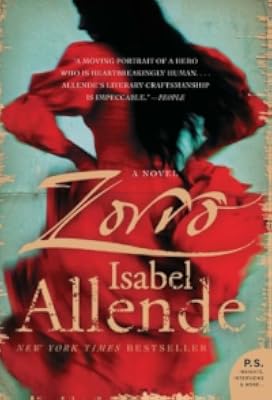
Zorro
by Isabel Allende
On This Page
Description
Diego de la Vega, the son of an aristocratic Spanish landowner and a Shoshone mother, returns to California from school in Spain to reclaim the hacienda on which he was raised and to seek justice for the weak and helpless.Tags
Recommendations
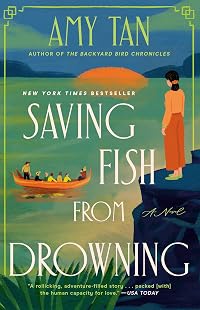
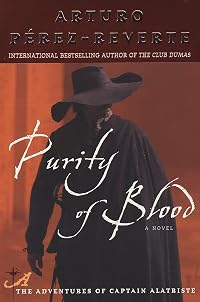
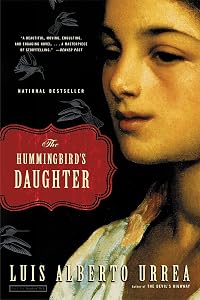
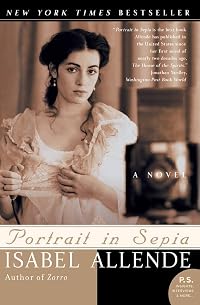
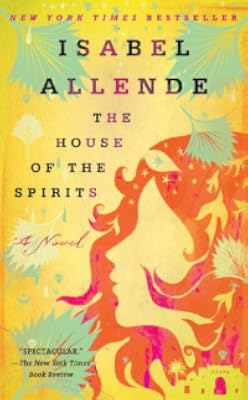
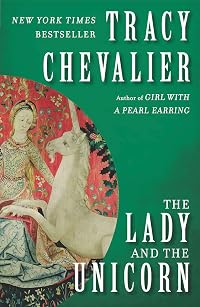
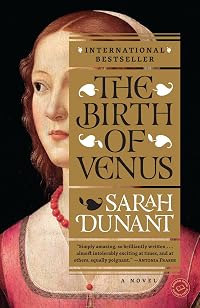
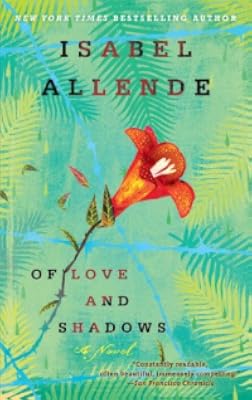
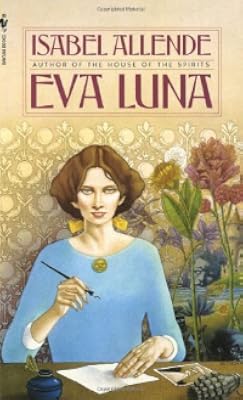
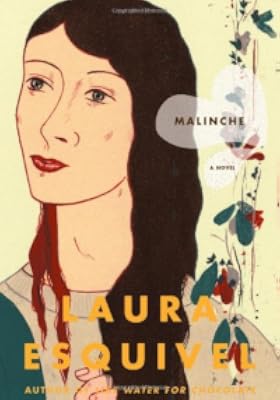
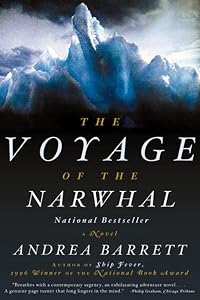
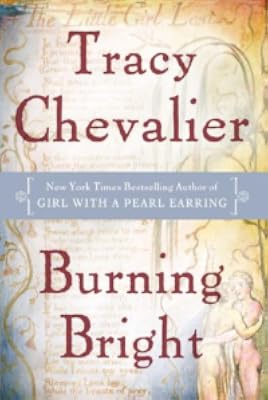
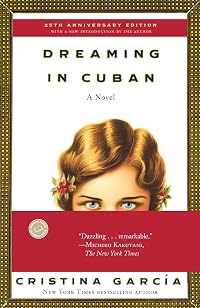
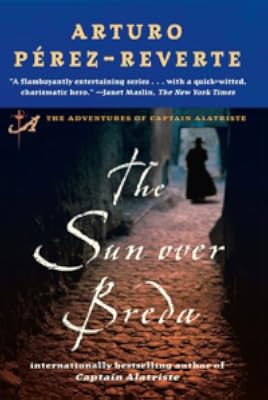

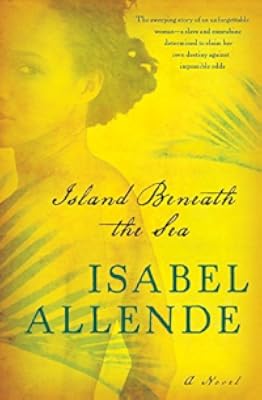
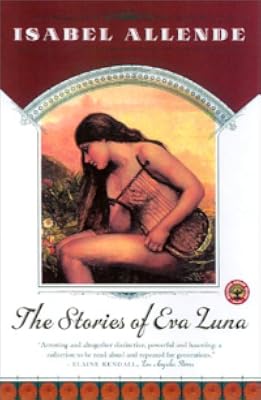
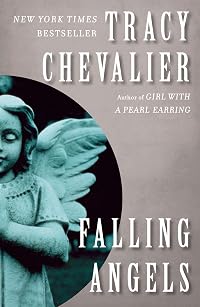
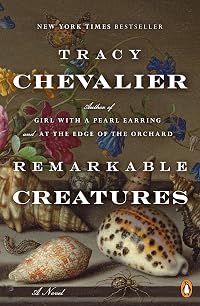
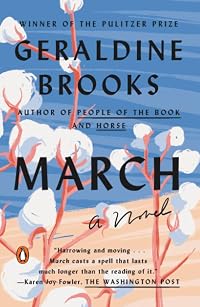
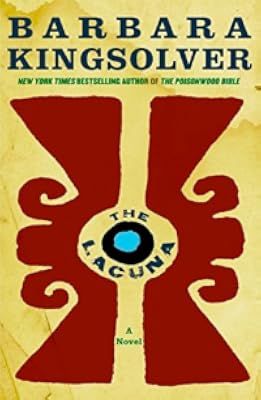
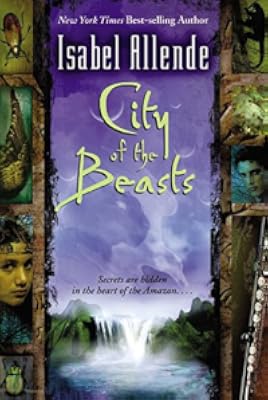
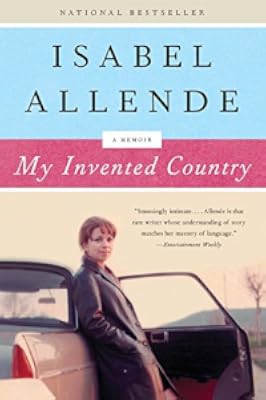
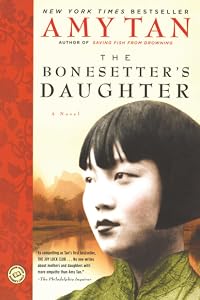
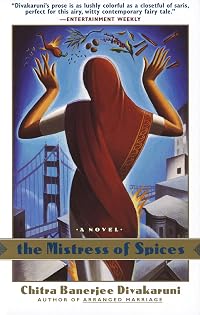
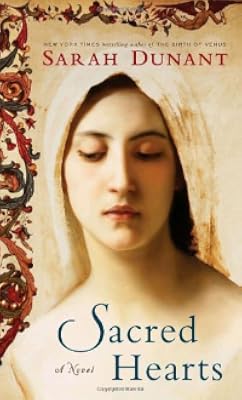
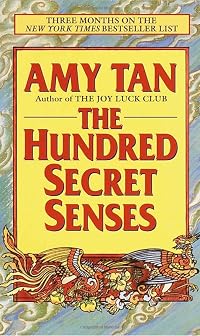
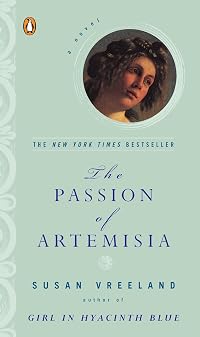
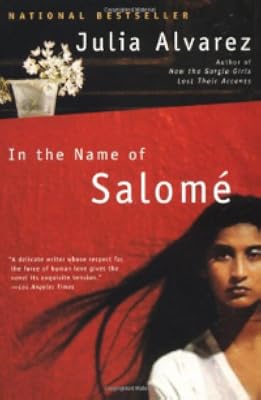
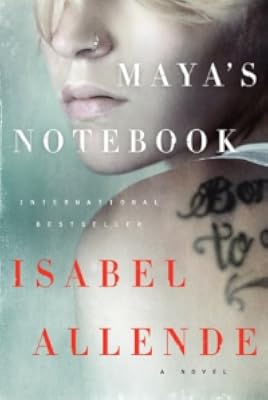
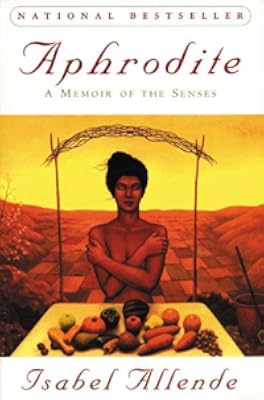
Member Recommendations
Alliebadger Both full of romance and adventure, and both fantastically written. Who doesn't love a daring swashbuckler?
51
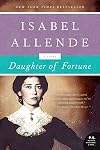
Alliebadger Both beautifully written, and Daughter of Fortune's Zorro references are hard to miss. :^)
30
Member Reviews
L'impressione che ne ho ricavato è che Isabel Allende si sia divertita a scrivere questo romanzo. È una rivisitazione del classico cappa e spada, ma l'autrice scombina i generi e diventa lo stesso tempo un picaresco e un romanzo di formazione. Il trionfo della mescolanza e del meticcio, con l'autentico Hidalgo spagnolo insidiato da mezzosangue indios, creoli, zingari e napoleonici. La scrittura è un po' lenta all' inizio ma poi prende il ritmo. Gli uomini sono descritti, compreso il protagonista, fin nei loro difetti. E anche le donne. Donne che dovrebbero essere solo comprimarie ma che in realtà dirigono la storia, ognuna a suo modo, con la saggezza oppure a volte con la propria volubilità.Tutto il testo è pervaso di una tenue show more ironia Diego de la Vega ha le orecchie a sventola e la mascherina serve a nasconderle, è innamorato di una donna onesta ma sciocca, ed è principalmente un vanitoso, pur mosso da un forte senso di giustizia; mentre un capolavoro è la figura di Isabel, ragazza brutta ma intelligente e poco femminile per i canoni dell'epoca, intetessata a materie di studio maschile come la scherma e la navigazione, che ama segretamente Diego de la Vega e avrà il suo trionfo, tutt'altro che classico, alla fine della storia. Una lettura leggera eppure con un senso, un romanzo che fa un po' sognare e un po' sorridere, denso di avventure e di mascalzoni da combattere, che parla d'amore e un po' di sesso ma in modo discreto, e che prende in giro il modo consueto di vedere gli eroi e gli avvenimenti. show less
I have loved Zorro since I was four years old (so, eh, for 60 years). I have enjoyed his many incarnations, from the original 1919 Johnston McCulley story, through many many film, TV, and comics incarnations, and straight up to this unlikely literary, somewhat magical realist, and (dare I say?) feminist novel.
The writing is impeccable. Allende IS a grand master, and her Spanish prose is beautifully rendered into English by translator Margaret Sayers Peden. I did not mind at all the long paragraphs and focus on narrative rather than action scenes (which many readers seem to have disliked). Although, I must admit at times this style made for a slower reading experience.
The story comes up with many surprises, including Diego's show more half-Native American family tree, his early shamanistic experiences, on to his adventures crossing to Spain, and the political intrigue there involving Gypsies, a secret society, and his involvement with an unfortunate noble family.
The narrative persona is especially intriguing. And, without giving away any spoilers, I can say that it wraps up the whole novel beautifully, even while the character of Zorro himself remains ultimately mysterious (as he always should!)
A quirky but worthy addition to the Zorro canon. show less
The writing is impeccable. Allende IS a grand master, and her Spanish prose is beautifully rendered into English by translator Margaret Sayers Peden. I did not mind at all the long paragraphs and focus on narrative rather than action scenes (which many readers seem to have disliked). Although, I must admit at times this style made for a slower reading experience.
The story comes up with many surprises, including Diego's show more half-Native American family tree, his early shamanistic experiences, on to his adventures crossing to Spain, and the political intrigue there involving Gypsies, a secret society, and his involvement with an unfortunate noble family.
The narrative persona is especially intriguing. And, without giving away any spoilers, I can say that it wraps up the whole novel beautifully, even while the character of Zorro himself remains ultimately mysterious (as he always should!)
A quirky but worthy addition to the Zorro canon. show less
Isabel Allende is a mastermind. She takes a popular legend and breathes new and refreshing life into him and his family. This is a rich novel with commentary on race, class, and gender, and it is also a lot of fun in the bargain. Isabel is a delicious supporting character to Diego's predictably buccaneer heroic antics. While I would not quite give this a five-star review (perhaps because I'm still dazed from The House of the Spirits), this is a solid 4.5 book that is worth the time it takes to read
I should have enjoyed this book far more than I did. One of my favourite novels/series is The Scarlet Pimpernel by Baroness Orczy, which actually predates Zorro as the 'father of all the action heroes with the double personality', and so I thought I should read about Sir Percy's nearest chronological successor, Diego de la Vega AKA Zorro. But I just couldn't get into the character, as retold by Chilean writer Isabel Allende, or his picaresque adventures. In fact, this damn novel sent me into a reading slump - two weeks to read nearly 400 pages!
Anyway, I did enjoy learning about the early history of California, where Diego's story starts with a Spanish father and an Indian (native American) mother, and can't praise the author enough for show more her research - the mark (pardon the pun) of a good historical novel for me is bringing the dry facts of the past to life. Orczy did the same for the French Revolution, baring the odd instance of melodrama: 'This is called literary licence,' the narrator of Zorro's life explains, 'and as I understand it, it is more legitimate than all-out lies.'
I also loved the narrative voice of the story, which sounds very authentic, if not to the era of the story than of classic adventure stories from the early twentieth century. The dialogue was slightly ridiculous, however, and Diego reminded me of Antonio Banderas as Puss ... In Boots every time he challenged someone to a duel, or whatever.
I think the charm of Sir Percy Blakeney/the Scarlet Pimpernel that Zorro is missing - at least in this modern revision - is mystery. Sir Percy is equally talented at all of the 'gentlemanly arts' and uses ingenuity and bare-faced impudence to achieve his rescues as the Pimpernel, but the reader never really gets inside his head. Here, Diego/Zorro is laid wide-open and comes across as arrogant and cartoonish as a result (especially with the mask and cape). And the passionate romance between Sir Percy and his wife Marguerite is diluted into Diego mooning after the virginal daughter of his Spanish sponsor, Juliana, who eventually falls in love with a pirate. Isabel, her sister, is a far better character, but she is described as a cross-eyed tomboy and written off the page (despite being the narrator).
I was expecting Allende to raise Zorro above his dime store origins, but she maintained the tone (and testosterone) far too closely for me. Back to the Scarlet Pimpernel! show less
Anyway, I did enjoy learning about the early history of California, where Diego's story starts with a Spanish father and an Indian (native American) mother, and can't praise the author enough for show more her research - the mark (pardon the pun) of a good historical novel for me is bringing the dry facts of the past to life. Orczy did the same for the French Revolution, baring the odd instance of melodrama: 'This is called literary licence,' the narrator of Zorro's life explains, 'and as I understand it, it is more legitimate than all-out lies.'
I also loved the narrative voice of the story, which sounds very authentic, if not to the era of the story than of classic adventure stories from the early twentieth century. The dialogue was slightly ridiculous, however, and Diego reminded me of Antonio Banderas as Puss ... In Boots every time he challenged someone to a duel, or whatever.
I think the charm of Sir Percy Blakeney/the Scarlet Pimpernel that Zorro is missing - at least in this modern revision - is mystery. Sir Percy is equally talented at all of the 'gentlemanly arts' and uses ingenuity and bare-faced impudence to achieve his rescues as the Pimpernel, but the reader never really gets inside his head. Here, Diego/Zorro is laid wide-open and comes across as arrogant and cartoonish as a result (especially with the mask and cape). And the passionate romance between Sir Percy and his wife Marguerite is diluted into Diego mooning after the virginal daughter of his Spanish sponsor, Juliana, who eventually falls in love with a pirate. Isabel, her sister, is a far better character, but she is described as a cross-eyed tomboy and written off the page (despite being the narrator).
I was expecting Allende to raise Zorro above his dime store origins, but she maintained the tone (and testosterone) far too closely for me. Back to the Scarlet Pimpernel! show less
Isabel Allende is one of my favorite writers, and with Zorro, she gains further admiration.
This is her version of the legend of Zorro– that swashbuckling masked crusader for justice. He is Diego dela Vega, born to a Spanish father and a half-American Indian mother, raised in a California hacienda in the early 1800’s. He is educated in both parents’ cultures– together with his milk brother Bernardo, Diego learns how to fence and how to apply Indian medicine. At fifteen he is sent to Spain to study and it is here that he grabs his destiny by the reins and invents his alter-ego, Zorro (meaning ‘fox’). Like a fox, he is quick, mysterious, and cunning. With the help of gypsies and a secret league, Diego learns the skills that show more will make him a legend.
His five years in Spain are memorable ones, building his character. He falls in love with Juliana, the daughter of his father’s friend who has been his host in Barcelona. When misfortune strikes the family, Diego aids them and sails back to the United States with Juliana and her sister Isabel. He finds out though, that his own family needs rescuing too. Here he takes Zorro to the next level, vanquishing his enemies and putting the crusader’s name on everyone’s lips for generations to come.
Allende writes the story from a first-person point of view, although the narrator’s identity is not revealed until the very end. The novel is funny and thoroughly engaging. Whenever I read Allende works time would pass by so quickly and before I knew it, I’d reached the end. This one is no exception. The characters are well-fleshed out, making them seem like my friends. Of course, this is an adventure story, so don’t expect ultra-realistic 3D characterisation. It’s a legend and a happy story so the main characters end up happy and the villains are somewhat one-dimensional but it is a very fun read.
I also found it educational as she weaved in some Indian and gypsy culture stories. I also liked that she linked some significant American and European historical events to the story. I don’t know how much literary license she took, but it all made for an entertaining novel.
In the epilogue the narrator hints of other stories to tell, and I wonder if there’s a sequel or spin-off to this. She has done this before, weaving a new story, “Portrait in Sepia,” out of characters in “Daughter of Fortune.”
I think that Allende proves her versatility here. I have read only her ‘dramatic’ books and none of her young adult novels yet but I’m glad to know that she can take comedy and adventure as well as she does drama and tragedy.
Rating: 4 out of 5, ok! I recommend this. If there’s a sequel or spin-off I’ll surely read it too. show less
This is her version of the legend of Zorro– that swashbuckling masked crusader for justice. He is Diego dela Vega, born to a Spanish father and a half-American Indian mother, raised in a California hacienda in the early 1800’s. He is educated in both parents’ cultures– together with his milk brother Bernardo, Diego learns how to fence and how to apply Indian medicine. At fifteen he is sent to Spain to study and it is here that he grabs his destiny by the reins and invents his alter-ego, Zorro (meaning ‘fox’). Like a fox, he is quick, mysterious, and cunning. With the help of gypsies and a secret league, Diego learns the skills that show more will make him a legend.
His five years in Spain are memorable ones, building his character. He falls in love with Juliana, the daughter of his father’s friend who has been his host in Barcelona. When misfortune strikes the family, Diego aids them and sails back to the United States with Juliana and her sister Isabel. He finds out though, that his own family needs rescuing too. Here he takes Zorro to the next level, vanquishing his enemies and putting the crusader’s name on everyone’s lips for generations to come.
Allende writes the story from a first-person point of view, although the narrator’s identity is not revealed until the very end. The novel is funny and thoroughly engaging. Whenever I read Allende works time would pass by so quickly and before I knew it, I’d reached the end. This one is no exception. The characters are well-fleshed out, making them seem like my friends. Of course, this is an adventure story, so don’t expect ultra-realistic 3D characterisation. It’s a legend and a happy story so the main characters end up happy and the villains are somewhat one-dimensional but it is a very fun read.
I also found it educational as she weaved in some Indian and gypsy culture stories. I also liked that she linked some significant American and European historical events to the story. I don’t know how much literary license she took, but it all made for an entertaining novel.
In the epilogue the narrator hints of other stories to tell, and I wonder if there’s a sequel or spin-off to this. She has done this before, weaving a new story, “Portrait in Sepia,” out of characters in “Daughter of Fortune.”
I think that Allende proves her versatility here. I have read only her ‘dramatic’ books and none of her young adult novels yet but I’m glad to know that she can take comedy and adventure as well as she does drama and tragedy.
Rating: 4 out of 5, ok! I recommend this. If there’s a sequel or spin-off I’ll surely read it too. show less
Oh boy, what fun. My only previous encounter was a weekly TV show by Walt Disney. I am embarrassed to admit I enjoyed it, but looking back it was kid's stuff. But this is the real thing, a well written, adult-themed novel. Allende writes a gritty, humorous, and some times mystical story. While back-round in the story is well written and well researched, the characters are fictional. A fun, but serious and dangerous, romp from California to Spain and back again. Be prepared for action, danger, and a little romance. Most of all be prepared for Zorro, the Fox, so cunning and free.
,
,
A well-written, fun read with lots of historical information about oppressed people, in this case Native Americans in California and Romani in Spain. We learn how Diego learned all the skills and acquired the deceptive dilettante appearance that make him Zorro---horseback riding from Romani, magic tricks from a ship's cook, sword-fighting from a fencing master who also belongs to a secret organization dedicated to justice, swinging from ropes as a ship's passenger---as he grows up in Spanish California and then travels to Spain while Napoleon is in power.
A quote:
We shall soon be saying good-bye, dear readers, since the story ends when the hero returns to where he began, transformed by his adventures and by obstacles overcome. This is show more the norm in epic narratives from the Odyssey to fairy tales, and I shall not be the one to attempt innovation. show less
A quote:
We shall soon be saying good-bye, dear readers, since the story ends when the hero returns to where he began, transformed by his adventures and by obstacles overcome. This is show more the norm in epic narratives from the Odyssey to fairy tales, and I shall not be the one to attempt innovation. show less
Members
- Recently Added By
Published Reviews
ThingScore 67
This hard-charging style, nicely captured by Margaret Sayers Peden's translation, is one of Allende's strengths: she dashes off long, sweeping paragraphs that dance with energy. Her prose is casually sensuous (''power was passed from hand to hand like a coin''), and her characters are large and archetypal, cut from mythic patterns. Mischievous Don Diego, the future Zorro, and his ''milk show more brother,'' Bernardo, move through the California landscape like Western versions of Tom and Huck. show less
added by SimoneA
…Allende wants to have some fun, and in this she succeeds with a variety of spunk and good cheer.
…I am amazed at how enjoyable a picaresque novel can be, particularly one imbued with swashbuckling, swordplay, honor, hidden desire, unlikely coincidence and a good old-fashioned villain. Such elements are a reminder of the attractions of one of the main strains of world literature that show more starts with Don Quixote.
…the book has plenty of what Hollywood would call non-stop action, and this is told with a pleasure so keen on the author's part that it's difficult not to be swept up in it. show less
…I am amazed at how enjoyable a picaresque novel can be, particularly one imbued with swashbuckling, swordplay, honor, hidden desire, unlikely coincidence and a good old-fashioned villain. Such elements are a reminder of the attractions of one of the main strains of world literature that show more starts with Don Quixote.
…the book has plenty of what Hollywood would call non-stop action, and this is told with a pleasure so keen on the author's part that it's difficult not to be swept up in it. show less
added by SimoneA
Reckless, unstable, attention-seeking, hysterical, sexually provocative, given to histrionic gestures, and with at least a split, dual or possibly even a multiple personality, Zorro is the archetypal neurotic-as-hero. He also wears a mask. Obviously, out in the real world, you'd lock him up and throw away the key. On the page, though, he's absolutely irresistible.
The story of Diego de la Vega, show more the son of an aristocratic Spanish landowner and a Native American Shoshone warrior, who becomes Zorro while traveling the world with his dependable sidekick Bernardo, is clearly a perfect fit for the author of The House of the Spirits and The Stories of Eva Luna. show less
The story of Diego de la Vega, show more the son of an aristocratic Spanish landowner and a Native American Shoshone warrior, who becomes Zorro while traveling the world with his dependable sidekick Bernardo, is clearly a perfect fit for the author of The House of the Spirits and The Stories of Eva Luna. show less
added by SimoneA
Lists

Historical Fiction
889 works; 90 members

Female Author
1,234 works; 67 members

Latin American Literature
50 works; 11 members

Parallel Novels
37 works; 6 members

Authors from Chile
5 works; 1 member

Stories Inspired by Other Fiction
127 works; 24 members

Carole's List
445 works; 13 members

Books about pirates
29 works; 10 members

Swashbucklers
29 works; 6 members

Books Set in Los Angeles
40 works; 8 members

Unread books
1,063 works; 86 members

Magic Realism
371 works; 52 members
Author Information

94+ Works 84,921 Members
Isabel Allende was born in 1942 in Lima, Peru, the daughter of a Chilean diplomat. When her parents separated, young Isabel moved with her mother to Chile, where she spent the rest of her childhood. She married at the age of 19 and had two children, Paula and Nicolas. Her uncle was Salvador Allende, the president of Chile. When he was overthrown show more in the coup of 1973, she fled Chile, moving to Caracas, Venezuela. While living in Venezuela, Allende began writing her novels, many of them exploring the close family bonds between women. Her first novel, The House of the Spirits, has been translated into 27 languages, and was later made into a film. She then wrote Of Love and Shadows, Eva Luna, and The Stories of Eva Luna, all set in Latin America. The Infinite Plan was her first novel to take place in the United States. She explores the issues of human rights and the plight of immigrants and refugees in her novel, In The Midst of Winter. In Paula, Allende wrote her memoirs in connection with her daughter's illness and death. She delved into the erotic connections between food and love in Aphrodite: A Memoir of the Senses. In addition to writing books, Allende has worked as a TV interviewer, magazine writer, school administrator, and a secretary at a U.N. office in Chile. She received the 1996 Harold Washington Literacy Award. She lives in California. Her title Maya's Notebook made The New York Times Best Seller List in 2013. (Bowker Author Biography) show less
Some Editions
Awards and Honors
Series
Belongs to Publisher Series
Work Relationships
Has as a student's study guide
Common Knowledge
- Canonical title
- Zorro
- Original title
- El Zorro: Comienza la leyenda
- Original publication date
- 2005
- People/Characters
- Zorro; Diego de la Vega; Bernardo; Juliana de Romeu; Isabel de Romeu; Rafael Moncada (show all 15); Lolita Pulido; White Owl; Toypurnia; Jean Lafitte; Alejandro de la Vega; Father Medoza; Manuel Escalante; Eulalia de Callis; Tomas de Romeu
- Important places
- Barcelona, Catalonia, Spain; California, USA; Los Angeles, California, USA; Louisiana, USA; New Orleans, Louisiana, USA
- First words
- This is the story of Diego de la Vega and of how he became the legendary Zorro.
Let us begin at the beginning, at an event without which Diego de la Vega would not have been born. - Last words
- (Click to show. Warning: May contain spoilers.)I have now had my fill of Zorro, The moment has come to put the final period to his tale.
- Publisher's editor
- Ottewell, Miranda
- Original language
- Spanish
Classifications
- Genres
- General Fiction, Fiction and Literature, Historical Fiction
- DDC/MDS
- 863.64 — Literature & rhetoric Spanish Literature Spanish fiction 20th Century 1945-2000
- LCC
- PQ8098.1 .L54 .Z4613 — Language and Literature French, Italian, Spanish and Portuguese literatures Spanish literature Provincial, local, colonial, etc. Spanish America
- BISAC
Statistics
- Members
- 3,716
- Popularity
- 4,343
- Reviews
- 121
- Rating
- (3.61)
- Languages
- 23 — Chinese, Czech, Danish, Dutch, English, Finnish, French, German, Greek, Hungarian, Icelandic, Italian, Latvian, Lithuanian, Norwegian (Bokmål), Polish, Portuguese, Romanian, Russian, Croatian, Spanish, Swedish, Turkish
- Media
- Paper, Audiobook, Ebook
- ISBNs
- 71
- ASINs
- 15