
The Colour
by Rose Tremain
On This Page
Description
Joseph and Harriet Blackstone emigrate from Norfolk to New Zealand in search of new beginnings and prosperity. But the harsh land near Christchurch where they settle threatens to destroy them almost before they begin. When Joseph finds gold in the creek he is seized by a rapturous obsession with the voluptuous riches awaiting him deep in the earth. Abandoning his farm and family, he sets off alone for the new gold-fields over the Southern Alps, a moral wilderness where many others, under the show more seductive dreams of "the colour", are violently rushing to their destinies. By turns both moving and terrifying, it is a story of the quest for the impossible, an attempt to mine the complexities of love and in the process discover the sacrifices to be made in the pursuit of happiness. show lessTags
Recommendations















Member Recommendations
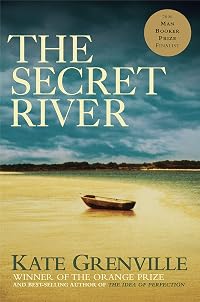
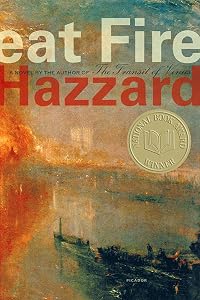
doryfish Both are historical fictions set during the New Zealand gold rush that focus on interactions between a diverse cast of characters.
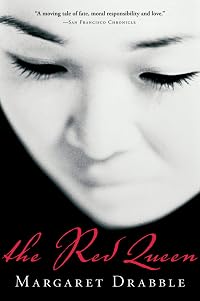
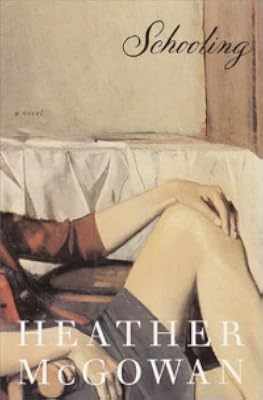
wonderlake Similar (literally) 'builing a new life' story on the other side of the world. Roderick Blackstone (The Colour) has a gambling "System"/debts
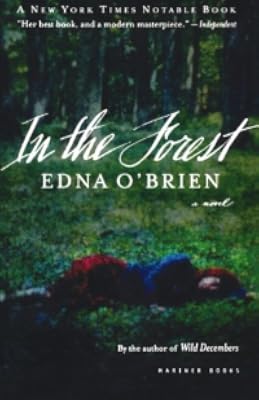
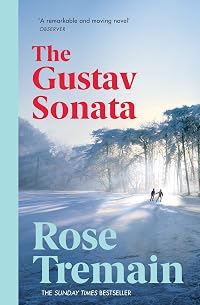
wandering_star Both these books focus on pioneer women, whose previous lives have done nothing to prepare them for the new difficulties and tasks which face them, and how they match up to their new life.
Member Reviews
In 1864, a newly married couple - Joseph and Harriet Blackstone - travel with Joseph’s mother Lilian from England to New Zealand to begin their lives together. For Harriet, it is the beginning of a future, a dream about her own home in the beautiful wilderness of New Zealand, a chance to have a garden and animals and to create something out of her life. For Lilian, the move represents failure and loneliness where she must give up her comfortable existence in England, be forced to piece back together the shattered remains of her china, and live on dirt floors in a cob house which leaks. For Joseph, the move to New Zealand is an escape from his past - a past he has buried and hidden from everyone - and a chance to heal his guilt and show more make his mother (finally) be proud of him.
The inhospitable and breathtaking land of New Zealand seems pitted against these people almost from the very first when Joseph mistakenly builds his home on an exposed hill instead of the protected flats. Then one day Joseph discovers gold dust in the creek near his home and keeps it a secret from both Harriet and Lilian. It becomes an obsession which promises his redemption and one which will finally drive him to the other side of the Southern Alps where a Gold Rush is underway.
Rose Tremain writes extraordinary prose which thrusts her reader into the midst of a stark and unforgiving environment. She develops her characters flawlessly - uncovering Joseph’s motivations, desires and finally his devastating secret as he struggles to find gold among desperate men. Joseph’s loss of love and morality is heartbreaking.
Harriet Blackstone is a raw character who grows before the reader’s eyes from an uncertain individual to a woman of courage and fortitude. In Tremain’s hands, Harriet is fully realized.
Lilian, too, grows from a difficult woman into one the reader comes to respect. Faced with the loss of everything she knows, she eventually puts aside the broken pieces of her life and strives to make something of what she has been given.
Thematically The Colour revolves around the power of nature, love and desire, materialism vs. inner contentment, and the connection between cultures. Tremain introduces a Chinese man who has left his family in China to join the Rush - not as a seeker of gold, but as a gardener providing sustenance for the miners. There is also Pare - a Maori woman who develops a mystical relationship with a small boy whom she once cared for. Despite the wide scope of theme and character in this novel, it never feels scattered. Tremain connects all the threads for her readers, giving them a book which is illuminating and satisfying. Tremain is a gifted storyteller, and in The Colour she combines all her talents and creates a novel which resonates with the reader.
Highly recommended. show less
The inhospitable and breathtaking land of New Zealand seems pitted against these people almost from the very first when Joseph mistakenly builds his home on an exposed hill instead of the protected flats. Then one day Joseph discovers gold dust in the creek near his home and keeps it a secret from both Harriet and Lilian. It becomes an obsession which promises his redemption and one which will finally drive him to the other side of the Southern Alps where a Gold Rush is underway.
Rose Tremain writes extraordinary prose which thrusts her reader into the midst of a stark and unforgiving environment. She develops her characters flawlessly - uncovering Joseph’s motivations, desires and finally his devastating secret as he struggles to find gold among desperate men. Joseph’s loss of love and morality is heartbreaking.
Harriet Blackstone is a raw character who grows before the reader’s eyes from an uncertain individual to a woman of courage and fortitude. In Tremain’s hands, Harriet is fully realized.
Lilian, too, grows from a difficult woman into one the reader comes to respect. Faced with the loss of everything she knows, she eventually puts aside the broken pieces of her life and strives to make something of what she has been given.
Thematically The Colour revolves around the power of nature, love and desire, materialism vs. inner contentment, and the connection between cultures. Tremain introduces a Chinese man who has left his family in China to join the Rush - not as a seeker of gold, but as a gardener providing sustenance for the miners. There is also Pare - a Maori woman who develops a mystical relationship with a small boy whom she once cared for. Despite the wide scope of theme and character in this novel, it never feels scattered. Tremain connects all the threads for her readers, giving them a book which is illuminating and satisfying. Tremain is a gifted storyteller, and in The Colour she combines all her talents and creates a novel which resonates with the reader.
Highly recommended. show less
Newly married couple Harriet and Joseph Blackstone travel from England to New Zealand in the 1860s to start a new life. They are accompanied by Joseph’s widowed mother. They build a cottage and attempt to farm. They are inexperienced so they make mistakes and suffer the consequences. The harsh weather adds to their woes. When Joseph finds “the colour” in the river on his plot of land, gold fever takes over and changes everything.
Their marriage is troubled from the start for reasons that will eventually be revealed: “She thought that perhaps what she longed to hear was that almost every life was arranged like this, around a void where love should have been and was not, and that her predicament was therefore an ordinary show more one.”
This book is right up my alley. It is a sweeping adventure, filled with evocative details of the landscapes, natural disasters, and a rugged life. The characters are deeply developed, and even the animals are given a personality. The storyline explores themes such as greed, hubris, unhappiness, and yearning for a better life. It ultimately portrays love as more a powerful force than riches.
This book is beautifully and atmospherically written. It conjures a sense of time and place and reminds me of the type of writing we find in novels of the 19th century. All the senses come into play in the creation of these scenes. Tremain brings these characters to life. We understand their deepest desires, anxieties, strengths, flaws, and what drives their actions, even acts that are not particularly pleasant.
We get a glimpse of life in this historic time – farming and ranching life, neighbors, indigenous people, Chinese immigrants, travel by ship and over land. It is an absorbing story. The ending is satisfying. I just loved it and am adding it to my favorites.
“Most of what Man does, moment to moment, is for his imagined future, for the coming time, in which he will be happier than in time present.” show less
Their marriage is troubled from the start for reasons that will eventually be revealed: “She thought that perhaps what she longed to hear was that almost every life was arranged like this, around a void where love should have been and was not, and that her predicament was therefore an ordinary show more one.”
This book is right up my alley. It is a sweeping adventure, filled with evocative details of the landscapes, natural disasters, and a rugged life. The characters are deeply developed, and even the animals are given a personality. The storyline explores themes such as greed, hubris, unhappiness, and yearning for a better life. It ultimately portrays love as more a powerful force than riches.
This book is beautifully and atmospherically written. It conjures a sense of time and place and reminds me of the type of writing we find in novels of the 19th century. All the senses come into play in the creation of these scenes. Tremain brings these characters to life. We understand their deepest desires, anxieties, strengths, flaws, and what drives their actions, even acts that are not particularly pleasant.
We get a glimpse of life in this historic time – farming and ranching life, neighbors, indigenous people, Chinese immigrants, travel by ship and over land. It is an absorbing story. The ending is satisfying. I just loved it and am adding it to my favorites.
“Most of what Man does, moment to moment, is for his imagined future, for the coming time, in which he will be happier than in time present.” show less
Newly married couple Harriet and Joseph Blackstone travel from England to New Zealand in the 1860s to start a new life. They are accompanied by Joseph’s widowed mother. They build a cottage and attempt to farm. They are inexperienced so they make mistakes and suffer the consequences. The harsh weather adds to their woes. When Joseph finds “the colour” in the river on his plot of land, gold fever takes over and changes everything.
Their marriage is troubled from the start for reasons that will eventually be revealed: “She thought that perhaps what she longed to hear was that almost every life was arranged like this, around a void where love should have been and was not, and that her predicament was therefore an ordinary show more one.”
This book is right up my alley. It is a sweeping adventure, filled with evocative details of the landscapes, natural disasters, and a rugged life. The characters are deeply developed, and even the animals are given a personality. The storyline explores themes such as greed, hubris, unhappiness, and yearning for a better life. It ultimately portrays love as more a powerful force than riches.
This book is beautifully and atmospherically written. It conjures a sense of time and place and reminds me of the type of writing we find in novels of the 19th century. All the senses come into play in the creation of these scenes. Tremain brings these characters to life. We understand their deepest desires, anxieties, strengths, flaws, and what drives their actions, even acts that are not particularly pleasant.
We get a glimpse of life in this historic time – farming and ranching life, neighbors, indigenous people, Chinese immigrants, travel by ship and over land. It is an absorbing story. The ending is satisfying. I just loved it and am adding it to my favorites.
“Most of what Man does, moment to moment, is for his imagined future, for the coming time, in which he will be happier than in time present.” show less
Their marriage is troubled from the start for reasons that will eventually be revealed: “She thought that perhaps what she longed to hear was that almost every life was arranged like this, around a void where love should have been and was not, and that her predicament was therefore an ordinary show more one.”
This book is right up my alley. It is a sweeping adventure, filled with evocative details of the landscapes, natural disasters, and a rugged life. The characters are deeply developed, and even the animals are given a personality. The storyline explores themes such as greed, hubris, unhappiness, and yearning for a better life. It ultimately portrays love as more a powerful force than riches.
This book is beautifully and atmospherically written. It conjures a sense of time and place and reminds me of the type of writing we find in novels of the 19th century. All the senses come into play in the creation of these scenes. Tremain brings these characters to life. We understand their deepest desires, anxieties, strengths, flaws, and what drives their actions, even acts that are not particularly pleasant.
We get a glimpse of life in this historic time – farming and ranching life, neighbors, indigenous people, Chinese immigrants, travel by ship and over land. It is an absorbing story. The ending is satisfying. I just loved it and am adding it to my favorites.
“Most of what Man does, moment to moment, is for his imagined future, for the coming time, in which he will be happier than in time present.” show less
The Colour by Rose Tremain is an exceedingly well written historical fiction novel with a strong story, well developed characters and an interesting setting. This is the story of Harriet and Joseph Blackstone who marry and come to New Zealand full of hope and determination to forge a homestead from the wilds of New Zealand’s Southern Island. Joseph’s mother, Lillian, is a reluctant addition to this small family, she despises the isolation and would far rather be making her home in the town of Christchurch. Joseph and Harriet barely know each other, Joseph needs a wife to help create the new life he envisions while Harriet is escaping her unmarried life as a governess.
The layers and secrets of each character are slowly revealed show more throughout the course of the story. Love never develops between Harriet and Joseph, instead Joseph loses both his head and his heart to gold fever and he eventually abandons both his mother and his wife for the gold fields. Harriet and Lillian carry on but their homestead is doomed. Harriet then follows Joseph to the gold fields but this strong and resourceful woman soon finds her life heading in a new direction.
The author delves deep into her characters to reveal their motivations, hopes and desires. We learn very quickly that Joseph lacks strength of character and purpose and that Harriet is very clever and has a core strength of iron. Joseph spends most of his time feeling regretful of all that he has done yet continues to avoid any confrontation. Harriet, who soon sees Joseph for what he is, is on a voyage of self-discovery. While the story is generally rather melancholy, the author writes in such a way that the reader is totally transported to late 19th Century New Zealand. The supporting characters are all realistic and interesting and help in building the layers that abound in this rich historical novel. show less
The layers and secrets of each character are slowly revealed show more throughout the course of the story. Love never develops between Harriet and Joseph, instead Joseph loses both his head and his heart to gold fever and he eventually abandons both his mother and his wife for the gold fields. Harriet and Lillian carry on but their homestead is doomed. Harriet then follows Joseph to the gold fields but this strong and resourceful woman soon finds her life heading in a new direction.
The author delves deep into her characters to reveal their motivations, hopes and desires. We learn very quickly that Joseph lacks strength of character and purpose and that Harriet is very clever and has a core strength of iron. Joseph spends most of his time feeling regretful of all that he has done yet continues to avoid any confrontation. Harriet, who soon sees Joseph for what he is, is on a voyage of self-discovery. While the story is generally rather melancholy, the author writes in such a way that the reader is totally transported to late 19th Century New Zealand. The supporting characters are all realistic and interesting and help in building the layers that abound in this rich historical novel. show less
In 1864, Joseph Blackstone, his new wife Harriet, and his mother Lilian emigrated from England to New Zealand in search of a better life. Lilian, recently widowed, pines for her former lifestyle and resents having to live on their remote farm. But at the same time, she also hopes to rise above her station, and is disappointed to encounter familiar class barriers in New Zealand:
The familiar feeling of being snubbed -- a feeling she'd thought belonged only to England, where the disdain of the upper classes infected every encounter -- made Lilian want to weep, or, worse, give Dorothy Orchard a vicious swipe across her badly coiffed head. Lilian was particularly vexed by the knowledge that she never understood exactly how people like show more Dorothy Orchard achieved their instantaneous mastery over others outside their class. It happened before you noticed it, like a perfectly executed card trick. (p. 78)
Joseph is arrogant and stubborn, refusing to listen to advice from the locals on where to build his house, and what materials to use. Joseph and Harriet have an odd relationship. Joseph has a secret in his past, and married for all the wrong reasons. It's not clear what they see in one another, and it doesn't take long for Harriet to realize she will never truly love Joseph:
For day by day, she kept secret from him her own lovelessness. It piled up in her. At times, it was not merely lack of love that she felt; it was hatred of the blackest kind. And though she struggled to conceal it from him, perhaps she succeeded no better than he did with his blatant heaps of earth? In the nights, she often awoke at first light to see him staring at her, his eye close to hers, his fists clenched around the sheets. Did he know that she did not love him? Did he understand all too clearly that she loved the wilderness he had brought her to, but not him? (p. 95)
Yet both Harriet and Lilian are committed to making their farm a success, even after Joseph finds gold in a nearby creek and decides to join the hundreds of other men seeking their fortunes in New Zealand's gold rush. Circumstances eventually force Harriet to go off on her own, in search of Joseph.
The story is told from alternating points of view with chapters narrated by Harriet, Joseph, and a couple of other characters who weave nicely into the storyline. Joseph turns out to be an arrogant and hapless loner, unable to relate to women and desperate to please his mother by accumulating wealth. Harriet is strong and independent, undaunted by Joseph's failings and refusing to bow to societal expectations of women. It is only through Harriet's intelligence that the couple have any chance of finding gold and making something of their lives together.
But that's only part of this story; Rose Tremain has more to say than "just" historical drama laced with love. She also shows how the quest for gold took its toll on the land and destroyed both individuals and communities. Those who are untouched by greed and continued leading simple lives were by far the happiest and, one could argue, the most successful. show less
The familiar feeling of being snubbed -- a feeling she'd thought belonged only to England, where the disdain of the upper classes infected every encounter -- made Lilian want to weep, or, worse, give Dorothy Orchard a vicious swipe across her badly coiffed head. Lilian was particularly vexed by the knowledge that she never understood exactly how people like show more Dorothy Orchard achieved their instantaneous mastery over others outside their class. It happened before you noticed it, like a perfectly executed card trick. (p. 78)
Joseph is arrogant and stubborn, refusing to listen to advice from the locals on where to build his house, and what materials to use. Joseph and Harriet have an odd relationship. Joseph has a secret in his past, and married for all the wrong reasons. It's not clear what they see in one another, and it doesn't take long for Harriet to realize she will never truly love Joseph:
For day by day, she kept secret from him her own lovelessness. It piled up in her. At times, it was not merely lack of love that she felt; it was hatred of the blackest kind. And though she struggled to conceal it from him, perhaps she succeeded no better than he did with his blatant heaps of earth? In the nights, she often awoke at first light to see him staring at her, his eye close to hers, his fists clenched around the sheets. Did he know that she did not love him? Did he understand all too clearly that she loved the wilderness he had brought her to, but not him? (p. 95)
Yet both Harriet and Lilian are committed to making their farm a success, even after Joseph finds gold in a nearby creek and decides to join the hundreds of other men seeking their fortunes in New Zealand's gold rush. Circumstances eventually force Harriet to go off on her own, in search of Joseph.
The story is told from alternating points of view with chapters narrated by Harriet, Joseph, and a couple of other characters who weave nicely into the storyline. Joseph turns out to be an arrogant and hapless loner, unable to relate to women and desperate to please his mother by accumulating wealth. Harriet is strong and independent, undaunted by Joseph's failings and refusing to bow to societal expectations of women. It is only through Harriet's intelligence that the couple have any chance of finding gold and making something of their lives together.
But that's only part of this story; Rose Tremain has more to say than "just" historical drama laced with love. She also shows how the quest for gold took its toll on the land and destroyed both individuals and communities. Those who are untouched by greed and continued leading simple lives were by far the happiest and, one could argue, the most successful. show less
If anybody but Rose Tremain had written The Colour, I would think it her masterpiece. It contains wonderfully assured writing and characters in a fascinating historical setting. I liked it less well than The Road Home and Music and Silence because of Joseph Blackstone. He is a damaged man who never finds redemption from the damage he has sustained and inflicted on others. His wife Harriet, on the other hand, is a strong, fascinating survivor whose natural propensity for reaching out to other people makes her a decent human being. Those decent human beings are the reason that I turn to Ms. Tremain again and again. Harriet is far from perfect, but her courage and her ability to care for others and for herself make her a heroine worth show more reading about.
This is a book of visions and of vision, a book that seriously considers the quest beloved by English teachers as a theme in literature. Now that I have finished it, I believe that four stars may be too few, but while I was reading, I was less satisfied than I had been in her other books. I'll let the four stars stand, but say that this one is well worth the time. show less
This is a book of visions and of vision, a book that seriously considers the quest beloved by English teachers as a theme in literature. Now that I have finished it, I believe that four stars may be too few, but while I was reading, I was less satisfied than I had been in her other books. I'll let the four stars stand, but say that this one is well worth the time. show less
All of the characters in this book are believeable although not necessarily likeable. Harriet has a strength about her that was necessary if a woman was to survive during these hard times. Even her mother-in-law Lillian, who at first meeting appears to be weak and self-centered learns to adapt to the hard circumstances of their life. Joseph is a complex, distant, and distrusting man filled with a guilt that he himself does not seem to understand. The setting of New Zealand with its rugged terrain seems to almost become a character. All of the realistic and harsh aspects of this novel pulled me into the story. However, the mysterious "spiritual" world of the Maori nurse and her relationship to young Edwin seems out of place in the story. show more I was disappointed in this aspect of the book. The contrast between how the Maori reacted to the environment around them and how the English settlers reacted could have better developed. Overall, a really good historical fiction read
4-24-2018: Reread this after finding it on my shelf and having absolutely no memory of reading it. Probably didn't like it as much as I said I did the first time (five stars). The "colour" refers to the gold Joseph and many others were searching for in New Zealand. Again, none of the characters were particularly likeable, and once again, I didn't particularly like the plot thread of the Maori nurse and Edwin. Kind of a magical realism thing which I'm just not into. Still, a good read for the historical and cultural angle. show less
4-24-2018: Reread this after finding it on my shelf and having absolutely no memory of reading it. Probably didn't like it as much as I said I did the first time (five stars). The "colour" refers to the gold Joseph and many others were searching for in New Zealand. Again, none of the characters were particularly likeable, and once again, I didn't particularly like the plot thread of the Maori nurse and Edwin. Kind of a magical realism thing which I'm just not into. Still, a good read for the historical and cultural angle. show less
Members
- Recently Added By
Published Reviews
ThingScore 75
It's an engrossing novel, an adventure story with a sensitive side; Robert Louis Stevenson with a fit of the vapours. Since Tremain's writing is celebrated for its richness, its sensuousness, it's a relief to report that the comparatively muted colours of The Colour are no obstacle to her readability. If anything, they allow it to shine even more brightly.
added by Nickelini
Lists

1001 Books You Must Read Before You Die
1,448 works; 1,133 members

A Novel Cure
742 works; 23 members
Talk Discussions
Past Discussions
Group Read, February 2019: The Colour in 1001 Books to read before you die (March 2019)
Author Information

38+ Works 10,016 Members
Rose Tremain was born in London, England on August 2, 1943. She has written several novels including The Way I Found Her, Merivel: A Man of His Time, and The American Lover. Restoration was adapted into a movie in 1995 and a stage production in 2009. She has won numerous awards including the James Tait Memorial Prize and the Prix Femina Etranger show more for Sacred Country, the Whitbread Novel of the Year Award for Music and Silence, and the Orange Prize for Fiction in 2008 for The Road Home. She was made a CBE in 2007. (Bowker Author Biography) show less
Some Editions
Awards and Honors
Awards
Distinctions
Notable Lists
Common Knowledge
- Canonical title
- The Colour
- Original title
- The Colour
- Original publication date
- 2003
- People/Characters
- Harriet Blackstone; Joseph Blackstone; Lilian Blackstone; Dorothy Orchard; Edwin Orchard (son of Dorothy and Toby Orchard); Toby Orchard (show all 13); Pare; Pao Yi; Will Sefton; Flinty Fairford; John-boy Shannon; Lady; Billy
- Important places
- New Zealand
- Important events
- Gold Rush
- Epigraph
- Gold diggings disorganise society, induce a moral blight, divert activity from saner enterprise and encourage a disagreeable immigration of the scum of China. ~ Lyttleton Times, New Zealand
Gold has been all in ... (show all)all to us. ~ West Coast Times, New Zealand - Dedication
- For the Domino team, with all my love
- First words
- The coldest winds came from the south and the Cob House had been built in the pathway of the winds.
- Last words
- (Click to show. Warning: May contain spoilers.)When she came to the place where the Cob House had stood, she saw that the tussock-grass was long and green and that it had come clustering round the old range, as if to try to hide this embarrassing human invention, so that the winds would no longer see it, no longer try to destroy it, but only howl around it and pass on.
Classifications
Statistics
- Members
- 1,143
- Popularity
- 22,013
- Reviews
- 55
- Rating
- (3.81)
- Languages
- 9 — Danish, Dutch, English, French, German, Italian, Spanish, Swedish, Turkish
- Media
- Paper, Audiobook, Ebook
- ISBNs
- 33
- ASINs
- 15