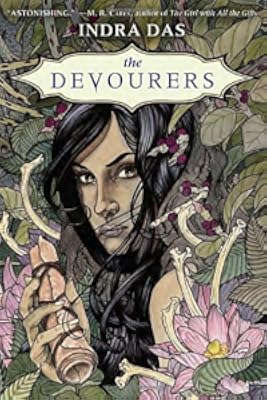
The Devourers
by Indrapramit Das
On This Page
Description
"For readers of Neil Gaiman, Margaret Atwood, China Mieville, and David Mitchell comes a striking debut novel by a storyteller of keen insight and captivating imagination. On a cool evening in Kolkata, India, beneath a full moon, as the whirling rhythms of traveling musicians fill the night, college professor Alok encounters a mysterious stranger with a bizarre confession and an extraordinary story. Tantalized by the man's unfinished tale, Alok will do anything to hear its completion. So show more Alok agrees, at the stranger's behest, to transcribe a collection of battered notebooks, weathered parchments, and once-living skins. From these documents spills the chronicle of a race of people at once more than human yet kin to beasts, ruled by instincts and desires blood-deep and ages-old. The tale features a rough wanderer in seventeenth-century Mughal India who finds himself irrevocably drawn to a defiant woman--and destined to be torn asunder by two clashing worlds. With every passing chapter of beauty and brutality, Alok's interest in the stranger grows and evolves into something darker and more urgent. Shifting dreamlike between present and past with intoxicating language, visceral action, compelling characters, and stark emotion, The Devourers offers a reading experience quite unlike any other novel. Advance praise for The Devourers "A wholly original, primal tale of love, violence, and transformation. I've never read anything quite like it."--Pierce Brown, #1 New York Times bestselling author of The Red Rising Trilogy "Astonishing. a narrative that takes possession of you and pulls you along in its wake."--M. R. Carey, author of The Girl with All the Gifts "Intense and thrilling. Indra Das's writing is powerful and precise."--Kim Stanley Robinson, author of Red Mars "Every sentence of this ferocious and extraordinary book pulses with life. An absolute masterpiece."--Daniel Jose Older, author of Half-Resurrection Blues "The Devourers tears the throat out of the traditional shapeshifter tale. With a story that spans cultures, generations, and mythologies, and characters that make your heart both pound and ache, this book will leave you breathless. You've never read anything like it, and you won't forget it anytime soon."--Mallory O'Meara, filmmaker"-- "A dreamlike novel about a young historian and a persuasive and beguiling stranger coming together in modern-day Kolkata, India to transcribe an ancient journal. A collection of paper, parchment, and skins, the journal tells of bloodshed, kidnapping, magic and shapeshifting, set against the harsh landscapes of the 17th-Century Mughal Empire. It reveals the story of hunters and prey, lovers and the beloved, and, in the end, the choice to be transformed, or be quarry"-- show lessTags
Recommendations
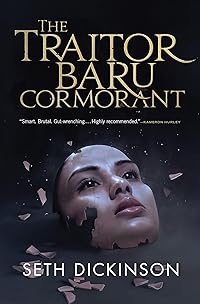
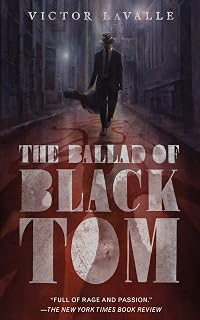
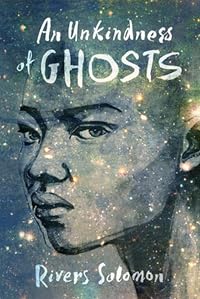
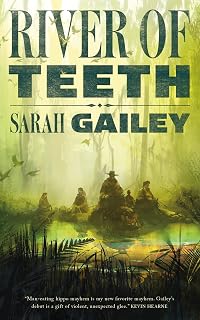

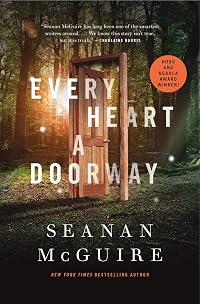
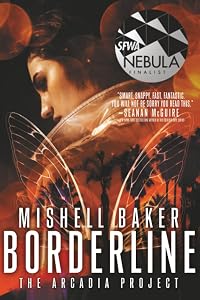
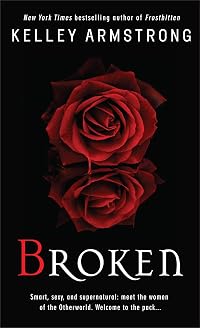
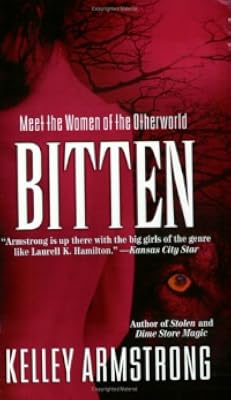
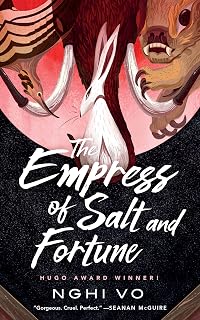
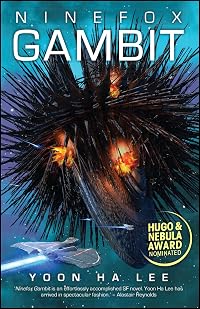
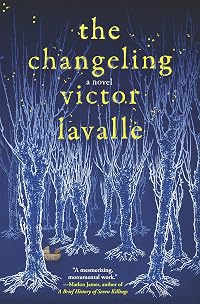
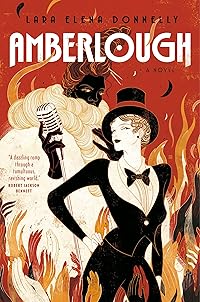
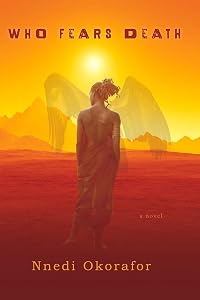
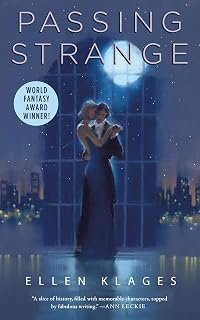
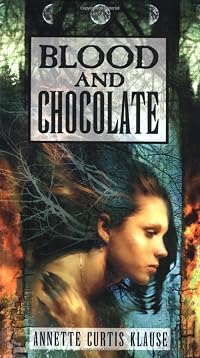
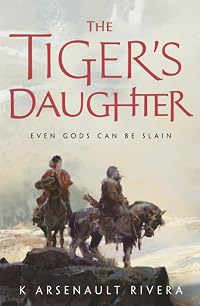

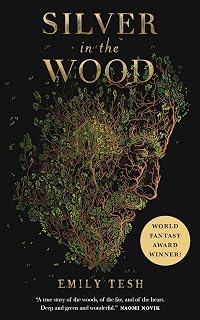
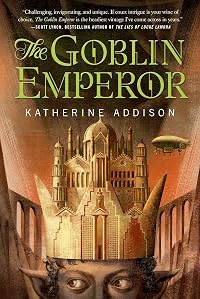
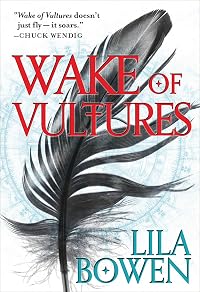
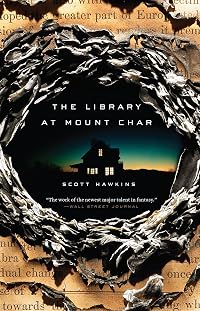
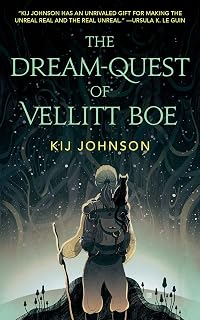
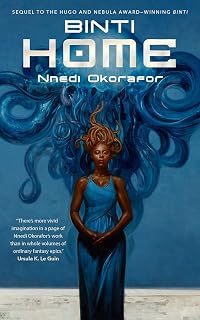
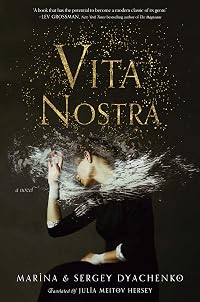
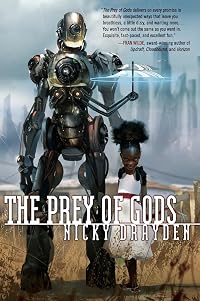

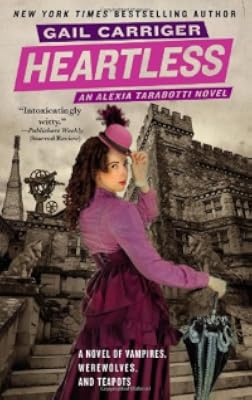
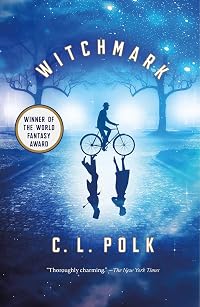
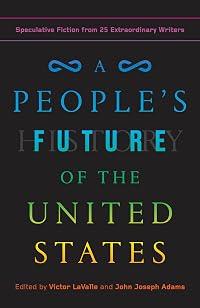

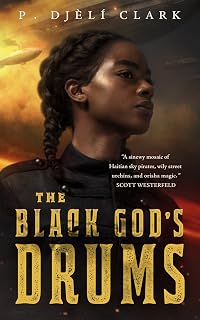
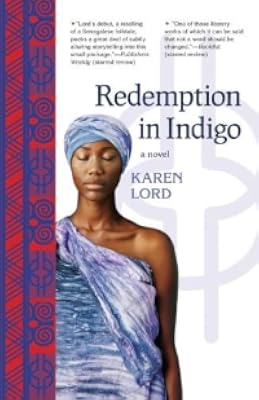
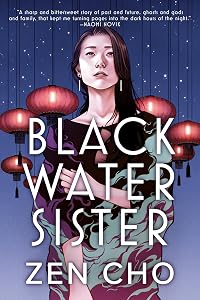
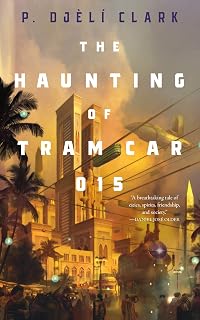
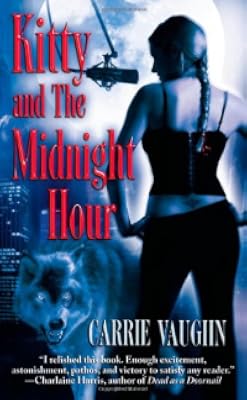

Member Recommendations
Member Reviews
Attending a local outdoor music performance, Alok, a young Indian professor, meets a peculiar but intriguing man who casually announces that he is a werewolf. While most people at this point would begin to look furtively for a means of extricating themselves from further conversation, Alok is inexplicably intrigued. The stranger begins to weave tales of the supernatural that are so immersive that Alok finds himself temporarily transported to another time and place, and when they meet again the following day, the stranger convinces him to undertake a transcription project involving historical documents, giving him an entrancing yet nightmarish peek into an unimaginable alternate world.
This was a strange but oddly fascinating book — I show more would probably categorize it as fantasy and light horror. A frequent thought throughout my reading experience was, "What in the world...? Werewolves? In India?" And yet I kept reading and eventually there was no turning back. I didn't love it, but it was certainly unforgettable. show less
This was a strange but oddly fascinating book — I show more would probably categorize it as fantasy and light horror. A frequent thought throughout my reading experience was, "What in the world...? Werewolves? In India?" And yet I kept reading and eventually there was no turning back. I didn't love it, but it was certainly unforgettable. show less
This is a tough one to review. There's so much here to love--the language, the world-building, the characters--and at the same time, I'm finding it hard to pull together my final feelings. The pacing was, for me, the big difficulty. There were passages and chapters where I couldn't stop turning pages, and was absolutely in love with this book. But there were also whole passages and chapters--some long--where I was simply reading to read, having trouble engaging with the story and words on any level, as if all inertia had been sucked out of the read.
Someone in my book group suggested that they were looking at the book as being about story-telling, which I think makes the most sense to me. Thinking about it like that, and especially when show more I focus on the best moments and the writing itself, I find myself a little bit in love with the book. Especially when I extend that theme to thinking about memory-making (purposefully) and the purposeful building of identity, there's a lot to think about here, and a lot to admire. show less
Someone in my book group suggested that they were looking at the book as being about story-telling, which I think makes the most sense to me. Thinking about it like that, and especially when show more I focus on the best moments and the writing itself, I find myself a little bit in love with the book. Especially when I extend that theme to thinking about memory-making (purposefully) and the purposeful building of identity, there's a lot to think about here, and a lot to admire. show less
1.) The prose is simply amazing most of the time.
While reading this wonderful novel, I found myself always being amazed by the quality of the prose. It’s so rich and dark and beautiful it’s like having a horrific fever dream transcribed on paper with ink made from blood. And the best part is that this quality doesn’t let up or fade away, but actually gets better around some parts. There are so many literary tidbits I took down with my Kindle as less-than-solid but still proof of this quality.
2.) The handling of the themes is stunning and heartbreaking most of the time.
The key thing about shapeshifters and werewolves and other related supernatural creatures that transform is that they are filled with endless symbolic value and show more themes. Of course, the Devourers doesn’t waste this goldmine of material, but manages to expand upon it in new, more socially relevant ways. Such as all the talk about being outsiders and gender fluidity. Also if you adore “queer monster theory” such as myself, you’ll probably love this exploration and novel as a whole.
3.) Reading about the surreal and terrifying world the characters inhabit is a blast.
With the exception of one character, I pretty much enjoyed the entire small ensemble of this novel. They all have interesting issues, deep pasts, and splendid little details both mundane and horrifying that make them trips to read about. The world is also a nice little dark fantasy/urban fantasy romp filled with constant, clever little nods to a global gumbo of influences. (Sidenote: I felt like a total dumbass for not realizing where Gevaudan’s name came from until I finished reading)
4.) The prose can get more purple and disgusting than a really bad bruise.
As wonderful as this book’s prose it, Jesus Christ on three crackers, can it get disgusting as hell. To give you a fetid taste of just how hard of a read this was at times, I’ll tell you about the first few scenes where we get introduced to our initial trio of shapeshifters. I won’t tell you the full explicit details, but it involves a dead mother, lots of buzzing black flies, and one of the most morbid campfire scenes I’ve read in a long time. Alongside the book’s consistently grotesque descriptions, there were often long, almost masturbatory extended metaphors that made my eyes glaze over. Sometimes, where I shamelessly skipped these sections over because they were so drawn-out to an agonizing degree.
5.) I disliked what happened to Gevaudan towards the end
This is most probably a personal thing because he was my second favorite character, but the way things went with Gevaudan made me sad. I can’t say what happened to avoid spoilers, but goddamn, did I hate it so, so much. show less
While reading this wonderful novel, I found myself always being amazed by the quality of the prose. It’s so rich and dark and beautiful it’s like having a horrific fever dream transcribed on paper with ink made from blood. And the best part is that this quality doesn’t let up or fade away, but actually gets better around some parts. There are so many literary tidbits I took down with my Kindle as less-than-solid but still proof of this quality.
2.) The handling of the themes is stunning and heartbreaking most of the time.
The key thing about shapeshifters and werewolves and other related supernatural creatures that transform is that they are filled with endless symbolic value and show more themes. Of course, the Devourers doesn’t waste this goldmine of material, but manages to expand upon it in new, more socially relevant ways. Such as all the talk about being outsiders and gender fluidity. Also if you adore “queer monster theory” such as myself, you’ll probably love this exploration and novel as a whole.
3.) Reading about the surreal and terrifying world the characters inhabit is a blast.
With the exception of one character, I pretty much enjoyed the entire small ensemble of this novel. They all have interesting issues, deep pasts, and splendid little details both mundane and horrifying that make them trips to read about. The world is also a nice little dark fantasy/urban fantasy romp filled with constant, clever little nods to a global gumbo of influences. (Sidenote: I felt like a total dumbass for not realizing where Gevaudan’s name came from until I finished reading)
4.) The prose can get more purple and disgusting than a really bad bruise.
As wonderful as this book’s prose it, Jesus Christ on three crackers, can it get disgusting as hell. To give you a fetid taste of just how hard of a read this was at times, I’ll tell you about the first few scenes where we get introduced to our initial trio of shapeshifters. I won’t tell you the full explicit details, but it involves a dead mother, lots of buzzing black flies, and one of the most morbid campfire scenes I’ve read in a long time. Alongside the book’s consistently grotesque descriptions, there were often long, almost masturbatory extended metaphors that made my eyes glaze over. Sometimes, where I shamelessly skipped these sections over because they were so drawn-out to an agonizing degree.
5.) I disliked what happened to Gevaudan towards the end
This is most probably a personal thing because he was my second favorite character, but the way things went with Gevaudan made me sad. I can’t say what happened to avoid spoilers, but goddamn, did I hate it so, so much. show less
** contains spoilers **
I've had this one on my want to read list for a long time, so I no longer remember how it came to my attention, but oh, it was so worth reading. One of my big complaints about traditionally published books that mention werewolves is how formulaic and unimaginative they are, but that is so not relevant here.
Das has woven together a range of different myths about shapeshifters with some amazing world building, and created something unique. Multiple stories interleave, but each is crisply separate, allowing one to appreciate each character individually.
The story is not for the faint of heart though. The eponymous Devourers are exactly that - eaters not just of people's bodies, but their spirits as well. There is show more significant explicit violence, including a rape scene. The later is done sparsely, and is entirely relevant to the story - but there is nothing comfortable about it - no tittilation for the reader.
And there are other aspects that appealed strongly. The details of the Kolkata setting, the explicitly bisexual viewpoint character in the framing story. The language use is rich, poetic at times, and the scenes with drug use manage a dreamy not quite real sensation that is amazingly evocative. There is no judgement about what I assume is historically accurate drug use using modern (Western?) attitudes, which is refreshing. Similarly about prostitution - there is a recognition of this as being a reality for one of the characters, and doesn't moralise or measure her character from this show less
I've had this one on my want to read list for a long time, so I no longer remember how it came to my attention, but oh, it was so worth reading. One of my big complaints about traditionally published books that mention werewolves is how formulaic and unimaginative they are, but that is so not relevant here.
Das has woven together a range of different myths about shapeshifters with some amazing world building, and created something unique. Multiple stories interleave, but each is crisply separate, allowing one to appreciate each character individually.
The story is not for the faint of heart though. The eponymous Devourers are exactly that - eaters not just of people's bodies, but their spirits as well. There is show more significant explicit violence, including a rape scene. The later is done sparsely, and is entirely relevant to the story - but there is nothing comfortable about it - no tittilation for the reader.
And there are other aspects that appealed strongly. The details of the Kolkata setting, the explicitly bisexual viewpoint character in the framing story. The language use is rich, poetic at times, and the scenes with drug use manage a dreamy not quite real sensation that is amazingly evocative. There is no judgement about what I assume is historically accurate drug use using modern (Western?) attitudes, which is refreshing. Similarly about prostitution - there is a recognition of this as being a reality for one of the characters, and doesn't moralise or measure her character from this show less
I can't honestly say that it is a completely unique experience to say that I've been consumed by a story, but I can honestly say that I've never consumed and been consumed by one in equal proportions.
This one hit me in the feels, and I can't quite say that I've ever really been taken in by the whole werewolf phenomenon, and although I have enjoyed the whole idea of burning life and and desperate death struggles, no particular novelization or film has quite done for me what this novel accomplished to do.
What has this novel done, you ask?
Imagine, for just a moment, that you're sitting down at your favorite coffee bar, exhausted and still half-asleep, perhaps after a very long night of listening to some raucous music and feeling lonely, show more when your coffee is placed in front of you, and you taste it, only to find that it is piping hot blood, and not coffee at all. Shocked and also unsurprised at the same time, you don't spit it out, instead, you savour the rich and heavy taste, amazed at the memories the scent conjures, and equally thrilled to learn that far from being some old blood, it's fresh, and oddly enough, you can even taste the beat of the racing heart within your cup. You drink deeply, and the cup continually refills itself, as heady as cream, as sweet as death, but absolutely overflowing with all the little details of life flashing before your eyes, or perhaps it is just the last moments of your victim as you drain his or her stories from the cup of his being, consuming not only his life, but his language, his custom, his soul, his very anima, and you make it your own. Far from being upset from this seemingly slow transformation from your first self to your second self, you see nothing wrong at all. It is the most natural thing in the world to devour the story, and even as you startle from your drifting memories of anguish, you pick a piece of flesh, perhaps the sinew of gut, from between your teeth, and you look up to see the glowing green lanterns of the eyes of your new companion who offers you your own death in kind, and you find, to your surprise, that you are still more curious than afraid, discovering that you would rather know than go without even this, perhaps the last of all the stories you will ever consume.
Do you understand? It's this feeling.
It also doesn't hurt at all that I was enraptured by the setting, living in Kolkata, India, in both modern and a time several hundred years ago, both, as a consumer of stories and a consumer of the past and the almost consumed of the present. I never once felt out of danger as a reader, and it was entirely the fault of the language that the author used. More than anything, this stream of words and evocative detail made the novel one of the richest, densest, and most revelatory of horror/fantasy novels I've ever read. It doesn't rely on plot, although the echoes of other plots haunt me even now, oh Durga fighting the Demon, oh Fenrir and his "love", oh Cyrah.
And don't misunderstand me on one fact: this is *not* a werewolf story. This is a story of all the nameless demons that refuse to be pinned down in the world. This is also about rakashas, devi, djinn, gods and goddessess, Banbibi, Bandurga, Bandevi. It's about Imakhr and Valkyrie, too.
And also, don't let me discourage you, because this is also a very simple tale. The difference is that it is told very deeply. :) I'm frankly in awe.
And I'm riding the high within a wave of blood.
Thanks goes to Netgalley for the delight of reading this beautiful book. show less
This one hit me in the feels, and I can't quite say that I've ever really been taken in by the whole werewolf phenomenon, and although I have enjoyed the whole idea of burning life and and desperate death struggles, no particular novelization or film has quite done for me what this novel accomplished to do.
What has this novel done, you ask?
Imagine, for just a moment, that you're sitting down at your favorite coffee bar, exhausted and still half-asleep, perhaps after a very long night of listening to some raucous music and feeling lonely, show more when your coffee is placed in front of you, and you taste it, only to find that it is piping hot blood, and not coffee at all. Shocked and also unsurprised at the same time, you don't spit it out, instead, you savour the rich and heavy taste, amazed at the memories the scent conjures, and equally thrilled to learn that far from being some old blood, it's fresh, and oddly enough, you can even taste the beat of the racing heart within your cup. You drink deeply, and the cup continually refills itself, as heady as cream, as sweet as death, but absolutely overflowing with all the little details of life flashing before your eyes, or perhaps it is just the last moments of your victim as you drain his or her stories from the cup of his being, consuming not only his life, but his language, his custom, his soul, his very anima, and you make it your own. Far from being upset from this seemingly slow transformation from your first self to your second self, you see nothing wrong at all. It is the most natural thing in the world to devour the story, and even as you startle from your drifting memories of anguish, you pick a piece of flesh, perhaps the sinew of gut, from between your teeth, and you look up to see the glowing green lanterns of the eyes of your new companion who offers you your own death in kind, and you find, to your surprise, that you are still more curious than afraid, discovering that you would rather know than go without even this, perhaps the last of all the stories you will ever consume.
Do you understand? It's this feeling.
It also doesn't hurt at all that I was enraptured by the setting, living in Kolkata, India, in both modern and a time several hundred years ago, both, as a consumer of stories and a consumer of the past and the almost consumed of the present. I never once felt out of danger as a reader, and it was entirely the fault of the language that the author used. More than anything, this stream of words and evocative detail made the novel one of the richest, densest, and most revelatory of horror/fantasy novels I've ever read. It doesn't rely on plot, although the echoes of other plots haunt me even now, oh Durga fighting the Demon, oh Fenrir and his "love", oh Cyrah.
And don't misunderstand me on one fact: this is *not* a werewolf story. This is a story of all the nameless demons that refuse to be pinned down in the world. This is also about rakashas, devi, djinn, gods and goddessess, Banbibi, Bandurga, Bandevi. It's about Imakhr and Valkyrie, too.
And also, don't let me discourage you, because this is also a very simple tale. The difference is that it is told very deeply. :) I'm frankly in awe.
And I'm riding the high within a wave of blood.
Thanks goes to Netgalley for the delight of reading this beautiful book. show less
This is not the twee werewolf Twilight style novel, this is visceral, not shying away from the reality of shape-shifting creatures who eat humans. Hunter and prey.
Alok is a history professor who meets a stranger.
"My part in this story began the winter before winters started getting warmer, on a full-moon night so bright you could see your own shadow on an unlit rooftop. It was under that moon—slightly smudged by December mist clinging to the streets of Kolkata—that I met a man who told me he was half werewolf. He said this to me as if it were no different from being half Bengali, half Punjabi, half Parsi. Half werewolf under a full moon. Not the most subtle kind of irony, but a necessary one, if I’m to value the veracity of my show more recollections."
Intrigued and not wishing to appear unsophisticated he listens to the strangers story; and so begins a most bizarre and yet believable story about shape-shifters. Alok is given a handwritten journal, translated from the original, to transcribe into a typed manuscript. From the journals we travel back to a time before India is overturned by the Dutch East India co.
Setting the story in India gives the story another layer as India shape-shifts into the country we know now, the character also change and shift. Covering themes concerning obsession, love, belonging, identity and loyalty; this is much more than a story about werewolfs. Not one for the squeamish or prissy reader. show less
Alok is a history professor who meets a stranger.
"My part in this story began the winter before winters started getting warmer, on a full-moon night so bright you could see your own shadow on an unlit rooftop. It was under that moon—slightly smudged by December mist clinging to the streets of Kolkata—that I met a man who told me he was half werewolf. He said this to me as if it were no different from being half Bengali, half Punjabi, half Parsi. Half werewolf under a full moon. Not the most subtle kind of irony, but a necessary one, if I’m to value the veracity of my show more recollections."
Intrigued and not wishing to appear unsophisticated he listens to the strangers story; and so begins a most bizarre and yet believable story about shape-shifters. Alok is given a handwritten journal, translated from the original, to transcribe into a typed manuscript. From the journals we travel back to a time before India is overturned by the Dutch East India co.
Setting the story in India gives the story another layer as India shape-shifts into the country we know now, the character also change and shift. Covering themes concerning obsession, love, belonging, identity and loyalty; this is much more than a story about werewolfs. Not one for the squeamish or prissy reader. show less
Most books that claim to defy genres are an amalgam of recognizable tropes. The Devourers, however, really is a different animal and the process of discovering it was a pleasure. In a nutshell, a professor in Kolkata is given privileged access to the memories of a violent shape-shifting race. What follows is part-ethnography, part revenge story, and part tragedy. It's also a circumspect story about finding affection amid isolation (I hope to see it on the ballot for a Lambda award). A quirk of the author is that the fleshy mortality of the characters is illustrated with fluids: urine and vomit, but especially blood, which is spilled and splashed across many chapters, though scenes of combat are rare. In the context of the story, show more however, it's illustrative rather than excessive. The writing was occasionally uneven, but the journey was uniquely enjoyable, and the ending was surprisingly satisfying. The Devourers is not likely to appeal to a wide audience, but some adventurous readers will appreciate it deeply.
Thanks to the publisher for providing an advance copy. show less
Thanks to the publisher for providing an advance copy. show less
Members
- Recently Added By
Lists

LGBTQIA Horror
172 works; 7 members

LGBTQ+ Speculative Fiction
821 works; 51 members

Diverse Horror
262 works; 6 members
Recommended Speculative Fiction by Women and People of Color
298 works; 45 members

2017 Hugo Eligible Novels
145 works; 14 members

Reading Glasses Podcast
410 works; 3 members

hypatian_kat to-read
429 works; 3 members
Author Information

Some Editions
Awards and Honors
Awards
Distinctions
Work Relationships
Has as a study
Has as a commentary on the text
Common Knowledge
- Original publication date
- 2015-04-15
- People/Characters
- Alok Mukherjee; Fenrir; Cyrah; Gévaudan; the stranger
- Important places
- Mumtaz Abad, India; Kolkata, India
- Epigraph
- The roaring of lions, the howling of wolves, the raging of the stormy sea, and the destructive sword, are portions of eternity too great for the eye of man.
--William Blake,
The Marriage of Heaven and Hell - Dedication
- To my parents, who've waited patiently to hold their son's first book in their hands
- First words
- My part in this story began the winter before winters started getting warmer, on a full-moon night so bright you could see your own shadow on an unlit rooftop.
- Last words
- (Click to show. Warning: May contain spoilers.)I love you.
- Blurbers
- Carey, M. R.; Liu, Ken; Older, Daniel Jose; Brown, Pierce; O'Meara, Mallory
- Original language
- English
Classifications
Statistics
- Members
- 751
- Popularity
- 37,311
- Reviews
- 28
- Rating
- (3.67)
- Languages
- English, Korean
- Media
- Paper, Audiobook, Ebook
- ISBNs
- 8
- ASINs
- 2