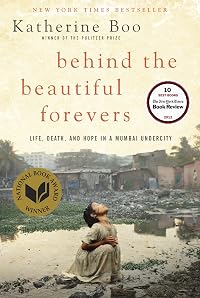
Behind the Beautiful Forevers
by Katherine Boo
On This Page
Description
NEW YORK TIMES BESTSELLER * NATIONAL BOOK AWARD WINNER * NAMED ONE OF TIME'S TEN BEST NONFICTION BOOKS OF THE DECADE "Inspiring . . . extraordinary . . . [Katherine Boo] shows us how people in the most desperate circumstances can find the resilience to hang on to their humanity. Just as important, she makes us care."--People "A tour de force of social justice reportage and a literary masterpiece."--Judges, PEN/John Kenneth Galbraith Award ONE OF THE TEN BEST BOOKS OF THE YEAR BY The show more New York Times * The Washington Post * O: The Oprah Magazine * USA Today * New York * The Miami Herald * San Francisco Chronicle * Newsday In this breathtaking book by Pulitzer Prize winner Katherine Boo, a bewildering age of global change and inequality is made human through the dramatic story of families striving toward a better life in Annawadi, a makeshift settlement in the shadow of luxury hotels near the Mumbai airport. As India starts to prosper, the residents of Annawadi are electric with hope. Abdul, an enterprising teenager, sees "a fortune beyond counting" in the recyclable garbage that richer people throw away. Meanwhile Asha, a woman of formidable ambition, has identified a shadier route to the middle class. With a little luck, her beautiful daughter, Annawadi's "most-everything girl," might become its first female college graduate. And even the poorest children, like the young thief Kalu, feel themselves inching closer to their dreams. But then Abdul is falsely accused in a shocking tragedy; terror and global recession rock the city; and suppressed tensions over religion, caste, sex, power, and economic envy turn brutal. With intelligence, humor, and deep insight into what connects people to one another in an era of tumultuous change, Behind the Beautiful Forevers, based on years of uncompromising reporting, carries the reader headlong into one of the twenty-first century's hidden worlds--and into the hearts of families impossible to forget. WINNER OF: The PEN Nonfiction Award * The Los Angeles Times Book Prize * The American Academy of Arts and Letters Award * The New York Public Library's Helen Bernstein Book Award NAMED ONE OF THE BEST BOOKS OF THE YEAR BY The New Yorker * People * Entertainment Weekly * The Wall Street Journal * The Boston Globe * The Economist * Financial Times * Foreign Policy * The Seattle Times * The Nation * St. Louis Post-Dispatch * The Denver Post * Minneapolis Star Tribune * The Week * Kansas City Star * Slate * Publishers Weekly show lessTags
Recommendations
















Member Recommendations
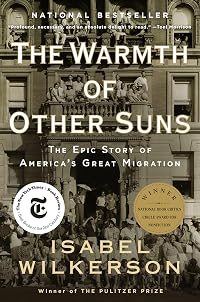
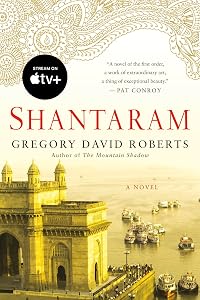
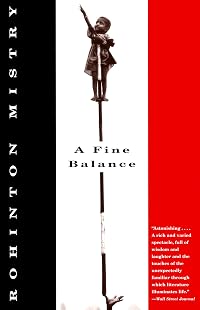
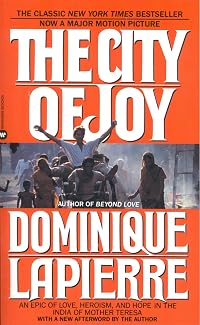
fountainoverflows A classic story, also set in Mumbai/Bombay, but covering some very similar territory.
70

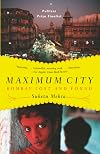
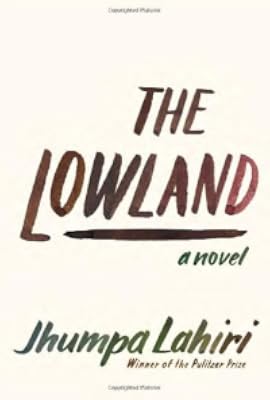
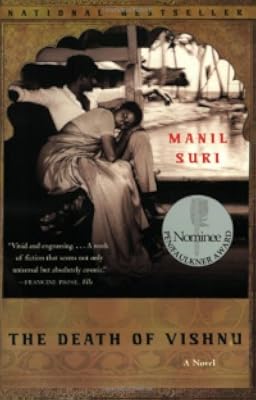
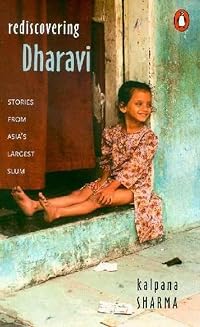
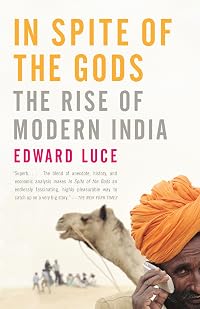
Stbalbach Another journalistic-novelistic account of lives in Bombay, but more wide ranging across classes and by a native.
20
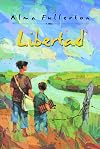
fountainoverflows Although a children's title, this book follows the story of two boys whose lives revolve around salvaging cardboard and other waste in a Guatemalan dump. When their mother is buried in the refuse, they make a trek north to find their father, supposedly in the Southern U.S. border states. Their lives have a considerable amount in common with the Husain family's.

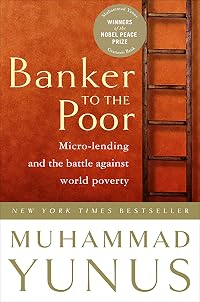
srdr Engaging stories of how microfinance loans via the internet can change the lives of the working poor worldwide.


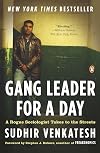
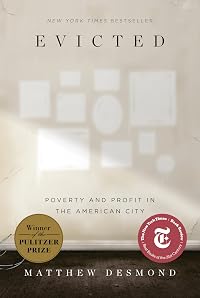
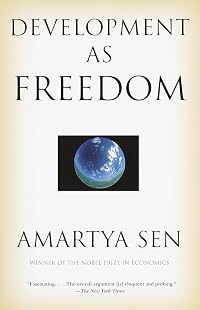
wandering_star Both authors have spent a long time with a community of the very poor and have produced sympathetic and very insightful books about how the "underclass" see, and manage their interactions with, the rest of society.

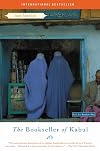
Sandydog1 Same type of "family" memoir written in literary style.

Member Reviews
Annawadi is a slum on property belonging to the airport in Mumbai. The people living here are some of the poorest of the poor, living in huts made of scrap metal and falling-apart bricks, doing everything they can to survive in a city rife with poverty and corruption. In Annawadi we meet Abdul, the young garbage sorter who along with his father and sister is accused of beating a woman who set herself on fire; Asha, a woman who uses political corruption to try to get ahead and become slumlord; Sunil, a scavenger who just wants to be able eat enough to grow; and several more people whose lives intersect.
I think I can say without a doubt this is one of the most difficult and moving books I have read this year. We see the stories of just a show more few people in this book, which simply illumines their lives as best as an outsider can. It doesn't provide the definitive story of poverty in India. It doesn't offer any answers. But it makes you see, if only for a moment, the struggle of a few real people in a place not quite devoid of hope of escape, of getting ahead. A challenging, thought-provoking book that will stay with me long after I turned the last page. show less
I think I can say without a doubt this is one of the most difficult and moving books I have read this year. We see the stories of just a show more few people in this book, which simply illumines their lives as best as an outsider can. It doesn't provide the definitive story of poverty in India. It doesn't offer any answers. But it makes you see, if only for a moment, the struggle of a few real people in a place not quite devoid of hope of escape, of getting ahead. A challenging, thought-provoking book that will stay with me long after I turned the last page. show less
As many before me have said, this both a lovely and horrifying read. Lovely, because Boo's prose - her jarringly realistic word-pictures of Mumbai, her deft rendering of dialog, her uncanny ability to channel the inner lives of her characters – enable readers not just to observe but to vicariously experience a way of life beyond the worse imaginings of most of us. Horrifying, because despite the fact that this reads like a work of fiction, it is in fact exhaustively researched non-fiction, which removes any hope of some sort of divine intervention to render the circumstances of these characters less awful.
The story centers around the lives of several families struggling to survive in a particularly putrid Mumbai slum. Most of them show more work as “recyclers,” repurposing the debris cast off luxurious international hotels and businesses crowding all around them – an irony as rich as anything a fiction author might concoct. Boo portrays a country that, rather than moving away from an ancient caste system, seems merely to be replacing it with another form of caste system, in which the residents of Annawadi and their like are entrenched firmly at the bottom of the socioeconomic pyramid, so relentless oppressed by poverty, illness, joblessness, injustice, and corruption that even hope is a luxury most of them have ceased to indulge.
And yet there is so much humanity here. Boo’s gift is allowing us to peer into the rich inner lives of the characters she portrays. We experience their desperation but also their capacity for love, their ignorance but also their wisdom, their moral compromises but also their enormous courage and determination to survive.
This isn’t the kind of book that will leave you feeling morally uplifted. But it’s the kind of book that haunts you long after you’ve finished reading it, and it works as a timely, powerful cautionary tale, reminding us of the horrific costs of social injustice, the naivety of believing that international aid organizations possess the capacity to “fix” poverty, and the basic, wrenching humanity of the people that capitalism is leaving behind. show less
The story centers around the lives of several families struggling to survive in a particularly putrid Mumbai slum. Most of them show more work as “recyclers,” repurposing the debris cast off luxurious international hotels and businesses crowding all around them – an irony as rich as anything a fiction author might concoct. Boo portrays a country that, rather than moving away from an ancient caste system, seems merely to be replacing it with another form of caste system, in which the residents of Annawadi and their like are entrenched firmly at the bottom of the socioeconomic pyramid, so relentless oppressed by poverty, illness, joblessness, injustice, and corruption that even hope is a luxury most of them have ceased to indulge.
And yet there is so much humanity here. Boo’s gift is allowing us to peer into the rich inner lives of the characters she portrays. We experience their desperation but also their capacity for love, their ignorance but also their wisdom, their moral compromises but also their enormous courage and determination to survive.
This isn’t the kind of book that will leave you feeling morally uplifted. But it’s the kind of book that haunts you long after you’ve finished reading it, and it works as a timely, powerful cautionary tale, reminding us of the horrific costs of social injustice, the naivety of believing that international aid organizations possess the capacity to “fix” poverty, and the basic, wrenching humanity of the people that capitalism is leaving behind. show less
"Behind the beautiful forevers" is a brutal book. It punches you in the guts and withholds a happy ending. It is thus the opposite of "Slumdog Millionaire". Cheating and stealing are the only way to win in this rigged game. Those that are down or weak are relentlessly exploited. The slum "community" is better seen as an amalgamation of people threatening to cut each other's throats. In India, the government is not there to help you but to help enrich its bureaucrats and cronies. Thus we find fake schools, fake documents and fake statistics, an elaborate game to siphon off money.
Katherine Boo takes us on a journey into an Indian slum, showing us how some families live and fail. It is the lack of a safety net, a lack of reserves that show more turns even minor setbacks into major human catastrophes. The misery is compounded by the inevitable extortion and exploitation that is exerted upon those that fall. Victims of crime thus are further bullied and stolen from by the police. It is a hard read, a very painful journey where the protagonists you root for inevitably lose. Still, the book is finished too soon. Hopefully, Boo will write a follow-up volume. A good companion book is "Poor economics : a radical rethinking of the way to fight global poverty" which examines economic efforts in India (and Africa) to alleviate poverty. While the authors are critical about the long term success of most efforts, Boo's account shows that the data the authors base their statistics on cannot be trusted in India. What is stated on a piece of paper is just a question of the bribe someone is willing to pay. Highly recommended, but not for the faint of heart. show less
Katherine Boo takes us on a journey into an Indian slum, showing us how some families live and fail. It is the lack of a safety net, a lack of reserves that show more turns even minor setbacks into major human catastrophes. The misery is compounded by the inevitable extortion and exploitation that is exerted upon those that fall. Victims of crime thus are further bullied and stolen from by the police. It is a hard read, a very painful journey where the protagonists you root for inevitably lose. Still, the book is finished too soon. Hopefully, Boo will write a follow-up volume. A good companion book is "Poor economics : a radical rethinking of the way to fight global poverty" which examines economic efforts in India (and Africa) to alleviate poverty. While the authors are critical about the long term success of most efforts, Boo's account shows that the data the authors base their statistics on cannot be trusted in India. What is stated on a piece of paper is just a question of the bribe someone is willing to pay. Highly recommended, but not for the faint of heart. show less
This is a beautifully written work of narrative nonfiction that reads like a novel. Katherine Boo spent three years researching this book in Annawadi, a slum located behind the international airport in Mumbai, India. The author's notes at the end of the book describe just how meticulous her research for this project was and give valuable insight into the author's reasons for writing it.
The book itself follows several different families living in the slum which has become a melting pot of Hindu and Muslim, old India and modern India, dreams and despair. The struggle for everyday existence is about more than survival; it is about defining humanity. There is Abdul, a teenage Muslim boy who sorts garbage and is burdened with being his show more family's chief source of income. There is Asha, a Hindu mother and kindergarten teacher, who understands that there is power to be had by manipulating the corruption that is rampant in India. Asha's daughter, Manju, dreams of graduating from college and choosing her own destiny. And Fatima, a woman with only one leg whose bitter heart will change everything. The stories that unfold are heartbreaking and tragic, and yet they are stories that need to be told, that need to be heard in order to illustrate that before anything else we are all human.
"Water and ice were made of the same thing. He (Abdul) thought most people were made of the same thing, too. He himself was probably little different, constitutionally, from the cynical, corrupt people around him-the police officers and the special executive officer and the morgue doctor who fixed Kalu's death. If he had to sort all humanity by its material essence, he thought he would probably end up with a single gigantic pile. But here was the interesting thing. Ice was distinct from - and in his view, better than - what it was made of. He wanted to be better than what he was made of. In Mumbai's dirty water, he wanted to be ice. He wanted to have ideals. For self-interested reasons, one of the ideals he most wanted to have was a belief in the possibility of justice." show less
The book itself follows several different families living in the slum which has become a melting pot of Hindu and Muslim, old India and modern India, dreams and despair. The struggle for everyday existence is about more than survival; it is about defining humanity. There is Abdul, a teenage Muslim boy who sorts garbage and is burdened with being his show more family's chief source of income. There is Asha, a Hindu mother and kindergarten teacher, who understands that there is power to be had by manipulating the corruption that is rampant in India. Asha's daughter, Manju, dreams of graduating from college and choosing her own destiny. And Fatima, a woman with only one leg whose bitter heart will change everything. The stories that unfold are heartbreaking and tragic, and yet they are stories that need to be told, that need to be heard in order to illustrate that before anything else we are all human.
"Water and ice were made of the same thing. He (Abdul) thought most people were made of the same thing, too. He himself was probably little different, constitutionally, from the cynical, corrupt people around him-the police officers and the special executive officer and the morgue doctor who fixed Kalu's death. If he had to sort all humanity by its material essence, he thought he would probably end up with a single gigantic pile. But here was the interesting thing. Ice was distinct from - and in his view, better than - what it was made of. He wanted to be better than what he was made of. In Mumbai's dirty water, he wanted to be ice. He wanted to have ideals. For self-interested reasons, one of the ideals he most wanted to have was a belief in the possibility of justice." show less
A tragically fascinating read, as long as you read it in the context of nonfiction. Were I the editor, the second half of the Author's Note should have been a Forward to start the entire novel. This would safeguard against readers like myself, who in a sleep-deprived state, started this book without fully appreciating that these people are REAL and authentically documented. Appreciating that approach, the impact of everyday events to the poor in India are at best bittersweet and at worst traumatic. Beautiful literary analogies present an interwoven insightful theme, lending credence to the intelligence of all peoples and not simply the educated or elite. It is time to consider such a good book that raises important social questions.
Well-written account of several lives in the same Mumbai slum and the various hardships the residents face and sometimes overcome. The tensions of living so precariously thread through relationships and prejudices and power struggles. While the situation is abjectly hopeless to the reader, those living it manage to keep hope alive and take small steps forward out of the mire. As if trying to survive on a daily basis weren't enough challenge, religious tensions, police intimidation, and sabotage by jealous neighbors create other pitfalls to avoid. The story centers on Abdul and his large Muslim family as they gain success with his garbage picking. Then an altercation with a neighbor (Fatima) who ultimately lights herself on fire as show more retribution sends the family into a downward spiral and has repercussions throughout the Annawadi settlement. Abdul, his father and sister are accused and jailed and then the corruption of the justice system is revealed as they must pay someone off at every turn. While this was not an easy or entertaining read, it was worthwhile. show less
A carefully researched, insightful, and, yes, beautiful book about life in an Indian slum. Not an easy read, especially since I live about fifteen minutes walk from a shantytown, which, like the one that the author describes here, is located just down the road from some extremely expensive and prestigious real estate.
"Behind the Beautiful Forevers" made me think of "Random Family, Adrianne LaFrance's much-read narrative nonfiction classic. Beyond the obvious parallels between these two works, there's the frankly astonishing fact that either of these two books even got written. Boo, a white American woman, spoke no indigenous Indian languages when she started work on "Behind the Beautiful Forevers" and had to rely on Indian interlocutors show more to get to know her subjects. They are profusely thanked in the book's appendix, and Boo seems quite aware of the amount of patience and trust they showed her. The same might be said of the slum that she studies: it couldn't always have been easy for the people that the author profiles here to put up with her presence. Still, Boo is able to illustrate their clearly subhuman living conditions that are present in the slum, which comes off at times like a cross between a prison and an environmental disaster zone — while not forgetting to make her subjects into autonomous beings, not objects of pity.
People who live comfortably in dramatically unequal societies react to their situation in unpredictable ways. Some adopt the posture that the poor deserve or desire their fates, others avoid thinking about them entirely. Some go through an activist phase, usually short-lived. In a sense, one of the most remarkable aspects about "Behind the Beautiful Forevers" is how even-handed it is. The author takes care to the almost impossible choices and almost unbearable suffering the people who live there face, but her book often focuses on survival. There are people in "Behind the Beautiful Forevers" that collect, appraise, and sell recyclables, teach, bargain, and, most of all, get by. Not all of them are lovable, it's true, and some of them — power brokers, thieves, addicts — don't always come off well. But Boo's mind seems to have been open enough when she started writing this one to not force the people she writes about into pigeon-holes, and I know from personal experience that that can be hard. Boo seems to have stuck with her subjects long enough to see their lives develop for better or worse: by the time the book ends, the place has been paved over completely.
Last of all, I was surprised, and perhaps pleased, at how narrow the author kept the scope of "Behind the Beautiful Forevers." Jeremiads against global capitalism are not rare; they're a dime a dozen down at your local hippie bookstore. But Boo's perspective here is more anthropological than economic or political. She briefly discusses India's push to compete globally and how this has affected the shantytown that she's studying, but, in a sense, she doesn't even need to do that: the place is quite literally hedged in by multiple luxury hotels that were built to cater to an international clientele. Boo's focus doesn't wander too far from the human: what she has done in her book is not just to complain about the injustices of global capitalism but to preserve real human experience that has been shaped by global forces. There are places like the one Boo describes in so many countries, and you could even argue their analogs are hidden in so many first-world nations. "Behind the Beautiful Forevers" is one of those books that everyone not currently living in a place like the one that Boo describes should read. show less
"Behind the Beautiful Forevers" made me think of "Random Family, Adrianne LaFrance's much-read narrative nonfiction classic. Beyond the obvious parallels between these two works, there's the frankly astonishing fact that either of these two books even got written. Boo, a white American woman, spoke no indigenous Indian languages when she started work on "Behind the Beautiful Forevers" and had to rely on Indian interlocutors show more to get to know her subjects. They are profusely thanked in the book's appendix, and Boo seems quite aware of the amount of patience and trust they showed her. The same might be said of the slum that she studies: it couldn't always have been easy for the people that the author profiles here to put up with her presence. Still, Boo is able to illustrate their clearly subhuman living conditions that are present in the slum, which comes off at times like a cross between a prison and an environmental disaster zone — while not forgetting to make her subjects into autonomous beings, not objects of pity.
People who live comfortably in dramatically unequal societies react to their situation in unpredictable ways. Some adopt the posture that the poor deserve or desire their fates, others avoid thinking about them entirely. Some go through an activist phase, usually short-lived. In a sense, one of the most remarkable aspects about "Behind the Beautiful Forevers" is how even-handed it is. The author takes care to the almost impossible choices and almost unbearable suffering the people who live there face, but her book often focuses on survival. There are people in "Behind the Beautiful Forevers" that collect, appraise, and sell recyclables, teach, bargain, and, most of all, get by. Not all of them are lovable, it's true, and some of them — power brokers, thieves, addicts — don't always come off well. But Boo's mind seems to have been open enough when she started writing this one to not force the people she writes about into pigeon-holes, and I know from personal experience that that can be hard. Boo seems to have stuck with her subjects long enough to see their lives develop for better or worse: by the time the book ends, the place has been paved over completely.
Last of all, I was surprised, and perhaps pleased, at how narrow the author kept the scope of "Behind the Beautiful Forevers." Jeremiads against global capitalism are not rare; they're a dime a dozen down at your local hippie bookstore. But Boo's perspective here is more anthropological than economic or political. She briefly discusses India's push to compete globally and how this has affected the shantytown that she's studying, but, in a sense, she doesn't even need to do that: the place is quite literally hedged in by multiple luxury hotels that were built to cater to an international clientele. Boo's focus doesn't wander too far from the human: what she has done in her book is not just to complain about the injustices of global capitalism but to preserve real human experience that has been shaped by global forces. There are places like the one Boo describes in so many countries, and you could even argue their analogs are hidden in so many first-world nations. "Behind the Beautiful Forevers" is one of those books that everyone not currently living in a place like the one that Boo describes should read. show less
Members
- Recently Added By
Published Reviews
ThingScore 100
Next I devoured Boo’s book, “Behind the Beautiful Forevers: Life, Death, and Hope in a Mumbai Undercity,” which extended her probing and compassionate portrayal of poverty to India. Before becoming a journalist, I had spent nearly two years working with grass-roots groups in Mumbai slums just like Annawadi, the one she spent three years chronicling for the book. I’d been so upset by show more journalistic portrayals of these neighborhoods that I wrote an entire master’s thesis about the subject. Now, finally, here was an account that took slum residents seriously as protagonists in their own lives, without dismissing the inequality and corruption that stymied them. show less
Boo, in letting go of her story, in dwelling with it relatively briefly in her book's 250 pages (in contrast to the years she spent with the slum-dwellers), allows it to resonate with us as a small classic of contemporary writing.
added by souloftherose
Lists

Top Five Books of 2013
1,562 works; 721 members

Books recommended by Barack Obama
295 works; 28 members

Non-Fiction Worth Reading
1,016 works; 262 members

Top Five Books of 2014
1,064 works; 398 members

Recommend the 20 best books you've read in the last five years
2,168 works; 606 members

2013 Notable Books for Adults
26 works; 5 members
Top Five Books of 2016
795 works; 229 members

Favourite Non-Fiction
24 works; 1 member

Obama Reads
181 works; 3 members

Best Books Read in 2016
12 works; 1 member

Most Popular Books Tagged India
36 works; 5 members

National Book Award winners
65 works; 11 members

Vlogbrothers Book Recommendations
307 works; 4 members

Books recommended in the history category on FiveBooks.com
329 works; 4 members

.
184 works; 1 member

2024 Christmas Gifts
40 works; 10 members

Not the NYT list of top 100 21st century books
100 works; 6 members

NYT 100 best books of 21st C
100 works; 31 members

Club Read's Recommended Nonfiction Written by Women
618 works; 30 members
Best 21st Century Books (So Far)
679 works; 86 members
The Hive Recommends
62 works; 2 members

Asia
178 works; 7 members

Female Author
1,234 works; 67 members

Alphabetical Books
211 works; 3 members

Dishonourable Mentions of 2013
189 works; 63 members

Summer Reads 2014
207 works; 70 members

Books Read in 2016
4,666 works; 199 members

Books Featured on Readers' Review of the Diane Rehm Show
161 works; 8 members

My E-Book Collection - Opinions Welcome
92 works; 10 members

SantaThing 2014 Gifts
299 works; 17 members

Books Read in 2025
4,128 works; 98 members
Talk Discussions
Past Discussions
Behind the Beautiful Forevers by Katherine Boo -- Nov 2011 LTER in Reviews of Early Reviewers Books (January 2012)
Author Information

1+ Work 5,024 Members
Katherine Boo was born on August 12, 1964 and grew up in the Washington D. C. area. She graduated summa cum laude from Barnard College of Columbia University. She is a staff writer at The New Yorker and a former reporter and editor for The Washington Post. Her reporting from disadvantaged communities has been awarded a Pulitzer Prize, a MacArthur show more "Genius" Grant, and a National Magazine Award for Feature Writing. Her first book, Behind the Beautiful Forevers: Life, Death and Hope in a Mumbai Undercity, won the National Book Award for Nonfiction (2012), as well as nonfiction prizes from PEN, the Los Angeles Times Book Awards, the New York Public Library, and the American Academy of Arts and Letters. (Bowker Author Biography) show less
Some Editions
Awards and Honors
Awards
Distinctions
Notable Lists
Work Relationships
Has the adaptation
Common Knowledge
- Canonical title
- Behind the Beautiful Forevers
- Alternate titles
- Behind the Beautiful Forevers: Life, Death, and Hope in a Mumbai Undercity
- Original publication date
- 2012-02-07
- People/Characters
- Abdul; Asha; Zehrunisa Husain; Fatima; Manju; Karam (show all 20); Kehkashan; Mirchi; Rahul; Mahadeo; Finnegan Courtney; Sunil; Sunita; Meena; Kalua; Sonu; Sanjay; Subhash Sawant; Mr. Kamble; Sister Paulette
- Important places
- Mumbai, India; Annawadi, Mumbai, India
- Dedication
- For two Sunils
and what they've taught me about not giving up - First words
- [Prologue] Midnight was closing in, the one-legged woman was grievously burned, and the Mumbai police were coming for Abdul and his father.
Let it keep, the moment when Officer Fish Lips met Abdul in the police station.
[Author's Note] Ten years ago, I fell in love with an Indian man adn gained a country. - Quotations
- “Instead, powerless individuals blamed other powerless individuals for what they lacked. Sometimes they tried to destroy one another. Sometimes, like Fatima, they destroyed themselves in the process.”
She was damaged, and acknowledged it freely. She was illiterate--acknowledged that, too. But when others spoke of her fury as an ignorant, animal thing, that was bukwaas, utter nonsense. Much of her outrage derived fro... (show all)m a belated recognition that she was as human as anyone else.
. . . He still found it strange to think of her as dead, because at Annawadi he hadn't considered her fully alive. Like many of his neighbors, he had assessed her damage, physical and emotional, and casually assigned her to a... (show all) lesser plane of existence. . . .
In the West, and among some in the Indian elite, this word, "corruption", had purely negative connotations; it was seen as blocking India's modern, global ambitions. But for the poor of a country where corruption thieved a g... (show all)reat deal of opportunity, corruption was one of the genuine opportunities that remained. - Last words
- (Click to show. Warning: May contain spoilers.)[Prologue] His lips, under the mustache, were fat and fishlike, and Abdul would remember them later--the way they parted a little before he smiled.
(Click to show. Warning: May contain spoilers.)But for now, eleven cans, seven empty water bottles and a wad of aluminum foil rested on a long spit of concrete, awaiting the first child with the courage to claim them.
(Click to show. Warning: May contain spoilers.)[Author's Note] If the house is crooked and crumbling, and the land on which it sits uneven, is it possible to make anything lie straight? - Blurbers
- LeBlanc, Adrian Nicole; Ehrenreich, Barbara; Kidder, Tracy; Sedaris, David; Sen, Amartya; Guha, Ramachandra (show all 8); Mishra, Pankaj; Remnick, David
- Original language
- English
- Canonical DDC/MDS
- 305.5690954792
- Canonical LCC
- HV4140.M86
Classifications
- Genres
- General Nonfiction, Nonfiction
- DDC/MDS
- 305.5690954792 — Society, government, & culture Social sciences, sociology & anthropology Social group - Age, Gender, Ethnicity People by social and economic levels Lower, alienated, excluded classes Poor people History, geographic treatment, biography
- LCC
- HV4140 .M86 — Social sciences Social pathology. Social and public welfare. Criminology Social pathology. Social and public welfare. Protection, assistance and relief Poor in cities. Slums
- BISAC
Statistics
- Members
- 5,024
- Popularity
- 2,781
- Reviews
- 308
- Rating
- (4.06)
- Languages
- 14 — Danish, Dutch, English, Finnish, French, German, Hungarian, Italian, Norwegian (Bokmål), Polish, Portuguese, Russian, Spanish, Swedish
- Media
- Paper, Audiobook, Ebook
- ISBNs
- 47
- ASINs
- 18
