On This Page
Description
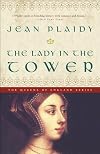
Fiction. Literature. Historical Fiction. HTML:One of history’s most complex and alluring women comes to life in this classic novel by thelegendary Jean Plaidy.
Young Anne Boleyn was not beautiful but she was irresistible, capturing the hearts of kings and commoners alike. Daughter of an ambitious country lord, Anne was sent to France to learn sophistication, and then to court to marry well and raise the family’s fortunes. She soon surpassed even their greatest expectations. Although show more his queen was loving and loyal, King Henry VIII swore he would put her aside and make Anne his wife. And so he did, though the divorce would tear apart the English church and inflict religious turmoil and bloodshed on his people for generations to come.
Loathed by the English people, who called her “the King’s Great Whore,” Anne Boleyn was soon caught in the trap of her own ambition. Political rivals surrounded her at court and, when she failed to produce a much-desired male heir, they closed in, preying on the king’s well-known insecurity and volatile temper. Wrongfully accused of adultery and incest, Anne found herself imprisoned in the Tower of London, where she was at the mercy of her husband and of her enemies. show less
Tags
Recommendations
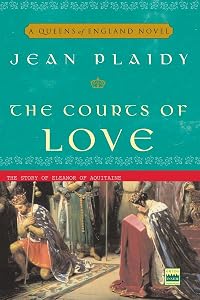


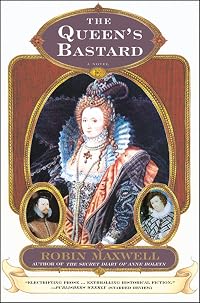
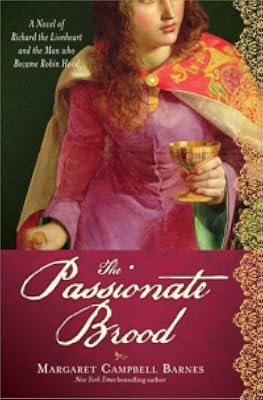
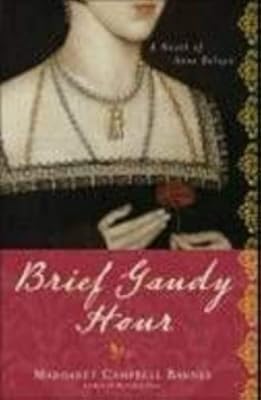
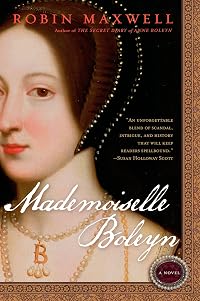
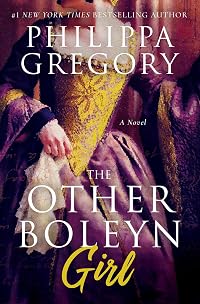
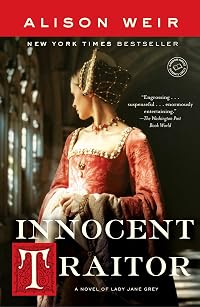


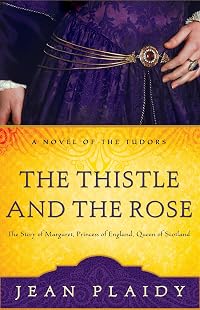









Member Recommendations
Member Reviews
Telling Anne Boleyn's story from her own point of view, Jean Plaidy covers the life of Henry VIII's second wife. I really enjoyed the first half, which makes a big imaginative leap to explore Anne's early life in the French court. Plaidy imbues the heroine with a singular voice and makes bold suggestions about how Anne's formative years had a big impact on her worldview, her political and sexual tactics, and her independence. This section was fascinating to read and really kept me turning the page. It was a period in Anne's life about which we know next to nothing, and Plaidy brought it to life in a compelling way. It is a well-imagined psychological perspective on a person whose private life we still know little of.
However, once show more Henry's battle to divorce Catherine begins, I kind of lost interest. I have read that story so many times and Plaidy does not bring anything new to this major watershed in English history. Nor does Anne's perspective seem quite as unique or fresh once we enter solid historical record--the voice shifts and we lose that girl who was so independent and free-thinking, to be met with a dry chronicler of an already well-recorded series of events. I had to fight a little to finish it. show less
However, once show more Henry's battle to divorce Catherine begins, I kind of lost interest. I have read that story so many times and Plaidy does not bring anything new to this major watershed in English history. Nor does Anne's perspective seem quite as unique or fresh once we enter solid historical record--the voice shifts and we lose that girl who was so independent and free-thinking, to be met with a dry chronicler of an already well-recorded series of events. I had to fight a little to finish it. show less
Ahhh, Anne Boleyn. Where would the Western world be if not for you? Protestantism might never have gotten such a foothold in European (and subsequently American) culture if not for her. Clever, dazzling, and tempestuous Anne Boleyn leads readers on the tumultuous journey of her life from her simple life at Hever Castle at six years old to the Tower Green at 29. All throughout the book, readers get a strong sense of Anne's personality and motivations. In my humble opinion, Anne Boleyn is such a fascinating person that it would be pretty hard to screw up a telling of her life story. Jean Plaidy takes readers on a ride where you alternately sympathize for Anne, cringe for her, and cry for her.
From the beginning, Anne is positioned as show more being exceptionally bright. At first, she comes across as timid, as she is only a child in the licentious French court. Her observations about those around her are astute, but I could do without all of the giant info dumps about various historical personages like Louise of Savoy and Charles Brandon, both of whom feature very little in the book; yet, you still get pages on their background.
As Anne gets older, she desires to set herself apart. She sees how her sister Mary is treated for sleeping around, and she decides to avoid that fate at all costs. Not only that, when Mary's husband dies, she is left penniless, having received nothing from Henry, despite being his mistress for several years. Poverty frightens everyone. And so, when Anne meets Henry VIII, her resolution doesn't waver. She will not have him if it compromises her virtue.
Plaidy positions Anne's ambitions as a reaction to being slighted by Wolsey who turns down Percy (essentially her boyfriend) for wanting to marry her. I find this cheapens Anne's ambition, and I prefer to think that, while she may have been disappointed in love, ultimately, she wouldn't be happy unless it was at court in the middle of everything.
The curse of being an active player in history is that sometimes you're the "bad guy" as you make all of the wrong decisions. For a lot of people, Anne Boleyn fits that to a T. She picks fights with Katherine of Aragon, is almost cruel to Mary who's a preteen at this time, is vindictive towards her perceived enemies, and she often lashes out verbally to the king. She never learns when to just let things go, and this is her downfall.
Overall, I highly recommend this Tudor novel about one of the most important women in Western history. It's a nuanced and sympathetic portrayal of Anne Boleyn while also criticizing her more outlandish actions. Anne was far from perfect, but that doesn't mean, we as readers, won't stop sympathizing with her. Once she found herself at the mercy of the king, she became determined to make the best of her situation so that she came out on top. She almost succeeded. Should we begrudge her that because she was so proud? I don't. show less
From the beginning, Anne is positioned as show more being exceptionally bright. At first, she comes across as timid, as she is only a child in the licentious French court. Her observations about those around her are astute, but I could do without all of the giant info dumps about various historical personages like Louise of Savoy and Charles Brandon, both of whom feature very little in the book; yet, you still get pages on their background.
As Anne gets older, she desires to set herself apart. She sees how her sister Mary is treated for sleeping around, and she decides to avoid that fate at all costs. Not only that, when Mary's husband dies, she is left penniless, having received nothing from Henry, despite being his mistress for several years. Poverty frightens everyone. And so, when Anne meets Henry VIII, her resolution doesn't waver. She will not have him if it compromises her virtue.
Plaidy positions Anne's ambitions as a reaction to being slighted by Wolsey who turns down Percy (essentially her boyfriend) for wanting to marry her. I find this cheapens Anne's ambition, and I prefer to think that, while she may have been disappointed in love, ultimately, she wouldn't be happy unless it was at court in the middle of everything.
The curse of being an active player in history is that sometimes you're the "bad guy" as you make all of the wrong decisions. For a lot of people, Anne Boleyn fits that to a T. She picks fights with Katherine of Aragon, is almost cruel to Mary who's a preteen at this time, is vindictive towards her perceived enemies, and she often lashes out verbally to the king. She never learns when to just let things go, and this is her downfall.
Overall, I highly recommend this Tudor novel about one of the most important women in Western history. It's a nuanced and sympathetic portrayal of Anne Boleyn while also criticizing her more outlandish actions. Anne was far from perfect, but that doesn't mean, we as readers, won't stop sympathizing with her. Once she found herself at the mercy of the king, she became determined to make the best of her situation so that she came out on top. She almost succeeded. Should we begrudge her that because she was so proud? I don't. show less
My favorite version of Anne Boleyn that I've read so far! Almost every other book I've read--especially the infamous The Other Boleyn Girl--play up the smear campaign that accompanied and brought about her downfall. Jean Plaidy, however, lets Anne have our sympathy even as we cringe (along with her) at her forwardness.
Admittedly, I have read this book before. The first time it was lent to me by a friend in high school, and it's one of the few times that I can remember relating so strongly to some aspect of a fictional character.
I did notice some odd repetitions on this read-through, though I forgot to flag them. There were occasional turns of phrase that would be repeated a page or two after its first use, and in a similar situation. show more I also found the occasional use of historical (or nearly historical) phrases a bit jarring, since the language came out a bit more stilted--in large part, I think, because people rarely talk the way they write. For example, when Anne arrives at the Tower of London, she falls on her knees and says, "Oh Lord God, help me. Thou knowest I am guiltless of that whereof I am accused." It smacks of a contemporary written account, both because of the language and because Plaidy doesn't have Anne speak often of her faith as a personal matter.
But these are both small complaints for a book that I really do enjoy...so much so that I decided not to keep track of all the quotes I like, just a few choice ones. If you're a fan of Tudor history and historical novels, definitely give this one a go.
Quote Roundup
p. 193
-- "I had no hard feelings toward those who had thought it necessary to bring this case."
-- "You could not have been expected to have hard feelings against yourself," I reminded him.
-- [Henry] frowned. That was one thing I had to learn about him. In the midst of the most blatant hypocrisy he could delude himself into believing what he was trying to make others believe. It was extraordinary that a man of his intellect could do that. It showed an unusual dexterity of the mind.
p. 308
It was in my nature to assume an excess of gaiety when the future might be fraught with danger.
p. 341
It was not as if I loved him. I knew him too well for that--though sometimes I felt a kind of contemptuous affection for him. He was such a strange man that one could not help marveling at him. It was that cruelty and selfishness alongside the sentimentality, the conscience which did in truth plague him, even though he manipulated it and set it going in the direction best suited to his needs. show less
Admittedly, I have read this book before. The first time it was lent to me by a friend in high school, and it's one of the few times that I can remember relating so strongly to some aspect of a fictional character.
I did notice some odd repetitions on this read-through, though I forgot to flag them. There were occasional turns of phrase that would be repeated a page or two after its first use, and in a similar situation. show more I also found the occasional use of historical (or nearly historical) phrases a bit jarring, since the language came out a bit more stilted--in large part, I think, because people rarely talk the way they write. For example, when Anne arrives at the Tower of London, she falls on her knees and says, "Oh Lord God, help me. Thou knowest I am guiltless of that whereof I am accused." It smacks of a contemporary written account, both because of the language and because Plaidy doesn't have Anne speak often of her faith as a personal matter.
But these are both small complaints for a book that I really do enjoy...so much so that I decided not to keep track of all the quotes I like, just a few choice ones. If you're a fan of Tudor history and historical novels, definitely give this one a go.
Quote Roundup
p. 193
-- "I had no hard feelings toward those who had thought it necessary to bring this case."
-- "You could not have been expected to have hard feelings against yourself," I reminded him.
-- [Henry] frowned. That was one thing I had to learn about him. In the midst of the most blatant hypocrisy he could delude himself into believing what he was trying to make others believe. It was extraordinary that a man of his intellect could do that. It showed an unusual dexterity of the mind.
p. 308
It was in my nature to assume an excess of gaiety when the future might be fraught with danger.
p. 341
It was not as if I loved him. I knew him too well for that--though sometimes I felt a kind of contemptuous affection for him. He was such a strange man that one could not help marveling at him. It was that cruelty and selfishness alongside the sentimentality, the conscience which did in truth plague him, even though he manipulated it and set it going in the direction best suited to his needs. show less
This book tells the history of England during the Tudors through the voice of Anne Boleyn. As a review of history, I found the book good but as a novel it was lacking. First person narrator has its limitations. Anne was a young girl mostly growing up in the French court so was aware of the games played in the aristocracy. She describes herself as having little interest in sex but she had a whole lot of interest in gaining power and prestige. She was wise and kept her mouth closed as a young girl but as a woman she had a quick temper and tongue that did not keep its peace. How could there be such a change in personality. With youth there should be more irrational behavior and with maturity this should improve. Not in the case of Anne. I show more am not interested enough to read anymore in this series. At least at this time.
Rating 2.4 show less
Rating 2.4 show less
History has been very unkind to Anne Bolyen. Most of the time, she is painted as the witch for enticing Henry VIII away from his loyal Queen of twenty years, causing the break with Rome and the closing of monasteries.
But we never really got to know the real her, the woman behind that ugly reputation. Jean Plaidy has wonderfully woven a story about Anne and what shaped her character and lead to her rise and ultimate downfall. We start off with Anne, locked up in the tower, awaiting for her soon to come demise. And then, Anne starts telling her story from the very beginning, from when she was a child, right up until the day of her execution.
Anne, naturally was an innocent, precocious and intelligent child. Who is quick to pick up on show more things and is able to be part of history. While in France, she learns of courtly love but is spurned but the tragic downfall of her sister Mary, who may have been far too giving of her attentions. The stain on Mary's reputation in France, forced Anne to become extremely guarded of her honour and reputation.
As the years go by and Anne catches the attention of Henry VIII, you can feel and hear her struggling to push away Henry. Knowing that it could never be. She never aimed to be ambitious or seek to be Queen of England. But certainly the excitement and emotions of Henry soon overwhelmed her, and slowly she becomes ambitious and seeks the best for herself and her family. After all, since Henry Percy was taken from her, why not aim for the best, especially when Henry VIII was willing to move heaven and earth for her love.
It's always been known that Anne was extremely loving and tender towards Elizabeth. Despite her struggles with carrying a male child to full term, you know she is extremely happy to have Elizabeth. The apple of her eye. It is moments with Elizabeth that you can still catch a glimpse of the happy and innocent woman she use to be, before becoming a bitter and spurned Queen.
Overall, I love how Anne is represented. She is not a witch, nor an innocent victim. She took too many risks (some paid off, others not so much), and in the end faced the axe. But for all that she did.... she did manage to give the world Queen Elizabeth I. show less
But we never really got to know the real her, the woman behind that ugly reputation. Jean Plaidy has wonderfully woven a story about Anne and what shaped her character and lead to her rise and ultimate downfall. We start off with Anne, locked up in the tower, awaiting for her soon to come demise. And then, Anne starts telling her story from the very beginning, from when she was a child, right up until the day of her execution.
Anne, naturally was an innocent, precocious and intelligent child. Who is quick to pick up on show more things and is able to be part of history. While in France, she learns of courtly love but is spurned but the tragic downfall of her sister Mary, who may have been far too giving of her attentions. The stain on Mary's reputation in France, forced Anne to become extremely guarded of her honour and reputation.
As the years go by and Anne catches the attention of Henry VIII, you can feel and hear her struggling to push away Henry. Knowing that it could never be. She never aimed to be ambitious or seek to be Queen of England. But certainly the excitement and emotions of Henry soon overwhelmed her, and slowly she becomes ambitious and seeks the best for herself and her family. After all, since Henry Percy was taken from her, why not aim for the best, especially when Henry VIII was willing to move heaven and earth for her love.
It's always been known that Anne was extremely loving and tender towards Elizabeth. Despite her struggles with carrying a male child to full term, you know she is extremely happy to have Elizabeth. The apple of her eye. It is moments with Elizabeth that you can still catch a glimpse of the happy and innocent woman she use to be, before becoming a bitter and spurned Queen.
Overall, I love how Anne is represented. She is not a witch, nor an innocent victim. She took too many risks (some paid off, others not so much), and in the end faced the axe. But for all that she did.... she did manage to give the world Queen Elizabeth I. show less
This is the second Jean Plaidy I've read and I do enjoy her most of all the Tudor fiction novelists I've read. Her books are fairly clean and pretty straightforward, as far as the history of things goes. There were a few places where I found myself a bit bored---mainly during the years where they were just waiting on tides to change---so not really her fault, but that of history.
I knew the basic story line of Anne's life; but this story brought it to life in a way that I think is very plausible, but one that I didn't necessarily like too much. Plaidy's Anne starts out as a woman of high character, driven to live by her principles, and unafraid of standing on morality. I really liked and admired her character at the beginning---my mind show more had been changed about her.
But, as soon as she chose to compromise her virtue and allow herself to be betrothed to the King, she became increasingly selfish and spoiled. She spent a lot of time whining about how people despised her for being his supposed concubine and how she hadn't sought that in the beginning, yet she was held to blame. In my opinion, she became completely accountable the moment she decided to begin romantic relations with a married man. I found it interesting that, during the time they were trying to have Henry's first marriage annulled, he seemed to become more patient and compassionate while she became more selfish and paranoid.
The story was really helpful in understanding the politics surrounding Henry VIII's influence on the institution of Protestantism in England. Two of my sons are currently studying this era so it's a topic I'm more interested in than usual this season.
I do wonder how much of Anne's character was based on historical record. She was a woman of virginal and chaste morals in the beginning; and her daughter, Elizabeth I, was thought, by some, to also be a virginal and chaste woman. I wonder how much of that was in response to what she'd been told about the character of her mother. I was also intrigued by the idea that Anne could have influenced Court fashions of the day with her designs to hide her (perhaps made up) mole and sixth nail.
All in all, it was a great read and I'm happy that I have so many more by this author on my TBR for the future. show less
I knew the basic story line of Anne's life; but this story brought it to life in a way that I think is very plausible, but one that I didn't necessarily like too much. Plaidy's Anne starts out as a woman of high character, driven to live by her principles, and unafraid of standing on morality. I really liked and admired her character at the beginning---my mind show more had been changed about her.
But, as soon as she chose to compromise her virtue and allow herself to be betrothed to the King, she became increasingly selfish and spoiled. She spent a lot of time whining about how people despised her for being his supposed concubine and how she hadn't sought that in the beginning, yet she was held to blame. In my opinion, she became completely accountable the moment she decided to begin romantic relations with a married man. I found it interesting that, during the time they were trying to have Henry's first marriage annulled, he seemed to become more patient and compassionate while she became more selfish and paranoid.
The story was really helpful in understanding the politics surrounding Henry VIII's influence on the institution of Protestantism in England. Two of my sons are currently studying this era so it's a topic I'm more interested in than usual this season.
I do wonder how much of Anne's character was based on historical record. She was a woman of virginal and chaste morals in the beginning; and her daughter, Elizabeth I, was thought, by some, to also be a virginal and chaste woman. I wonder how much of that was in response to what she'd been told about the character of her mother. I was also intrigued by the idea that Anne could have influenced Court fashions of the day with her designs to hide her (perhaps made up) mole and sixth nail.
All in all, it was a great read and I'm happy that I have so many more by this author on my TBR for the future. show less
With the Queens of England series, which features novels that aren’t in any type of sequence, Jean Plaidy was essentially rewriting various histories from her Royal sagas, such as the Plantagenet period and, like in this case, the Tudor period. The difference being that this series is written in first person, not third.
“The Lady in the Tower”, like others in the series, could’ve been much better if the author stuck to the heroine’s viewpoint, rather than digress into other events that the narrator has heard second-hand from other characters.
This is supposed to be from Anne Boleyn's perspective, yet often – especially during her childhood years in France – we’re faced with lots of incidents that Anne wasn’t part of. The show more following three sentences are quotes that lead into second-hand reports:
“I wish I had seen that meeting of the Kings.”
“Their words were, of course, recorded by observers and repeated.”
“Now I can imagine his feelings on that celebrated occasion.”
If Ms Plaidy wanted to cover more ground, third person would’ve been a wiser option, though of course it would then be something like self-plagiarism. A focus on what the narrating character did, saw, and felt would’ve made this *decent* novel a *good* one.
The book is patchy, partly because of the point-of-view as mentioned above, partly owing to repetition of information (a Plaidy trait), and because the author was never one for spending much time revising her works, which is evident by the unimaginative language and weak elements of English style. Some sentences, for example, feature “I” several times, while paragraphs feature "I" countless times, something a conscientious author would seek to reword for a more stylistic effect.
Sometime this author does annoy me, but despite her faults, something about her stories make me want to read more of her works. Perhaps it’s her passion for the English and French past, interests that I share, which keeps me coming back for more. Sometimes I’m disappointed, other times enthralled, though usually my opinion falls somewhere in between, like with “The Lady in the Tower”. At times I was engaged, at other times far from it. show less
“The Lady in the Tower”, like others in the series, could’ve been much better if the author stuck to the heroine’s viewpoint, rather than digress into other events that the narrator has heard second-hand from other characters.
This is supposed to be from Anne Boleyn's perspective, yet often – especially during her childhood years in France – we’re faced with lots of incidents that Anne wasn’t part of. The show more following three sentences are quotes that lead into second-hand reports:
“I wish I had seen that meeting of the Kings.”
“Their words were, of course, recorded by observers and repeated.”
“Now I can imagine his feelings on that celebrated occasion.”
If Ms Plaidy wanted to cover more ground, third person would’ve been a wiser option, though of course it would then be something like self-plagiarism. A focus on what the narrating character did, saw, and felt would’ve made this *decent* novel a *good* one.
The book is patchy, partly because of the point-of-view as mentioned above, partly owing to repetition of information (a Plaidy trait), and because the author was never one for spending much time revising her works, which is evident by the unimaginative language and weak elements of English style. Some sentences, for example, feature “I” several times, while paragraphs feature "I" countless times, something a conscientious author would seek to reword for a more stylistic effect.
Sometime this author does annoy me, but despite her faults, something about her stories make me want to read more of her works. Perhaps it’s her passion for the English and French past, interests that I share, which keeps me coming back for more. Sometimes I’m disappointed, other times enthralled, though usually my opinion falls somewhere in between, like with “The Lady in the Tower”. At times I was engaged, at other times far from it. show less
Members
- Recently Added By
Lists

Historical Fiction
889 works; 91 members
Author Information

256+ Works 37,350 Members
Jean Plaidy was a British writer who wrote under various pen names. Her real name is Eleanor Alice Burford Hibbert. She was born in London on September 1, 1906. Most of the books written as Jean Plaidy are historical romances based on English history featuring historical figures. The first, Beyond the Blue Mountains, was published in 1947. Hibbert show more also wrote five nonfiction histories and two children's books. Besides Jean Plaidy, Hibbert wrote under Victoria Holt, Phillipa Carr, Elbur Ford, Kathleen Kellow, Ellalice Tate, and her maiden name, Eleanor Burford. Hibbert died on January 18, 1993. (Bowker Author Biography) show less
Some Editions
Series

Common Knowledge
- Canonical title
- The Lady in the Tower
- Original publication date
- 1986
- People/Characters
- Henry VIII, King of England; Anne Boleyn; Elizabeth I, Queen of England; Catherine of Aragon; Mary I, Queen of England
- Important places
- England, UK; London, England, UK
Classifications
Statistics
- Members
- 730
- Popularity
- 38,926
- Reviews
- 16
- Rating
- (3.78)
- Languages
- Czech, English, Spanish
- Media
- Paper, Audiobook, Ebook
- ISBNs
- 30
- ASINs
- 5