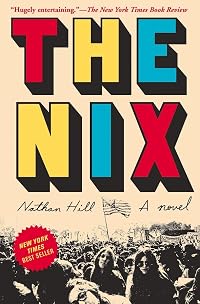
The Nix
by Nathan Hill
On This Page
Description
"An epic novel about a son, the mother who left him as a child, and how his search to uncover the secrets of her life leads him to reclaim his own"--Tags
Recommendations
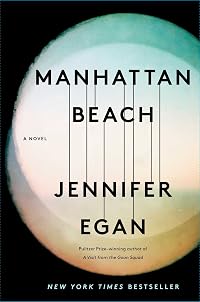
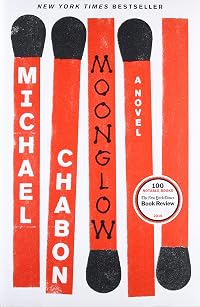
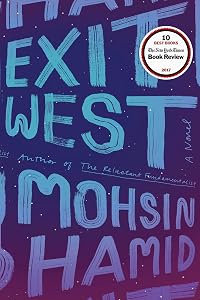
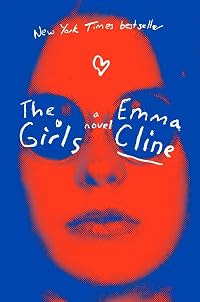
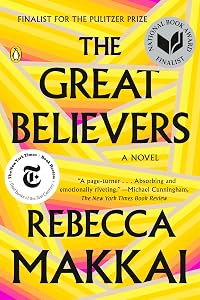
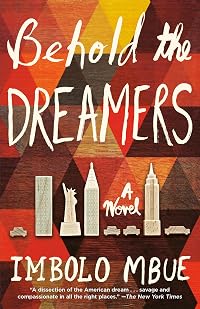
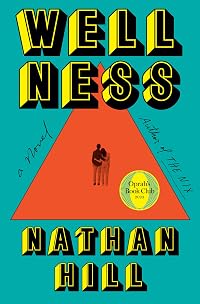
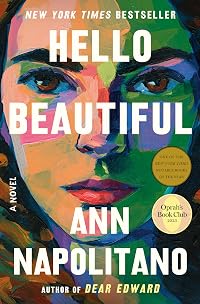
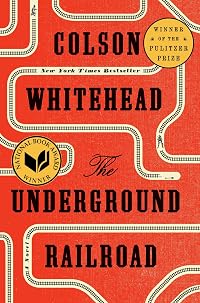
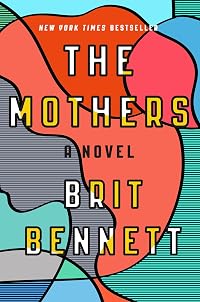
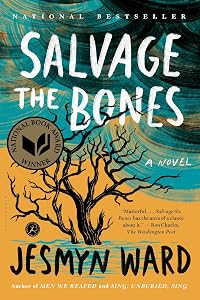
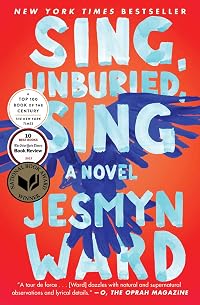

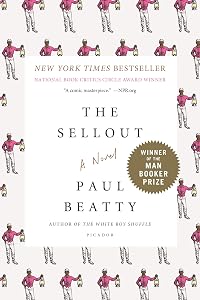
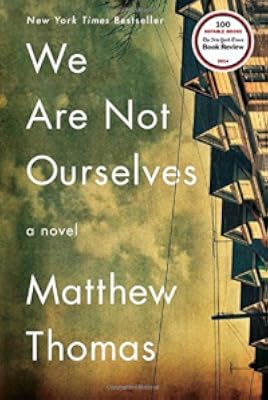
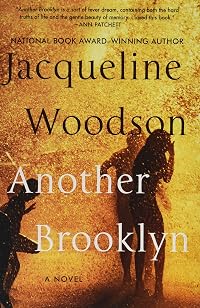
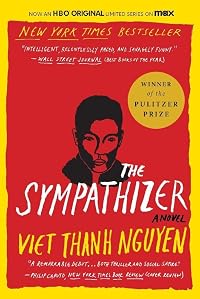
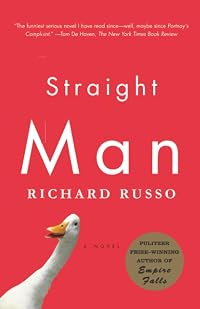
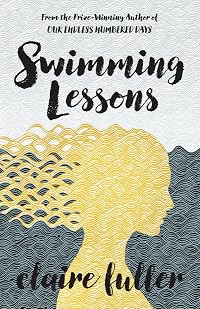
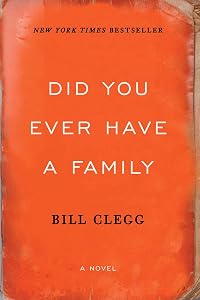
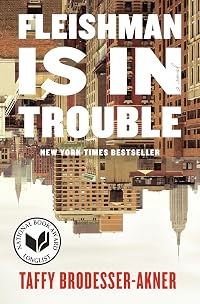
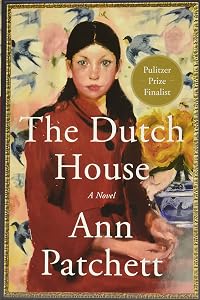
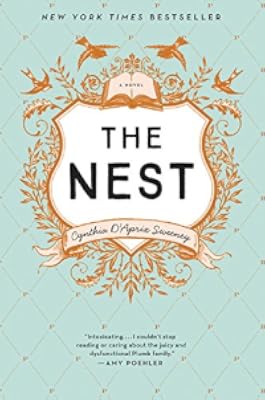
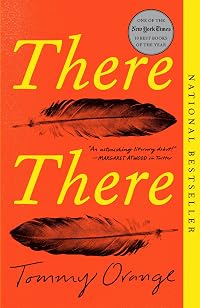
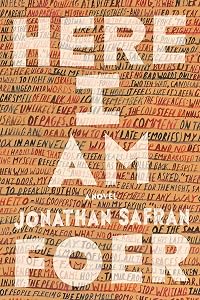
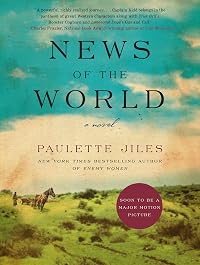
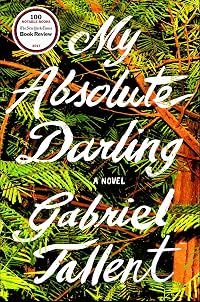
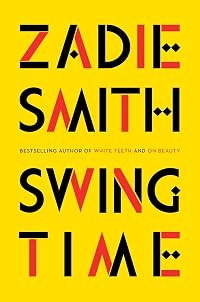
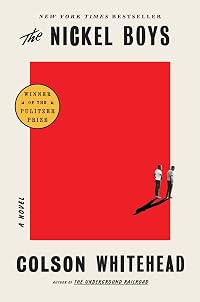
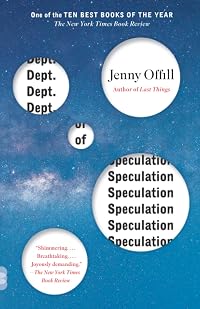
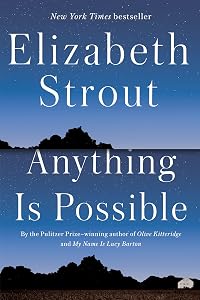
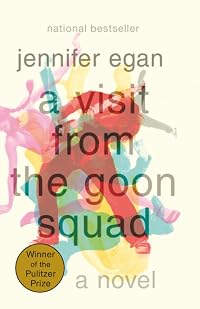


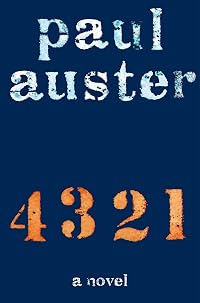
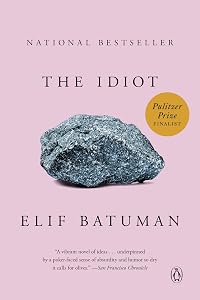
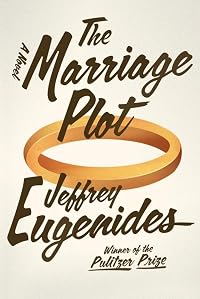
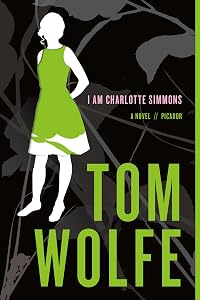
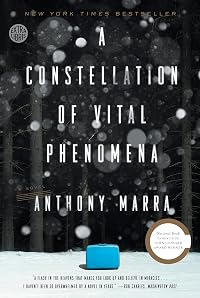
Member Recommendations
achedglin Both books are sprawling stories of our contemporary times that have rich characterization, and mix cynicism and wonder with spectacular results.
Member Reviews
One of the advantages to letting a book sit on your TBR list for a few years is that by the time you get around to reading it, you don’t remember the reviews, the blurbs, the plot synopses, or the hype that made you put it on your list to begin with. So it was for me with The Nix. All I remembered was that a nix is a mythological creature, so I went into this novel expecting something very different, and it turns out that what I got was very much better than what I was expecting.
The titular nix is a metaphor, so rather than a fantasy about Nordic monsters, I got a thought-provoking examination of the often bad choices we make in life, the monsters and burdens we thereby create and have to carry through life, and ultimately how we show more can—if not overcome them—learn to deal with them.
The story begins with Samuel Andresen-Anderson, a frustrated and bitter English lit teacher at a backwaters college, addicted to the RPG game Elfscape, stalled in the writing career that had seemed so promising when he was younger. The narrative gradually expands to reveal his past and that of several other characters who had a major impact on his life, including his mother Faye, who abandoned him as a child but abruptly reenters his life when she is involved in an act of political protest against a presidential candidate that goes viral; his boyhood friend Bishop; the love of his life, Bishop’s sister Bethany; and even his publisher, who ends up connecting to these threads in an unexpected way. We even get a glimpse of the past of his grandfather, Faye’s father, before he emigrated from Norway.
The novel started out with a light, somewhat flippant tone (maybe due to the audiobook narrator), so I was also expecting something more humorous and breezy. But again, though there is humor, there’s also pain and angst and ultimately resolution as the various characters come to deal with their monsters and ghosts. show less
The titular nix is a metaphor, so rather than a fantasy about Nordic monsters, I got a thought-provoking examination of the often bad choices we make in life, the monsters and burdens we thereby create and have to carry through life, and ultimately how we show more can—if not overcome them—learn to deal with them.
The story begins with Samuel Andresen-Anderson, a frustrated and bitter English lit teacher at a backwaters college, addicted to the RPG game Elfscape, stalled in the writing career that had seemed so promising when he was younger. The narrative gradually expands to reveal his past and that of several other characters who had a major impact on his life, including his mother Faye, who abandoned him as a child but abruptly reenters his life when she is involved in an act of political protest against a presidential candidate that goes viral; his boyhood friend Bishop; the love of his life, Bishop’s sister Bethany; and even his publisher, who ends up connecting to these threads in an unexpected way. We even get a glimpse of the past of his grandfather, Faye’s father, before he emigrated from Norway.
The novel started out with a light, somewhat flippant tone (maybe due to the audiobook narrator), so I was also expecting something more humorous and breezy. But again, though there is humor, there’s also pain and angst and ultimately resolution as the various characters come to deal with their monsters and ghosts. show less
''Αnd he used the ghost stories his mother told him, all those old Norwegian stories that terrified him. He wrote about a white horse that appeared suddenly, offering a ride, and if the reader decided to mount the horse, terrible death quickly followed. In another ending, the reader becomes a ghost trapped inside of a leaf, too bad to go to heaven, too good to go to hell.''
Samuel is a quiet, charismatic young professor, condemned to teach the beautiful subject of Literature to an audience of ''students'' who prefer to get drunk and post naked selfies on Instagram. Playing an RPG is a way out of his own troubles and the absence of a mother who walked out of his life years ago. However, she is in trouble now and Samuel realizes that he show more needs to understand Faye's motive for abandoning him. He needs to understand these new, turbulent times. He needs to understand himself.
And this is one of the greatest American novels of all time...
''They're not protesting me, per see. Nor my company, specifically. More like the world that brought my company into being. Multinational. Globalization. Capitalism. The ninety-nine percent is, I believe, their catchphrase.''
''Occupy Wall Street.''
''That's the one. Pretty grandiose name, if you ask me. They are not occupying Wall Street so much as a small rectangle of concrete about a thousand feet away from it.''
I love Periwinkle.
Nathan Hill creates an exquisite story that takes us from Norway during the Nazi occupation to Iowa during the 60s, the Chicago riots in 1968, to the Great Recession and the Occupy Wall Street movement. He blends a dozen genres, from Magical Realism to Historical Fiction to Literary Fiction, and a hundred techniques and writing styles, and produces a masterpiece where politics and social issues are blended with the folklore of the Nordic lands and the storms that rage in our souls.
Hill comments on the madness that lies in the battlefield of politics. Which one is correct, which one stands on the wrong side of History? No one knows for sure. Racial issues, musings on sexual identity, social status, the publishing world, a deeply corrupted education and judicial system where rich kids have the power to demand the punishment of a teacher who refused to yield, where judges can persecute and condemn innocent citizens without fear or control. He provides accurate commentary on today's young audience who considers the classics useless and ''why should we ever need to read these?'' Because you need education to become a better person, you idiots, that's why! I see it on bloody Goodreads all the time and it makes me shiver. But, hey, as long as we write intense (but short, mind you) monologues on Twitter. It goes without saying that I skipped the two chapters that included Laura, the most pathetic creature I've ever encountered in a novel and a mirror for most of today's society...
He vividly depicts the ignorance, naivety and narrow-mindedness of the radical groups all these years. Groups that are as tyrannical as the ones they protect against. But Faye doesn't buy their BS, nor does Samuel. Poor Faye is made to feel guilty for being better than her parents and their awful ''social circle'' of brutes. To excel is to be proud and vain. Small wonder she had enough! Hill even touches on the ridiculous use of the word ''toxic'', a part of today's language, beloved by the ones who aren't aware of the existence of other negative adjectives, because of Twitter and Facebook...
No need to tell you how much I loved Faye and Samuel and how much I loathed Alice, Laura, and Brown. In literary terms, I found this novel to be perfect. Flawless. There are many striking scenes, like the coffin-bearing procession and the 1968 riots. He creates such a brilliant depiction of scenery throughout and especially in New York which he describes with a particular fondness. And did you know that in Norwegian, gift could mean either ''poison'' or ''marriage''? Sounds about right, if you ask me.
There is a particular warmth about American Literature. I can't describe it with accuracy but I feel that even in the midst of extremely difficult events, there is a warmth and a sense of immediacy and tenderness. This novel is the very definition of this. The Nix is a one-of-a-kind reading experience.
''The things you love the most will one day hurt you the most.''
My reviews can also be found on https://theopinionatedreaderblog.wordpress.com/ show less
Samuel is a quiet, charismatic young professor, condemned to teach the beautiful subject of Literature to an audience of ''students'' who prefer to get drunk and post naked selfies on Instagram. Playing an RPG is a way out of his own troubles and the absence of a mother who walked out of his life years ago. However, she is in trouble now and Samuel realizes that he show more needs to understand Faye's motive for abandoning him. He needs to understand these new, turbulent times. He needs to understand himself.
And this is one of the greatest American novels of all time...
''They're not protesting me, per see. Nor my company, specifically. More like the world that brought my company into being. Multinational. Globalization. Capitalism. The ninety-nine percent is, I believe, their catchphrase.''
''Occupy Wall Street.''
''That's the one. Pretty grandiose name, if you ask me. They are not occupying Wall Street so much as a small rectangle of concrete about a thousand feet away from it.''
I love Periwinkle.
Nathan Hill creates an exquisite story that takes us from Norway during the Nazi occupation to Iowa during the 60s, the Chicago riots in 1968, to the Great Recession and the Occupy Wall Street movement. He blends a dozen genres, from Magical Realism to Historical Fiction to Literary Fiction, and a hundred techniques and writing styles, and produces a masterpiece where politics and social issues are blended with the folklore of the Nordic lands and the storms that rage in our souls.
Hill comments on the madness that lies in the battlefield of politics. Which one is correct, which one stands on the wrong side of History? No one knows for sure. Racial issues, musings on sexual identity, social status, the publishing world, a deeply corrupted education and judicial system where rich kids have the power to demand the punishment of a teacher who refused to yield, where judges can persecute and condemn innocent citizens without fear or control. He provides accurate commentary on today's young audience who considers the classics useless and ''why should we ever need to read these?'' Because you need education to become a better person, you idiots, that's why! I see it on bloody Goodreads all the time and it makes me shiver. But, hey, as long as we write intense (but short, mind you) monologues on Twitter. It goes without saying that I skipped the two chapters that included Laura, the most pathetic creature I've ever encountered in a novel and a mirror for most of today's society...
He vividly depicts the ignorance, naivety and narrow-mindedness of the radical groups all these years. Groups that are as tyrannical as the ones they protect against. But Faye doesn't buy their BS, nor does Samuel. Poor Faye is made to feel guilty for being better than her parents and their awful ''social circle'' of brutes. To excel is to be proud and vain. Small wonder she had enough! Hill even touches on the ridiculous use of the word ''toxic'', a part of today's language, beloved by the ones who aren't aware of the existence of other negative adjectives, because of Twitter and Facebook...
No need to tell you how much I loved Faye and Samuel and how much I loathed Alice, Laura, and Brown. In literary terms, I found this novel to be perfect. Flawless. There are many striking scenes, like the coffin-bearing procession and the 1968 riots. He creates such a brilliant depiction of scenery throughout and especially in New York which he describes with a particular fondness. And did you know that in Norwegian, gift could mean either ''poison'' or ''marriage''? Sounds about right, if you ask me.
There is a particular warmth about American Literature. I can't describe it with accuracy but I feel that even in the midst of extremely difficult events, there is a warmth and a sense of immediacy and tenderness. This novel is the very definition of this. The Nix is a one-of-a-kind reading experience.
''The things you love the most will one day hurt you the most.''
My reviews can also be found on https://theopinionatedreaderblog.wordpress.com/ show less
As I feared, NYPL sucked my e-copy of this back into the ether today when I had 30 pages (out of 620!) left. And the thought drove me SO nuts that I ran all over the office until 15 minutes before I left for the weekend I found a copy I could borrow. I ended up liking it a lot, too. It was long and a real shaggy dog of a story, but I think he pulled it off really nicely—it managed to avoid the same type of pitfalls that got annoying in The Goldfinch, which it reminded me of a little. There are some great interwoven story lines, about the 1968 Chicago Democratic Convention protests and massively multiplayer online role-playing games and Norwegian mythology and conservative politicians and academia and publishing and Iraq and Allen show more Ginsberg and "Choose Your Own Adventure" books and Occupy Wall Street. It's jam-packed. But always fun and surprising, and my attention never flagged. So, recommended to all the usual suspects who like a big fat story. show less
Beautifully written, wonderfully narrated, filled with keen observations and credible interior monologues. Abandoned because it’s too painful to watch the broken people and learn about the things that broke them.
“The Nix” is the first book of my “20 for 20 reading Size Matters challenge": To Read twenty books from my TBR pile that are 600 pages/20 hours long or more.
Books this long (two or three times as long as the typical novel) are a significant investment of time, emotion and imagination, so I promised myself I wouldn't persist with any book in the challenge that had become a book I wasn't looking forward to reading more of.
Sadly, "The Nix" failed that test today.
It's very well written. The narrator delivers a wonderful show more performance. The book is stacked high with believable people and astonishingly well-observed interior monologues. I'm abandoning it because Nathan Hill seems to like to cripple his characters and make me watch. I've decided not to watch any more.
You may feel differently about this book. It has a lot to recommend it. So I'm sharing the reaction I had to each of the first four parts of the book as I went along, to give you the flavour or the book and my experience of it.
Part 1 Like watching a UHD TV
I've just finished part one of this book, which was mostly spent establishing the character of the son, Samuel, whose mother, Faye, has been arrested for throwing gravel at a particularly obnoxious ex-State Governer and with setting the tone for the novel.
It's the tone that I find both most engaging and most difficult to deal with.
This is a book that doesn't have a narrative thrust so much as a slow roll down a gradually steepening slope which instinct tells me is going to accelerate gradually but inexorably until it hits something, probably with a loud bang.
It's a book of scenes that are primarily focused on the interior monologue of the main character in a scene. None of these scenes is tackled quickly. They go on and on and as they go on things get worse and worse and you want it to stop but you know that it won't and you read on anyway.
The scenes could be sketches in a standup comedy: their acutely observed and focus on behaviour that makes you cringe because it's as familiar as it is embarrassing. Except that where a stand-up comedian would be fast, using his or her wit to impale their subject in a flash of verbal steel, "The Nix" is slow and relentless, flaying the subject inch by bleeding, painful inch.
There's the scene where a character. in the process of falling into sleep after a disappointing day, rehearses all the reasons why, day after day, he fails to change his life, sort out his house, start his new diet, break free of his obsessive behaviour and be the person he wants to be. It's a mixture of hope, regret, self-reproach and self-deception that I'm sure most of us have experienced and it's there in all its unforgettable technicolour glory.
There's another scene, that goes on and on, in which Samuel, a professor of English at a minor school, tells a student that he's failing her for plagiarism and finds himself on the receiving end of false argument after false argument about why he can't do this until his rage overtakes him and he says something that he shouldn't. This slow but predictable loss of control in the face of faux-outrage is all very familiar to me.
So, I know it's meant, probably, on some level, to be funny. The problem is that it is too true to be funny. Tragic. Masochistic. Nightmarish. Any of these words can be made to fit but not funny.
I feel as I do when I see those huge Ultra High Definition TV screens showing programs in the showrooms of electronics stores: overwhelmed and disoriented. The image I'm looking at is SO detailed and SO clear that it feels like a distortion. I NEVER see the real world with that level of clarity, so the television's accuracy is disquieting.
I'm going to continue with "The NIx" because I'm fascinated by the ability to sustain this hellish but familiar view of life and because I want to be there when the rate of roll of the plot reaches it highest velocity.
Part 2: The book as a hologram
This is one of those books where the idea of moving through the story from beginning to end is treated as a bizarre idea that the reader must abandon early to avoid frustration.
At one point, Samuel's agent explains that those who think publishing is about books are obsessing about the container when they should be focusing on the content.
"The Nix" is more like a hologram than a book. The author uses the text to turn the content in the light, letting the reader see it from different angles. The "it" is not really a story, it's a person, our hero. It's who is, who he was, who he will become but it's all of those things at the same time. The hologram is his identity. Although changing the angle at which the reader sees the hologram shows up different aspects of the hologram, the thing itself is there in its entirety and unchanging from the first page to the last.
This means that, although Part 1 ends with Samuel meeting his beleaguered mother for the first time in more than two decades, Part 2 takes us backwards, not forwards, to Samuel's childhood and because I know something of the man he now is, I see the boy he was differently than if I had met the boy first. The man is not the outcome of the boy, the boy is the outcome of the man.
This may sound weird but it feels normal and easy to understand when I'm reading the book, partly because the author takes this approach to narrative entirely for granted.
What does seem weird is the description of American High Schools in the 1980s. Where they really so authoritarian? Did they really issue passes, that constituted a contract about required behaviour before allowing eleven-year-olds to go to the toilet during class? And did the students really comply? It's described with such forceful clarity that I'm inclined to believe it but it feels very alien to me.
Part 2 continued: Thank you for making me confront this about myself
I've finished part two of the book, set in Samuel's childhood. It was intense, vividly described and mostly unpleasant.
Part of the unpleasantness is something I'm generating.
Here's this sensitive, vulnerable eleven-year-old kid that I ought to feel sorry for or at least feel some empathy for. He's puzzled by his enigmatic, secretive, often distant mother. He's afraid of everything. He cries uncontrollably at the slightest provocation and can do nothing to stop himself. He feels abandoned, alone and afraid.
And I don't like him.
I don't like spending time in his head.
His snivelling anxiety fills me with a slow-burning anger.
I want him to either grow up or shut up but I know that he's going to grow up to be a man riddled with anxiety and fear and a sense of being owed something because he was damaged and it wasn't his fault and his life isn't what it should be and he isn't who he should be and none of that is his fault either.
And instead of sympathising or sharing his pain, I just want to tell him to get over himself and take care of what's in front of him.
I don't like this response. I'd like to be nicer than that but I'm not. So thank you, Nathan Hill, for making me confront that about myself.
I really, really hope this is all going somewhere and won't just end with "Ain't life awful?"
Part 3: some very well done character pieces
Part three had some great scenes in it: the girl who keeps justifying why she can't and shouldn't need to read Hamlet and how successful she's going to be in business because of her social media presence. The way in which the grandfather remembers Norway and his youth there and how this is interwoven with dementia. The strange lawyer who speaks as if he were a legal text, denying or defining reality and sweating relentlessly. Still don't like the main character but I'm keeping reading because the next part is about his mother's youth and she seems interesting.
Part 4: Why does he keep doing this to his characters?
Part four initially re-engaged me with the novel. It goes further back in time and focuses on Faye's Highschool years. I liked Faye. I'm meant to like her.
Once that's accomplished, once I care about her, Nathan Hill cripples her.
He imposes severe anxiety attacks on her that turn her into someone morbidly afraid of failing at anything. She excels at every task she takes on and avoids any task or social situation in which she might fail. She's about to escape to a scholarship in Chicago but I know Nathan Hill's pattern now, he pulls off his character's wings before they're able to fly, so I know something cruel is about to happen to break Faye further.
I don't want to watch it happen. I don't even want to know what it is. So, nine hours into a book that is more than twenty-one hours long, I'm setting it aside to read something where the writer is less cruel to his characters. show less
“The Nix” is the first book of my “20 for 20 reading Size Matters challenge": To Read twenty books from my TBR pile that are 600 pages/20 hours long or more.
Books this long (two or three times as long as the typical novel) are a significant investment of time, emotion and imagination, so I promised myself I wouldn't persist with any book in the challenge that had become a book I wasn't looking forward to reading more of.
Sadly, "The Nix" failed that test today.
It's very well written. The narrator delivers a wonderful show more performance. The book is stacked high with believable people and astonishingly well-observed interior monologues. I'm abandoning it because Nathan Hill seems to like to cripple his characters and make me watch. I've decided not to watch any more.
You may feel differently about this book. It has a lot to recommend it. So I'm sharing the reaction I had to each of the first four parts of the book as I went along, to give you the flavour or the book and my experience of it.
Part 1 Like watching a UHD TV
I've just finished part one of this book, which was mostly spent establishing the character of the son, Samuel, whose mother, Faye, has been arrested for throwing gravel at a particularly obnoxious ex-State Governer and with setting the tone for the novel.
It's the tone that I find both most engaging and most difficult to deal with.
This is a book that doesn't have a narrative thrust so much as a slow roll down a gradually steepening slope which instinct tells me is going to accelerate gradually but inexorably until it hits something, probably with a loud bang.
It's a book of scenes that are primarily focused on the interior monologue of the main character in a scene. None of these scenes is tackled quickly. They go on and on and as they go on things get worse and worse and you want it to stop but you know that it won't and you read on anyway.
The scenes could be sketches in a standup comedy: their acutely observed and focus on behaviour that makes you cringe because it's as familiar as it is embarrassing. Except that where a stand-up comedian would be fast, using his or her wit to impale their subject in a flash of verbal steel, "The Nix" is slow and relentless, flaying the subject inch by bleeding, painful inch.
There's the scene where a character. in the process of falling into sleep after a disappointing day, rehearses all the reasons why, day after day, he fails to change his life, sort out his house, start his new diet, break free of his obsessive behaviour and be the person he wants to be. It's a mixture of hope, regret, self-reproach and self-deception that I'm sure most of us have experienced and it's there in all its unforgettable technicolour glory.
There's another scene, that goes on and on, in which Samuel, a professor of English at a minor school, tells a student that he's failing her for plagiarism and finds himself on the receiving end of false argument after false argument about why he can't do this until his rage overtakes him and he says something that he shouldn't. This slow but predictable loss of control in the face of faux-outrage is all very familiar to me.
So, I know it's meant, probably, on some level, to be funny. The problem is that it is too true to be funny. Tragic. Masochistic. Nightmarish. Any of these words can be made to fit but not funny.
I feel as I do when I see those huge Ultra High Definition TV screens showing programs in the showrooms of electronics stores: overwhelmed and disoriented. The image I'm looking at is SO detailed and SO clear that it feels like a distortion. I NEVER see the real world with that level of clarity, so the television's accuracy is disquieting.
I'm going to continue with "The NIx" because I'm fascinated by the ability to sustain this hellish but familiar view of life and because I want to be there when the rate of roll of the plot reaches it highest velocity.
Part 2: The book as a hologram
This is one of those books where the idea of moving through the story from beginning to end is treated as a bizarre idea that the reader must abandon early to avoid frustration.
At one point, Samuel's agent explains that those who think publishing is about books are obsessing about the container when they should be focusing on the content.
"The Nix" is more like a hologram than a book. The author uses the text to turn the content in the light, letting the reader see it from different angles. The "it" is not really a story, it's a person, our hero. It's who is, who he was, who he will become but it's all of those things at the same time. The hologram is his identity. Although changing the angle at which the reader sees the hologram shows up different aspects of the hologram, the thing itself is there in its entirety and unchanging from the first page to the last.
This means that, although Part 1 ends with Samuel meeting his beleaguered mother for the first time in more than two decades, Part 2 takes us backwards, not forwards, to Samuel's childhood and because I know something of the man he now is, I see the boy he was differently than if I had met the boy first. The man is not the outcome of the boy, the boy is the outcome of the man.
This may sound weird but it feels normal and easy to understand when I'm reading the book, partly because the author takes this approach to narrative entirely for granted.
What does seem weird is the description of American High Schools in the 1980s. Where they really so authoritarian? Did they really issue passes, that constituted a contract about required behaviour before allowing eleven-year-olds to go to the toilet during class? And did the students really comply? It's described with such forceful clarity that I'm inclined to believe it but it feels very alien to me.
Part 2 continued: Thank you for making me confront this about myself
I've finished part two of the book, set in Samuel's childhood. It was intense, vividly described and mostly unpleasant.
Part of the unpleasantness is something I'm generating.
Here's this sensitive, vulnerable eleven-year-old kid that I ought to feel sorry for or at least feel some empathy for. He's puzzled by his enigmatic, secretive, often distant mother. He's afraid of everything. He cries uncontrollably at the slightest provocation and can do nothing to stop himself. He feels abandoned, alone and afraid.
And I don't like him.
I don't like spending time in his head.
His snivelling anxiety fills me with a slow-burning anger.
I want him to either grow up or shut up but I know that he's going to grow up to be a man riddled with anxiety and fear and a sense of being owed something because he was damaged and it wasn't his fault and his life isn't what it should be and he isn't who he should be and none of that is his fault either.
And instead of sympathising or sharing his pain, I just want to tell him to get over himself and take care of what's in front of him.
I don't like this response. I'd like to be nicer than that but I'm not. So thank you, Nathan Hill, for making me confront that about myself.
I really, really hope this is all going somewhere and won't just end with "Ain't life awful?"
Part 3: some very well done character pieces
Part three had some great scenes in it: the girl who keeps justifying why she can't and shouldn't need to read Hamlet and how successful she's going to be in business because of her social media presence. The way in which the grandfather remembers Norway and his youth there and how this is interwoven with dementia. The strange lawyer who speaks as if he were a legal text, denying or defining reality and sweating relentlessly. Still don't like the main character but I'm keeping reading because the next part is about his mother's youth and she seems interesting.
Part 4: Why does he keep doing this to his characters?
Part four initially re-engaged me with the novel. It goes further back in time and focuses on Faye's Highschool years. I liked Faye. I'm meant to like her.
Once that's accomplished, once I care about her, Nathan Hill cripples her.
He imposes severe anxiety attacks on her that turn her into someone morbidly afraid of failing at anything. She excels at every task she takes on and avoids any task or social situation in which she might fail. She's about to escape to a scholarship in Chicago but I know Nathan Hill's pattern now, he pulls off his character's wings before they're able to fly, so I know something cruel is about to happen to break Faye further.
I don't want to watch it happen. I don't even want to know what it is. So, nine hours into a book that is more than twenty-one hours long, I'm setting it aside to read something where the writer is less cruel to his characters. show less
*Well.* This is the best experience I've had reading literary fiction in yonks. Given my tendency lately to put books down without finishing them, I was a little wary of picking up a 700+ page piece of litfic, but I was also looking for some litfic that would kind of get me back into the groove of litfic. Not sure exactly what about The Nix made me think it was the book to do that, but it sure did. It took me about three weeks to finish this with fairly steady reading, and that feels decidedly like an accomplishment to me these days. It was long and it took a minute to read and I still stuck with it to the end. Booyah! Hill would be on my "Yay!" list if for only that, but, you guys, this book. It's awesome.
The story revolves around show more Samuel Andresen-Anderson, a teacher of freshmen comp at a university, and his mother, Faye, who abandoned him when he was a child but has resurfaced in Samuel's life through some highly publicized legal trouble she's landed herself in. The narrative moves among the present (2011), Samuel's childhood (1988), and Faye's teenaged years (1968), and explores their family dynamics. Those narrative moves are extremely satisfying, but what most interested and impressed me about The Nix was the way it presents and examines American attitudes toward media, news, and politics. Over the course of the novel we see the protest/riot around the Democratic National Convention in '68 from the perspective of several characters protesting as well as from the police; from the perspective of Walter Cronkite covering it; from the perspective of "average Americans" watching the coverage. We see a very talented player of a MMORPG who is addicted to the game. We see a publisher trying to capitalize on a scandal before it leaves the collective American consciousness. We see family stories and how they do or don't stack up against reality. All these threads come together well, and as a whole they create this amazing look at narrative and story and news and reality and belief and how all those things play together to create individual and mass perceptions of the world that drive events but which are, to degrees we really can't even fathom from any one point of view, wildly untrue. You know that little frisson you get when you're reading a thriller or mystery or other puzzly book and you realize how it's all going to come together? I got that sensation in the last forty pages or so of [The Nix] at how he was bringing all his story and thematic threads together.
This is decidedly the best book I've read so far this year. It's engaging, entertaining, well written, and says what it has to say masterfully. Read it, read it, read it. show less
The story revolves around show more Samuel Andresen-Anderson, a teacher of freshmen comp at a university, and his mother, Faye, who abandoned him when he was a child but has resurfaced in Samuel's life through some highly publicized legal trouble she's landed herself in. The narrative moves among the present (2011), Samuel's childhood (1988), and Faye's teenaged years (1968), and explores their family dynamics. Those narrative moves are extremely satisfying, but what most interested and impressed me about The Nix was the way it presents and examines American attitudes toward media, news, and politics. Over the course of the novel we see the protest/riot around the Democratic National Convention in '68 from the perspective of several characters protesting as well as from the police; from the perspective of Walter Cronkite covering it; from the perspective of "average Americans" watching the coverage. We see a very talented player of a MMORPG who is addicted to the game. We see a publisher trying to capitalize on a scandal before it leaves the collective American consciousness. We see family stories and how they do or don't stack up against reality. All these threads come together well, and as a whole they create this amazing look at narrative and story and news and reality and belief and how all those things play together to create individual and mass perceptions of the world that drive events but which are, to degrees we really can't even fathom from any one point of view, wildly untrue. You know that little frisson you get when you're reading a thriller or mystery or other puzzly book and you realize how it's all going to come together? I got that sensation in the last forty pages or so of [The Nix] at how he was bringing all his story and thematic threads together.
This is decidedly the best book I've read so far this year. It's engaging, entertaining, well written, and says what it has to say masterfully. Read it, read it, read it. show less
I think of this novel as a series of set pieces - some are wonderfully inventive and entertaining, like student Laura Pottsdam's defense of her plagiarized Hamlet essay and everything relating to Pwnage and World of Elfscape, some are almost unbearably poignant, like Samuel's struggles with a crybaby childhood, and some just went on too long, like Faye's high school years and the riot at the DNC national convention in 1968. I've heard this book referred to as a 'comic novel', but for me there's too much melancholy for that. On the other hand, it has plenty of hilarious bits, my favorites being the Laura Pottsdam's iFeel app, and anything swirling around Governor Packer. Almost 4 stars, rounded up.
I've never felt so angry at an author's EDITOR as I did when reading this novel. There are achingly beautiful passages, and very true and beautiful moments in this novel, and there are an equal number of silly, trite, off-putting and pointless passages. There are whole scenes and story lines that do just not belong in the world of published fiction. These should have been deleted right out of the manuscript, to make more room for the exquisitely true parts of this novel--true in the way only fiction can be. Pwnage could be gone. Humphrey too. And most of all there was no need for the side trip into child abuse--doubly offensive to me because it was gratuitous and not in any way necessary to the core of the story. At times the farce was show more so amped that it detracted from the purpose of the scene--for example, why add, to a first scene between a son and the mother who abandoned him, a lawyer with too-small feet with the need to go to the bathroom every 10 minutes?? No reason. Here's a writer who needed someone to tell him to cut 1/3 of this novel from the rest and didn't get that guidance.
What I loved is therefore rather hidden by these layers of non-essential-ness, so reading the novel is something like finding chips of opal in an otherwise bland bit of rock. Faye in particular rises up out of the tumult and meandering of the novel to become its true protagonist, very late in the game, after her son Samuel acts as a stand-in protagonist for most of the novel that precedes her late arrival as the heart of the story.
Well, the novel did great. I'm sorry for the novel, though, because it could have BEEN a great novel, too, with a stronger editorial hand. show less
What I loved is therefore rather hidden by these layers of non-essential-ness, so reading the novel is something like finding chips of opal in an otherwise bland bit of rock. Faye in particular rises up out of the tumult and meandering of the novel to become its true protagonist, very late in the game, after her son Samuel acts as a stand-in protagonist for most of the novel that precedes her late arrival as the heart of the story.
Well, the novel did great. I'm sorry for the novel, though, because it could have BEEN a great novel, too, with a stronger editorial hand. show less
Members
- Recently Added By
Published Reviews
ThingScore 94
Reading The Nix – all 620 pages of it – is an experience of complete unadulterated pleasure.… It’s an admirably accomplished novel. Hill is a most sensitive writer, able to oscillate between scenes of witty hilarity and deep tragedy with a satisfyingly sonorous rhythm, but his talent shines through most strongly in the striking way in which each and every of its multifarious storylines show more feels completely integral to the overall whole. show less
added by Charon07
Hill has so much talent to burn that he can pull off just about any style, imagine himself into any person and convincingly portray any place or time. “The Nix” is hugely entertaining and unfailingly smart, and the author seems incapable of writing a pedestrian sentence or spinning a boring story.
added by Charon07
The Nix is 620 pages long. My last dog-ear is on page 613. It's nothing important. Just a funny story told by one character to another about the Northern Lights and the burden of expectation. It is lovely in precisely the same way that a thousand of Hill's other paragraphs are lovely — these looping, run-on, wildly digressive pages which, somehow, in their absolute refusal to cling together show more and act like a book, make the perfect book for our distracted age. show less
added by Charon07
Lists

2017 Tournament of Books
18 works; 18 members

Recommend the 20 best books you've read in the last five years
2,168 works; 603 members

Top Five Books of 2017
757 works; 230 members
2017 Notable Books for Adults
26 works; 5 members

Contemporary Fiction
109 works; 7 members
Kirkus Starred Fiction Reviews of Books Published in 2016
63 works; 3 members

Books Read in 2016
4,666 works; 199 members

Fiction: Historical
288 works; 3 members

To Read
617 works; 7 members

Books Read in 2018
4,360 works; 110 members

Bibliotherapy: Family and Personal Social Issues
174 works; 5 members

Top Five Books of 2023
767 works; 317 members

Book Club suggestions
20 works; 1 member
Author Information

2 Works 3,620 Members
Some Editions
Awards and Honors
Awards
Distinctions
The Guardian Book of the Day (2017-01-17)
Series
Belongs to Publisher Series
Piper (31198)
Gallimard, Folio (6514)
Common Knowledge
- Canonical title
- The Nix
- Original title
- The Nix
- Original publication date
- 2016-08-30
- People/Characters
- Samuel Andresen-Anderson
- Important places
- Chicago, Illinois, USA; Hammerfest, Norway
- Important events
- Democratic National Convention of 1968
- Dedication
- For Jenni
- First words
- If Samuel had known his mother was leaving, he might have paid more attention.
- Quotations
- Voor het geval het je nog niet was opgevallen, heeft de wereld het oude idee uit de verlichting waarbij de waarheid wordt opgebouwd met waargenomen data zo goed als opgegeven. Daar is de werkelijkheid te ingewikkeld en te eng... (show all) voor.
You never even decided your life would be this way—it’s simply the way life has become. You’ve been carved out by the things that have happened to you. Like how the canyon can’t tell the river which way to shape it. I... (show all)t just allows itself to be cut. - Last words*
- (Click to show. Warning: May contain spoilers.)Am Ende müssen alle Schulden zurückgezahlt werden.
- Original language
- English US
*Some information comes from Common Knowledge in other languages. Click "Edit" for more information.
Classifications
Statistics
- Members
- 2,600
- Popularity
- 7,322
- Reviews
- 115
- Rating
- (4.05)
- Languages
- 14 — Danish, Dutch, English, Finnish, French, German, Greek, Italian, Korean, Polish, Portuguese, Russian, Spanish, Swedish
- Media
- Paper, Audiobook, Ebook
- ISBNs
- 50
- ASINs
- 14