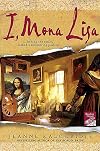
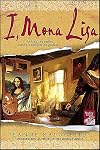
I, Mona Lisa
by Jeanne Kalogridis
On This Page
Description
Set against the drama and danger of 15th-century Florence, "I, Mona Lisa" is an intricately drawn tale that rings through with the captivating voice of Mona Lisa.Tags
Recommendations
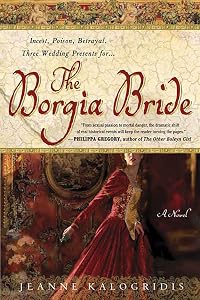


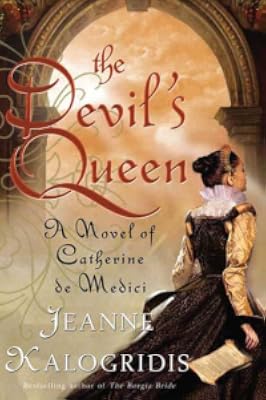
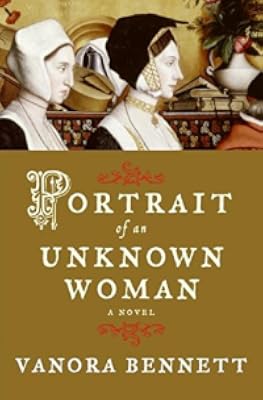
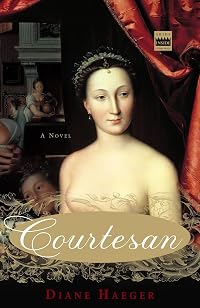



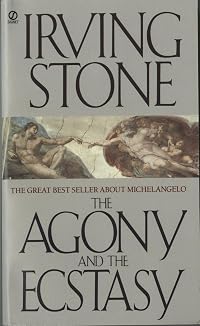

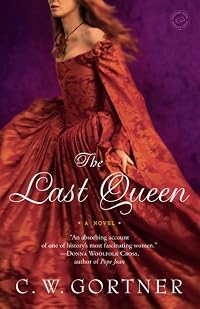
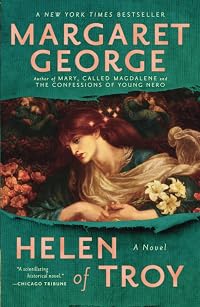
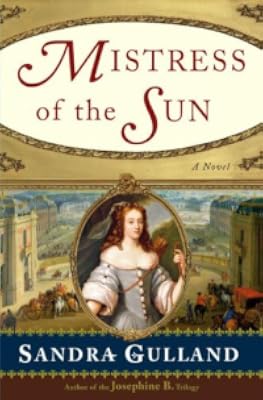
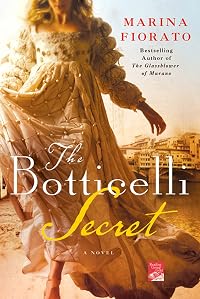
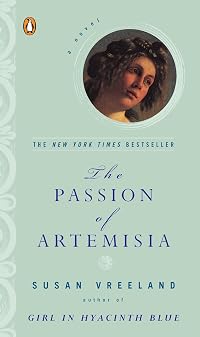

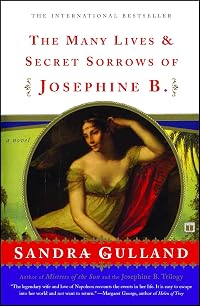

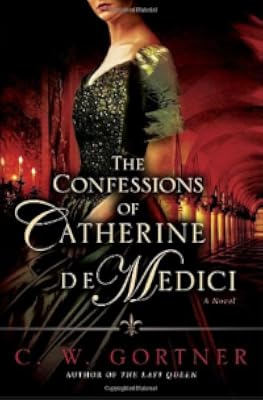
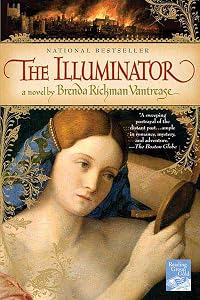
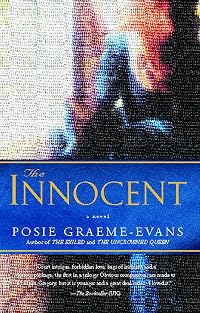


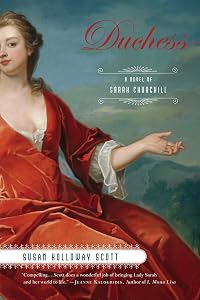
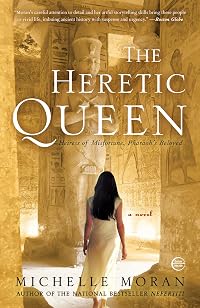
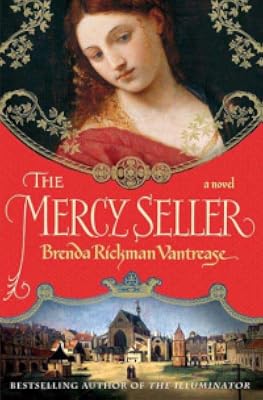
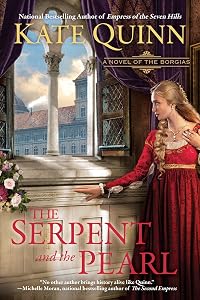
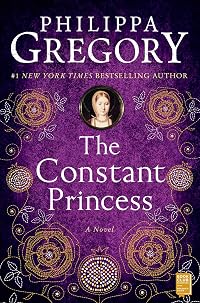


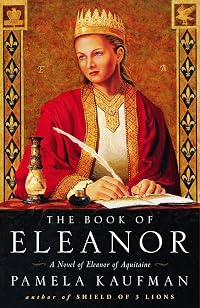


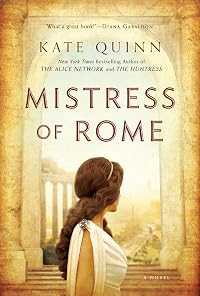




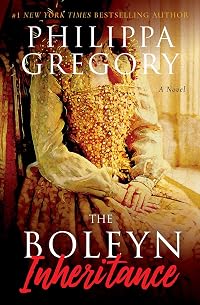
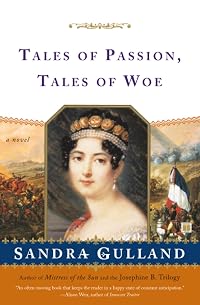
Member Recommendations
Member Reviews
A vividly and plausibly imagined novel of the events that shook the city of Florence to its foundations in the late 15th century.
A lot of the names will be familiar to the casual student of Italian and Renaissance history: Lorenzo and Giuliano de Medici; the Pazzi and the Sforzas; Pope Alexander; Michelangelo; Leonardo da Vinci; Pico da Mirandola; Savonarola; Mona Lisa. For the traveler, streets and places rise like specters in memory: the Via Larga; the Market and the Plaza del Grano; the Signoria; the Baptistry and the Duomo.
While these names and places may be familiar to many, the events that I, Mona Lisa recounts will probably be unfamiliar: the Pazzi Conspiracy, the events surrounding Savonarola and the Bonfire of the Vanities that show more convulsed Florence in the late 1400s. Kalogirdis patiently recounts these events, grounding her narrative in a plausible and vivid historical world. The story immediately begins with Lisa di Antonio Gherardini, the daughter of a prosperous Florentine wool merchant, at the age of about 12 and asking to have her horoscope done, something that was somehow overlooked at her birth. Then the story abruptly shifts to April of 1478, the young brothers Lorenzo and Giuliano de Medici, and the Pazzi Conspiracy. I thought it odd that Kalogirdis would suddenly take the story so far in to the main character's past, before her birth even, and retell the events so vividly, but as I was enjoying the story I trusted the author to have a good reason for doing so, and I let the story carry me along. By the time I was a little over half done with the book, I realized that I couldn't have cut a word of the book out and not seriously harmed the arc of the story; every word, every detail has a purpose and cannot be ignored. Descriptions are succint but evocative, no paragraphs or sentences could be removed wholesale without their absence being acutely felt.
When I finished I, Mona Lisa I actually felt that the author had rushed the ending, as details and story threads she'd been cultivating since page 1 came together suddenly, crisply, and the novel's events moved to a stunning conclusion that nonetheless left me feeling dissatisfied, like the story should be a bit longer and we should linger over the conclusion. And yet real-life events hardly happen that way, there's a lot of leading-up-to and then all of a sudden it's over.
I can see why, and yet I am a bit surprised, this was shelved in the Mystery section of the library. It has a handful of small mysteries at the heart of its plot, but it is not a who-dun-it. Well, sort of. The who-dun-it is not the most important part of the story, even though it is the impetus that propels a few of the characters forward. Sort of. It's a complex set of miniature stories, a river of impressions and experiences and questions, large and small, a literary Arno which carries the characters and the reader on its currents. show less
A lot of the names will be familiar to the casual student of Italian and Renaissance history: Lorenzo and Giuliano de Medici; the Pazzi and the Sforzas; Pope Alexander; Michelangelo; Leonardo da Vinci; Pico da Mirandola; Savonarola; Mona Lisa. For the traveler, streets and places rise like specters in memory: the Via Larga; the Market and the Plaza del Grano; the Signoria; the Baptistry and the Duomo.
While these names and places may be familiar to many, the events that I, Mona Lisa recounts will probably be unfamiliar: the Pazzi Conspiracy, the events surrounding Savonarola and the Bonfire of the Vanities that show more convulsed Florence in the late 1400s. Kalogirdis patiently recounts these events, grounding her narrative in a plausible and vivid historical world. The story immediately begins with Lisa di Antonio Gherardini, the daughter of a prosperous Florentine wool merchant, at the age of about 12 and asking to have her horoscope done, something that was somehow overlooked at her birth. Then the story abruptly shifts to April of 1478, the young brothers Lorenzo and Giuliano de Medici, and the Pazzi Conspiracy. I thought it odd that Kalogirdis would suddenly take the story so far in to the main character's past, before her birth even, and retell the events so vividly, but as I was enjoying the story I trusted the author to have a good reason for doing so, and I let the story carry me along. By the time I was a little over half done with the book, I realized that I couldn't have cut a word of the book out and not seriously harmed the arc of the story; every word, every detail has a purpose and cannot be ignored. Descriptions are succint but evocative, no paragraphs or sentences could be removed wholesale without their absence being acutely felt.
When I finished I, Mona Lisa I actually felt that the author had rushed the ending, as details and story threads she'd been cultivating since page 1 came together suddenly, crisply, and the novel's events moved to a stunning conclusion that nonetheless left me feeling dissatisfied, like the story should be a bit longer and we should linger over the conclusion. And yet real-life events hardly happen that way, there's a lot of leading-up-to and then all of a sudden it's over.
I can see why, and yet I am a bit surprised, this was shelved in the Mystery section of the library. It has a handful of small mysteries at the heart of its plot, but it is not a who-dun-it. Well, sort of. The who-dun-it is not the most important part of the story, even though it is the impetus that propels a few of the characters forward. Sort of. It's a complex set of miniature stories, a river of impressions and experiences and questions, large and small, a literary Arno which carries the characters and the reader on its currents. show less
Love & Loss: The Life of Leonardo’s Lisa
Jeanne Kalogridis' historical fiction masterpiece, I, Mona Lisa, presents in entirety an aura of elegance most intriguing. One minute glimmering with the opulence of Renaissance Florence, the next dripping with the bloodshed of war and personal vendettas. There is no question that the author is one of the finest writers of period literature, leaving no minute detail out. Her pen flourishes as she lavishly paints a very realistic portrait of Florence Italy in it's prime.
Not much is actually known of Lisa di Antonio Gherardini, the young and enchanting woman Leonardo da Vinci chose as his model for the Mona Lisa. With that fact Jeanne Kalogridis could indulge in free liberty, giving herself show more reign to create a character so believable that when you turn the last page, you will feel the author has written a biography. Her Mona Lisa becomes a heroine you will never be able to forget.
At a little over 500 pages the reader immediately becomes immersed in the grandiose city of Florence; it's grand architecture, glorious costumes, and many talented artisans that built magnificent cathedrals, carved life-like marble statues, toiled brushstroke after brushstroke over paintings that graced every church and affluent Florentine home. Readers will revel in the art worlds of Michaelangelo, Botticelli, and of course this story's hero, talented and sweet, Leonardo da Vinci, whom you will see in a different light than you've ever seen him before.
Our smiling Lisa is a young girl when we open the first page. She is the daughter of a wool merchant and a captivating mother who had once caught the eye of Giuliano de Medici, brother of the elite Lorenzo, known as Il Magnifico. Before long Lisa's world is catapulted into many woven tangled webs that include death and deceit, murder and betrayal, love and passion, and mysteries that will take her many years to unravel. She is swept up into the decadent lives of the de Medici family and is taken under their wing, her a mere peasant, mysteriously loved and protected by one the most wealthiest families in Italy. A family of power who one minute relishes in their ability to bring art and culture to their city, yet in another can order a swift slice of a sword that can bring destruction and death without remorse. Lisa learns she has a part to play in their chaotic political games and discovers she may not be who she thought she was. In fact a major part of this riveting tale is the puzzle of who her true father is. Baited, deceived and used as an instrument for religious and politic gain, Lisa time and time again proves to the world she is clever and can match her tormentors eye for eye and come out winning, each and every time they bring her down.
Throughout this marvelous novel, Lisa is tested for her strength and perseverance during many difficult scenarios that bring her love and loss many times over. She learns that all is not always as it seems, and that the ones you love and trust the most, can be the cause of your downfall and destruction, while others you believe are perfect strangers can be secret allies deviously plotting for your success. There is a tiny bit of predictability as the reader can imagine how it will all end but for 90% of this lengthy novel you will totally be enraptured and captivated as the author navigates you into world of Renaissance Italy. I can find no fault with this book and can not give it any higher stars than I am allowed. Standing ovation, for historical fiction this is exquisite! show less
Jeanne Kalogridis' historical fiction masterpiece, I, Mona Lisa, presents in entirety an aura of elegance most intriguing. One minute glimmering with the opulence of Renaissance Florence, the next dripping with the bloodshed of war and personal vendettas. There is no question that the author is one of the finest writers of period literature, leaving no minute detail out. Her pen flourishes as she lavishly paints a very realistic portrait of Florence Italy in it's prime.
Not much is actually known of Lisa di Antonio Gherardini, the young and enchanting woman Leonardo da Vinci chose as his model for the Mona Lisa. With that fact Jeanne Kalogridis could indulge in free liberty, giving herself show more reign to create a character so believable that when you turn the last page, you will feel the author has written a biography. Her Mona Lisa becomes a heroine you will never be able to forget.
At a little over 500 pages the reader immediately becomes immersed in the grandiose city of Florence; it's grand architecture, glorious costumes, and many talented artisans that built magnificent cathedrals, carved life-like marble statues, toiled brushstroke after brushstroke over paintings that graced every church and affluent Florentine home. Readers will revel in the art worlds of Michaelangelo, Botticelli, and of course this story's hero, talented and sweet, Leonardo da Vinci, whom you will see in a different light than you've ever seen him before.
Our smiling Lisa is a young girl when we open the first page. She is the daughter of a wool merchant and a captivating mother who had once caught the eye of Giuliano de Medici, brother of the elite Lorenzo, known as Il Magnifico. Before long Lisa's world is catapulted into many woven tangled webs that include death and deceit, murder and betrayal, love and passion, and mysteries that will take her many years to unravel. She is swept up into the decadent lives of the de Medici family and is taken under their wing, her a mere peasant, mysteriously loved and protected by one the most wealthiest families in Italy. A family of power who one minute relishes in their ability to bring art and culture to their city, yet in another can order a swift slice of a sword that can bring destruction and death without remorse. Lisa learns she has a part to play in their chaotic political games and discovers she may not be who she thought she was. In fact a major part of this riveting tale is the puzzle of who her true father is. Baited, deceived and used as an instrument for religious and politic gain, Lisa time and time again proves to the world she is clever and can match her tormentors eye for eye and come out winning, each and every time they bring her down.
Throughout this marvelous novel, Lisa is tested for her strength and perseverance during many difficult scenarios that bring her love and loss many times over. She learns that all is not always as it seems, and that the ones you love and trust the most, can be the cause of your downfall and destruction, while others you believe are perfect strangers can be secret allies deviously plotting for your success. There is a tiny bit of predictability as the reader can imagine how it will all end but for 90% of this lengthy novel you will totally be enraptured and captivated as the author navigates you into world of Renaissance Italy. I can find no fault with this book and can not give it any higher stars than I am allowed. Standing ovation, for historical fiction this is exquisite! show less
I have mixed feelings about this book. As a piece of historical fiction, the author does a good job in bringing to life late 15th century, but historical fiction usually spurs me on to research, and the author stated that she kept to historical fact as much as she could... but there is nothing in what I read to indicate that Guiliano and Lisa had ever been together.
In fact, in real life, Lisa remained married to her silk merchant husband, and had five children with him. So while the writing and scenery were great, I am bothered by the author changing historical facts about a real=life person for the sake of her story. If you're going to use actual figures in your stories, then please have the basic facts right.
In fact, in real life, Lisa remained married to her silk merchant husband, and had five children with him. So while the writing and scenery were great, I am bothered by the author changing historical facts about a real=life person for the sake of her story. If you're going to use actual figures in your stories, then please have the basic facts right.
I, Mona Lisa is another breathtaking, fabulous historical novel by Jeanne Kalogridis. Bringing a keen eye for detail and a marvelous pen to Renaissance Italy, Kalogridis weaves a compelling tale of jealousy, passion, secrets, lies and power where she attempts to unravel the strange secrets behind Leondardo di Vinci's most famous piece of art.
I, Mona Lisa follows the life of Italian noblewoman Lisa, the subject of de Vinci's Mona Lisa through the tumultuous changes in Italy and the fall of the powerful Medici family. After Lisa's mother dies, she knows life won't ever be the same. Around the same time she meets Giuliano de Medici, and the pair fall in love. Despite her's father's warnings and the growing political undercurrents against show more the Medicis, Lisa marries Guiliano. After his sudden death, Lisa is swept up into the political intrigue and delicately woven plots among the Italian nobility and learns a dark, yet shocking secret about her family.
Written in a clear and passionate voice, I, Mona Lisa a thrilling, well-written picture of the past that keeps readers flipping pages (really, don't let the thickness fool you). This novel gave an interesting spin on a unique approach to the time and its happenings. I particularly enjoyed Kalogridis' depiction of the 15th century, it felt incredibly real and served as the perfect setting for this well-crafted and compelling tale. show less
I, Mona Lisa follows the life of Italian noblewoman Lisa, the subject of de Vinci's Mona Lisa through the tumultuous changes in Italy and the fall of the powerful Medici family. After Lisa's mother dies, she knows life won't ever be the same. Around the same time she meets Giuliano de Medici, and the pair fall in love. Despite her's father's warnings and the growing political undercurrents against show more the Medicis, Lisa marries Guiliano. After his sudden death, Lisa is swept up into the political intrigue and delicately woven plots among the Italian nobility and learns a dark, yet shocking secret about her family.
Written in a clear and passionate voice, I, Mona Lisa a thrilling, well-written picture of the past that keeps readers flipping pages (really, don't let the thickness fool you). This novel gave an interesting spin on a unique approach to the time and its happenings. I particularly enjoyed Kalogridis' depiction of the 15th century, it felt incredibly real and served as the perfect setting for this well-crafted and compelling tale. show less
This was a great holiday read - full of intrigue, mystery and betrayal. While it may not be historically correct, I enjoyed the story that Kalogridise developed to show how the painting of Mona Lisa came into being. Looking forward to reading other books by this author.
This is by far one of my ultimate favourites, it is a book that has it all, history, romance, heartbreak, death and plots that leave you guessing! I literally could not put it down, I loved the love affair between the young Lisa and Guiliano and how their love conquers all in a time of greed, power and determination.
It is set in a time of religious upheaval in 15th Century Florence, and it is based around one of the worlds most famous paintings 'Mona Lisa'. Lisa is the character for which the book is centred around, she grows up in a time of art and culture but while this florishes, so does a romance with the son of the powerful Medici family. They meet, fall in love, marry, but this is short lived as plots are made to destroy the show more Medici's, and that is where the couple are torn apart, as he is believed to be dead! Lisa's fights for his honour and for recognition in a world ruled by power, money and religion. show less
It is set in a time of religious upheaval in 15th Century Florence, and it is based around one of the worlds most famous paintings 'Mona Lisa'. Lisa is the character for which the book is centred around, she grows up in a time of art and culture but while this florishes, so does a romance with the son of the powerful Medici family. They meet, fall in love, marry, but this is short lived as plots are made to destroy the show more Medici's, and that is where the couple are torn apart, as he is believed to be dead! Lisa's fights for his honour and for recognition in a world ruled by power, money and religion. show less
What a great book! The author bring Renaissance Florence to life. The story follows Lisa di Antonio Gherardini as she is caught in a spiral of deceit, love, and murder. Thirteen years before her birth, Giuliano de Medici is assassinated in an attempt to overthrow the Medici power. His brother Lorenzo survives and takes revenge. Upon his death, many years later a fanatic preacher gains popularity and wants to destroy all items that display wealth. Florence and Lisa's family are threatened.
The story is riveting and I could hardly put it down! The history appears factual and feels as if you are in 15th century Florence. The story puts an interesting twist on the famous face painted by Leonardo da Vinci.
Recommended! 4 1/2 stars
The story is riveting and I could hardly put it down! The history appears factual and feels as if you are in 15th century Florence. The story puts an interesting twist on the famous face painted by Leonardo da Vinci.
Recommended! 4 1/2 stars
Members
- Recently Added By
Lists

Historical Fiction
889 works; 91 members

Books set in Firenze (Florence, Italy)
35 works; 1 member

Ten Books Inspired By Paintings
11 works; 2 members
Author Information

51+ Works 14,674 Members
J. M. Dillard lives in the sleepy community of Ojai, California, with her husband and dogs.
Work Relationships
Common Knowledge
- Canonical title
- I, Mona Lisa
- Original title
- I, Mona Lisa
- Alternate titles
- Painting Mona Lisa
- Original publication date
- 2006-11
- People/Characters
- Lisa del Giocondo; Leonardo da Vinci; Giuliano di Lorenzo de Medici; Fra' Gerolamo Savonarola da Ferrara; Lorenzo de' Medici
- Important places
- Florence, Tuscany, Italy; Italy
- Epigraph
- Things that happened many years ago often seem close and nearby to the present, and many things that happened recently seem as ancient as the bygone days of youth.--Leonardo da Vinci, Codex Atlanticus, fol. 29v-a... (show all)>
- Dedication
- For George, forever.
- First words
- My name is Lisa di Antonio Gherardini, though to acquaintances I am known simply as Madonna Lisa, and to those of the common class, Monna Lisa.
- Last words
- (Click to show. Warning: May contain spoilers.)And I will smile.
- Disambiguation notice
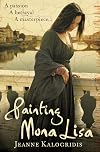
- Published in Britain as: Painting Mona Lisa
Classifications
Statistics
- Members
- 807
- Popularity
- 34,259
- Reviews
- 33
- Rating
- (3.86)
- Languages
- 9 — Dutch, English, French, German, Italian, Portuguese, Romanian, Russian, Spanish
- Media
- Paper, Ebook
- ISBNs
- 22
- UPCs
- 1
- ASINs
- 3