On This Page
Description
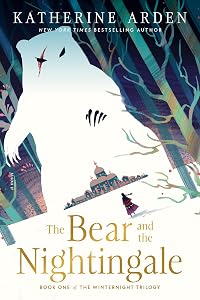
In a village at the edge of the wilderness of northern Russia, where the winds blow cold and the snow falls many months of the year, a stranger with piercing blue eyes presents a new father with a gift - a precious jewel on a delicate chain, intended for his young daughter. Uncertain of its meaning, the father hides the gift away and his daughter, Vasya, grows up a wild, wilful girl, to the chagrin of her family. But when mysterious forces threaten the happiness of their village, Vasya show more discovers that, armed only with the necklace, she may be the only one who can keep the darkness at bay show lessTags
Recommendations





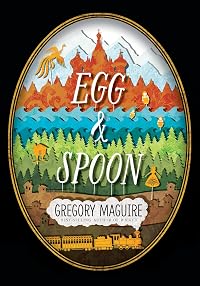

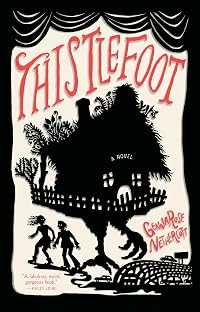
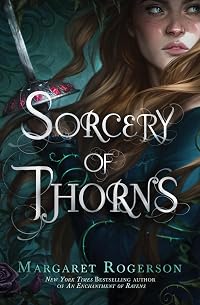
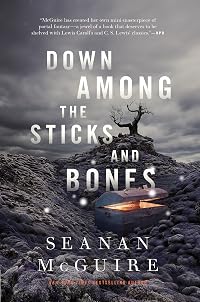

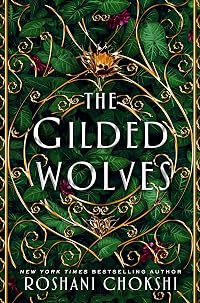
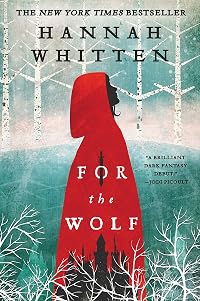
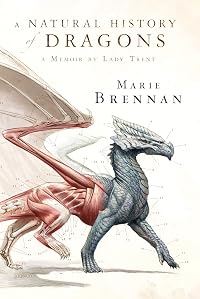
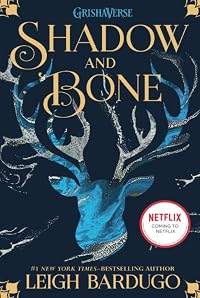


Member Recommendations
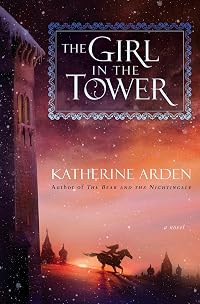
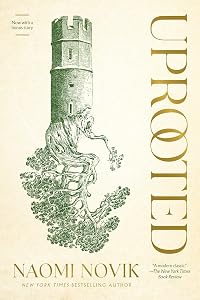
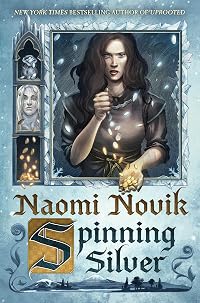
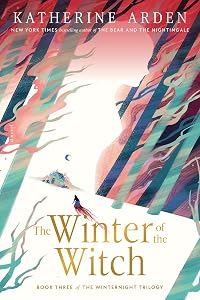
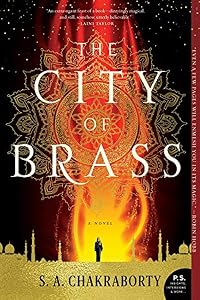
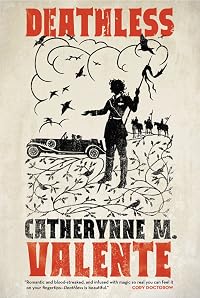
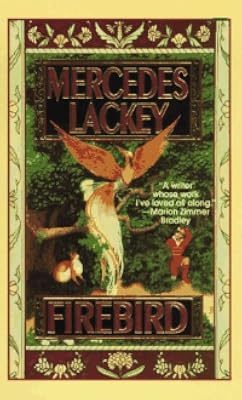
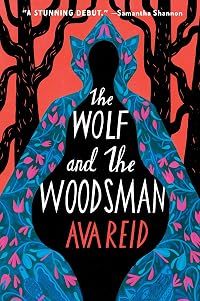
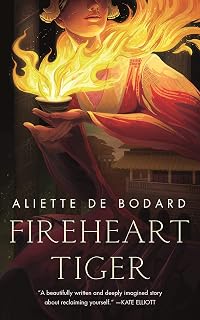
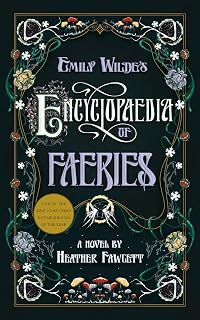
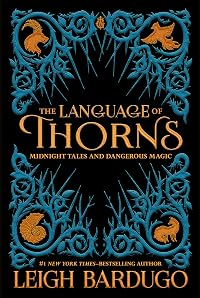
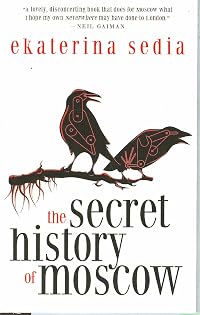
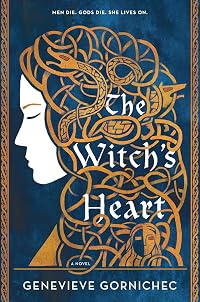
flying_monkeys Both read like novel-length fairy tales based on Russian folklore. Both embrace their cold, wintry setting to superb effect.
50
raizel The books have a similar feel to them, fantasy with a historical background and lots of descriptions of weather.
Member Reviews
“Wild birds die in cages.” (One of my favorite simple, but profound, quotes from the book.)
Ahhhhh, the fourth one's a charm! After three so-so books, The Bear and the Nightingale was a much needed delicious treat.
This well-written Russian fairy tale pulls you in from the first page. I'm not usually a fan of fantasy, but this one was the perfect blend of realism and magic so I felt like I learned something of actual Russian culture in the 1300s, while also totally escaping reality.
I've suspected for a lifetime that I have witch blood flowing through my veins — and many who know me well wholeheartedly agree. Reading about Vasya added another solid layer to my suspicion. I related to her on SO many levels. A fabulous character — an show more intelligent, strong, determined, and passionate woman who loves deeply.
I'm also not usually a fan of series, but I've already ordered the second and third books and can't wait to read them! show less
Ahhhhh, the fourth one's a charm! After three so-so books, The Bear and the Nightingale was a much needed delicious treat.
This well-written Russian fairy tale pulls you in from the first page. I'm not usually a fan of fantasy, but this one was the perfect blend of realism and magic so I felt like I learned something of actual Russian culture in the 1300s, while also totally escaping reality.
I've suspected for a lifetime that I have witch blood flowing through my veins — and many who know me well wholeheartedly agree. Reading about Vasya added another solid layer to my suspicion. I related to her on SO many levels. A fabulous character — an show more intelligent, strong, determined, and passionate woman who loves deeply.
I'm also not usually a fan of series, but I've already ordered the second and third books and can't wait to read them! show less
A lyrical story that seamlessly weaves together history and fiction, religion and folklore, Christian faith and pagan practices to create an epic fantasy adventure. One reviewer compared her to Neil Gaiman and I would certainly agree that it is an apt comparison. Set in the northernmost regions of what is now modern Russia and placed in the turbulen 14th century, Arden writes with such beautiful imagery that one longs to experience life in this world where winter is the dominant season and experience the fierce beauty of it. At the same time the plot is exquisitely intricate and the characters complex and engaging to make this story compelling. Vasya Petronova can 'see' where others cannot and this makes her either a savior, a witch or show more a demon. Those who call her witch unknowingly help the evil that lurks in the forest, the sleeping bear that will devour the world, and it is Vasya's sight and her courage that can save them. But everything has a price and love requires sacrifice and courage is knowing the price and being willing to pay it. Vasya has courage, but in the end it may not be enough. Do yourself a favor and read this book! show less
A beautifully enchanting tale woven together like the plait of a wild maiden, dotted with delicate snowdrops and sapphires. I was so entranced with this novel; it’s mythology, the culture, the time period, all my favorites rolled into one epic story. You can walk through this story like you would the forest landscape, smell the dark bread and honey, feel the warmth of the horse’s flank at your side. The magic so convincing when mixed with early Christianity, the lore is believable, you want it to be true. This is Katherine’s Arden debut novel and I pray that it’s not her last. I never wanted the story to end, I wanted to remain lost in its snowy vastness, stay warmed by the oven fires. If you are a lover of medieval history and show more conjured fantasies, you will absolutely get lost in this book. show less
1. Finally! Some Slavic stuff that isn't (mostly) wikipedia drivel!
2. Everyone downrating this book because it doesn't portray Christians in the positive light you Always Think Christians Should Be Portrayed In ... just ... take a breath. Please don't be ignorant. Christians weren't always the heroes, and it's unfair to expect them to be heroes in every single piece of media on Earth. Especially in books SET in periods when Christians completely destroy other religions.
Like in this book, set in a time where Slavic Pagans with one half of their heart worship the old gods and pray to the spirits of the house and forest, and with the other half are Orthodox Christians. Because ""Christianity won"", history often sides with Christianity. show more This book takes the Pagan side, which is why people get angry. Read with an open mind,; the bad guy is actually a pagan god anyway, so .... . But if you're sensitive to this, best skip this one.
Book content warnings
period-accurate misogyny & sexism
A very, Very, VERY loose retelling of the Slavic/Russian fairy tale, "Vasilisa the Beautiful", this book is very well written, especially for a YA novel. I love the storytelling, old-world style it has, and that fits nicely with the subject!
Ugly Vasilisa's mother dies shortly after she's born. And as she grows, her father, Pyotr, discovers he needs another woman around (""to do some women's work!""). He goes to Moscow on business--and it IS intriguing when the book delves into some good ol' Russian politics--and he brings back a husband for one daughter and a wife for himself. But this wife is like Vasilisa; she can see spirits and demons, like the domovoi who helps protect the house, and the vazila, protector of horses. The difference between stepdaughter and stepmother, though, is that Vasilisa has never found anything threatening about these little spirits, and Anna, the new wife, screams and wails at each one (she was raised Christian).
When a famous monk is sent to protect the house from these demons, this family might lose the protection it needs the coming winter ... because this is the winter an actual Slavic demon has prepared to attack the forest surrounding the house. And all it needs, is someone who can See him.
So interesting setup, but I'm not sure I like the direction the author took the source material in ... There was so much someone could do with Vasilisa the Beautiful ... and instead of writing about Baba Yaga (and come on. it's BABA YAGA!! WRITE ABOUT BABA YAGA) ... she was cut to add a sort-of-romance with Death?? No. Give me Baba Yaga or give me ... wait, no (bad joke, sorry!).
I think this could more be a novel inspired by Vasilisa the Beautiful ... but maybe more so Russian folklore in general (I'm REALLY finicky because I love Slavic/Polish paganism. And while I'm not any expert in Russian folklore specifically, I CAN say this was Very Well researched compared to soooo many other Slavic YA books on the market right now. I won't name names.).
As I said before, the writing is really fitting for a retelling (and the cover, wow!). The beginning and the end are stunning as well, but the middle drags. Unfortunately, it's also by far the largest chunk of the book. For a while I'm not really sure what's happening plot-wise; it's just a bunch of PoV's thrown together, and a lot of the same things keep happening without much moving forward. But stay with it till the end, and you see that lovely ending.
I'll read on ... because maybe, just maybe ... there'll be Baba Yaga ... show less
2. Everyone downrating this book because it doesn't portray Christians in the positive light you Always Think Christians Should Be Portrayed In ... just ... take a breath. Please don't be ignorant. Christians weren't always the heroes, and it's unfair to expect them to be heroes in every single piece of media on Earth. Especially in books SET in periods when Christians completely destroy other religions.
Like in this book, set in a time where Slavic Pagans with one half of their heart worship the old gods and pray to the spirits of the house and forest, and with the other half are Orthodox Christians. Because ""Christianity won"", history often sides with Christianity. show more This book takes the Pagan side, which is why people get angry. Read with an open mind,
Book content warnings
period-accurate misogyny & sexism
A very, Very, VERY loose retelling of the Slavic/Russian fairy tale, "Vasilisa the Beautiful", this book is very well written, especially for a YA novel. I love the storytelling, old-world style it has, and that fits nicely with the subject!
Ugly Vasilisa's mother dies shortly after she's born. And as she grows, her father, Pyotr, discovers he needs another woman around (""to do some women's work!""). He goes to Moscow on business--and it IS intriguing when the book delves into some good ol' Russian politics--and he brings back a husband for one daughter and a wife for himself. But this wife is like Vasilisa; she can see spirits and demons, like the domovoi who helps protect the house, and the vazila, protector of horses. The difference between stepdaughter and stepmother, though, is that Vasilisa has never found anything threatening about these little spirits, and Anna, the new wife, screams and wails at each one (she was raised Christian).
When a famous monk is sent to protect the house from these demons, this family might lose the protection it needs the coming winter ... because this is the winter an actual Slavic demon has prepared to attack the forest surrounding the house. And all it needs, is someone who can See him.
So interesting setup, but I'm not sure I like the direction the author took the source material in ... There was so much someone could do with Vasilisa the Beautiful ... and instead of writing about Baba Yaga (and come on. it's BABA YAGA!! WRITE ABOUT BABA YAGA) ... she was cut to add a sort-of-romance with Death?? No. Give me Baba Yaga or give me ... wait, no (bad joke, sorry!).
I think this could more be a novel inspired by Vasilisa the Beautiful ... but maybe more so Russian folklore in general (I'm REALLY finicky because I love Slavic/Polish paganism. And while I'm not any expert in Russian folklore specifically, I CAN say this was Very Well researched compared to soooo many other Slavic YA books on the market right now. I won't name names.).
As I said before, the writing is really fitting for a retelling (and the cover, wow!). The beginning and the end are stunning as well, but the middle drags. Unfortunately, it's also by far the largest chunk of the book. For a while I'm not really sure what's happening plot-wise; it's just a bunch of PoV's thrown together, and a lot of the same things keep happening without much moving forward. But stay with it till the end, and you see that lovely ending.
I'll read on ... because maybe, just maybe ... there'll be Baba Yaga ... show less
Gorgeous and lyrical. Arden reimagines the Russian fairy tale of Vasilisa the Beautiful but melds it with traditional stories of the fey folk. Instead of a doll, Vasilisa has brownies, and nymphs, and dryads, and others. I loved this melding of different folk tales, and it added depth to Vasya's story, that she have the sight and able to see the magical creatures, and that this is placed into context of the Christianity causing the old ways to die.
As is true of Russian literature, this is not a light book. There is an air of oppressive darkness throughout, which is in line with the harsh winters and the danger of death through cold or starvation -- even before the addition of a mythical Bear-demon who creates undead vampire wraiths.
I show more read this book slowly, though it is not very long. The plot is not quick and I did not want to rush it. Arden takes the time to set the stage and it is a slow build -- so slow, in fact, that when the book's denouement arrived, it was over too quickly. I wanted more; I wanted to spend more time with these characters and to see what happens next to Vasya.
This is Arden's debut book and I'm very impressed. I look forward to seeing what else she writes.
Review copy courtesy of the publisher via Netgalley. show less
As is true of Russian literature, this is not a light book. There is an air of oppressive darkness throughout, which is in line with the harsh winters and the danger of death through cold or starvation -- even before the addition of a mythical Bear-demon who creates undead vampire wraiths.
I show more read this book slowly, though it is not very long. The plot is not quick and I did not want to rush it. Arden takes the time to set the stage and it is a slow build -- so slow, in fact, that when the book's denouement arrived, it was over too quickly. I wanted more; I wanted to spend more time with these characters and to see what happens next to Vasya.
This is Arden's debut book and I'm very impressed. I look forward to seeing what else she writes.
Review copy courtesy of the publisher via Netgalley. show less
Set in a bitterly cold winter in a small medieval village in Russia, The Bear and the Nightingale by Katherine Arden is full of Russian fairytales and folktales. The villagers have been making offerings to the household spirits for generations and are wary of what dwells in the dense forests.
However the arrival of a new priest from Moscow changes the household completely as magic is essentially outlawed and the Christian Priest Konstantin is intent on purging devils and witches from the town.
The villagers are forced to choose between their Christian beliefs and salvation or their mystic traditions of old and certain damnation.
Unfortunately for our protagonist Vasya, Konstantin is frighteningly effective:
"His voice was like thunder, yet show more he placed each syllable like Dunya setting stitches. Under his touch, the words came alive. His voice was deep as rivers in spring. He spoke to them of life and death, of God and of sin. He spoke of things they did not know, of devils and torments and temptation. He called it up before their eyes so that they saw themselves submitting to the judgment of God, and saw themselves damned and flung down.
As he chanted, Konstantin pulled the crowd to him until they echoed his words in a daze of fascinated terror. He drove them on and on with the supple lash of his voice until their answering voices broke and they listened like children frightened during a thunderstorm. Just as they were on the verge of panic - or rapture - his voice gentled." Page 149
Vasya knows the harm that will come if the old traditions aren't upheld and risks her life to save her family despite their distrust of her abilities. Vasya's connection with horses was one of my favourite elements of the book, and reminded me of Poison Study by Maria V Snyder.
According to her father Pyotr, Vasya is destined for either marriage or a convent and she vehemently wants neither. Convinced the villagers are in trouble, Vasya will do anything for agency over her life:
"I am told how I will live, and I am told how I must die. I must be a man's servant and a mare for his pleasure, or I must hide myself behind walls and surrender my flesh to a cold, silent god. I would walk into the jaws of hell itself, if it were a path of my own choosing. I would rather die tomorrow in the forest than live a hundred years of the life appointed me. Please." Page 367
The Bear and the Nightingale by Katherine Arden is a coming of age story and a tribute to storytelling and fairytale. I really enjoy a novel that blends historical fiction in a tale inspired by folkore so if you enjoy books by Kate Forsyth or Naomi Novik, you'll love this.
It's difficult to believe this is the author's debut with descriptions like this one:
"The winter half of the house boasted huge ovens and small, high windows. A perpetual smoke trickled from its chimneys, and at the first hard freeze, Pyotr fitted its window-frames with slabs of ice, to block the cold but let in the light. Now firelight from his wife's room threw a flickering bar of gold onto the snow." Page 13
The Bear and the Nightingale by Katherine Arden is the first in the Winternight trilogy, and I look forward to reading The Girl In The Tower next. show less
However the arrival of a new priest from Moscow changes the household completely as magic is essentially outlawed and the Christian Priest Konstantin is intent on purging devils and witches from the town.
The villagers are forced to choose between their Christian beliefs and salvation or their mystic traditions of old and certain damnation.
Unfortunately for our protagonist Vasya, Konstantin is frighteningly effective:
"His voice was like thunder, yet show more he placed each syllable like Dunya setting stitches. Under his touch, the words came alive. His voice was deep as rivers in spring. He spoke to them of life and death, of God and of sin. He spoke of things they did not know, of devils and torments and temptation. He called it up before their eyes so that they saw themselves submitting to the judgment of God, and saw themselves damned and flung down.
As he chanted, Konstantin pulled the crowd to him until they echoed his words in a daze of fascinated terror. He drove them on and on with the supple lash of his voice until their answering voices broke and they listened like children frightened during a thunderstorm. Just as they were on the verge of panic - or rapture - his voice gentled." Page 149
Vasya knows the harm that will come if the old traditions aren't upheld and risks her life to save her family despite their distrust of her abilities. Vasya's connection with horses was one of my favourite elements of the book, and reminded me of Poison Study by Maria V Snyder.
According to her father Pyotr, Vasya is destined for either marriage or a convent and she vehemently wants neither. Convinced the villagers are in trouble, Vasya will do anything for agency over her life:
"I am told how I will live, and I am told how I must die. I must be a man's servant and a mare for his pleasure, or I must hide myself behind walls and surrender my flesh to a cold, silent god. I would walk into the jaws of hell itself, if it were a path of my own choosing. I would rather die tomorrow in the forest than live a hundred years of the life appointed me. Please." Page 367
The Bear and the Nightingale by Katherine Arden is a coming of age story and a tribute to storytelling and fairytale. I really enjoy a novel that blends historical fiction in a tale inspired by folkore so if you enjoy books by Kate Forsyth or Naomi Novik, you'll love this.
It's difficult to believe this is the author's debut with descriptions like this one:
"The winter half of the house boasted huge ovens and small, high windows. A perpetual smoke trickled from its chimneys, and at the first hard freeze, Pyotr fitted its window-frames with slabs of ice, to block the cold but let in the light. Now firelight from his wife's room threw a flickering bar of gold onto the snow." Page 13
The Bear and the Nightingale by Katherine Arden is the first in the Winternight trilogy, and I look forward to reading The Girl In The Tower next. show less
At the edge of the Russian wilderness, winter lasts most of the year. Vasilia isn’t bothered much by the amount of time she has to spend indoors, because she gets to listen to her nurse’s fairy tales while huddled around the fire with her family.
After Vailisa’s mother dies, her father goes to Moscow and brings home a new wife. Vasilia’s new stepmother forbids the family from honoring the household spirits - all the family follows, except for Vasilia, who can see the spirits, knows they must continue. But because the others have stopped, crops begin to fail, evil creatures come closer and closer to their house and village. All the while, Vasilisa’s stepmother is determined to groom the rebelliousness out of Vasilisa in order show more to marry her off or ship her off for a life in a convent.
I did mostly listen to this in audiobook because I wanted to make sure I could pronounce the Russian names correctly - I was not the first two chapters of the book - but the narrations of Katheleen Gati were amazing and really put me into the storyline of Katherine Arden.
Arden did a fantastic job of taking us on a journey into this magical, historical world of Russian folklore, mythology, and fairytales. She does amazing at teleporting you into the cold, bitter frost of their winters. It’s also so very much a page turner that keeps you hooked from the very beginning - a little slow, but still a page turner. I’m pretty excited to continue on with the series.
Overall, I highly recommend this book to those who love a good historical fiction mixed with mythology and folklore. This is also a good book to read curled up under a thick blanket with a warm drink in hand too. show less
After Vailisa’s mother dies, her father goes to Moscow and brings home a new wife. Vasilia’s new stepmother forbids the family from honoring the household spirits - all the family follows, except for Vasilia, who can see the spirits, knows they must continue. But because the others have stopped, crops begin to fail, evil creatures come closer and closer to their house and village. All the while, Vasilisa’s stepmother is determined to groom the rebelliousness out of Vasilisa in order show more to marry her off or ship her off for a life in a convent.
I did mostly listen to this in audiobook because I wanted to make sure I could pronounce the Russian names correctly - I was not the first two chapters of the book - but the narrations of Katheleen Gati were amazing and really put me into the storyline of Katherine Arden.
Arden did a fantastic job of taking us on a journey into this magical, historical world of Russian folklore, mythology, and fairytales. She does amazing at teleporting you into the cold, bitter frost of their winters. It’s also so very much a page turner that keeps you hooked from the very beginning - a little slow, but still a page turner. I’m pretty excited to continue on with the series.
Overall, I highly recommend this book to those who love a good historical fiction mixed with mythology and folklore. This is also a good book to read curled up under a thick blanket with a warm drink in hand too. show less
Members
- Recently Added By
Lists

Best Fantasy Novels
821 works; 361 members

Recommend the 20 best books you've read in the last five years
2,168 works; 607 members

Favorite Fairy Tale Retellings
210 works; 62 members

Best 21st Century Books (So Far)
679 works; 86 members

2018 Hugo Eligible Novels
170 works; 16 members

Female Protagonist
1,056 works; 57 members
Female Author
1,234 works; 67 members

Top Five Books of 2018
802 works; 265 members

Favourite Fantasy Books of the 21st Century
51 works; 6 members
Top Five Books of 2017
757 works; 231 members

Historical Fantasy
93 works; 14 members

Books Read in 2017
4,249 works; 130 members

Animals in the Title
498 works; 11 members

Religion in Fantasy and Horror
38 works; 9 members

Books Read in 2023
5,638 works; 147 members
Speculative Fiction to Read
706 works; 32 members

Kirkus Starred Fiction Reviews of Books Published in 2017
412 works; 7 members
Overdue Podcast
808 works; 9 members

Favorite Books from the 2010s
76 works; 4 members
First Novels
373 works; 17 members

Books Read in 2022
5,226 works; 115 members

Recommended Speculative Fiction by Women and People of Color
298 works; 45 members

Main Character is aged 10-19
363 works; 6 members

Books Read in 2020
4,379 works; 124 members

Hugo Award 2019 Reading List
126 works; 4 members

Set in the Middle Ages
42 works; 9 members

TBR of Books I Don't Own
132 works; 1 member

Top Romantasy Books
9 works; 1 member
Book Worlds We'd Like To Visit
322 works; 158 members

Top Five Books of 2024
795 works; 264 members

Books Read in 2024
4,727 works; 128 members

Books We Want To Read Again For The First Time
384 works; 160 members
Favorite Fairy Tales
269 works; 103 members

2017 Science Fiction and Fantasy I'm Looking Forward To
46 works; 6 members

Recommend Fantasy Books
100 works; 1 member

Rethinking Myths and Fairy Tales
13 works; 1 member

Witch Hunts
30 works; 7 members
BookTok Adult
115 works; 2 members

2010s
241 works; 3 members

To Read
617 works; 7 members
Books Read in 2018
4,360 works; 110 members

al.vick-wishlist-YA
127 works; 3 members
Five star books
1,767 works; 110 members
Author Information

Katherine Arden is an American writer, born in Austin, Texas. She graduated from Middlebury College in 2011 with degrees in French and Russian. Before becoming a writer, she worked on a farm in Hawaii and as a teaching assistant at a boarding school in the French Alps. Her first book was published in 2017, The Bear and the Nightingale. Her other show more books include The Girl in the Tower, The Winter of the Witch, and Small Spaces. show less
Some Editions
Awards and Honors
Awards
Distinctions
Series

Work Relationships
Is contained in
Has as a study
Common Knowledge
- Canonical title
- The Bear and the Nightingale
- Original title
- The Bear and the Nightingale
- Original publication date
- 2017-01-10
- People/Characters
- Vasilisa "Vasya" Petrovna; Pyotr Vladimirovich; Olga Vladimirova; Nikolai "Kolya" Petrovich; Aleksandr "Sasha" Petrovich; Aleksei "Alyosha" "Lyoshka" Petrovich (show all 35); Marina "Marushka" Ivanovna; Avdotya "Dunya" "Dunyashka" Mikhailovna; Anna Ivanovna; Irina Petrovna; Konstantin Nikonovich; Father Semyon; Ivan II; Dmitrii Ivanovich; Vladimir Andreevich, Prince of Serpukhov; Aleksei, Metropolitan of Moscow; Sergei Radonezhsky; Timofei; Kyril Artamonovich; Seryozha Nikolaevich; Ogon; Mysh; Buran; Solovey; Medved "the Bear"; Morozko; White Mare; vazila; domovoi; Leshy; rusalka; vodianoy; dvorovoi; bolotnik; bannik
- Important places
- Lesnaya Zemlya, Northern Rus'; Moscow, Russia
- Epigraph
- By the shore of the sea stands a green oak tree;
Upon the tree is a golden chain:
And day and night a learned cat
Walks around and around on the chain;
When he goes to the right he sings a song,
When he goes to... (show all) the left he tells a tale.
-A.S. Pushkin - Dedication
- To my mother
with love - First words
- It was late winter in northern Rus', the air sullen with wet that was neither rain nor snow.
- Last words
- (Click to show. Warning: May contain spoilers.)The door opened. "Come in, Vasya," Morozko said. "It is cold."
- Publisher's editor
- Hershey, Jennifer
- Blurbers
- Hobb, Robin; Novik, Naomi; Brooks, Terry; Pierce, Tamora
- Original language
- English
- Canonical DDC/MDS
- 813.6
- Canonical LCC
- PS3601.R42
Classifications
Statistics
- Members
- 6,546
- Popularity
- 1,861
- Reviews
- 323
- Rating
- (4.04)
- Languages
- 12 — Chinese, Czech, Dutch, English, French, German, Hungarian, Italian, Korean, Polish, Spanish, Portuguese (Portugal)
- Media
- Paper, Audiobook, Ebook
- ISBNs
- 41
- ASINs
- 13
