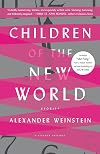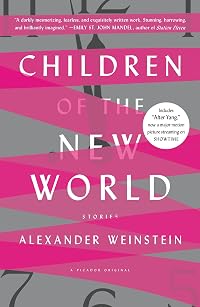
Children of the New World: Stories
by Alexander Weinstein
On This Page
Description
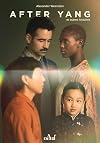
AN EXTRAORDINARILY RESONANT AND PROPHETIC COLLECTION OF SPECULATIVE SHORT FICTION FOR OUR TECH-SAVVY ERA BY DEBUT AUTHOR ALEXANDER WEINSTEINChildren of the New World introduces listeners to a near-future world of social media implants, memory manufacturers, dangerously immersive virtual reality games, and alarmingly intuitive robots. Many of these characters live in a utopian future of instant connection and technological gratification that belies an unbridgeable human distance, while others show more inhabit a post-collapse landscape made primitive by disaster, which they must work to rebuild as we once did millennia ago.In "The Cartographers," the main character works for a company that creates and sells virtual memories, while struggling to maintain a real-world relationship sabotaged by an addiction to his own creations. In "Saying Goodbye to Yang," the robotic brother of an adopted Chinese child malfunctions, and only in his absence does the family realize how real a son he has become.Children of the New World grapples with our unease in this modern world and how our ever-growing dependence on new technologies has changed the shape of our society. Alexander Weinstein is a visionary new voice in speculative fiction for all of us who are fascinated by and terrified of what we might find on the horizon.. show less
Tags
Recommendations




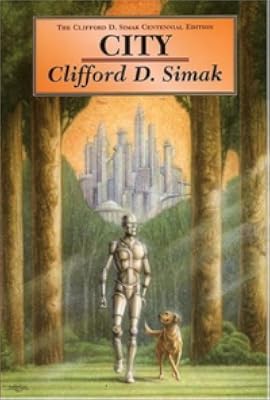
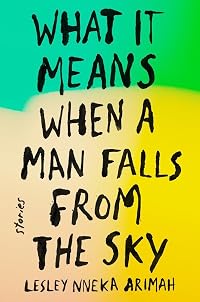
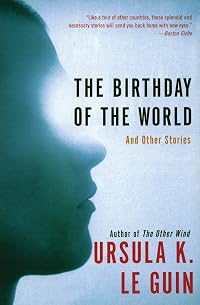
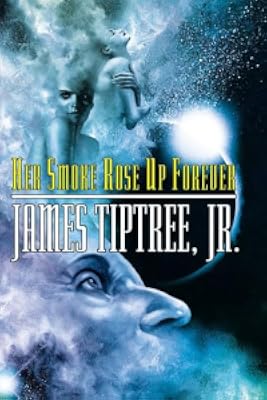


Member Recommendations

Member Reviews
13 somewhat connected stories about the possible future(s) - the connections are minimal and if you are not looking for them, you may miss them. They are not needed - each story stands on its own but they make it clear that we are looking at the same future and not just separate independent ideas. And Weinstein's idea of where we are heading is somewhat scary - between the technology and humans being humans, the future is not a very happy place.
In Saying Goodbye to Yang, a family had purchased an android, Yang, to help with keeping the culture of their adopted daughter's real parents alive. And one day Yang malfunctions throwing the whole family into examining their own reactions to him - not very unexpectedly what was supposed to be a show more machine had turned into a son. I loved the introduction of the neighbors and their interactions with the family - it is not just machines that one does not see when they do not look under the surface.
In The Cartographers 3 friends have a very successful business of selling memories - strap yourself in a chair and you can be back where you want to be. Except they seem to be getting too good for their own sake - separating reality from what they produce is not always easy - after all they succeeded because their memories were so real. The ending was devastating in more than one way - even if one could have seen it coming if they allowed themselves to.
Heartland plays on the love for the land - what really matters when we talk about the land and what happens to the jobs connected to the land when the top soil disappears. And when a man is that disillusioned, can he be the slayer of monsters for his children - or does he turn into one of the monsters?
Excerpts from The New World Authorized Dictionary is exactly what it says on the tin - a few records from a dictionary where the usage examples are from the late 2020s -- showing the world in its downfall. On its own it is a pure speculative piece - a list of ideas - but it also adds some of the connections and support for the other stories.
Moksha has a young man looking for enlightenment in Nepal - as generations of people had done - except that the usual drugs are replaced with technology of course. It was the weakest story for me - both predictable and almost boring.
Children of the New World is a cautionary tale about virtual reality and the risks in getting too attached in it. It is a lyrical and sad piece about what makes us human. I am not surprised that this ended up being the title of the whole collection - in some ways, this is also the most relatable story as well.
Fall Line took me by surprise. A professional extreme skier who ended his career after a really bad fall is trying to survive while the snow seems to be disappearing from the places it always had been falling. It is a life of waiting - people waiting for him to come back, everyone waiting for the snow to come back. Until it does.
A Brief History of the Failed Revolution is an pseudo-academic article (with footnotes and sources) about consciousness in the era of connections. It's very short and just as the Dictionary story earlier in the collection, it is all about the ideas.
Migration is another story of the submersion of the real world into the virtual and what happens when you chose the virtual to be your real one. Similar to Children of the New World in some ways but less nostalgic and sad.
The Pyramid and the Ass shows a world where reincarnation had become common place and not improved things much. What happens if a memory from a life that could not have been start intruding on your consciousness?
Rocket Night was the most horrific of the future tales in this collection and it managed to achieve it without even trying to present anything bad. Once a year, the least liked child in a school is strapped into a rocket and sent to the sky. It is a very short tale and it is not even that action which sends the shivers down one's spine - it is the narrator's attitude towards it.
Openness deals with what happens when you open all your thoughts and dreams to your partner. Ensuring one's privacy is one of the things we are all very conscious about and this story takes that to a possible ending.
Ice Age is set further into the future that all the other tales and probably some time after Fall Line - there are enough indications that the snow that started at the end of the previous story had led to the conditions in this one. The snow just started and never stopped and now the survivors live on top of the packed snow - trying to survive in the few places where it seems possible. Except that one family seems to refuse to fall in line with the rules - and everyone else decides it is time to do something about it. Until it turns out that humans are humans - in all possible way.
An enjoyable collection which makes one think about where we are heading. I am sure everyone is sure that none of these stories will ever be possible - but look deeply into it and you may realize that the kernels for each of them are in our past already. show less
In Saying Goodbye to Yang, a family had purchased an android, Yang, to help with keeping the culture of their adopted daughter's real parents alive. And one day Yang malfunctions throwing the whole family into examining their own reactions to him - not very unexpectedly what was supposed to be a show more machine had turned into a son. I loved the introduction of the neighbors and their interactions with the family - it is not just machines that one does not see when they do not look under the surface.
In The Cartographers 3 friends have a very successful business of selling memories - strap yourself in a chair and you can be back where you want to be. Except they seem to be getting too good for their own sake - separating reality from what they produce is not always easy - after all they succeeded because their memories were so real. The ending was devastating in more than one way - even if one could have seen it coming if they allowed themselves to.
Heartland plays on the love for the land - what really matters when we talk about the land and what happens to the jobs connected to the land when the top soil disappears. And when a man is that disillusioned, can he be the slayer of monsters for his children - or does he turn into one of the monsters?
Excerpts from The New World Authorized Dictionary is exactly what it says on the tin - a few records from a dictionary where the usage examples are from the late 2020s -- showing the world in its downfall. On its own it is a pure speculative piece - a list of ideas - but it also adds some of the connections and support for the other stories.
Moksha has a young man looking for enlightenment in Nepal - as generations of people had done - except that the usual drugs are replaced with technology of course. It was the weakest story for me - both predictable and almost boring.
Children of the New World is a cautionary tale about virtual reality and the risks in getting too attached in it. It is a lyrical and sad piece about what makes us human. I am not surprised that this ended up being the title of the whole collection - in some ways, this is also the most relatable story as well.
Fall Line took me by surprise. A professional extreme skier who ended his career after a really bad fall is trying to survive while the snow seems to be disappearing from the places it always had been falling. It is a life of waiting - people waiting for him to come back, everyone waiting for the snow to come back. Until it does.
A Brief History of the Failed Revolution is an pseudo-academic article (with footnotes and sources) about consciousness in the era of connections. It's very short and just as the Dictionary story earlier in the collection, it is all about the ideas.
Migration is another story of the submersion of the real world into the virtual and what happens when you chose the virtual to be your real one. Similar to Children of the New World in some ways but less nostalgic and sad.
The Pyramid and the Ass shows a world where reincarnation had become common place and not improved things much. What happens if a memory from a life that could not have been start intruding on your consciousness?
Rocket Night was the most horrific of the future tales in this collection and it managed to achieve it without even trying to present anything bad. Once a year, the least liked child in a school is strapped into a rocket and sent to the sky. It is a very short tale and it is not even that action which sends the shivers down one's spine - it is the narrator's attitude towards it.
Openness deals with what happens when you open all your thoughts and dreams to your partner. Ensuring one's privacy is one of the things we are all very conscious about and this story takes that to a possible ending.
Ice Age is set further into the future that all the other tales and probably some time after Fall Line - there are enough indications that the snow that started at the end of the previous story had led to the conditions in this one. The snow just started and never stopped and now the survivors live on top of the packed snow - trying to survive in the few places where it seems possible. Except that one family seems to refuse to fall in line with the rules - and everyone else decides it is time to do something about it. Until it turns out that humans are humans - in all possible way.
An enjoyable collection which makes one think about where we are heading. I am sure everyone is sure that none of these stories will ever be possible - but look deeply into it and you may realize that the kernels for each of them are in our past already. show less
"a comeback story without a comeback"
(Full disclosure: I received a free ARC for review through Goodreads.)
We were like babies. Like Adam and Eve, some said. We reached out toward one another to see how skin felt; we let our neighbors' hands run across our arms. In this world, we seemed to understand, we were free to experience a physical connection that we'd always longed for in the real world but had never been able to achieve. Who can blame us for being reckless?
("Children of the New World")
Publicly, we sold memories under Quimbly, Barrett & Woods, but when it was just the three of us, working late into the night, we thought of ourselves as mapmakers. [...] Here was the ocean, here the ships, here the hotel, here the path that led to show more town, here the street vendors, here the memories of children we never had and parents much better than the ones we did. And far out there was the edge of the world.
("The Cartographers")
It's not often that I'm so truly and hopelessly blown away by a collection of short stories. Anthologies with multiple contributors are almost always a little choppy, and even those written by a single author tend to be a mixed bag. But Alexander Weinstein? He works some serious magic in Children of the New World.
The thirteen stories found within these pages are beautiful, imaginative, and deeply unsettling. Together, they create a portrait of a future beholden to technology: where consumers willingly and happily abandon memories based on fact in favor kinder, gentler fictions; where humans rarely leave the virtual world, let alone their houses; where people fornicate like mad but reproduce through cloning - and sometimes even programming. Where lovers can peel back all their layers - metaphorically and literally - and grant their partners access to every fleeting thought, emotion, and memory. Where even the apocalypse is powerless to break the hold that mere things - Lego toys and Kitchenaid mixers - exert over us.
I fell in love with most of the stories, and liked the rest well enough; not a single one rated less than 4/5 stars. Usually it's hard for me to play favorites, but I definitely have mine here. In "Saying Goodbye to Yang," Jim and Kyra adopt a little girl from China rather than clone themselves, as is all the rage in the U.S. To help bridge the cultural gap, they also purchase Yang, a sort of babysitter android programmed to speak Mandarin and teach Mika about her homeland. When Mika's "Big Brother" malfunctions, the narrator and his wife are made to recognize the central role Yang played in their lives - and his fundamental humanity. "Children of the Real World" also deals with parental grief, though of a much different (and even less socially acceptable) sort. I don't have kids, but I've loved and lost many dogs over the years - and the guardian in me can definitely relate.
In this vein, "The Cartographers" is also melancholy AF, though you don't quite realize how much so until the very end. As with "Children of the New World," the tenuous line between what's real and what's not forms the emotional core of the story. How I long to say more, but spoilers!
On the unsettling end of the spectrum are "Migration" and "Rocket Night," in which parents consider selling photos of them online; and actually do put their kids in rocket ships and shoot them into the stars. I didn't quite get the second story, though I suspect it's symbolic of our tendency to sacrifice the "lesser" among us for the greater good - but just what that good consists of, I'm not sure. Or perhaps it has more to do with distancing ourselves from tragedy?
What's especially interesting about this collection is that, while each story is its own discrete entity, they come together in strange and unexpected ways. This could be the same 'verse, or the same 'verse at different points in time. Or it could be many different parallel universes, separated only by the delicate flutter of a butterfly's wings. Or maybe (just maybe!) a judge's ruling that consciousness is, indeed, privately owned ("Failed Revolution").
Not even all of these are stories per se; "Failed Revolution" is a yarn masquerading as an academic paper, while the surprisingly funny (and feminist!) "Excerpts from The New World Authorized Dictionary" consists of several terms (brainflea, mushing, togging) and their definitions.
Whatever form the story assumes, Weinstein's writing is graceful and lovely, earnest and thoughtful, and disturbing on so many levels. These stories are guaranteed to make you think - well into the wee hours of the morning. If you love speculative fiction or consider yourself a tech geek, you owe it to yourself to meet the Children of the New World.
Saying Goodbye to Yang - 5/5
The Cartographers - 5/5
Heartland - 5/5
Excerpts from The New World Authorized Dictionary - 5/5
Moksha - 4/5
The
Children of the New World - 5/5
Fall Line - 4/5
A Brief History of the Failed Revolution - 4/5
Migration - 5/5
The Pyramid and the Ass - 4/5
Rocket Night - 4/5
Openness - 5/5
Ice Age - 5/5
http://www.easyvegan.info/2016/09/23/children-of-the-new-world-by-alexander-wein... show less
(Full disclosure: I received a free ARC for review through Goodreads.)
We were like babies. Like Adam and Eve, some said. We reached out toward one another to see how skin felt; we let our neighbors' hands run across our arms. In this world, we seemed to understand, we were free to experience a physical connection that we'd always longed for in the real world but had never been able to achieve. Who can blame us for being reckless?
("Children of the New World")
Publicly, we sold memories under Quimbly, Barrett & Woods, but when it was just the three of us, working late into the night, we thought of ourselves as mapmakers. [...] Here was the ocean, here the ships, here the hotel, here the path that led to show more town, here the street vendors, here the memories of children we never had and parents much better than the ones we did. And far out there was the edge of the world.
("The Cartographers")
It's not often that I'm so truly and hopelessly blown away by a collection of short stories. Anthologies with multiple contributors are almost always a little choppy, and even those written by a single author tend to be a mixed bag. But Alexander Weinstein? He works some serious magic in Children of the New World.
The thirteen stories found within these pages are beautiful, imaginative, and deeply unsettling. Together, they create a portrait of a future beholden to technology: where consumers willingly and happily abandon memories based on fact in favor kinder, gentler fictions; where humans rarely leave the virtual world, let alone their houses; where people fornicate like mad but reproduce through cloning - and sometimes even programming. Where lovers can peel back all their layers - metaphorically and literally - and grant their partners access to every fleeting thought, emotion, and memory. Where even the apocalypse is powerless to break the hold that mere things - Lego toys and Kitchenaid mixers - exert over us.
I fell in love with most of the stories, and liked the rest well enough; not a single one rated less than 4/5 stars. Usually it's hard for me to play favorites, but I definitely have mine here. In "Saying Goodbye to Yang," Jim and Kyra adopt a little girl from China rather than clone themselves, as is all the rage in the U.S. To help bridge the cultural gap, they also purchase Yang, a sort of babysitter android programmed to speak Mandarin and teach Mika about her homeland. When Mika's "Big Brother" malfunctions, the narrator and his wife are made to recognize the central role Yang played in their lives - and his fundamental humanity. "Children of the Real World" also deals with parental grief, though of a much different (and even less socially acceptable) sort. I don't have kids, but I've loved and lost many dogs over the years - and the guardian in me can definitely relate.
In this vein, "The Cartographers" is also melancholy AF, though you don't quite realize how much so until the very end. As with "Children of the New World," the tenuous line between what's real and what's not forms the emotional core of the story. How I long to say more, but spoilers!
On the unsettling end of the spectrum are "Migration" and "Rocket Night," in which parents consider selling photos of them online; and actually do put their kids in rocket ships and shoot them into the stars. I didn't quite get the second story, though I suspect it's symbolic of our tendency to sacrifice the "lesser" among us for the greater good - but just what that good consists of, I'm not sure. Or perhaps it has more to do with distancing ourselves from tragedy?
What's especially interesting about this collection is that, while each story is its own discrete entity, they come together in strange and unexpected ways. This could be the same 'verse, or the same 'verse at different points in time. Or it could be many different parallel universes, separated only by the delicate flutter of a butterfly's wings. Or maybe (just maybe!) a judge's ruling that consciousness is, indeed, privately owned ("Failed Revolution").
Not even all of these are stories per se; "Failed Revolution" is a yarn masquerading as an academic paper, while the surprisingly funny (and feminist!) "Excerpts from The New World Authorized Dictionary" consists of several terms (brainflea, mushing, togging) and their definitions.
Whatever form the story assumes, Weinstein's writing is graceful and lovely, earnest and thoughtful, and disturbing on so many levels. These stories are guaranteed to make you think - well into the wee hours of the morning. If you love speculative fiction or consider yourself a tech geek, you owe it to yourself to meet the Children of the New World.
Saying Goodbye to Yang - 5/5
The Cartographers - 5/5
Heartland - 5/5
Excerpts from The New World Authorized Dictionary - 5/5
Moksha - 4/5
The
Children of the New World - 5/5
Fall Line - 4/5
A Brief History of the Failed Revolution - 4/5
Migration - 5/5
The Pyramid and the Ass - 4/5
Rocket Night - 4/5
Openness - 5/5
Ice Age - 5/5
http://www.easyvegan.info/2016/09/23/children-of-the-new-world-by-alexander-wein... show less
These stories are for those families who experience each member on a different device at dinner; for those who constantly obsess about their Facebook page; for those who experience Nature by doing the “Hokie Pokie”; for those who lust for more “friends” and “likes” on Instagram; for those who feel the need to check inboxes in darkened theaters; and for those living in fear of being “trolled” for expressing their ideas. People today indeed love and are emotionally invested in their technology. Weinstein predicts that this will only get worse in the near future. With these speculative stories, he asks us if this is the future we really want.
Most of the stories are set in the near future where the narrator is forced to cope show more with the impact of technology on relationships. Weinstein envisions technological advances that seem quite reasonable considering where we are today. Yet he sees them outstripping man’s ability to keep up. Emotional challenges provide sources of tension and point to clear morals in these stories. “Children of the New World,” “The Cartographers,” “The Pyramid and the Ass,” “Saying Goodbye to Yang,” “Migration,” and “Openness” are clear examples of this predominant theme in the collection.
Two stories (“Heartland” and “Ice Age”) envision how people will cope with environmental destruction. The former sees the loss of topsoil and the latter unrelenting cold as the central challenges. These stories question how our humanity might be compromised by manmade environmental degradation.
The third type of story in this collection is represented by “A Brief History of the Failed Revolution” and “Excerpts from The New World Authorized Dictionary.” These are not really stories. They predict a dystopic future but their lack of tension and plot make them less satisfying than the others. Instead, they seem like a compendium of undeveloped story ideas.
“Rocket Night” stands out as an exception to categorization. It depicts inhumane treatment of outsiders reminiscent of the Shirley Jackson’s classic, “The Lottery.”
The themes are unrelentingly pessimistic, yet Weinstein interjects humor and compassion to soften the blow adding to the enjoyment of reading this collection of speculative fiction. show less
Most of the stories are set in the near future where the narrator is forced to cope show more with the impact of technology on relationships. Weinstein envisions technological advances that seem quite reasonable considering where we are today. Yet he sees them outstripping man’s ability to keep up. Emotional challenges provide sources of tension and point to clear morals in these stories. “Children of the New World,” “The Cartographers,” “The Pyramid and the Ass,” “Saying Goodbye to Yang,” “Migration,” and “Openness” are clear examples of this predominant theme in the collection.
Two stories (“Heartland” and “Ice Age”) envision how people will cope with environmental destruction. The former sees the loss of topsoil and the latter unrelenting cold as the central challenges. These stories question how our humanity might be compromised by manmade environmental degradation.
The third type of story in this collection is represented by “A Brief History of the Failed Revolution” and “Excerpts from The New World Authorized Dictionary.” These are not really stories. They predict a dystopic future but their lack of tension and plot make them less satisfying than the others. Instead, they seem like a compendium of undeveloped story ideas.
“Rocket Night” stands out as an exception to categorization. It depicts inhumane treatment of outsiders reminiscent of the Shirley Jackson’s classic, “The Lottery.”
The themes are unrelentingly pessimistic, yet Weinstein interjects humor and compassion to soften the blow adding to the enjoyment of reading this collection of speculative fiction. show less
Children of the New World is a thought-provoking collection of speculative short stories that explore the often blurry line between technological advancement and emotional disconnection. Author Alexander Weinstein constructs a future where humanity’s reliance on technology has grown so immersive and intimate, it begins to erode what makes us human.
The collection features imaginative premises—social media implants, artificial memories, hyper-realistic virtual reality—all of which are designed to make life easier, but often leave characters more isolated and emotionally fractured. From utopian societies obsessed with connectivity to dystopian landscapes rebuilding from collapse, each story examines the human cost of technological show more "progress."
While the stories raise compelling questions about the future and our growing dependency on AI and digital life, many of them fall short of delivering the emotional resonance they seem to reach for. The concepts are strong and often unsettling in their realism, but few stories leave a lasting impact. As a result, the collection is intellectually engaging but not deeply moving.
Still, Children of the New World succeeds in making the reader reflect—on the ethics of innovation, the fragility of memory, and the potentially irreversible trade-offs of convenience. It’s a quick and accessible read for fans of speculative fiction and tech-based dystopias, even if the individual tales blur together by the end. show less
The collection features imaginative premises—social media implants, artificial memories, hyper-realistic virtual reality—all of which are designed to make life easier, but often leave characters more isolated and emotionally fractured. From utopian societies obsessed with connectivity to dystopian landscapes rebuilding from collapse, each story examines the human cost of technological show more "progress."
While the stories raise compelling questions about the future and our growing dependency on AI and digital life, many of them fall short of delivering the emotional resonance they seem to reach for. The concepts are strong and often unsettling in their realism, but few stories leave a lasting impact. As a result, the collection is intellectually engaging but not deeply moving.
Still, Children of the New World succeeds in making the reader reflect—on the ethics of innovation, the fragility of memory, and the potentially irreversible trade-offs of convenience. It’s a quick and accessible read for fans of speculative fiction and tech-based dystopias, even if the individual tales blur together by the end. show less
Almost all of these play to the strengths of short stories and scifi. The worlds are interesting and full. I can't put my finger down and say, duh, this is the moral of the story. They just make you think, often about several things at once, without giving you instructions on what to think, how to feel, how to react. Each story did what scifi does best: hold a mirror up to the present day.
Saying Goodbye to Yang
A short little piece about an electronic big brother, with little hints about what it means to be human, what role electronics have in our lives, racism (and bigotry from people who think they're anti bigotry). But just hints, no preaching.
The Cartographers
Making memories, digitally. A bit inception, a bit Eternal Sunshine of the show more Spotless Mind.
Heartland
A really creepy look at survival and parenting at the poverty line in an only slightly futuristic dystopia-in-progress.
Excerpts from The New World Authorized Dictionary
Uncomfortably realistic pop culture, tech, military, and advertising slang of the near future. Each one was surprisingly believable and, therefore, incredibly distributing.
Moksha
A suburban teen seeks spiritual (electronic) enlightenment. Electronic religion, opiate drug allusions, white guilt, cultural appropriation, and ethnic tourism. I really liked this one.
Children of the New World
The internet as we know it today, more or less, interpreted into highly realistic VR. Except in real life you don't get viruses from legitimate porn sites... that broke the suspension of disbelief for me.
Fall Line
An injured, retired X-Games skier looks back at his life. A look at social media celebrity, without much actual scifi.
A Brief History of the Failed Revolution
An essay, literally, on consciousness, after the advent and apparently complete solution of brain computer interface technology. Not as dry as it sounds! An interesting exercise in subtle scientific bias.
Migration
Weird VR sex, and the superiority of real life over virtual.
The Pyramid and the Ass
Technological reincarnation vs. natural reincarnation. This one edges away from pure scifi into some sort of spiritualism... or maybe pits the two against each other?
Rocket Night
Every year on Rocket Night they shoot the least-liked child into space. A blatant metaphor for children who get left behind by society, poverty, etc. Completely forgivable because it's so short and so hilariously absurd.
Openness
The (fairly undramatic) consequences of using technology to know your SO completely.
Ice Age
Post-apocalyptic-ice-age community... plus that one jerk who's figured out capitalism. show less
Saying Goodbye to Yang
A short little piece about an electronic big brother, with little hints about what it means to be human, what role electronics have in our lives, racism (and bigotry from people who think they're anti bigotry). But just hints, no preaching.
The Cartographers
Making memories, digitally. A bit inception, a bit Eternal Sunshine of the show more Spotless Mind.
Heartland
A really creepy look at survival and parenting at the poverty line in an only slightly futuristic dystopia-in-progress.
Excerpts from The New World Authorized Dictionary
Uncomfortably realistic pop culture, tech, military, and advertising slang of the near future. Each one was surprisingly believable and, therefore, incredibly distributing.
Moksha
A suburban teen seeks spiritual (electronic) enlightenment. Electronic religion, opiate drug allusions, white guilt, cultural appropriation, and ethnic tourism. I really liked this one.
Children of the New World
The internet as we know it today, more or less, interpreted into highly realistic VR. Except in real life you don't get viruses from legitimate porn sites... that broke the suspension of disbelief for me.
Fall Line
An injured, retired X-Games skier looks back at his life. A look at social media celebrity, without much actual scifi.
A Brief History of the Failed Revolution
An essay, literally, on consciousness, after the advent and apparently complete solution of brain computer interface technology. Not as dry as it sounds! An interesting exercise in subtle scientific bias.
Migration
Weird VR sex, and the superiority of real life over virtual.
The Pyramid and the Ass
Technological reincarnation vs. natural reincarnation. This one edges away from pure scifi into some sort of spiritualism... or maybe pits the two against each other?
Rocket Night
Every year on Rocket Night they shoot the least-liked child into space. A blatant metaphor for children who get left behind by society, poverty, etc. Completely forgivable because it's so short and so hilariously absurd.
Openness
The (fairly undramatic) consequences of using technology to know your SO completely.
Ice Age
Post-apocalyptic-ice-age community... plus that one jerk who's figured out capitalism. show less
Children of the New World is a delicious feast of oh-so-plausible science fiction short stories from Alexander Weinstein. He is now on my Read Everything He Writes list. Weinstein is interested in what life will be like perhaps twenty or thirty years from now if certain trends continue.
For example, Google Glass is already putting computer screens right in front of our eyes. Weinstein imagines computers wired right into our bodies. EyeVision, EyeTunes, InnerVision, different programs and technologies that replace traditional interactions like talking. So many today talk about how texting is replacing conversation, even when people are together. Weinstein goes so much farther.
Imagine if we all had public profiles that are projected right show more into people’s brains as we pass them on the street. For the casual passers-by there is a surface layer, as you get to know people better, you reveal more layers, sharing memories directly. People don’t talk, they reveal memories electronically. If people are really, really, really in love, they can risk total access. Do we really want our partners to know how irritated we are by who they chew their food?
In the title story, a childless couple enter a world similar to The Sims® or Second Life® where they conceive two children. Unfortunately, they accidentally pick up a virus that infects their home with spam. Future spam is so much worse. There’s a pixelated man in the bathroom offering to show you how to add three inches to your penis and a man from Ghana knocking on the door with presents that he can only deliver with your credit card number. Yes, physical SPAM avatars.
Avatars are in many of the stories. In one story, a father whose son is at the rebellious teenage stage takes the avatar of his son for a walk. Meanwhile, no one leaves their houses, ever, except for the bold, intrepid delivery people who risk everything to deliver their online orders.
Robert Frost said the world could end in fire or in ice. Weinstein imagines different global climate change futures, a deluge that washes away topsoil. People actually sell their lawns. Or maybe, an ice age that brings people back to hunting with bow and arrow and living in igloos. However, what is so magical about these stories is that they are about community, family and relationships. These are not stories of derring-do and alien invaders. These are stories of ordinary people living ordinary lives in extraordinary imaginary futures.
I loved this collection of short stories. There is such compassion for humanity in the stories. I also love how plausible the futures are and how they focus on ordinary lives. There is extraordinary creativity and imagination, and it’s blended with a hysterical sense of humor. I giggled out loud with the avatar spam and in “The Pyramid and the Ass” there is a sex scene (if you can call it that) involving sending files back and forth. “I love it when you send me slow downloads.” “Ooh, baby, I’m a torrent player.” Just thinking about it makes me laugh again.
Blink me.
Children of the New World will be released September 13th. I received an e-galley from the Macmillan-Picador through NetGalley.
https://tonstantweaderreviews.wordpress.com/2016/08/30/children-of-the-new-world... show less
For example, Google Glass is already putting computer screens right in front of our eyes. Weinstein imagines computers wired right into our bodies. EyeVision, EyeTunes, InnerVision, different programs and technologies that replace traditional interactions like talking. So many today talk about how texting is replacing conversation, even when people are together. Weinstein goes so much farther.
Imagine if we all had public profiles that are projected right show more into people’s brains as we pass them on the street. For the casual passers-by there is a surface layer, as you get to know people better, you reveal more layers, sharing memories directly. People don’t talk, they reveal memories electronically. If people are really, really, really in love, they can risk total access. Do we really want our partners to know how irritated we are by who they chew their food?
In the title story, a childless couple enter a world similar to The Sims® or Second Life® where they conceive two children. Unfortunately, they accidentally pick up a virus that infects their home with spam. Future spam is so much worse. There’s a pixelated man in the bathroom offering to show you how to add three inches to your penis and a man from Ghana knocking on the door with presents that he can only deliver with your credit card number. Yes, physical SPAM avatars.
Avatars are in many of the stories. In one story, a father whose son is at the rebellious teenage stage takes the avatar of his son for a walk. Meanwhile, no one leaves their houses, ever, except for the bold, intrepid delivery people who risk everything to deliver their online orders.
Robert Frost said the world could end in fire or in ice. Weinstein imagines different global climate change futures, a deluge that washes away topsoil. People actually sell their lawns. Or maybe, an ice age that brings people back to hunting with bow and arrow and living in igloos. However, what is so magical about these stories is that they are about community, family and relationships. These are not stories of derring-do and alien invaders. These are stories of ordinary people living ordinary lives in extraordinary imaginary futures.
I loved this collection of short stories. There is such compassion for humanity in the stories. I also love how plausible the futures are and how they focus on ordinary lives. There is extraordinary creativity and imagination, and it’s blended with a hysterical sense of humor. I giggled out loud with the avatar spam and in “The Pyramid and the Ass” there is a sex scene (if you can call it that) involving sending files back and forth. “I love it when you send me slow downloads.” “Ooh, baby, I’m a torrent player.” Just thinking about it makes me laugh again.
Blink me.
Children of the New World will be released September 13th. I received an e-galley from the Macmillan-Picador through NetGalley.
https://tonstantweaderreviews.wordpress.com/2016/08/30/children-of-the-new-world... show less
I rarely read futuristic fiction, so when I do, I'm usually like, "OMG, THIS IS SO CREATIVE!" But I think this was a very impressive collection of stories; only one clunker, the one about sending unlikeable kids up in rocket ships. Every story hooked me and left me satisfied.
Members
- Recently Added By
Lists

Our digital age
79 works; 5 members
Author Information

6+ Works 433 Members
Awards and Honors
Awards
Distinctions
Notable Lists
Common Knowledge
- Original publication date
- 2016-09-13
- First words
- We're sitting around the table eating Cheerios - my wife sipping tea, Mika playing with her spoon, me suggesting apple picking over the weekend - when Yang slams his head into his head into his cereal bowl. It's a sudden mech... (show all)anical movement, and it splashes cereal and milk all over the table Yang rises, looking as though nothing odd just occurred, and then he slams his face into the bowl again. Mika thinks this is hysterical. She starts mimicking Yang, bending over to dunk her own face in the milk, but Kyra's pulling her away from the table and whisking her out of the kitchen so I can take care of Yang. -Saying Goodbye to Yang
- Original language
- English
- Canonical DDC/MDS
- 813.6
- Canonical LCC
- PS3623.E4324467
Classifications
Statistics
- Members
- 364
- Popularity
- 86,627
- Reviews
- 16
- Rating
- (3.70)
- Languages
- 5 — Czech, English, French, Hungarian, Italian
- Media
- Paper, Audiobook, Ebook
- ISBNs
- 15
- ASINs
- 3