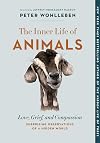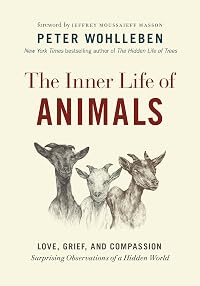
The Inner Life of Animals: Love, Grief, and Compassion―Surprising Observations of a Hidden World
by Peter Wohlleben
The Mysteries of Nature Trilogy (2)
On This Page
Description
Through vivid stories of devoted pigs, two-timing magpies, and scheming roosters, The Inner Life of Animals weaves the latest scientific research into how animals interact with the world with Peter Wohlleben's personal experiences in forests and fields. Horses feel shame, deer grieve, and goats discipline their kids. Ravens call their friends by name, rats regret bad choices, and butterflies choose the very best places for their children to grow up. In this, his latest book, Peter Wohlleben show more follows the hugely successful The Hidden Life of Trees with insightful stories into the emotions, feelings, and intelligence of animals around us. Animals are different from us in ways that amaze us-and they are also much closer to us than we ever would have thought. show lessTags
Recommendations



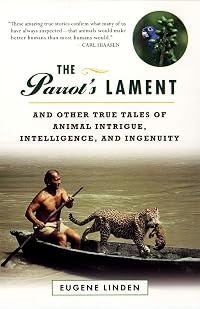
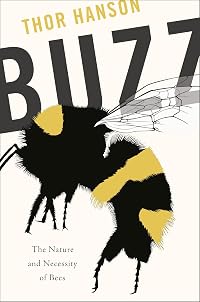
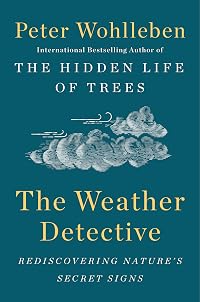

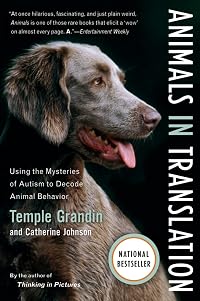
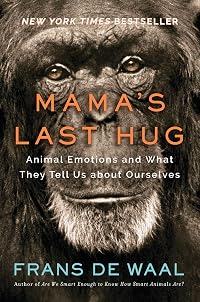

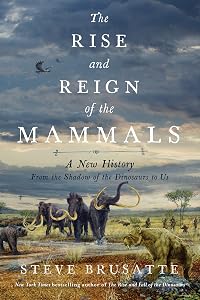

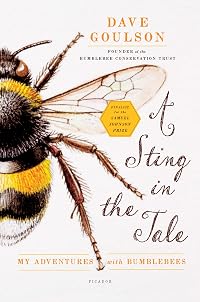

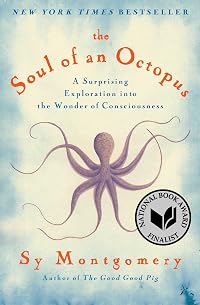


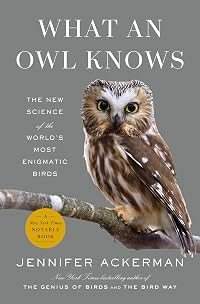
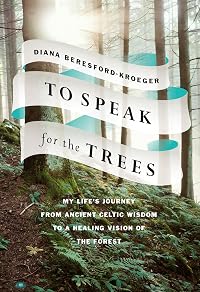
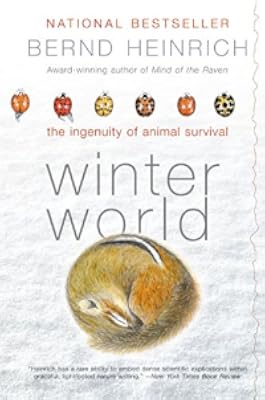
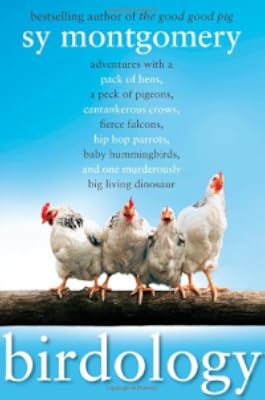
Member Recommendations

Member Reviews
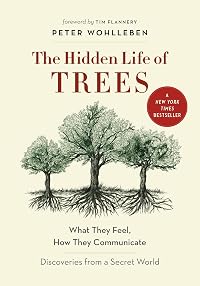
As good as it is, and “The Inner Life of Animals” is very good, it could never top “The Hidden Life of Trees” by the same author, Peter Wohlleben. After all, once you’ve said that trees can feel pain, nurse their young and communicate with each other, there is not much shock value in saying animals are more intelligent than most people give them credit for.
Yet Wohlleben does provide plenty of surprises. Slime molds can find their way through a maze. Bees can remember people. Butterflies can detect the age of plants. Chickens dream. A horse’s whinny can mean different things depending on its pitch. Many animals, he says, have a sense of fairness.
Ornithologists have found shy tits have at least one advantage over more show more aggressive tits: They notice things their more extroverted, quickly-moving fellows do not, such as seeds left over from the previous summer. (It occurs to me that introverted humans also notice things missed by extroverts.)
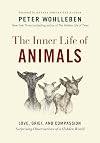
Wohlleben manages a forest in Germany, so sensitivity to trees should come with the territory. But forests have a variety of animal life, and his family has owned numerous pets, as well as those goats shown on the cover of his book. So his own observations fill out the book, while the results of many scientific studies, as interpreted by the author, make up most of the text. And Wohlleben tends to interpret those findings in such a way that emphasizes an animal’s intelligence and sensitivity. Other people, such as those who hunt, fish or operate slaughterhouses, might interpret them differently, or more likely ignore them altogether. show less
Yet Wohlleben does provide plenty of surprises. Slime molds can find their way through a maze. Bees can remember people. Butterflies can detect the age of plants. Chickens dream. A horse’s whinny can mean different things depending on its pitch. Many animals, he says, have a sense of fairness.
Ornithologists have found shy tits have at least one advantage over more show more aggressive tits: They notice things their more extroverted, quickly-moving fellows do not, such as seeds left over from the previous summer. (It occurs to me that introverted humans also notice things missed by extroverts.)
Wohlleben manages a forest in Germany, so sensitivity to trees should come with the territory. But forests have a variety of animal life, and his family has owned numerous pets, as well as those goats shown on the cover of his book. So his own observations fill out the book, while the results of many scientific studies, as interpreted by the author, make up most of the text. And Wohlleben tends to interpret those findings in such a way that emphasizes an animal’s intelligence and sensitivity. Other people, such as those who hunt, fish or operate slaughterhouses, might interpret them differently, or more likely ignore them altogether. show less
The Inner Life of Animals by Peter Wohlleben is a thought-provoking exploration into the emotional and cognitive worlds of animals. The author makes a compelling case that, contrary to traditional thinking, humans and animals share far more in common than we often realize. Wohlleben, drawing on his extensive experience as a forester, delves into the emotional lives of various animal species, highlighting their capacity for love, grief, and compassion.
The book is a well-crafted blend of personal observations and scientific research, offering examples of animal behavior that suggest complex emotional lives. Wohlleben explores how animals form deep bonds, experience loss, and exhibit empathy, making a strong argument that our connections show more to the animal kingdom are not as distant as we might think. His thoughtful approach challenges the notion that human emotions are unique, presenting a rich tapestry of animal experiences that echo our own desires and feelings.
What stands out most in this book is the author’s ability to bring attention to the quiet, often hidden lives of animals. Whether discussing the mourning rituals of elephants or the cooperative behaviors of wolves, Wohlleben invites readers to reconsider the intelligence and emotional depth of the creatures around us.
Ultimately, The Inner Life of Animals is a beautifully written and well-researched book that encourages empathy and a deeper understanding of the animals with whom we share the planet. Wohlleben's observations provide a powerful reminder that we are more connected to our fellow beings in the animal kingdom than we may have ever imagined. This book will resonate with animal lovers and anyone interested in the complex emotional landscape that extends beyond the human experience. show less
The book is a well-crafted blend of personal observations and scientific research, offering examples of animal behavior that suggest complex emotional lives. Wohlleben explores how animals form deep bonds, experience loss, and exhibit empathy, making a strong argument that our connections show more to the animal kingdom are not as distant as we might think. His thoughtful approach challenges the notion that human emotions are unique, presenting a rich tapestry of animal experiences that echo our own desires and feelings.
What stands out most in this book is the author’s ability to bring attention to the quiet, often hidden lives of animals. Whether discussing the mourning rituals of elephants or the cooperative behaviors of wolves, Wohlleben invites readers to reconsider the intelligence and emotional depth of the creatures around us.
Ultimately, The Inner Life of Animals is a beautifully written and well-researched book that encourages empathy and a deeper understanding of the animals with whom we share the planet. Wohlleben's observations provide a powerful reminder that we are more connected to our fellow beings in the animal kingdom than we may have ever imagined. This book will resonate with animal lovers and anyone interested in the complex emotional landscape that extends beyond the human experience. show less
Wohlleben’s first book describes how trees, in a typical beechwood say, communicate with one another, feed their saplings, care for their sick, warn others about and defend themselves against both herbivores and parasites, and a range of other behaviours besides—trees, it turns out, are social organisms. It distilled into a couple of hundred pages all the things he had observed himself and read about during his twenty years working as a forester in the Eifel region of northwest Germany. Not surprisingly, The Hidden Life of Trees was a bestseller.
The Inner Life of Animals was his follow-up. This one deals, not only with the intelligence and emotions of other animal species, but various other abilities and behaviours culled from show more the scientific literature, as well as his own observations of deer, jays and so on at work and his family’s collection of dogs, rabbits, goats and horses at home. As in the first book, he comes across as mild-mannered, amiable, and impatience only surfaces anytime he mentions human hunters with their rifles, traps, fishing lines and trawls, who he clearly detests. In contrast to the first book, I’d met much of the material here before; and, while the original took shape in his mind over two full decades, this follow-up was written only a year later. So, simply cashing in on his success then?
I don’t think so actually. What I’d guess instead is that the whole experience of writing that first one was so thrilling he just couldn’t resist doing it all again. Imagine: first observing, mulling over, absorbing facts and ideas out on your daily round for years on end; then putting it all together as a book; then this unlikely manuscript, not only finding a publisher, but becoming an internationally-acclaimed bestseller. I mean, who could resist living through all that a second time?
So this isn’t a criticism of the author himself (the “cashing in” part sounds more like the publisher jogging his elbow) and this book is an enjoyable read too, so long as you don’t go into it expecting to be as astonished as you were by the first. show less
The Inner Life of Animals was his follow-up. This one deals, not only with the intelligence and emotions of other animal species, but various other abilities and behaviours culled from show more the scientific literature, as well as his own observations of deer, jays and so on at work and his family’s collection of dogs, rabbits, goats and horses at home. As in the first book, he comes across as mild-mannered, amiable, and impatience only surfaces anytime he mentions human hunters with their rifles, traps, fishing lines and trawls, who he clearly detests. In contrast to the first book, I’d met much of the material here before; and, while the original took shape in his mind over two full decades, this follow-up was written only a year later. So, simply cashing in on his success then?
I don’t think so actually. What I’d guess instead is that the whole experience of writing that first one was so thrilling he just couldn’t resist doing it all again. Imagine: first observing, mulling over, absorbing facts and ideas out on your daily round for years on end; then putting it all together as a book; then this unlikely manuscript, not only finding a publisher, but becoming an internationally-acclaimed bestseller. I mean, who could resist living through all that a second time?
So this isn’t a criticism of the author himself (the “cashing in” part sounds more like the publisher jogging his elbow) and this book is an enjoyable read too, so long as you don’t go into it expecting to be as astonished as you were by the first. show less
I didn’t find this book as compelling as the other book I’ve read by Wohlleben, The Hidden Life of Trees, probably because the underlying premise is not as radical. But his anecdotes about animals are still charming and engaging, if not as surprising as those about trees.
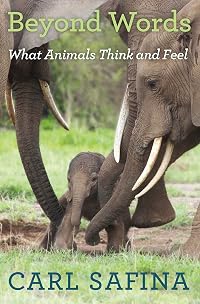
If you liked Trees you'll like Animals. It's basis is in scientific research which is much better presented in Carl Safina's wonderful Beyond Words, but this is still worth reading for the additional anecdotes and quality of writing and of course Wohlleben's character and humor. This is the fourth book on animal intelligence I've read recently and these two, Wohlleben and Safina, are the best IMO for a general reader. If you've already read Safina or some other book, this is still worthwhile it doesn't repeat the same stories, it's more personal and contemplative.
Animals of all kinds have played a part in the human story from way back; they have been companions, used for work, providing and actually being the food in a lot of cases too. Whilst some have been cherished, lots have been treated as pure commodities and we have often been quite cruel usually because people thought that they were not capable of communicating or had emotions.
The latest scientific research and observations though is uncovering a very different story. Lots are known about dolphins and whales though we and not very far down the road of understanding what is being said, and it turns out there are a lot of other animals that communicate in one way or another but there is another world that is slowly being revealed. They show more have discovered instances of animals feeling shame, sadness, regret and as well as the way they can consciously select partners.
I really enjoyed Peter Wohlleben's first book, The Hidden Life Of Trees, a subject he knows a lot about having been a forester for around three decades, and the intimacy of his knowledge there shines like a blade of sunlight through the glade. With this, he is out of his comfort zone somewhat and even though he is drawing on personal experience and scientific research to highlight just how animals behave. Whilst it may have a grounding in science, this is primarily anecdotal evidence and also shows how we as humans project our not fully understood emotions and habits onto all sorts of different species. Still worth reading as some of the stories in here are quite entertaining. show less
The latest scientific research and observations though is uncovering a very different story. Lots are known about dolphins and whales though we and not very far down the road of understanding what is being said, and it turns out there are a lot of other animals that communicate in one way or another but there is another world that is slowly being revealed. They show more have discovered instances of animals feeling shame, sadness, regret and as well as the way they can consciously select partners.
I really enjoyed Peter Wohlleben's first book, The Hidden Life Of Trees, a subject he knows a lot about having been a forester for around three decades, and the intimacy of his knowledge there shines like a blade of sunlight through the glade. With this, he is out of his comfort zone somewhat and even though he is drawing on personal experience and scientific research to highlight just how animals behave. Whilst it may have a grounding in science, this is primarily anecdotal evidence and also shows how we as humans project our not fully understood emotions and habits onto all sorts of different species. Still worth reading as some of the stories in here are quite entertaining. show less
This was not as good as his book, "The Hidden Life of Trees", but it was well thought out and interesting.
Members
- Recently Added By
Lists

Books Read in 2017
4,249 works; 130 members

The Venus Project Recommended Books - Contemporary sources
53 works; 2 members
Author Information

63+ Works 7,789 Members
Peter Wohlleben spent over twenty years working for the forestry commission in Germany and now runs an environmentally-friendly woodland where he is working for the return of primeval forests. He is the author of numerous books about the natural world including the New York Times bestseller The Hidden Life of Trees.
Some Editions
Awards and Honors
Distinctions
The Guardian Book of the Day (2017-10-20)
Series

Common Knowledge
- Canonical title
- The Inner Life of Animals: Love, Grief, and Compassion―Surprising Observations of a Hidden World
- Original title
- Das Seelenleben der Tiere: Liebe, Trauer, Mitgefühl - erstaunliche Einblicke in eine verborgene Welt; Das Seelenleben der Tiere; Die Gefühle der Tiere: Von glücklichen Hühnern, liebenden Ziegen und träumenden Hunden. Ein Plädoyer für Respekt und Achtsamkeit
- Alternate titles*
- Het innerlijke leven van dieren
- Original publication date
- 2016 (German) (German); 2017 (English) (English)
- People/Characters
- goats; chickens; dogs; cats
- Important places
- Eifel, Germany
- First words
- Roosters that deceive their hens? Mother deer that grieve? Horses that feel shame? [Introduction]
It was a hot summer day at my forester's lodge deep in the woods near Hümmel in the Eifel, a mountain range in Germany. The year was 1996. [Chapter 1] - Last words
- (Click to show. Warning: May contain spoilers.)Squirrels, deer, or wild boar with souls. That's the thought that makes life special and warms my heart when I have the opportunity to watch animals like these in the wild.
(Click to show. Warning: May contain spoilers.)That doesn't mean completely doing without them, but it does mean a certain reduction in our level of comfort and in the amount of biological goods we consume. As a reward, if we then have happier horses, goats, chickens, and pigs, if we can then observe contented deer, martens, or ravens, if one day we can listen in when the ravens call their names, then a hormone will be released into our central nervous system that will spread a feeling against which we have no defense—happiness! [Epilogue] - Original language
- German
*Some information comes from Common Knowledge in other languages. Click "Edit" for more information.
Classifications
Statistics
- Members
- 741
- Popularity
- 38,051
- Reviews
- 11
- Rating
- (3.73)
- Languages
- 16 — Catalan, Czech, Danish, Dutch, English, Estonian, Finnish, French, German, Hungarian, Italian, Polish, Portuguese, Spanish, Swedish, Turkish
- Media
- Paper, Audiobook, Ebook
- ISBNs
- 48
- ASINs
- 8