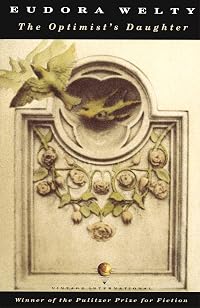
The Optimist's Daughter
by Eudora Welty
On This Page
Description
Fiction. Literature. This Pulitzer Prize–winning novel tells the story of Laurel McKelva Hand, a young woman who has left the South and returns, years later, to New Orleans, where her father is dying. After his death, she and her silly young stepmother go back still farther, to the small Mississippi town where she grew up. Along in the old house, Laurel finally comes to an understanding of the past, herself, and her parents.Tags
Recommendations
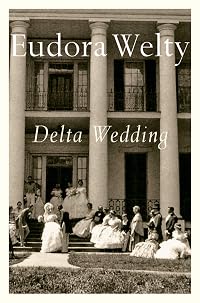
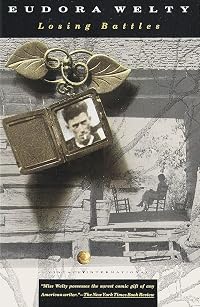
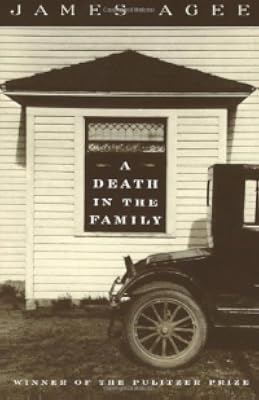











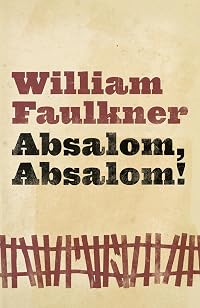
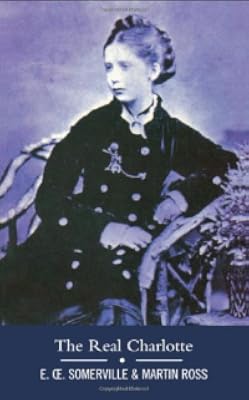



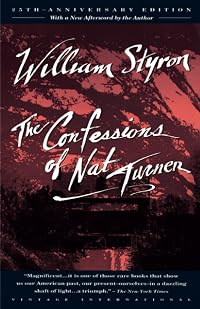
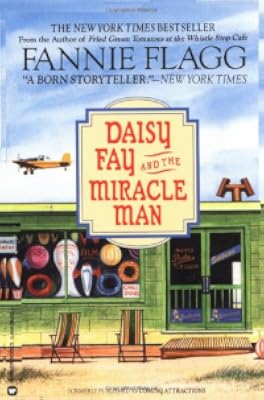






Member Recommendations
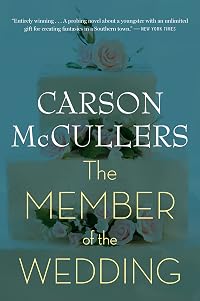
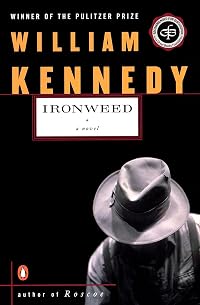
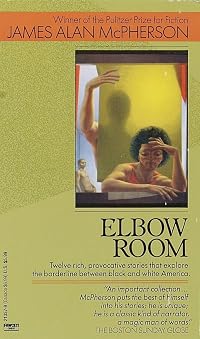
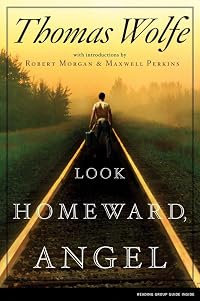
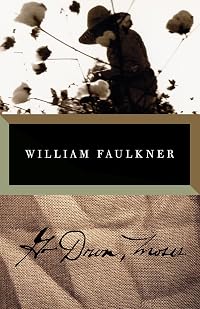
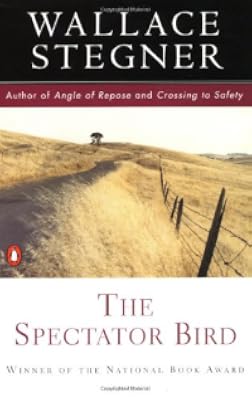
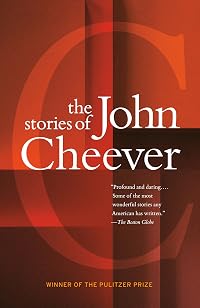
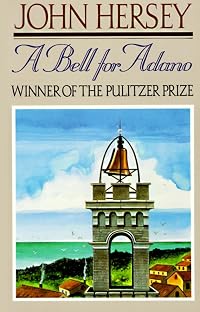
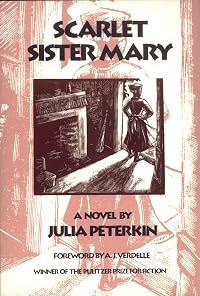
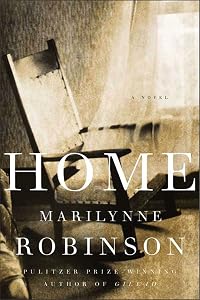
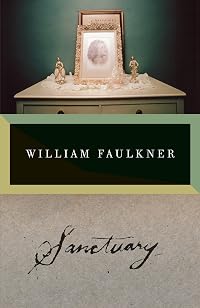
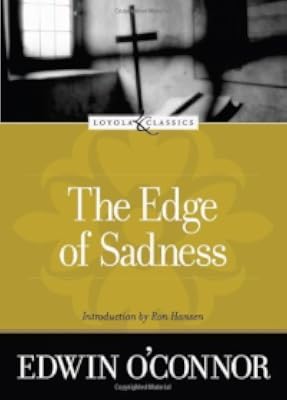
jscape2000 Both are tales of small towns, dysfunctional families, and women trying to define their own path in the world.
Member Reviews
This is a beautifully written quiet little book. The descriptions especially are very evocative, and certainly I know these people, having grown up in the South myself. I'm not sure how much I connected to the story or these characters, though--I felt, as I read, like a disinterested observer, admiring the craft but not getting emotionally involved. Perhaps it is because I feel like I have read the Southern novel so many times over that it has become too shopworn for me by now, which is probably more a fault of mine than of this author's.
Eudora Welty, a great writer, a great title, and a Pulitzer prize? Oh, this should be an excellent read! Except, well, I spent a goodly part of the novel not being an excellent reader.
Being what felt like an unwitting part of Laurel's protracted numbness was unpleasant to me. Up until the last third, I wondered exactly what is this woman feeling, much like Laurel wondered what caused her father to lay languishing from what should have been a recoverable surgery. Was Laurel cold, or as emotionally shallow as her uncouth counterpart Fay? Was Laurel just too darn well-bred to mourn in a recognizable way? Or was there maybe some secret in the past of "the optimist's daughter" to be unhappily revealed? That emptiness of my understanding show more went on almost too long for me. If it weren't for Fay's outbursts and bad manners, my reaction would have been a bored flat-line. At least Fay and her lowbrow family gave me something to feel: outrage and insult on Laurel's genteel behalf, and I confess, an occasional superior guffaw.
Of course, all this was almost certainly under the complete control of Welty's mastery. I see now there was a clear trajectory to her story; it's just when she got there I was almost in despair that it would happen at all. Now I'm chagrined at my weak-reader impatience. I look back and recall certain bread crumbs that I couldn't savor because I was too impatient, too caught up with my thoughts, "Yes, yes, that's interesting, but for pity's sake, what's going on in that head of Laurel? Why doesn't she react to all these shenanigans?"
Then at last, when alone, after the childish Fay, the ridiculous Chisom family, the well-meaning bridesmaids, the drunk Major, and all the long-time friends leave, Laurel feels. Slowly but surely. Grief begins to roll over her. Grief over the death of her mother ten years before and memories of her mother's unhappy change of personality at the end. Grief over the tragic death of her husband cutting short their new life together. Grief over her father's puzzling marriage to the feisty Fay and his too willingly death. All of it catches up with her. So much grief, so much delayed grief. Oh, Miss Welty, I see. I see why Laurel was holding back. She had heavy losses and memories to sort out and I'm half-ashamed for wishing this on her. When that piece of paper with her mother's handwriting with the two words "this morning" flew up from the fire, tears filled my eyes. And that obnoxious Fay? Turns out in the end I realized Fay, too, had a lifetime of loss but of a different kind -- the loss of never having. And the poor thing wasn't even possessed of enough sense to realize it. What she did have was the survivor's base instinct to propel her swiftly into the future, a future without a past worth remembering.
After closing the book, I was tempted to promptly go back to the beginning, this time to read with more sympathy, to let Laurel feel her slow-realized grief at her own pace as any of us should be allowed to do. To pick up those discarded morsels and to taste them fully. And to read a prize-winner with more confidence. show less
Being what felt like an unwitting part of Laurel's protracted numbness was unpleasant to me. Up until the last third, I wondered exactly what is this woman feeling, much like Laurel wondered what caused her father to lay languishing from what should have been a recoverable surgery. Was Laurel cold, or as emotionally shallow as her uncouth counterpart Fay? Was Laurel just too darn well-bred to mourn in a recognizable way? Or was there maybe some secret in the past of "the optimist's daughter" to be unhappily revealed? That emptiness of my understanding show more went on almost too long for me. If it weren't for Fay's outbursts and bad manners, my reaction would have been a bored flat-line. At least Fay and her lowbrow family gave me something to feel: outrage and insult on Laurel's genteel behalf, and I confess, an occasional superior guffaw.
Of course, all this was almost certainly under the complete control of Welty's mastery. I see now there was a clear trajectory to her story; it's just when she got there I was almost in despair that it would happen at all. Now I'm chagrined at my weak-reader impatience. I look back and recall certain bread crumbs that I couldn't savor because I was too impatient, too caught up with my thoughts, "Yes, yes, that's interesting, but for pity's sake, what's going on in that head of Laurel? Why doesn't she react to all these shenanigans?"
Then at last, when alone, after the childish Fay, the ridiculous Chisom family, the well-meaning bridesmaids, the drunk Major, and all the long-time friends leave, Laurel feels. Slowly but surely. Grief begins to roll over her. Grief over the death of her mother ten years before and memories of her mother's unhappy change of personality at the end. Grief over the tragic death of her husband cutting short their new life together. Grief over her father's puzzling marriage to the feisty Fay and his too willingly death. All of it catches up with her. So much grief, so much delayed grief. Oh, Miss Welty, I see. I see why Laurel was holding back. She had heavy losses and memories to sort out and I'm half-ashamed for wishing this on her. When that piece of paper with her mother's handwriting with the two words "this morning" flew up from the fire, tears filled my eyes. And that obnoxious Fay? Turns out in the end I realized Fay, too, had a lifetime of loss but of a different kind -- the loss of never having. And the poor thing wasn't even possessed of enough sense to realize it. What she did have was the survivor's base instinct to propel her swiftly into the future, a future without a past worth remembering.
After closing the book, I was tempted to promptly go back to the beginning, this time to read with more sympathy, to let Laurel feel her slow-realized grief at her own pace as any of us should be allowed to do. To pick up those discarded morsels and to taste them fully. And to read a prize-winner with more confidence. show less
Like Delta Wedding, The Optimist's Daughter evokes a highly detailed sense of time and space during a momentous, but ordinary, life event; in this case, a funeral in a small Mississippi town in the 1950s. Judge McKelva has died in New Orleans after a cataract operation (no simple procedure as it is today -- at that time a cataract patient had to remain immobilized for days, if not weeks, while the eye healed), and his young wife, Fay, and widowed daughter, Laurel, are left to bring the body home to Mount Salus and arrange the funeral.
As indicated by the title, this is Laurel's story -- her coming to terms with losing the last surviving member of her family and the re-storying of her past. The novel has three major segues signalled by show more the book's divisions into four parts. The first moves from the death of Judge McKelva into the very public viewing of a prominent citizen in the front parlor of his home. Welty brilliantly sketches the town's citizens from the bevy of Laurel's "bridesmaids" to Miss Adele, the local kindergarten teacher, to Major Bullock, the self-important old family friend, who needs to feel that he is running the show. When Fay's family unexpectedly arrives, the genteel Southern ritual shifts into near-comic mode.
After the burial, Fay decamps with her family for a few days, and Laurel is left with her closest friends and finally only herself. The novel's mode shifts from dialogue and conversation into internal monologue -- from a hectic public scene into quiet contemplation. As Laurel retrieves her mother's papers and reads her journals, she journeys back into her childhood and finally into her brief marriage that ended with the death of her husband in WWII.
Finally as Laurel is preparing to leave to return to her home in Chicago, Fay reappears. "Laurel as not late, not yet, in leaving, but Fay had come early, and in time." There is a final confrontation between the two women and a final confrontation within Laurel's own understanding.
The book is beautifully and economically written -- it carried me away throughout a summer night. show less
As indicated by the title, this is Laurel's story -- her coming to terms with losing the last surviving member of her family and the re-storying of her past. The novel has three major segues signalled by show more the book's divisions into four parts. The first moves from the death of Judge McKelva into the very public viewing of a prominent citizen in the front parlor of his home. Welty brilliantly sketches the town's citizens from the bevy of Laurel's "bridesmaids" to Miss Adele, the local kindergarten teacher, to Major Bullock, the self-important old family friend, who needs to feel that he is running the show. When Fay's family unexpectedly arrives, the genteel Southern ritual shifts into near-comic mode.
After the burial, Fay decamps with her family for a few days, and Laurel is left with her closest friends and finally only herself. The novel's mode shifts from dialogue and conversation into internal monologue -- from a hectic public scene into quiet contemplation. As Laurel retrieves her mother's papers and reads her journals, she journeys back into her childhood and finally into her brief marriage that ended with the death of her husband in WWII.
Finally as Laurel is preparing to leave to return to her home in Chicago, Fay reappears. "Laurel as not late, not yet, in leaving, but Fay had come early, and in time." There is a final confrontation between the two women and a final confrontation within Laurel's own understanding.
The book is beautifully and economically written -- it carried me away throughout a summer night. show less
I love the way Welty writes. It's cliché, but she's an observer of human foibles with few peers. Her short stories and books stay with me decades after I've finished them.
Laurel is a woman who has left her small (southern) town home and the comfort and pain of everyone knowing everything about you. When we meet her, she has already lost her mother and a husband, both people beloved by that same small town. She returns for her ill father and his demise. The experiences and emotions during the telling of Laurel's story are genuine and will always stand true. Loss, nostalgia, and the realization that you have nothing but the present and the future, don't change.
Welty's Southern Gothic has never been exclusively southern for me. For me, show more her writing generally stands as more Rural Gothic. There are variations in specific customs, but the emotional connections remain the same. The north just runs colder on the outside. show less
Laurel is a woman who has left her small (southern) town home and the comfort and pain of everyone knowing everything about you. When we meet her, she has already lost her mother and a husband, both people beloved by that same small town. She returns for her ill father and his demise. The experiences and emotions during the telling of Laurel's story are genuine and will always stand true. Loss, nostalgia, and the realization that you have nothing but the present and the future, don't change.
Welty's Southern Gothic has never been exclusively southern for me. For me, show more her writing generally stands as more Rural Gothic. There are variations in specific customs, but the emotional connections remain the same. The north just runs colder on the outside. show less
Laurel McKelva Hood travels from her life in Chicago to her childhood home in Mississippi to assist her father, a retired judge, deal with transitions. Clint McKelva has vision difficulty and he seems to be acting somewhat older than he is. [Damn! And he's younger than I am.] A decade or so back, his wife Becky, Laurel's mother, died. Just a year or two ago, he met and abruptly married Kay, a woman younger than his daughter.
Though the Judge seems content with his current marriage, his daughter is not. She was astonished when Clint remarried. She believes Kay to be narcissistic, and both unaware and unappreciative of Clint's role in the community. (Needless to say, Laurel is mystified by the marriage.)
Following seemingly successful show more surgery to save his eyesight, the Judge steadily declines. He's trapped in a New Orleans hospital bed, sandbags against his head to prevent movement that could undo the delicate surgery. In this moment, Laurel and Kay reach a shaky accord in which they'll split bedside attendance. On her watch, Laurel reads Dickens to her father. Kay, on the other hand, frets and fumes about this imposition on her life.
Clint dies.
A funeral service is set. Friends and neighbors gather at the house where Laurel grew up, the house that's now Kay's. Kay has always maintained she has no one—parents dead, no siblings—so both she and the denizens of Mount Salus, Mississippi are floored when Mother, Sis and Bubba, and other assorted Chisoms tumble out of their pickup truck and walk into the house. Like Kay, they're loud and coarse and unaware and jes' plain as dirt. Turns out that Clint knew of them and had directed a friend to invite the Chisom family of Madrid, Texas to attend, if a funeral should be necessary.
There's more, of course.
It's been pointed out that nothing much happens in The Optimist's Daughter. A man dies, his daughter and his lifelong friends and neighbors gather to memorialize him, and his much-younger second wife has hissy fits. It's a study of class, of the rednecks vs. the bourgeoisie.
Despite its brevity, I think this is a very rich novel. Two months after reading it, I think that still. Much of the enjoyment for me came out of the dialog, in what the characters say to each other, and in how they alter their words, their messages, according to the situation, the context, and who they're addressing. Everything seems telling and important. Quite the accomplishment. Eudora Welty won the Pulitzer Prize for this novel. And I award it two thumbs up. show less
Though the Judge seems content with his current marriage, his daughter is not. She was astonished when Clint remarried. She believes Kay to be narcissistic, and both unaware and unappreciative of Clint's role in the community. (Needless to say, Laurel is mystified by the marriage.)
Following seemingly successful show more surgery to save his eyesight, the Judge steadily declines. He's trapped in a New Orleans hospital bed, sandbags against his head to prevent movement that could undo the delicate surgery. In this moment, Laurel and Kay reach a shaky accord in which they'll split bedside attendance. On her watch, Laurel reads Dickens to her father. Kay, on the other hand, frets and fumes about this imposition on her life.
Clint dies.
A funeral service is set. Friends and neighbors gather at the house where Laurel grew up, the house that's now Kay's. Kay has always maintained she has no one—parents dead, no siblings—so both she and the denizens of Mount Salus, Mississippi are floored when Mother, Sis and Bubba, and other assorted Chisoms tumble out of their pickup truck and walk into the house. Like Kay, they're loud and coarse and unaware and jes' plain as dirt. Turns out that Clint knew of them and had directed a friend to invite the Chisom family of Madrid, Texas to attend, if a funeral should be necessary.
There's more, of course.
It's been pointed out that nothing much happens in The Optimist's Daughter. A man dies, his daughter and his lifelong friends and neighbors gather to memorialize him, and his much-younger second wife has hissy fits. It's a study of class, of the rednecks vs. the bourgeoisie.
Despite its brevity, I think this is a very rich novel. Two months after reading it, I think that still. Much of the enjoyment for me came out of the dialog, in what the characters say to each other, and in how they alter their words, their messages, according to the situation, the context, and who they're addressing. Everything seems telling and important. Quite the accomplishment. Eudora Welty won the Pulitzer Prize for this novel. And I award it two thumbs up. show less
Laurel viaja precipitadamente para estar junto a su padre, el juez McKelva, cuando éste la llama. Está preocupado por su salud, algo le pasa a uno de sus ojos. Hacía tiempo que no se encontraba con su padre, concretamente desde su boda con Fay, su madrastra, una mujer más joven que ella, orgullosa e insoportable. Los hechos se precipitan y Laurel se verá obligada a volver a su pueblo natal, Mount Salus, Mississippi, volver no sólo físicamente sino también con su memoria. Laurel deberá hacer frente a los fantasmas de su pasado, a la relación de sus padres, a su matrimonio... Y esto es lo que más me ha gustado del libro, su peregrinaje a través de la casa y de los recuerdos:
"Cuando Laurel era una niña, en aquella misma show more habitación y en aquella misma cama donde se encontraba tumbada en ese instante, cerraba los ojos, así, como ahora, y dos añoradas voces nocturnas y rítmicas que leían iban ascendiendo por la escalera, por turnos, hasta llegar a su cama. Apenas notaba que la vencía el sueño, se desperazaba e intentaba mantenerse despierta, sólo para disfrutar de aquellos susurros. Laurel adoraba sus propios libros, pero aún sentía más cariño por los libros de sus padres, porque eran tanto como sus propias voces."
'La hija del optimista' también tiene unos diálogos deliciosos, los que mantienen las vecinas de Laurel, pero es esa nostalgia por el pasado lo que más perdura en mi memoria. La novela transcurre lentamente, pero aún así va in crescendo, hasta un final perfecto. Agradecer a Impedimenta la preciosa edición de este libro. show less
"Cuando Laurel era una niña, en aquella misma show more habitación y en aquella misma cama donde se encontraba tumbada en ese instante, cerraba los ojos, así, como ahora, y dos añoradas voces nocturnas y rítmicas que leían iban ascendiendo por la escalera, por turnos, hasta llegar a su cama. Apenas notaba que la vencía el sueño, se desperazaba e intentaba mantenerse despierta, sólo para disfrutar de aquellos susurros. Laurel adoraba sus propios libros, pero aún sentía más cariño por los libros de sus padres, porque eran tanto como sus propias voces."
'La hija del optimista' también tiene unos diálogos deliciosos, los que mantienen las vecinas de Laurel, pero es esa nostalgia por el pasado lo que más perdura en mi memoria. La novela transcurre lentamente, pero aún así va in crescendo, hasta un final perfecto. Agradecer a Impedimenta la preciosa edición de este libro. show less
Rating: 3.5* of five
The Publisher Says: The Optimist's Daughter is the story of Laurel McKelva Hand, a young woman who has left the South and returns, years later, to New Orleans, where her father is dying. After his death, she and her silly young stepmother go back still farther, to the small Mississippi town where she grew up. Alone in the old house, Laurel finally comes to an understanding of the past, herself, and her parents.
My Review: This is the novel that won Miss Eudora a Pulitzer Prize. She deserved all the awards going, but to select this one of her novels for an overdue honor...? Not that it's bad or anything, it's just...well...beautiful writing telling an ordinary woman's ordinary experience of coping with, understanding, show more death and aging. Evergreen themes to be sure, and again I stress the beautiful writing bit:
Yes. All of me knows that's true, and my inward ear rejoices in the music of it. But why it comes where it does, well, it's to make or re-make a point that's made.
Fine in shorter fiction. Gets tedious in longer fiction. This is *barely* over novella length and it coulda been shorter. Maybe even shoulda been.
But then there's, “At the sting in her eyes, she remembered for him that there must be no tears in his.” Oh. My. GOODNESS. Or this piece of gorgeousness, a tossaway line: “She was sent to sleep under a velvety cloak of words, richly patterned and stitched with gold, straight out of a fairy tale, while they went reading on into her dreams.” I could faint right now, saying it over and over, absorbing the *exactly*perfect* choice of words, savoring the rhythm, the heartbeat of it.
But the most frequent cry I hear against Miss Eudora's work is, "But NOTHING happens!" That's nonsense. Things happen, things that as we grow older we see clearer, things that don't involve fires and floods, or car, plane, boat trips to places near and far. Things that change the bone and meat of you, not the skin:
And that, that right there, is my personal definition of what a marriage should be. I'd say "don't settle for less!" but there'd be more single people than there are places to house them.
So yes, things happen, yes, things and people change and grow and learn, but it takes a quiet and reserved readerly touch to see it, find it, winkle it out from the words. Action? Little. Characterization? Lots, maybe too much for some characters' ability to sustain our interest (Fay!). Discovery? Well.
In you step, now, and mind the gap.
This work is licensed under a Creative Commons Attribution-NonCommercial-ShareAlike 3.0 Unported License. show less
The Publisher Says: The Optimist's Daughter is the story of Laurel McKelva Hand, a young woman who has left the South and returns, years later, to New Orleans, where her father is dying. After his death, she and her silly young stepmother go back still farther, to the small Mississippi town where she grew up. Alone in the old house, Laurel finally comes to an understanding of the past, herself, and her parents.
My Review: This is the novel that won Miss Eudora a Pulitzer Prize. She deserved all the awards going, but to select this one of her novels for an overdue honor...? Not that it's bad or anything, it's just...well...beautiful writing telling an ordinary woman's ordinary experience of coping with, understanding, show more death and aging. Evergreen themes to be sure, and again I stress the beautiful writing bit:
“Up home we loved a good storm coming, we’d fly outdoors and run up and down to meet it,” her mother used to say. “We children would run as fast as we could go along the top of that mountain when the wind was blowing, holding our arms right open. The wilder it blew the better we liked it.”
Yes. All of me knows that's true, and my inward ear rejoices in the music of it. But why it comes where it does, well, it's to make or re-make a point that's made.
Fine in shorter fiction. Gets tedious in longer fiction. This is *barely* over novella length and it coulda been shorter. Maybe even shoulda been.
But then there's, “At the sting in her eyes, she remembered for him that there must be no tears in his.” Oh. My. GOODNESS. Or this piece of gorgeousness, a tossaway line: “She was sent to sleep under a velvety cloak of words, richly patterned and stitched with gold, straight out of a fairy tale, while they went reading on into her dreams.” I could faint right now, saying it over and over, absorbing the *exactly*perfect* choice of words, savoring the rhythm, the heartbeat of it.
But the most frequent cry I hear against Miss Eudora's work is, "But NOTHING happens!" That's nonsense. Things happen, things that as we grow older we see clearer, things that don't involve fires and floods, or car, plane, boat trips to places near and far. Things that change the bone and meat of you, not the skin:
And perhaps it didn't matter to them, not always, what they read aloud; it was the breath of life flowing between them, and the words of the moment riding on it that held them in delight. Between some two people every word is beautiful, or might as well be beautiful.
And that, that right there, is my personal definition of what a marriage should be. I'd say "don't settle for less!" but there'd be more single people than there are places to house them.
So yes, things happen, yes, things and people change and grow and learn, but it takes a quiet and reserved readerly touch to see it, find it, winkle it out from the words. Action? Little. Characterization? Lots, maybe too much for some characters' ability to sustain our interest (Fay!). Discovery? Well.
At their very feet had been the river. The boat came breasting out of the mist, and in they stepped. All new things in life were meant to come like that.
In you step, now, and mind the gap.
This work is licensed under a Creative Commons Attribution-NonCommercial-ShareAlike 3.0 Unported License. show less
Members
- Recently Added By
Published Reviews
ThingScore 75
The best book Eudora Welty has ever written, "The Optimist's Daughter" is a long goodbye in a very short space not only to the dead but to delusion and to sentiment as well.
added by jlelliott
Lists

1001 Books You Must Read Before You Die
1,448 works; 1,134 members

Pulitzer Prize Winners for Fiction
102 works; 54 members

Classics you know you should have read but probably haven't
421 works; 408 members
Southern Fiction
212 works; 51 members

20th Century Literature
1,161 works; 54 members
National Book Award Finalists - Fiction
377 works; 12 members

Female Protagonist
1,056 works; 57 members

Nobel non-laureates, non-male
30 works; 10 members

1970s
657 works; 23 members
Literature About Women and Girls
394 works; 39 members

Books about the ordinary family members of interesting sounding people.
20 works; 2 members
TML 200 Best Books 1950-1999
202 works; 10 members

Best Domestic Fiction
77 works; 6 members

Books Set in Mississippi
15 works; 3 members
Novels featuring Fathers
56 works; 7 members

Books Read in 2022
5,166 works; 112 members

Authors from the United States
245 works; 3 members
Read These Too
458 works; 9 members

20th-Century American Women Writers Reading List
15 works; 1 member

Vlogbrothers Book Recommendations
307 works; 4 members

The Modern Library (The Two Hundred Best Novels....
202 works; 1 member
Author Information

98+ Works 15,296 Members
Eudora Welty was born in Jackson, Mississippi on April 13, 1909. She was educated at the Mississippi State College for Women in Columbus, Mississippi, and at the University of Wisconsin. She moved to New York in 1930 to study advertising at the Columbia University business school. After her father's death, she moved back to Jackson in 1931. She show more held various jobs on local newspapers and at a radio station before becoming a publicity agent for the Works Progress Administration (WPA), part of Franklin Roosevelt's New Deal program. Travelling through the state of Mississippi opened her eyes to the misery of the great depression and resulted in a series of photographs, which were exhibited in a one-women show in New York in 1936 and were eventually published as One Time, One Place: Mississippi in the Depression in 1971. She stopped working for the WPA in 1936. Her first stories, Magic and Death of a Travelling Salesman, were published in small magazines in 1936. Some of her better-known short stories are Why I Live at the P.O., Petrified Man, and A Worn Path. Her short story collections include A Curtain of Green, The Golden Apples, The Wide Net and Other Stories, and The Bride of Innisfallen and Other Stories. Her first novel, The Robber Bridegroom, was published in 1942. Her other novels include Delta Wedding, The Ponder Heart, Losing Battles, and The Optimist's Daughter, which won the Pulitzer Prize in 1972. She received the gold medal for fiction from the National Institute of Arts and Letters in 1972. Her nonfiction works include A Snapshot Album, The Eye of the Storm: Selected Essays and Reviews, and One Writer's Beginnings. She died from complications following pneumonia on July 23, 2001 at the age of 92. (Bowker Author Biography) show less
Some Editions
Awards and Honors
Awards
Distinctions
Notable Lists
Series
Belongs to Publisher Series
Work Relationships
Common Knowledge
- Canonical title*
- La figlia dell'ottimista
- Original title
- The Optimist's Daughter
- Original publication date
- 1972
- People/Characters
- Laurel McKelva Hand
- Important places
- Mississippi, USA
- Dedication
- For C.A.W.
- First words
- Introduction
Poignant, wise, and economical, The Optimist's Daughter was written for the New Yorker in 1969 and then revised and extended to its present form in 1972, when it won the Pulitzer Prize.
A nurse held the door open for them. - Quotations
- When Laurel was a child, in this room and in this bed where she lay now, she closed her eyes like this and the rhythmic, nighttime sound of the two beloved reading voices came rising in turn up the stairs every night to reach... (show all) her. She could hardly fall asleep, she tried to keep awake, for pleasure. She cared for her own books, but she cared more for theirs, which meant their voices. In the lateness of the night, their two voices reading to each other where she could hear them, never letting a silence divide or interrupt them, combined into one unceasing voice and wrapped her around as she listened, as still as if she were asleep. She was sent to sleep under a velvety cloak of words, richly patterned and stitched with gold, straight out of a fairy tale, while they went reading on into her dreams.
- Last words
- (Click to show. Warning: May contain spoilers.)Introduction
Quitting her analysis at the last moment by disappearing from our view as she leaves home in Mount Salus for the last time, she decides to depart wise but not quite resolved.
(Click to show. Warning: May contain spoilers.)The last thing Laurel saw, before they whirled into speed, was the twinkling of their hands, the many small and unknown hands, wishing her goodbye. - Original language
- English
*Some information comes from Common Knowledge in other languages. Click "Edit" for more information.
Classifications
Statistics
- Members
- 2,957
- Popularity
- 6,036
- Reviews
- 101
- Rating
- (3.55)
- Languages
- 11 — Catalan, English, Finnish, French, German, Italian, Japanese, Norwegian (Bokmål), Spanish, Swedish, Portuguese (Portugal)
- Media
- Paper, Audiobook, Ebook
- ISBNs
- 38
- UPCs
- 2
- ASINs
- 40