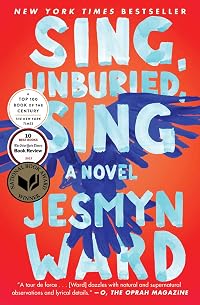
On This Page
Description
Jojo and his toddler sister, Kayla, live with their grandparents, Mam and Pop, and the occasional presence of their drug-addicted mother, Leonie, on a farm on the Gulf Coast of Mississippi. Leonie is simultaneously tormented and comforted by visions of her dead brother, which only come to her when she's high; Mam is dying of cancer; and quiet, steady Pop tries to run the household and teach Jojo how to be a man. When the white father of Leonie's children is released from prison, she packs show more her kids and a friend into her car and sets out across the state for Parchman farm, the Mississippi State Penitentiary, on a journey rife with danger and promise. show lessTags
Recommendations


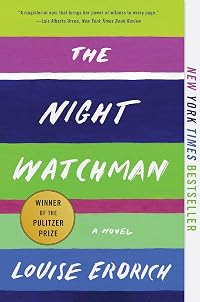
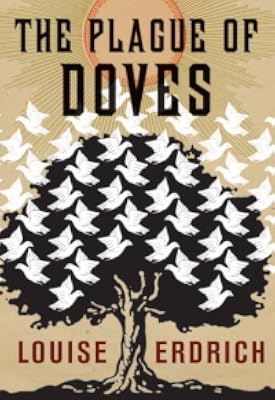
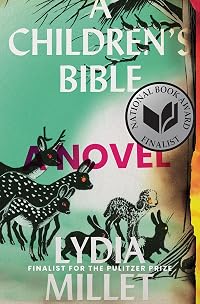
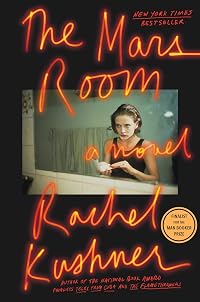

Member Recommendations
BookshelfMonstrosity Mournful spirits haunt both shattering works of African American magical realism that examine the effects of slavery (Beloved) and racism (Unburied) on women and children. Lyrical language and stylistically complex storytelling provide bulwarks from which to glimpse unbearable suffering in each.
40
BookshelfMonstrosity These searing novels feature complex, tragic, and flawed characters in the deep South and are set in part in punitive work camps where choices are limited, the threat of violence ubiquitous, and the corridors of fate narrow and unyielding.

Member Reviews
From the opening set piece description of Pop and his grandson, Jojo, slaughtering, butchering, and cooking a goat for Jojo’s 13th birthday dinner, the reader knows she is on heavily storied ground. Jojo’s mother, Leonie, doesn’t have the mothering instinct, much to the dismay of Jojo and his toddler sister, Kayla. Their father, Michael, is in Parchman, the Mississippi state penitentiary, but he is about to be released. And that means a road trip for Leonie and the children and Leonie’s work friend, Misty. Pop, meanwhile, will tend to his wife, Mam, who is dying of cancer, bedridden and ready for the end. The end, however, isn’t always the end. Sometimes it just opens up a further state of waiting, as is the case for show more Leonie’s murdered older brother, Given, whom she can see whenever she is high. And it isn’t true for Richie, a youth who died violently in Parchman back when Pop himself was serving a stretch there. Those with the gift, or curse, can see these lost souls and some may even have the power to help them find their way home.
Ward writes in a lyrical gothic style, alternating the narrative point of view between Leonie and Jojo, and latterly Richie. Between them we see a tapestry that is frayed and weathered by old violence, race hatred, spirituality and the lore that accompanies it, and cross-generational anxiety. Everyone, it seems, is looking for the mother or father they don’t have, or failing to become the mother or father one might hope them to be, or being forced into such roles before or after one’s time. The journey to Parchman and back introduces the cyclical nature of time and life. So it no surprise that the end of this tale sees many stories coming full circle.
Beautiful writing that can be easily recommended. show less
Ward writes in a lyrical gothic style, alternating the narrative point of view between Leonie and Jojo, and latterly Richie. Between them we see a tapestry that is frayed and weathered by old violence, race hatred, spirituality and the lore that accompanies it, and cross-generational anxiety. Everyone, it seems, is looking for the mother or father they don’t have, or failing to become the mother or father one might hope them to be, or being forced into such roles before or after one’s time. The journey to Parchman and back introduces the cyclical nature of time and life. So it no surprise that the end of this tale sees many stories coming full circle.
Beautiful writing that can be easily recommended. show less
Jesmyn Ward is a great creator of characters. I think what separates her from so many other storytellers is her ability to give us an experience inside the lives of people that most of us are never going to get otherwise. Her fiction is definitely “regional”, but in her case, I think that’s a virtue — it adds to exactly that ability to bring near something very far from most us.
The story is set in the rural south — Ward has said that she draws inspiration from her childhood home of DeLisle, Mississippi near Bay St. Louis. Playing to her strength in creating strong, deep characters, Ward tells the story from the alternating perspectives of four central characters:
Jojo — a thirteen year old boy, on the verge of full male show more responsibility, and the safe haven of his young sister Kayla.
Leonie — Jojo’s unmothering mother, seemingly lost in a world nobody would have planned. She lives with her parents, a mother dying of cancer and a father trying to hold things together, while she waits for her husband to finish out a prison sentence at Parchman. In addition to Jojo, she has another child, an infant girl named Kayla. And she has a friend, who encourages the worst in her.
Given — the ghost of Leonie’s brother, murdered by a group on a hunting trip. Given was the only black member of the trip, apparently invited as a curiosity or an amusement.
Richie — also a ghost, once a young inmate at Parchman’s and a friend to Leonie’s father, Pop. Richie died in an escape attempt.
Other characters are also critical to the story. Pop is the head of the family at the center of the story, Leonie’s and Given’s father, Jojo’s grandfather and father figure, and Kayla’s grandfather. Mama is Pop’s wife and Leonie’s mother. Mama is in the final stages of cancer, a diminished version of herself now, but still a strong presence and a potential, if not real, role model for Leonie.
Kayla, although an infant, often pushes the story forward, just with her presence as someone whose life hasn’t yet taken full form. Michael is Leonie’s husband and Jojo’s and Kayla’s father. Michael finishes his time at Parchman and rejoins the family during the story, bringing with him his own new set of tensions — Michael is a white man, and his own father does not accept his marriage to Leonie or his fathering two children with her.
You toss the characters together, in the situation Ward has set up, and the story happens. She has that ability to draw characters so fully that they carry the story, as if they had their own autonomy — she doesn’t have to push the story forward, it flows naturally from the characters.
The story contains two intersecting threads. One is the story that revolves mostly around Leonie and Jojo. Leonie is going nowhere, except that she is getting back together with her husband Michael. With Pop aging, and Mama dying, she’s called to become a stronger figure in the lives of her children, but she’s not up for the challenge. Jojo still has Pop, and he has Kayla. But he’s increasingly on his own. It’s difficult to see Michael as a strong, positive influence for Jojo, not that he is a bad father so much as he and Leonie seem to isolate themselves from their own family. And of course, as the story begins, Michael has been an absentee father while serving his prison sentence.
The second story is the story of the ghosts. Given and Richie have died before the story begins, but they are in some sense “unburied” — they haven’t been laid to rest. Just the opposite. They died with issues. The world may not be just, and their deaths are not just, but at least they would like to understand, from some point of view, why they died — what sense to make out of it.
Mama says, in assuring Jojo that she will not become a ghost herself when she dies, “The old folks always told me that when someone dies in a bad way, sometimes it’s so awful even God can’t bear to watch, and then half your spirit stays behind and wanders, wanting peace the way a thirsty man seeks water.” That’s the situation for Richie and Given.
Not everyone can see or talk with Given and Richie. The characters who can are special, and part of their being special, I think, is that they can help Given and Richie along to some potential resolution, and their doing so could possibly help them, Jojo and Leonie, to resolutions in their own lives.
I appreciated the shifting points of view in the story — it plays to Ward’s strong empathy for her characters. She lives, and to the extent we can, allows us to live inside the lives of her characters, experience the world of the story as they do.
I won’t spoil the story much by saying it’s not all going to get tied up neatly. It’s all a little bit too real for that. show less
The story is set in the rural south — Ward has said that she draws inspiration from her childhood home of DeLisle, Mississippi near Bay St. Louis. Playing to her strength in creating strong, deep characters, Ward tells the story from the alternating perspectives of four central characters:
Jojo — a thirteen year old boy, on the verge of full male show more responsibility, and the safe haven of his young sister Kayla.
Leonie — Jojo’s unmothering mother, seemingly lost in a world nobody would have planned. She lives with her parents, a mother dying of cancer and a father trying to hold things together, while she waits for her husband to finish out a prison sentence at Parchman. In addition to Jojo, she has another child, an infant girl named Kayla. And she has a friend, who encourages the worst in her.
Given — the ghost of Leonie’s brother, murdered by a group on a hunting trip. Given was the only black member of the trip, apparently invited as a curiosity or an amusement.
Richie — also a ghost, once a young inmate at Parchman’s and a friend to Leonie’s father, Pop. Richie died in an escape attempt.
Other characters are also critical to the story. Pop is the head of the family at the center of the story, Leonie’s and Given’s father, Jojo’s grandfather and father figure, and Kayla’s grandfather. Mama is Pop’s wife and Leonie’s mother. Mama is in the final stages of cancer, a diminished version of herself now, but still a strong presence and a potential, if not real, role model for Leonie.
Kayla, although an infant, often pushes the story forward, just with her presence as someone whose life hasn’t yet taken full form. Michael is Leonie’s husband and Jojo’s and Kayla’s father. Michael finishes his time at Parchman and rejoins the family during the story, bringing with him his own new set of tensions — Michael is a white man, and his own father does not accept his marriage to Leonie or his fathering two children with her.
You toss the characters together, in the situation Ward has set up, and the story happens. She has that ability to draw characters so fully that they carry the story, as if they had their own autonomy — she doesn’t have to push the story forward, it flows naturally from the characters.
The story contains two intersecting threads. One is the story that revolves mostly around Leonie and Jojo. Leonie is going nowhere, except that she is getting back together with her husband Michael. With Pop aging, and Mama dying, she’s called to become a stronger figure in the lives of her children, but she’s not up for the challenge. Jojo still has Pop, and he has Kayla. But he’s increasingly on his own. It’s difficult to see Michael as a strong, positive influence for Jojo, not that he is a bad father so much as he and Leonie seem to isolate themselves from their own family. And of course, as the story begins, Michael has been an absentee father while serving his prison sentence.
The second story is the story of the ghosts. Given and Richie have died before the story begins, but they are in some sense “unburied” — they haven’t been laid to rest. Just the opposite. They died with issues. The world may not be just, and their deaths are not just, but at least they would like to understand, from some point of view, why they died — what sense to make out of it.
Mama says, in assuring Jojo that she will not become a ghost herself when she dies, “The old folks always told me that when someone dies in a bad way, sometimes it’s so awful even God can’t bear to watch, and then half your spirit stays behind and wanders, wanting peace the way a thirsty man seeks water.” That’s the situation for Richie and Given.
Not everyone can see or talk with Given and Richie. The characters who can are special, and part of their being special, I think, is that they can help Given and Richie along to some potential resolution, and their doing so could possibly help them, Jojo and Leonie, to resolutions in their own lives.
I appreciated the shifting points of view in the story — it plays to Ward’s strong empathy for her characters. She lives, and to the extent we can, allows us to live inside the lives of her characters, experience the world of the story as they do.
I won’t spoil the story much by saying it’s not all going to get tied up neatly. It’s all a little bit too real for that. show less
This brilliant novel reads like a thriller yet teases out and lays bare a disturbing family history of violent, unresolved death resulting from a culture of race relations profoundly at odds with national ideals.
Jesmyn Ward is a Southern writer in the gothic tradition, a worthy successor to Faulkner, O’Connor, Welty, and McCullers. To my mind, Ward shows the cruelties not just within families but between families and races. The characters she gives us have so much at stake. What Ward writes is what we have inherited. We can change it, but first we have to acknowledge it.
The bulk of this novel takes place over the course of one day, the day Jojo and his sister Kayla accompany his mother Leonie to Parchman’s, a prison, to pick up his show more father Michael. Everything is revealed in that one day. Resolution takes a little longer.
Ward’s willingness to “go there,” her vision uncut and her language clear and exact, gives her work the aspect of witness. And yet she inhabits the young man Jojo so completely that he became our eyes and our judgment. It feels like a gift, to be able to see how families bend and break under the weight of all they carry…the weight of all those killed violently and not yet laid to rest.
“Last night, Richie crawled under the house and sang.”
Richie is the ghost of a poor murdered boy, and he is not the only ghost in this family’s present. Jojo’s uncle Given is also a spirit, albeit one that gives comfort, advice, and warning. It proves difficult for family members to deal with the spiritual needs of the ghosts as well as the temporal needs of those around them. It is confusing, demanding, intrusive. Add to that, not everyone has “the sight.” Jojo has it.
Ward opens her story with the butchering of a goat, giving us a taste of the education Jojo has on the farm, under the tutelage of his grandfather. The violence of the experience jolts us awake, nerve endings jangling. We need whatever instincts this incident has aroused in us to get through the day trip to Parchman’s, which becomes a descent into the dark heart of delusion and destruction.
Ward manages to instill the work with the impetus of a thriller: a reader becomes completely trapped by the closeness in the old car, the desultory conversation, the turn onto unfamiliar roads, the unexpected stop. The blood scent has put the wind up: we’re not sure who will come out alive at the end of the trip. Ward exquisitely calibrates her descriptions to resonate with us: we recognize these people, these motivations, these zones of danger.
Making an exciting work of fiction is an art, but Ward elevates the stakes by making an exciting work of fiction socially relevant and critical to the conversation going on in our nation. Just last summer a book of essays edited by Jesmyn Ward and written by important American writers and thinkers, The Fire This Time: A New Generation Speaks about Race, was released to great acclaim. The essays address the ongoing race issues our country has never resolved and struggles with yet.
Ward is among the finest and most important writers we have. Make sure you catch everything she puts out. show less
Jesmyn Ward is a Southern writer in the gothic tradition, a worthy successor to Faulkner, O’Connor, Welty, and McCullers. To my mind, Ward shows the cruelties not just within families but between families and races. The characters she gives us have so much at stake. What Ward writes is what we have inherited. We can change it, but first we have to acknowledge it.
The bulk of this novel takes place over the course of one day, the day Jojo and his sister Kayla accompany his mother Leonie to Parchman’s, a prison, to pick up his show more father Michael. Everything is revealed in that one day. Resolution takes a little longer.
Ward’s willingness to “go there,” her vision uncut and her language clear and exact, gives her work the aspect of witness. And yet she inhabits the young man Jojo so completely that he became our eyes and our judgment. It feels like a gift, to be able to see how families bend and break under the weight of all they carry…the weight of all those killed violently and not yet laid to rest.
“Last night, Richie crawled under the house and sang.”
Richie is the ghost of a poor murdered boy, and he is not the only ghost in this family’s present. Jojo’s uncle Given is also a spirit, albeit one that gives comfort, advice, and warning. It proves difficult for family members to deal with the spiritual needs of the ghosts as well as the temporal needs of those around them. It is confusing, demanding, intrusive. Add to that, not everyone has “the sight.” Jojo has it.
Ward opens her story with the butchering of a goat, giving us a taste of the education Jojo has on the farm, under the tutelage of his grandfather. The violence of the experience jolts us awake, nerve endings jangling. We need whatever instincts this incident has aroused in us to get through the day trip to Parchman’s, which becomes a descent into the dark heart of delusion and destruction.
Ward manages to instill the work with the impetus of a thriller: a reader becomes completely trapped by the closeness in the old car, the desultory conversation, the turn onto unfamiliar roads, the unexpected stop. The blood scent has put the wind up: we’re not sure who will come out alive at the end of the trip. Ward exquisitely calibrates her descriptions to resonate with us: we recognize these people, these motivations, these zones of danger.
Making an exciting work of fiction is an art, but Ward elevates the stakes by making an exciting work of fiction socially relevant and critical to the conversation going on in our nation. Just last summer a book of essays edited by Jesmyn Ward and written by important American writers and thinkers, The Fire This Time: A New Generation Speaks about Race, was released to great acclaim. The essays address the ongoing race issues our country has never resolved and struggles with yet.
Ward is among the finest and most important writers we have. Make sure you catch everything she puts out. show less
Jojo and his toddler sister, Kayla, are being raised by their mother's parents on a small farm in southern Mississippi. Their mother (Leonie) ostensibly lives with them, too, but her drug addiction and selfish ways make her an unreliable presence and a mean one at that. With the bedridden Mam (the grandmother) slowly dying of cancer and Pop (the grandfather) doing his best to teach Jojo how to be a decent grown man, Jojo is torn between acquiescing to his mother's demand that he and Kayla go with her on her road trip to pick up their father, who has just been released from prison, and doing what he really wants, which is to stay home with his grandparents. In the end, he and Kayla, whom Jojo is essentially parenting on his own, go with show more their mother. The resulting road trip is full of potential dangers, stupid and selfish decisions on Leonie's part, and complicated family dynamics. Along with this main story, we get parallel narratives of Pop's past experiences in the same prison farm that Jojo's dad is in, and the history of Leonie's brother, who was lynched by a group of white boys that included Jojo's father's cousin. There's also an element of the supernatural here, with the ghosts of both Leonie's brother and Pop's friend, who died at the prison farm, making themselves felt by certain inhabitants of the road trip car.
I'm wholly surprised by how much I liked this novel, since normally the genre is too bleak for me. And this one is plenty grim in its own way, but told in a manner that makes the story itself overpower that darkness. Leonie in any other story would have been enough for me to throw the (audio)book across the room and quit - I can't stand bad mothers; they make me so smad - but my need to know how Jojo's and Pop's stories ended kept me intrigued enough to just make a face at Leonie and keep listening. Her complexities help here, too - she's not just a shitty, drug-addicted parent; she's a product of her circumstances as much as of her bad choices. But even more than the story itself, the writing held me entranced. Gorgeous, gorgeous prose, even when it's Leonie's ugly thoughts we're witnessing. I'll certainly be back for more Ward. show less
I'm wholly surprised by how much I liked this novel, since normally the genre is too bleak for me. And this one is plenty grim in its own way, but told in a manner that makes the story itself overpower that darkness. Leonie in any other story would have been enough for me to throw the (audio)book across the room and quit - I can't stand bad mothers; they make me so smad - but my need to know how Jojo's and Pop's stories ended kept me intrigued enough to just make a face at Leonie and keep listening. Her complexities help here, too - she's not just a shitty, drug-addicted parent; she's a product of her circumstances as much as of her bad choices. But even more than the story itself, the writing held me entranced. Gorgeous, gorgeous prose, even when it's Leonie's ugly thoughts we're witnessing. I'll certainly be back for more Ward. show less
Set in rural Mississippi, this novel focuses on a mixed-race family: thirteen-year-old Jojo, his younger sister Kayla, their drug-addicted mother Leonie, their white father Michael, and their grandparents, Pop and Mam. Leonie and her children, along with friend Misty, travel by car to Parchman Farm (the Mississippi State Penitentiary) to retrieve recently released Michael. During the journey, we learn several ways this family is dysfunctional. Jojo must act as a parent to his sister due to Leonie’s drug addiction and general unfitness as a mother. Michael comes from a racist family, and they have never accepted Leonie, which has of course impacted Jojo.
We also learn about Mam, a healer with a deep connection to nature, who is now show more dying of cancer. Leonie often hallucinates the ghost of her brother, Given, who died from racially motivated violence. The narrative is interwoven with flashbacks to Pop’s experiences at Parchman years ago, where he witnessed the death of a black youth, Richie, whose ghost becomes one of the central figures.
The perspective alternates primarily between Jojo and Leonie. It is a very sad and beautifully written novel. Through her characters, Jesmyn Ward addresses larger social issues, such as systemic racism, poverty, and the cycles of trauma. I know some are not fans of magical realism, but here it serves an important purpose. For example, I do not think it would have worked as well if the violence encountered by Richie and Given happened instead to one of the main living family members. The ghostly presences reflect the weight of memory, giving a voice to those who have been silenced.
This book is a powerful story of a fractured family with deep scars. At its core it is about the ways in which love, pain, and memory shape the lives of individuals and families. I have read other books by Jesmyn Ward, but none has touched me as deeply as this one. It will surely become a literary classic (if it isn’t already). show less
We also learn about Mam, a healer with a deep connection to nature, who is now show more dying of cancer. Leonie often hallucinates the ghost of her brother, Given, who died from racially motivated violence. The narrative is interwoven with flashbacks to Pop’s experiences at Parchman years ago, where he witnessed the death of a black youth, Richie, whose ghost becomes one of the central figures.
The perspective alternates primarily between Jojo and Leonie. It is a very sad and beautifully written novel. Through her characters, Jesmyn Ward addresses larger social issues, such as systemic racism, poverty, and the cycles of trauma. I know some are not fans of magical realism, but here it serves an important purpose. For example, I do not think it would have worked as well if the violence encountered by Richie and Given happened instead to one of the main living family members. The ghostly presences reflect the weight of memory, giving a voice to those who have been silenced.
This book is a powerful story of a fractured family with deep scars. At its core it is about the ways in which love, pain, and memory shape the lives of individuals and families. I have read other books by Jesmyn Ward, but none has touched me as deeply as this one. It will surely become a literary classic (if it isn’t already). show less
A searing, eviscerating, story presented in gorgeous writing, Sing, Unburied, Sing was a hard book to read. The characters’ pasts and present lives are filled with pain and longing, addiction, racism, and the prison system shattering lives.
The young boy JoJo emerges as a quiet hero, his little sister Kayla’s refuge. Their father is in prison, their mother self-involved and addicted to meth. Their grandparents nurtured them, but Mam is dying of cancer and Pop is struggling with her dying.
When JoJo’s father is to be released from prison, his mother takes the children on a road trip to meet him at the prison. Kayla is ill the entire trip, clinging to her older brother, thie children’s’ needs are not only unmet but irritating to show more the adults.
At the prison, the spirit of a boy, Richie, who died there joins the family; he seeks JoJo’s grandfather who had protected the him while in prison. He believes that if Pop can tell him how he died, he will be released from this world.
Richie realizes how little life has changed since he was alive. “Sometimes I think it done changed. And then I sleep and wake up, and it ain’t changed none.” Black boys and men are still targeted, still end up in prison for minor crimes.
The climax reveals a horrendous choice Pop had to make. Yet, JoJo takes his Pop’s strength and dignity as a mantle, learns to live with the ghosts, and we hope that he can transcend the past, taking Kayla with him, into a better future.
Now available in paperback. show less
The young boy JoJo emerges as a quiet hero, his little sister Kayla’s refuge. Their father is in prison, their mother self-involved and addicted to meth. Their grandparents nurtured them, but Mam is dying of cancer and Pop is struggling with her dying.
When JoJo’s father is to be released from prison, his mother takes the children on a road trip to meet him at the prison. Kayla is ill the entire trip, clinging to her older brother, thie children’s’ needs are not only unmet but irritating to show more the adults.
At the prison, the spirit of a boy, Richie, who died there joins the family; he seeks JoJo’s grandfather who had protected the him while in prison. He believes that if Pop can tell him how he died, he will be released from this world.
Richie realizes how little life has changed since he was alive. “Sometimes I think it done changed. And then I sleep and wake up, and it ain’t changed none.” Black boys and men are still targeted, still end up in prison for minor crimes.
The climax reveals a horrendous choice Pop had to make. Yet, JoJo takes his Pop’s strength and dignity as a mantle, learns to live with the ghosts, and we hope that he can transcend the past, taking Kayla with him, into a better future.
Now available in paperback. show less
A wrenchingly difficult read, brilliant but brutal. Told in three voices, two living and one dead, the narrative explores the lives of three living generations of a fractured family in rural Mississippi. Leonie, the middle generation, is a black woman whose white husband is currently serving time at Parchman. She is often strung out on drugs, unable to be any kind of mother, while her 14-year-old son JoJo tends to his little sister Kayla. JoJo’s is the first voice we hear-- he is the heart and soul of this novel. We soon learn that he hears and sees things that others do not, a genetic gift or curse. It is apparent that Leonie’s parents, Pop and Mam, have been JoJo’s main caregivers for some time when the story begins. Now Mam is show more dying, Leonie is obsessed with the imminent release of her husband Michael from the prison farm, and JoJo is shouldering more and more responsibility. In addition, he is communicating with the shade of a dead boy his grandfather knew long ago during his own stretch at Parchman. Pop has told parts of Richie’s story to JoJo over and over...but he has never finished it. Richie is in limbo because he doesn’t know his own ending, and he begs JoJo to get Pop to fill in the final details.
Nothing about the story generates hope that things will ever be better. The realism is hard to face, and I needed breaks to get through it. The grinding poverty, a mother's disregard for her children's welfare, the inhumane treatment of prisoners (both past and present), beleaguered ghosts and the protracted suffering of an old woman. When I push through that kind of difficult reading, I hope for some illumination of why people behave that way, what makes it possible for victims and survivors to endure such a life...maybe even a clue as to how changes in attitude and behavior might come about. I got very little of that from this book, and yet I am better for having read it, somehow. No one gets a pass from the author here...not her characters and not her readers, but it is impossible to miss the message that there IS love in this family. JoJo would endure almost anything to comfort and protect Kayla; Pop is attentive to his wife and a decent father figure for JoJo; Leonie rouses herself to fulfill her mother’s last wish for help in contacting the voodoo gods she believes will open the door to the next world for her; Michael defies his own uncompromising family in allegiance to Leonie and his children. This is not an uplifting tale of overcoming obstacles; rather it is an unsparing look at how insurmountable the obstacles can be. show less
Nothing about the story generates hope that things will ever be better. The realism is hard to face, and I needed breaks to get through it. The grinding poverty, a mother's disregard for her children's welfare, the inhumane treatment of prisoners (both past and present), beleaguered ghosts and the protracted suffering of an old woman. When I push through that kind of difficult reading, I hope for some illumination of why people behave that way, what makes it possible for victims and survivors to endure such a life...maybe even a clue as to how changes in attitude and behavior might come about. I got very little of that from this book, and yet I am better for having read it, somehow. No one gets a pass from the author here...not her characters and not her readers, but it is impossible to miss the message that there IS love in this family. JoJo would endure almost anything to comfort and protect Kayla; Pop is attentive to his wife and a decent father figure for JoJo; Leonie rouses herself to fulfill her mother’s last wish for help in contacting the voodoo gods she believes will open the door to the next world for her; Michael defies his own uncompromising family in allegiance to Leonie and his children. This is not an uplifting tale of overcoming obstacles; rather it is an unsparing look at how insurmountable the obstacles can be. show less
Members
- Recently Added By
Published Reviews
ThingScore 100
At just 304 pages long, “Sing, Unburied, Sing” is a road novel, a ghost story, a family epic, and damning testimony bearing witness to terrible crimes. It is also unforgettable.
added by Lemeritus
...Ward is seeking something more from (or perhaps for) her characters. And so the road trip, and the drug drama, and the struggle for wholeness unfold against a series of more mysterious events.... For each of these characters, living or dead, what lies unasked or unspoken becomes an impediment not just to happiness or social mobility but to literal deliverance — and each must decide show more whether to rise to the occasion, whether to let what he or she harbors sound out. Maybe that’s the miracle here: that ordinary people whose lives have become so easy to classify into categories like rural poor, drug-dependent, products of the criminal justice system, possess the weight and the value of the mythic — and not only after death; that 13-year-olds like Jojo might be worthy of our rapt attention while their lives are just beginning.... Such feats of empathy are difficult, all too often impossible to muster in real life. But they feel genuinely inevitable when offered by a writer of such lyric imagination as Ward. “Sing, Unburied, Sing” is many things: a road novel, a slender epic of three generations and the ghosts that haunt them, and a portrait of what ordinary folk in dire circumstances cleave to as well as what they — and perhaps we all — are trying to outrun. show less
added by Lemeritus
This is a lyrical howl of a book that knows exactly when to go quiet and when to make its cries almost unbearable. It's a story of unfinished business, for both a country still struggling to live up to its ideals and for the ghosts that walk through these pages ... The past is its own character in Sing, Unburied, Sing, ready to burst in without a moment's notice and remind everyone it never show more really went away. If William Faulkner mined the South for gothic, stream-of-consciousness tragedy, and Toni Morrison conjured magical realism from the corroding power of the region's race hatred, then Ward is a worthy heir to both. This is not praise to be taken lightly. Ward has the command of language and the sense of place, the empathy and the imagination, to carve out her own place among the literary giants. show less
added by Lemeritus
Lists

2018 Tournament of Books
18 works; 12 members

2018 Women's Prize for Fiction Longlist
16 works; 11 members

Best 21st Century Books (So Far)
670 works; 86 members

Favourite Women's Prize for Fiction, Orange & Bailey's Prize contenders
132 works; 52 members

Top Five Books of 2018
802 works; 265 members

Recommend the 20 best books you've read in the last five years
2,168 works; 602 members
Top Five Books of 2017
757 works; 231 members

Baileys Women's Prize for Fiction Winners and Shortlisted Books
61 works; 11 members

Books recommended by Barack Obama
295 works; 28 members

National Book Award - Fiction
78 works; 10 members

Top Five Books of 2020
982 works; 350 members

Southern Fiction
212 works; 52 members

Pleasant Surprises: Books That Exceeded Our Expectations
418 works; 143 members

Top Five Books of 2022
736 works; 272 members

Top Five Books of 2019
387 works; 108 members

Top Five Books of 2021
604 works; 181 members

Must-Read Books by Black Authors
114 works; 92 members

Powell's Indiespensable
79 works; 6 members
Contemporary Fiction
109 works; 7 members

Black Authors
384 works; 32 members

The Zora Canon
98 works; 4 members

Best of 2017
12 works; 2 members

Five star books
1,767 works; 110 members
2018 Notable Books for Adults
26 works; 4 members
Bitter Southerner Summer Reading Roundup
198 works; 8 members

Book Club 2021
5 works; 1 member

Kirkus Starred Fiction Reviews of Books Published in 2017
412 works; 7 members

Books Read in 2017
4,249 works; 129 members

A's favorite novels
100 works; 3 members
Overdue Podcast
806 works; 9 members

Recommendations
17 works; 1 member

Llibres que he llegit el 2018
46 works; 1 member

Goodreads Choice Awards 2017
20 works; 2 members

NYT Readers best of 21st C
100 works; 8 members

.
184 works; 1 member

Books Read in 2025
4,128 works; 98 members

Wishlist
50 works; 1 member

Coming of Age
33 works; 1 member

Dead narrators
50 works; 4 members
Barack Obama's Favorite Books of 2017
12 works; 1 member

Reading Glasses Podcast
410 works; 3 members
National Book Award winners
65 works; 11 members
NYT 100 best books of 21st C
100 works; 31 members

Zora Canon
100 works; 6 members

LitHub's Best Novels of the Decade 2010-2019
39 works; 1 member

Book of the Month Selections 2016 to Present
130 works; 5 members

AP Lit
363 works; 6 members

Books Read in 2018
4,360 works; 110 members

Ghost Stories That Thrill Us
256 works; 115 members
Author Information

12+ Works 12,992 Members
Jesmyn Ward was born in DeLisle, Mississippi in 1977. She became a writer after the death of her brother by a drunk driver. She received a MFA in creative writing from the University of Michigan. Her books include the novel Where the Line Bleeds, the memoir Men We Reaped, and the nonfiction work The Fire This Time: A New Generation Speaks about show more Race. Salvage the Bones won the National Book Award in Fiction in 2011 and an Alex Award in 2012. Sing, Unburied, Sing won the National Book Award in Fiction in 2017. She taught at University of New Orleans, the University of South Alabama, and Tulane University. (Bowker Author Biography) show less
All Editions
Some Editions
Awards and Honors
Series

Common Knowledge
- Canonical title
- Sing, Unburied, Sing
- Original title
- Sing, unburied, sing
- Original publication date
- 2017-09
- People/Characters
- Jojo; Kayla; Mam; Pop; Leonie; Michael
- Important places
- Mississippi, USA
- Epigraph
- Who are we looking for, who are we looking for?
It's Equiano we're looking for.
Has he gone to the stream? Let him come back.
Has he gone to the farm? Let him return.
It's Equiano we're looking for.
-... (show all)---Kwa chant about the disappearance of Equiano an African boy
The memory is a living thing---it too is in transit. But during its moment, all that is remembered joins, and lives---the old and the young, the past and the present, the living and the dead.
---from One Writer's... (show all) Beginnings,
by Eudora Welty
The Gulf shines dull as lead. The coast of Texas
glints like a metal rim. I have no home
as long as summer bubbling to its head
boils for that day when in the Lord God's name
the coals of fire are heaped up... (show all)on the head
of all whose gospel is the whip and flame,
age after age, the uninstructing dead.
--from "The Gulf," by Derek Walcott - Dedication
- For my mother, Norine Elizabeth Dedeaux, who loved me before I took my first breath. Every second of my life, she shows me so.
- First words
- I like to think I know what death is.
- Quotations
- This the kind of world, Mama told me when I got my period when I was twelve, that makes fools of the living and saints of them once they dead. And devils them throughout.
How the dolphins were dying off, how whole pods of them washed up on the beaches in Florida, in Louisiana, in Alabama and Mississippi: oil-burnt, sick with lesions, hollowed out from the insides. And then Michael said somethi... (show all)ng I’ll never forget: Some scientists for BP said this didn’t have nothing to do with the oil, that sometimes this is what happens to animals: they die for unexpected reasons. Sometimes a lot of them. Sometimes all at once. And then Michael looked at me and said: And when that scientist said that, I thought about humans. Because humans is animals.
He’s been orbiting her like a moon, sleeping on the sofa with his back to the door, searching the yard and woods for pens and bins and machines to fix so he can repair in the face of what he cannot. - Last words
- (Click to show. Warning: May contain spoilers.)I love you all.
- Blurbers
- Patchett, Ann; Mathis, Ayana; Reynolds, Jason; Ng, Celeste
- Original language
- English
- Canonical DDC/MDS
- 813.6
- Canonical LCC
- PS3623.A7323
Classifications
Statistics
- Members
- 5,007
- Popularity
- 2,790
- Reviews
- 212
- Rating
- (4.07)
- Languages
- 12 — Catalan, Danish, Dutch, English, French, German, Italian, Japanese, Korean, Polish, Spanish, Swedish
- Media
- Paper, Audiobook, Ebook
- ISBNs
- 45
- ASINs
- 12